


 9 min. read
Summary
- The Alberta government has gone back and forth on coal mining in the eastern slopes of the Rocky Mountains, with major decisions followed by major reversals.
- There are three main coal mines currently active in Alberta, with at least three more projects in earlier stages of development. The majority of these produce coal used to make steel.
- Country musician Corb Lund says his petition for a referendum question about coal mining in the Rockies has enough signatures to move ahead, but the government says it can’t be included on the October ballot.
Ever since the Alberta government surprised everyone by suddenly changing the rules around coal mining in the Rocky Mountains six years ago, the province has been on a rollercoaster of regulatory changes.
First there was the lifting of the old coal policy, followed by its reinstatement after public outrage — but not before some projects were approved. Then there was a suspension of those approvals, followed by a government review. Confused yet?
As it stands now, the government says a new coal policy to govern mining and exploration will be unveiled this year. But the last several years of back and forth have resulted in hundreds of millions of dollars (so far) in government payments to coal companies that were burned by the on-again/off-again regulatory seesawing.
And that’s not all. There’s also recent controversy over a petition led by country musician Corb Lund to block coal exploration in the Rockies, which the government says it won’t allow on the October ballot despite Lund claiming to have enough signatures (more on that below).
So what’s going on with coal mining in Alberta, exactly? Are there any projects operating or exploring? Will we ever have regulatory clarity from the government?
Let’s dive in.
Quick recap of the Alberta coal mining regulatory merry-go-round, please?
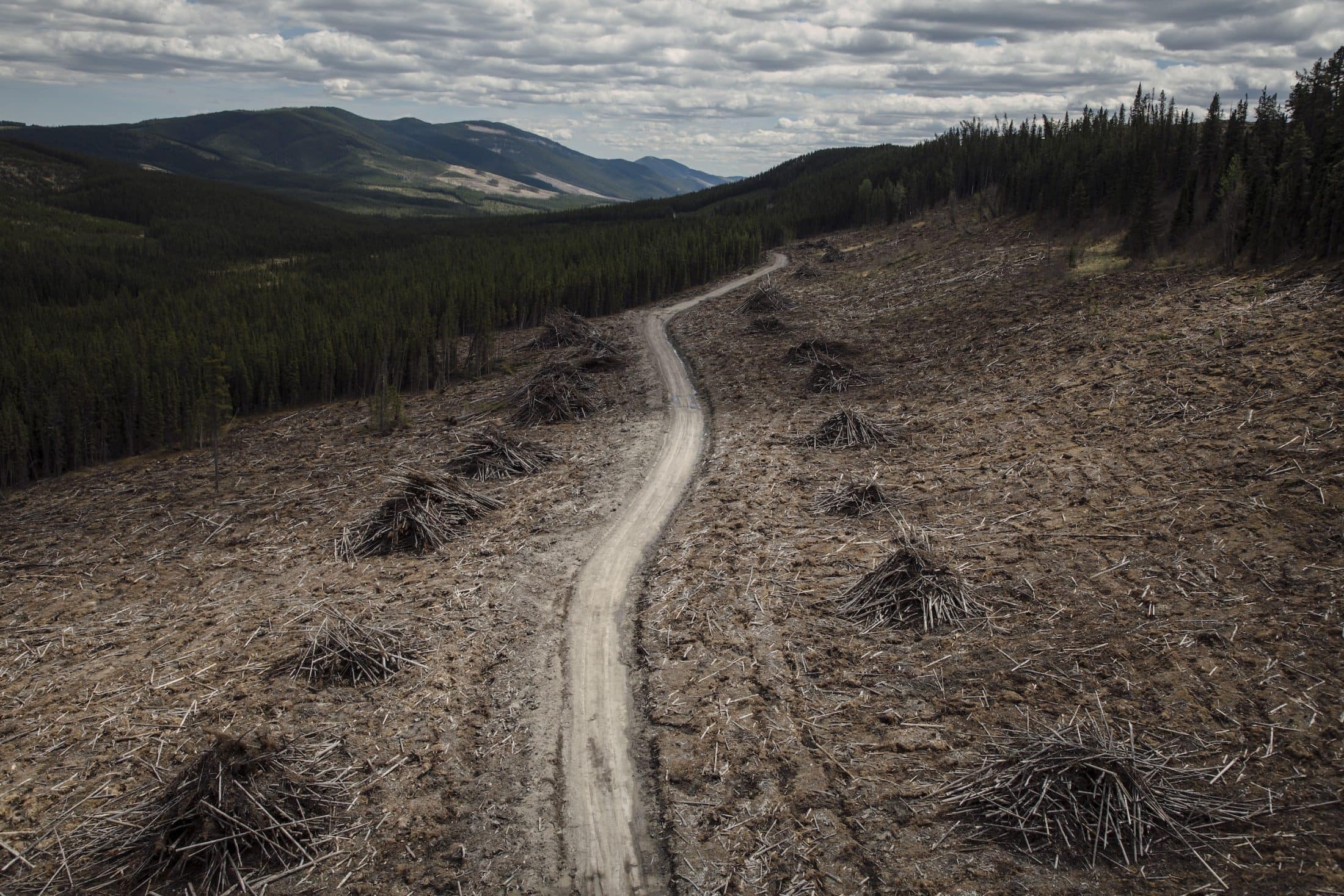
As noted above, the United Conservative Party government under former premier Jason Kenney suddenly killed a long-standing coal policy in Alberta, dating back to 1976. It did so on the Friday before a long weekend in 2020, but it failed to fly under the radar. The change made it easier to mine on the eastern slopes of the Rockies — a key fresh water source for much of the country.
The ensuing outcry forced the government to backtrack on the change in 2021, but that was far from the end of it.
A year later, the government ordered a pause on new exploration in some areas and a government committee hit the road to gather input from Albertans.
The government then instituted a moratorium on exploration and development on the eastern slopes in 2022.
That new moratorium was lifted in 2025, allowing suspended projects to move forward and new applications to be filed as the government works on a new coal policy. The policy will govern where and when a company can mine for coal on the eastern slopes; the government is currently only consulting about it with industry.
The province also says mountaintop removal mining won’t be allowed under its new policy, but there are serious questions about what that means, and how much of a mountain can still be removed.
Along the convoluted way, companies caught up in these changes sued the province for upwards of $12 billion, although the final figure will likely be lower based on settlements to date. The province has finalized agreements with two companies for a total of $238 million, leaving three lawsuits outstanding.
Those lawsuits were a primary consideration for the government when it decided to lift the moratorium last year, according to Premier Danielle Smith.
Also worth noting is the government’s own coal policy committee, which issued a report in 2021 arguing regional and subregional land-use plans — broad rules that seek to balance multiple uses, essentially what should and should not be allowed in designated areas of the province — need to be completed before “any major coal project approvals are considered.”
Still with us?
Are there currently coal mines in Alberta? What’s happening now?
It’s hard to keep track of it all, and to remember which mines are still moving ahead and which have decided to head for more stable (regulatory) ground. There are currently three active coal mines in Alberta, with a handful in earlier stages of development.
But it’s important to make clear that we’re mostly talking about metallurgical coal here, which is a higher-grade product used in steel production. It’s different from coal burned to create electricity.
Most of the thermal coal mines, used to provide power, have shuttered with the end of coal-fired power in the province. But not all.
Let’s break it down by region. In the central Rockies — the area roughly west of Edmonton and adjacent to Jasper National Park — there are currently two operating thermal mines; one thermal mine expansion, Vista; and one metallurgical mine proposal, Mine 14, which was controversially approved by the Alberta Energy Regulator (appeals to come).
A little farther south, near the town of Nordegg, another metallurgical mine is in the exploration phase.
In the southern region, there is a metallurgical mine, also in the exploration phase.
There’s one more mine, east of Edmonton, that sells small quantities of thermal coal directly to the public.
Which Alberta mines are the most hotly debated?
Two of the mines that have generated the most controversy are actually not currently operating.
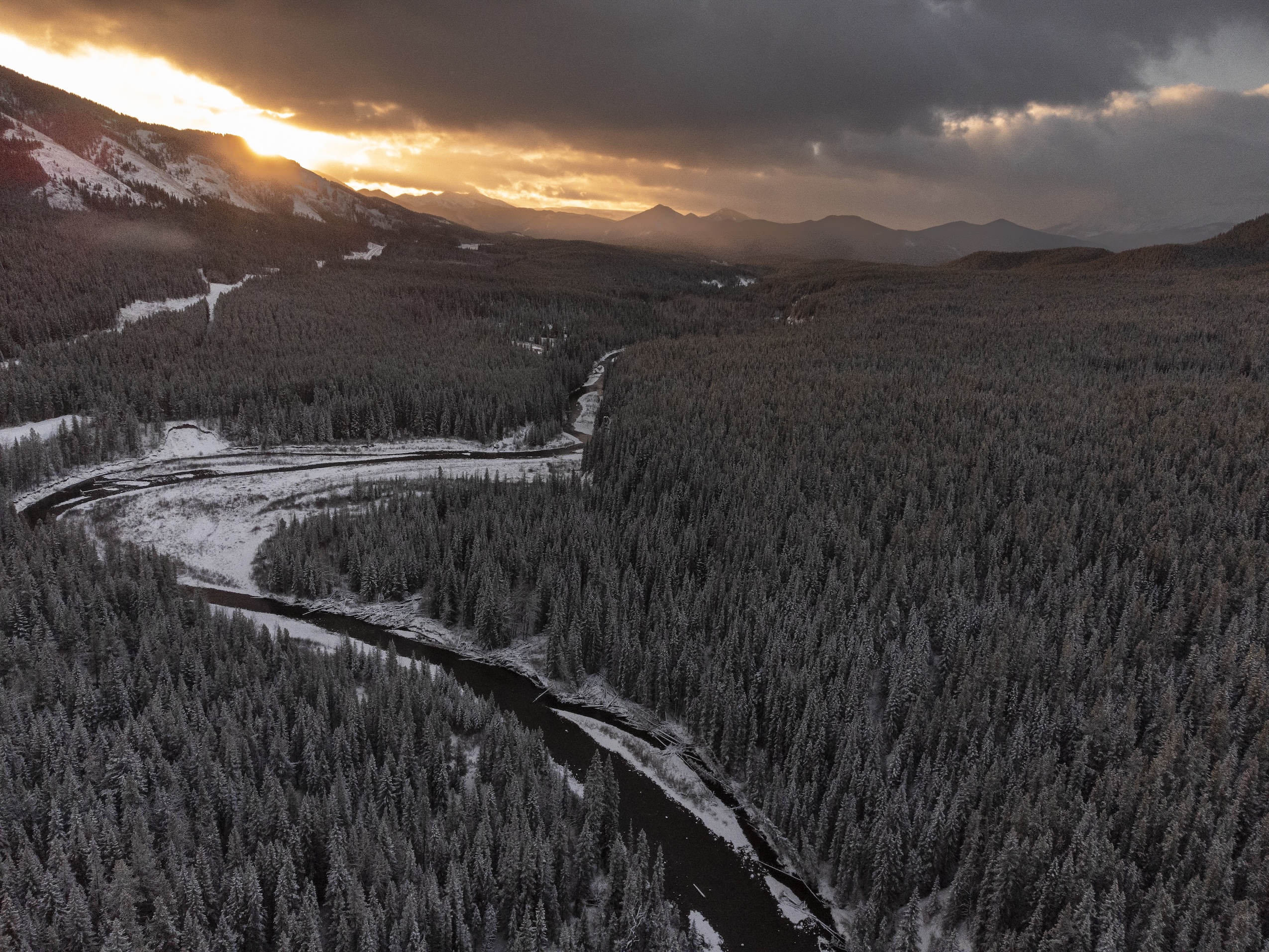
Mine 14, in west-central Alberta, along the Rockies near Grande Cache, was scheduled to have a public hearing after the regulator gave its nod of approval to the project. That hearing was cancelled, however, after conversations between the company and the CEO of the Alberta Energy Regulator, Rob Morgan, raised questions over the independence of the energy regulator, preventing opponents from airing their concerns about the project.
A coalition of environmental organizations is appealing that cancellation in the courts.
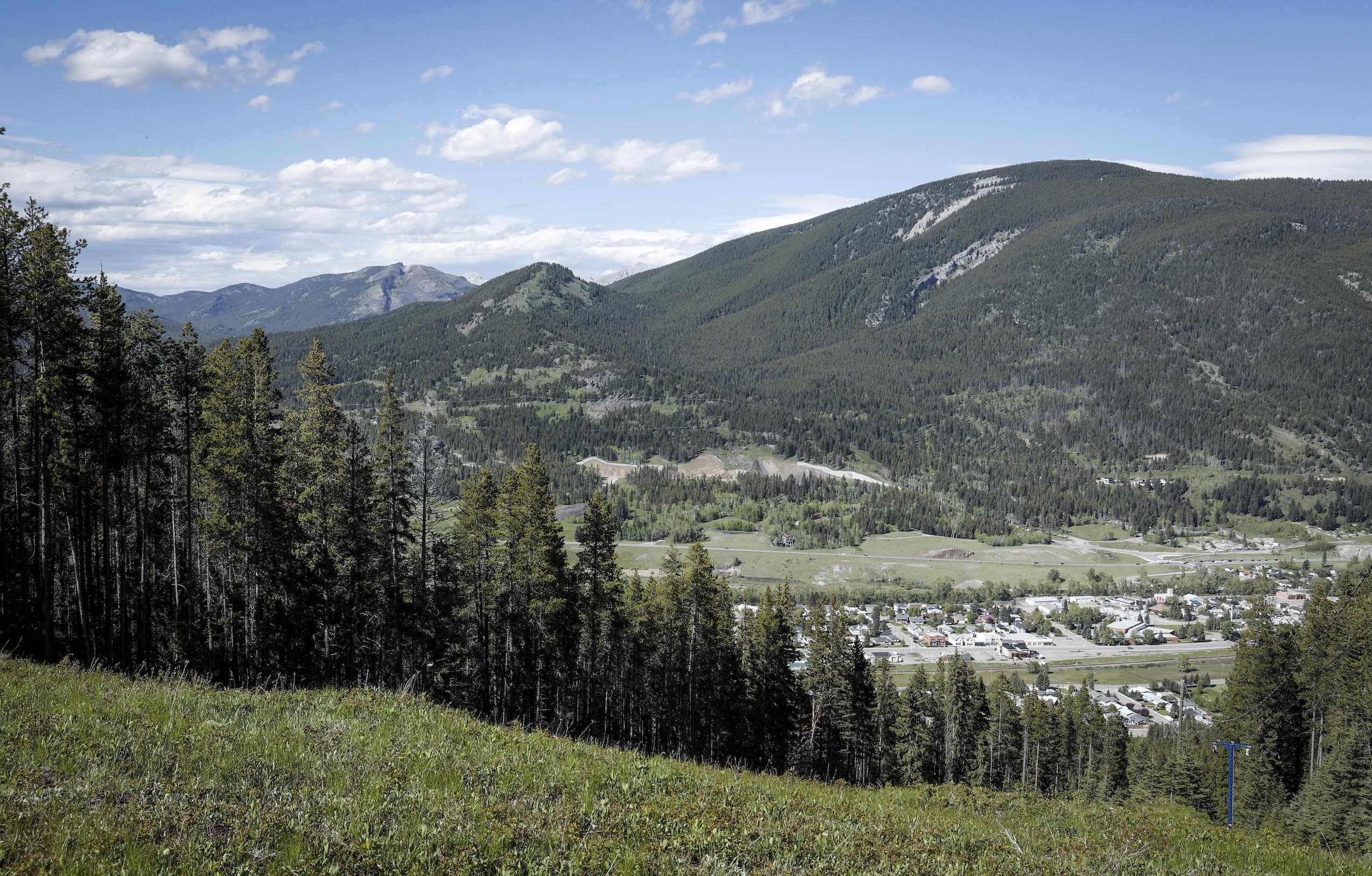
Then, farther south, there’s the Grassy Mountain mine proposed north of the Crowsnest Pass, a traditional coal region that hasn’t seen an active mine for decades. Grassy Mountain has generated the most opposition from ranchers, environmentalists and some First Nations. It was also the subject of controversy due to conversations between Morgan, the regulator CEO, and the company behind the project, Northback. The regulator refused to disclose to The Tyee, which broke the story, what was discussed at that meeting.
Grassy Mountain was rejected in 2021 by the Alberta Energy Regulator and the federal government. The regulator said the project was not in the public interest, while the federal review said the economic benefits of the project did not outweigh the significant environmental risks. That rejection was upheld in multiple court cases, but the mine was included on a provincial government list of approved projects that were not impacted by its moratorium.
In 2024, Energy Minister Brian Jean wrote a letter to the Alberta Energy Regulator saying the project could be considered.
“Once a project is considered an advanced project it remains as one regardless of the outcome of regulatory applications submitted before it was declared an advanced project,” Jean wrote in his letter to the regulator.
He went on to say he expected the regulator would review any applications for advanced projects. The regulator dutifully did so and the project is moving through the regulatory process.
What’s up with Corb Lund’s petition about Alberta coal mining?
There is local support for Grassy Mountain in Crowsnest Pass, which held a non-binding referendum that showed majority support for the project (even though it’s located in the neighbouring Municipal District of Ranchlands).
The Piikani First Nation, on whose traditional territory the mine would sit, says it supports exploratory drilling, but is reserving judgement on the mine itself.
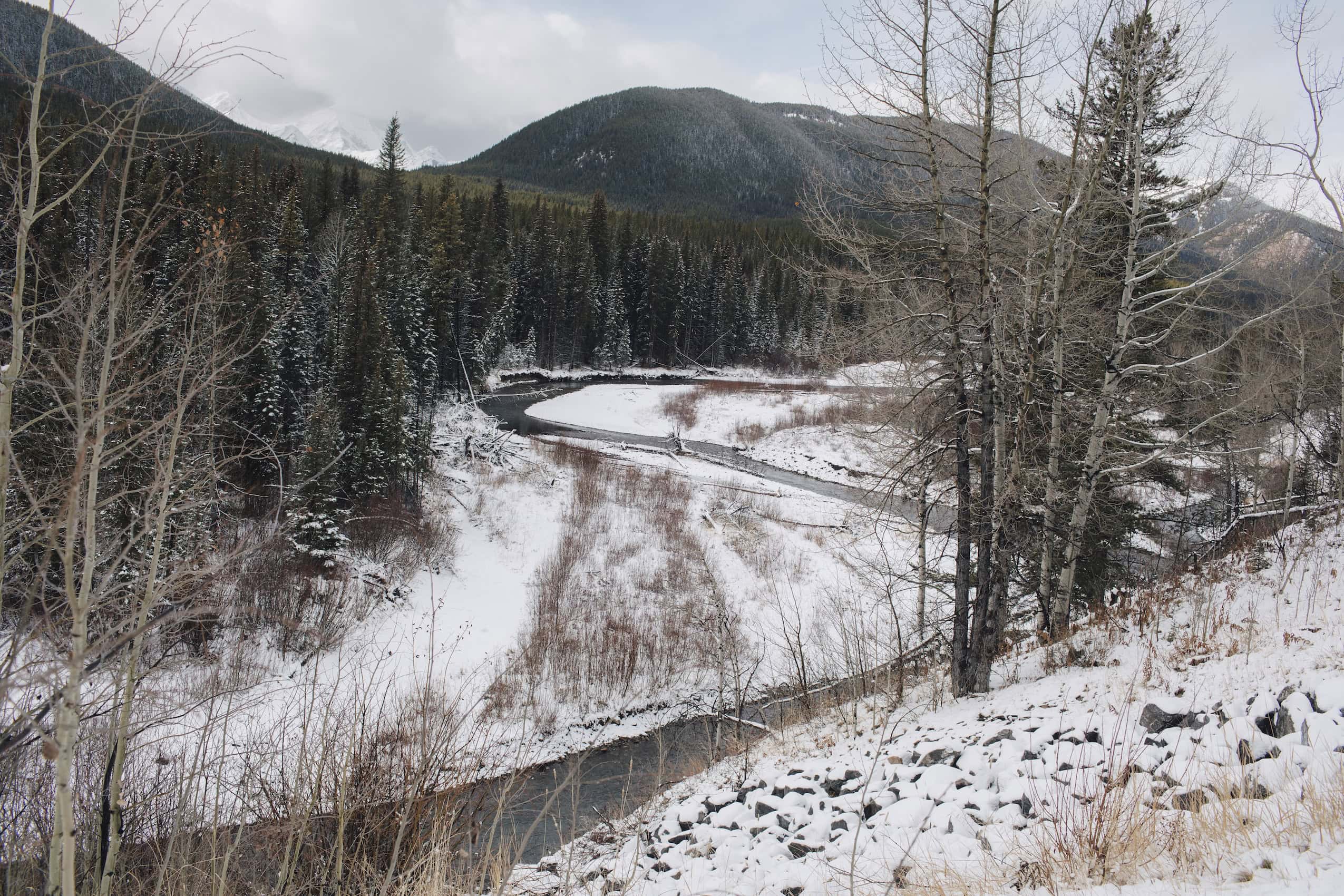
But there has been significant opposition across Alberta, not only to Grassy Mountain, but to coal mining on the eastern slopes in general.
A recent petition asking the government to either ban coal mining on the Rockies, or to ask Albertans whether they want a ban in a referendum, claims to have more than 200,000 signatures, more than enough to get the issue on the ballot in October. However, Premier Smith said it’s too late for the topic to be included amongst a long list of referendum questions being put to Albertans — all of which deal with increased provincial sovereignty or separation.
The creator of that petition, country musician Corb Lund, said the petition is being tossed aside based on a missed deadline that didn’t exist.
“I personally met with the premier in her office on May 11. We were literally discussing the wording of my question as it should appear on the ballot, face-to-face. And at no point was any June 1 deadline mentioned,” Lund said in a statement emailed to media.
He said the premier has the authority to put something on the ballot and that she has done so multiple times, with nine of her government’s own questions on topics ranging from more control over immigration to constitutional amendments, as well as a question on holding a separation referendum.
If the question isn’t put to Albertans in October, it will have to wait until 2027.
In addition to the petition, the government’s own survey of Albertans, conducted in 2021, showed overwhelming concern about coal development in the province. More than 85 per cent of respondents didn’t think coal development or exploration was adequately regulated, and more than 90 per cent thought it should be barred from certain areas, including the Rockies, foothills, areas near watersheds and more.
What’s next with coal mining in Alberta
The government has promised a revamped coal policy for the province this year, but there is no date and no details. It is currently consulting industry, and only industry, on the policy.
The Alberta government did not respond to an email asking when the new policy will be unveiled.
In the meantime, it has approved Mine 14, the Vista thermal coal mine expansion and allowed for Grassy Mountain to conduct exploratory drilling. Valory, the company behind Mine 14, is also pushing for a new metallurgical coal mine along the Rockies called Blackstone.