






 6 min. read
Summary
- The federal government is proposing changes to Canada’s access to information regime that could shield some emails and text messages from information requests.
- These sorts of requests have formed the basis of reporting from The Narwhal and other media outlets, and have been used by lawyers, academics and members of the public.
- The Treasury Board of Canada Secretariat is seeking public feedback on the proposal until June 15.
A secretive bid for Canada’s spy agency to share intel with corporations. A behind-the-scenes lobbying effort to weaken climate rules and fast-track a major oil and gas project. A federal-provincial tug of war over a new highway in Ontario.
These, and many more stories by The Narwhal, were built off government documents retrieved through Canada’s transparency law. For more than 40 years, the Access to Information Act has given journalists, lawyers, academics, activists, businesses and political parties a peek behind the curtain at what the government is doing with tax dollars.
In theory, and sometimes in practice, the law allows for an up-close look at a wide range of government records in a timely manner, usually for just $5, and subject to safeguards like removing personal information, certain legal details and classified materials. But other times, requests can take years to process. The regime has long been accused of being too slow and cumbersome.
In early March, the government of Prime Minister Mark Carney proposed altering the tools the law gives the public to hold Ottawa to account. The government says its proposals, which are not yet enacted or spelled out in legislation, are meant to improve the access regime’s transparency and performance.
But they’re raising concerns among Canada’s information commissioner as well as a group of public interest advocates, who say the changes would actually erode the right of Canadians to know how and why decisions are being made in their name.
“It’s just an excuse to get rid of where the real records are,” investigative researcher and public access advocate Ken Rubin said in an interview.
The March 5 proposals were made by the Treasury Board of Canada Secretariat, the federal department that oversees government management, as part of a regular review of the legislation.
The department is responsible for administering the Access to Information Act, as well as for developing information management policies for the public service. It’s asking for public feedback on its proposals until June 15.
Some emails and text messages could be shielded under Canada’s proposed Access to Information law changes
Chief among the concerns of Rubin and other opponents to the changes is the government’s proposal to redefine what constitutes an official record.
It could mean the public loses access to what the government, in its proposal, calls “routine communications” and other “transitory” documents, or any records the government decides don’t hold any “business value.”
This could include information in any format, including email, texts or instant messages, and crafted at any stage, like duplicates or drafts, according to Treasury Board spokesperson Barb Couperus in an emailed response to questions from The Narwhal.
Information that holds business value is anything that “documents activities and decisions of government,” Couperus said. The government would determine whether a record holds business value by looking at the content, and not the format of the record, she added.
Removing these records from the access to information regime would help the government reduce “processing pressures” and support “more timely responses for Canadians,” Couperus said.
The government believes the massive increase in digital records, from email to instant messages to workspace platforms, requires better management.
Being able to examine federal public servants’ communications, whether or not they are deemed to have documented government decision-making, is key to understanding how Ottawa actually functions, Rubin said. These records can provide a window into the unvarnished, real-time thoughts of officials, he argued, unlike other types of government documents that get sent through rounds of draft approvals and wind up feeling sanitized.
“If you want to know the dynamics of government and what’s happening, [email and texts] is where you turn,” Rubin said. “The nature of the records, which are more electronic, are the real records, because that’s how people make policy nowadays.”
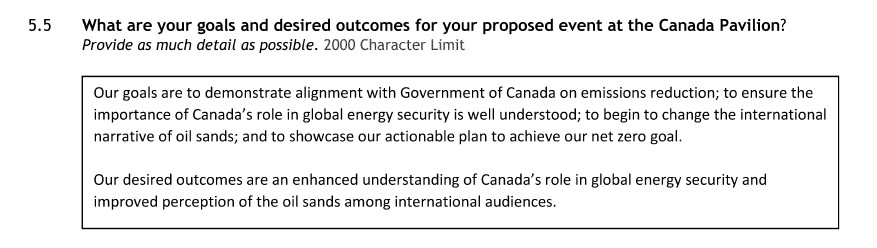
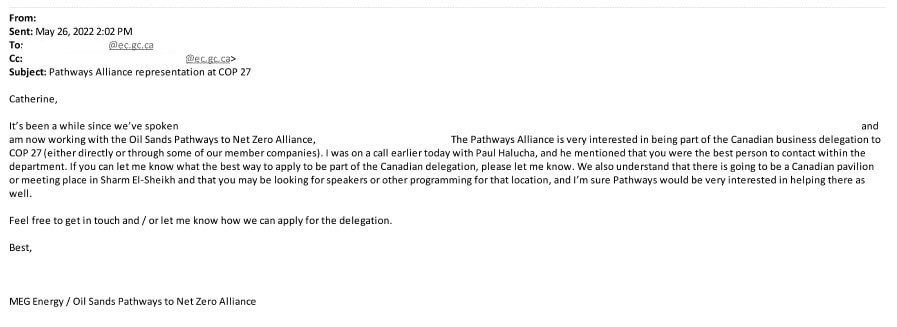
In just one example of an email-based story, The Narwhal reported via an access to information request that a representative of an influential oilsands lobby group reached out directly to senior Canadian public servants, asking to be part of the Canadian delegation to a United Nations climate summit.
As a result, the emails showed, the government gave the lobbyists a platform on the world stage, where they tried to “change the international narrative” of the oilsands.
There is no obligation under the Access to Information Act to create records, however once a formal request is made to access documents, they cannot be destroyed, Information Commissioner Caroline Maynard reminded the ethics committee in a February appearance.
This includes “transitory” records, she noted, as long as they are related to the access to information request.
The commissioner has the power to order the release of records, after a complaint is filed and determined to be well-founded, and if no other resolution can be reached. However the government has suggested it may “revisit” the commissioner’s powers “to make sure they are working as intended.”
Canada’s access to information commissioner ‘troubled’ by proposal
In a March statement, Maynard said she was “troubled” by government proposals that would “weaken the right of access” including “limiting access to ‘official records.’ ”
She told the committee she agreed there were examples — like an email that just says “thank you” — of “a transitory message that we shouldn’t keep.” But she added that meant it was important for federal departments and agencies to have strong retention policies and to train staff in how they work.
On March 26, Rubin, independent journalist and author Dean Beeby and lawyer and academic Matt Malone, who founded the Investigative Journalism Foundation database Open by Default, sent a letter to the members of the House of Commons Access to Information, Privacy and Ethics committee asking them to “urgently begin an examination of model right to information legislation.” The letter was copied to journalists.
The government is proposing “regressive” changes, the group wrote, adding “we fear the end result will not be helpful and your review cannot wait.”
In 2011, the Supreme Court of Canada recognized the right of Canadians to access government information as “quasi-constitutional.” In other words, it holds more fundamental value to society than other laws, while still being outside of the constitution itself.
The federal proposals come as some provincial governments make their own changes to information access laws.
The Alberta government under Premier Danielle Smith passed legislation in 2024 that limited the kinds of records it is obliged to release under that province’s freedom of information law.
And in Ontario, Premier Doug Ford’s government has introduced a bill to change the province’s law to block the public from accessing any documents, emails, call logs or other details from the premier and cabinet ministers, as well as their political staff.
Information and Privacy Commissioner of Ontario Patricia Kosseim called those plans “shocking” and said the proposal to block information held by the premier “is about hiding government-related business to evade public accountability.”