



 11 min. read
Summary
- A shuttered resort in Kananaskis Country could size up and reopen, with plans to build 1,400 parking spots, mountain coasters, minigolf and space for nearly 10,000 visitors a day.
- The location has been designated under Alberta’s All-season Resorts Act, which aims to speed up approvals for tourism projects.
- Experts are concerned the project, the size of a small city, will consume huge amounts of water in a region already dealing with drought.
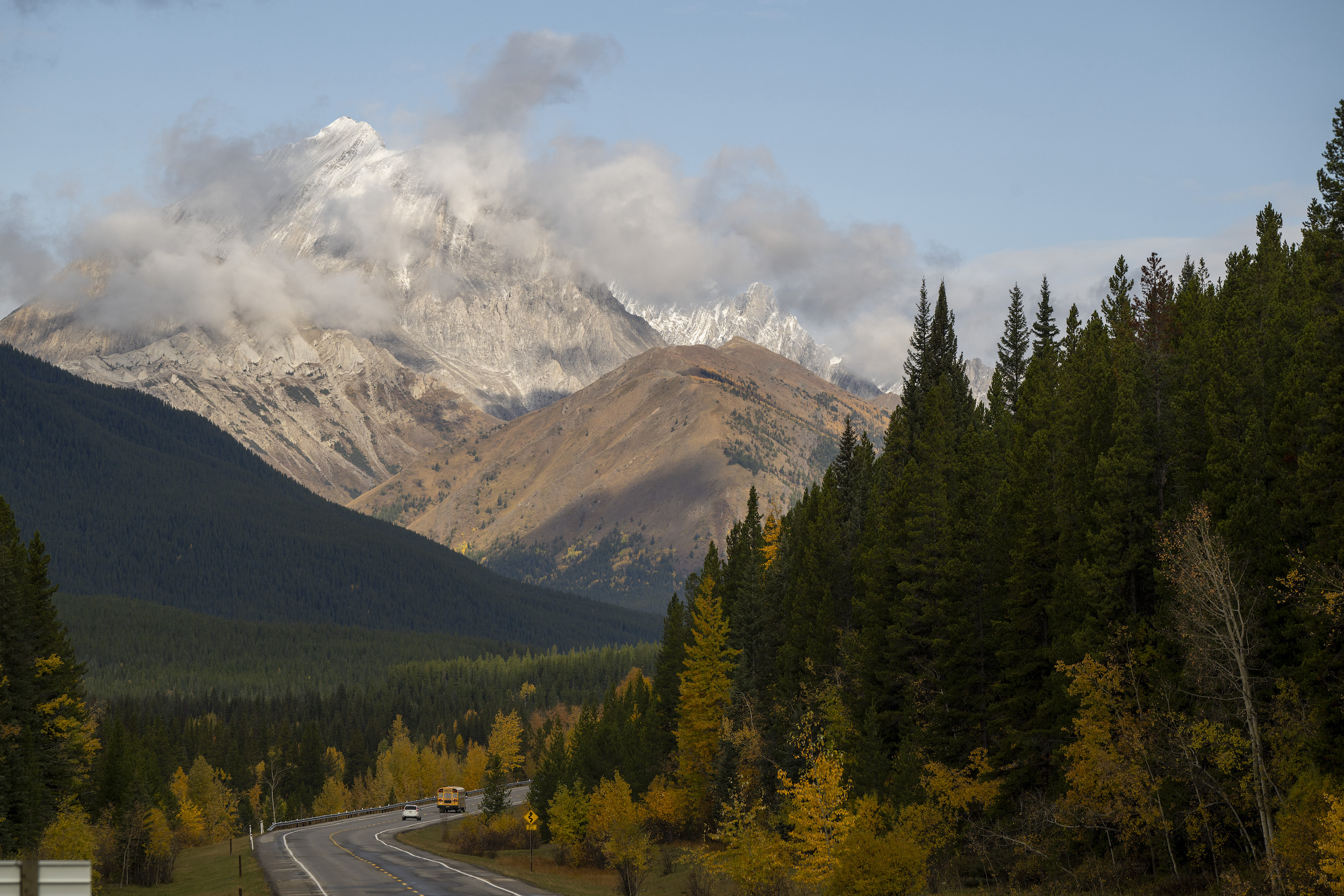
Hidden amongst the sprawling, rugged network of public land, protected areas and provincial parks 125 kilometres west of Calgary, scattered, partially boarded up buildings sit below mountain peaks. They are the relics of the once-vibrant Fortress Mountain Resort.
Now the company behind the on-again, off-again ski resort is applying under the All-season Resorts Act to build out its aged resort as a much-expanded four-season destination.
But when Fortress Mountain Resort unveiled its redevelopment plan in January, many were left with more questions than answers, particularly when it comes to the water supply for thousands of visitors to a drought-stricken region.
“I don’t understand where that water’s going to come from,” Bob Sandford, senior government relations liaison with the United Nations University Institute for Water, Environment and Health, said in an interview with The Narwhal.
The resort would welcome nearly 10,000 additional daily visitors to Kananaskis Country at its peak, which Sandford compared to the development of a small city.
“A town the size that they’re developing, that water footprint’s really heavy,” he said. “What are the downstream effects going to be?”
The proposed expansion is a far cry from the old days of Fortress. When the resort first opened in 1967 under the name Snowridge, the lodge could accommodate 140 overnight guests. Six condos were built in 1976.
The ski hill operated for decades, changing hands multiple times before closing to the public one last time in 2006.
Now, Alberta’s 2024 All-season Resorts Act is giving it new life. The Alberta government says the act helps to grow the tourism industry, “strengthen investor confidence” and offer “tailored support to the resort development industry.” The Canadian Parks and Wilderness Society says the act means resorts can circumvent and undermine environmental laws. Under the act, areas are designated for streamlined approval for tourism projects.
Fortress is hoping to develop in one of three areas that were designated under the act in December. A fourth is under review.
The five-phase vision for Fortress includes up to 9,650 day-visitors by completion and 1,500 employees, plus overnight visitors and staff in 2,500 on-site units that would be a mix of tourist accommodation, real estate and employee housing, along with at least 1,400 parking stalls. It would take 15 years to complete.
Designating the Fortress site for an all-season resort required the removal of 131 hectares from provincial parkland, according to an analysis from the Canadian Parks and Wilderness Society.
The resort will include activities like electric all-terrain vehicles, mountain biking, minigolf, two “mountain coasters” (bobsled-like roller coasters), zip lining and more, along with infrastructure for more than 12 ski lifts, including five gondolas and five chairlifts.
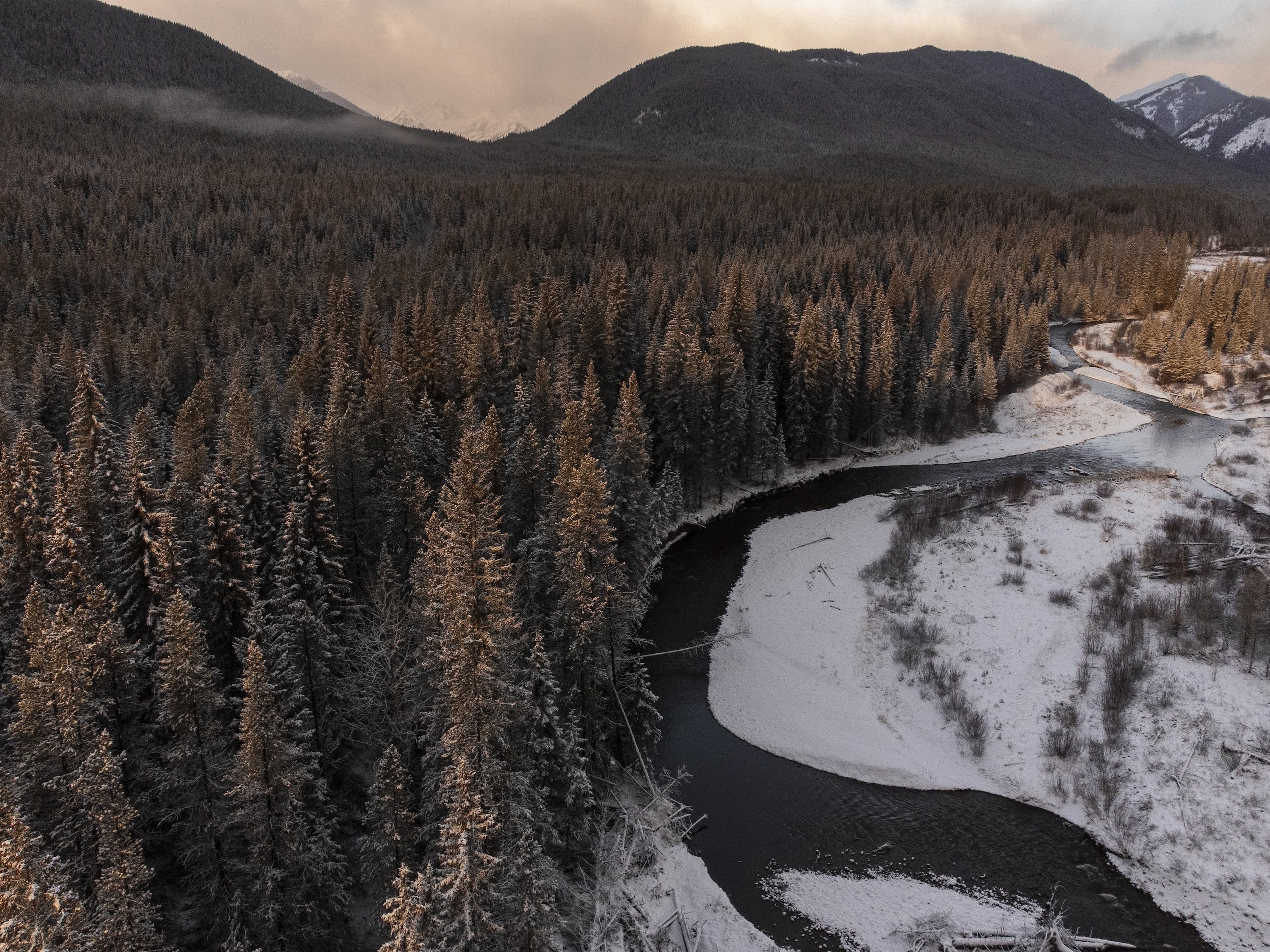
It’s what Katie Morrison, the executive director of the southern Alberta chapter of the Canadian Parks and Wilderness Society, describes as an “amusement park” in an area of ecological importance for sensitive wildlife like grizzly bears, wolverines and bull trout — all in an area already under strain from tourism.
For its part, Fortress says the project team is dedicated to sustainability.
“We aim to be the most water-efficient resort in Alberta,” project director Danielle Vlemmiks said in response to The Narwhal’s questions over email.
Vlemmiks said, should the resort decide to make snow in later phases, Fortress plans to use grey water for snowmaking, something done at other resorts, and is planning activities that do not require large water use.
But that doesn’t quell concerns from environmental advocates who have long been ringing alarm bells over tourism development in the Rockies — an area where wildlife habitat and headwaters are already under threat from clear-cutting, coal mining and more.
So, when Fortress released its plan in January, it was a “worst-case scenario,” Morrison said.
Resort act a ‘regulatory failure’: lawyer
The Fortress proposal and water use is a good example of the All-season Resorts Act’s shortcomings, University of Calgary law professor Shaun Fluker said in an interview with The Narwhal.
Under the act, decision-making power for some large-scale recreation projects has been given to the Tourism Ministry, which has set a goal to grow tourism revenues to $25 billion by 2035. It’s a system Fluker describes as a “fiefdom of the minister.”
“There are no guardrails,” he said.
The All-season Resorts Act establishes a new kind of zone, an “all-season resort area,” which can be created by the tourism minister. After an area has been designated under the act, a developer can then submit an application for a proposed development, including an environmental assessment it has contracted. The proposal must also undergo a minimum 30-day public consultation and an Indigenous consultation period. The Tourism Ministry makes a decision within 150 days of the application being complete.
Morrison said the entire legislative process, from tabling the act to implementing it, has been rushed. And she noted the decision-making power lies with the same ministry mandated to increase tourism development, which she says is problematic, particularly under a fast timeline.
“It’s a little bit of the fox watching the hen house,” Morrison said. “Some of the reasons we have had delays in approval on these things is because this is a really complex landscape.”
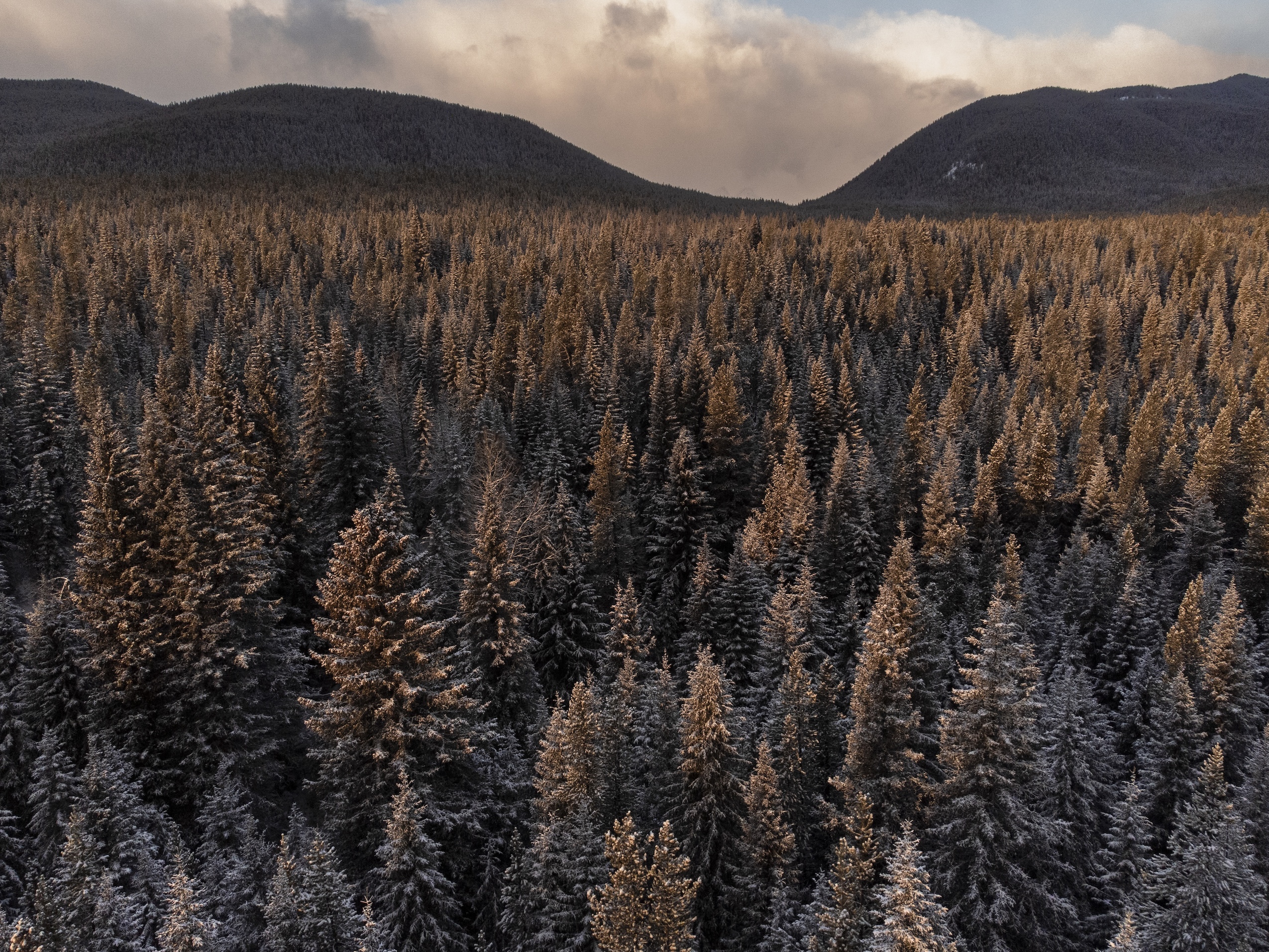
As it stands, Morrison said, the environmental assessment Fortress supplied as part of its application lacks critical information, and is “woefully inadequate” in addressing the potential impacts of the development. Bull trout, a threatened species in Alberta, have specifically been “completely ignored” by the report, she said, as has information needed to understand the impacts of the development on wildlife, aquatic ecosystems and water use in the region.
Fluker said the inadequacy of the assessment, which every expert in this story agreed lacked information for decision-making, “undermines the whole approval process.”
“No credible impact assessment process would take that as a final submission because there’s really nothing usable in it,” he said.
As a requirement, an assessment should put forth enough data for experts to evaluate the potential impacts of a project and come up with solutions.
With this assessment, he said, “I don’t know how anybody could do that.”
Details like how much water the resort would need to operate are currently being studied, Vlemmiks said. But, because Fortress is planning to be as economical with its water use as possible, the needs of the development will have to align with the project design, which will not be finalized for some time.
According to the assessment, and confirmed by Vlemmiks, Fortress has enough water for phase one of its five-phase plan, which anticipates 3,000 day-use visitors. Beyond that, more water may be required.
According to a briefing note from the Tourism Ministry dated June 19, 2025, and obtained through a freedom of information request, the government is well aware of concerns with how the act will deal with water issues in particular.
“[The Ministry of Environment and Protected Areas] has previously raised concerns about how [all-season resorts] will align with water management priorities, especially in light of recent droughts in southern Alberta,” the note reads.
But, it adds, “these concerns are addressed” through a system where Tourism and Sport will share water management responsibilities at resorts alongside the Environment Ministry.
The system is a red flag to Fluker.
Concerns should be brought to and evaluated by an independent board of scientific experts, he said. (The Alberta government did not respond to detailed questions from The Narwhal.)
“That is exactly the kind of issue or topic that a credible impact assessment process grapples [with],” he said.
Morrison agrees, adding she was surprised water didn’t play a bigger role in the proposal — especially given Fortress’s history with water use.
Water from resort is currently sold as bottled ‘glacier water’
Alberta is in a multi-year drought, with conditions across the province ranging from “abnormally dry” to “severe drought.” Forty water shortage advisories were posted in April 2026. But southern Alberta has a long, complex history with drought and water management, including in Kananskis Country.
Alberta has seen two or three seasons of significant water shortage in the last 20 years, Cathy Ryan, a University of Calgary professor in earth, energy and environment, said.
In times of drought, the main concerns are increased wildfires and sufficient water supply — for residents, visitors and ecosystems, Ryan said.
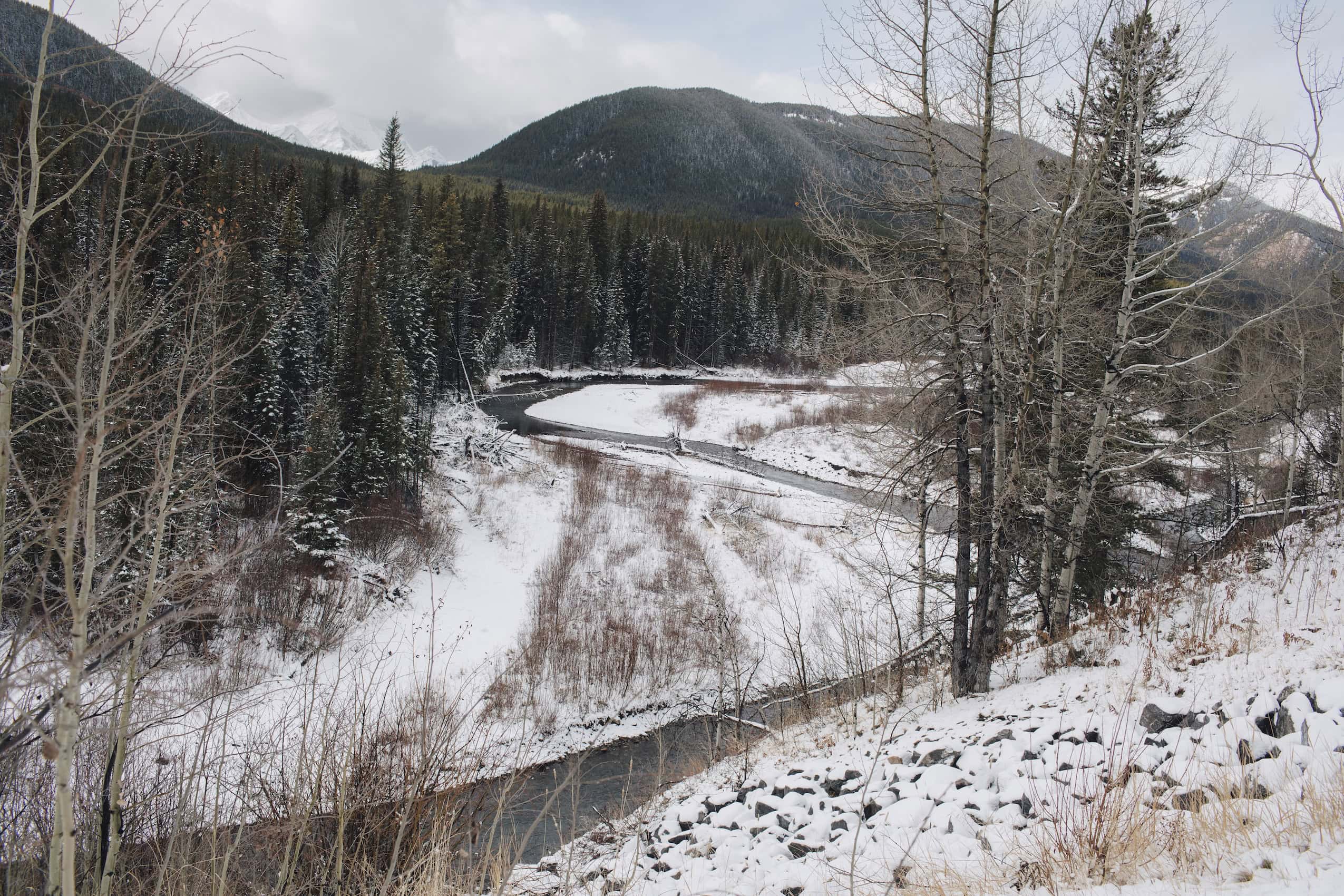
Water supply is managed by the province through a licence system that grants users the right to divert water whether from below ground or from rivers, lakes or streams.
Fortress is part of the vast Bow River Basin — which is itself within the South Saskatchewan River Basin drainage area. The Bow River flows through Banff National Park and eventually merges with the Oldman River to form the South Saskatchewan River. From there, it moves across the Prairies toward Medicine Hat in southern Alberta and beyond.
The sale of new water licences in the South Saskatchewan River Basin, where Fortress is located, has been prohibited since 2006. But Fortress Mountain Holdings has two licences, one of which is for potable water.
In 2019, Fortress was given the green light to sell half of the 98,700 cubic metres, or just under 40 Olympic swimming pools, of its potable water licence commercially. The change was opposed by environmental groups and lawyers and was challenged — unsuccessfully — by Stoney Nakoda First Nation in court in 2020. Canned water from Fortress is now sold as rök Glacier Water.
Should the resort proposal be approved, Vlemmiks said Fortress will cease commercial water sales.
She said the company plans to create a closed-loop system on site. That could include geothermal heat, greywater-supplied snowmaking and reusing water, though she did not provide any further details.
Vlemmiks also said Fortress is exploring a partnership with Stoney Nakoda First Nation to supply and manage water for subsequent phases, and is currently undergoing an Indigenous consultation process. Stoney Nakoda First Nation did not respond to a request for comment.
“We are actively pursuing answers,” Vlemmiks said.
But critics warn even the best-laid plans are subject to a changing climate — and declining water resources.
Concerns about water shortages in Kananaskis Country
When it comes to divvying up water, Cathy Ryan from the University of Calgary said it’s been managed so far by “playing nicely in the sandbox.” But in the event of a shortage, the government can step in to manage water supply.
It’s happened more than once in the last 20 years. Most recently, in April 2024, Alberta instituted water-sharing agreements, where 38 of the largest water-licence holders — making up 90 per cent of the Bow and Oldman basins and 70 per cent in the Red Deer basin — agreed to voluntarily reduce water use if severe drought conditions developed due to several dry seasons and an El Niño winter.
But water-sharing agreements are voluntary.
In 2006, more drastic measures were taken: the province stopped the sale of new water licences in the over-allocated South Saskatchewan River Basin to protect the aquatic ecosystem and ensure Alberta could meet its water-sharing obligation with neighbouring provinces.
According to the province’s online tool, the Bow River Basin, where Fortress is located, was considered in moderate drought in February.
In January, United Nations and Global Affairs Canada released a report about water bankruptcy, defined as when sustained water withdrawal exceeds replenishment, akin to spending outpacing income. Sandford, with the United Nations water think-tank, warned southern Alberta is already headed toward water bankruptcy.
As climate change increases temperatures and exacerbates the effects of drought, Sandford’s concerns are far-reaching.
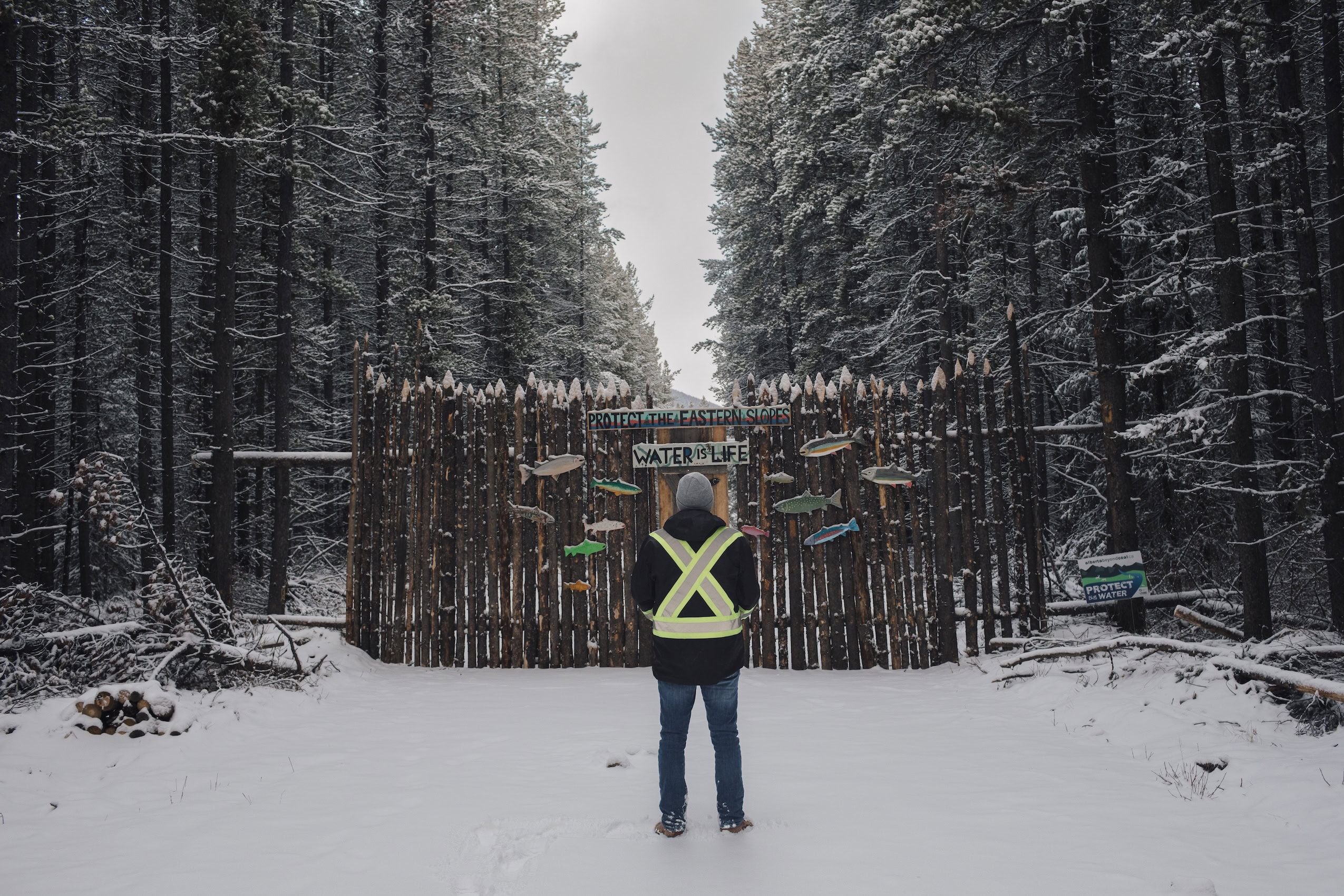
Fortress’s proposed development will land amidst a sea of warning signs outlined in the report, Sandford said. Southern Alberta ticks every box, he added, including infrastructure, long-term over-allocation of water and what’s known as ecological liquidation, when wetlands and forests are degraded for short-term gain.
Sandford said the province needs to plan for the persistent high temperatures, extreme drought and low snowpacks it is already seeing, and the impacts. Multiple wildfires have already been reported in southern Alberta since the beginning of the year.
And as soil moisture dries up, rain won’t have the same penetrating effects, resulting in a “vicious circle of drying out,” Sandford said.
“You’re taking away the environment’s share of water,” he said. “Even at this moment, without the projected changes that we’re seeing, I don’t think they can do this.”