




 9 min. read
Canadians everywhere are planning where to hike, swim or set up a picnic this long weekend — and top of that list, for many British Columbians, will be the turquoise-blue waters and mountainous views of Joffre Lakes Provincial Park. When the portal to reserve a day pass opens at 7:00 a.m. two days in advance, hundreds of hopeful hikers click frantically as they vie for spots that book up within moments.
Joffre Lakes is just one of many places to see glacial lakes and rivers in the Sea-to-Sky area. But it has status. It’s Instagram-famous. It’s undeniably beautiful. And in recent years, it’s become a site of conflict over the competing priorities of Indigenous Rights, conservation and public access.
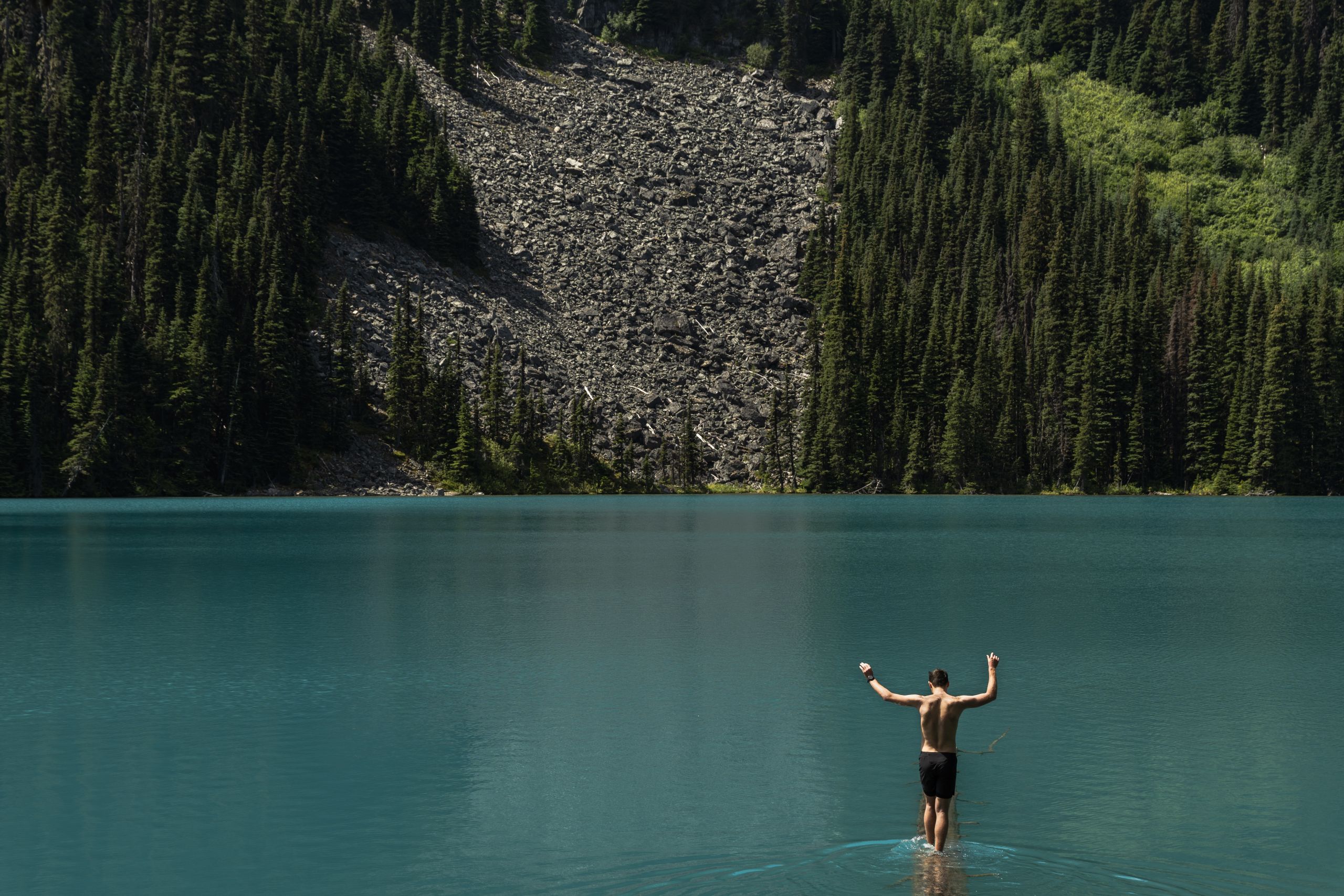
The area’s original name is Pipi7íyekw in Ucwalmícwts, the language spoken by the Líl̓wat (Lil’wat) and N’Quatqua nations. The nations were under the impression they’d reached an agreement with B.C. to close the park from Aug. 22 to Oct. 23 this year, to mitigate stress on the ecosystem and allow Líl̓wat and N’Quatqua citizens time to harvest and connect with the land that is otherwise challenging to carry out due to the crowds.
On an average summer Saturday, hikers line the trail like students after the bell rings, foot-to-foot, one behind the other. Líl̓wat and N’Quatqua have been working with B.C. since 2018 to co-manage the park and establish regular closures to let the land recover from the constant trampling of feet. A management plan for the park was identified as a joint priority since annual visits to the park spiked, and more than tripled between 2010 and 2019, impacting safety and visitor experience as well as the First Nations’ rights.
But Líl̓wat and N’Quatqua felt the rug pulled from under them on Aug. 19, when B.C. announced to the public that the park would be open over Labour Day weekend, and the closure would be shortened from two months to one month. The nations say B.C. went ahead without informing them in advance, and in full knowledge the nations opposed a shorter closure.
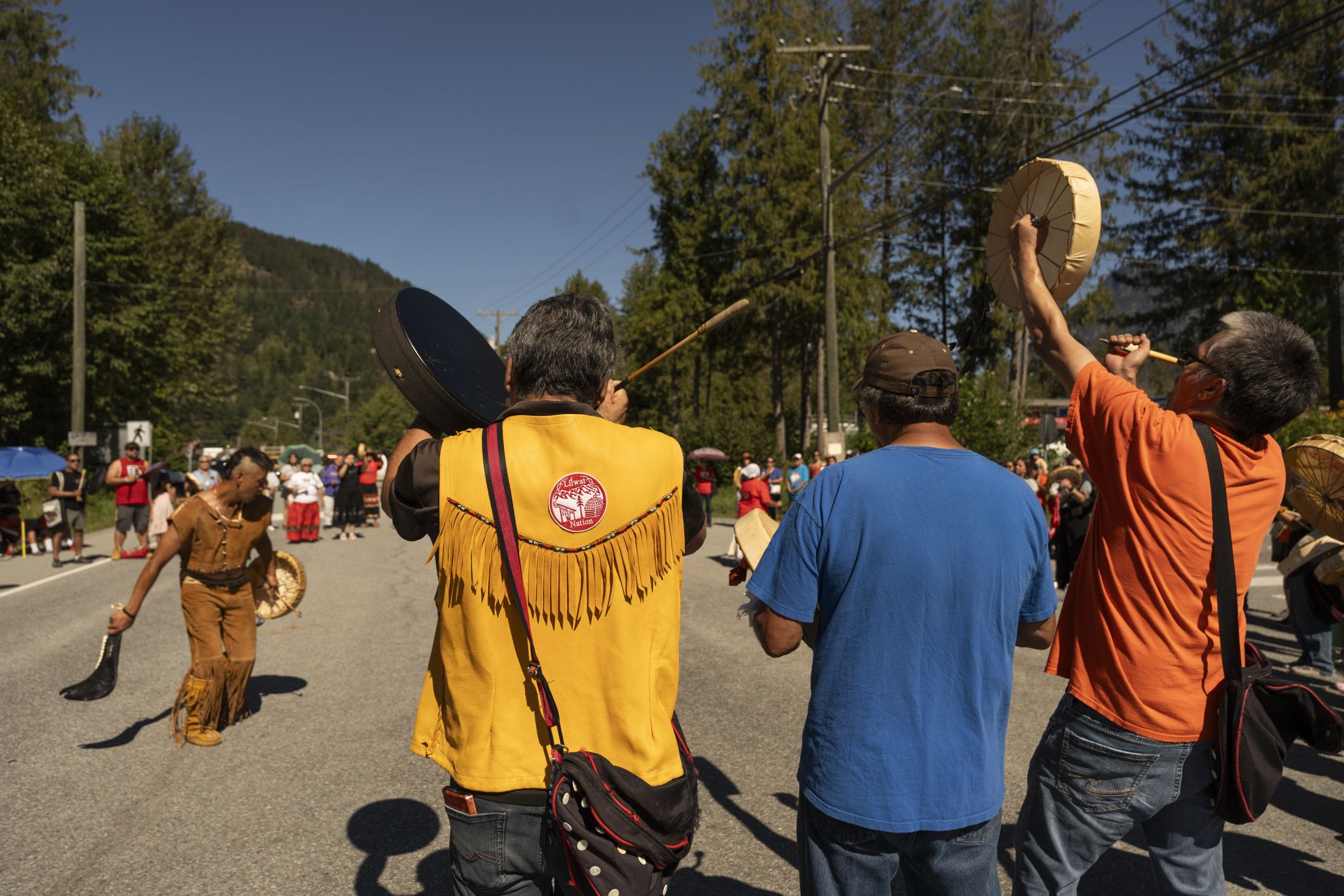
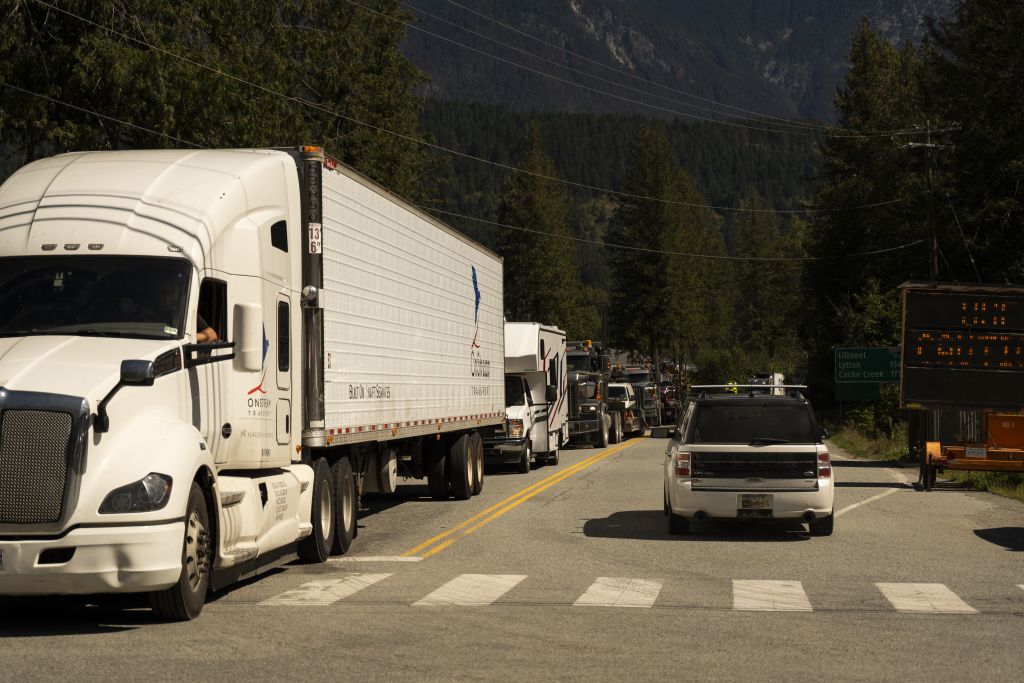
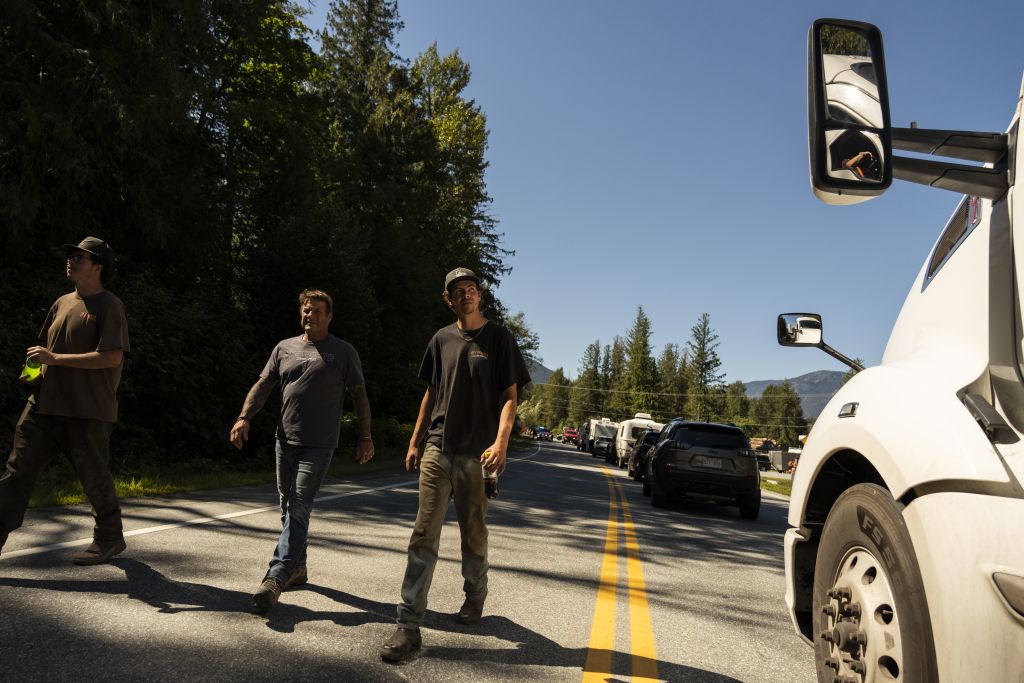
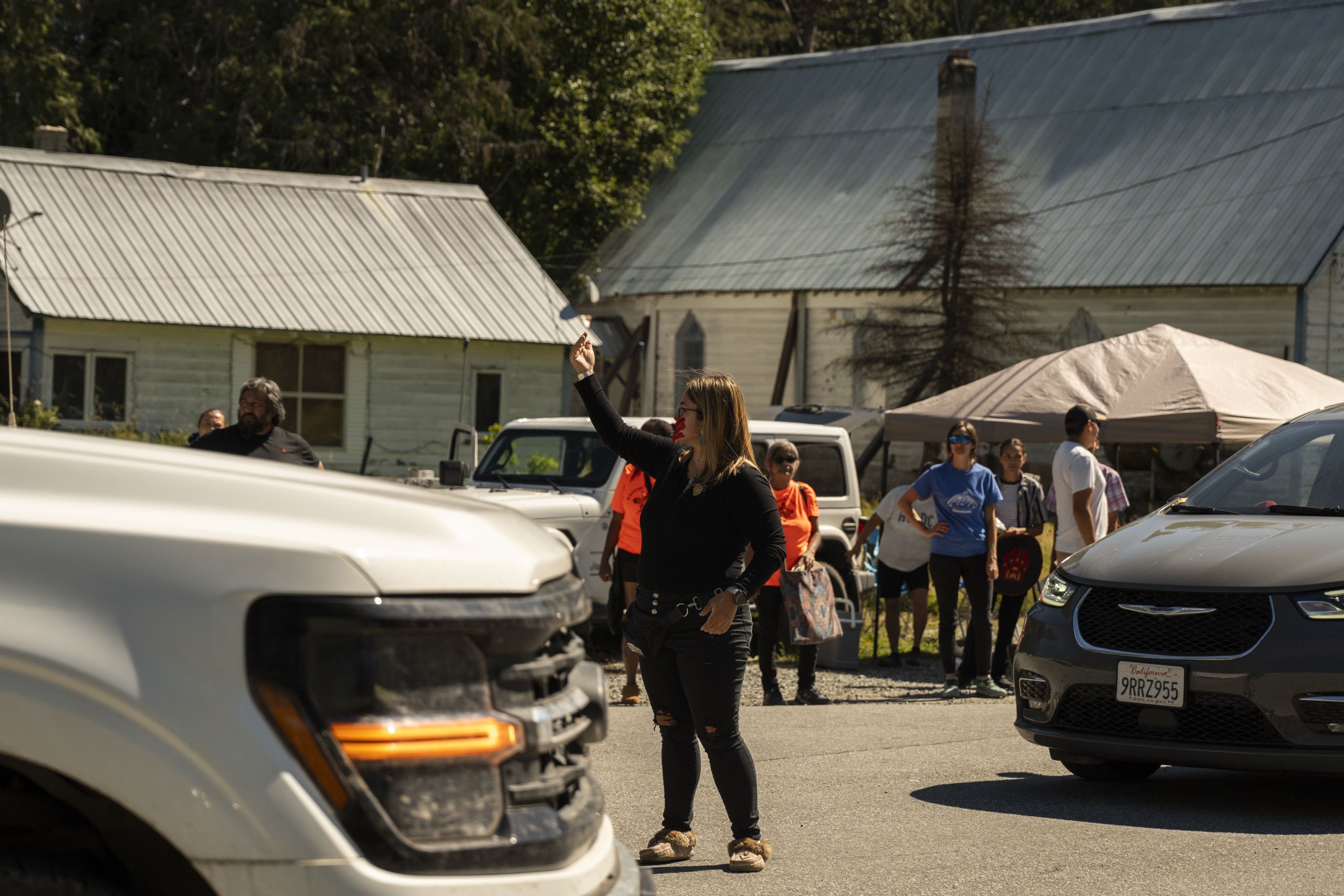
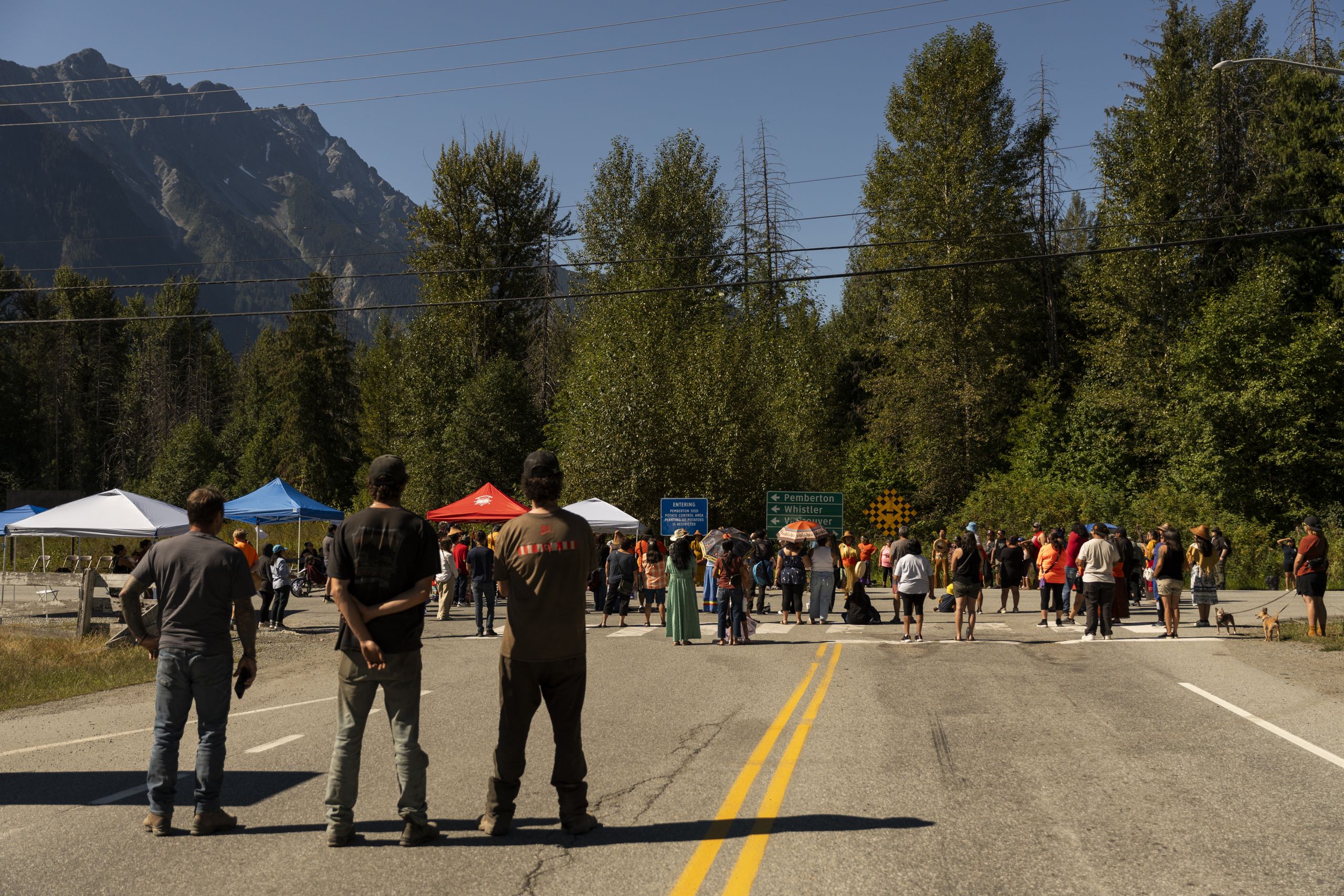
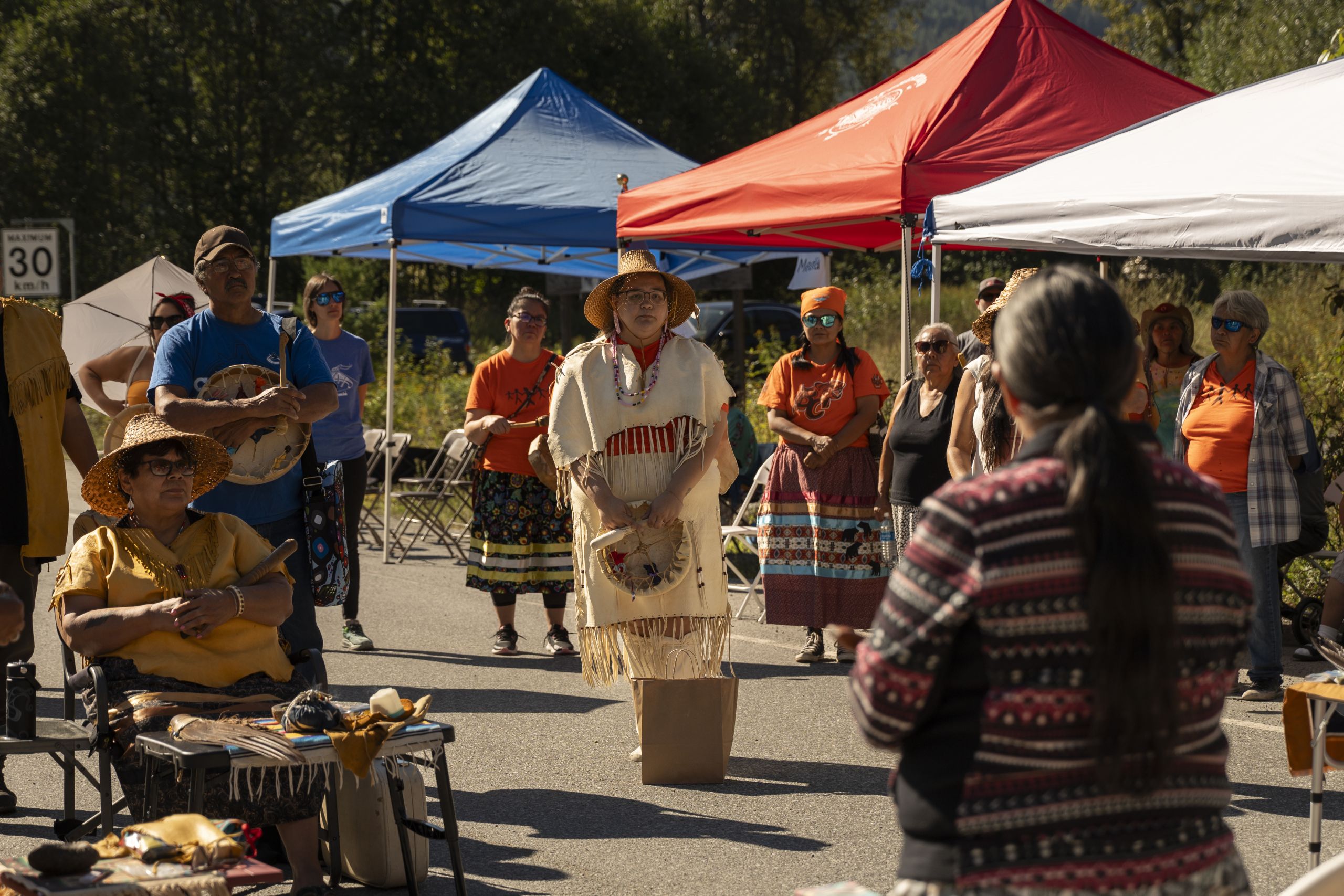
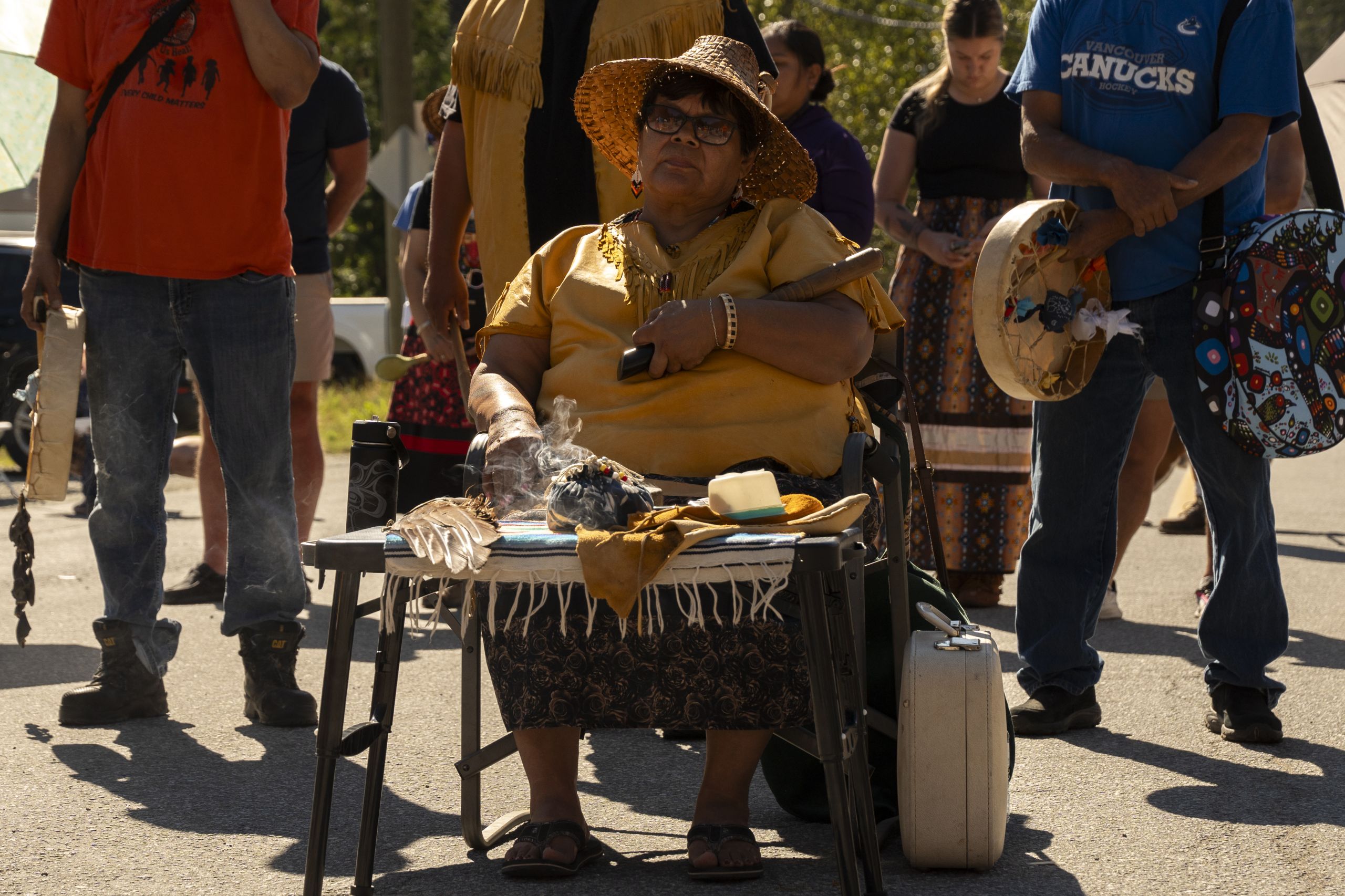
Last Friday, they held a ceremony on Highway 99 to mark the day they intended the park closure to begin. Members and supporters of the two nations blocked traffic in either direction for roughly two hours to raise awareness of how their partnership with the province, to them, had been betrayed.

In a joint management strategy signed in 2018, BC Parks and both nations committed to “work collaboratively, in good faith, with respect for one another,” Casey Gonzalez, director of land, resources and infrastructure for Líl̓wat, told The Narwhal.
To Gonzalez, BC Parks announcing new closure dates without the nations’ buy-in means “they are not upholding that end of their commitment.”
“They need to come back, speak with the nations with an open heart and an open mind and be ready to actually collaborate without this back-minded mentality that they are the ultimate decision-makers of our unceded territories,” she said.
The Narwhal requested an interview with the Minister of Environment and Parks or another spokesperson, but the ministry sent an emailed statement instead. “We acknowledge the nations had requested additional closure dates, beyond what we were prepared to agree to,” it said. “We always want to work collaboratively with First Nations partners.”
The ministry said it had several meetings with the nations, but Líl̓wat and N’Quatqua say those meetings reached no collaborative resolution.
In its announcement of the new closure dates, the ministry said it chose a schedule it believes “balances cultural practices, conservation goals and public access to the park.”
Líl̓wat citizen and former councillor Linda Dan participated in the Friday ceremony. Afterwards, she sat on the side of the road, watching large semi-trailer trucks pass. “We only need this [closure] for a short window, for our gathering of food,” she said, but still, “we are not heard.”
“Education needs to continue on who we really are and what we stand for,” she added. “We don’t mean to hurt anybody. We come in peace. We’re trying to do reconciliation.”
Keeping Joffre Lakes open was a ‘sticking point’ for some constituents, Líl̓wat director said she was told by B.C.
According to Gonzalez, the nations chose the original closure dates and informed park staff in December, but those staff have since been removed and relocated. In May, Minister of Environment and Parks Tamara Davidson visited Pipi7íyekw, and the nations affirmed their expectation the dates would still be met. She said B.C. told the nations in June it wanted the park opened for Labour Day.
Gonzalez said the nations met with Davidson and staff again on Aug. 18, and said they still expected the initial closure dates they discussed in December 2024 to go ahead. “[Davidson] had eight months for their staff to implement this,” Gonzalez said.
Gonzalez said ministry staff told her at that meeting that people wanted access over Labour Day and it was a “sticking point” for constituents. The next day, B.C. announced publicly the park would remain open for the long weekend and the closure would be one month. Gonzalez said B.C. did not tell the nations its intention to go ahead with its own dates. However, in a statement provided to The Narwhal, the ministry wrote “We communicated our final closure schedule—aligned with last year’s agreement—to the Lil’wat Nation and N’Quatqua before it was made public.”
“Throughout negotiations, our position was clear: we intended to stick to a closure schedule that aligned with the balanced approach agreed to last year. We have a responsibility to support public access to parks while also respecting First Nations cultural practices and conservation goals. Although a final agreement for 2025 was not reached, this year’s closure schedule honoured the approach agreed to for the 2024 season,” the ministry wrote. It added that improving advance notice to park visitors is also a priority.
“The final 68 days of closures are consistent with the 60 agreed-to closure dates from last year, rather than the 103 closure dates requested by the nations,” the ministry of environment said in a previous emailed statement.
It pointed out the nations and B.C. collaboratively brought in the day pass, and reduced it from 1,000 people per day to 500 per day in 2024, which has reduced some of its concerns around over-capacity.

The nations and B.C. agreed to close the park for three weeks earlier this year, from Apr. 25 to May 16. They had picked the fall closure dates to align with when berries and medicines are available and traditionally harvested. Outside of those dates, the park is open to the public.
“The community wants to be in Pipi7íyekw to harvest in the fall season, harvest our medicines and our food for the winter,” Gonzalez said.
Dan said the nations’ members have been confined to reserves, a tiny portion of the territories they took care of and lived off of before colonization. None of this land was given up by agreement or treaty, but they were forcibly constrained to small plots of land anyway — and not often where they would have spent most of their time. If the land was desirable, it was more likely to be taken by the Crown.
“Our ancestors were up every one of these mountains,” Dan said. “The government put us in reserves … They put us here, we barely had anything — and we made something of it.”
Now, countless cars pass through their Mount Currie reserve on the way to Joffre Lakes.
Most interactions with non-nation members are positive, Líl̓wat director said
Some of the online rhetoric in response to the closures has been volatile, denying the nations’ rights to the area and speculating the nations are blocking access for nefarious or selfish reasons. Such posts have said the nation is forcing closures unilaterally, despite its ongoing negotiations and collaboration with B.C. since 2018. Some posts on Reddit had to be removed by moderators for racist language.
“It’s hard to send a message out to deaf ears,” Amanda Ritchie, a Líl̓wat community member, said.
Dan said these kinds of comments have been “very hurtful.” But in many posts, people also have said they supported the closures, saw the environmental benefit and recognized that First Nations have unceded rights to their lands, protected by Canada’s constitution.
Gonzalez said in her experience “90 per cent” of interactions with non-Indigenous folks about the closure are positive — but that last minority is loud.
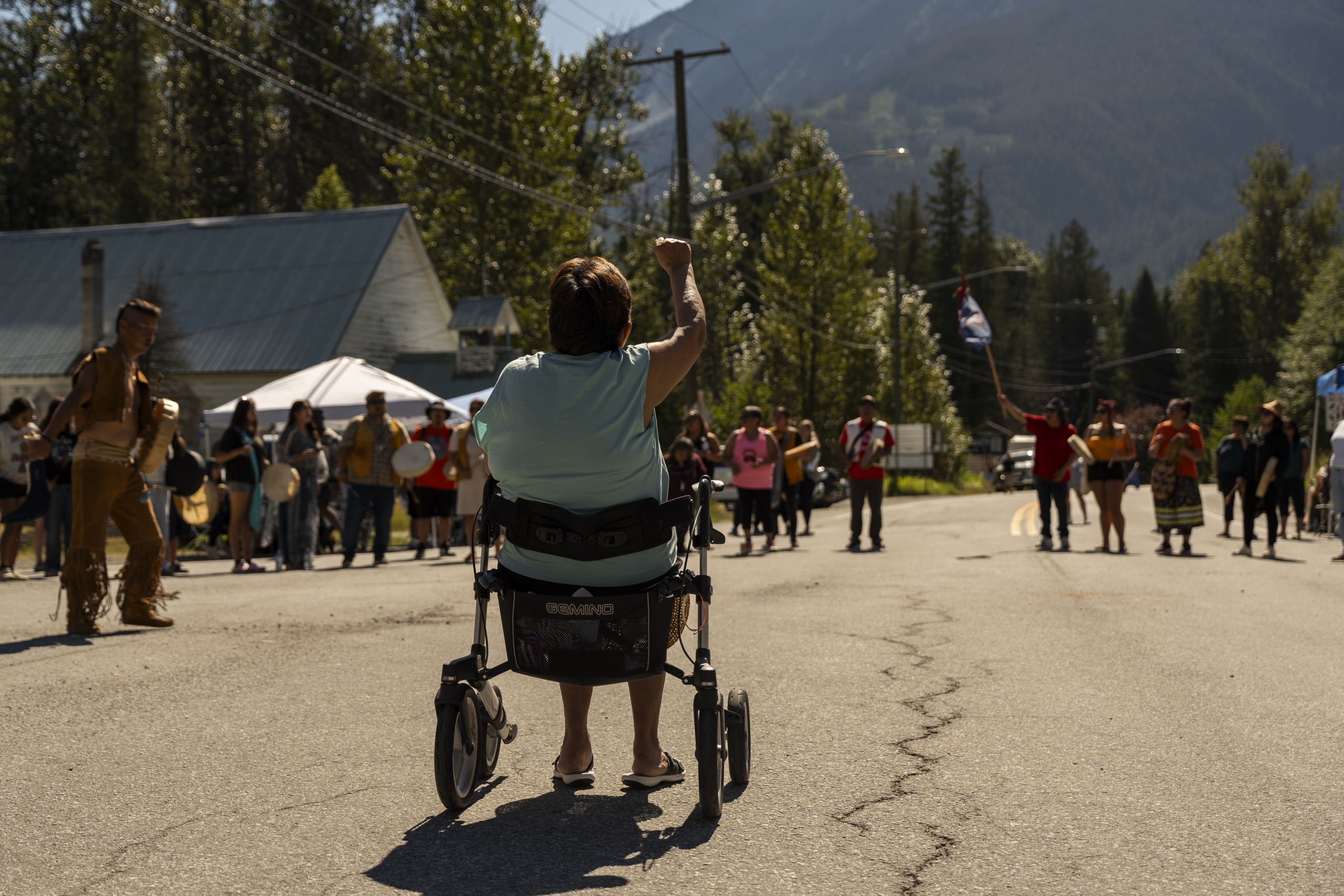
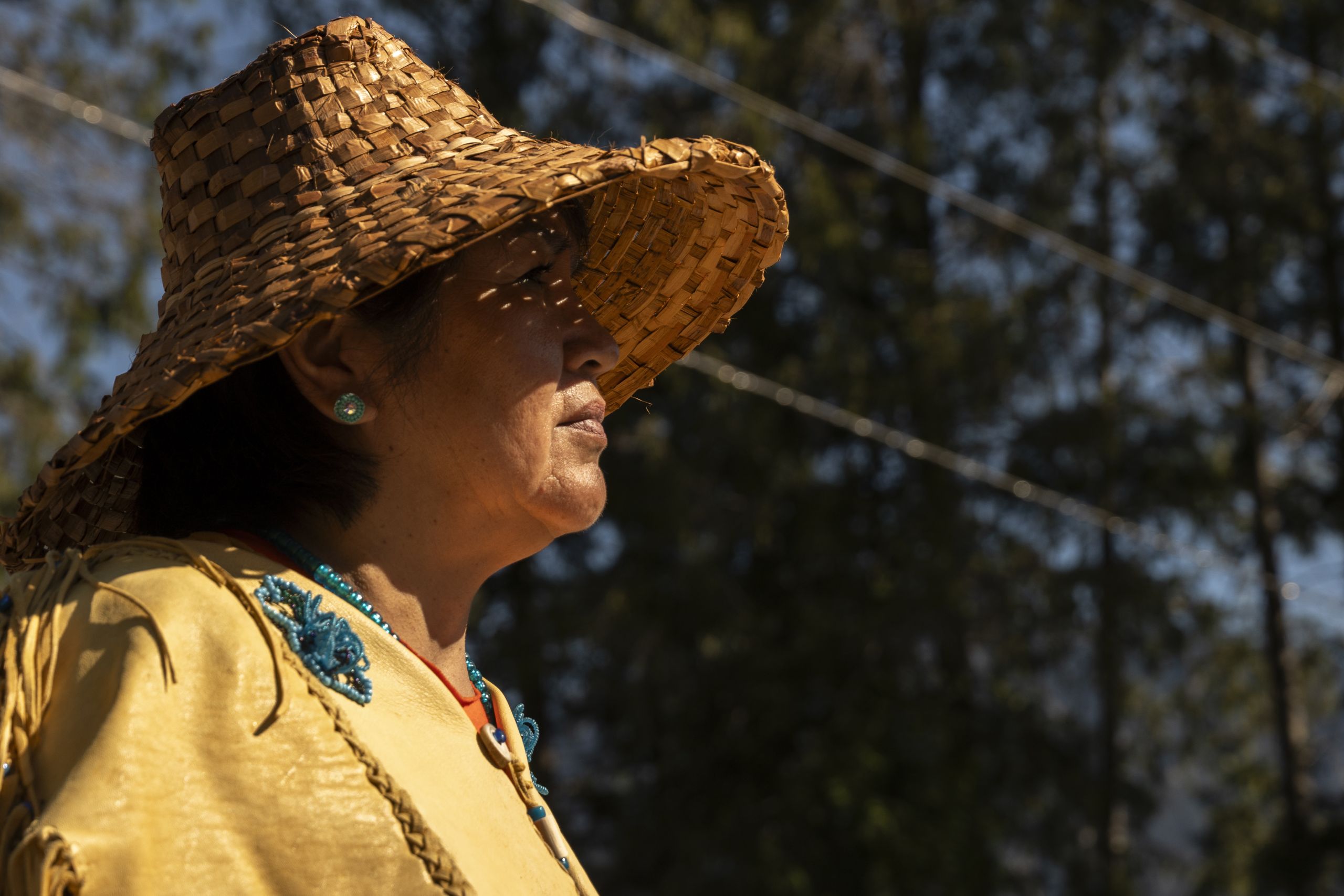
At the closure, The Narwhal only heard one report of a driver who yelled and swerved past a car blocking the street. Far more people waited or pulled over to see what was going on, and many honked in support once traffic opened up and they passed by the remaining Líl̓wat and N’Quatqua members lining the highway.
Ritchie said oral stories of Pipi7íyekw tell of people going there to gain strength. Despite this latest setback in negotiations with the province, the nations’ members are looking forward to reconnecting with the land as it rests.
“We would go up there for harvesting and trapping,” she said. “It’s what sustains us and keeps us healthy.”
Kalentitikwa, also from Líl̓wat, said she will hike Joffre Lakes for the first time during the September closure. “I’m excited to take my baby out there. She’s only two and she loves eating berries fresh off of the land,” she said.
“It’s awesome to see that she’s able to do something that I did when I was her age, in our own backyards, and now we can go up to Joffre with our family and our friends and the rest of the nation, and we can just be St’át’imc on St’át’imc land.”
Updated on August 28, 2025 at 12:35 p.m PT: This story has been updated to include additional statements from the Ministry of Environment and Parks, which were provided to The Narwhal after publication time.