It happened to us.
In November 2021, photojournalist Amber Bracken was on assignment for The Narwhal, reporting from northwestern British Columbia. She was documenting tensions over the construction of the Coastal GasLink pipeline through Wet’suwet’en territory.
Amber was handcuffed, held in a cell for three nights and had her camera gear and photographs seized — all for doing her job.
We believe this was a clear violation of her Charter rights — and The Narwhal’s. So we sued the RCMP to take a stand for press freedom. The trial concluded in June, 2026, and we are waiting for the judge’s decision.

The trial received significant attention across the country. The Globe and Mail, the CBC, Canada’s National Observer, The Tyee and others have covered the story. Various outlets have published reporting by the Canadian Press. News about the trial has been broadcast on Global’s flagship national news program and elsewhere on television and radio.
You can keep up with the court case by subscribing to our free newsletter. You’ll get regular updates during the trial — plus a weekly dose of The Narwhal’s journalism about the natural world in Canada.
The Narwhal is a non-profit online news magazine that publishes in-depth and investigative journalism about the natural world in Canada. Since its inception in 2018, The Narwhal has never had a paywall or advertising, instead turning to its readers to make its reporting available for free to everyone. The Narwhal’s public-interest journalism has won more than 20 national journalism awards, including the the Hillman Prize, the Michener Award, a World Press Freedom award and the Canadian Journalism Foundation’s Jackman Award.
Amber Bracken is a freelance photojournalist based in Edmonton, Alta. She works with The New York Times, The Globe and Mail and National Geographic, among other outlets, and is a two time World Press winner — in 2017 and in 2022, when she won the photo of the year. Amber’s coverage of the Wet’suwet’en crisis for The Narwhal earned her awards both before and after her 2021 arrest: the Canadian Association of Journalists gave her its 2020 Charles Bury President’s Award, and she later won the 2022 Pen Canada/Ken Filkow prize.
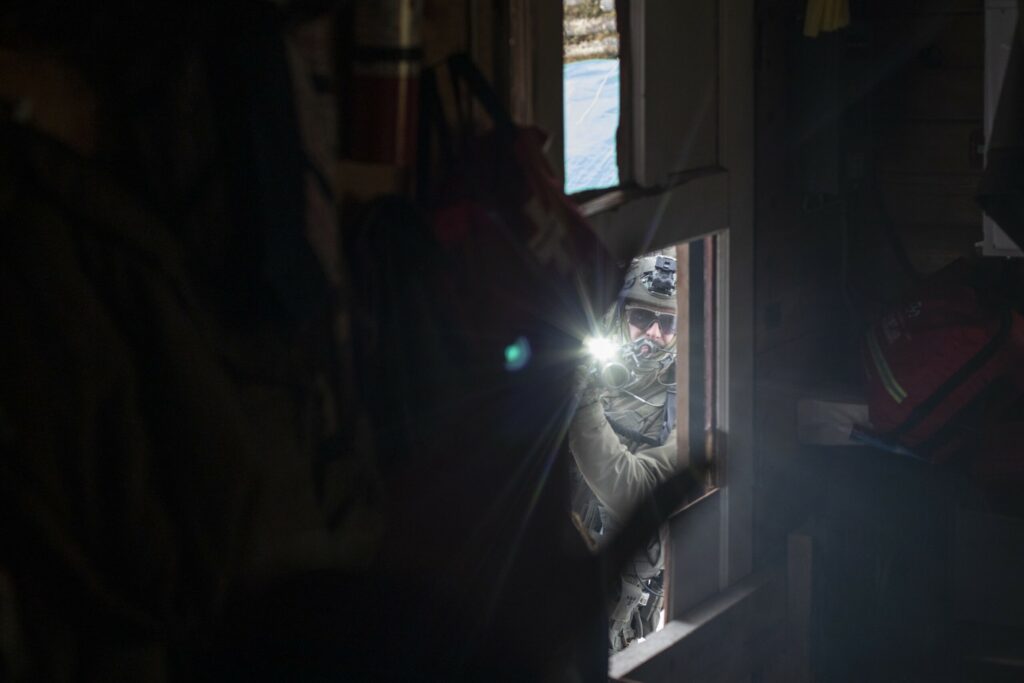
This case aims to establish meaningful consequences for police when they interfere with the constitutional rights of journalists covering events in injunction zones, including both journalists’ liberty rights and the freedom of the press, as protected by Section 2(b) of the Charter of Rights and Freedoms. We hope to clear a path for all journalists in Canada to do their work without risk of police interference.
The lawsuit seeks declarations from the court that Bracken’s liberty rights and The Narwhal and Bracken’s press freedom rights were unjustifiably breached. The Narwhal and Bracken are also suing for damages for Bracken’s wrongful arrest and detention and the interference with their constitutional rights.
You can find answers to frequently asked questions on this page.
Are you a journalist interested in covering this case? All press inquiries should be sent to [email protected].