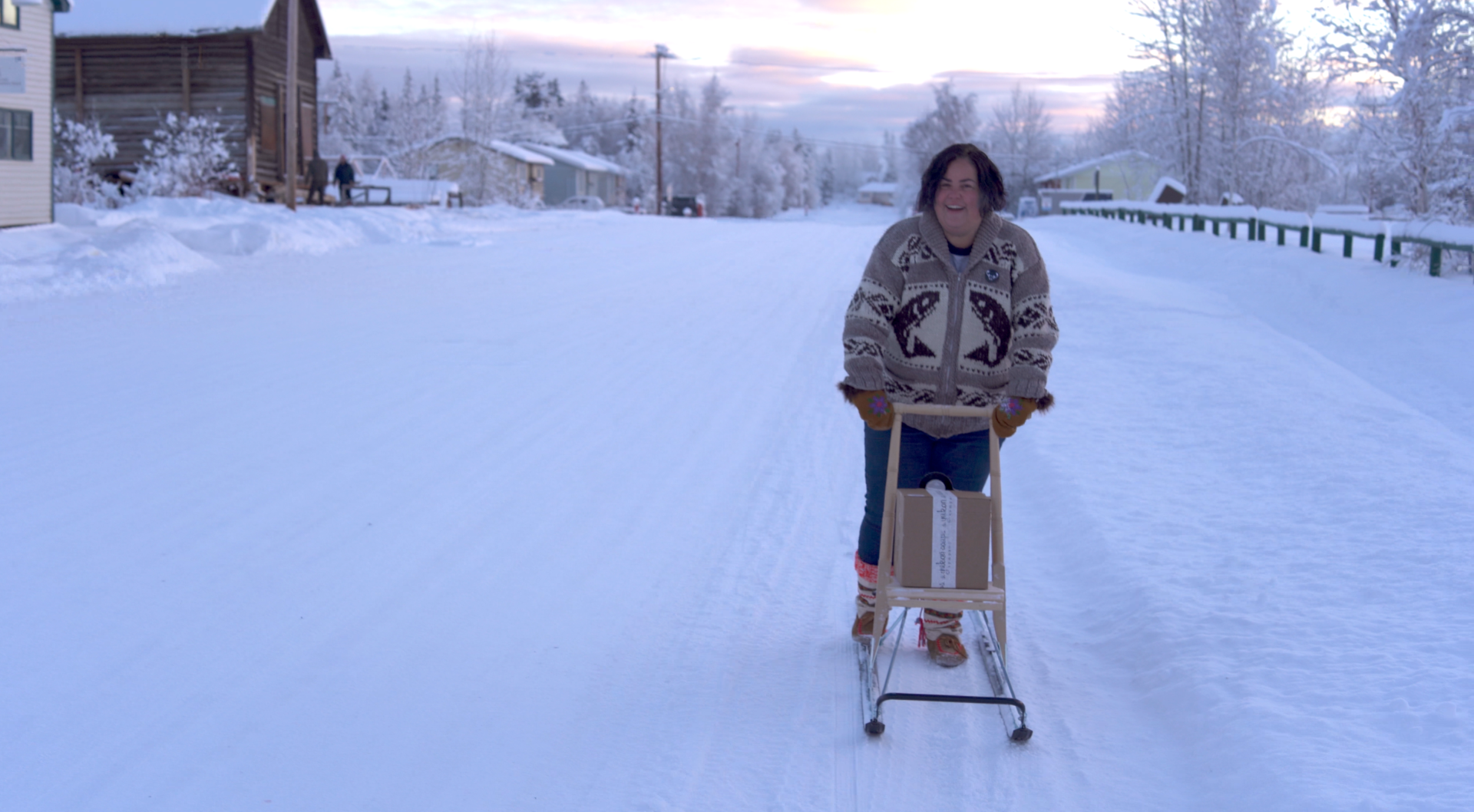
This is part two of Land Crafted: a five-part video series exploring entrepreneurship in northern Canada.

The signposts on the road to Mayo, Yukon, have a little icon of a mine cart on them. The cart is overflowing with ore intended to represent silver — after all, the highway, 22A, is known as the Silver Trail. That name hearkens back to the region’s history, steeped in the silver and gold mines that brought prosperity to the region in the late 19th century.

Back then, mining was the only game in town for Keno, now a museum-like ghost town, and Mayo to the south. Today that history is repeating itself with the opening of the Victoria Gold project between the two tiny towns.

That renewed gold rush is creating a flurry of activity as new companies form, people snap up land and there’s a job for everyone. That means higher prices and higher salaries, so for those in any business but mining, the upswing starts to look like a liability. It is putting new strain on some facets of the economy even while it helps others.

“I grew up with entrepreneurship around me,” says Joella Hogan, a member of Na-Cho Nyäk Dun First Nation in Mayo. With her father and brother both owning businesses, Joella set out to have a business of her own.

“In my head I always knew that I would have a side business eventually.”
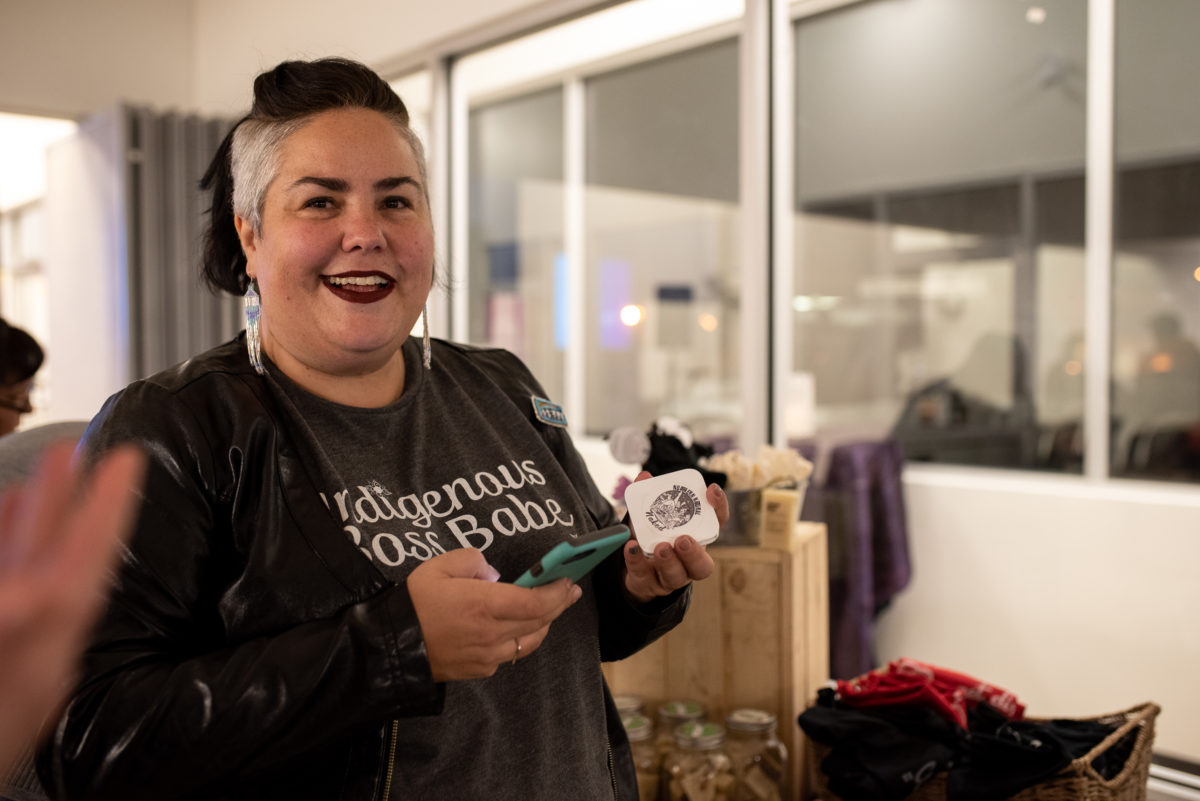
Joella Hogan

Joella Hogan is the owner of the Yukon Soap Company. Photo: Eric Pinkerton / EntrepreNorth

But she wanted to stay in Mayo, in her traditional territory.

Hogan bought Yukon Soaps, an established local brand, as a way to explore her entrepreneurial drive without having to leave her community.

“When the opportunity came up to buy this small soap-making business, I really saw it as an opportunity to re-connect our people to the land,” she says.

The shelves overflowing with curing soap in her basement are a testament to how successful she has been in that venture. With support from the community, including young people willing to help her harvest local plants and package the soap, she is building a small business in a town dominated by the vagaries of a much larger one.

As is the case for most of Mayo’s businesses, the mine is among Joella’s customers, regularly ordering soap from her.

The business has grown enough that, recently, Hogan felt it was time to move it into its own location in the heart of Mayo.

“I want to be a bigger part of the community; I want a presence downtown,” she says.

But the mine has set off a buying spree downtown. Speculators are holding on to prime real estate in the run-down town, hoping for big returns as the mine is built.

“If you drive downtown Mayo, there’s a lot of empty lots and vacant old buildings,” she says. It’s an understatement: row upon row of abandoned buildings lean precipitously on streets that once teemed with the last generation of gold miners. Up the highway, in Keno, much of the town has become a living museum — a testament to the kind of prosperity a gold rush brings, the kind that’s here one day and gone the next.

After weeks of hunting, Hogan happened upon a good candidate among the high-priced lots. She jumped on it, and has begun planning for the construction. There, too, she will face challenges: many skilled tradespeople in the area have been hired by the mine, meaning contractors are hard to come by. Nevertheless, she is pressing on with her vision.

“I want it to be Mayo’s soap business,” she says.


This series was made possible with the support of EntrepreNorth; however, the organization did not have editorial input into the videos or articles published on The Narwhal.

How our journalism makes a difference
Here at The Narwhal, we do journalism differently. As an independent non-profit, we’re accountable to you, our readers — not advertisers or shareholders. So we measure our success based on real-world impact: evidence that our reporting influenced citizens to hold power to account and pushed policymakers to do better.

Our stories have been raised in legislatures across the country and cited by citizens in petitions and letters to politicians.

Take our reporting on Alberta’s decision to allow cougar hunting in parks, which was cited in an official ethics complaint against the parks minister. And, after we revealed an oil and gas giant was permitted to sidestep the rules for more than 4,300 pipelines, the BC Energy Regulator started posting the exemptions it grants publicly.

This kind of work takes time, money and a lot of grit. And we can’t do it without the support of thousands of readers just like you.

Will you help us dig deep by joining as a monthly or yearly member, for any donation amount you can afford? Bonus: join this month and well send you a Narwhal tote bag to say thanks!
How our journalism makes a difference
Here at The Narwhal, we do journalism differently. As an independent non-profit, we’re accountable to you, our readers — not advertisers or shareholders. So we measure our success based on real-world impact: evidence that our reporting influenced citizens to hold power to account and pushed policymakers to do better.

Our stories have been raised in legislatures across the country and cited by citizens in petitions and letters to politicians.

Take our reporting on Alberta’s decision to allow cougar hunting in parks, which was cited in an official ethics complaint against the parks minister. And, after we revealed an oil and gas giant was permitted to sidestep the rules for more than 4,300 pipelines, the BC Energy Regulator started posting the exemptions it grants publicly.

This kind of work takes time, money and a lot of grit. And we can’t do it without the support of thousands of readers just like you.

Will you help us dig deep by joining as a monthly or yearly member, for any donation amount you can afford? Bonus: join this month and well send you a Narwhal tote bag to say thanks!

Your access to our journalism is free — always. Sign up for our weekly newsletter for investigative reporting on the natural world in Canada you won’t find anywhere else.
'This is not a paywall' text illustration, in the black-and-white style of an album warning label
Your access to our journalism is free — always. Sign up for our weekly newsletter for investigative reporting on the natural world in Canada you won’t find anywhere else.
'This is not a paywall' text illustration, in the black-and-white style of an album warning label
As a journalist who has spent decades asking questions that cut through noise, I’m cautious where I place my trust. The Narwhal has earned it — through rigorous, independent reporting, careful, on-the-ground storytelling and a clear commitment to the public interest. It’s why I’ve become a member myself. Will you join me? The Narwhal needs to add 400 new members this month to keep telling these important stories. And if you join now, you’ll get a special tote bag as thanks. — Anna Maria Tremonti, founding host of CBC Radio’s The Current and member of The Narwhal’s board of directors
How The Narwhal earned my trust
Headshot of journalist Anna Maria Tremonti
As a journalist who has spent decades asking questions that cut through noise, I’m cautious where I place my trust. The Narwhal has earned it — through rigorous, independent reporting, careful, on-the-ground storytelling and a clear commitment to the public interest. It’s why I’ve become a member myself. Will you join me? The Narwhal needs to add 400 new members this month to keep telling these important stories. And if you join now, you’ll get a special tote bag as thanks. — Anna Maria Tremonti, founding host of CBC Radio’s The Current and member of The Narwhal’s board of directors
How The Narwhal earned my trust
Headshot of journalist Anna Maria Tremonti