




 5 min. read
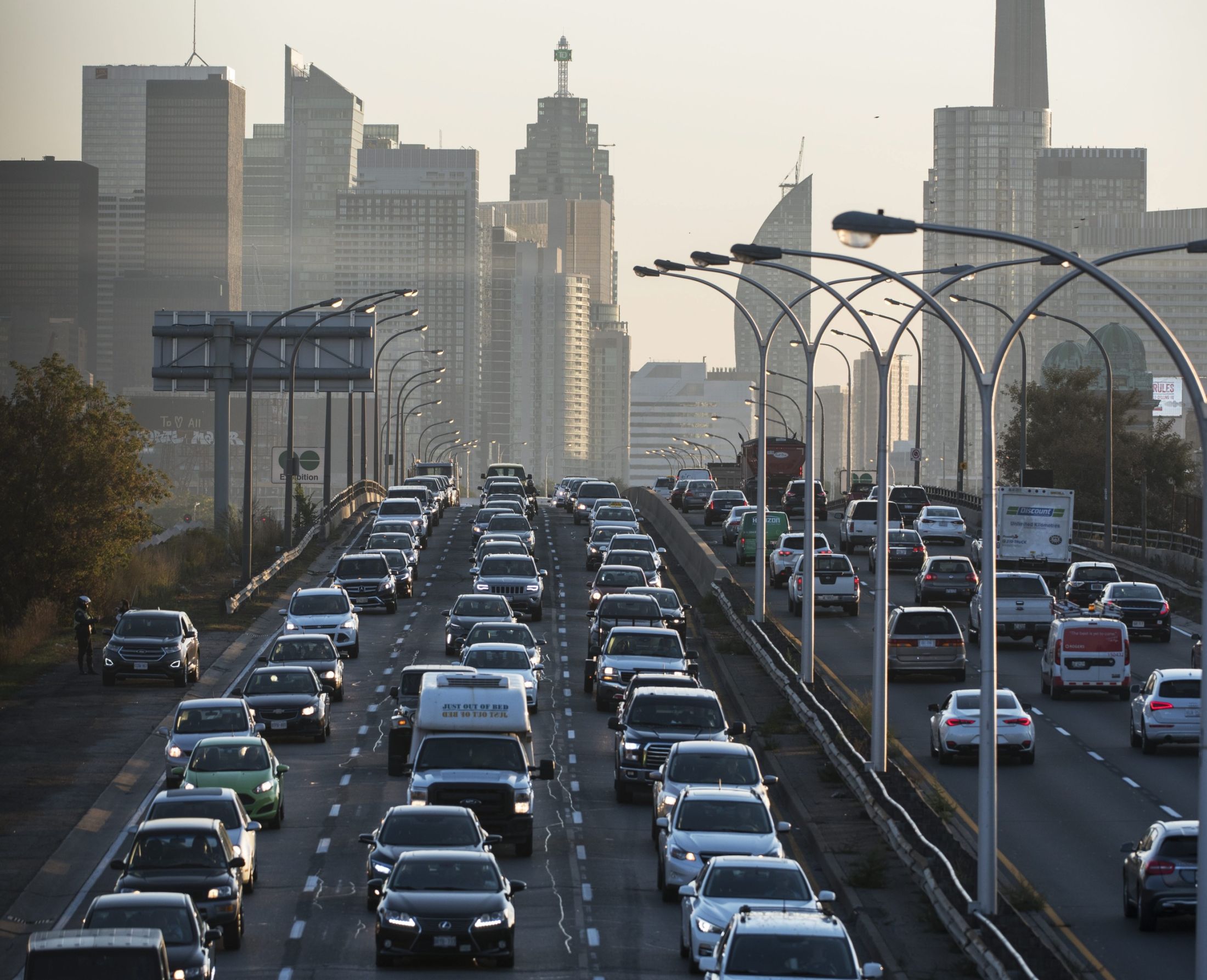
For 15 years and counting, my commute from Mississauga to Toronto has been mired by everything imaginable — construction, cancelled buses, traffic jams, frozen tracks and train delays with no explanation at all. It’s likely about to get worse, or at least more crowded.
There are more than 60,000 public servants working in the Ontario government. Starting next week, they’ll head back to the office five days a week, even as provincial politicians take an extended break from the legislature until March.
The province issued that directive last August, changing the pandemic-era policy that first ordered everyone to work from home, then continued to allow for flexible work schedules. The directive was a far cry from Premier Ford’s thinking only five years ago, when he said working from home was “the way of the future.”
On social media, people who said they were public servants were upset at the change.
“Hope every single driver knows that I am clogging up traffic unnecessarily because of Ford,” said one person on Reddit.
“I am reminded I am now paid not to be at my most productive. But instead, it is now also my job to use more gas, contribute to ridiculously congested traffic and emit more pollution,” said another on the same platform.
The greatest concentration of provincial government offices is in Toronto, including the legislature. But not all government workers live in the city, so bringing them all back five days a week is going to strain southern Ontario’s already stressed and overpacked roads and transit system — and its air.
Transportation is already the single greatest contributor to greenhouse gas emissions in Ontario, a province where the quality and quantity of transit leaves much to be desired. As provincial workers join the employees of big banks and other companies that have ordered everyone back downtown, there will inevitably be more people in cars, increasing traffic pollution.
It already happened in Ottawa when federal workers returned to the office for just three days a week in 2024. A Carleton University study, conducted on 1,500 federal bureaucrats, found remote workers produced a quarter less emissions than those who went into the office. The researchers found the difference was even more drastic in Quebec, where remote workers with the federal government produced 64 per cent less emissions.
The report’s conclusion was that working from home — even just part of the time — does cut emissions, as well as easing congestion.
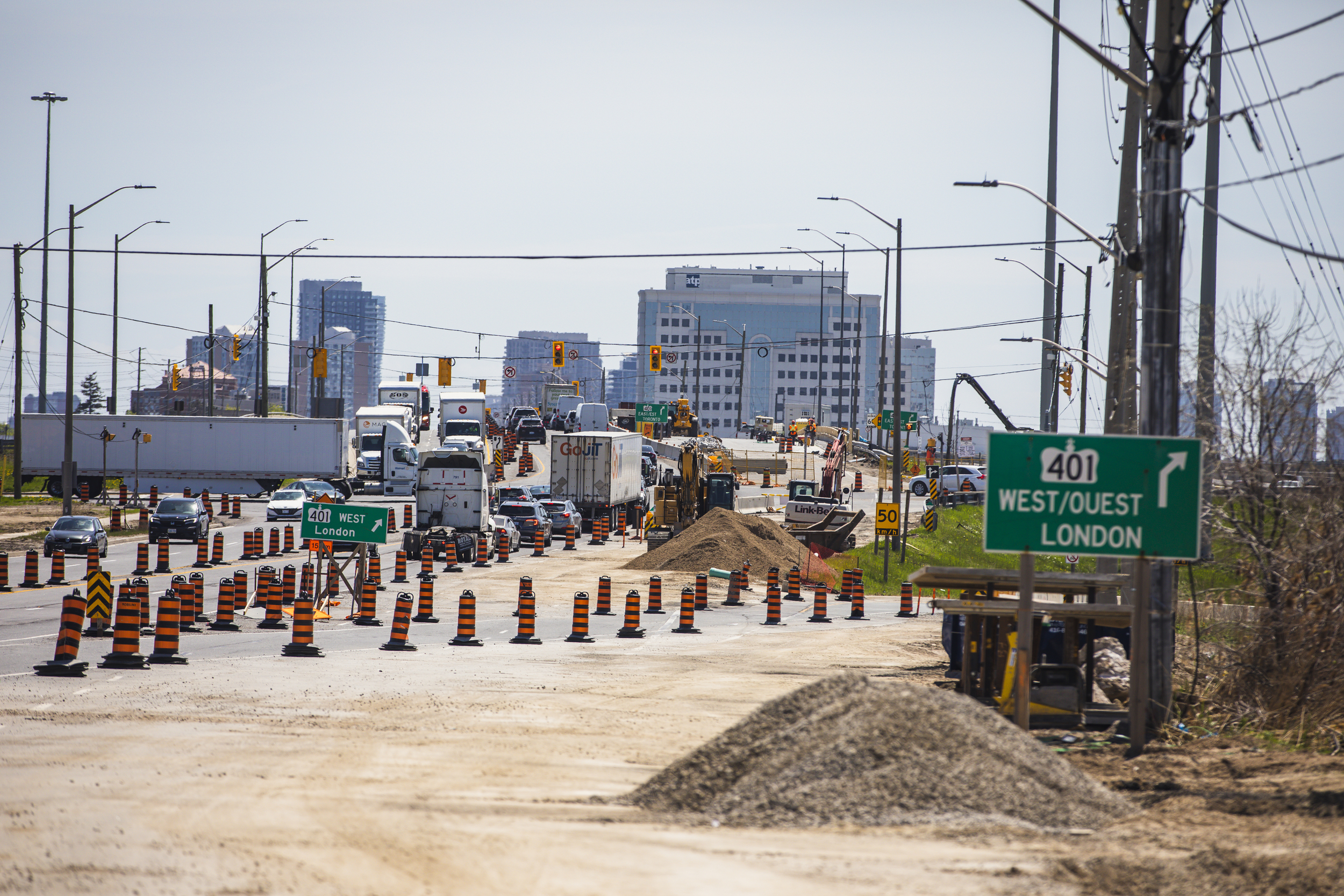
This would all look a lot different if our transportation infrastructure could handle tens of thousands more people. But it can’t, and little has changed in that regard over the Ford government’s seven and a half years in power, for either drivers or transit users.
The long-promised Highway 413, which would cut through the Greenbelt and connect the suburbs north and west of Toronto, and the Bradford Bypass farther north, have yet to be built, even though the government has passed legislation after legislation to enable construction.
And even if they were built, they almost certainly wouldn’t ease traffic congestion — even the province’s own modelling says so.
More lanes simply means more cars on the road — a concept known as induced demand that is best illustrated by the fact that when the Ford government lifted provincial tolls off sections of the usually quiet Highway 407 last June, those stretches soon became busy. Meanwhile, there’s still no shortage of traffic on the 401.
But lifting those tolls was moving in the opposite direction of a proven solution for crowded streets: charging drivers through tolls and congestion pricing has worked in New York, reducing traffic congestion by 11 per cent since 2024. Instead, Ontario has killed several tolls and outlawed congestion pricing in its most recent budget.
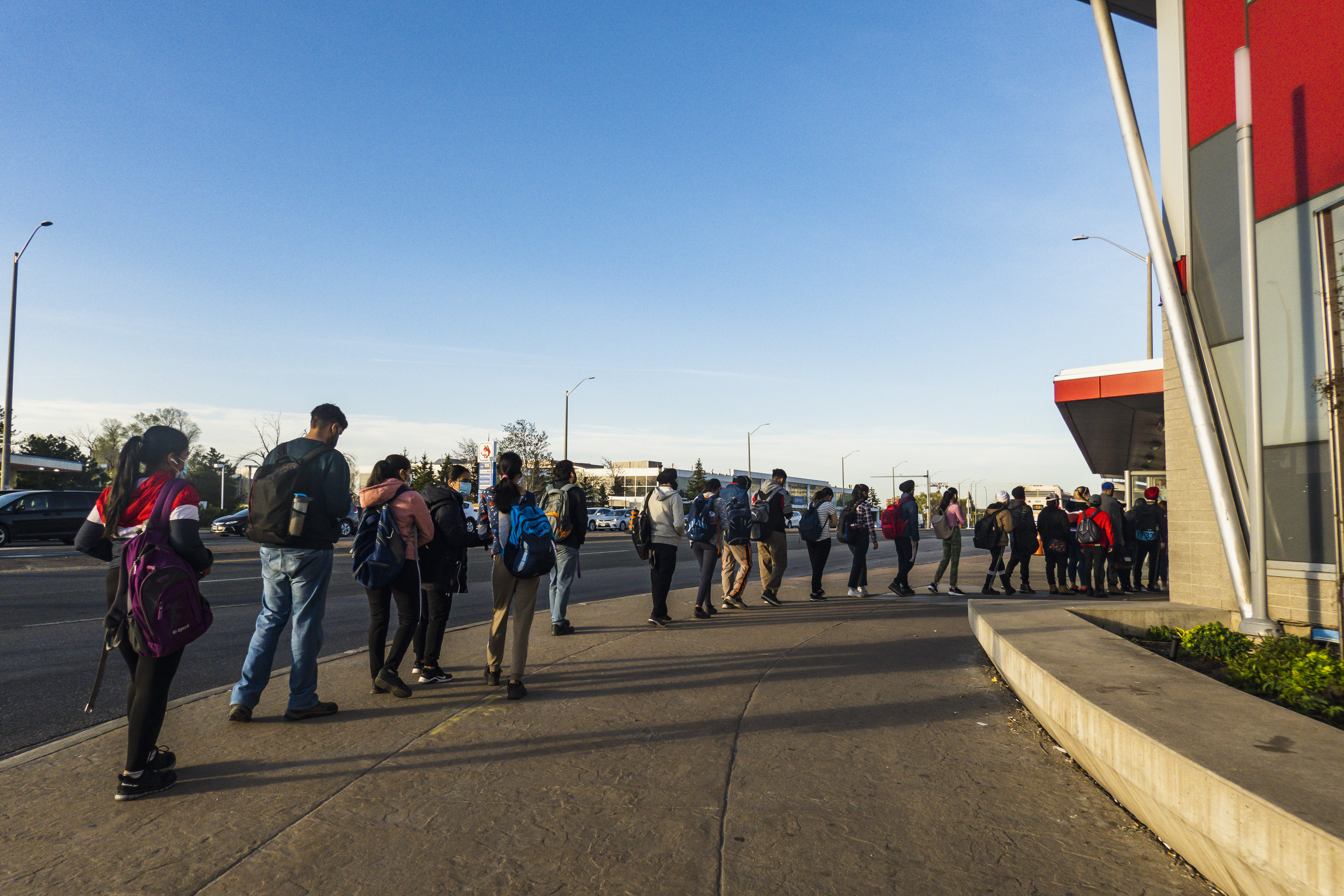
Transit-wise, if you’ve taken a GO train or TTC streetcar at rush hour you know there’s often no room for even one more person to make their way back to the office in January.
The government says it’s investing in “the largest transit expansion in North America” and the “largest subway expansion in Canadian history.” Cool, but how long is it going to take?
Toronto and its neighbouring communities remain trapped in decades-long construction mazes for light-rail transit and subways whose end dates are aspirational at best, as is their effectiveness. The city’s newest line since 2002 is Finch West, a $3.7-billion, 10.3 kilometre light-rail transitway that runners can outpace, as several people have demonstrated.
If nothing else, maybe Ontario’s lagging transit upgrades and lack of real solutions for congestion will make walking to work the commute of choice — even if it means marathon distances. Otherwise, and more likely, we’ll continue down this road, which may involve paying another $120 billion in health costs associated with air pollution across the country, particularly in the most densely populated regions like the Greater Toronto Area. And more air pollution means more global warming and more extreme weather events like flooding and wildfires.
But that shouldn’t be the cost of going to work — nor should the void of human interaction from working at home be a better solution.
Here’s to hoping the ever-elusive Goldilocks option of better transit and less traffic is on the table one day, for public servants and the rest of us.