




 7 min. read
2026 has already had its fair share of geopolitical chaos: Alberta separatists meeting with U.S. officials, everything happening in the U.S., global retreat from emissions reductions, Greenland. The list goes on.
But that’s not all that’s ringing in the new year. There are plenty of real things happening within the confines of Alberta, from the government’s continued pushback against emissions reductions to continued promotion of hunting and, of course, the seemingly unending conversations about pipelines.
Let’s dig into what’s been happening in Alberta since the start of this year.
Alberta is looking to borrow big money
Why does an Alberta government agency need to borrow nearly $1 billion?
That’s a very good question — one even the former head of that provincial agency is asking.
Last year, the government announced it would allow oilsands producers to pay their royalties with barrels of bitumen, instead of cold, hard cash — known as Bitumen Royalty In Kind, or BRIK.
It’s something the government has done on the conventional oil and gas side for years.
When a company opts to pay with barrels, the Alberta Petroleum Marketing Commission sells those barrels on the open market. That money then goes to the government.
Last week, however, the government quietly authorized the commission to borrow as much as $900,000,000 for “hydrocarbon marketing activities.”
It also (and apologies in advance, because this is long and boring — but important!) “approves the Alberta Petroleum Marketing Commission purchasing shares, making loans, entering into joint ventures or partnerships or providing guarantees for hydrocarbon marketing activities,” and “authorizes the Alberta Petroleum Marketing Commission to incorporate or acquire one or more subsidiary corporations for hydrocarbon marketing activities.”
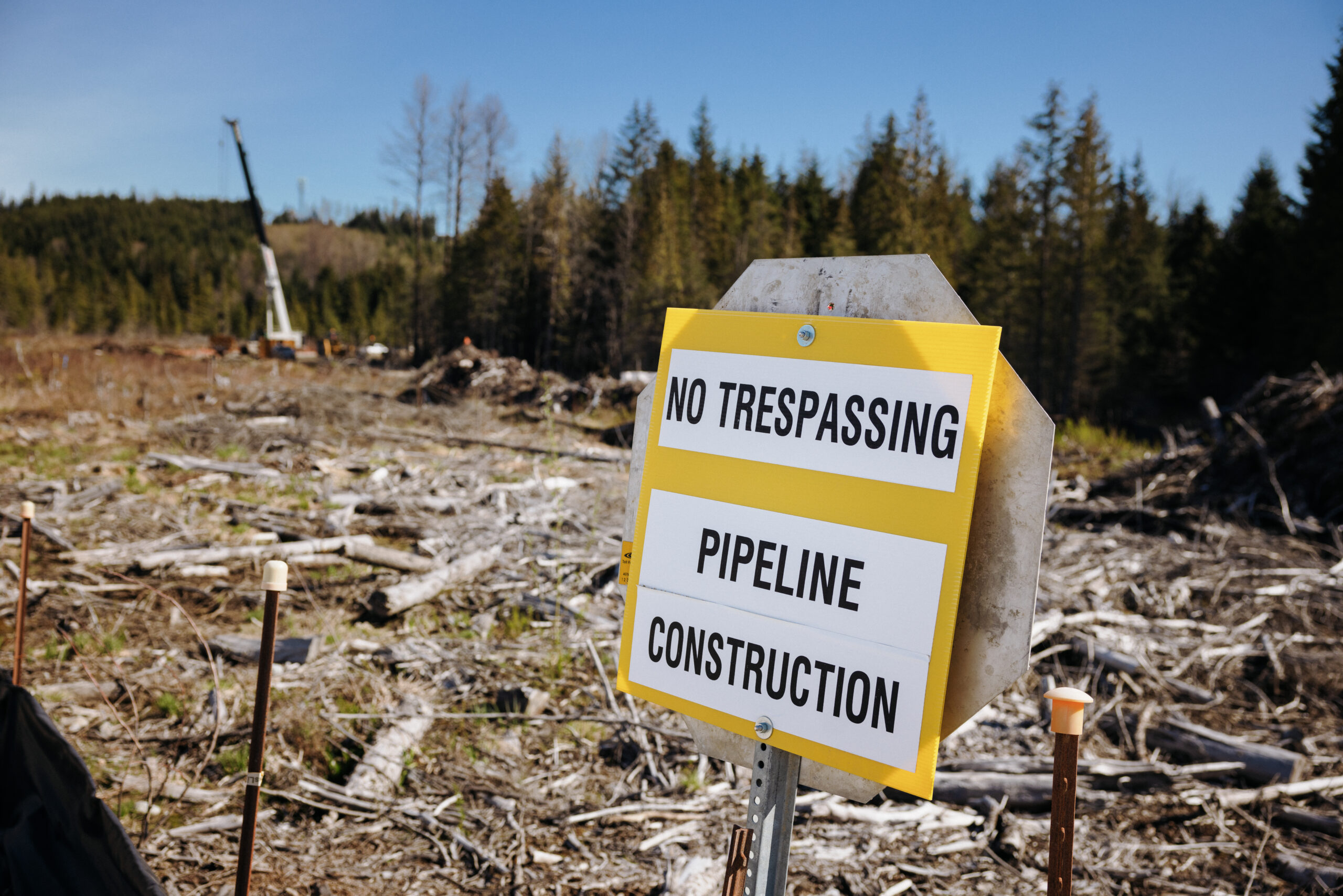
That means the commission can borrow almost $1 billion to shore up companies, provide financial security and more. Why should the Alberta Petroleum Marketing Commission have to borrow money if all they’re doing is getting oil for free (instead of royalties) and then selling it? And why do it now?
Richard Masson, a fellow at the University of Calgary’s School of Public Policy and former head of the commission, came right out and said this could be a way for the Alberta government to either backstop a new pipeline project, or try to buy more oil to spur more production because there’s not actually enough oil to fill all these new pipelines and expansions.
Either way, the government is still amped to push for a new pipeline through B.C., unveiling a new website to act as a central hub of (questionably objective) information on the project, which, if you remember, still doesn’t have a company that wants to build it.
Perhaps $1 billion will help change some minds. Also, reminder, the province burned $1.3 billion backstopping the failed Keystone XL project.
An Alberta minister travelled to Montana to talk about electricity
In Alberta, there’s never a shortage of things to talk about when it comes to keeping the lights on.
Minister of Affordability and Utilities Nathan Neudorf travelled to Montana in January to talk about grid reliability and working with neighbours.
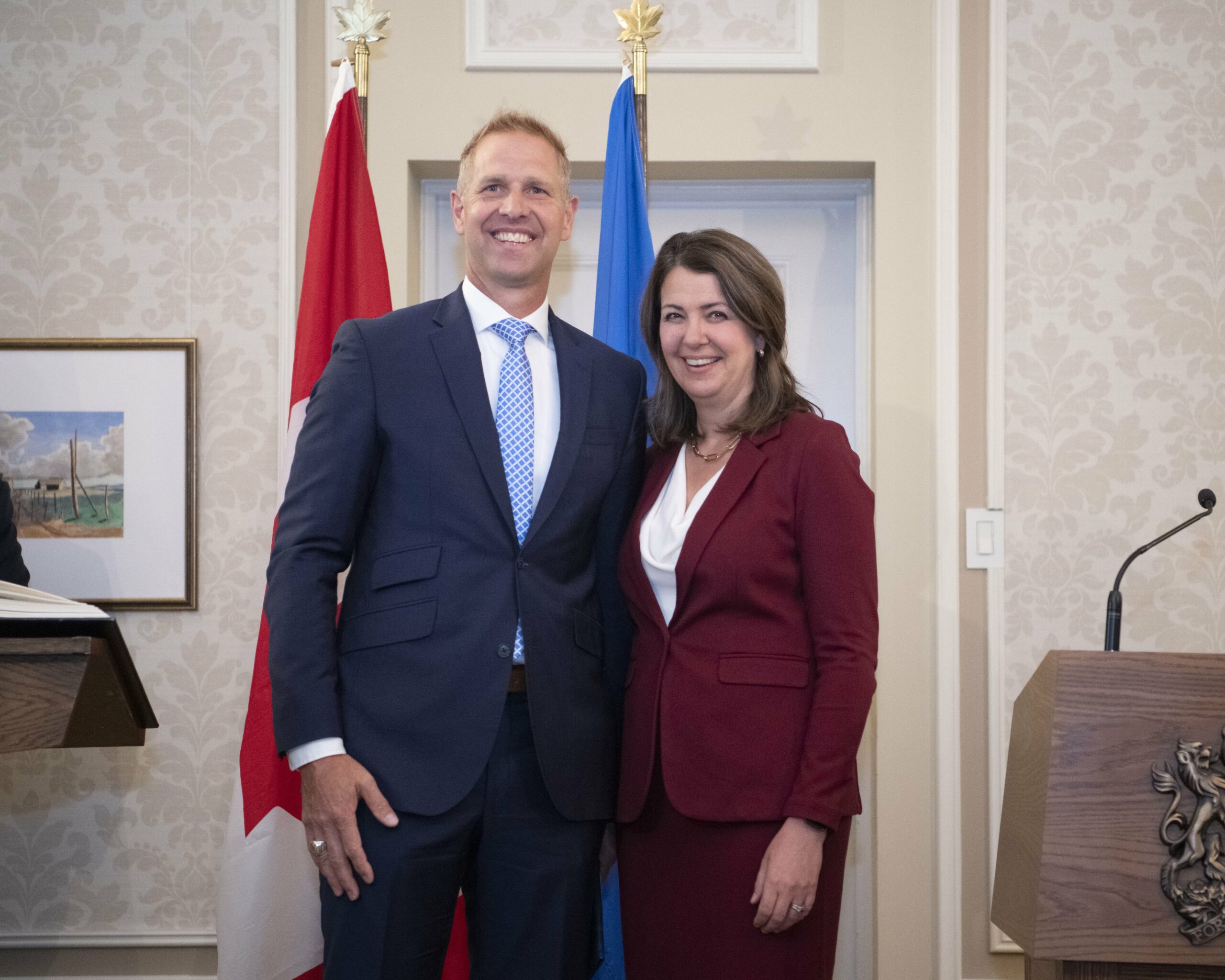
“Meeting rising electricity demands means looking beyond our borders,” he said in a news release. “Powering up our electrical ties with Montana is about building a strong foundation for shared energy security, while ensuring that the electricity Albertans depend on remains reliable and affordable for generations.”
Unfortunately, Montana is a wee bit miffed at Alberta at the moment and it’s all because the province isn’t working with its neighbours.
The state says Alberta is restricting the flow of power on its cross-border connection (known as interties) and the company which owns the line has filed a complaint against the province with the Alberta Utilities Commission.
The issue has also been raised by the Trump administration as a trade irritant.
Alberta denies the claims, but it is facing similar complaints from B.C. Meanwhile, on its eastern border, the intertie with Saskatchewan was down for about a year, but has now resumed operations.
And another Alberta minister went to Nevada to auction off a hunting licence
Todd Loewen, the minister of forestry and parks, and a hunting enthusiast, returned to Nevada for the Wild Sheep Foundation Sheep Show in January for the third time to hype his annual auction of a special licence to hunt bighorn sheep in Alberta. (Yes, lots of sheep in that sentence.)
Last year, the auction raised $400,000 to ensure there’s at least one less sheep in the world.
Alberta is (again) musing about nuclear power
The provincial government, whose policies have effectively killed the most robust renewable electricity market in Canada, wants to hear what Albertans think about building nuclear power in the province to help, uh, generate clean electricity.
A panel, which includes a United Conservative Party MLA and a former NDP MLA, will listen to public feedback and prepare a report of the government at the end of March. The last panel hosted by the province resulted in the executive director of the Alberta premier’s office telling a high school student he should be spanked. So, you know, I guess these things are never boring?
Albertans are still mad about coal mining
Alberta musician Corb Lund has successfully submitted a citizen’s petition against coal mining on the eastern slopes, after his previous petition was scuttled by the province changing the rules.
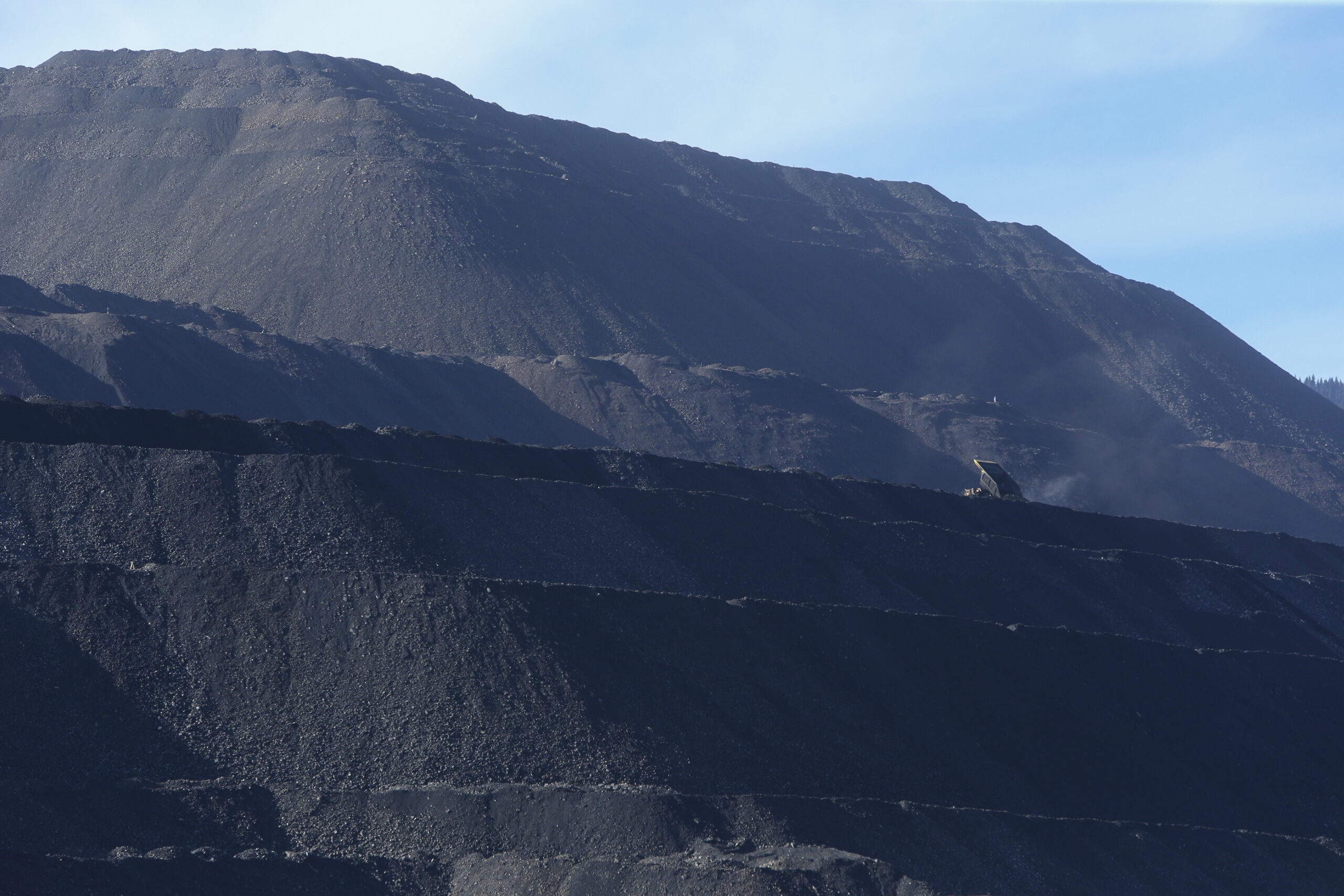
Lund has been an outspoken critic of the government’s plans to reopen a stretch of the Rocky Mountains to new coal mines, warning it threatens the water supply and the livelihood of ranchers.
The petition calls for the province to legislate against all “coal exploration and mining activities” on the eastern slopes for mines that aren’t already producing coal as of Jan. 1, 2026, and any mine expansions.
The petition still has some bureaucratic hoops to jump through before Lund can rally canvassers to collect signatures.
Alberta is full-steam ahead on data centre proposals
The largest data centre in Canada could be built in Olds, Alta., which the company, Synapse Data Centre, says will involve a $10-billion investment, including its own gas power plant and promises of a closed-loop water system that will reduce the plant’s thirst.
That’s different from the one you might recall that was announced by Kevin O’Leary in December 2024 — a data centre more than 32 times the size of the largest data centre in the world — which is still nowhere to be found.
Data centres consume huge amounts of energy and water. The Alberta government thinks they’re great and wants to see $100-billion worth of them across the province.
Of course, there’s that little issue of not having enough electricity to actually power all those centres, so the province introduced legislation to allow developers to build their own supply, like the on-site natural gas plant in Olds.
“We see this enormous opportunity to grow our tax base, to grow domestic demand for our natural resources,” Nate Glubish, the minister of technology and innovation, said while announcing the changes.
Updated on Feb. 5, 2026, at 11:10 a.m. MT: This story has been updated to correct an error. The nuclear power consultation panel includes one United Conservative Party MLA (Chantelle de Jonge), not two. It also includes a former NDP MLA, Deron Bilous.