



 15 min. read
A small group of us were returning from a guided tour through the grasslands on a sunny October afternoon when I picked up on the familiar scent of burning wood. Curious, I made my way toward the small peak overlooking the prairie, where a bonfire was lit and a young woman stood in a large metal bucket. It almost looked like she was dancing. A few people were smiling and laughing around her, as she continued her gentle footwork — the traditional Anishinaabe way of processing wild rice. Also known as threshing or jigging, it requires someone to gently trample the wild rice to separate the edible grain from the outer husk.
The demonstration was part of Prairie Day at the Alderville Black Oak Savanna — a hub of conservation and restoration — where individuals from both within and outside of Alderville First Nation are invited to spend the day.
According to one estimate, only one per cent of the tallgrass prairie ecosystems remain intact around the world, and preserving them is critical to ensuring the survival of rare traditional medicines and rare species at risk. These types of grasslands also serve as a highly effective carbon sink, absorbing carbon dioxide from the atmosphere that would otherwise contribute to global warming. And grasslands store the majority of that carbon in the soil, rather than above ground, meaning it’s less at risk of being released by fire or drought.
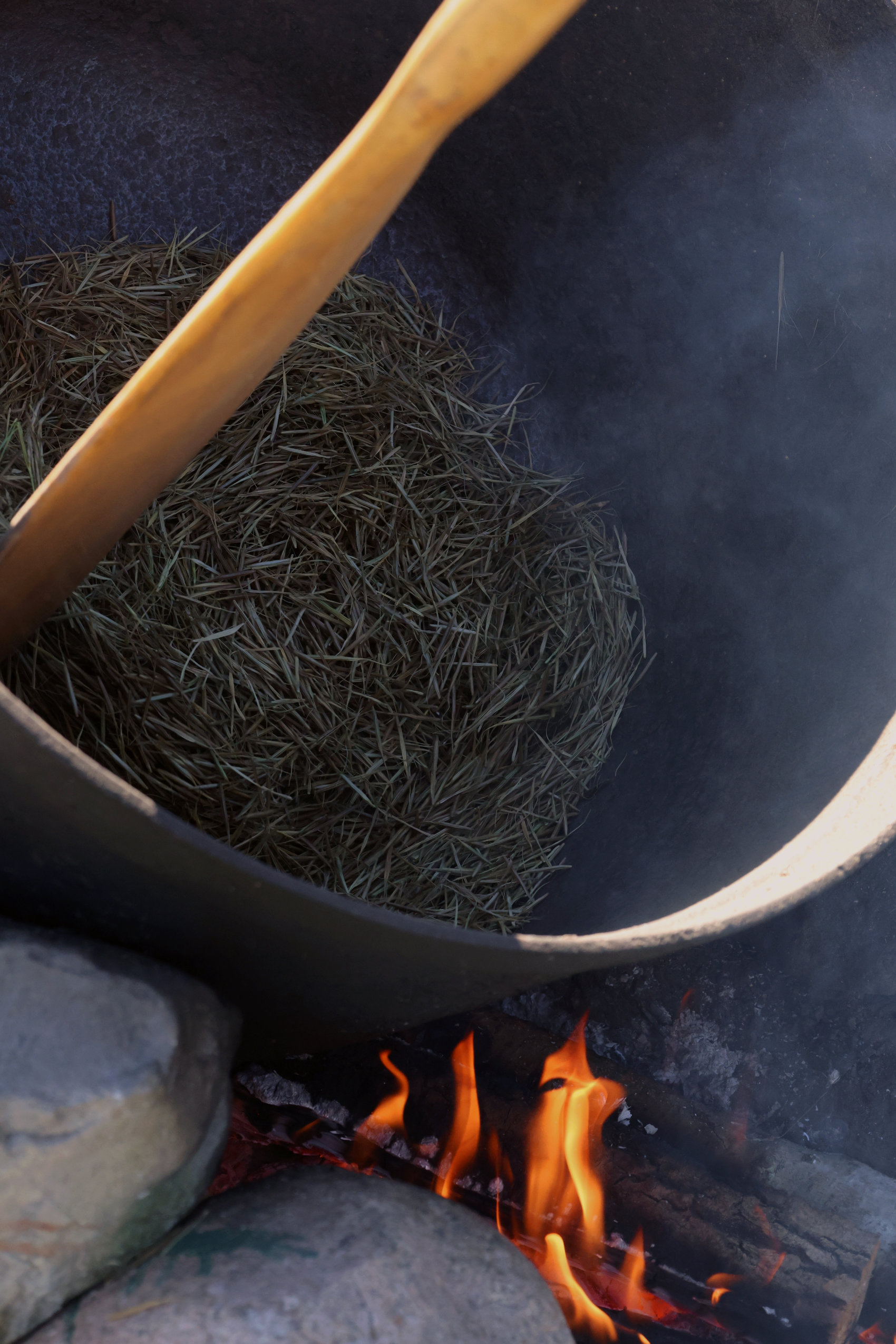
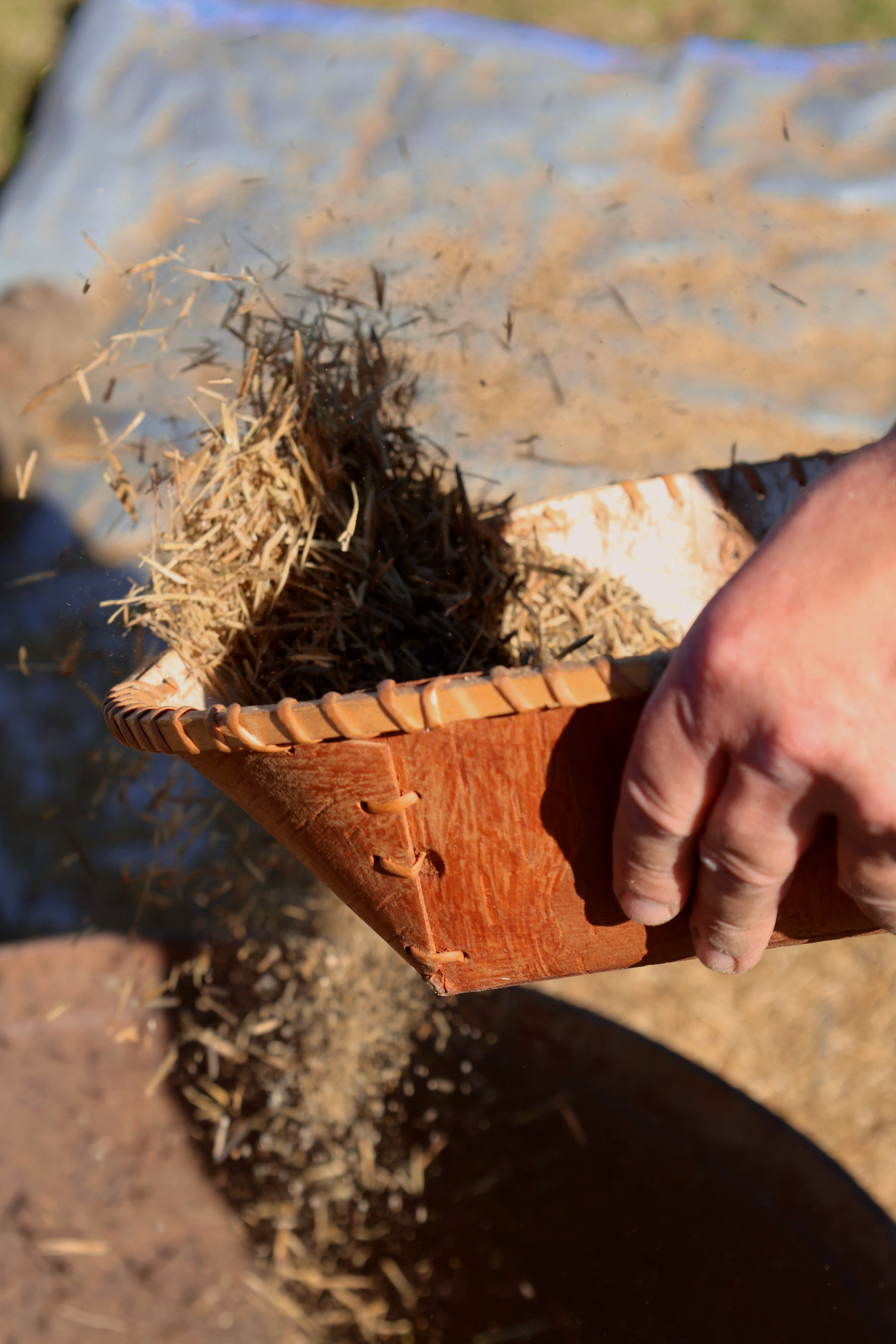
Wild rice doesn’t grow in the savanna, but it does just down the road in Rice Lake, and it was once found in waterways across southern Ontario. In Ojibwe civil rights activist Eddie Benton-Banai’s retelling of the oral history surrounding the western migration of the Anishinaabe to the Great Lakes, he wrote that they followed a prophecy about “a land where the food grows on the water.” However, many of the wild rice beds in southern Ontario, including Rice Lake, were destroyed or damaged by shoreline development, dredging, introduced species and damming.
Some people, like Alderville community Elder Jeff Beaver, are trying to bring back the practice of harvesting wild rice, or manoomin, which translates to “good seed” and is recognized as a gift from the Creator. Beaver’s research and work to help restore wild rice beds in the Williams Treaties region began decades ago. On Prairie Day, he guided the visitors through wild rice processing.
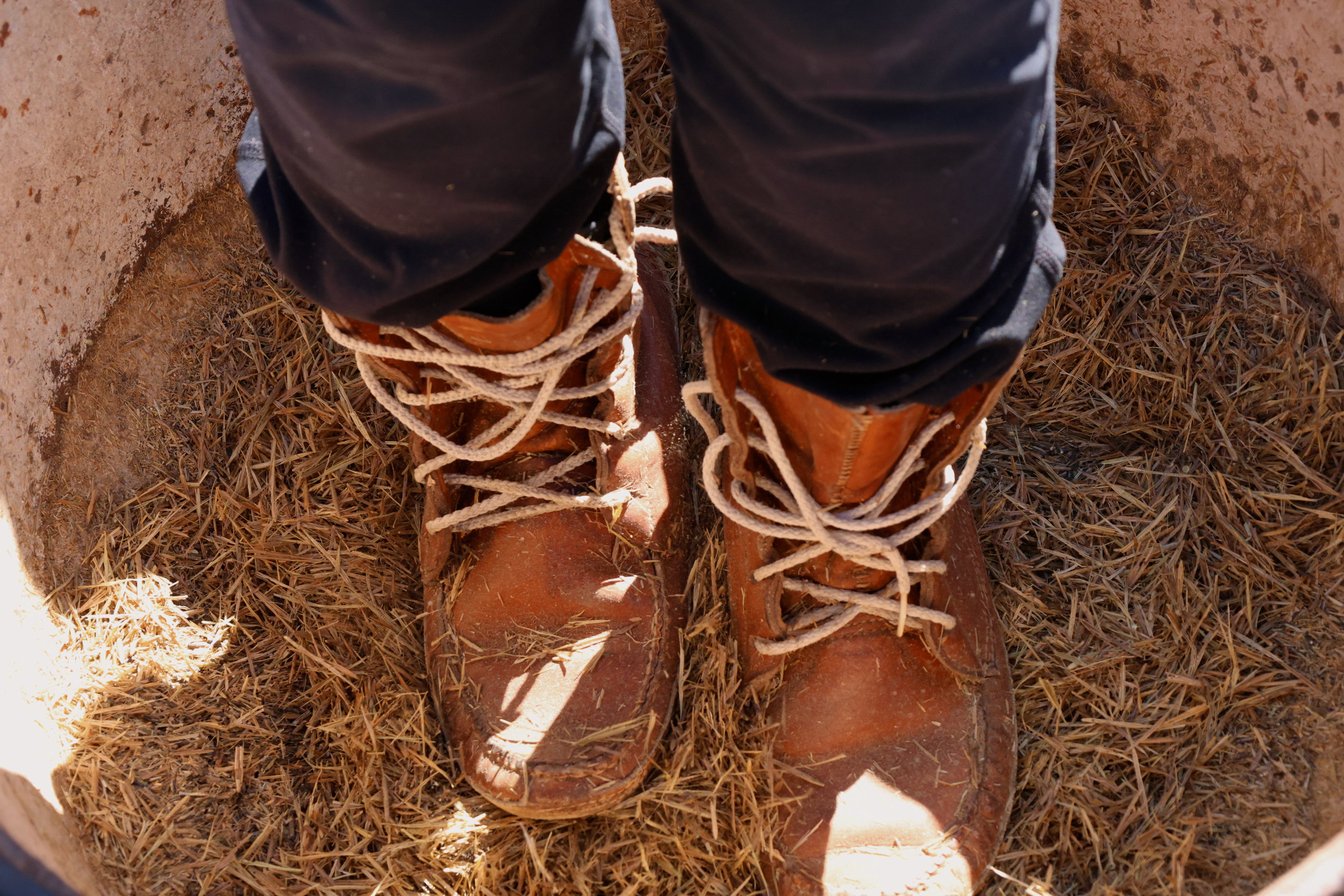
From her bucket beside the bonfire, Rageous May-Vokes lifted one moccasin after another, dancing on the rice, separating the husk from the grain that had sustained her ancestors for centuries. She is from Alderville First Nation, but never had the chance to try manoomin from Rice Lake before today. “This experience makes me feel connected back to my community, our teachings and where we originally come from,” May-Vokes says.
In the 1830s, some Michi Saagiig Anishinabeg migrated to the south shore of Rice Lake, about two hours east of Toronto, after being forced by British settlers to surrender their traditional lands around the Bay of Quinte. Upon arrival they noticed that sections of the land had been burned for the cultivation of corn, beans and squash by the Haudenosaunee community that previously lived on the land. The presence of fire on these lands shaped the biodiverse conditions of the ecosystem and gave the land its name: “Pamitaashkodeyong” which means “where it burns and where it travels” or “lake of the burning plains.” That practice was continued by the Michi Saagiig Anishinabeg of Alderville First Nation.
For centuries, under the care of the Haudenosaunee and then the Anishinaabe, the tallgrass prairie thrived due to the traditional practice of burning. But at some point, that practice stopped. Rick Beaver, one of the founders of the Black Oak Savanna, points to colonial expansion, infrastructure development and the Indian Act. “It came into being and we no longer had control over our territories, ” he says. “With that comes the suppression and extinction, in some cases, of traditional practices like burning, language and other customs that are appropriate to harmonize with living on the land, loving the land and acknowledging the connection between all things.”
Like harvesting and processing wild rice, cultural burns that give way to prairie ecosystems were nearly extinguished.
In a speech at the Prairie Day event, former Alderville Chief Dave Mowat said the Indian Act wasn’t concerned with the environment. “It was just concerned with undermining traditional government systems.”
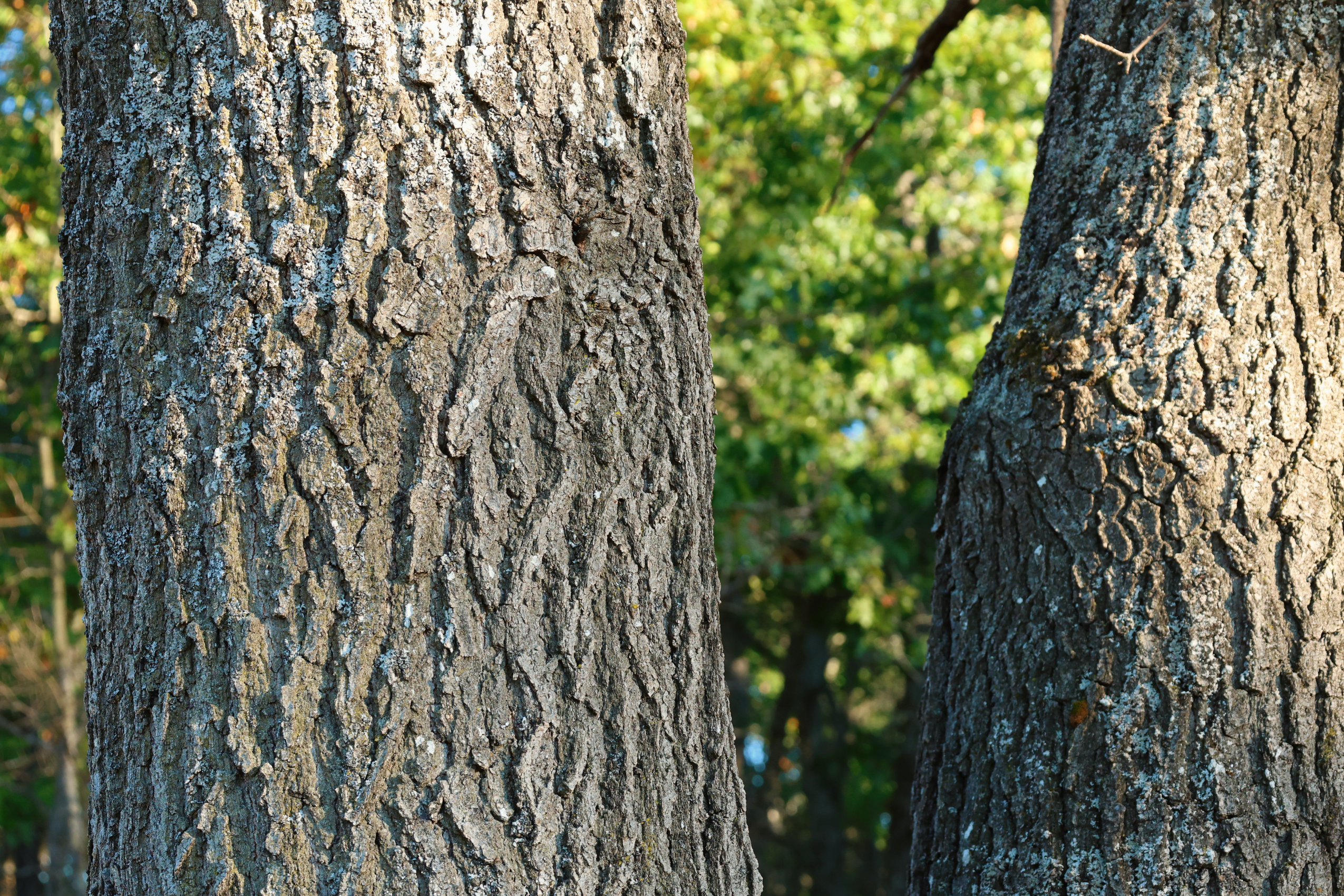
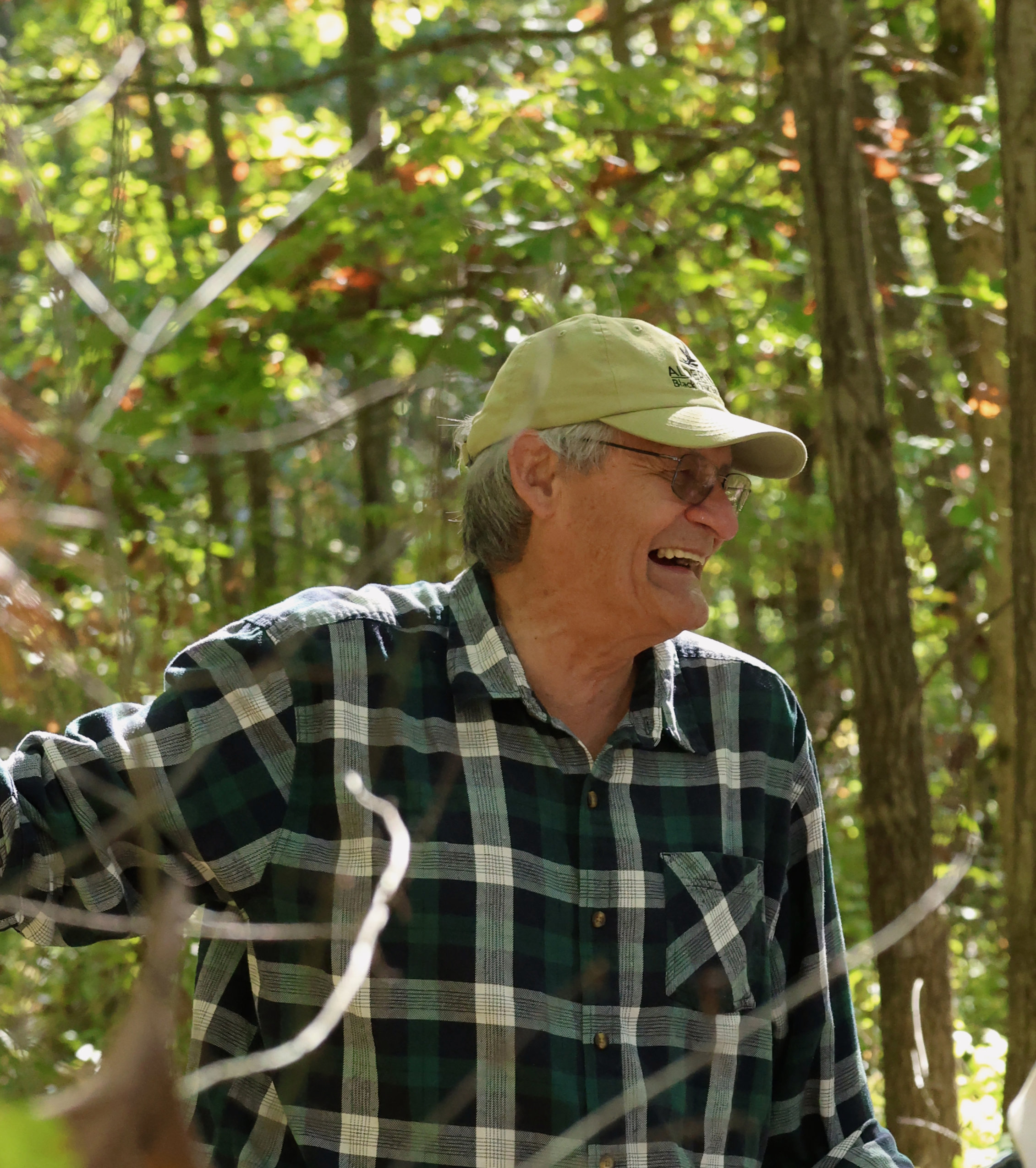
In 1999, Alderville First Nation was in need of more housing on its reserve land to accommodate a growing population. At the time, the land now known as the Black Oak Savanna was proposed for a new housing development. But Mowat and Rick Beaver, both of whom had grown up on Alderville First Nation, knew the environmental significance of these lands. As children, they ran through these fields. The land carried the Elders’ teachings and stories — and they were determined to protect it.
Mowat, who held a position in the economic development department of Chief and Council at the time, supported a preliminary biological survey of the area. Along with a few community members, Beaver, a biologist by training, spent a season surveying the area and sent the findings to the federal department then called Environment Canada. A biologist there agreed the area had ecological value. The land was then registered under the habitat stewardship program for species at risk, which halted construction plans. “It was strange, it was almost like Environment Canada was waiting for us,” Mowat says.
With support from the band council and Environment Canada, the Alderville Black Oak Savanna was founded later that year. When Beaver was hired to lead the restoration efforts as the savanna’s first natural heritage coordinator, he recalled, “the land was a patchwork of savanna prairie.” Parts of the land that were historically prairie had been plowed into agricultural fields. “The band was leasing them out to local farmers to produce hay, corn, oats, soybeans, various grains, wheat, oats, rye,” Beaver says.
In the absence of fire, and the practice of managing grasslands for traditional food, medicine and wildlife, the prairie and savanna were slowly fading away. The woods were expanding their roots and non-native species were creeping across the farm fields of the dying savanna.
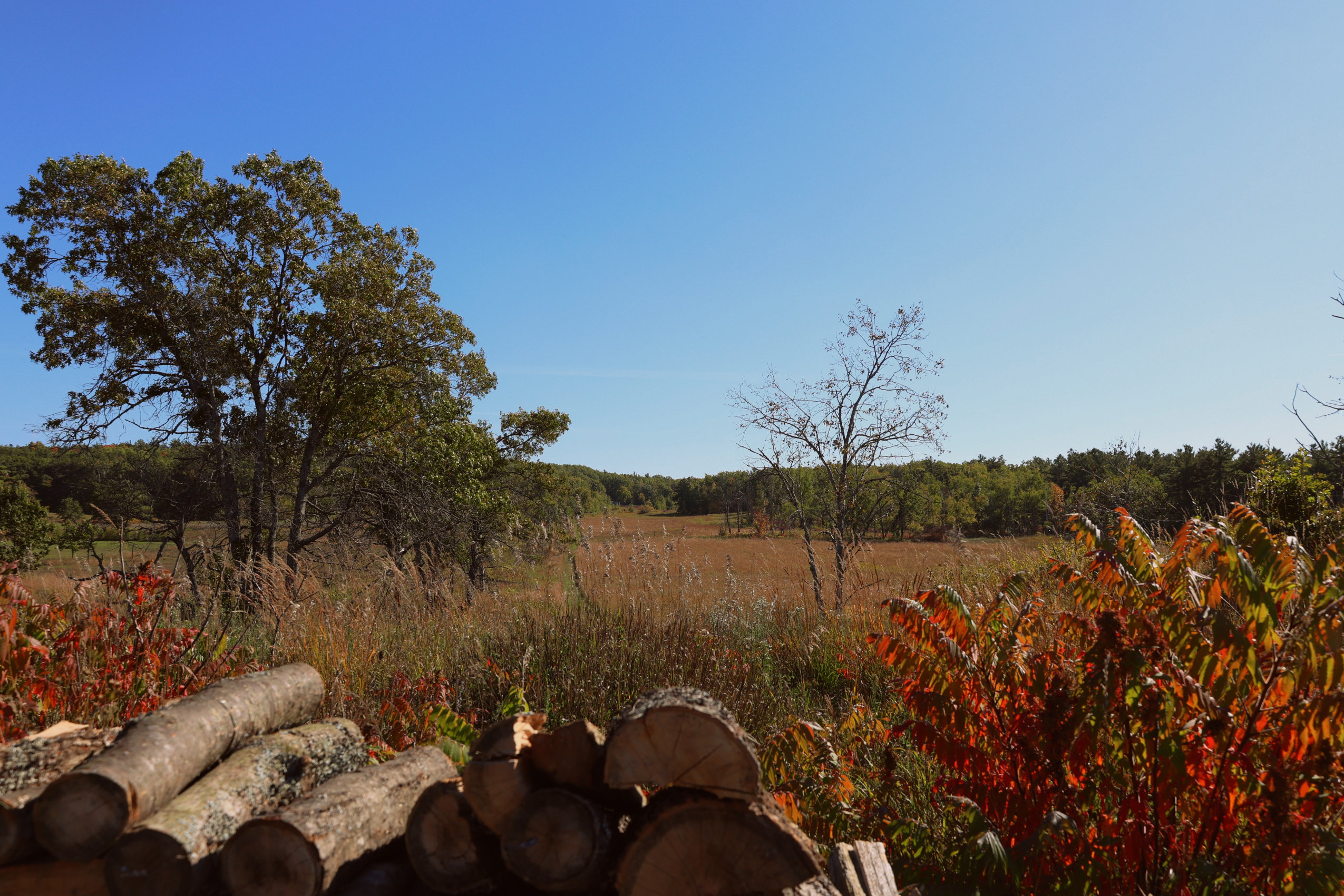
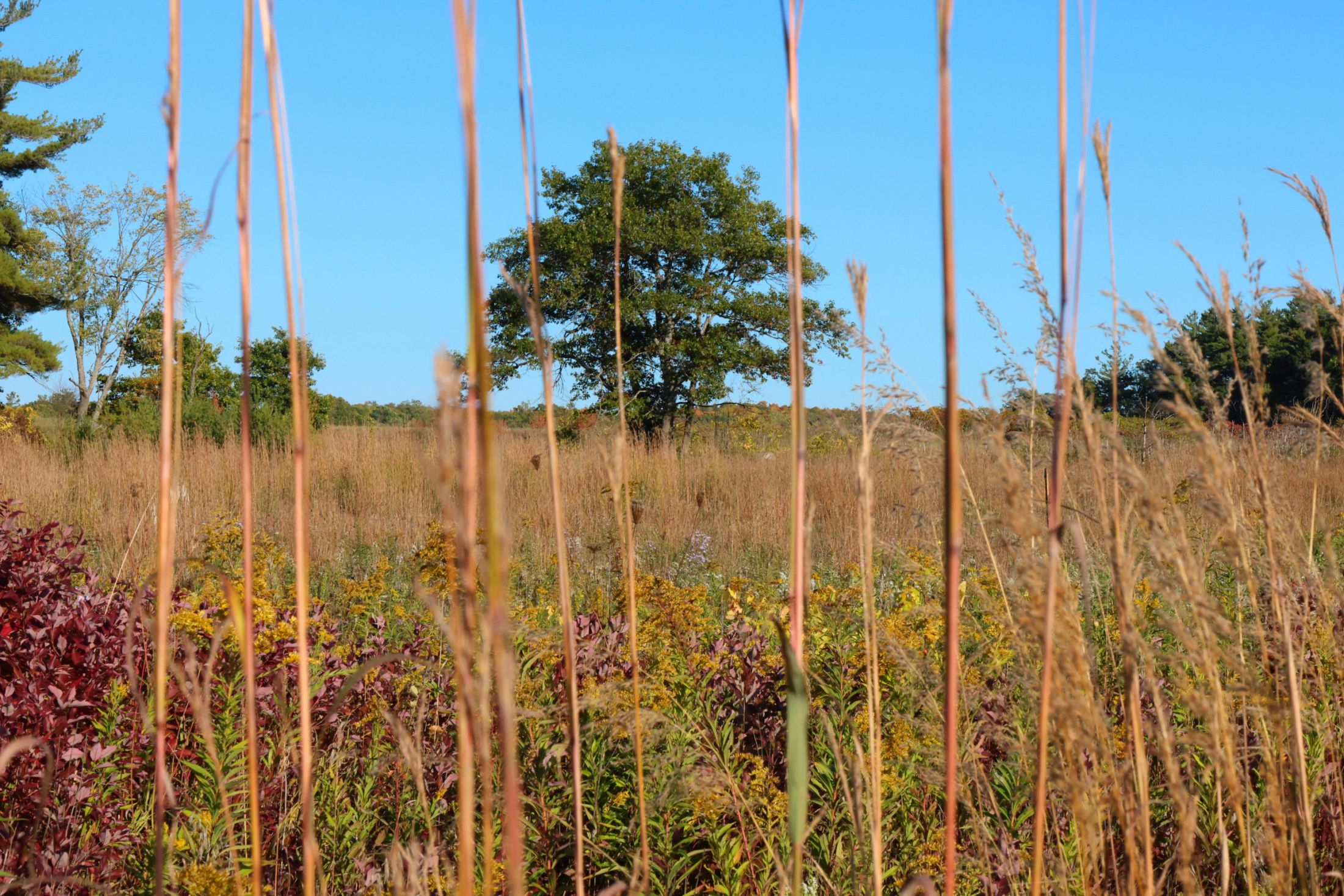
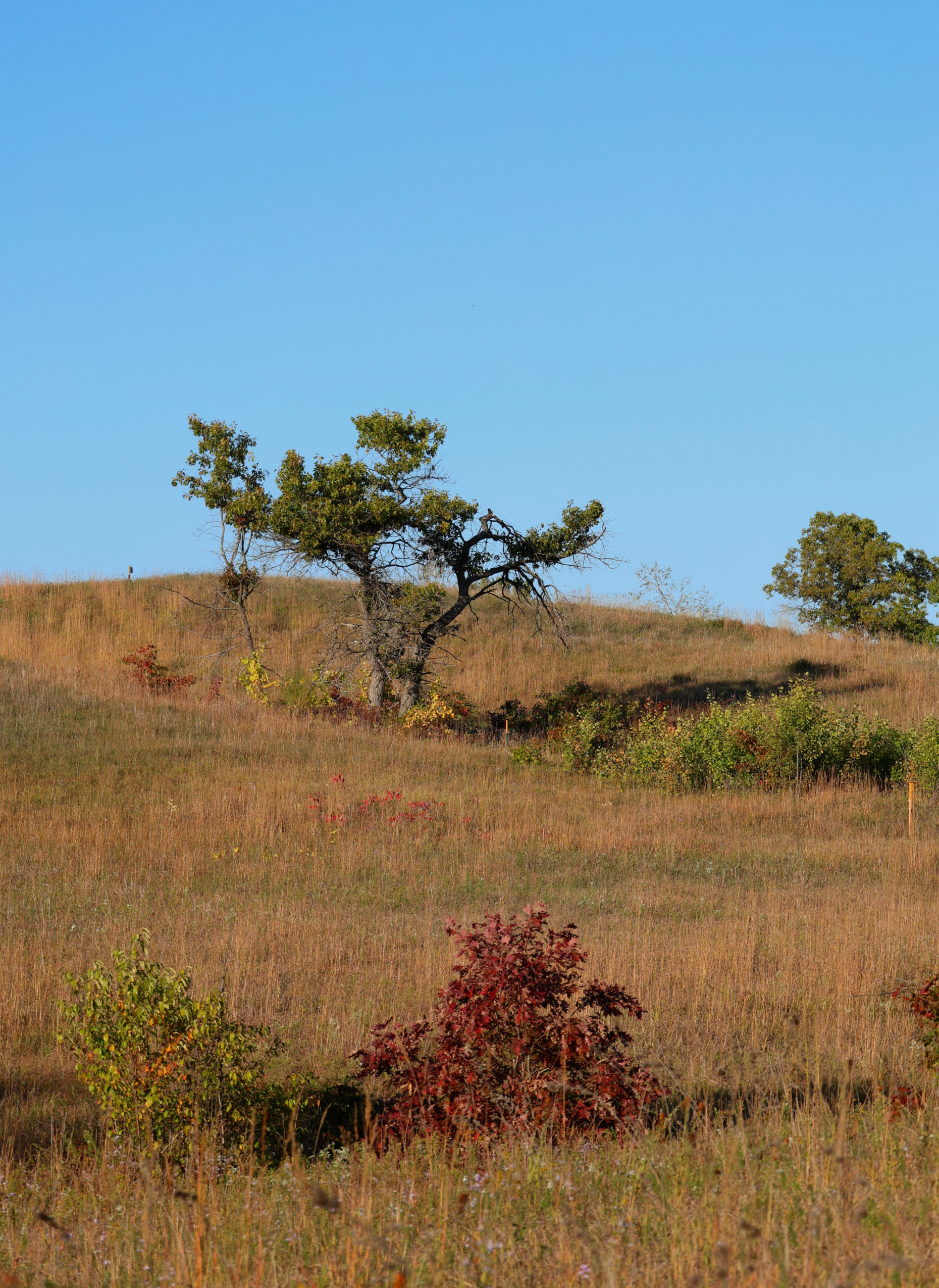
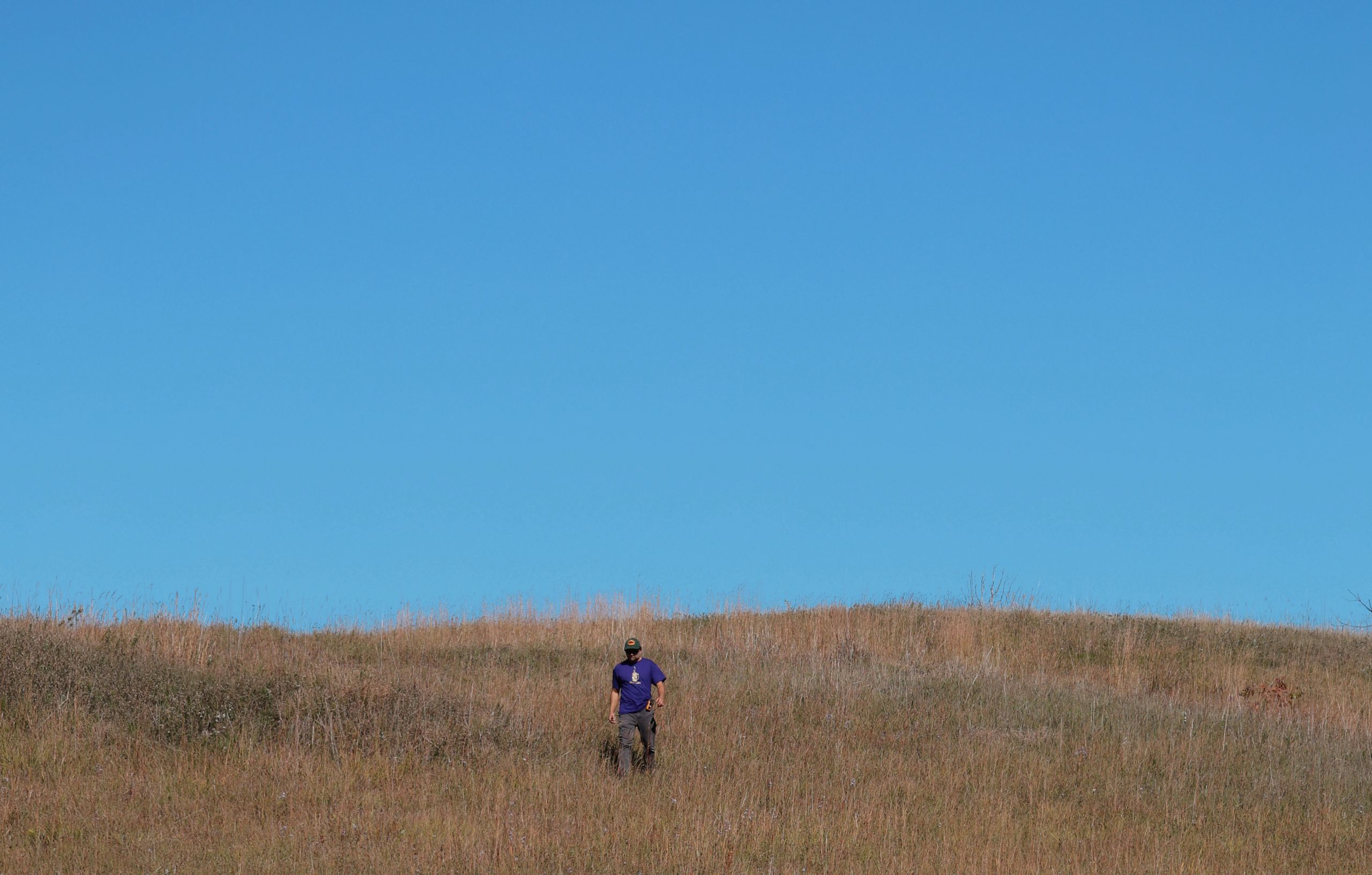
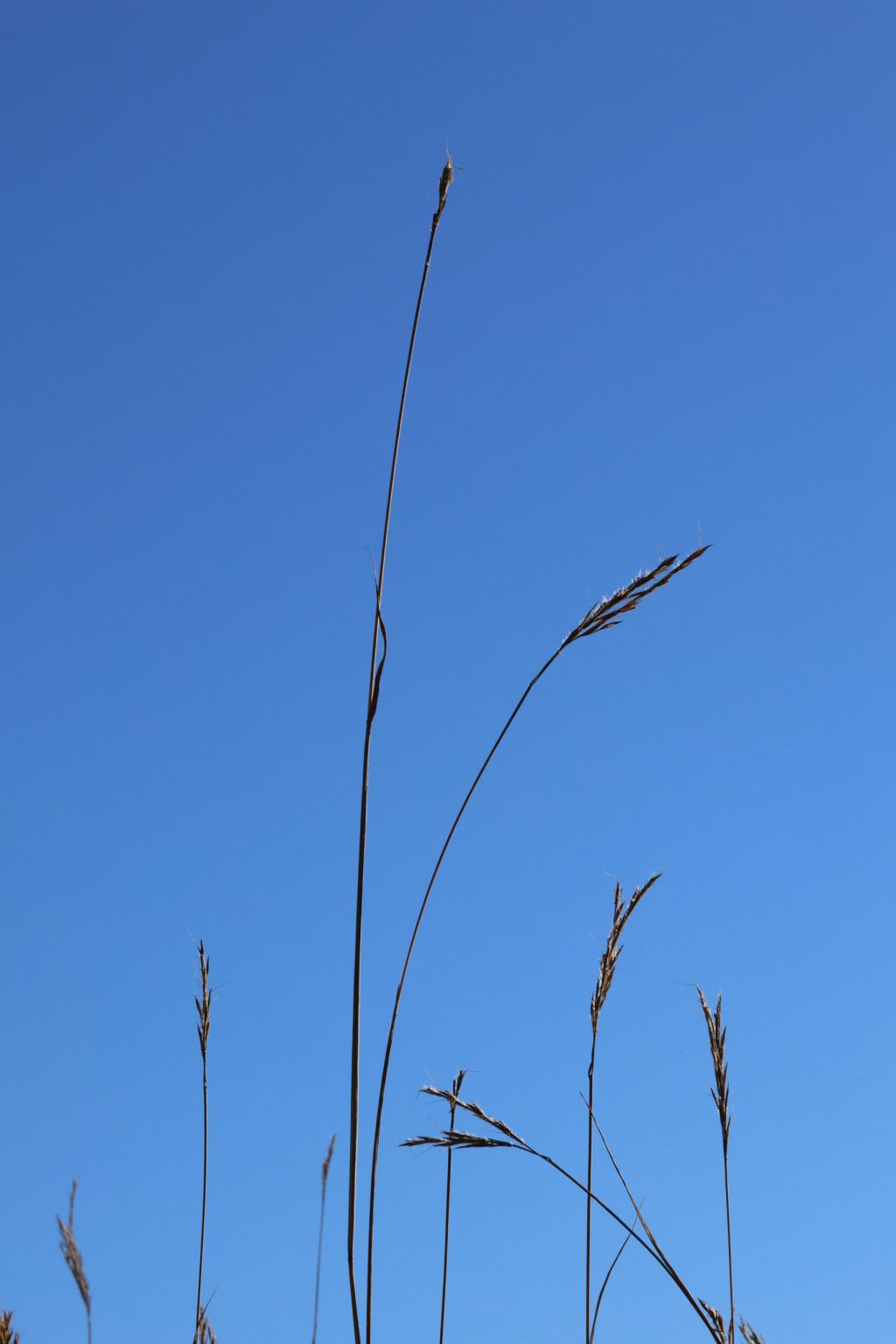
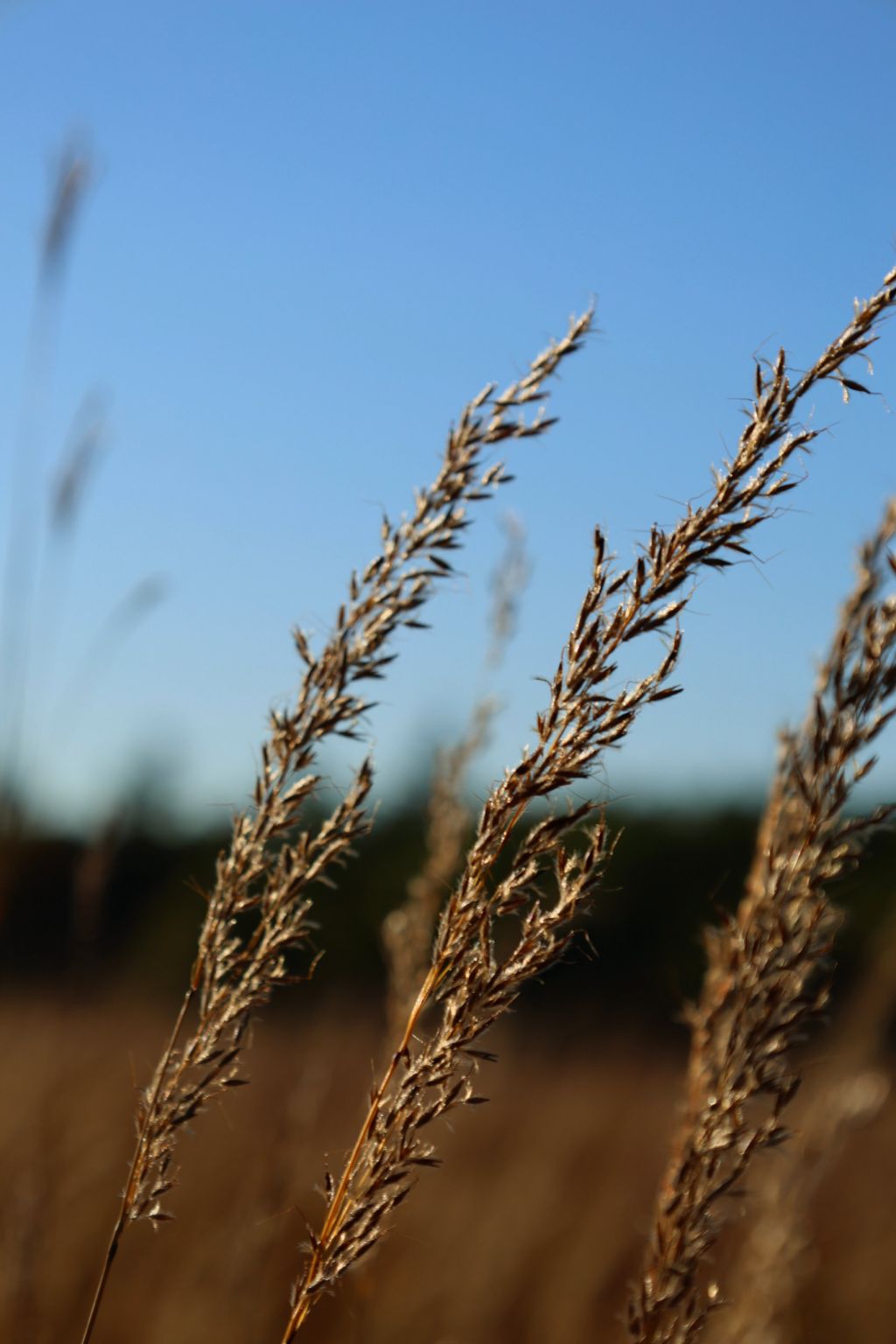
Over the last two decades, fire has been reintroduced to the lands as a way of managing the environment. If you visit the Alderville Black Oak Savanna today, you will witness a thriving tallgrass prairie: heath aster and New Jersey tea, big bluestem and a scattering of black oak trees at the northernmost stretch of their range. As a fire-dependent ecosystem in a place where fire is otherwise immediately suppressed, tallgrass prairie and black oak savanna would not be able to thrive without human stewardship.
The Alderville prairie is the “antithesis of that narrative that people are bad for the environment,” Radek Odolczyk, stewardship and restoration coordinator at the Alderville Black Oak Savanna, says. “It’s a cultural legacy on the land that’s telling you that we can actually improve biodiversity and resilience.”
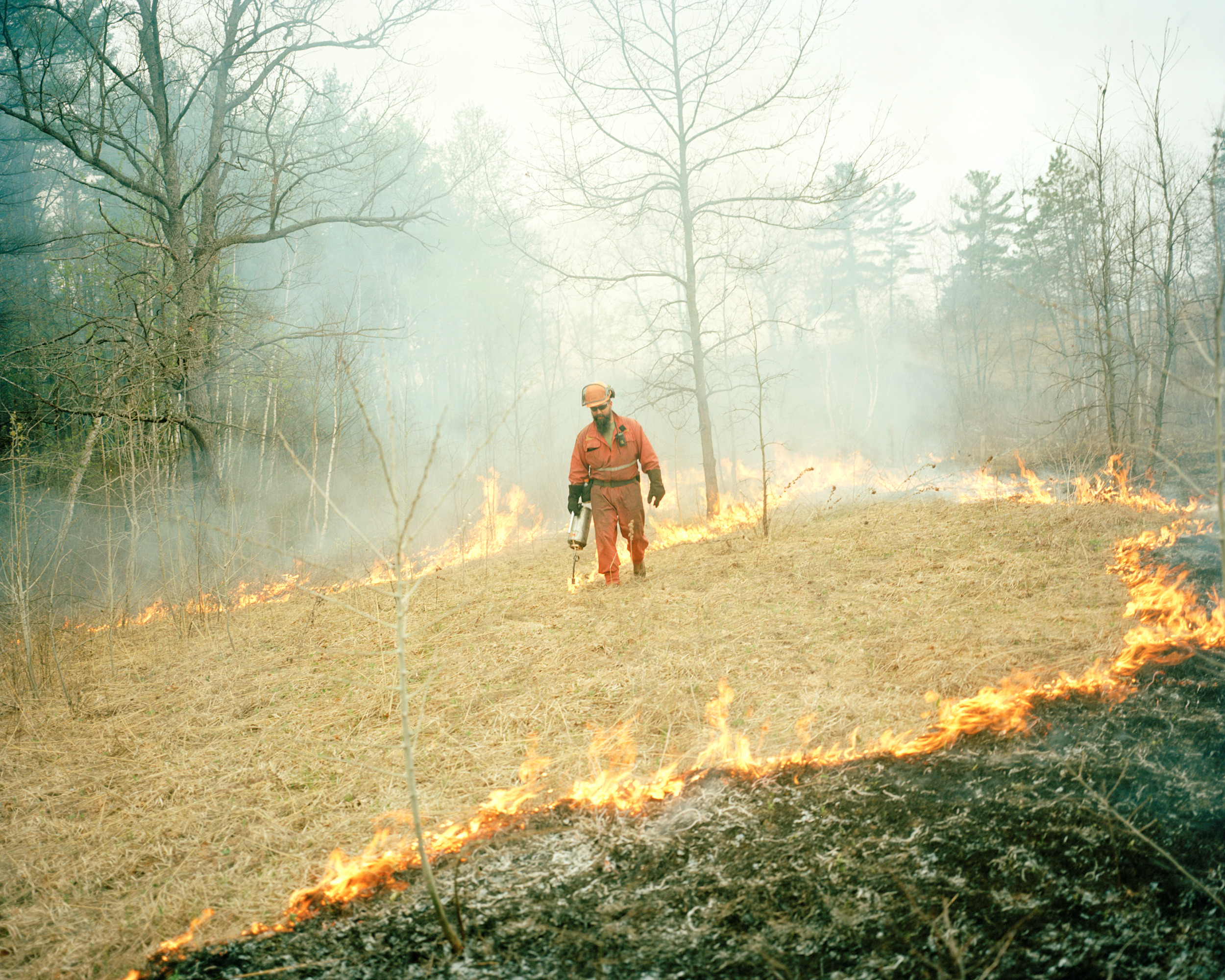
Work on the Alderville Black Oak Savanna happens all year. When the snow melts and the land begins to thaw, the team starts preparing. First, they designate the areas that are in need of a burn by looking at the health of the plants and data on how much seed they’re producing. “You never get as good of a yield, in terms of seed in a tallgrass prairie, as you do the year after it was burned,” Odolczyk explains. “The thatch that’s accumulated is preventing water from penetrating the grain and getting down to the soil. When you burn, all those nutrients that are captured in dead plant material are released back into the soil.”
Early in the spring, once the areas in need of burning are identified, Odolczyk goes over the logistics and conditions that will affect the burn. “You’re doing everything leading up to that burn to make sure that it goes the way that you intend for it to go,” he says. Burns take place in the different areas throughout the rest of the spring season, but they never burn more than a quarter of each type of habitat, leaving refuge for various species. After a burn, the team might reseed the grass to help nature along, and they’ll monitor as animals return to the land after a long winter.
As the days get warmer, the focus shifts to managing the presence of invasive, or non-native, species, which “are one of the biggest threats to biodiversity, especially in southern Ontario,” Odolczyk says. European buckthorn, dog-strangling vine, spotted knapweed and Canada thistle are some of the more common non-native species found in the Black Oak Savanna. Burning is the main control method used at the savanna, because many of the non-native species do not have the same historical relationship with fire as tallgrass prairie. However, dog-strangling vine, which has no natural checks and balances in southern Ontario, is adapted to fire, and much harder to control. The team physically removes it or turns to herbicides.
Spring blooms into summer and plants begin to yield their seeds. The team collects some of the seeds to spread to areas that need propagating, they store some for the next growing season and in other areas let nature take its course. “They’ve been pretty dang successful so far, several million years along,” Odolczyk says.
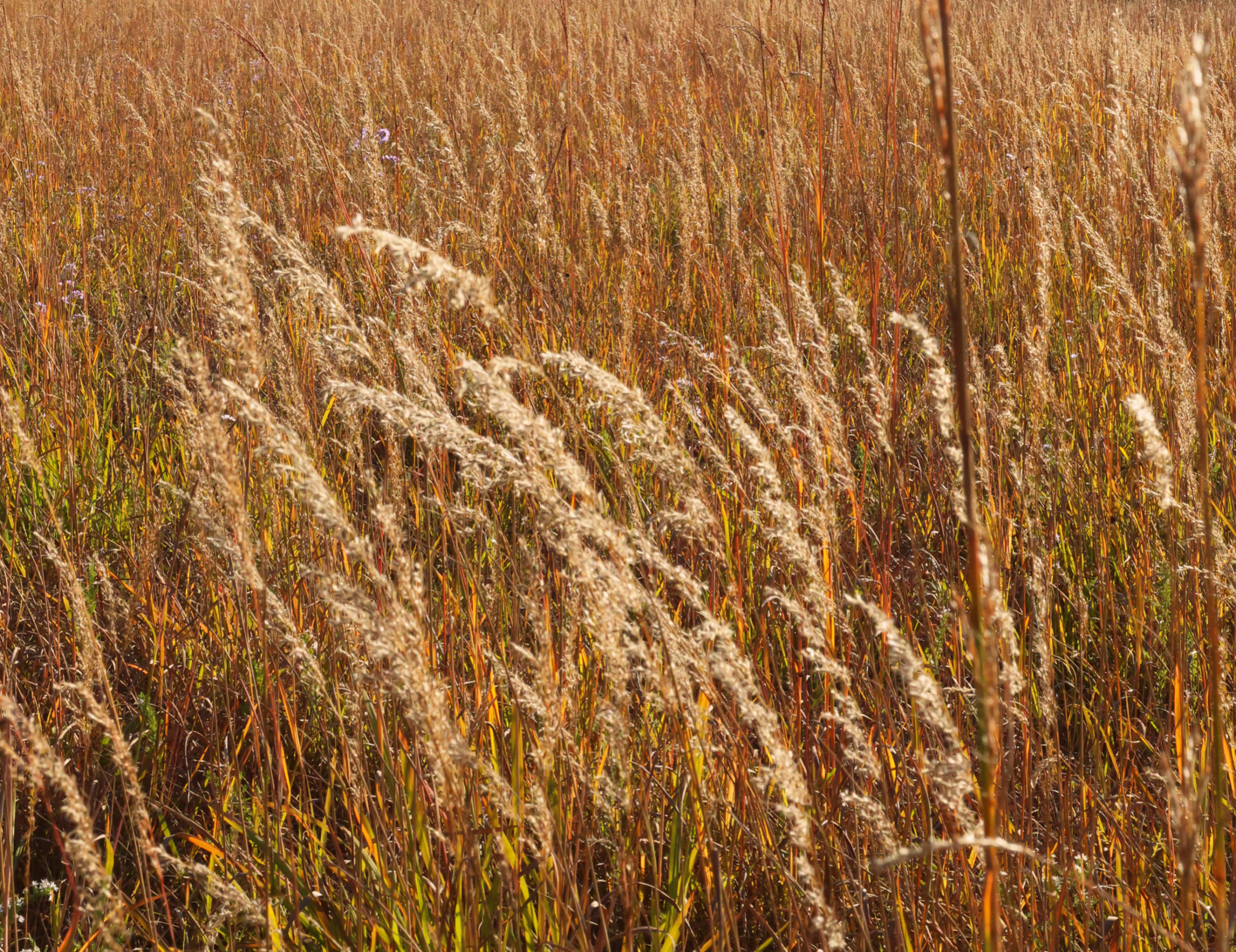
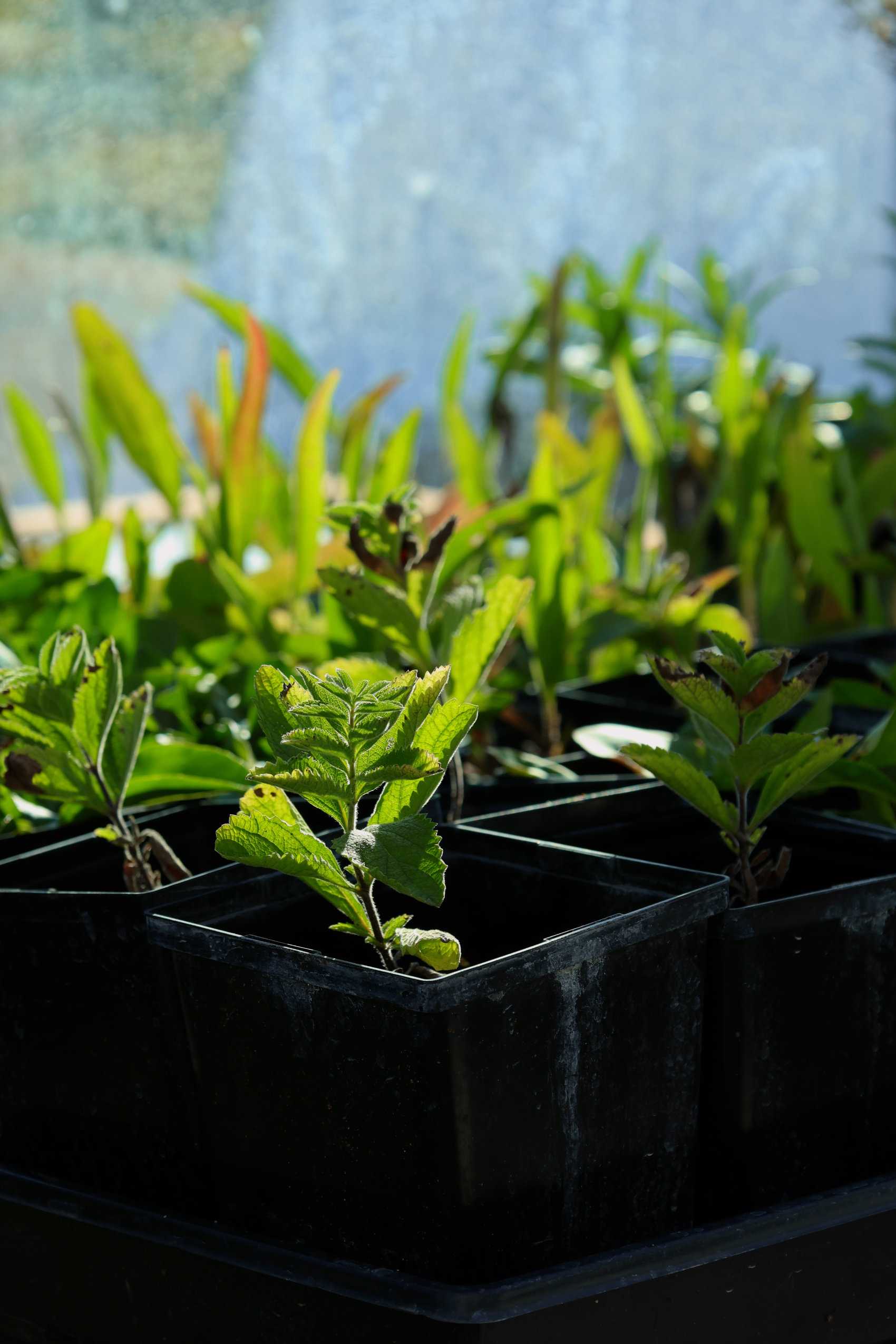
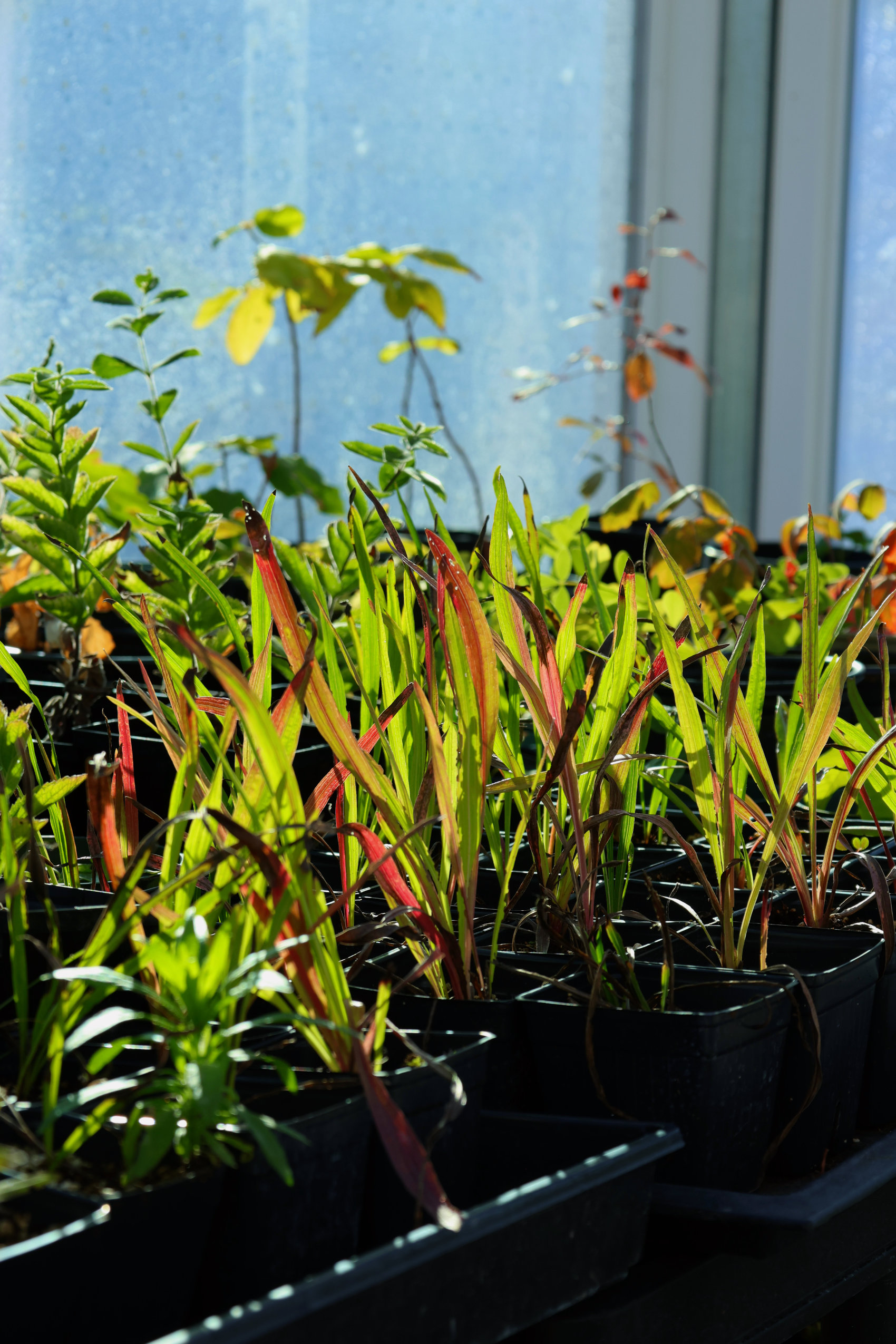
The Mitigomin Native Plant Nursery was established at the Alderville Black Oak Savanna in 2019, and up and running by 2023. Its coordinator, Gillian di Petta, has focused on experimenting with plant growth to learn what conditions allow the plants to thrive, such as whether plants that have been recently burned produce more viable seeds.
Many of the plants grown in the nursery are contributed to local restoration efforts within the Rice Lake Plains Partnership — a stewardship project involving Alderville First Nation, private landowners, conservation groups and government agencies — or to other local programs. “We have a partnership with Kawartha Pine Ridge District School Board, which is the local school board in our area, and we work with them to put in native plant gardens at specific schools,” di Petta says. Community members are also given access to traditional medicines grown in the nursery.
As the days get shorter and colder, the team begins the process of suppression and succession: to keep the woods from encroaching on the prairie, the team either cuts down certain parts of the forest or girdles the trees — making shallow cuts to the bark, leading trees to die slowly while remaining upright.
Most of this takes place in the winter because it has less of a negative impact on the ecosystem. “If we were to do this during the growing season, we’d potentially run [over] areas with ATVs. Or if we have to drop a tree, there might be birds nesting in that tree,” Odolczyk says. “The advantage of doing this through the winter is that everything’s dormant and the ground is frozen.”
The work being done to manage the woods in the winter shapes how the area will thrive in the seasons ahead.
This past summer, the staff of Alderville Black Oak Savanna discovered a red-headed woodpecker at the edge of the grassland restoration area in one of those dead-standing trees. Red-headed woodpeckers are on the list of endangered species in Ontario. They have a high death rate from traffic collisions and development has clawed away at their habitat and food resources. Pesticides have diminished their ability to reproduce.
Over the years, these birds have made pit stops in Alderville First Nation on their migration journey. But this was the first time Beaver remembers seeing one nesting on these lands.
“Like any species, if you take the time to understand them carefully, you will understand that they are speaking about the conditions of the earth in very specific terminology and language,” Beaver says of the red-headed woodpeckers. “What does that mean with respect to the land? Well, it means it’s suitable for them.”
The sighting was a testament to their two and a half decades of environmental stewardship.
When the Black Oak Savanna started out in 1999, Mowat recalls there being very little funding. Beaver was working out of the trunk of his car. “We had no equipment. It was a skeleton operation, but we knew it was important,” Mowat says. “When I reflect back 25 years, what it’s become is quite remarkable.”
Alderville First Nation is to thank, Mowat says, for the savanna’s expansion from about 37 hectares of land to more than double that today, at 81 hectares. Over the years, Alderville members would come to the Black Oak Savanna to sell their neighbouring CP land — which refers to Certificate of Possession, a specific type of land tenure that recognizes the lawful possession of the land, and the right to occupy and develop it, but the legal title is still held by the Government of Canada.
The acquisition of land over the years was a slow process, Mowat says, but it gained traction when summer students would come work at the savanna, and then go home and tell their parents about it. “What we really had to rely on was education,” he says. Gradually, the community was convinced of the savanna’s value, and more and more land was added. “We’re lucky that it happened that way because we could have had someone sell five acres and a big shop gets put in right next to the savanna, but that never happened,” Mowat says.
As the natural heritage site continued to expand, so did the need for staff to manage it. Over the years, stewardship efforts have evolved to include a reptile and amphibian stewardship program. Alderville First Nation’s location on the south shore of Rice Lake makes it a hotspot for nesting turtles each year. But as their prime nesting locations are in close proximity to roadsides or farms, many turtles are killed or injured each year.
Sisters Grace and Kassie McKeown have led turtle stewardship efforts across Alderville First Nation for years. Grace is now the herptile technician for the savanna, after first starting out as a summer student nearly a decade ago. Kassie is currently a band councillor.
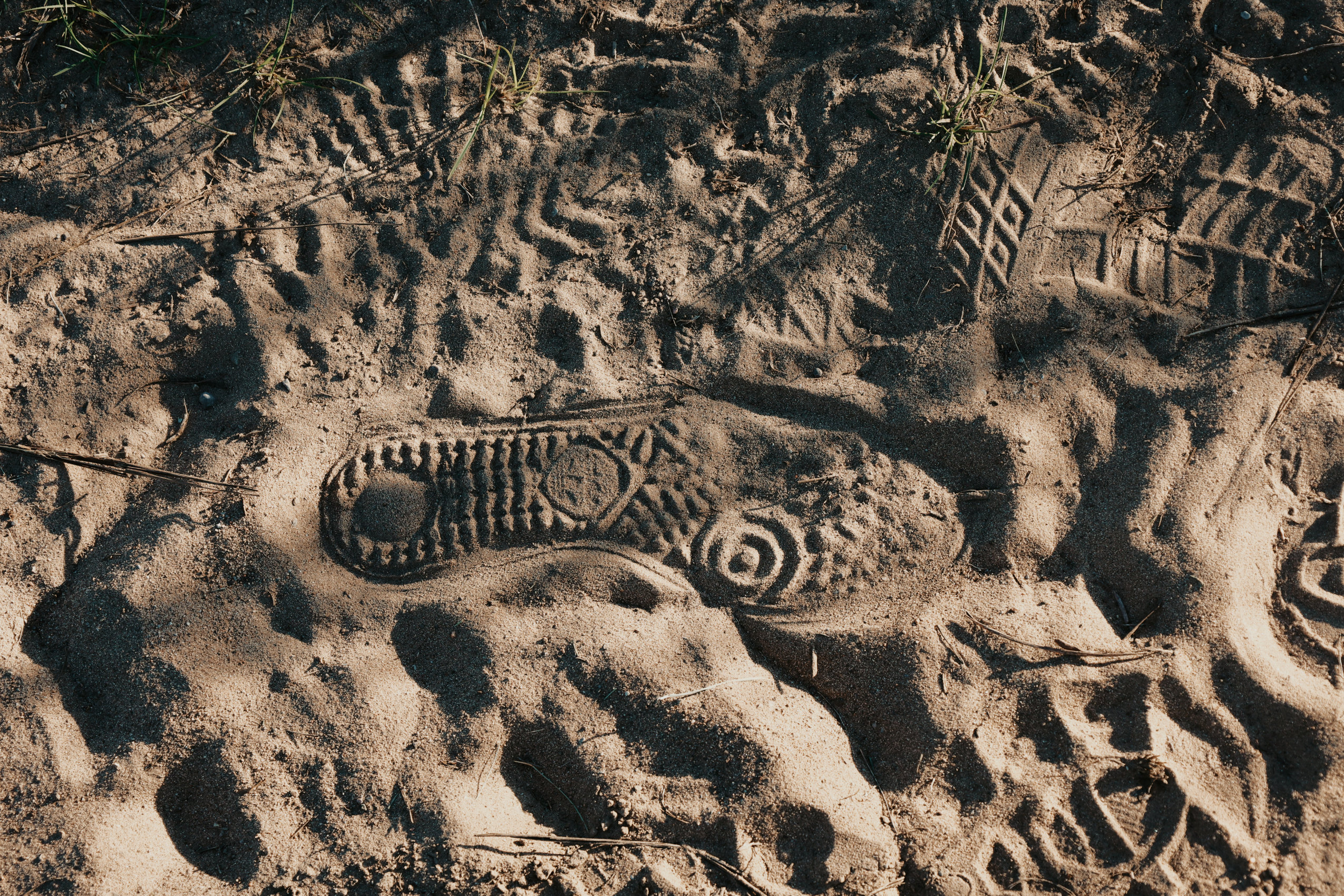
Every spring, there’s a two- to three-week-long period where turtles come up on the shore to lay their eggs, which hatch in August. Grace and Kassie monitor where the turtles make their nests and deploy nest protector boxes — square wood frames with chicken wire stapled to the top and semi-circle doors cut into the sides. “If you orient it so that the slots of wood that have the holes face the water, the turtles are encouraged to go in a safe direction.”
This year they were able to protect 50 turtle nests. “Not all turtles are going to be saved or able to reach the age of maturity. It just helps their numbers, helps the odds,” Grace explains.
Like the early days of bringing summer students to work at the savanna, part of the turtle stewardship effort also involves community outreach and education. “Last season, we held a turtle nest protector workshop. Community members got to build their own turtle nest boxes and take them home. We stayed in contact, so they would let me know if they saw a turtle,” Grace says. The hope is that an increase in education will also increase community participation.
“The more community involvement, the better this program will be.”
Having a space that cultivates and fosters the connection that humans have with nature and the rest of creation is a part of Alderville First Nation’s pride: “It’s one of our gems,” Mowat says.
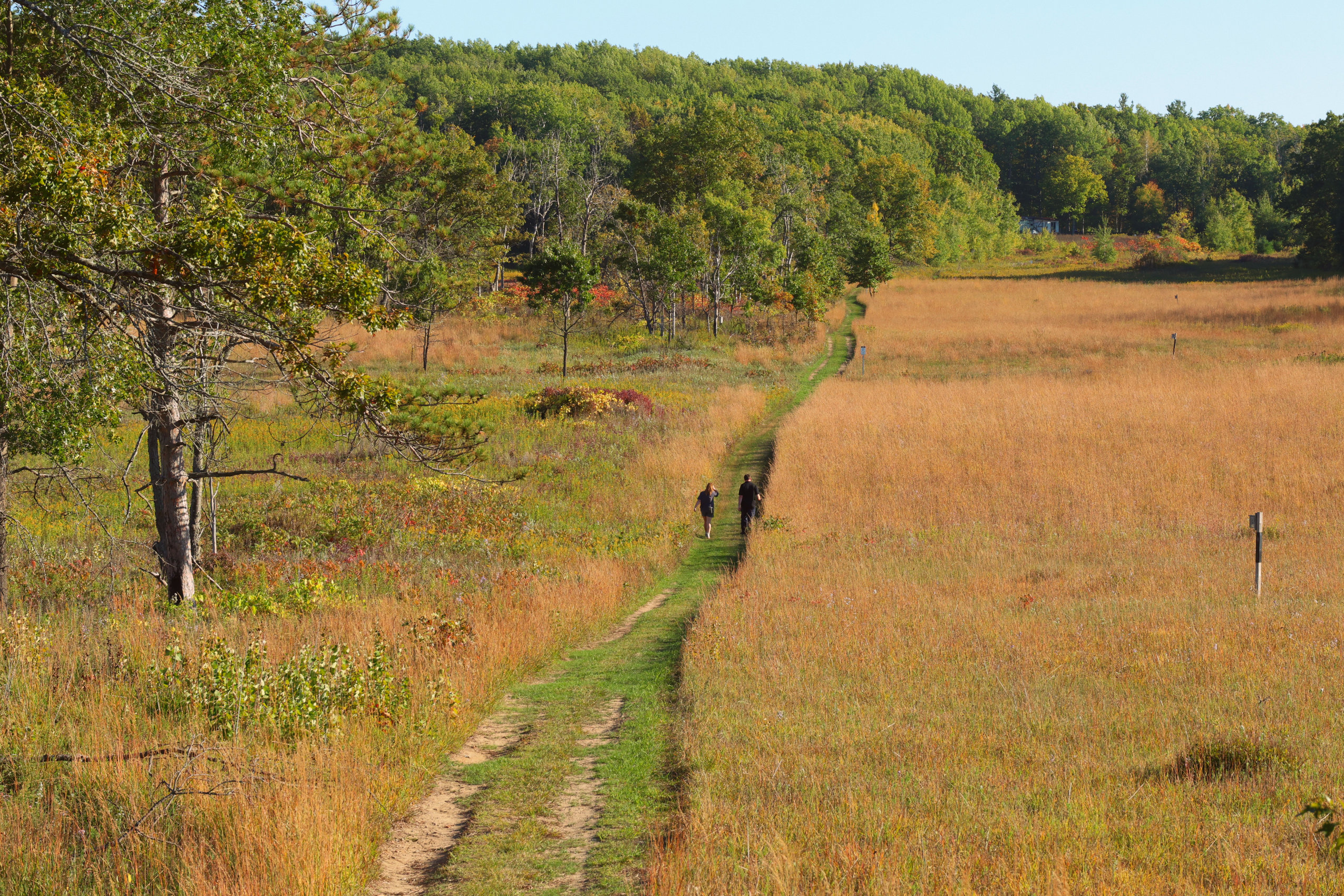
Beaver talks to Elders who miss hearing the sounds of eastern meadowlarks, a bird species threatened by the loss of its grassland habitat and in steep decline as a result. He tells them to come and visit the savanna, where the meadowlarks’ song can still be heard.
“It puts a smile on their faces,” he says.
For Beaver, the Black Oak Savanna is a place where people can find joy in nature. “The Earth is not a resource,” he says. “The Earth is a companion, a parent, a teacher, a consoler and I’m convinced that it loves us innately and deeply.”