



 8 min. read
Toyin Kayo-Ajayi’s favourite meal is pounded yam, with cassava and egusi — protein-rich African melon seeds, roasted in oil with spices and blended into a paste (pumpkin seeds will do if that’s all you can find). You can add turkey, chicken, fish, shrimp, kpomo (cow-skin) — any meat you want, with some broth and African spinach or amaranth — to turn it into a stew.
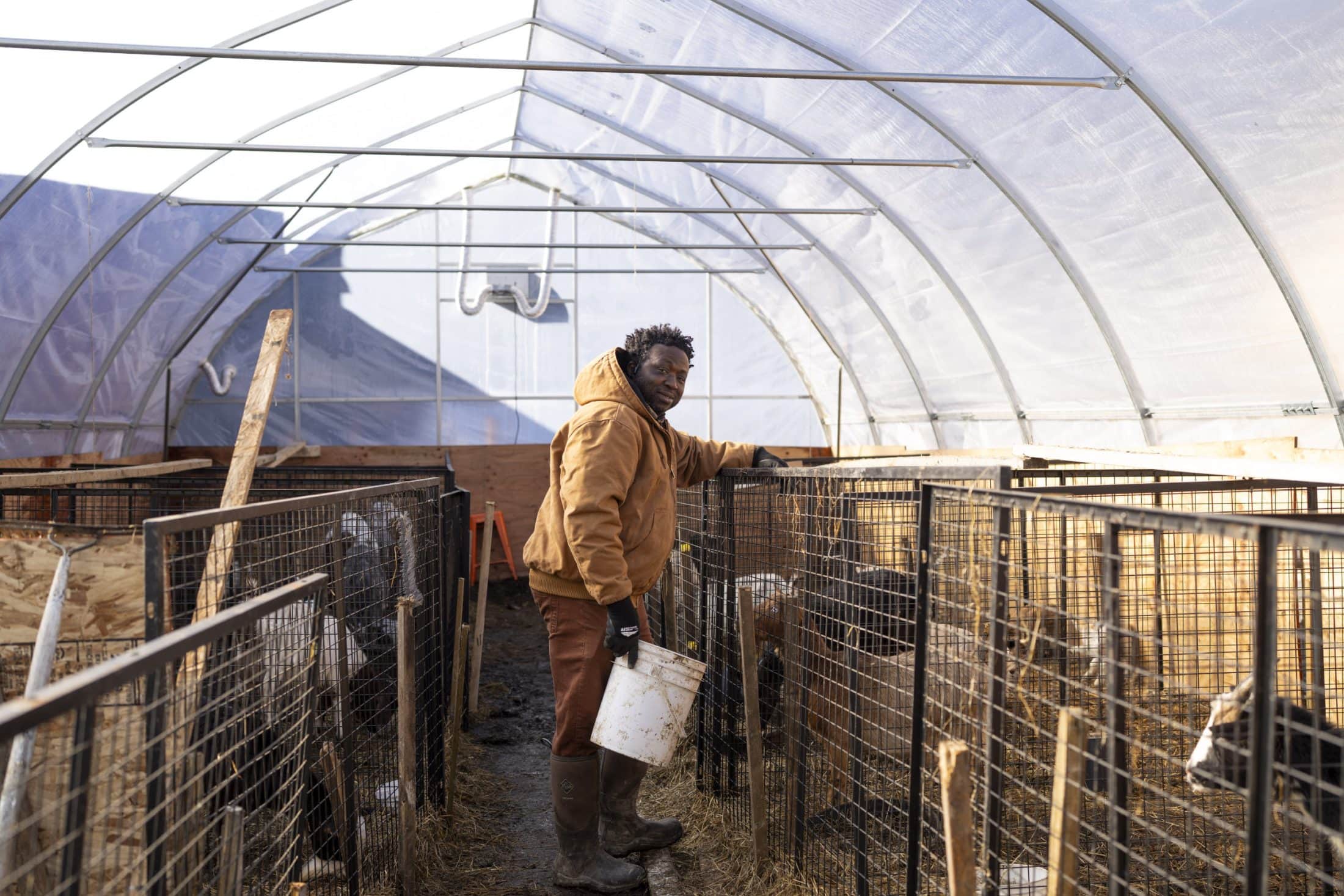
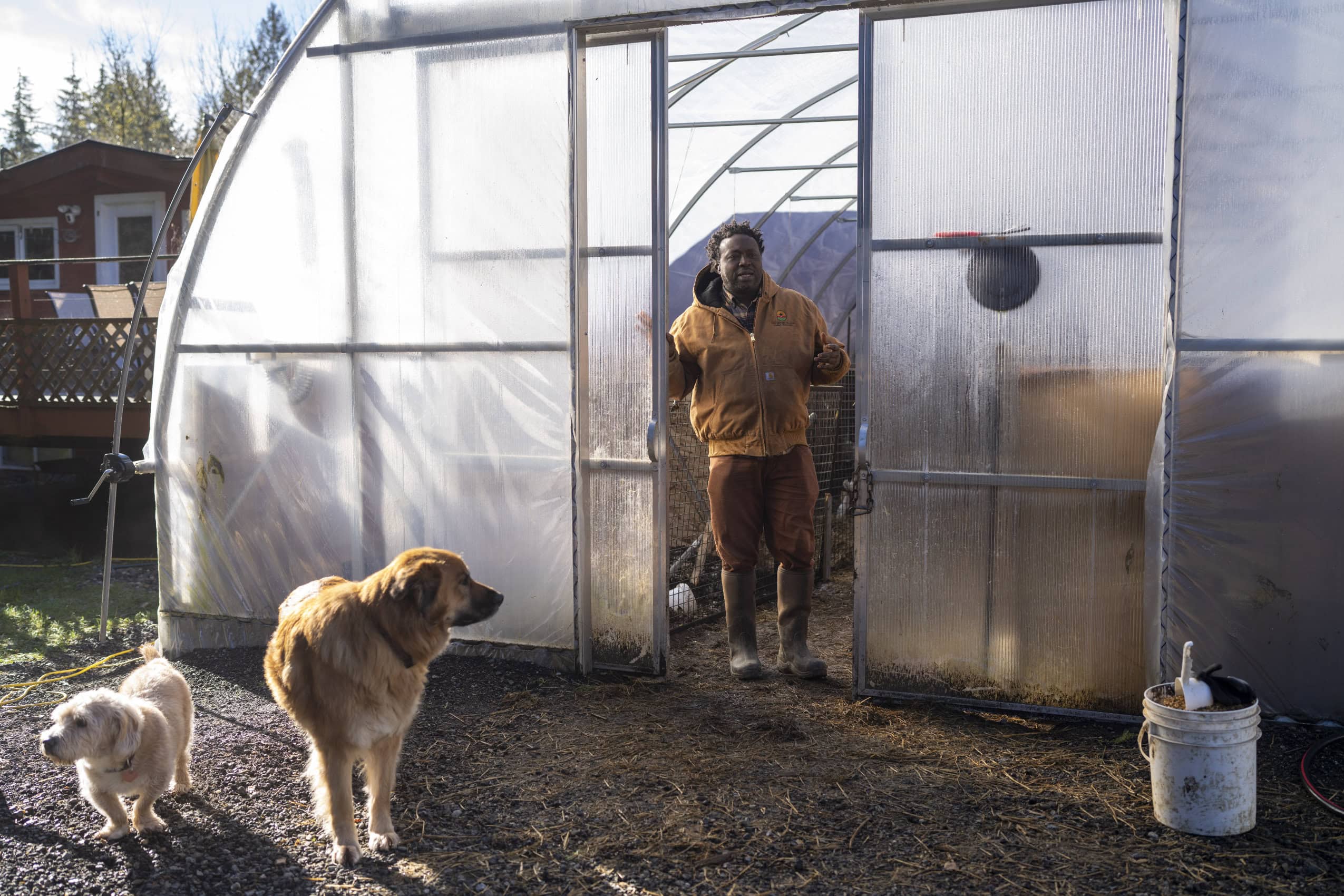
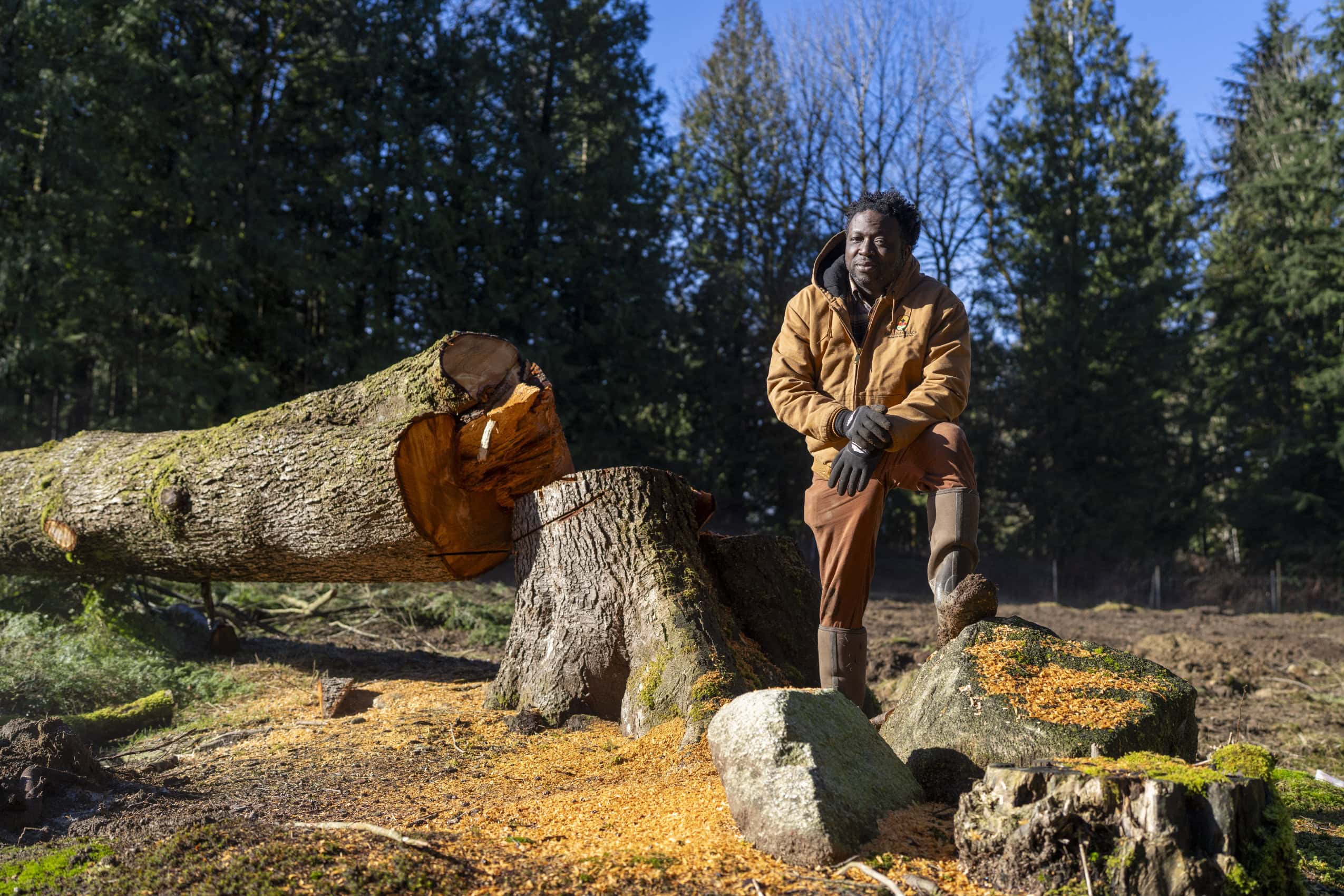
Cassava and yam are central foods in his Nigerian culture and other Black cuisines across Africa, South America and India. He’s growing the tropical produce in greenhouses in Miracle Valley just outside Mission, B.C., about a 90-minute drive east from Vancouver.
Kayo-Ajayi was told again and again that farming in Canada would be out of reach — it would be too expensive, the climate too unforgiving for the tropical crops he dreamed of growing. It wouldn’t last.
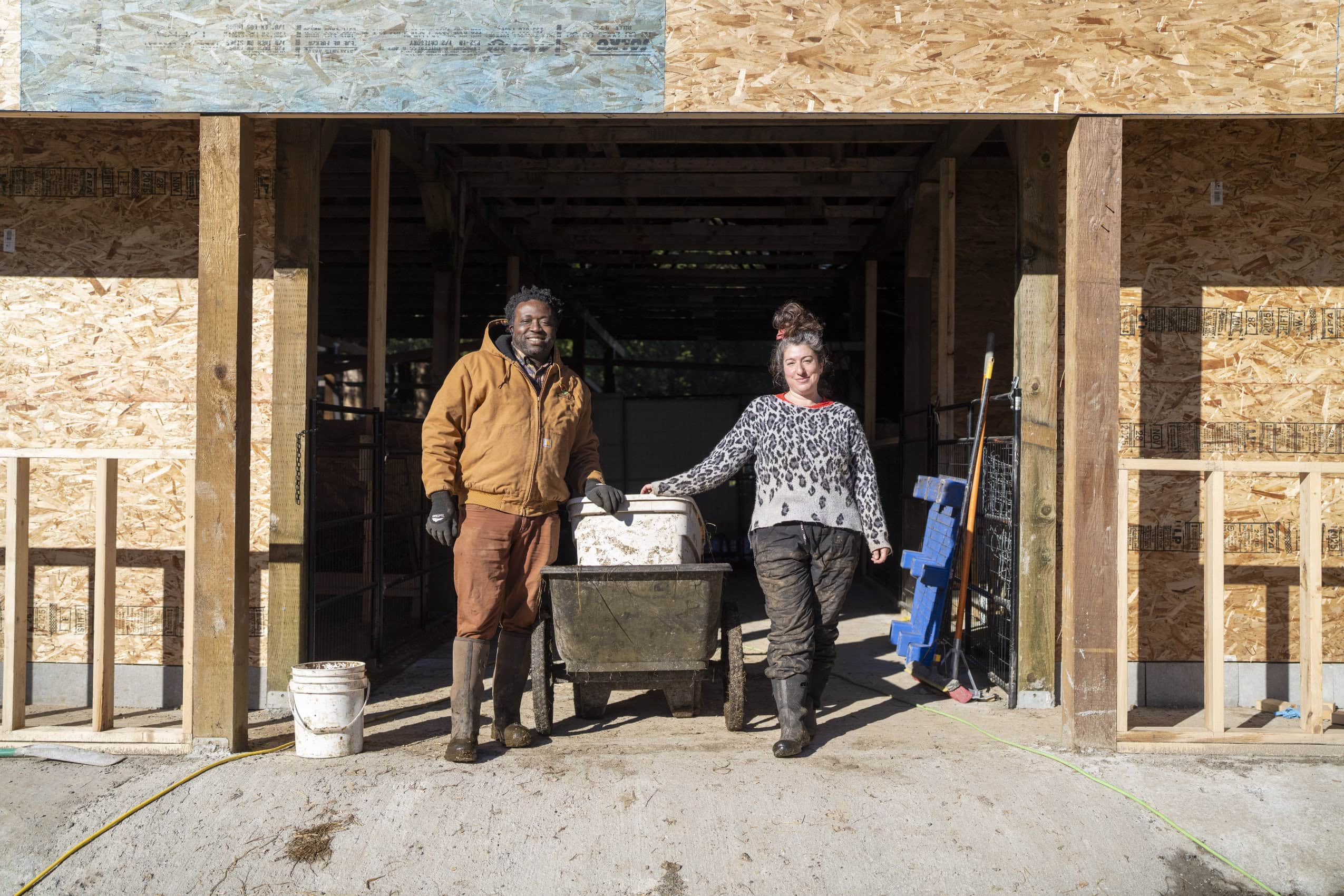
But he says enthusiasm for his five-acre farm has only grown since he got started in 2020. For five months of the year, he can grow tropical produce in greenhouses. His soil, which he makes himself, consists of clean silt, sand and goat manure. It’s working so well, he says, he is now selling it online and trying to get it stocked in stores. He’s still experimenting at a small scale, but the food he grows, like cassava and yam, he mostly supplies to the African Foods Food Bank, an organization he launched to provide healthy food to Black families.
Donating to the food bank helps more people access African produce that may be out of reach in Canada. Imported cultural food, like cassava, can face extreme mark-ups by the time they get to the grocery store. On top of rising grocery prices and systemic income inequality, those mark-ups can put these foods out of reach. “If it’s somebody that is still low-income, now, he’s struggling to afford the cultural food,” Kayo-Ajayi explains.
This summer, he plans to host people on his farm at the Kara-Kata Africa Village, where they can camp, learn about farming, share good food and enjoy music together, he says. In its fifth year, the initiative is part of his wider vision to break down barriers for Black, African and Caribbean people to get into agriculture in Canada. In 2022, he founded the Canadian Black Farmers Association, which now has over 200 members.
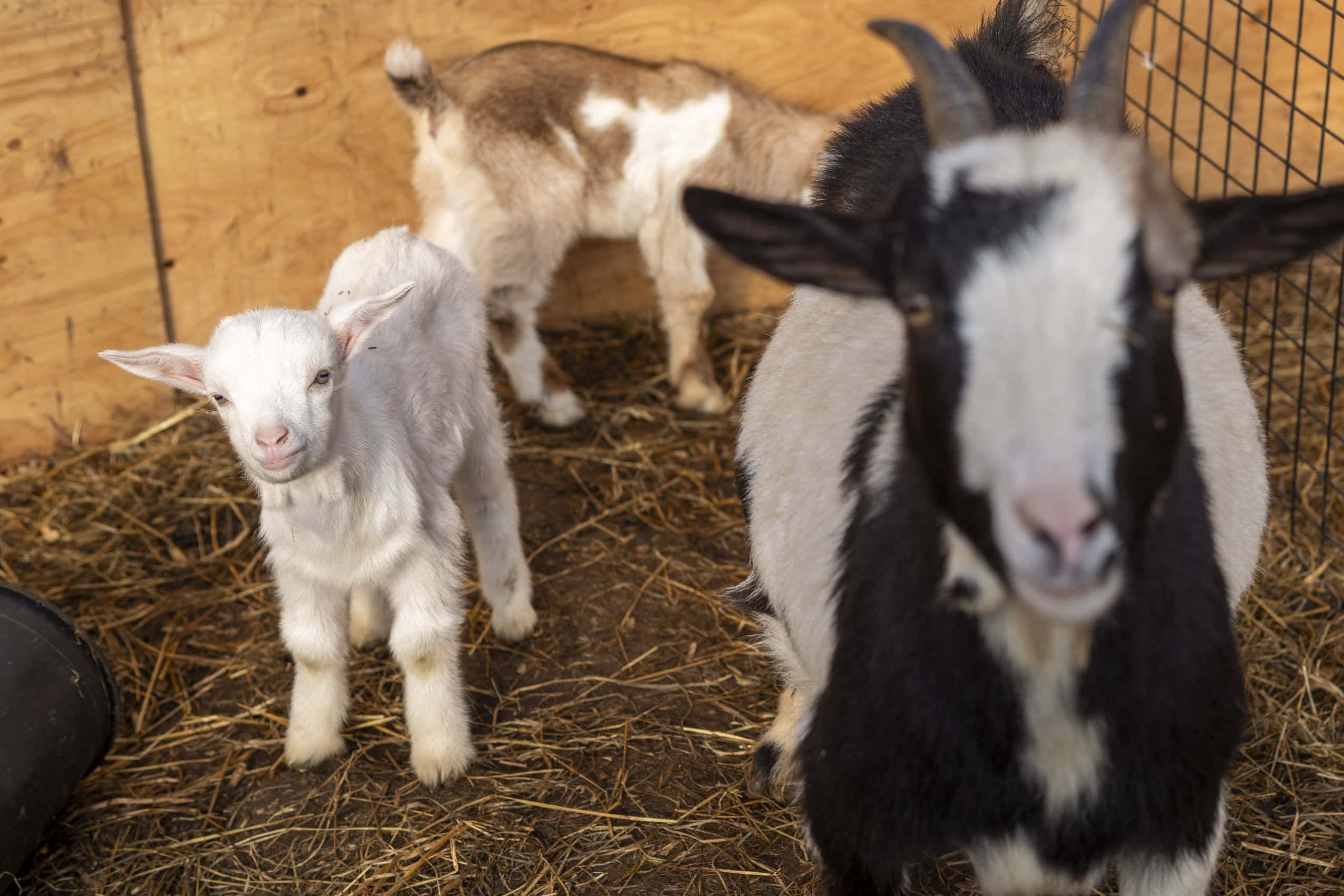
The farm produces an average of 4,500 pounds of produce for the food bank and 250 dozen eggs per year. To date, Kayo-Ajayi has provided agricultural mentoring to more than 500 people.
Breaking down barriers for Black farmers across Canada
Primary agriculture — meaning the work done on a farm or in greenhouses — contributes $31.7 billion to Canada’s economy annually. It employs about 223,000 people, but 40 per cent of that workforce could retire by 2033.
Just under five per cent of those farmers are Black, and Kayo-Ajayi sees huge opportunity to increase that number in order to grow local economies, improve food security for Black homes, make communities more “self-reliant” food-wise and increase access to cultural foods.
Food growers are the roots of the entire agricultural sector, which generates $149.2 billion annually, or seven per cent of Canada’s gross domestic product.
While Kayo-Ajayi’s priority is getting cultural foods into Black homes at reasonable prices, he says supporting food growers stands to benefit all Canadians as the United States imposes tariffs and threatens annexation.
“It’s something that is beneficial for our community and for Canada,” he says. “Everybody wins.”
Soil ‘the key to most of my success’
When he was about five years old in Ekiti State, Nigeria, Kayo-Ajayi’s mother would send him to visit his grandparents’ farm. “I didn’t like it,” he says.
But that was where he learned “the most important thing in life is food.”
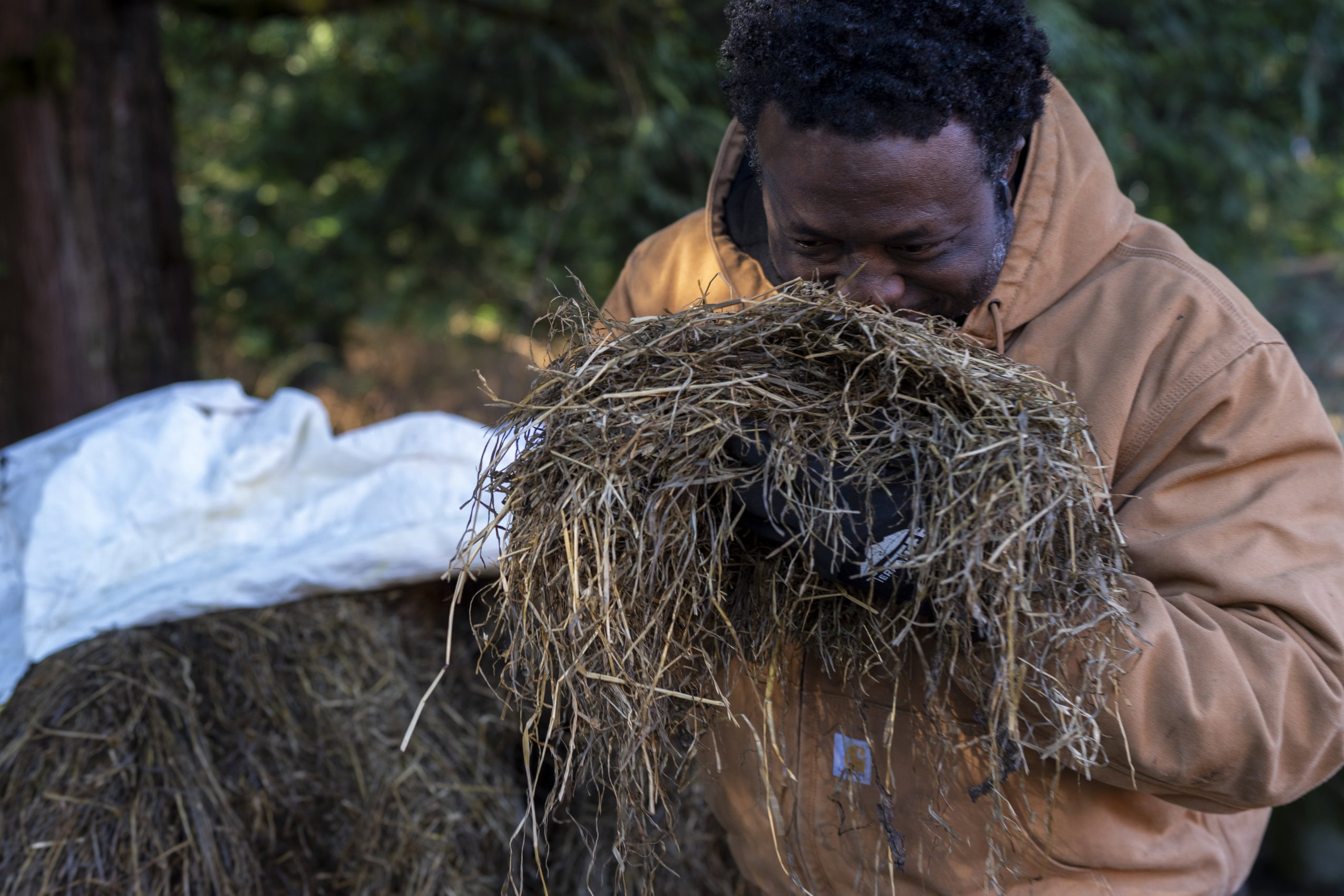
“I remember, we walked in the farm, they would smell the soil … They could tell you what could easily grow in that area,” he says.
He discovered planting seeds made him feel grounded. “It’s energy. It’s spiritual. It’s actually good for us,” he says.
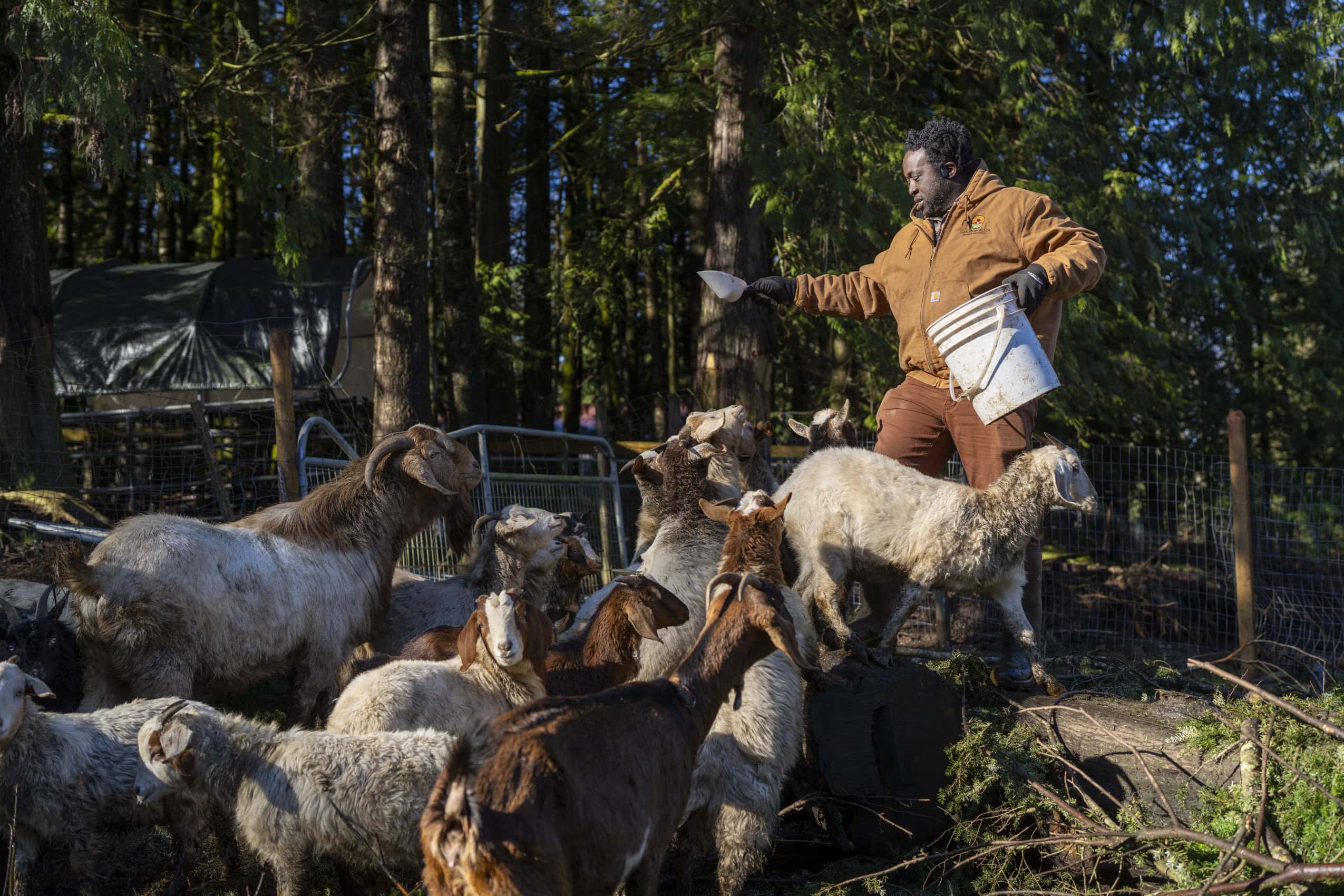
He’s stayed in farming his whole life, and has been farming in Canada for more than 20 years, beginning shortly after he arrived in 2001 at 23 years old. Today he still owns a 500-acre sister farm in Nigeria from which he imports food into Canada as well, including about 7,000 pounds on average each year to the food bank. He’s able to grow more throughout the year, and stocks some produce in the food bank, and sells some to support his operations.
In 2011, he began what would officially become the Kara-Kata Afrobeat Society, which brings music and food to community events in order to build connections and share information about food-growing.
“When there’s music and food, you find more people in our community. And I know how to make good food,” he says.
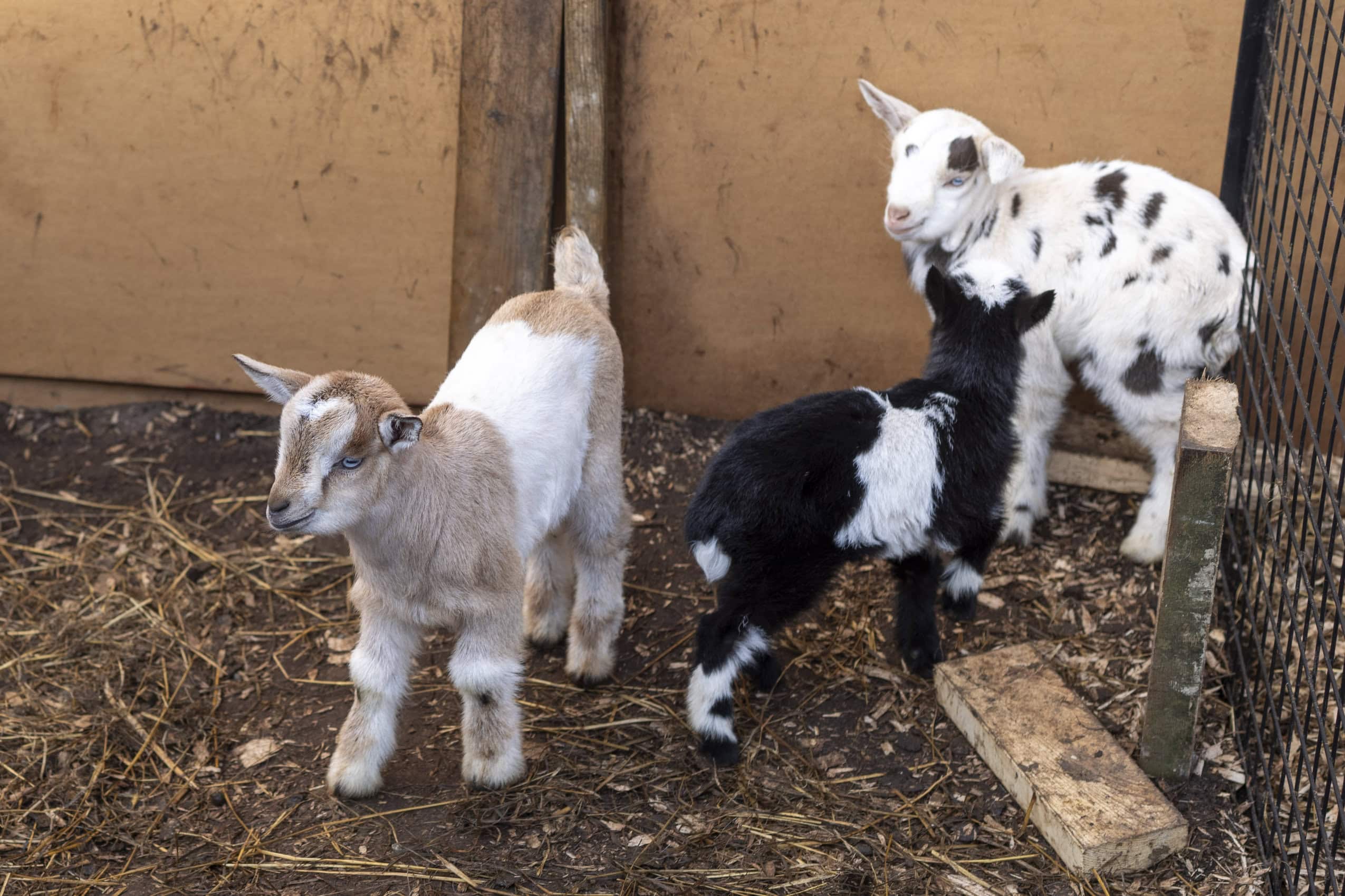
At his B.C. farm he creates a loam soil, which supports the tropical plants that yield traditional African foods, like cassava and yam. He says it’s made all his produce grow better and easier. It’s a simple mixture — but it’s “the key to most of my success,” he says.
“The soil is the root of everything I was able to do.”
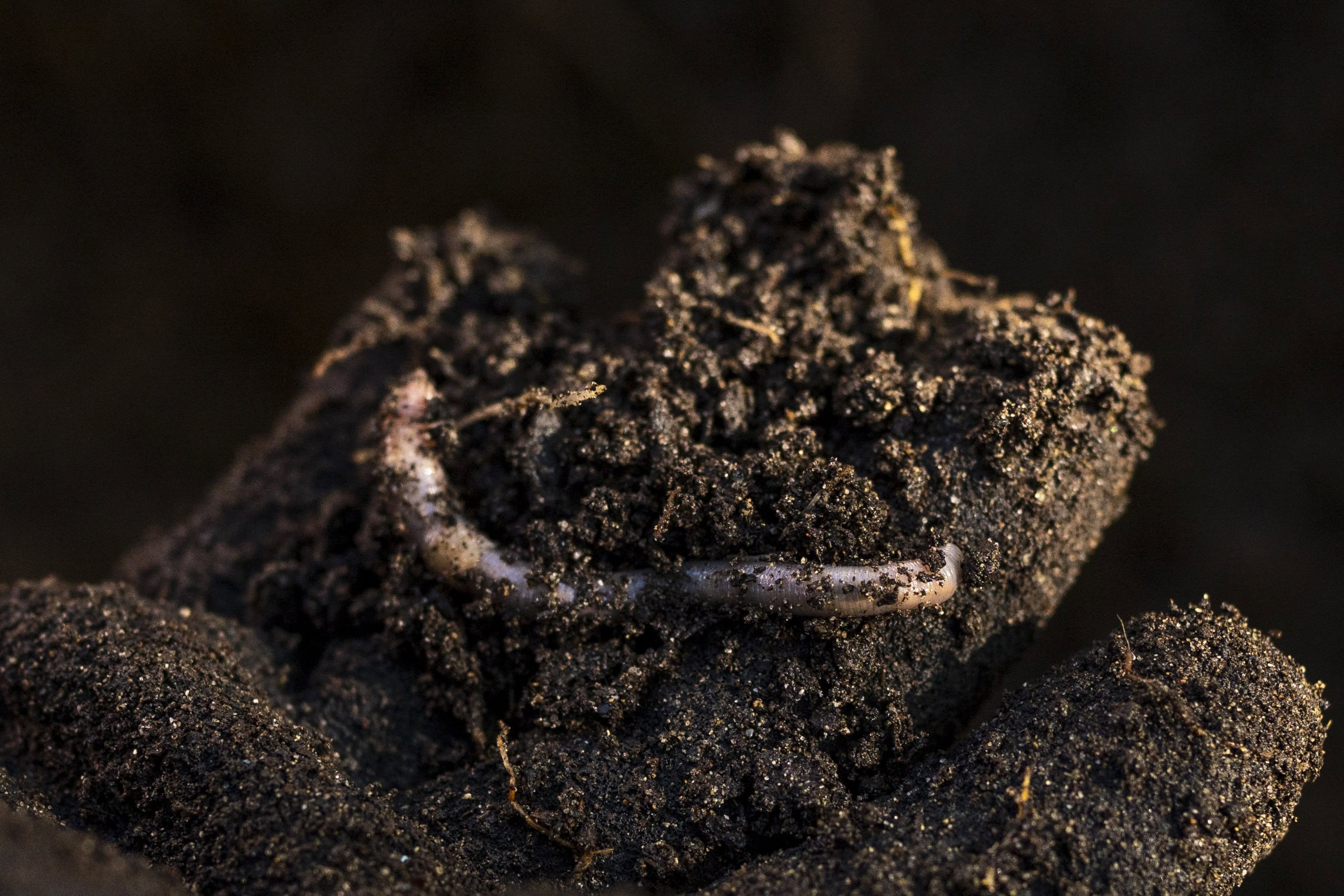
He hopes to make it widely available for purchase across Canada, and even beyond.
But he says he’s had trouble getting it into stores. He’s reached out to retailers but it hasn’t gone anywhere.
It can be difficult for small producers to meet retailers’ requirements and make goods at scale, and often little guidance is available.
Kayo-Ajayi wants to use proceeds from soil sales to support programming for Black farmers. In turn, he hopes those farmers will someday contribute to the food bank and build capacity in the community.
“It’s like a cycle, reinvesting back,” he says.
Cultural food can ‘create a sustainable economy in our community’
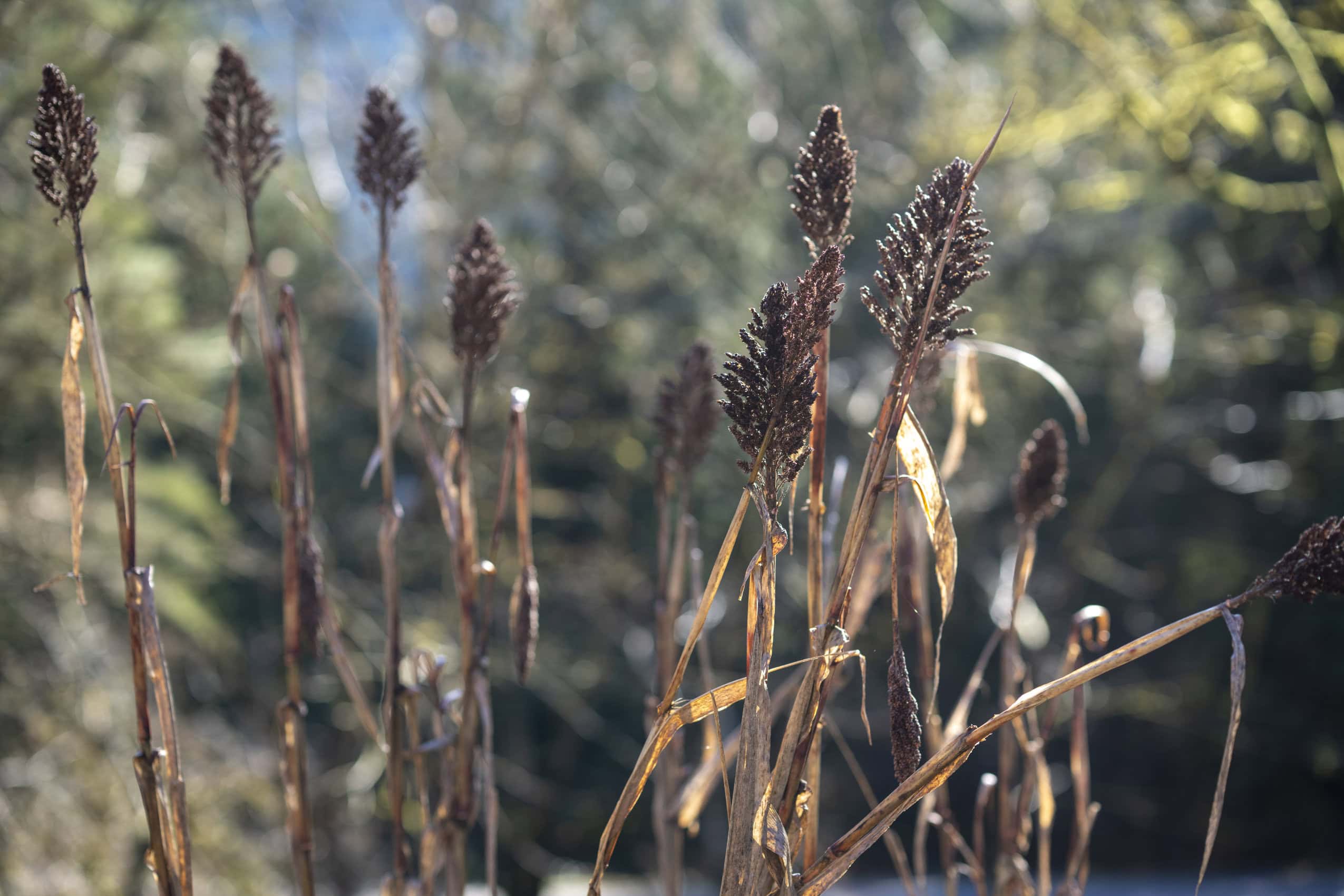
Kayo-Ajayi’s operations are all-organic, and the plants he grows work together to benefit each other. Herbs repel pests. Cassava leaves provide protein for cows. He grows sorghum, a nutritious grain that grows like grass. You can cut it three times a year, but it just grows back, rather than needing to be replanted like other crops, he says.
He’s met a fair amount of nay-sayers who doubt how successful he can be. “People think I’m crazy, but, you know, it’s good to be crazy in a good way,” he says.
He met aspiring Black farmers who found there was little support in navigating the agriculture system, and wound up giving up on farming. That’s why he created the Canadian Black Farmers Association, which provides advice but also helps members purchase land, create business plans, find funding and secure infrastructure.
Kayo-Ajayi thinks there can also still be lingering stigma around Black farmers. When he first moved to Canada, he was working on a farm close to the road, and someone walked by and asked, “Are you picking some cotton over there?” and laughed.
Those associations can be internalized among Black farmers too, he says. “It’s kind of stuck in the mind, seeing a Black person on the field … That kind of pushed most Black people away,” he says. “ ‘My ancestors were brought here, so I don’t want to bring myself here now, and now give myself up as a slave again.’ ”
Kayo-Ajayi’s vision is to highlight the empowerment that comes from growing healthy and cultural foods for one’s own community.
“The most important thing in this life is food,” he says again. “We can use that food to create a sustainable economy in our community.”
Beyond financial and informational barriers, there are still more challenges for new food growers. Farmers rated upfront costs and climate change as their top two concerns, according to a 2024 poll commissioned by Farmers for Climate Solutions.
Flooding and drought have caused billions in damages to farmland across Canada, and climate change also is leading to a rise in pests.
Kayo-Ajayi says his vegetables are mostly grown in greenhouses and are drought-tolerant, and he believes they can be very adaptable to a hotter, drier climate.
Kayo-Ajayi says he invested a lot of money personally before he started getting funding. “You have to prove that you can do something before you can get support,” he says.
Since then, the Canadian Black Farmers Association has received funding from organizations like Agriculture Canada, the Vancouver Foundation and the Supporting Black Canadian Communities Initiative. But he says he needs a lot more funding to get the farm going at a bigger scale and get to the point of selling soil.
“This is my passion,” Kayo-Ajayi says. “To me, somebody has to do it. It costs a lot, but guess what? The reason why you have a little is to be able to use the resources you have to make a difference in somebody’s life. To me, investing in another human being is my best investment, and I’m doing it this way.”
Updated on Feb. 18, at 1:50 p.m PT: A previous version of this story stated the farm produces an average of 250 eggs per year. The story has been corrected to state the farm produces an average of 250 dozen eggs per year.