

 13 min. read
Summary
- Natural burial can reduce death’s environmental impact and honour humanity’s relationship with the Earth.
- But a range of policy restrictions make it nearly impossible to hold a natural burial in some jurisdictions.
- As interest in green death practices increases, advocates in Ontario are removing the barriers and opening some of the country’s first fully natural cemeteries.
We’re trying out staff-written summaries. Did you find this useful?
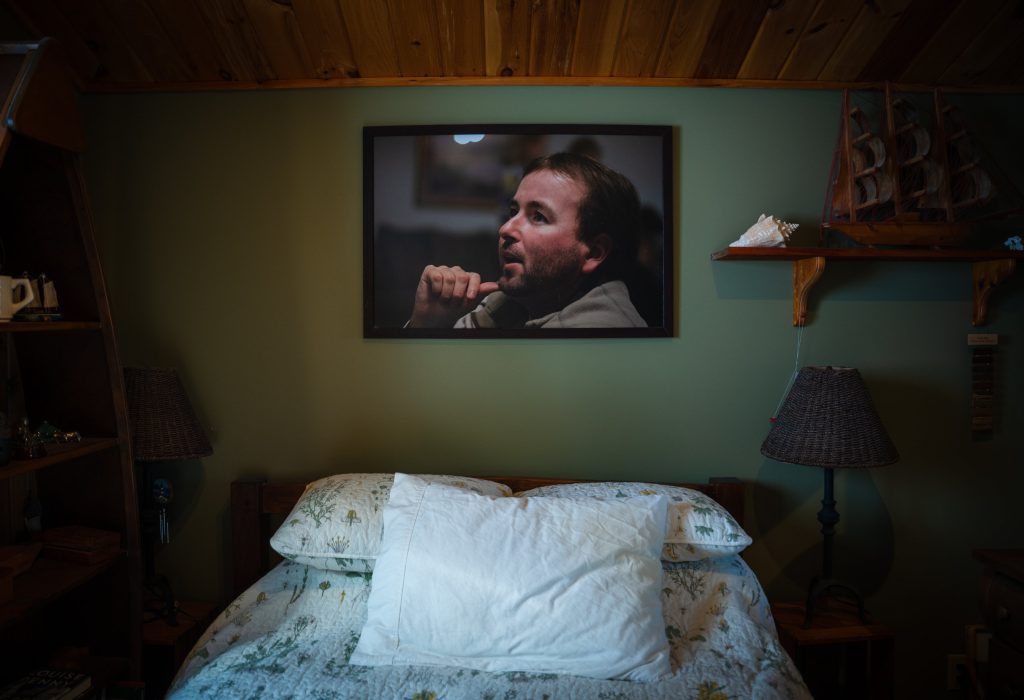
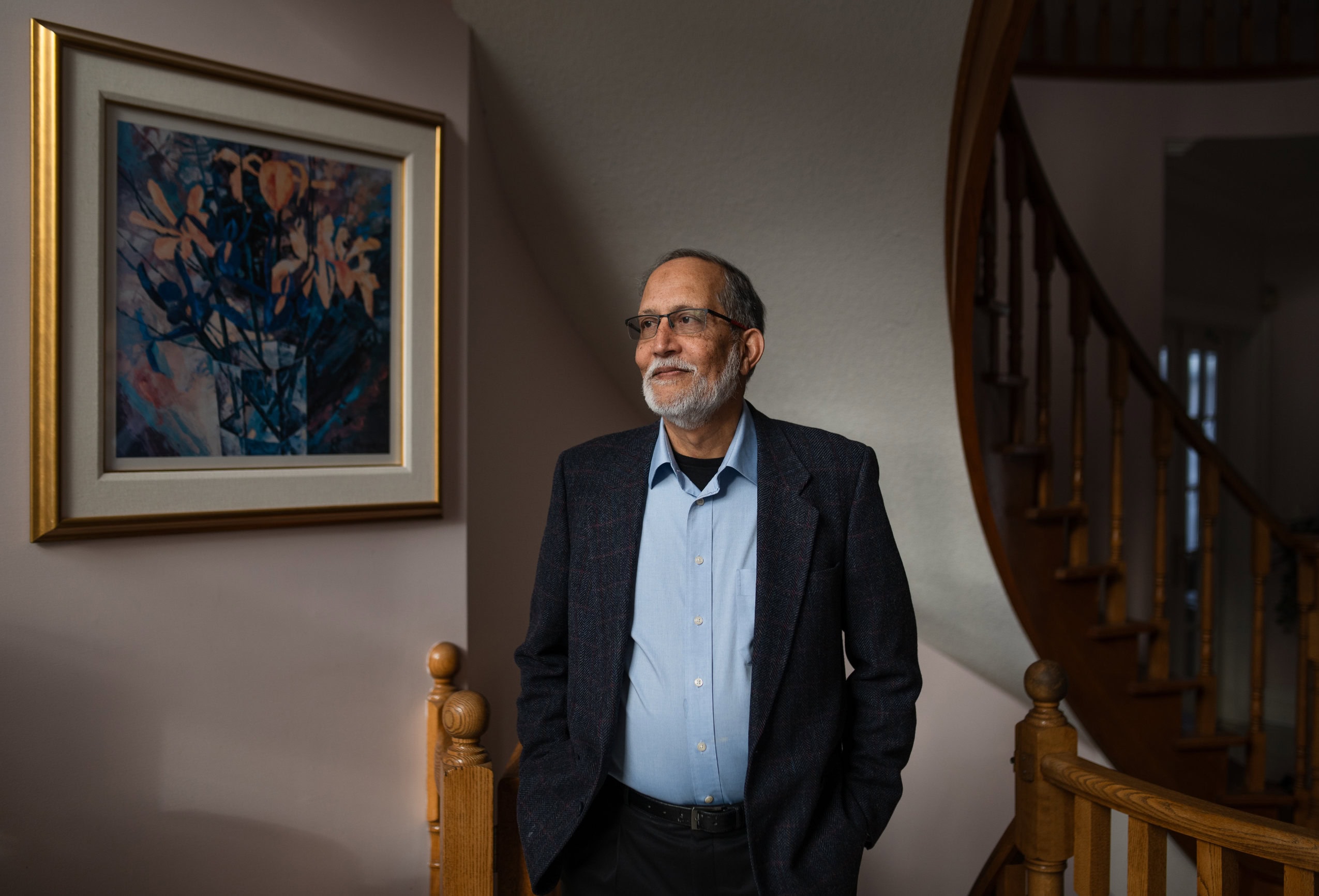
Kyle Moore was “the quintessential tree-hugger,” his father says. He was dedicated to shoreline conservation; he held a belief that people are part of the natural world, not apart from it — even after death.
When he was diagnosed with a recurrence of brain cancer in 2015, his family was too dedicated to finding the right treatment to save his life to think about where it might end.
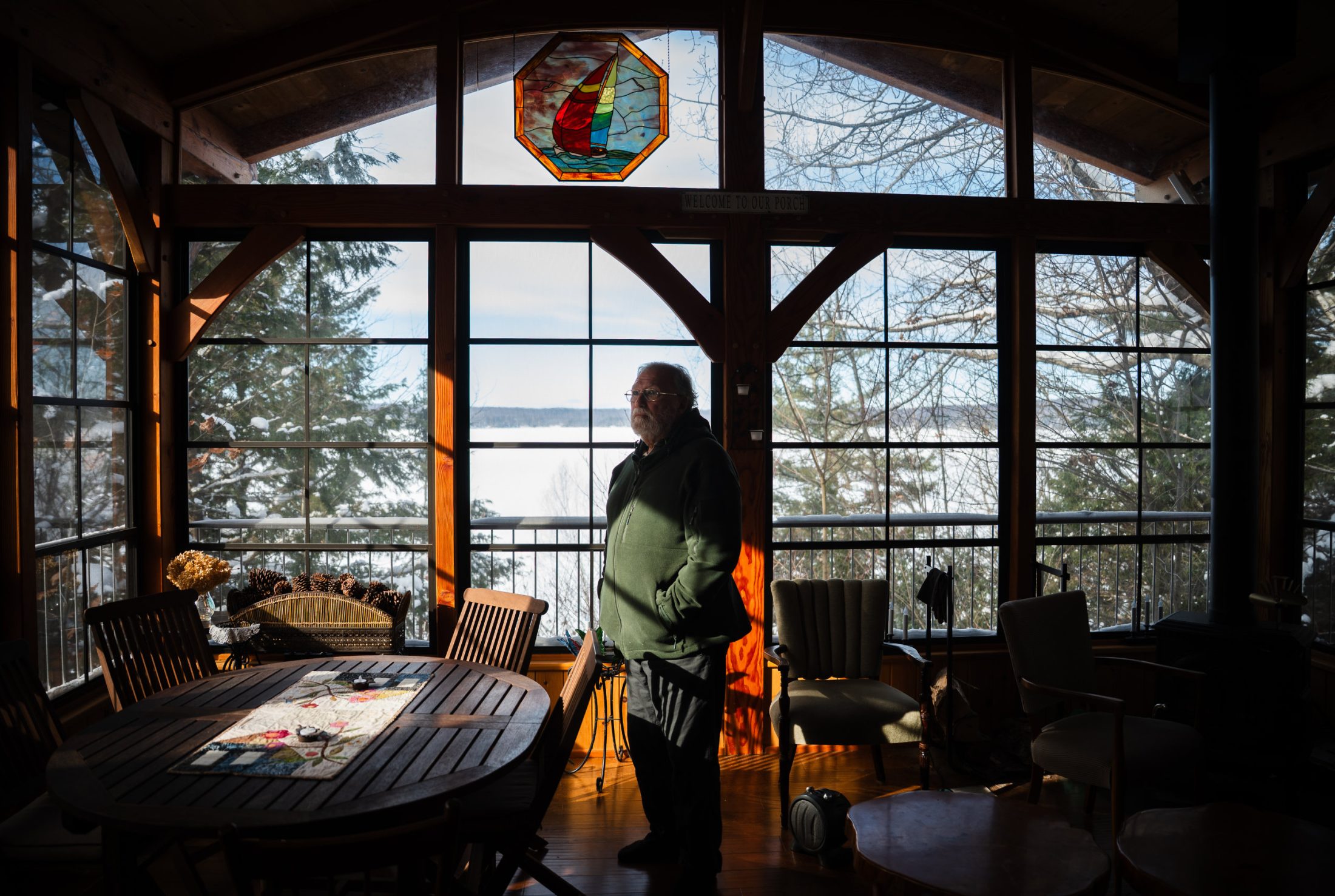
“We were really focused on trying to keep his spirits up, and focused on trying to beat it a second time,” Terry Moore, Kyle’s father, says from his home outside Minden, Ont., overlooking a frozen lake. “That delayed any conversation with respect to end-of-life planning.”
When Kyle passed away in 2019, after a four-year battle, his family wanted a way to honour the way he had lived his life.
“We owed it to Kyle to try to create a legacy for him that embodied his view,” Moore, a retired union negotiator and organizer, says. “That’s the origin … of how we came to understand greener natural burial. Up to that point, I hadn’t given two thoughts to that in my entire life.”
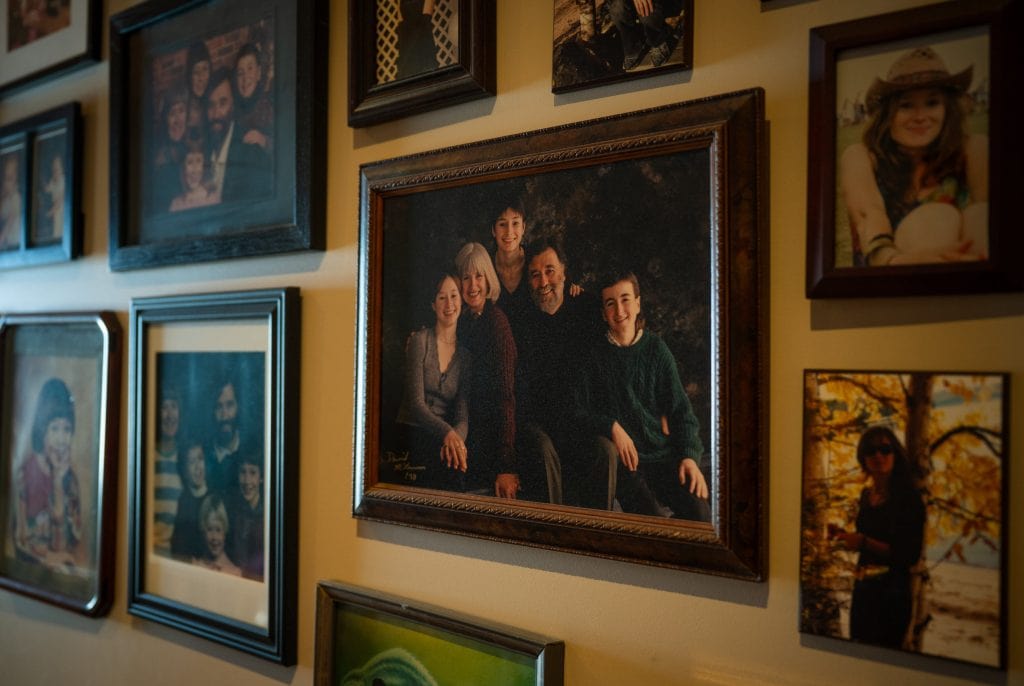
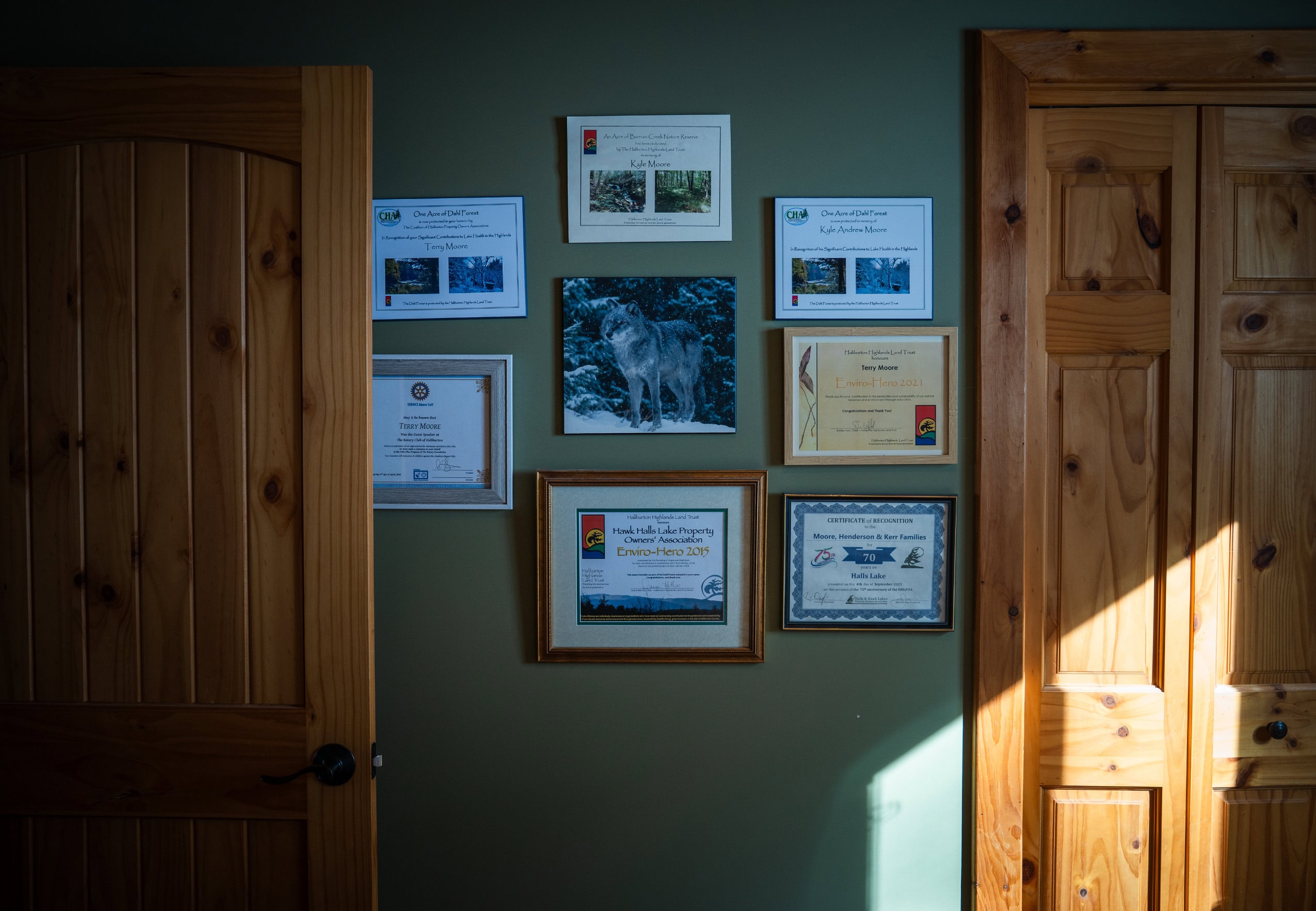
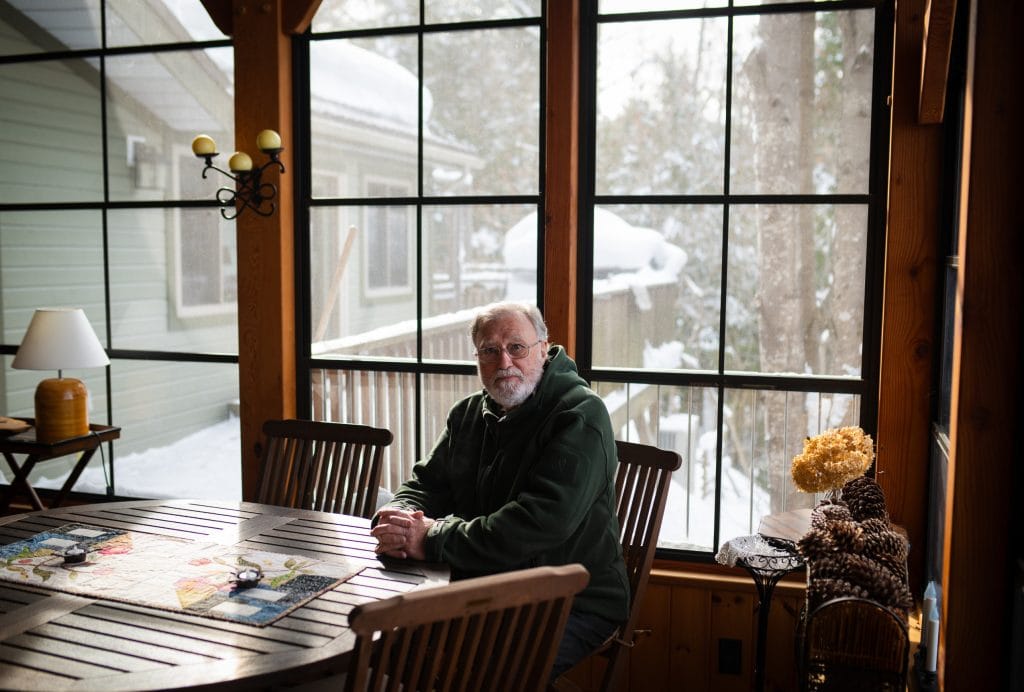
Moore has spent years organizing climate action in his community. He hosts the podcast Planet Haliburton, where he investigates environmental justice issues with experts, and is a vocal member of the group Seniors for Climate Action Now.
He thinks a lot about environmental issues, but the ways they connect to end-of-life choices are seldom discussed by the funeral industry, nor the jurisdictions that govern cemeteries. In many cases, that puts the burden of researching environmental burial options on grieving loved ones and places restrictions on their choices.
The Moores — Terry, his wife Shirley and their two daughters — discovered they could lay Kyle to rest in biodegradable materials without embalming chemicals. They could restore his grave-site with native grasses, flowers and trees. Such a method uses less energy and water, avoids toxic preservatives and returns a body to the earth more gently than conventional burial, while providing habitat for plants and wildlife.
But as they got up to speed on end-of-life options, the family quickly ran into a barrier shaping burial choices across Ontario: it was February, and all four townships in Haliburton County prohibited winter burials.
“It was just a complete embargo,” Moore says. Burials without cremation require storage over the winter, until the ground thaws. But in order to use the cemetery storage in the county, bodies have to be embalmed with chemicals to delay decomposition, Moore explained.
“Green burial was an impossible option locally and we then basically decided that, well, that needed to change,” Moore says.
Terry and Shirley Moore launched into years of advocacy, forming the Haliburton Highlands Green Burial Society with other community members, to create a space for green burials to take place year-round. After seven years of speaking with like-minded advocates, giving presentations to local leaders and holding public meetings to help educate their neighbours, they found a path for green burials close to home, and without resorting to cremation as the only alternative.
While cremation conserves land, the process of using heat to turn remains to ash emits carbon and mercury (especially from burning older fillings), as well as other pollutants into the air. One study found that each cremation produces carbon emissions equivalent to driving 1,124 kilometres in a car. That’s still significantly below the emissions of a standard burial, which are equivalent to 4,000 kilometres driven.
Other communities in Ontario are beginning to venture down the path of green burials as more people seek out options that reflect their values, though access remains uneven and strictly regulated, leaving many families without local burial options for loved ones.
“There’s an inertia that’s built up within municipalities who run cemeteries … the barriers that they themselves put in place, [are] in fact, catering to the trend toward cremation,” Moore says.
“What we’re asking them to do is embrace a more environmentally sustainable practice, which they’ve never had to advocate for, or they’ve never had to think in those terms before. They just follow demand. They don’t lead it.”
The environmental cost of funerals, and the opportunity to go natural
A major sticking point, Moore says, for green winter burials in Haliburton County, was the local government’s concern over the additional equipment and staff training required to remove snow, manage extreme weather and penetrate frozen ground. To help develop capacity for year-round burials, Moore’s society hosted a winter burials best practice workshop to help introduce county administration and staff to the available options, and brought in private companies for instruction on proper tools and techniques for winter burials. [Pause 0.2s]
The Green Burial Society of Canada, founded in 2013, outlines five principles: no embalming; bodies are buried in biodegradable materials; grave-sites must be naturalized, allowing the area to integrate with surrounding ecosystems; memorialization must be simple, instead of using elaborate tombstones; and land use must be maximized so green burial sites remain as sustainable as possible into the future.
But, the most popular option for Canadians, comprising nearly 77 per cent of deaths as of 2024, is cremation.
The other typical option in Canada is burial using embalming chemicals and sturdy, often elaborate caskets containing non-biodegradable materials. The maintenance for these burials is also intensive, requiring upkeep with pesticides, synthetic fertilizers and heavy machinery.
Much like Moore, when Susan Greer first heard about natural burials — while listening to the radio in 2018 — she says it was a “lightbulb moment.” Now the executive director of the volunteer-run, province-wide non-profit Natural Burial Association in Ontario, she appreciated that loved ones are involved in natural ceremonies, decorating graves with cedar boughs or flowers and helping lower a loved one into the ground before filling the grave themselves.
“What might not sound intuitive is that the more that one puts thought into the goodbye, [the more] it actually helps with the grieving process,” Greer says.
But when families and loved ones are in the throes of grief, any barriers to the ceremony can seem insurmountable. It’s why advocates like Moore and Greer want to make natural burials accessible rather than prohibitive.
Greer imagined one call to the planning department in Toronto, where she lives, would get a natural burial ground underway. In reality, it was an eight-year-long process that is still ongoing.
Finally, in 2025, she found an off-market dairy farm to transform into a 38-hectare natural burial ground in Simcoe County, near Oro-Medonte, Ont. She has undertaken myriad municipal approval processes, including hydrogeological and archeological studies and zoning amendments. She has also faced public concern from neighbours that the burial ground would contaminate well water.
“It was just extraordinarily complicated to start a cemetery,” Greer says.
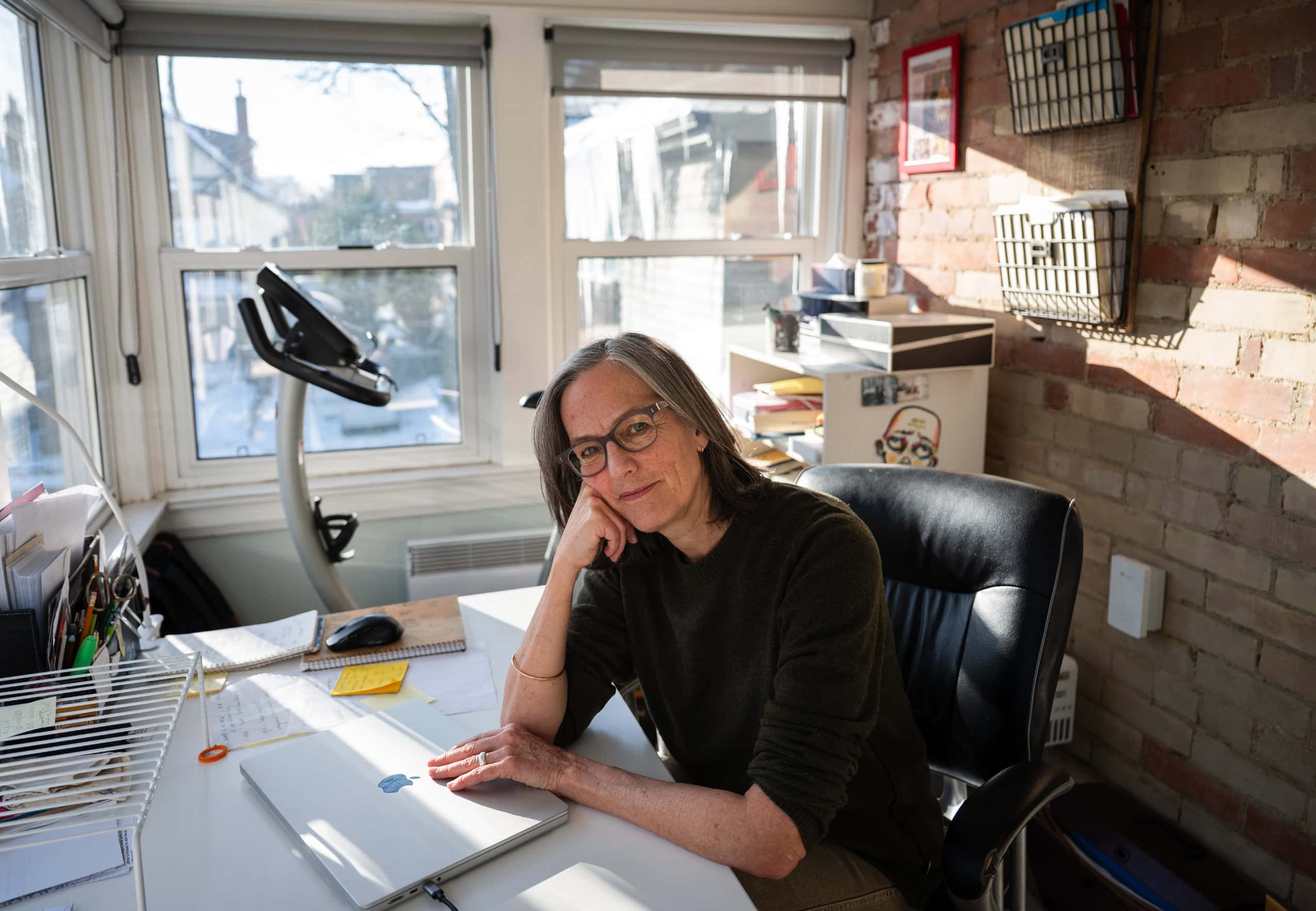
After years of work, if all goes as planned, more than 24,000 people, Greer says, will be able to be buried at the natural burial ground in Simcoe County among forest and fields, which will become wildflower meadows. Now, she helps advocates around the province, like Moore, by providing the documentation and guidance on the many logistics that come with creating opportunities for natural burials.
This follows the model of Canada’s first standalone natural burial ground on Salt Spring Island, B.C., surrounded by old-growth forest. More common, though, is a hybrid model, where one section of a traditional cemetery is carved out for natural burials — like the cemetery the Moores established in their town.
The green burial movement is seeing growth worldwide. Data from the U.S.-based National Funeral Directors Association shows 61 per cent of respondents to a 2025 survey were interested in exploring “green” funeral options, up from 55 per cent in 2021, and the U.S. industry is expected to reach $2 billion by the end of 2025.
“There’s also those that would consider it undignified or … aren’t interested in entertaining natural burial,” Greer says, explaining that part of her work is proving demand exists to the funeral industry. “The demand is huge. It’s really, really huge.”
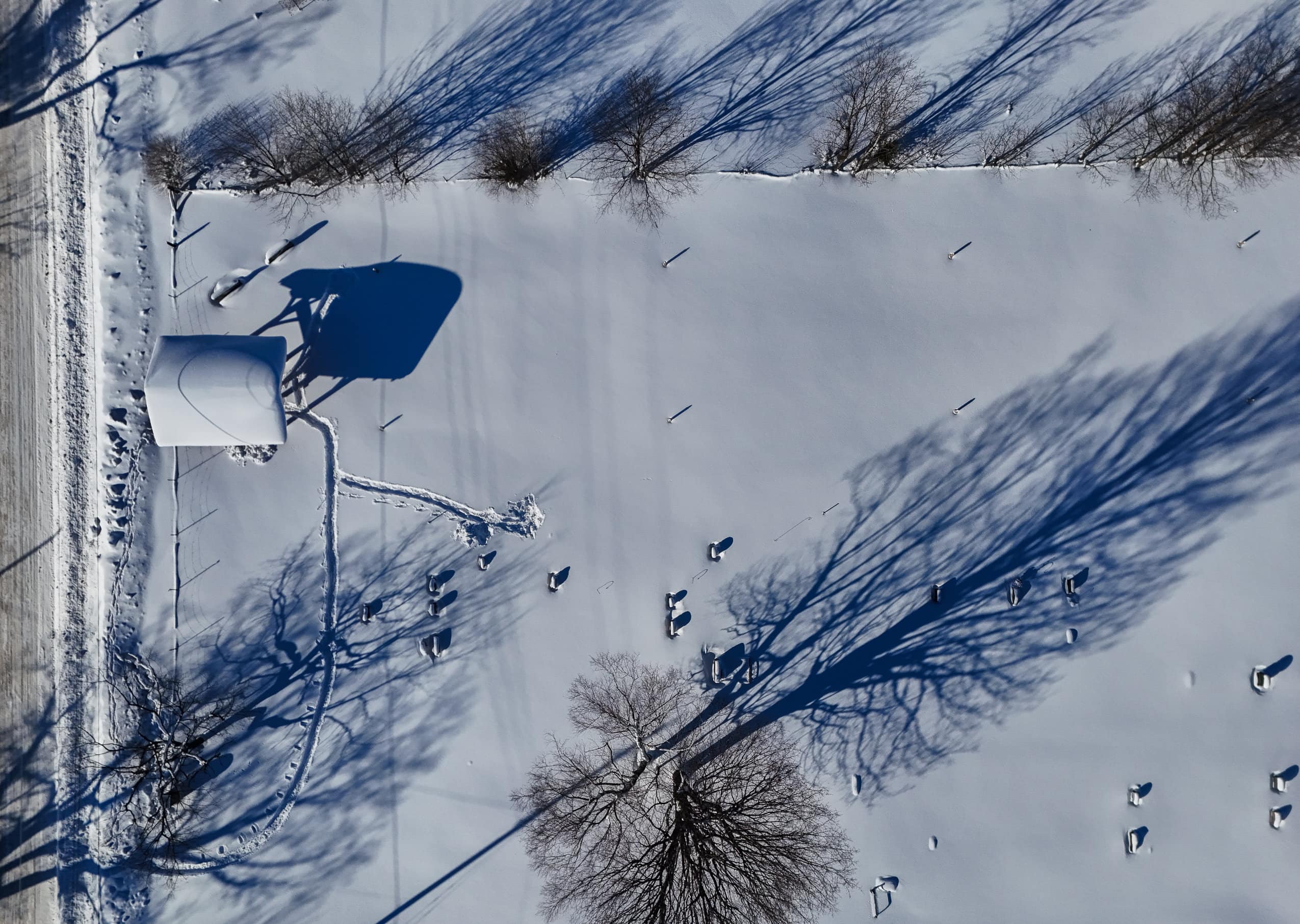
Along with the environmental benefits, natural burials can be more affordable, advocates say, which may resonate with the 46 per cent of Ontarians worried about affording funeral costs for family members. A 2024 report shows the average cost of a funeral in Canada was more than $7,700, reaching up to $17,000 for burial and $14,000 for cremation.
Natural burial costs also vary and are changing as the practice develops, but some sources say prices currently range from $3,000 to $8,000, depending on the region and cemetery, due to lower costs for more simplistic caskets and markers. Although green burial plots require less upkeep in terms of fertilizers, pesticides and landscaping, they’re still subject to a maintenance fee of 40 per cent of the price of an in-ground grave, per the Bereavement Authority of Ontario’s regulations, which Greer is hoping will change.
It’s a fee that the Natural Burial Association calls a “tax on grieving,” when compared to the national average, which the association says is 13 per cent to maintain and preserve the cemetery in perpetuity, including cutting grass and repairing roads and markers.
“The affordability and the cost of end of life is a huge, huge worry for Ontarians, and we have some fees in Ontario that are just insane compared to the rest of Canada and North America,” Greer says. “We’re trying to combat that.”
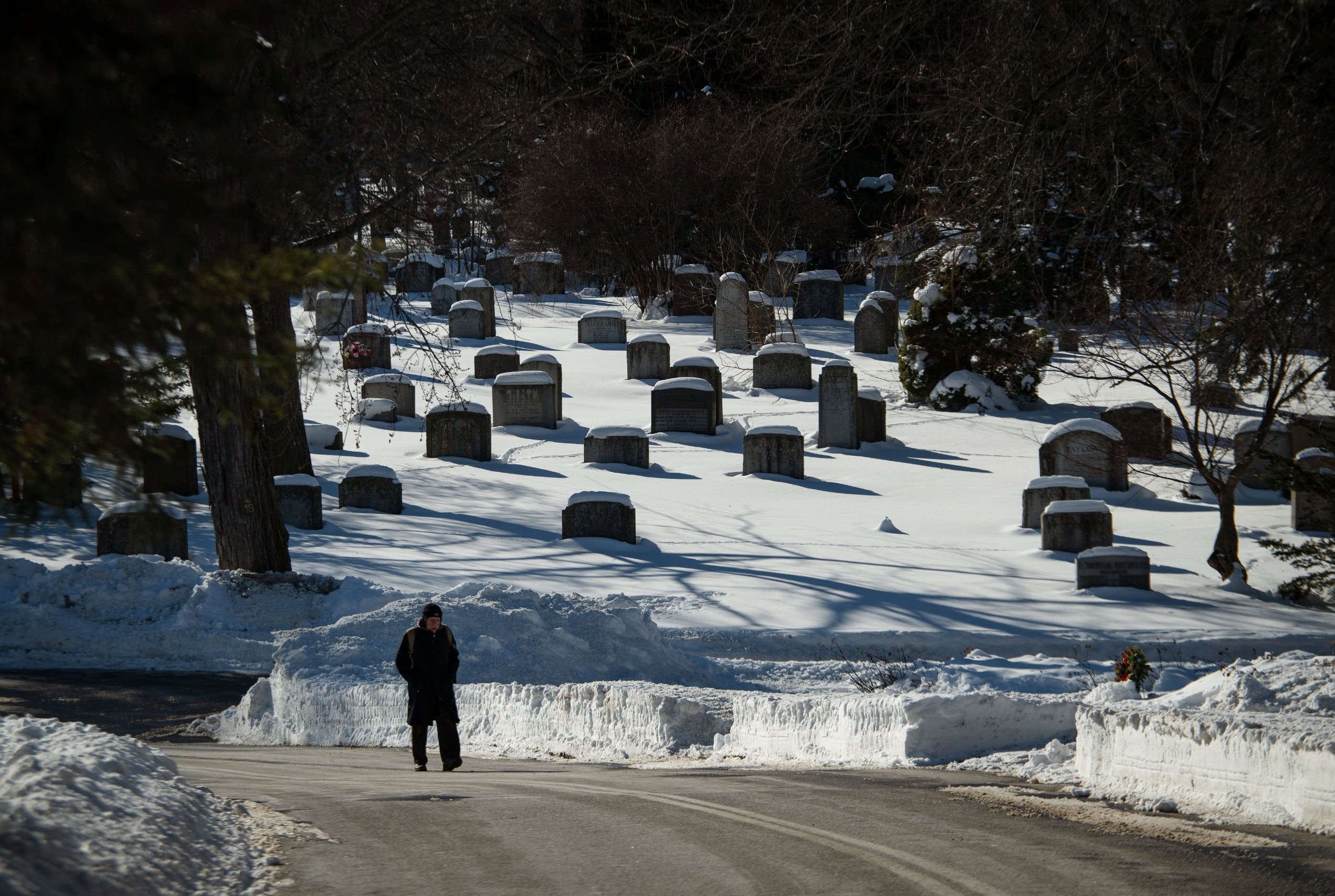
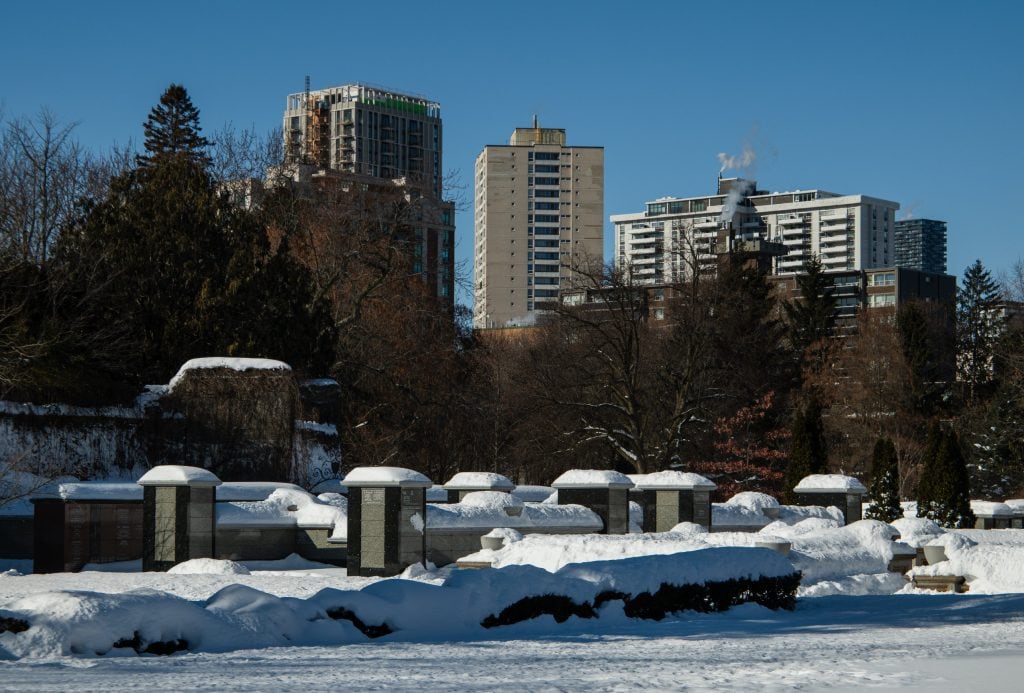
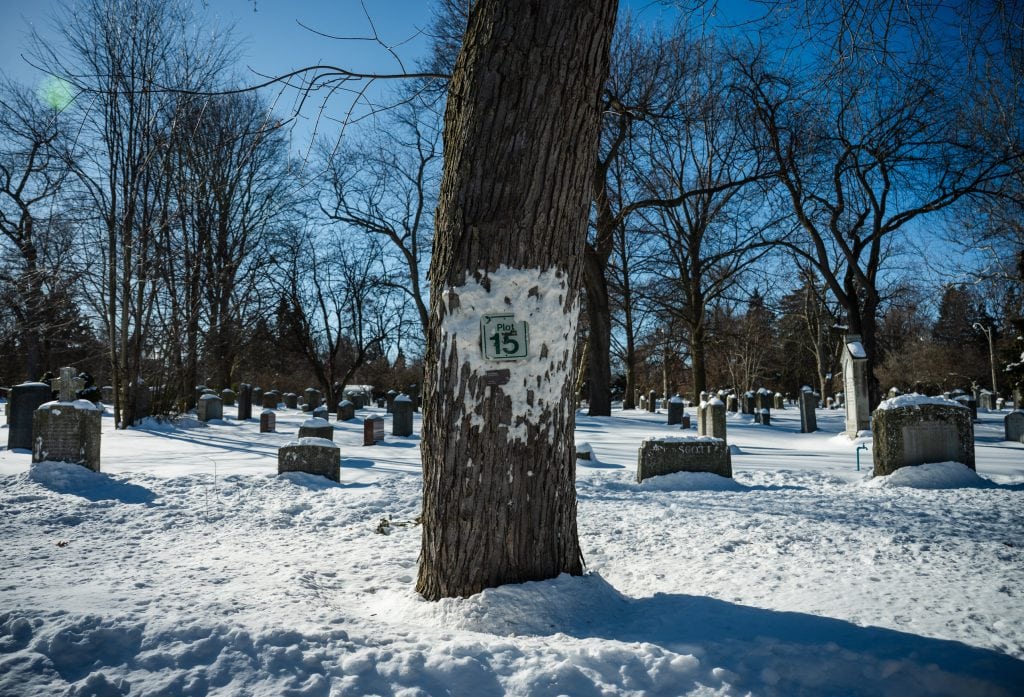
As cities in Ontario and around the world warn that land for cemetery space near urban centres is a resource that will soon run out, Greer is also advocating for land ‘renewal.’ This is the idea that a plot of land used to naturally bury someone can be used again for a burial years later.
That isn’t legal in Ontario yet, but is practised in parts of Europe and Asia.“This is all about reconnecting with nature, so that we can see that we’re all part of the web of life, the greater cycle of life, and giving ourselves back to the earth that sustained us in life,” Greer says.
“You can’t have life without death,” Greer says. “This is a demonstration of that.”
The long history of natural burials
Since Canada’s first urban green-burial site opened in 2008 in Victoria, more than a dozen have followed. In Ontario, spaces for natural burials have opened in Kingston, Guelph and Niagara Falls. But the notion of burials with a low impact on the environment has a long history.
While practices vary, First Nations burial rituals often recognize the connection between the person and the land, using natural, biodegradable materials such as sweetgrass, cedar, sage or tobacco to pay respects. Likewise, some religious traditions provide guidance for today’s secular green burial advocates.
“Traditionally Jews and Muslims use a very simple plywood casket,” Sabi Ahsan, chair of the Toronto Muslim Cemetery Corporation, says. “People have now also come up with cardboard caskets … so that I think will be even more environmentally friendly.”
In Judaism, the plain pine casket is seen as an equalizer — a reminder that status and wealth don’t come with us to the grave. In Islam, the premise is similar, prioritizing humility and modesty while allowing the body to return to the earth quickly.
“Man was made from earth, according to the Quranic stories, and so he’s returned to it,” Ahsan says.
In both Islam and Judaism, people must be buried very quickly — ideally within 24 hours of death. As a result, Muslim community advocacy groups in Ontario, including the Northern Muslim Association, have raised concerns about limited access to natural burials, especially in the winter. A representative of the group told the CBC in 2024 that families across Ontario have to ship deceased loved ones to cemeteries in Toronto and Ottawa for a natural burial, costing thousands of dollars and requiring family members to travel hundreds of kilometres to visit the grave-sites.
Ahsan has seen it at his cemetery in Toronto, with people arriving from northern Ontario for a proper Muslim burial. This has lessened, he added, since the Barrie Mosque purchased plots for Muslim burials at the Innisvale Cemetery in Barrie, Ont., in 2020.
A green resting place, close to home
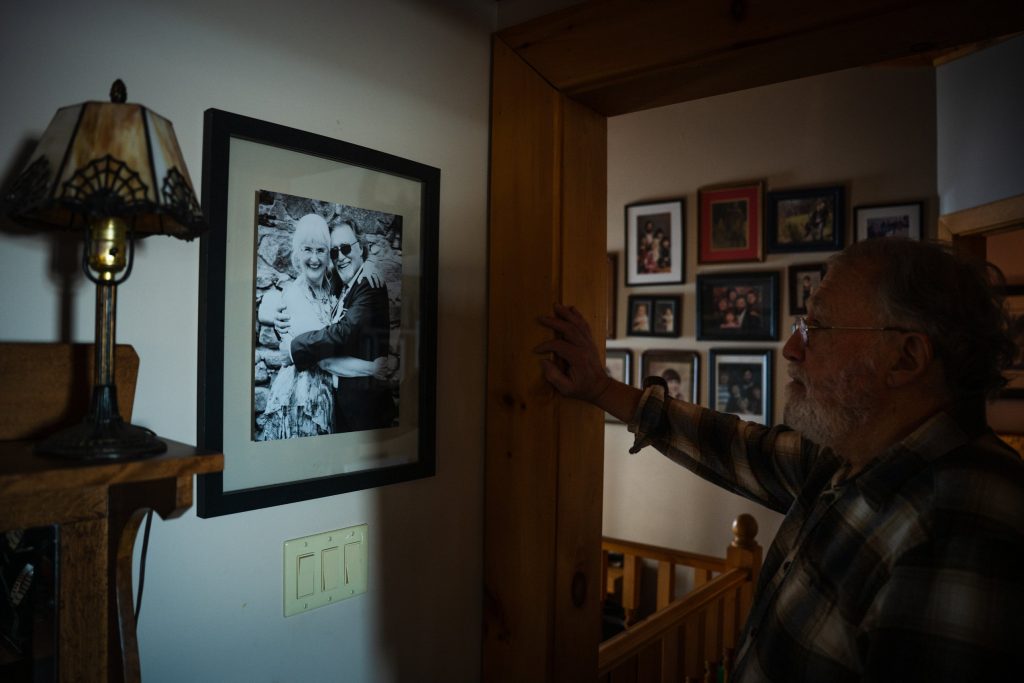
In late 2024, Shirley was diagnosed with amyotrophic lateral sclerosis, or Lou Gehrig’s disease. As with Kyle, the Moores hoped when the time came to be able to give her a natural burial, close to home. But winter burials were still not permitted at the local cemetery.
When she passed away in March 2025, Moore says, the local council quickly moved on its bylaw to allow winter burials to create the county’s first dedicated green burial site, usable year-round. It passed just a few days after her death, finally bringing the option of a green burial, simple and beautiful, to the community, with Shirley the first person buried there.
“It’s a bit sobering, a bit ironic,” Moore says, “but we managed to pull it off.”
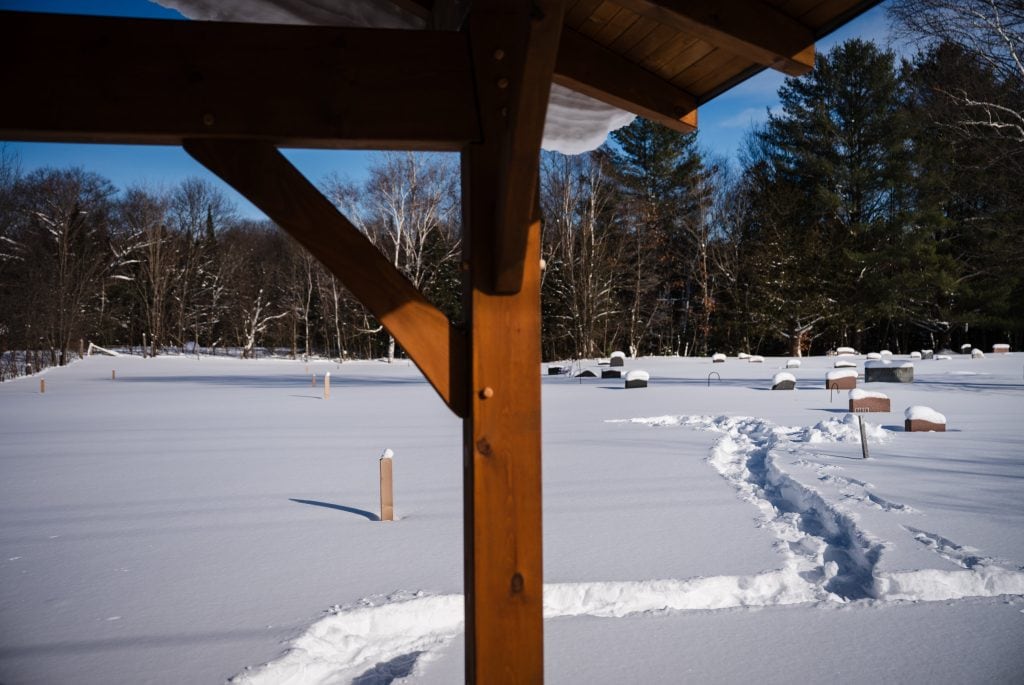
Operating already, the opening ceremony for the green burial section in St. Stephen’s Cemetery is scheduled to take place in May 2026, Moore says. Neighbouring Highlands East plans to also open a natural burial area later this spring and, in Oro-Medonte in early February 2026 the council approved the zoning amendment to allow Greer’s natural burial ground.
Moore still attends countless meetings to show cemetery and municipal leadership that green burials are something people want and need. He continues to advocate, he says, because individual environmental choices feel increasingly critical.
“Our bodies are important nutrients, not waste to be pumped into [the] atmosphere to help make the climate emergency worse,” Moore says. “We’re hopeful now that this is going to help spur it on in other places.”
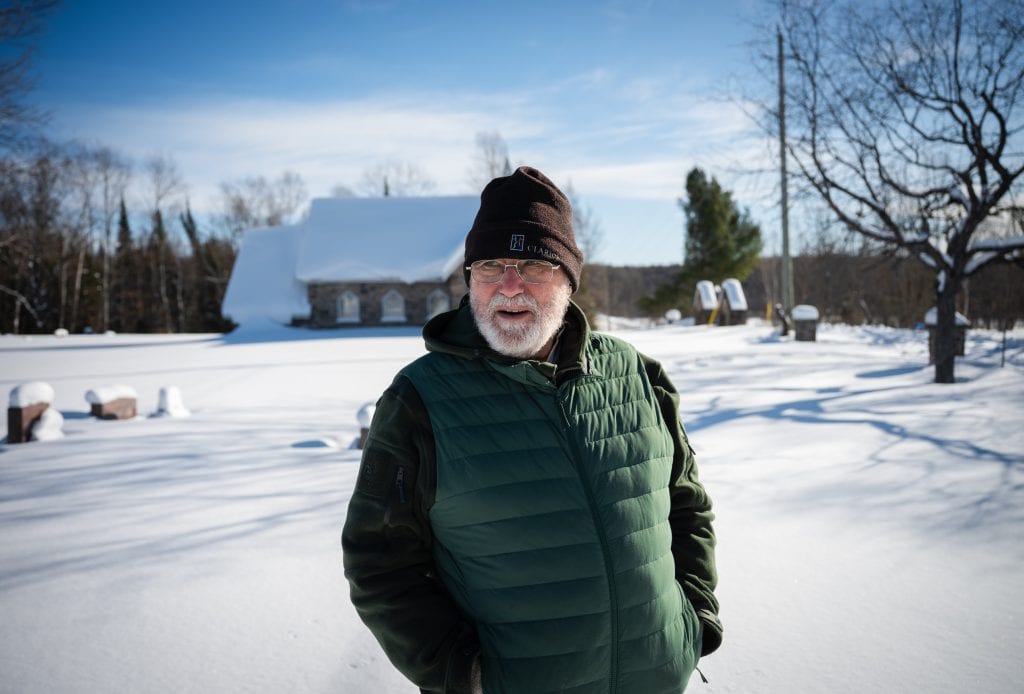
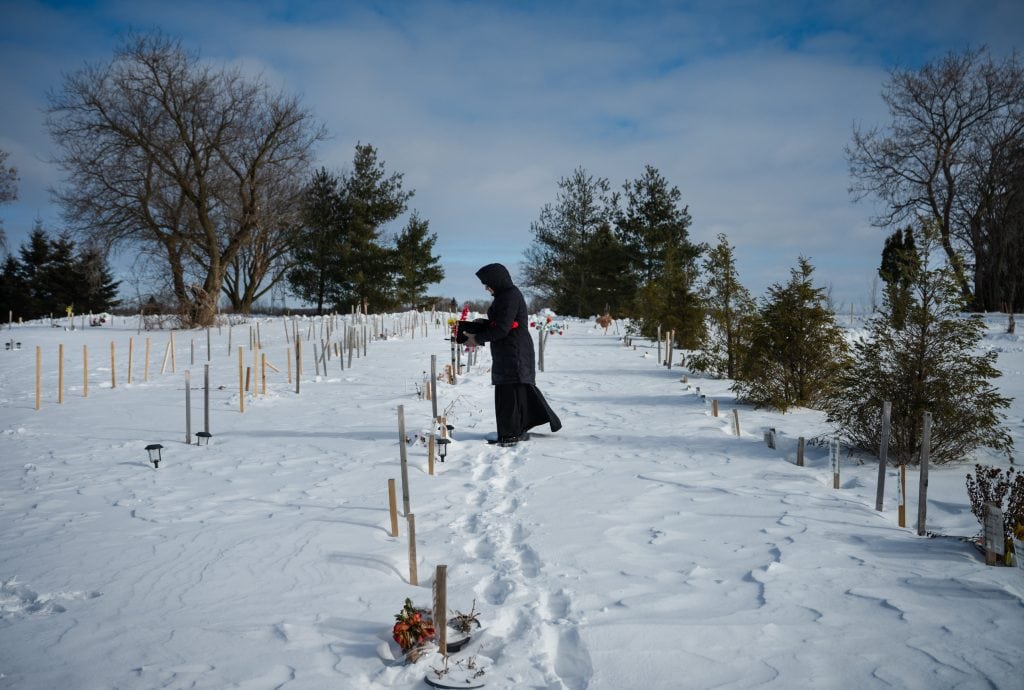
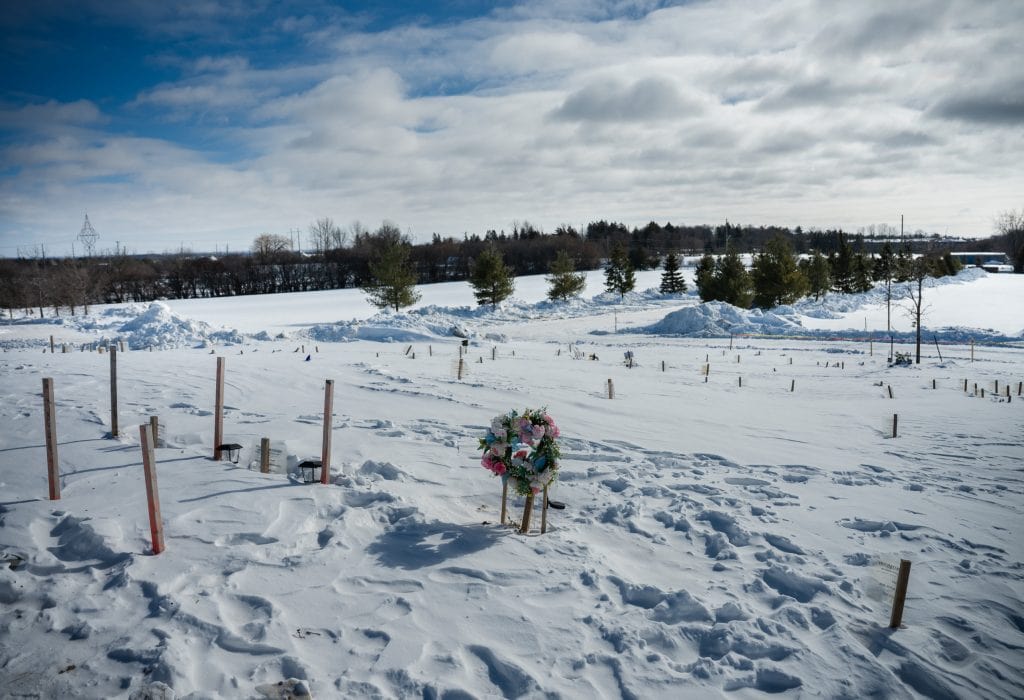
Shirley is buried in a corner of St. Stephen’s Cemetery, next to a timber-framed gazebo and two large stones that will soon be engraved with the names of those buried here. Kyle is buried about ten metres away.
The cemetery is just off a quiet rural road. In the spring, local volunteer gardeners will continue to plant small native trees and shrubs. Trees line the fence and the cemetery’s edge. Terry Moore is a few minutes away.
“People want to be close when they pass,” he says. “They want to be close to what they love.”