





 6 min. read
Summary
- British Columbia is home to the country’s longest-standing Indigenous Guardian program, the Haida Gwaii Watchmen, founded in 1982, and the province leads leads the way for national investment.
- Indigenous Guardian programs support conservation targets, create jobs in rural areas and have a high return on investment.
- While programs across the country are seeing budgets slashed, Indigenous Guardians received an unexpected $230M investment by the federal government in March — but questions remain.
Ida Peter knew she had to apply to protect mule deer populations in Tsal’alh traditional territory, located in B.C.’s central Interior, when B.C. first announced $8.9 million for Indigenous Guardians programs in 2023.
“We have a really big concern about [them] in our territory because traditionally we’re known as the deer people,” Peter said.
“I would say in the last 50 years the population of deer has declined drastically. Where we used to see hundreds of deer, now we’re lucky to see in those same areas maybe 10 or 20,” she said.
Mule deer are a significant species of concern in the southern Interior region of the province, which means they are at risk of being endangered because of wildfires, resource extraction and human development.
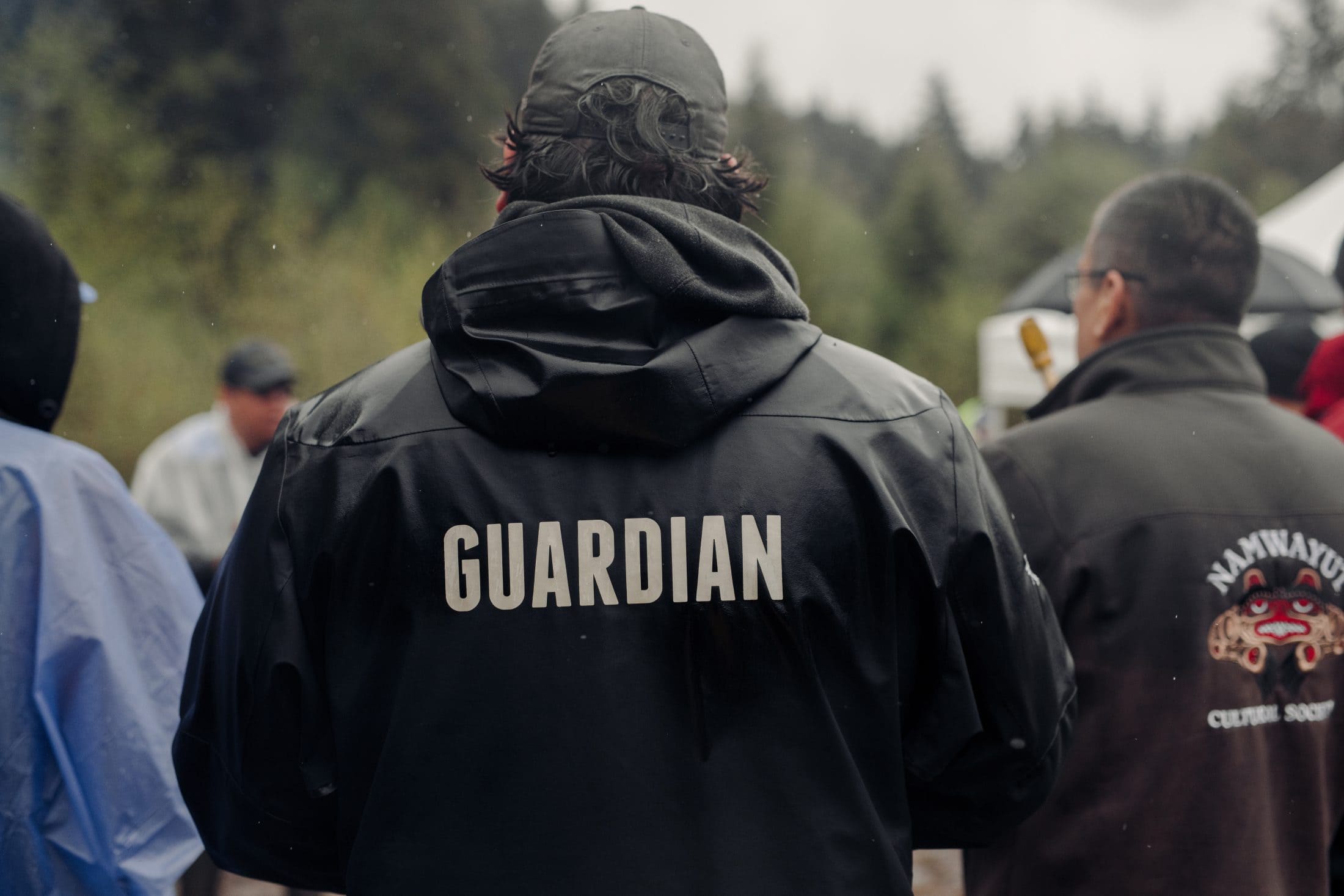
Peter is an elected councillor in her nation, and manages the culture and heritage department. The Tsal’alh Guardians were born out of Peter’s proposal and are a small but mighty team of three that stewards the territory.
It’s one of more than 240 Indigenous Guardian initiatives implemented across the country with the support of federal funding: an initial investment of $25 million to pilot Indigenous Guardians programs in 2018-2022 was bolstered by an additional $100 million announced in 2021. But with both B.C. and federal guardian funding streams set to expire in 2026, Indigenous Guardians across the country were bracing for major cuts.
That was, until an announcement on Mar. 31.
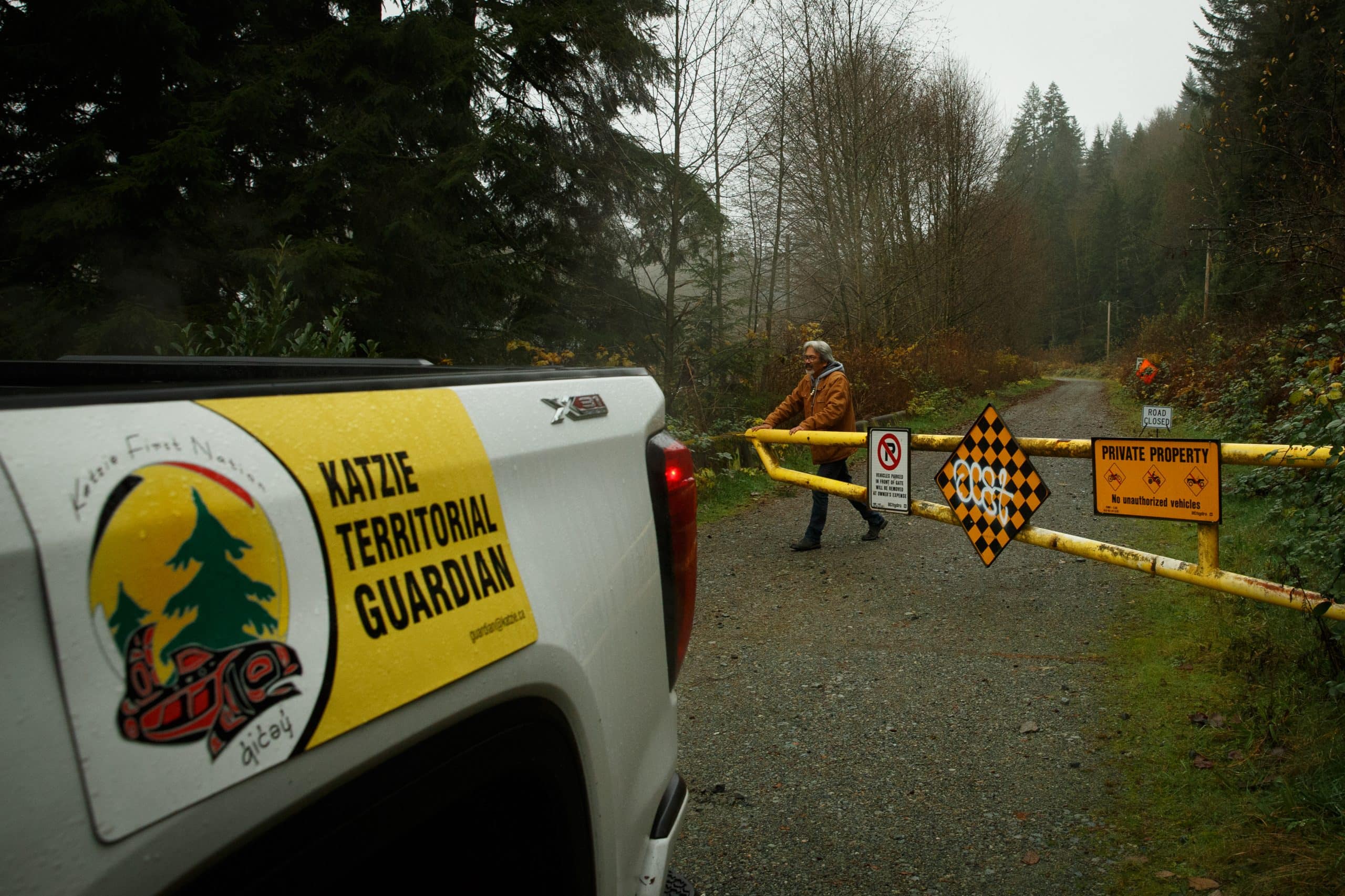
To the surprise of many First Nations, Prime Minister Mark Carney’s government committed an additional $230 million into Indigenous Guardian programming, including for the creation of a new Arctic Indigenous Guardians Program.
Though the announcement was welcomed by Indigenous communities, many are still wondering when those funds will begin flowing — and who will benefit from them.
Funding will be administered over the next five years, Emily Jackson from Environment and Climate Change Canada confirmed in an email to The Narwhal.
“Information on Indigenous priorities, including initiatives, eligibility and timelines, will be shared as it becomes available.”
The Indigenous Guardian movement has deep roots in B.C.
Indigenous Guardians in British Columbia have led the way, implementing the longest-standing program in the country, which has been in operation since 1982: the Haida Gwaii Watchmen, established by volunteers.
Before B.C. or Canada began investing in these programs, Haida people took it upon themselves to steward their homelands. The goal was to preserve Gwaii Haanas village sites, according to the nation’s website.

“It was very common for looters to come to these sites and take artifacts that were very important to the living culture of the Haida Nation, the work done by these volunteers was incredibly important in preserving the village sites that are now protected,” it reads.
Now the Watchmen are funded by Parks Canada, one of four programs the department is supporting across Canada, with three of those programs based in B.C. The province is also home to the highest number of guardian programs funded last year.
According to an economic analysis from MakeWay, a national charity that supports conservation, and the Co|Evaluation Lab, a Canadian organization that provides reporting and research support, Indigenous Guardian programs put between $1.43 to $5.37 back into the economy for every dollar invested.
Another analysis by Social Ventures Australia, which examined a different selection of Indigenous Guardian programs in Canada, had similar findings. For every dollar invested, approximately $2.50 was generated for stakeholders.
Those returns on investment come from employment outcomes, improved health and wellness, increased tax revenues and benefits to the environment.
For Dallas Smith, president of Nanwakolas Council, the thinking behind the programs has evolved.
“First it was about having eyes, ears and boots on the ground out there. But as we’ve started trying to build a conservation economy in the Great Bear Rainforest, we realized that there were other returns to be made, not only in helping us balance our conservation vision, but also [to] build sustainable economic development visions,” he told The Narwhal.
The council supports six member nations on B.C.’s south coast and Vancouver Island in negotiations with government and industry.
“Having the guardians in place whether we protect something or develop something has been monumental,” Smith said.
While the $230-million announcement came as a welcome surprise, with no clear guidelines about where the funding is going, and with B.C.’s funding still set to expire, staff at some programs are concerned.
“Some [guardian programs] have models that have trust funds … where we’re able to back the guardian program up with some foundational funding that we’re able to live off the interest of,” Smith said.
“For some of the other guardian programs that are in development … I bet there’s definitely some concern out there about where the next set of funding comes from to get through the next season.”
Meanwhile, the federal government and various provinces, including B.C. and Ontario, passed bills that faced First Nation opposition last year, among them Bills 14 and 15 in B.C., Bill 5 in Ontario and federal Bill C-5, all of which critics have said privilege industry over Indigenous Rights and consultation.
Long-term funding is needed to sustain programs: existing guardians
Indigenous Guardians protect the land and natural resources across Canada, maintaining the ecosystem for everyone, while contributing to local economies, businesses and relationships that allow industry into Indigenous territory.
“The people of this territory would like to see the environment better protected for future generations, so that in generations to come, they’re able to go out and harvest berries and get the meat and fish they need,” Peter said.
In her nation, interest in becoming a guardian is growing, with renewed funding needed to continue the program.
“Long-term funding makes it all happen. It takes away the anxiety of chasing grant after grant. … Being able to secure long term stable funding gives you the ability to plan around it and invest in it,” Smith said.
Funding gaps, even temporary ones, could undermine the investment and benefits in guardian programs.
And while loss of employment is a huge harm, disruptions in Indigenous Guardian funding can have deadly consequences for the environment.
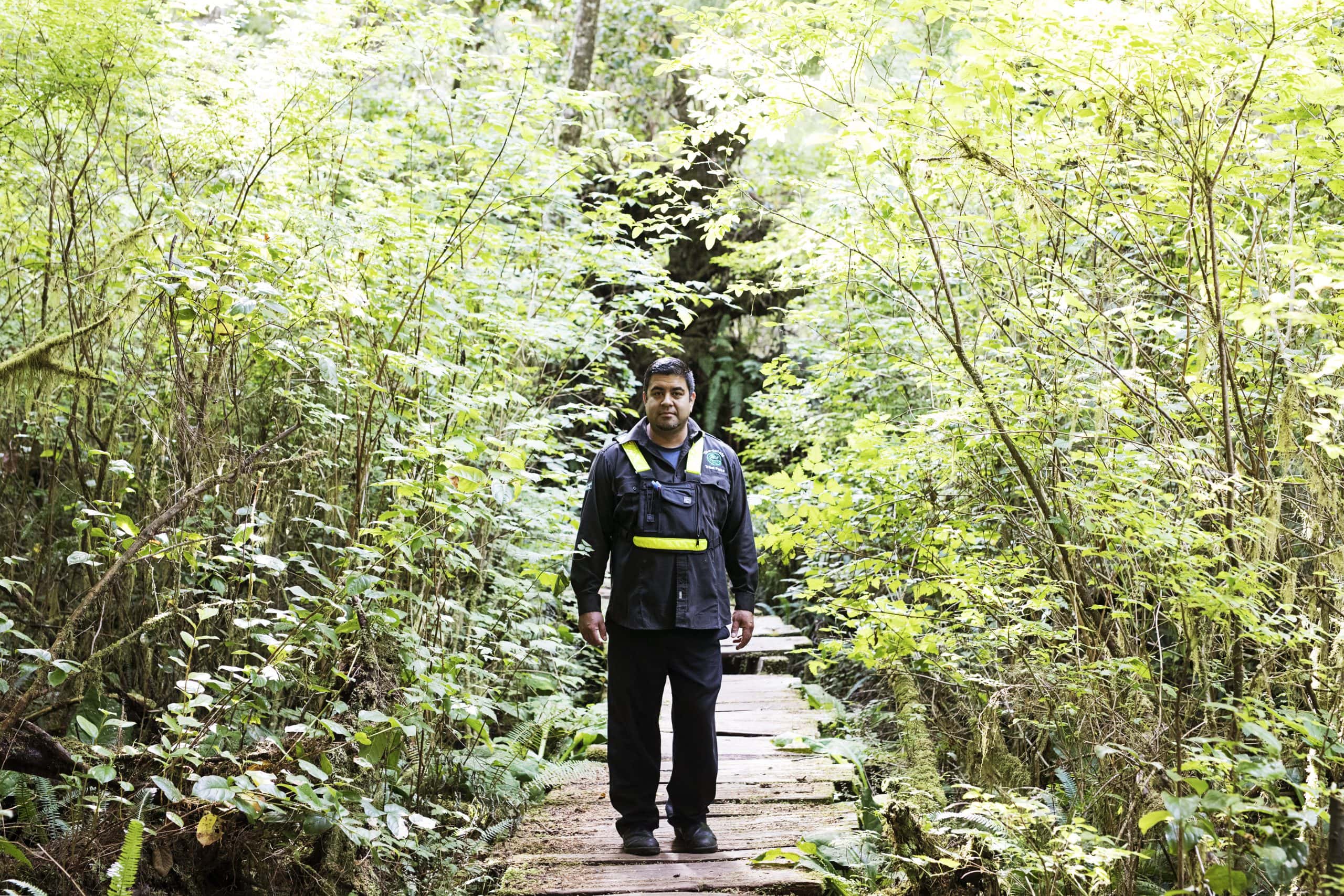
For example, programs like the Wuikinuxv Guardian Watchmen monitor coastal waters for spills, mitigating risk from industry and acting as a first responder for the environment.
“Too many people want First Nations to either protect everything or develop everything, they don’t understand the balance we’re trying to reach. The guardians are a living example of creating balance,” Smith said.