At The Narwhal, our reporting is factual, in-depth and rooted in the expertise of a diverse array of sources. We often speak to scientists, researchers, Indigenous Knowledge Keepers, community leaders and average citizens who have valuable insights to share. Many of these people do not have media training or much experience talking to reporters — they’re experts in their fields, but they may not know everything about the norms and standards of the journalism industry.
To help ensure our reporting process is fair, equitable and respectful — even as we work hard to hold power to account — we’ve created this primer on how it works. We want those who we interview to be empowered to ask questions about The Narwhal’s promises and processes. If any part of the process feels unclear, you can always ask for more information.
We hope this primer will be helpful whether you’re contacted by The Narwhal — or any other media outlet. Thank you for considering speaking with us.

The basics
- Our journalists will typically ask for your name and title, or how you identify.
- Journalists will typically use a recording device or app to capture the audio or video of an interview. This is used to ensure accuracy in quotes and details. The audio is not shared with anyone outside the editorial team or used for an audio or visual story without your permission.
- If there are further questions or any details to clarify after the interview, the reporter or another member of the editorial team will reach out to you before the story is published. This is part of the fact-checking process, which helps to make sure everything in the story is correct.
- It might feel as though the journalist is asking similar questions, or asking the same question a few different ways. This is done for a few reasons: it ensures they are not missing any important context about the story, and it gives them a few quotes to work with.
- You can decline to answer a journalist’s questions — you don’t have to give a reason. That said, a journalist might still try to make their case for why they think something is important, in the public interest or relevant. Please don’t take it personally.
- Our journalists will quote you exactly as spoken, except for removing things like “um” or “ah.” Sometimes we will cut from a long quote, and use an ellipsis (…) to indicate that something has been removed.

On the record, off the record and everything in between
- “On the record” means once you’ve agreed to an interview, everything you say to a journalist can be used, even if it’s not an answer to a specific question. Some people are surprised to see an off-hand comment or joke they made quoted in a story, or things that they spoke about before the formal interview began.
- “Off the record” means you are saying something you do not want included in the story in any way. You can ask the reporter to turn off their recording device. It’s important that you and the reporter agree something is off the record before you say it. There are no “take backs” if you say something and then change your mind. (Note that saying something is off-the-record does not preclude reporters from reporting what other sources might say about it.)
- “On background” means you are sharing something you are willing to have published, but not attached to your name. A reporter will need to fact check these statements, so if there is data, documents or another person that can help verify, it would be helpful to share those with us. Again, you and the reporter must agree that something is on background before you say it.
- A confidential or anonymous source is someone who shares information that The Narwhal publishes without using their name. We do not agree to this often. We want readers to trust our reporting, and that means letting them know who told us what. We only consider using confidential sources if the information shared is clearly in the public interest and we agree the source requires confidentiality (this means you need to give us a reason.) Almost always, the reporter will still need to know a source’s identity and potentially share it with their editor. If you are considering becoming a confidential source for The Narwhal, we can provide you with more information about our process. We cannot provide legal advice.

Frequently asked questions:
Can you share questions in advance?
Sometimes our reporters can give you an overview of the topics they’d like to ask about, so you can prepare. We don’t do this for all subjects; it depends on the person being interviewed and their role.
Will I get to review the story before it’s published?
We do not share stories with sources before publication. This ensures the reporting is independent and has not been influenced by any single source. However, we want you to feel confident the story will be responsible, fair and accurate. We share the steps we take to ensure the facts are accurate below.
How will you ensure the story is accurate? I don’t want to be misrepresented.
The reporter’s goal is accuracy: we want the details to be right, and we want to include all the necessary information for readers to understand the issues at hand. Our editors and reporters work together to catch errors and put forward accurate information.
We record interviews almost always, so that we don’t rely on our memories or note-taking. We aim to check any dates, numbers and historical or scientific facts with a second source, whether another person or a research report. We may also reach out to other people with similar experience or expertise to react to what you have shared with us.
Reporters are expected to include links and footnotes through long features or data stories so that editors can independently verify facts.
While we do not share stories before publication, our reporters and editors may:
- Do a fact-checking call. This is where we will go over all the details about you in the story and make sure they’re right. You can ask for this if it makes you feel more comfortable.
- Check quotes. Particularly for sensitive stories, we can check your quotes in the story by reading them back to you. This is to ensure accuracy — it’s not meant as a “do-over,” unless you have misspoken or made a factual error in your statements.
Do I have to have my photo taken?
Just like being interviewed, this is your choice: you can say no to a request to take your photo.
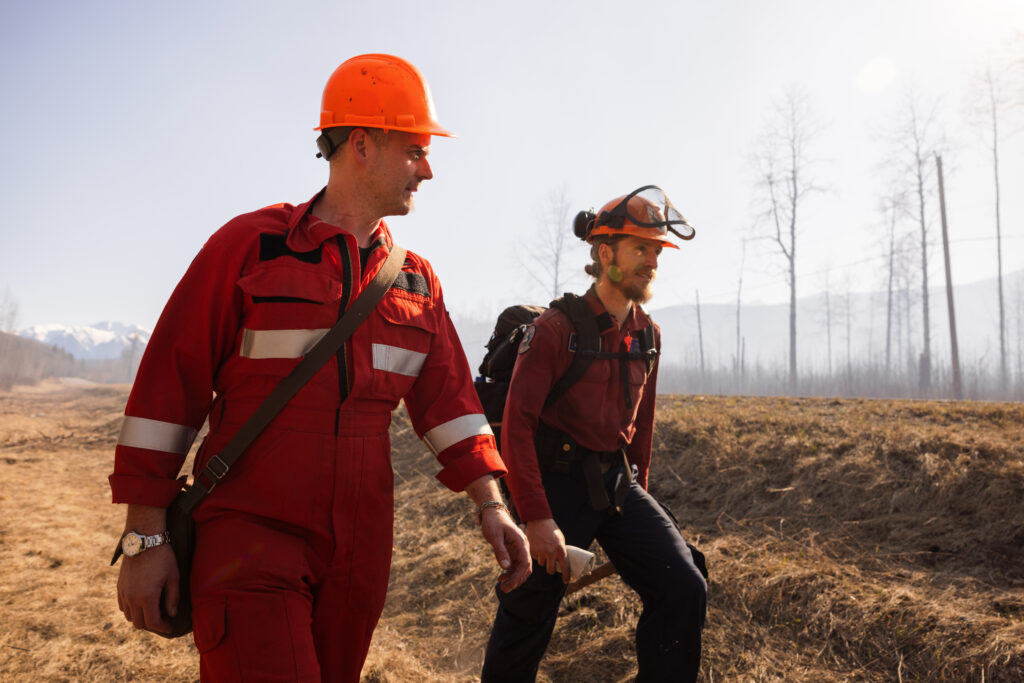
The Narwhal aims to be a publication full of beautiful, important photojournalism. We believe photos of the people we talk to and the places we’re writing about help readers understand the communities and issues at stake.
We work with talented, experienced photojournalists and freelance photographers who aim to be respectful and sensitive with their subjects. They are happy to answer questions and discuss boundaries before a photo session begins. The Narwhal understands that ceremonies and other gatherings are often private or not to be documented. We do not photograph (or interview) minors without their guardians’ permission. We can also discuss taking photos that do not reveal subjects’ faces or other identifying details, especially when they are children.
Photo rights belong to the photographer. All the photos we use are for non-commercial purposes. If you would like to use a photo that was taken by one of our photographers, you can reach out to [email protected] and they will send your request directly to the photographer.
Can I have a copy of a reporter’s transcripts, recordings or materials used in an interview with me or at a public gathering I attended?
If you would like a copy of the audio recording or transcript of your interview, reach out to the reporter who interviewed you. We can share audio or transcripts but may not be able to do so until after the story is published unless part of the fact-checking process. You are also welcome to record your own interview.
We do not share interview materials with government officials, media/public relations representatives or law enforcement. However, we might share relevant sections of an interview for fact-checking or provide context for a response or reaction.
What can I do if a detail in the published story is incorrect?
If you believe a story requires a correction, you can contact the reporter, email [email protected] or fill out this form. We will update the published story if anything is incorrect and make a note of the correction at the bottom of the story. We will also note it on our corrections page, where we have tracked our corrections publicly since Jan. 1, 2025.
When will this story be published?
It depends on the story. Unlike a daily news outlet (like CBC, a newspaper or TV news), The Narwhal focuses on in-depth storytelling, which takes more time to produce. This means we typically do a number of interviews and research, and we have a multi-step editing process to check for accuracy and clarity. Our reporters are also working on multiple stories at any given time, and sometimes need to re-direct their attention to an urgent or rapidly evolving situation. If you’re ever wondering what the status of a story is, you can always reach out to the reporter and ask.
Will you tell me in advance when the story is going to come out?
We’ll try our best. Sometimes our editorial schedule changes due to breaking news, urgent stories or delays beyond our control. We will send you a link when the story is published. , and you can check in with a reporter any time if you have questions about the timeline.
Do you have a question we haven’t answered here? Send it to [email protected]