




 4 min. read
Summary
- Ducks Unlimited Canada announced it is providing $1-million worth of land to a farming research organization in Manitoba.
- Brookdale Research Farm north of Brandon, Man., will now have more space to test farming and conservation practices.
- The organization says cattle farmers are important partners in conservation on the Prairies, where wetlands are regularly lost to agriculture.
We’re trying out staff-written summaries. Did you find this useful?
A Manitoba farming research non-profit will now have more space to let cattle roam and graze on prairie grasslands — and study how that grazing impacts biodiversity — through a partnership with Ducks Unlimited Canada.
On Monday, the long-standing conservation organization announced it is providing $1-million worth of land to nearly double the size of the Brookdale Research Farm just north of Brandon, Man.
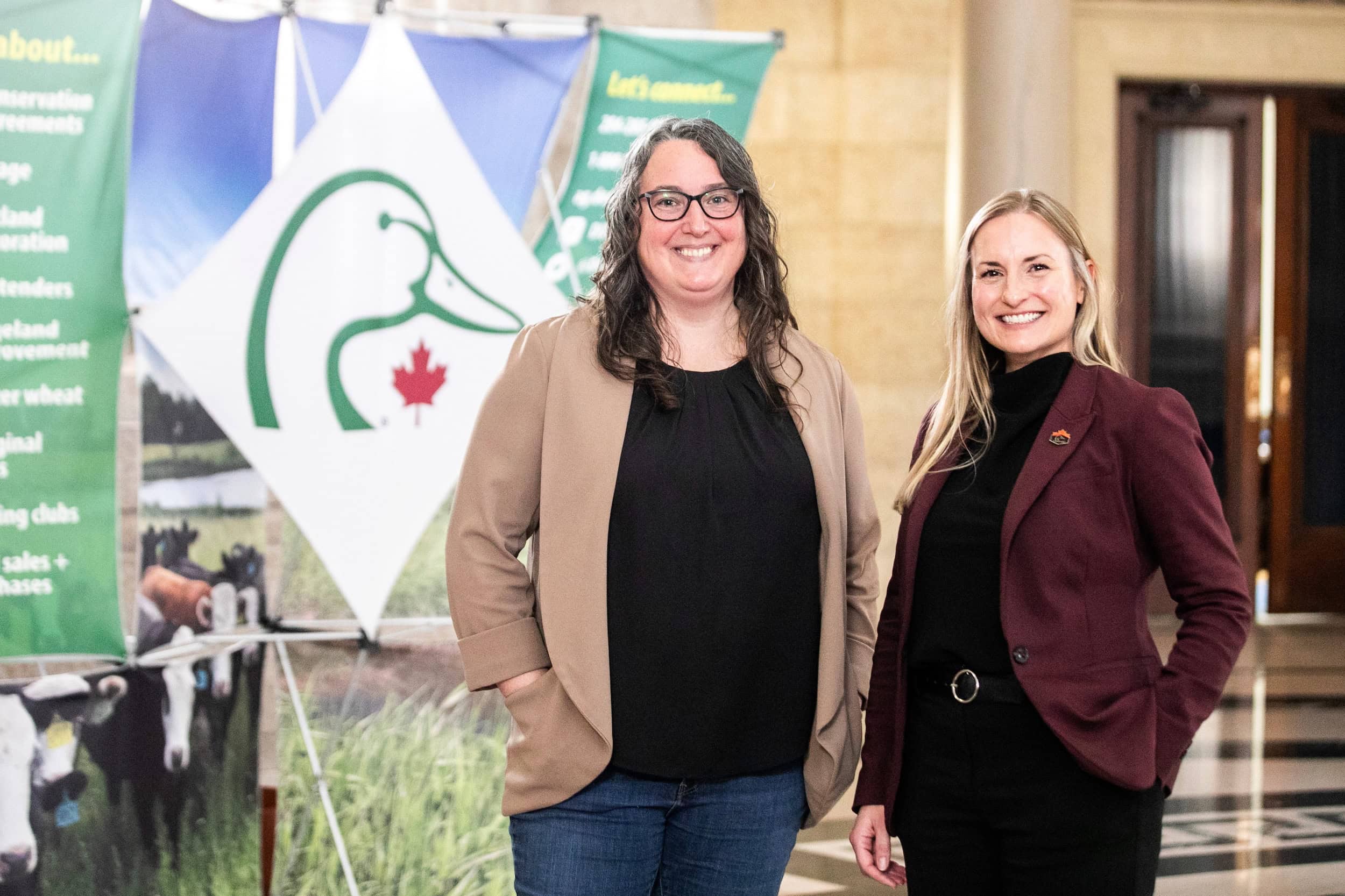
“This expansion of land is going to be an opportunity to do commercial-scale case studies and data collection … and then share it back to producers in a real-world setting,” Mary-Jane Orr, general manager of Manitoba Beef and Forage Initiatives, said in an interview.
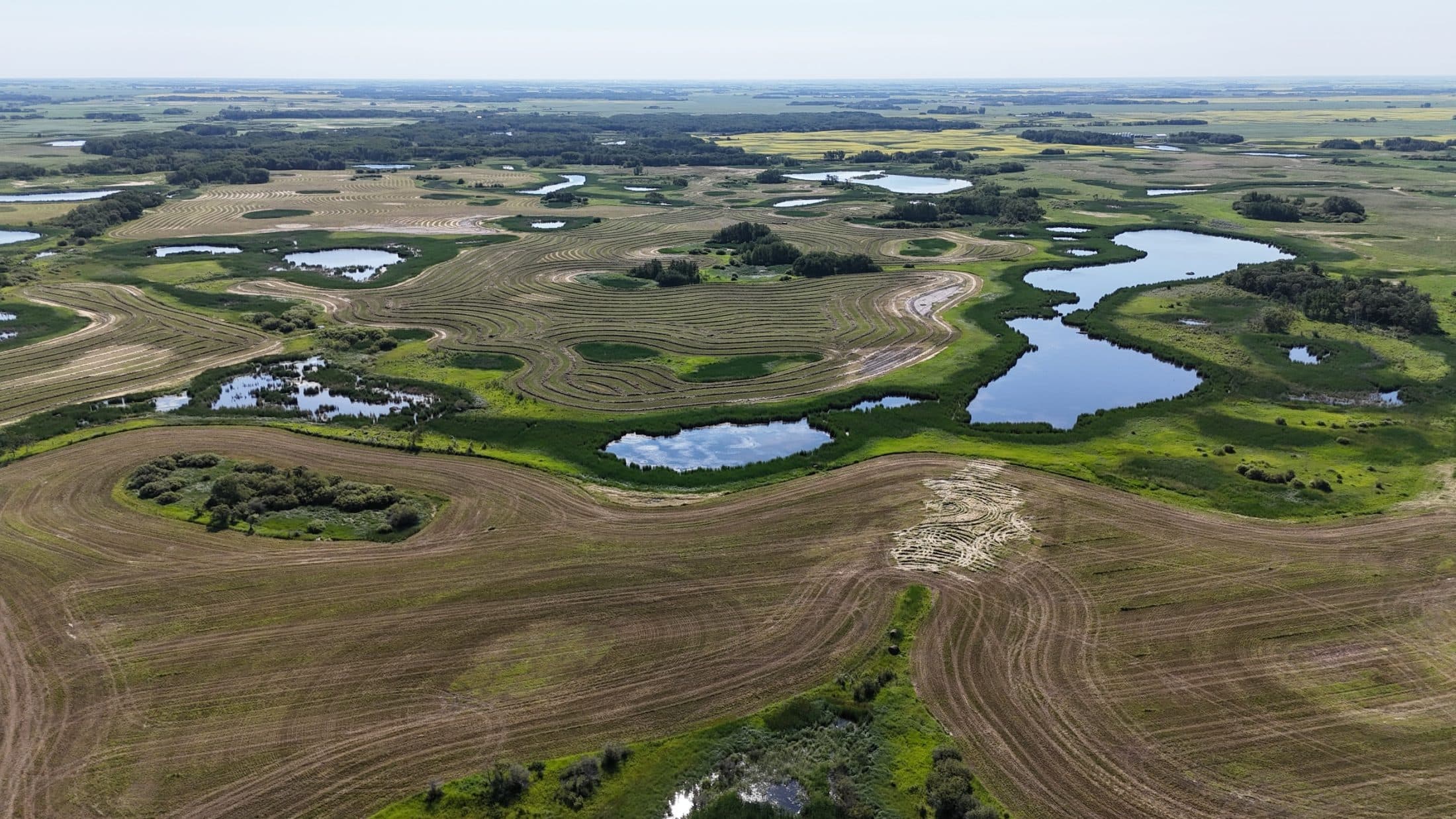
Brookdale Farm — one of two farm stations managed by Manitoba Beef and Forage Initiatives — typically tested new technologies, land-management practices and other farming innovations on a smaller footprint, less than 20 acres at a time. With the addition of the 467-acre Odanah Pasture, the organization will be able to work with farmers at a more true-to-life scale, helping ease the risk for farmers looking to implement new practices with their herds.
“Oftentimes when you’re doing research at a small scale, the question is: ‘Will this work on a larger farm?’ So this is actually putting that application into practice and showing that, actually, yes, this is going to work for larger farms here in Manitoba,” Karli Reimer, head of communications and outreach at Ducks Unlimited Canada for the Prairies region, said in an interview.
The new parcel is also an opportunity to showcase the impact of restoring croplands to their natural state, Orr added.
Ducks Unlimited Canada purchased the land in 2020 with funds from “conservation-minded government agencies in Canada and the United States, including Manitoba’s conservation trust,” according to a press release. The parcel had previously been used for crop production, and its wetlands and uplands had been drained. Over five years, Ducks Unlimited restored the land to its natural state: a rich grassland with more than 100 wetland basins.
Healthy wetlands and grasslands are a win-win for cattle farmers and conservationists alike.
“More productive grasslands make for more productive cattle. But those more productive grasslands are also making more productive ecological areas,” Melissa Atchison, a southwest Manitoba cattle producer and the research and extension specialist for Manitoba Beef Producers, said in an interview.
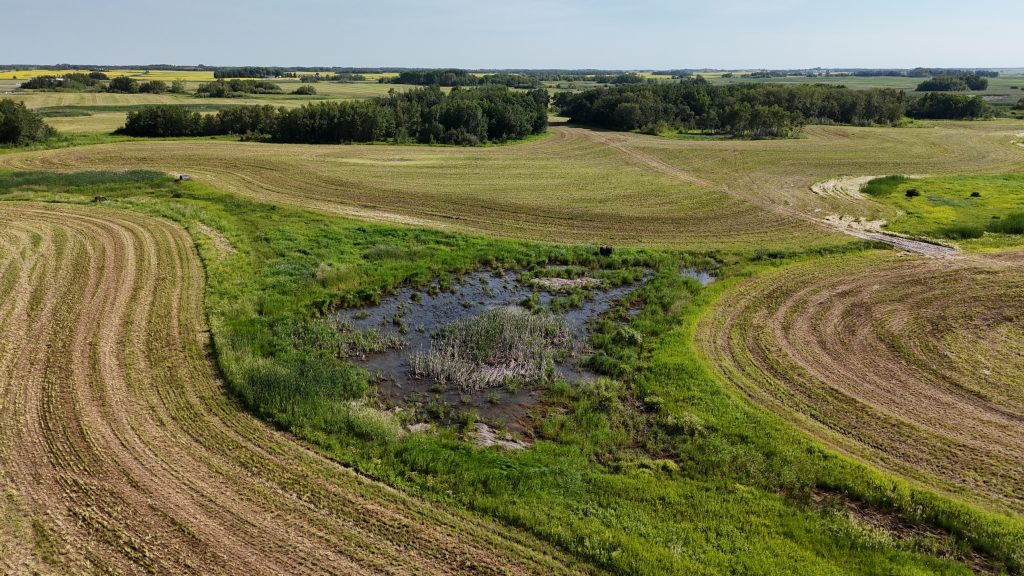
“Being able to get good production out of our cattle while also providing great benefits from a biodiversity standpoint, from a habitat standpoint, from an ecological goods and services standpoint, is just a really cool win for everybody involved.”
Historically, bison roamed the wetland-dotted prairie, Orr said. As they grazed, they helped diversify the grasslands and created a canopy structure for wildlife and waterfowl. Today’s cattle farms can effectively mimic that process.
“It’s creating this beautiful net win: keeping cattle on the landscape is maintaining habitat for untold numbers of species, from pollinators all the way up to mallards,” she said.
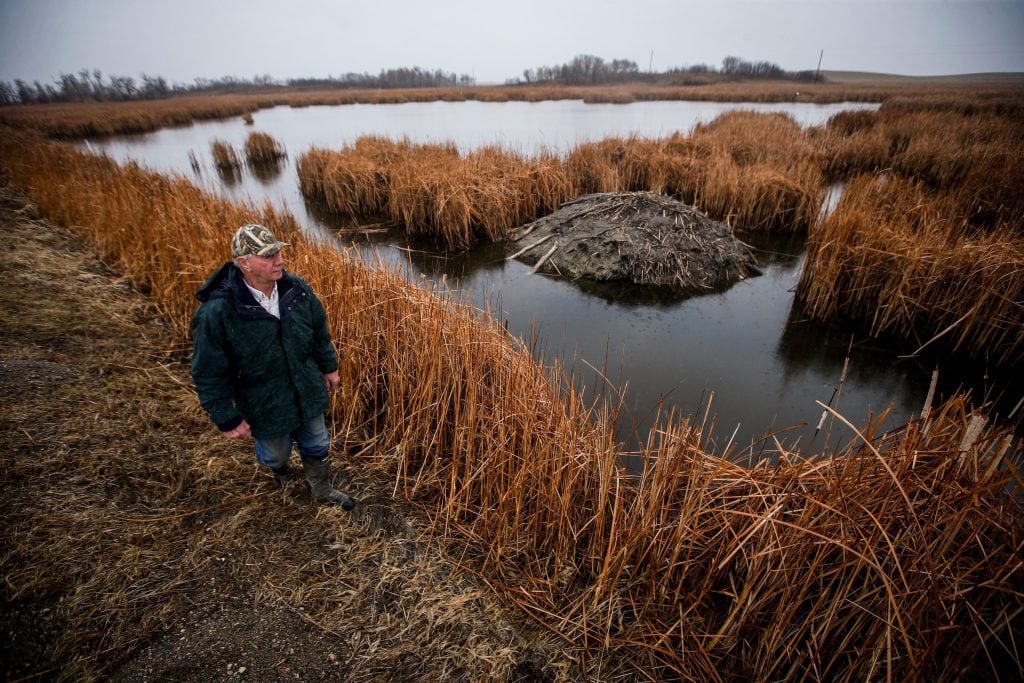
Orr said Beef and Forage Initiatives is in the process of landing a collaborator who will raise cattle on Odanah Pasture and share data about their decision-making process, economics and marketing decisions. The research will be shared with other farmers, helping demonstrate what processes, technologies and land-management decisions are most effective for the cattle, the business and the land.
“We need to be profitable, and environmental sustainability is a big piece of that profitability,” Orr said.
Manitoba’s billion-dollar beef sector, comprising more than 6,500 cattle farms, plays a key role in conservation, Reimer said.
Monday’s announcement marked the third annual Ducks Unlimited Canada Day in Manitoba, an official recognition honouring the organization’s 90-year history supporting conservation in the province, as well as Manitoba Agriculture Awareness Day.
“Ducks and cows have a lot in common,” Reimer said. “We really care about habitats for waterfowl, wildlife and people — grasslands and wetlands — and that is exactly what the beef sector needs to be profitable and productive.”
Julia-Simone Rutgers is a reporter covering environmental issues in Manitoba. Her position is part of a partnership between The Narwhal and the Winnipeg Free Press.