






 3 min. read
Get the inside scoop on The Narwhal’s environment and climate reporting by signing up for our free newsletter.
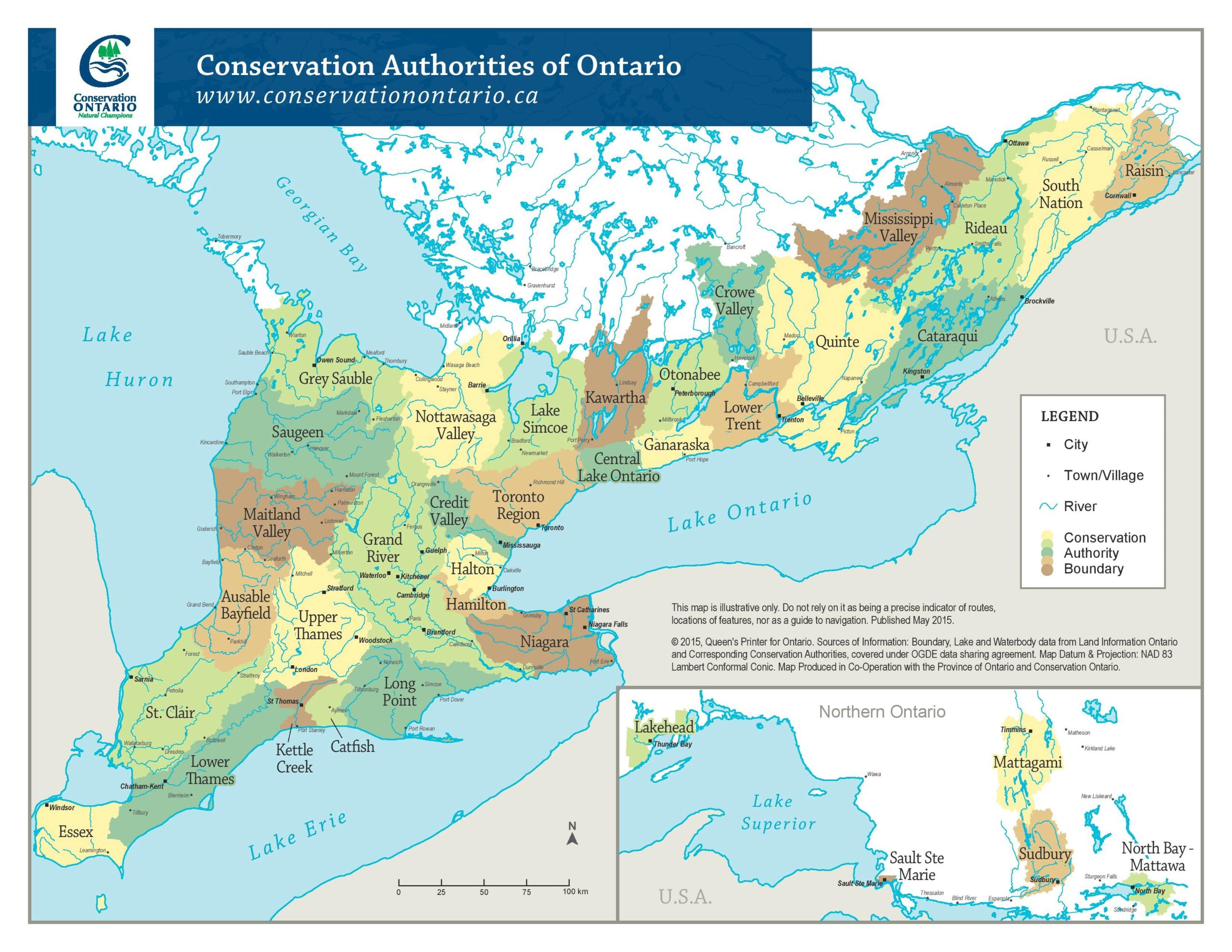
Ontario’s minister of natural resources now has broad powers to overrule environmental permitting decisions made by local conservation authorities about development projects.
The regulation came into effect on Jan. 1, as part of the Doug Ford government’s new rules governing the public organizations that are uniquely tasked with overseeing whole-watershed protection in southern Ontario, in part by ensuring development occurs sustainably.
Last February, the government amended the Conservation Authorities Act to reduce minimum distances between development lands and wetlands, and to weaken the authorities’ ability to protect water quality. The revised act also broadened some conservation authority powers to stop development that would worsen the impacts of natural hazards such as floods and wildfires.
Notably, the new rules authorize Natural Resources Minister Graydon Smith to direct conservation authorities to issue, or not issue, development permits.

Smith previously told The Narwhal these powers would be “extremely limited, of course.” But the newest regulation gives the minister sweeping “discretionary” powers over development previously in the purview of conservation authorities, with one caveat: the minister must still consider “the same criteria concerning natural hazards and public safety that are considered by conservation authorities.”
The minister can exercise these new powers on a range of project types including housing, schools, long-term care homes, transportation infrastructure, sewage and water systems, energy projects, as well as certain proposals that could result in employment opportunities. And, finally, “Any other matter that, in the opinion of the minister, is in the provincial interest.”
The regulation also details how developers will gain new mechanisms to appeal conservation authority decisions, including asking the minister to greenlight them. Developers can also bypass conservation authorities and apply for a permit directly at the minister’s office; in this instance, the developer must justify why a minister’s permit is preferred over a conservation authority review.
Smith did not respond to The Narwhal’s request for comment on this story by publication time.
This is just the latest effort by the Ford government to consolidate power in ministers’ offices that could be used to quash environmental concerns and fast-track development. The Progressive Conservatives have given the mining minister increased decision-making powers over exploration and mine closures. The government has also given its infrastructure minister the power to issue ministerial zoning orders, which were designed to override municipalities to expedite rezoning in critical circumstances, on the order of the housing minister. The Ford government has been found to overuse this power, giving the “appearance of preferential treatment,” according to Ontario’s auditor general. Last year, two watchdog reports on the scandal surrounding cuts to the protected Greenbelt area around Toronto found ministers and high-level bureaucrats prioritized developer requests over environmental and technical considerations.
This latest regulation also comes among a slew of changes the Ford government has made to environmental oversight. Conservation authority officials have previously told The Narwhal the Ministry of Natural Resources has been stripped of its responsibility for evaluating how development proposals could affect wetlands. That job has been outsourced to private experts when needed and the criteria have been watered down.
Many conservation authority staff have previously told The Narwhal this means the minister doesn’t have access to the environmental expertise needed to use these powers appropriately.
A representative from Conservation Ontario, the organization representing the province’s 36 authorities, did not provide a response by publication time.