


“It’s like someone turned the fire switch on and it’s just not stopping.”

That’s what wildfire ecologist Kira Hoffman told me in November, as we discussed our new wildfire reality. I can’t help but think back to that conversation today, as we watch the out-of-control blazes burn Los Angeles, putting at least 180,000 residents under evacuation orders and engulfing entire neighbourhoods in the second-largest U.S. city. It’s all happening in January, a month that should have brought some rain to southern California; instead, the region is drought-stricken and bone dry.

It points to an uncomfortable reality: we need to be thinking about wildfires year-round, and not just when fires are actively burning where we live.
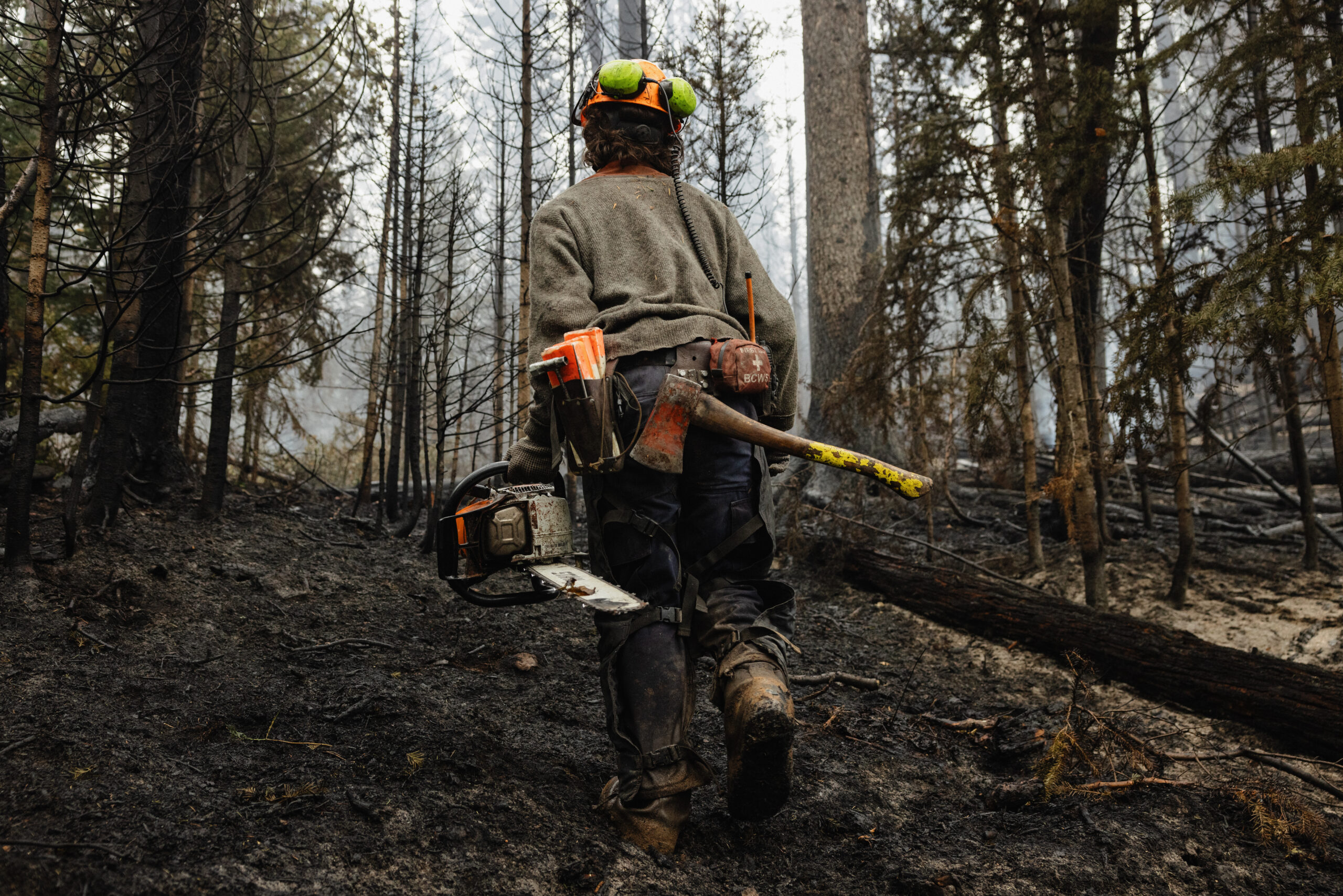
BC Wildfire Service firefighter walking away from the camera on blackened ground, carrying a chainsaw with an axe on their belt

Why? For a sprawling feature I published today, I talked to a handful of frontline firefighters in British Columbia, where I live, who bear quite the brunt of wildfire impacts. Take Jessica Broder for example: a former wildland firefighter who hung up her hardhat at the end of 2023 after three years. She’d worked over 100 days that season — more than double what Hoffman worked in her entire firefighting career two decades ago. The cumulative fatigue of dealing with traumatic events year after year, with no time to properly process them, simply became too much.

Get The Narwhal in your inbox
Independent, investigative journalism you won’t find anywhere else. Stay in the loop by signing up for our newsletter.
Get The Narwhal in your inbox
Independent, investigative journalism you won’t find anywhere else. Stay in the loop by signing up for our newsletter.

“It just caught up with me,” Broder told me over the phone, her voice cracking.
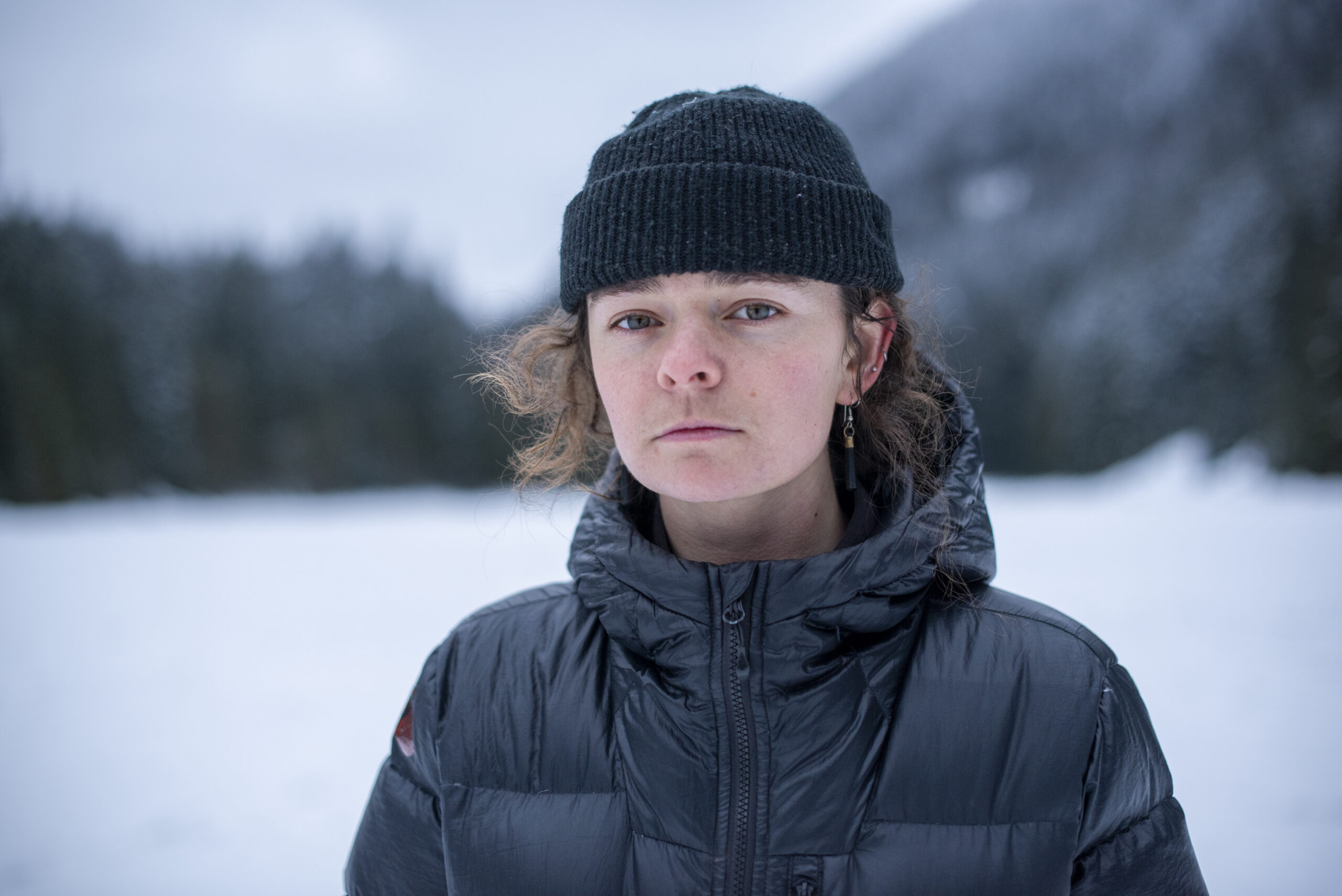
Portrait of former BC wildland firefighter Jessica Broder, wearing a black toque and puffy jacket
Jessica Broder fought wildfires in B.C. for three years, two of which were noted as the worst wildfire seasons in the province’s history. Photo: Kari Medig / The Narwhal

Last year was the planet’s hottest on record and the first to exceed 1.5 C warming above pre-industrial levels. Rising temperatures are fuelling droughts like the persistent one in the Los Angeles area, where fire hydrants are running dry as high winds continue to fan the flames. This is our shared reality and every single one of us is affected by it, no doubt — whether it’s smoke blanketing cities hundreds of kilometres away from burning forests, the economic impacts of rising insurance rates or communities burning to the ground.

For every wildfire that threatens a community or burns on the horizon, there are living, breathing human beings on the ground fighting to protect us from one of the most powerful forces of nature. And as they’re pushed to contend with monstrous flames in unsuspecting months, it might just be a call for us to start thinking about wildfires, and how we need to adapt to them, even in the winter. 

That’s why I spent time getting to know some of the firefighters keeping our communities safe year after year. Here are some of their stories — and I hope you’ll take some time to sit with it.

Take care and set your heart on fire,

Matt Simmons
Northwest B.C. reporter

Another year of keeping a close watch
Here at The Narwhal, we don’t use profit, awards or pageviews to measure success. The thing that matters most is real-world impact — evidence that our reporting influenced citizens to hold power to account and pushed policymakers to do better.

And in 2024, our stories were raised in parliaments across the country and cited by citizens in their petitions and letters to politicians.

In Alberta, our reporting revealed Premier Danielle Smith made false statements about the controversial renewables pause. In Manitoba, we proved that officials failed to formally inspect a leaky pipeline for years. And our investigations on a leaked recording of TC Energy executives were called “the most important Canadian political story of the year.”

We’d like to thank you for paying attention. And if you’re able to donate anything at all to help us keep doing this work in 2025 — which will bring a whole lot we can’t predict — thank you so very much.

Will you help us hold the powerful accountable in the year to come by giving what you can today?
Another year of keeping a close watch
Here at The Narwhal, we don’t use profit, awards or pageviews to measure success. The thing that matters most is real-world impact — evidence that our reporting influenced citizens to hold power to account and pushed policymakers to do better.

And in 2024, our stories were raised in parliaments across the country and cited by citizens in their petitions and letters to politicians.

In Alberta, our reporting revealed Premier Danielle Smith made false statements about the controversial renewables pause. In Manitoba, we proved that officials failed to formally inspect a leaky pipeline for years. And our investigations on a leaked recording of TC Energy executives were called “the most important Canadian political story of the year.”

We’d like to thank you for paying attention. And if you’re able to donate anything at all to help us keep doing this work in 2025 — which will bring a whole lot we can’t predict — thank you so very much.

Will you help us hold the powerful accountable in the year to come by giving what you can today?

We’re fighting for our right to report — and your right to know. Stay in the loop about our trial against the RCMP and get a weekly dose of The Narwhal’s independent journalism
Red text in bold, capital letters: JOIN OUR FIGHT FOR PRESS FREEDOM
We’re fighting for our right to report — and your right to know. Stay in the loop about our trial against the RCMP and get a weekly dose of The Narwhal’s independent journalism
Red text in bold, capital letters: JOIN OUR FIGHT FOR PRESS FREEDOM