






 16 min. read
Dave Armstrong struggles to describe the smell that sometimes wafts onto his property just outside Dawson Creek, B.C.
“It’s sharp, foul and it’s an oily smell, but not like a refined oil,” Armstrong says. “This has a real foul, strong odour and it’s not nice. It really irritates you fast.”
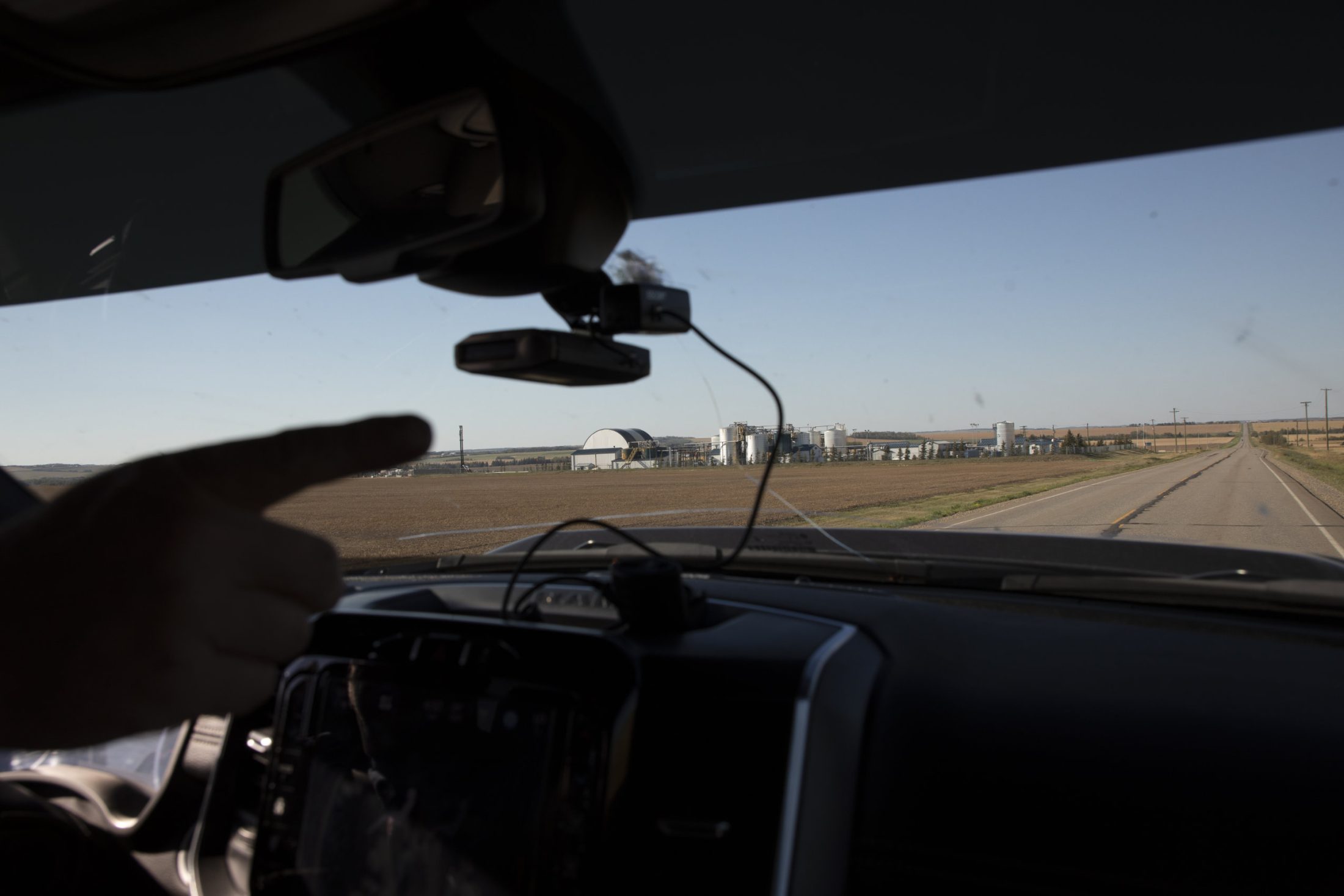
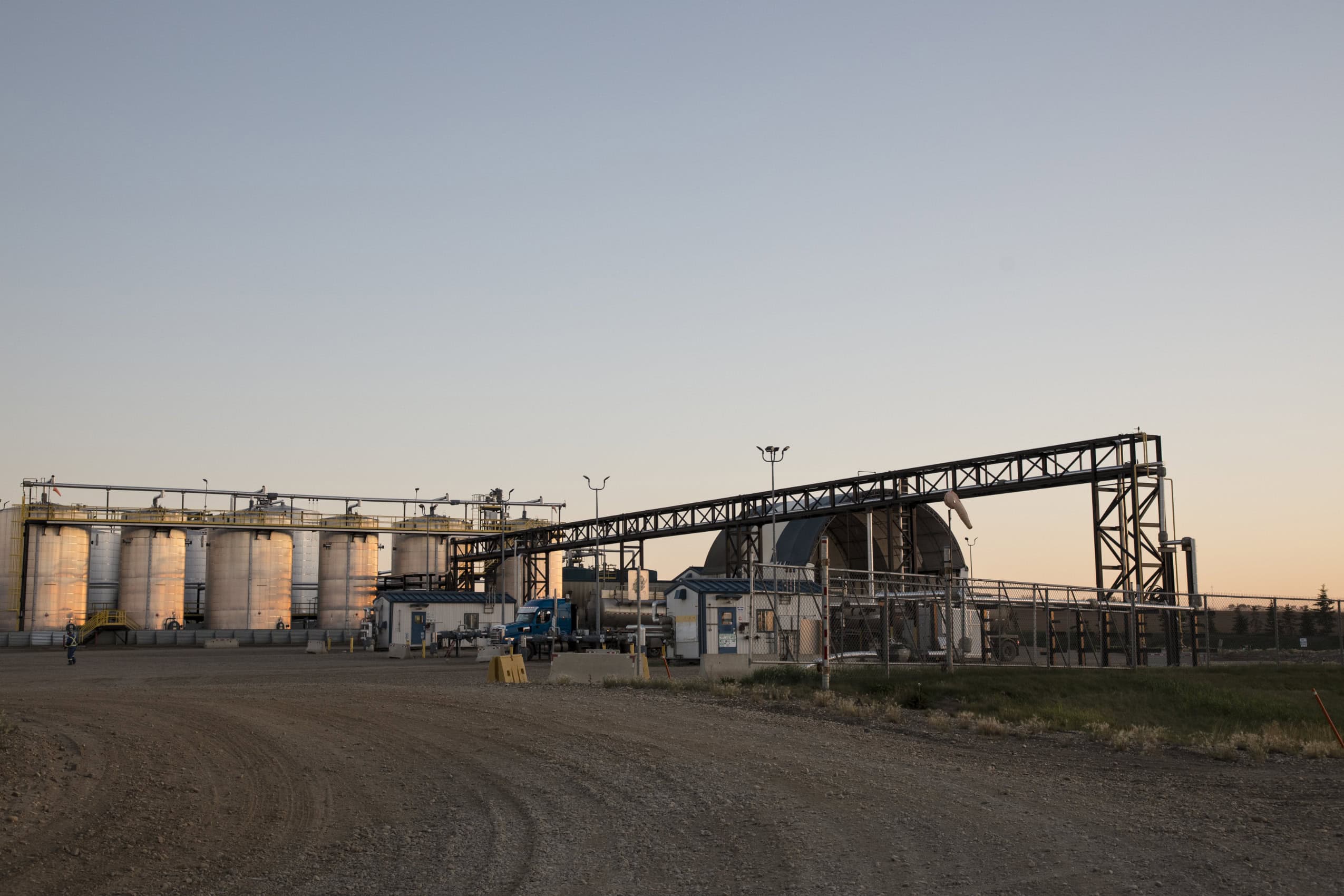
He lives about one kilometre from an oil and gas waste disposal facility. Sometimes, the smell is just an unpleasant annoyance. Other days, he says, it’s much more.
“There are times where it will just be an instant headache when it hits,” Armstrong says. “And if it’s in the summertime and the windows are open in the house … it takes a long time to get that odour out.”
Brenda Delamont lives just down the road from Armstrong. She associates two distinct smells with the facility owned by Calgary-based Secure Waste Infrastructure Corp.
“One is like a burnt chemical and then one is like a sour, noxious smell,” Delamont says. “When the burnt smell is in the air, it doesn’t make your eyes water, but it kind of sticks in your mucous membranes and kind of irritates your throat.”
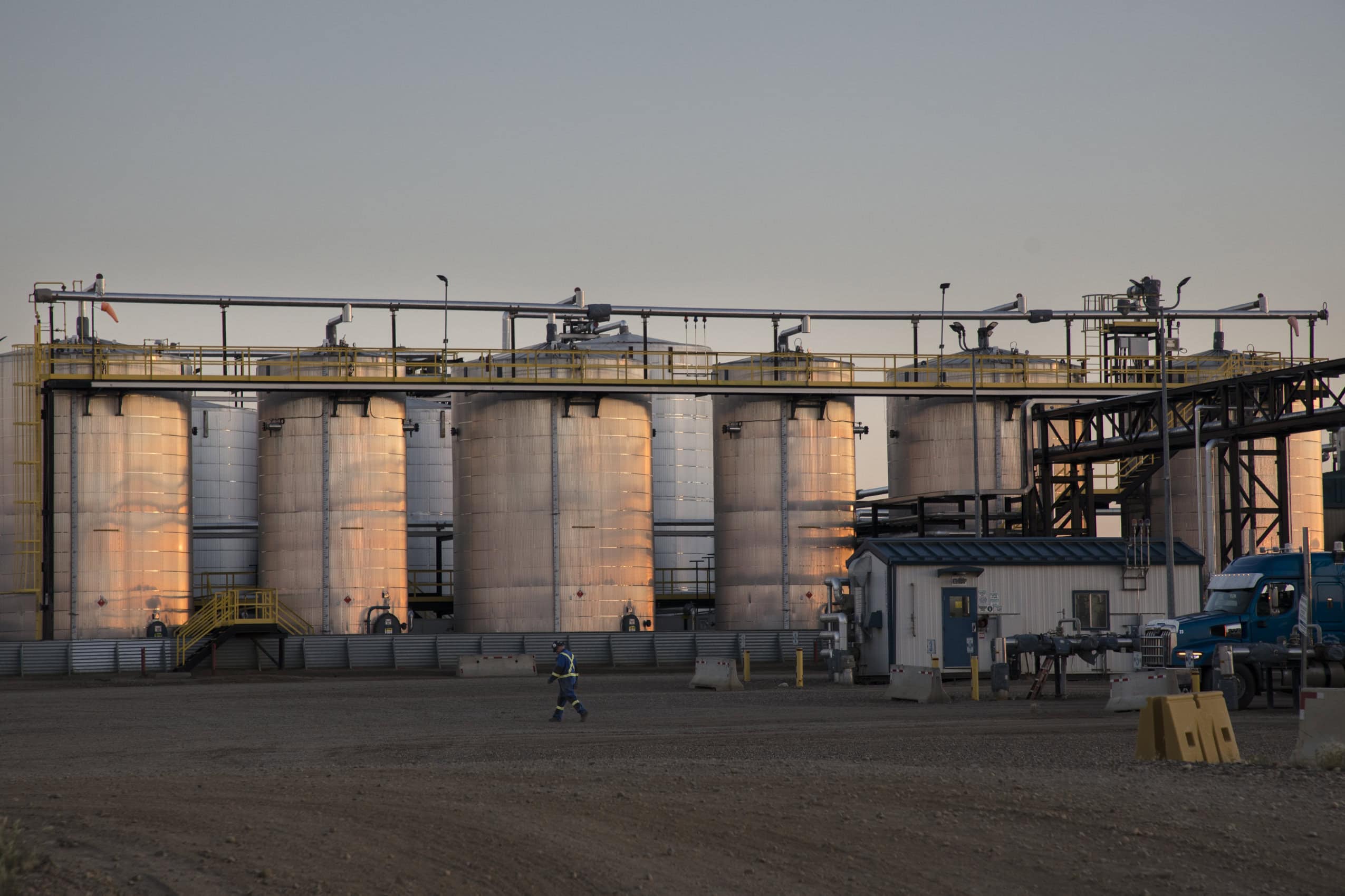
The facility began operating in 2010, the same year Delamont and her husband moved to their home just outside of Dawson Creek. Secure receives waste produced by the oil and gas industry, including contaminated water, drilling by-products and industrial sludge. The facility is licensed by B.C.’s Ministry of Environment and Parks and the BC Energy Regulator to handle a variety of hazardous waste products. Some waste — including contaminated water — is treated on site before being injected into underground wells. Other materials are sent for disposal at different facilities.

Before construction began, nearby residents say Secure told them smells from the facility wouldn’t be a problem; they’d build a “state of the art vapour collection and recovery system to ensure no fugitive emissions and prevent odours.” A letter Armstrong received from the company in May 2009 states the facility would use the collection and recovery system when receiving “sour liquid loads” — an industry term for liquid waste containing high levels of toxic chemicals. Secure’s letter specifically mentions hydrogen sulfide, a flammable and highly toxic gas that typically smells like rotten eggs.
Armstrong vividly remembers sitting down at his kitchen table with a representative from Secure while the facility was still in the planning stage.
“My concern was offsite odours and they said there would not be any,” he recalls. “And we have found out otherwise.”
Over the years, Armstrong and Delamont say they and their family members have made hundreds of calls to Secure, the Environment Ministry and the energy regulator to report strong chemical smells on their properties. Both say those smells only appear when the wind is blowing from the waste facility toward their homes.
After years of raising concerns, they are frustrated.
“We still don’t know what it’s from,” Delamont says. “We’ve never gotten an answer as to why you smell the smells, what the smells are from and how toxic or noxious they are over the long term or short term.”
After attempts to reach the company by phone went unanswered, The Narwhal sent detailed questions about Delamont and Armstrong’s concerns to Secure via the company’s online contact form and by email. In an emailed response, Secure said it “takes community concerns seriously and works closely” with provincial regulators. The BC Energy Regulator conducted 33 inspections of the facility in 2025, according to the company, and found no compliance issues.
“When concerns are raised, we investigate them and continue working with regulators and nearby residents to address them,” the company said.
In the Peace, oil and gas is ‘a fact of life’ but companies need to be good neighbours
You don’t have to drive far outside the town of Dawson Creek to enter farming country. Last August, combines churned across golden fields, kicking up dust and pulling in cereal crops. The southern slice of British Columbia’s Peace region — named for the Peace River that flows from the Rocky Mountains across the northern prairie and into Alberta — produces the majority of the province’s canola and grain crops. Almost one-third of all the farmland in the province is located in the Peace, where cattle and forage crops are also big business.
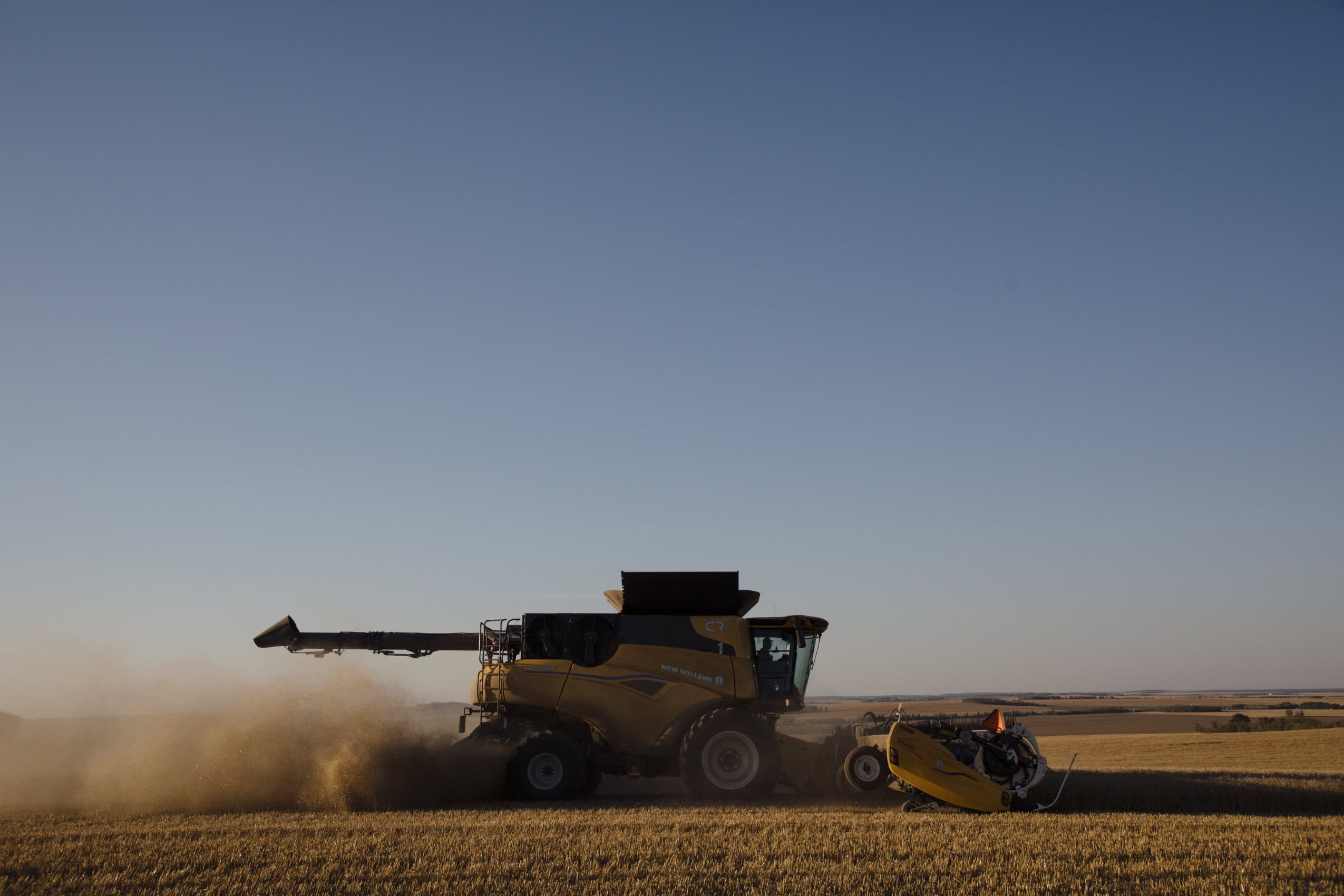
Armstrong is one of those farmers. He bought the property just outside of Dawson Creek in 1980 and moved up from the Fraser Valley in 1985 to begin building a hay farming operation from scratch. These days, he sells hay to customers from Alaska to Vancouver Island.
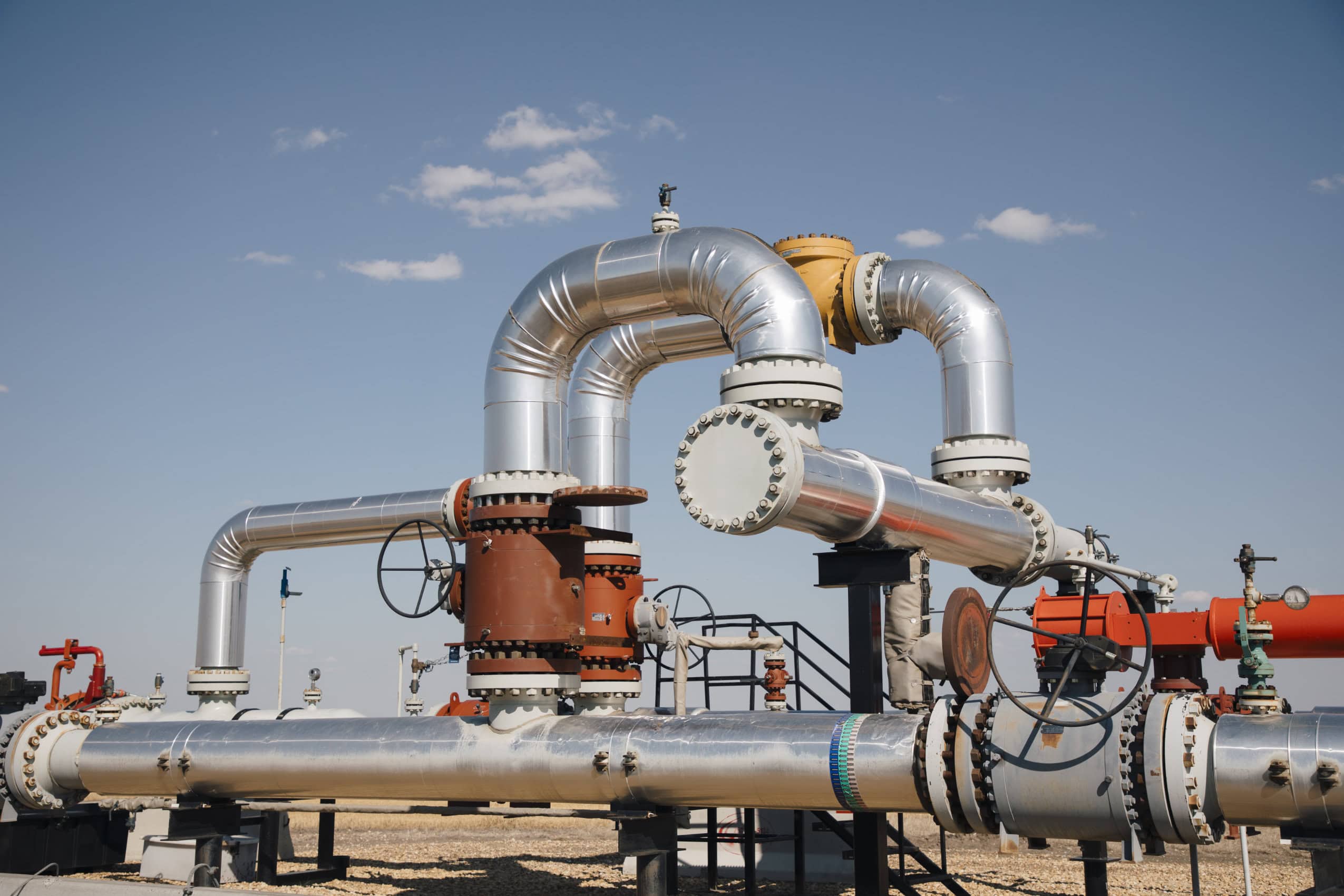
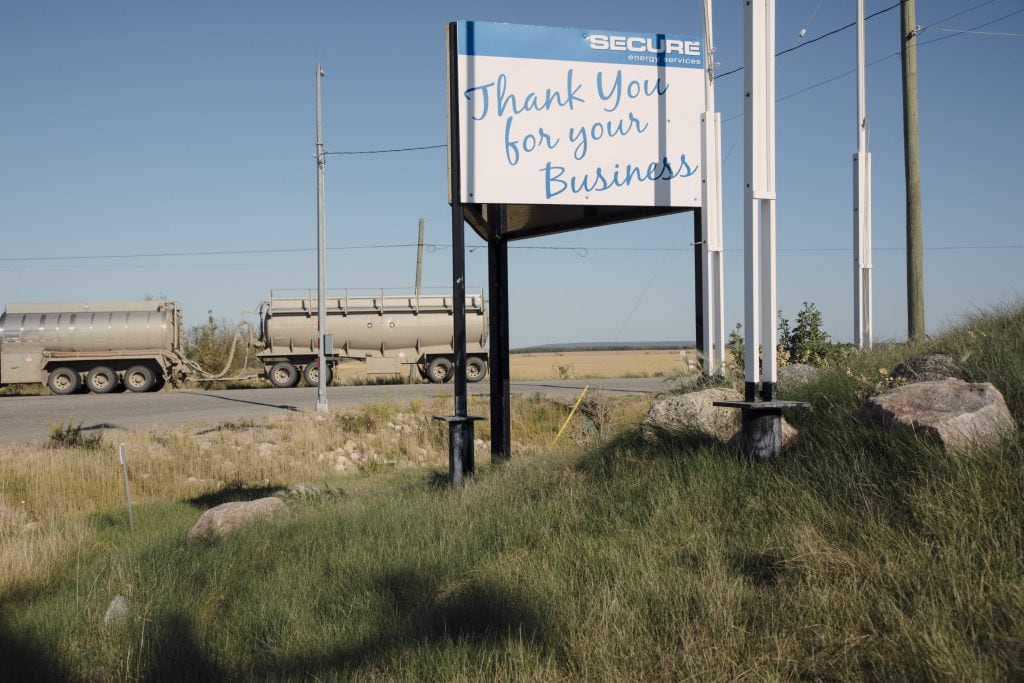
But farming isn’t the only big business in the area. Sprawling summer fields dotted with hay bales and buttressed by grain silos are also criss-crossed by pipelines and studded with well pads serving the oil and gas industry. Tanker trucks regularly traverse the highways that snake past sprawling gas plants with flame-tipped flares and lights that conjure the impression of a city skyline.
The Peace region is home to all of B.C.’s 4,700 active well sites. To receive and process waste products from the industry, the region also hosts 63 active disposal stations permitted by the BC Energy Regulator. Secure operates nine disposal stations in the Peace and another nine facilities permitted by the regulator.
The oil and gas industry and a love for rural life are what brought Delamont to the Peace. Her husband works in the industry and they live on a seven-acre property. She works as a chef at a local seniors’ home and spends much of her free time with her horses.
For many residents of the Peace, rural life and the oil and gas industry coexist quite well.

“It’s just part of living up here,” Delamont says. “Oil and gas is lots of times in your backyard.”
Well drilling can be a noisy business for nearby neighbours, with large vehicles coming and going, creating noise and dust. But once the drilling work is done, “it becomes just a quiet, small square, basically,” Delamont explains.
When issues do arise, she and Armstrong have both found the companies operating nearby wells are usually responsive to complaints.
“They’ve had a few flub-ups, but they deal with it right away,” Armstrong says. “They come and apologize and ask if there’s anything they can do and it usually doesn’t happen again.”
At first, the waste disposal facility operated by Secure seemed like just another aspect of the industry they were used to living with.
“It just didn’t seem like it was going to be that big of a problem,” Delamont says.

Authorities have made ‘feeble attempts’ to address residents’ concerns
When Secure’s waste disposal facility first opened its gate, it was a bright and noisy neighbour but not an especially bothersome one. Vacuum trucks would drive up — sometimes so many they would form a line stretching back to the road — pump out their loads of wastewater and leave. Dust, vehicle noise and the facility’s round-the-clock floodlights were a manageable annoyance.
In 2011, the BC Energy Regulator granted Secure a “major facility expansion,” allowing the company to increase the number of tanks used to store waste products and bring in new equipment to treat waste. The expansion also allowed the facility to build a flare stack, a vertical pipe system used to burn off waste gas. According to the BC Energy Regulator, residents within about three kilometres of the facility were notified of the change.
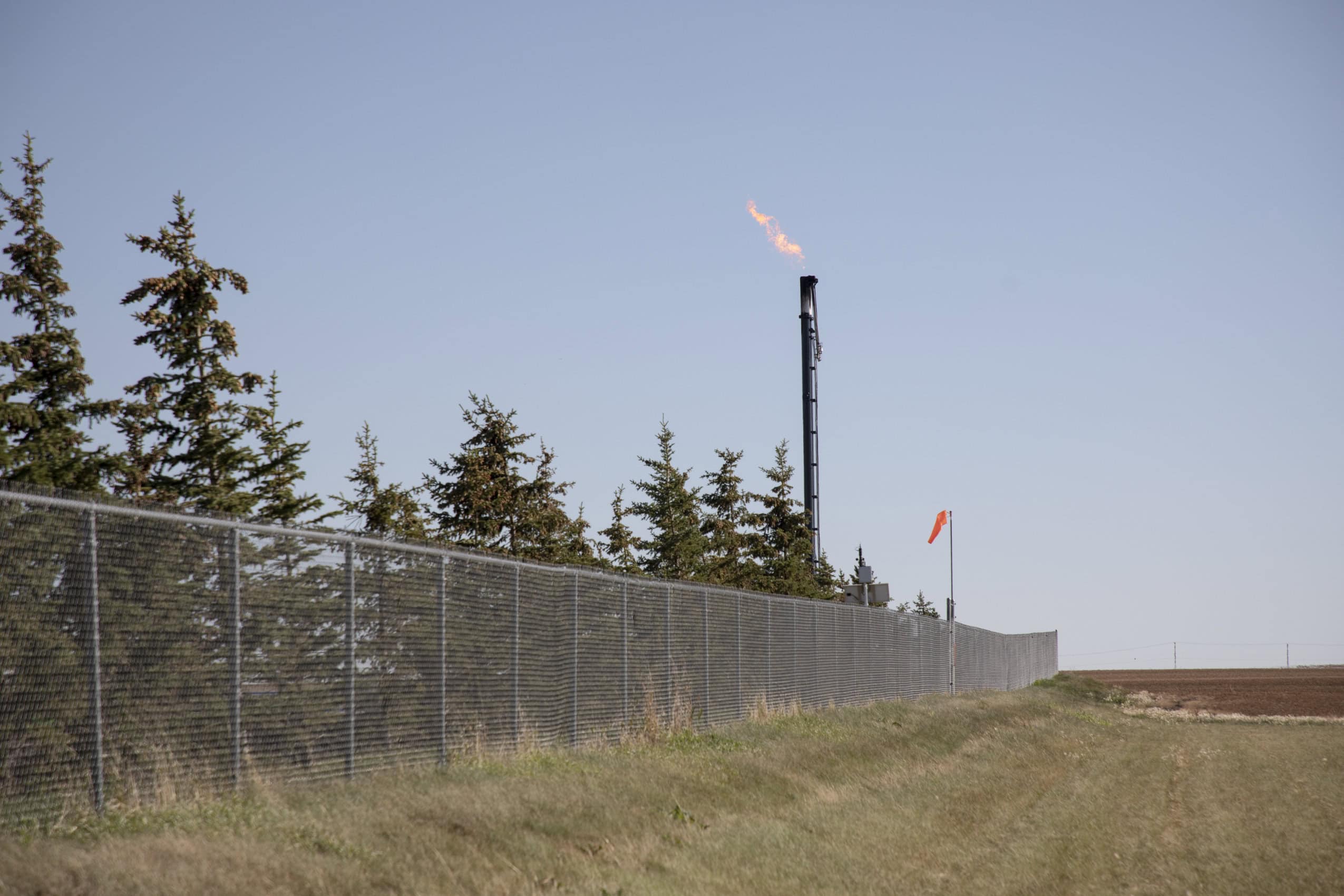
Odours became an issue a couple of years after the waste disposal facility started operating, according to Delamont and Armstrong. They say calls to Secure haven’t always yielded much of a response.
“Occasionally, Secure will say they are having something going on and that they will remedy it,” Delamont says. “It’ll get better for periods of time, but then the smells come back.” Secure did not directly respond to a question about its response to residents’ concerns.
When calls to the company failed to fix the issue, residents have called the BC Energy Regulator or the Ministry of Environment. But often, odours waft away or the wind direction changes, meaning incidents are over by the time inspectors arrive, residents say.
“We have had a couple of times where [a BC Energy Regulator employee] came out and went, ‘Yep, we can smell it.’ But then we still haven’t heard, what was that that we smelled?” Delamont says.
Armstrong’s calls to the regulators ebb and flow. Sometimes, he calls again and again. Others, the lacklustre or non-existent response gets him so frustrated he stops reporting the incidents at all.
Both he and Delamont have been left feeling that neither the ministry nor the regulator have much ability or interest in enforcing the rules they oversee.
“I get the impression of feeble attempts,” Armstrong says.
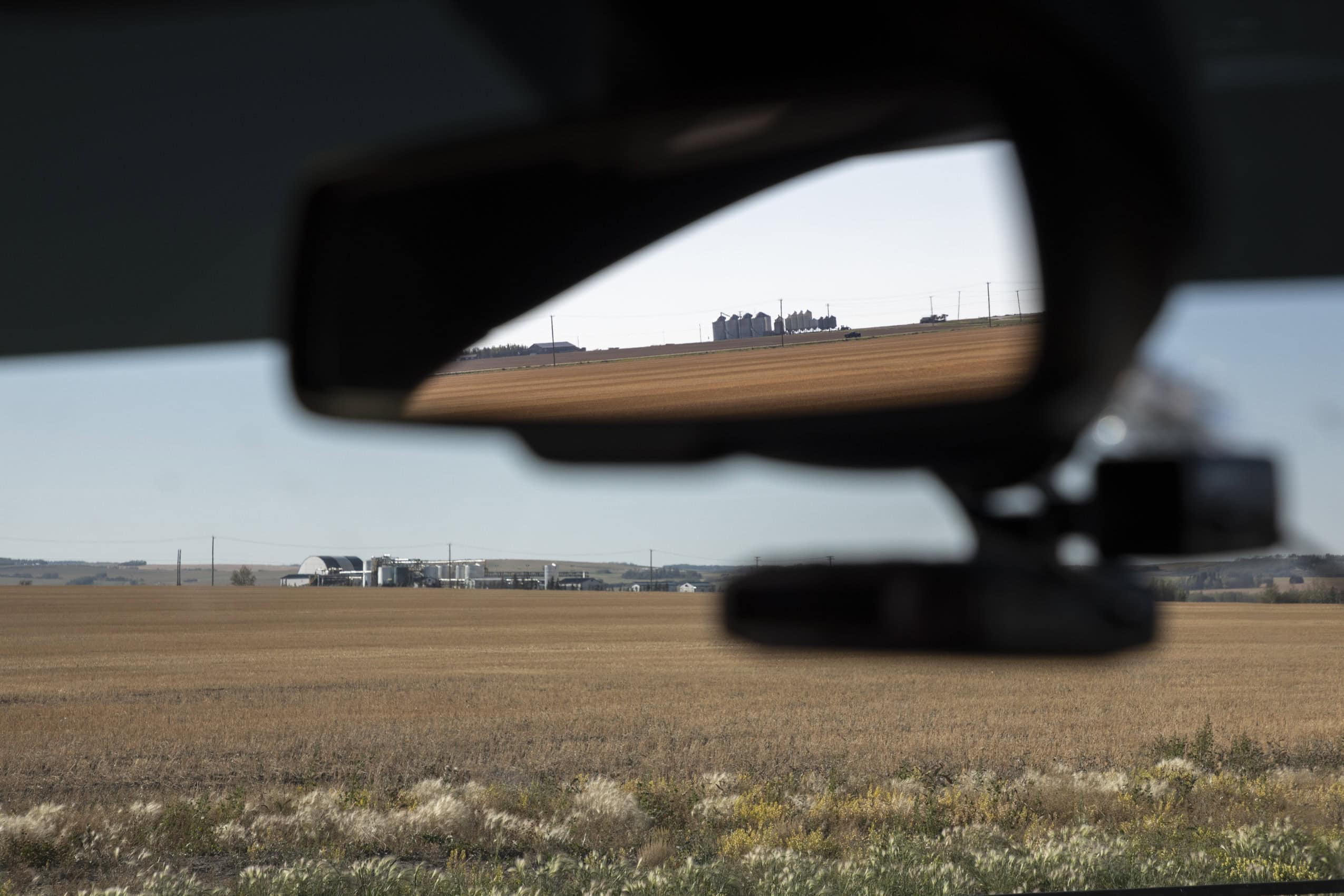
In an email, the ministry reported receiving a total of 36 complaints about Secure’s waste disposal facility since 2017. The BC Energy Regulator says it “has taken sustained and escalating action to manage odour complaints associated with” the facility, including increasing the number of inspections and, in 2024, ordering Secure to identify and mitigate odours associated with its operations. According to the regulator, the company found multiple potential odour sources at its site, including from solid waste, processing and ventilation equipment, and trucks offloading waste products. In an emailed response to The Narwhal, the regulator said Secure’s report in response to the order confirmed “existing engineered and administrative controls are in place” and that the company had taken additional steps to mitigate odours.
“There’s waste in every industry but how we deal with it is important,” Delamont says. “We like to say that Canadian energy is the cleanest and we have lots of regulations, but then you have a waste facility that seems to not be as regulated as you would expect.”
‘If you’re not being penalized for not following regulations, are you going to change?’
In June 2024, there was an explosion at the Secure facility in which two workers were injured. That October, the company was fined more than $42,000 by WorkSafe BC for failing to take precautions before proceeding with welding work near flammable chemicals.
In December 2024, the Ministry of Environment and the BC Energy Regulator conducted a joint inspection of Secure’s waste disposal facility to determine whether Secure was complying with its permits and B.C.’s Hazardous Waste Regulation. Several Secure employees, including the facility manager, were on site.
The regulator seemed satisfied, issuing an inspection report in March 2025 that found Secure was complying with the relevant parts of the Energy Activities Act, which governs oil and gas and other energy-related industries.
The Environment Ministry on the other hand, was not as content. The same inspection led it to write a warning letter to the company outlining several compliance failures and incomplete paperwork.
“Secure is not taking reasonable measures to identify all hazards associated with the hazardous waste” before proceeding with disposal, the Environment Ministry’s letter stated.
The letter also noted the facility did not have an approved spill containment system or contingency plan and it was unclear if the plan for how to safely close the facility had been approved.
The facility’s groundwater monitoring program “fails to detect potential impacts to groundwater,” according to the letter, which notes issues dating back to 2011. Despite recommendations from the ministry, “Secure has not proposed an alternative program that determines if the groundwater has been affected by leakage or leachate,” putting it out of compliance with the Hazardous Waste Regulation. Since 2020, the facility’s annual reports have stated groundwater monitoring was not done because the wells it used to collect samples were dry, according to the ministry.
Documents show on two occasions, the Secure facility accepted tens of thousands of litres more toxic waste than its licence allowed — more than 50 times the 500-litre maximum. Secure did not respond to a question about these occurrences.
Another item on the warning letter raised questions about whether the company was complying with rules regarding emissions. Secure had decommissioned two pieces of equipment it was permitted to use to treat waste and installed two new boilers not authorized under its permit. The letter says ministry staff could not determine whether the new equipment complied with emissions regulations and directed the company to check and confirm.
The ministry did not issue a fine or other penalty for the equipment lacking permits.
One year later, it’s unclear what steps the company has taken to bring its facility into compliance with provincial laws and regulations and clear up the murky paperwork. The company did not respond to questions about its response to the warning letter.
“Secure was instructed to verify their permit aligns with Hazardous Waste Regulation emission specifications,” the Environment Ministry said in a statement to The Narwhal. Because of last year’s findings, the facility “will be prioritized for reinspection in the next fiscal year.”
Armstrong can’t understand why provincial authorities have not taken more action to ensure a facility handling toxic waste is complying with all requirements under the law.
“If you’re not being penalized for not following regulations, are you going to change?”
Politicians say there’s no evidence anything is wrong with Secure’s operations
Disappointed and frustrated with the response from regulatory authorities and the company, Delamont, Armstrong and some of their neighbours have contacted their elected representatives about their concerns.
Local MLA Larry Neufeld is the BC Conservative Party’s critic for oil, gas and liquefied natural gas (LNG) and worked in the industry for decades.
“I have met with the company on numerous occasions, I’ve met with the landowners on numerous occasions and I know that there are significant mitigation efforts and measures in place,” he says. “That being said, I’m not discounting the concerns from the landowners.”
Neufeld called the situation “very unfortunate,” adding that — like Armstrong and Delamont — he has found most companies working in the Peace region’s oil and gas sector are responsive to residents’ concerns.
In its email to The Narwhal, Secure included documents outlining actions “to mitigate odour concerns” at the facility, such as installing additional equipment, filters and deodorizing materials. On June 1, 2025, the company said it installed new infrastructure to capture vapour from part of its site and send it to a unit designed to neutralize odours. After receiving an odour complaint in October 2025, the company said it investigated and concluded the smell was related to a product being used to clean concrete at the site because that work was being done at the time the complaint was made. “Secure immediately acted and switched suppliers of the degreaser to a less odourous product,” the company wrote.
Secure’s efforts to address residents’ concerns also included offering to install an air-quality monitor on Delamont’s property to measure methane, hydrogen sulfide, volatile organic compounds, wind direction and temperature, Neufeld noted — an offer her household declined.
Armstrong did accept an air-quality monitor from the company several years ago. He periodically checks the data collected online and doesn’t think it’s been working properly.
“It was not picking up anything other than wind direction,” he told The Narwhal. “The sensors for picking up carbon dioxide and sulfur dioxide and hydrogen sulfide were just flat lines, so I knew they weren’t working.”
Part of the problem, he says, is that it isn’t maintained. After Secure installed it about six years ago, he does not recall it being checked by the company until earlier this year.
“I have worked in the oil field myself and worn personal air monitors and they have to be calibrated and bump-checked every day,” Armstrong says.
The company did not respond to questions about Armstrong’s concerns about the air quality monitor on his property, but did say that air quality testing conducted by a third party at the facility found concentrations of volatile organic compounds, benzene and hydrogen sulphide were “below applicable regulatory and health-based guidelines.”
Armstrong says he appreciates that Neufeld will listen, even if the conversations have yet to result in much action. He’s less appreciative of the way Energy Minister Adrian Dix responded to a letter he, Delamont and several of their neighbours sent late last year.
Dix’s letter acknowledges residents’ concerns, which the minister said he discussed with Neufeld in early December 2025. It also outlines the BC Energy Regulator’s “comprehensive compliance approach” to the facility, which the letter says includes enhanced weekly inspections focused “specifically on odour-related concerns.”
“The province remains committed to ensuring that industrial activity does not compromise public health or rural livelihoods,” Dix wrote. “We will continue working in close collaboration with the BC Energy Regulator to maintain robust oversight and ensure ongoing regulatory compliance.”
“It was a political response, in my opinion — didn’t really say much,” Armstrong says.
The minister’s letter was copied to the regulator’s chief executive officer and commissioner Michelle Carr, with directions to respond to specific issues outlined in the letter from residents.
“When you’re concerned about something and everybody else around you seems to be like, ‘Well, no, it’s not that big of a deal,’ that causes undue stress,” Delamont says.
‘I don’t know where I would go’
After years of calls and letters, Delamont and Armstrong want B.C. authorities to answer one big question about Secure’s waste disposal operation: What are we smelling?
“It’s frustrating not knowing what’s in those emissions,” Armstrong agrees. “If it gives you a wicked headache, it can’t be good for you, in my opinion.”
While neither has been told to evacuate as a result of Secure’s operations, both Delamont and Armstrong say their families have chosen to leave their homes on occasions where the smells have been especially intense. Both worry about the effect the odours — and whatever chemicals or chemical reactions cause them — may be having on their horses and other animals, which aren’t easy to move.
After receiving an initial response from Secure, The Narwhal followed up with detailed questions, including about what it is that the residents are smelling. Secure did not respond with this information.
“Secure remains committed to responsible operations and to working constructively with regulators and community members regarding the ongoing operation of the facility,” a representative from the company said via email.

Armstrong has considered leaving the home and business he built from the ground up. “It’s crossed my mind, but the thought of starting over … I don’t know where I would go,” he says. “But you wonder what your health is doing too. I’m torn on that one, and it’s frustrating.”
Delamont and her husband have also considered leaving the property where they once planned to spend their retirement years. Their enjoyment of the wide-open spaces has been marred.
“We’ve thought recently about moving, trying to find somewhere away from Secure that we can relax a little bit more and not worry about our health and surroundings,” she says. “It’s supposed to be, ‘Oh, you live in the country, you get to breathe fresh air!’ Not always.”