

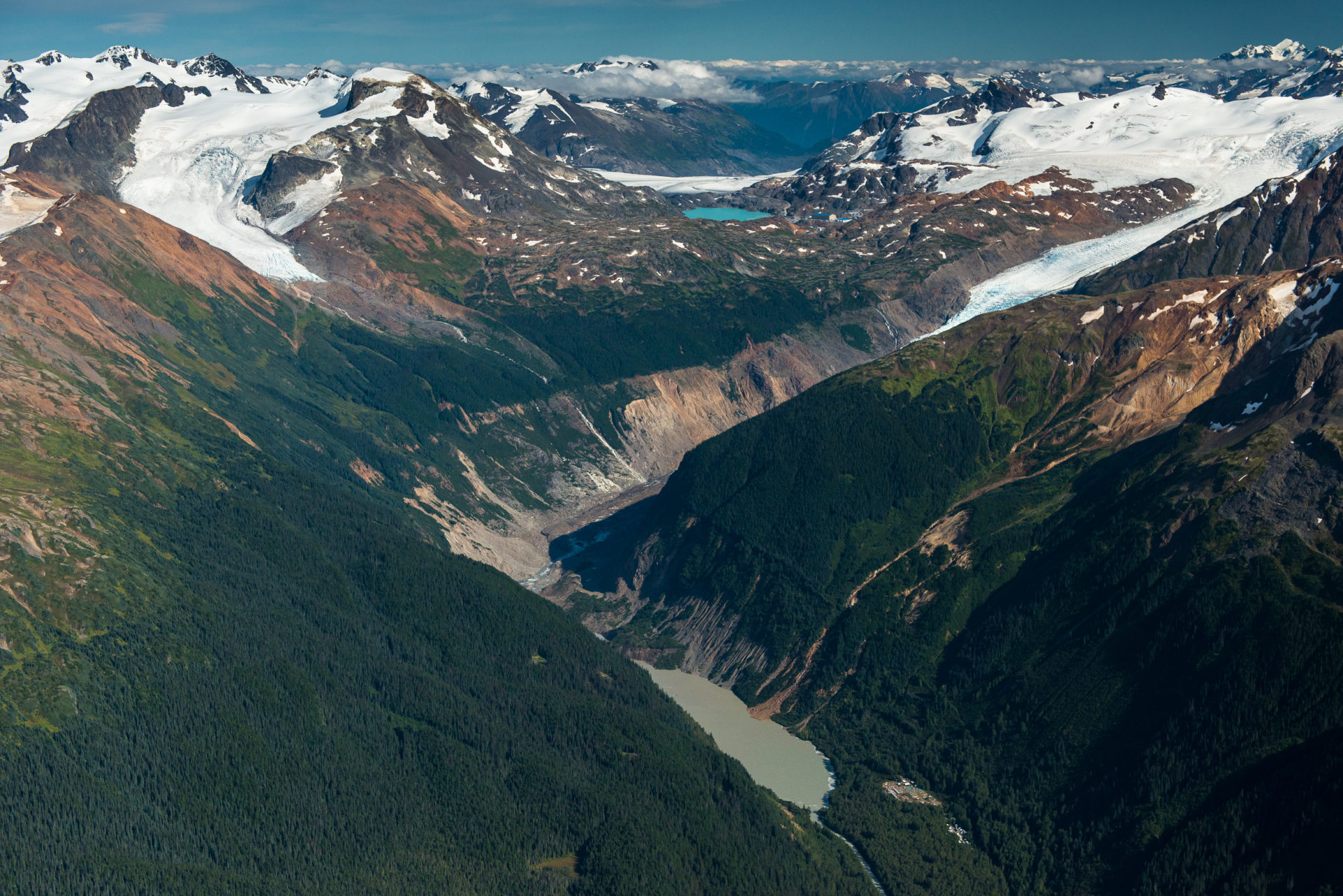





Canada and the United States share an 8,891 km long border that touches three oceans. Countless rivers and lakes over 12 different watersheds are shared between the countries, and the effects of industrial activity on one side of the border is bound to have effects on the other.
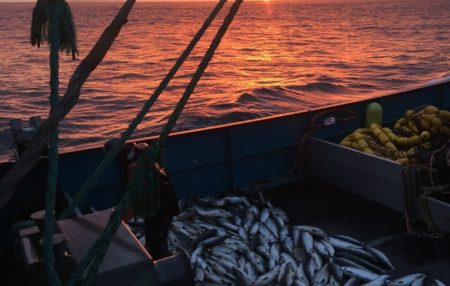
Long-held perceptions of Canada as a country with strict environmental standards and B.C. as a province that values natural beauty are taking a near-fatal beating in Southeast Alaska, where many now regard Canadians as bad neighbours who are unilaterally making decisions that could threaten the region’s two major economic drivers — fishing and tourism.
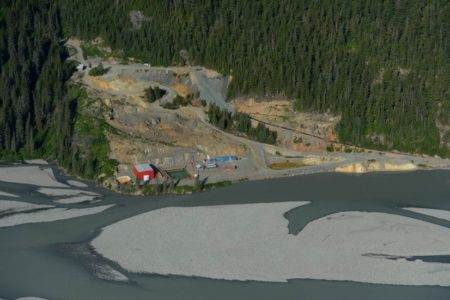
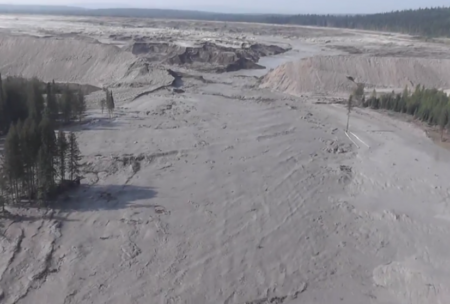
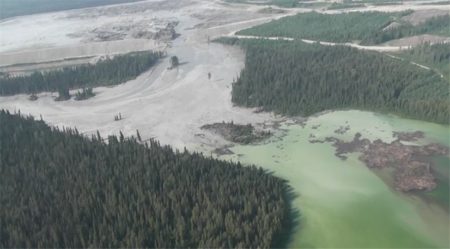
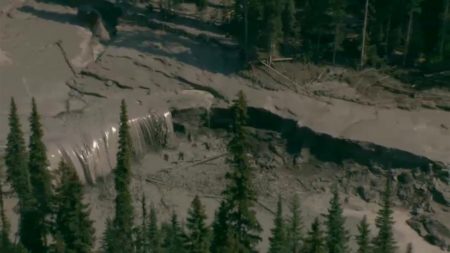
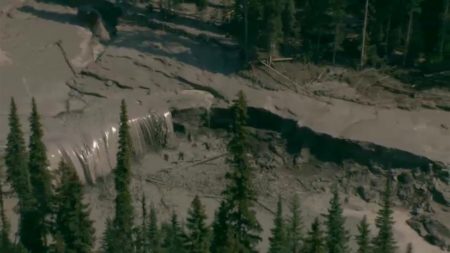
Canada is increasingly viewed as a “bad actor,” whose record — most recently illustrated by the Mount Polley mine tailings dam collapse — shows the province’s environmental regulations and oversight are not strong enough to protect downstream communities. Acid rock drainage from the Tulsequah Chief mine still leaches heavy metals into the Tulsequah River, which flows into Alaska.
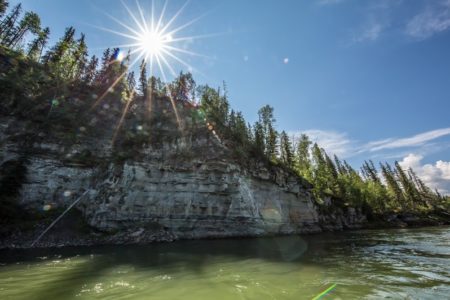
The Columbia River watershed has become a flashpoint as well, with expanding coal mines in Canada polluting upstream waters with selenium before they dip into the U.S. That ongoing pollution has led to rifts in the International Joint Commission, which oversees the management of shared waters.
The Narwhal is covering these transboundary tensions and more; read on to see our most up-to-date work.
 4 min. read