



 11 min. read
This story is part of Generating Futures, a series from The Narwhal exploring clean energy sovereignty among B.C. First Nations.
Summary
- West Moberly First Nations has limited access to fresh foods, due to long supply chains, cold winters and environmental contamination that has made many traditional foods unsafe to eat.
- The First Nation believes a greenhouse could boost food security and food sovereignty, and plans to tap a geothermal reservoir — which holds scalding hot water buried deep underground — to heat it.
- Their geothermal project could be the first of its kind in the province, which boasts major geothermal opportunities but has no commercial-scale projects in operation.
We’re trying out staff-written summaries. Did you find this useful?
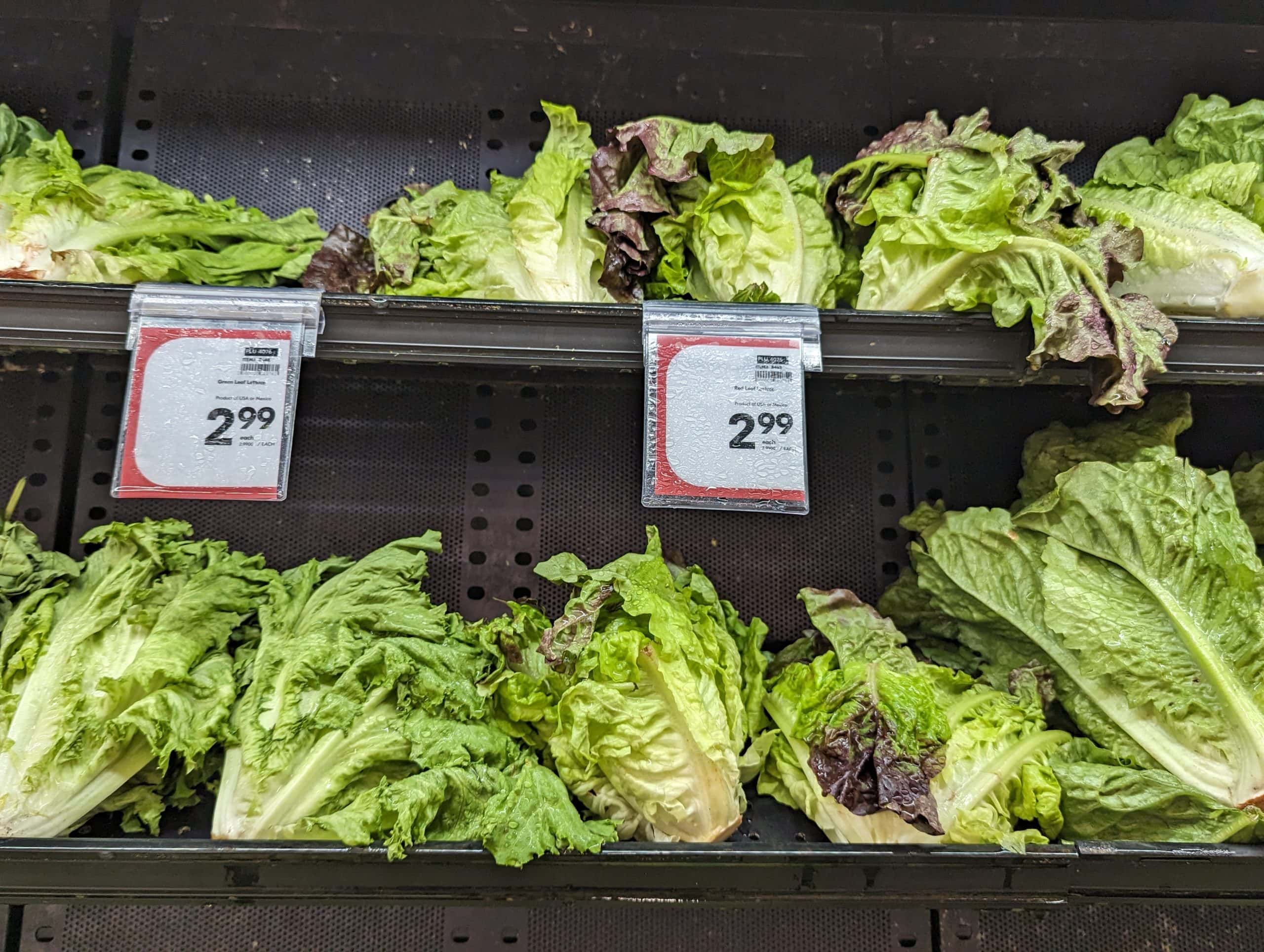
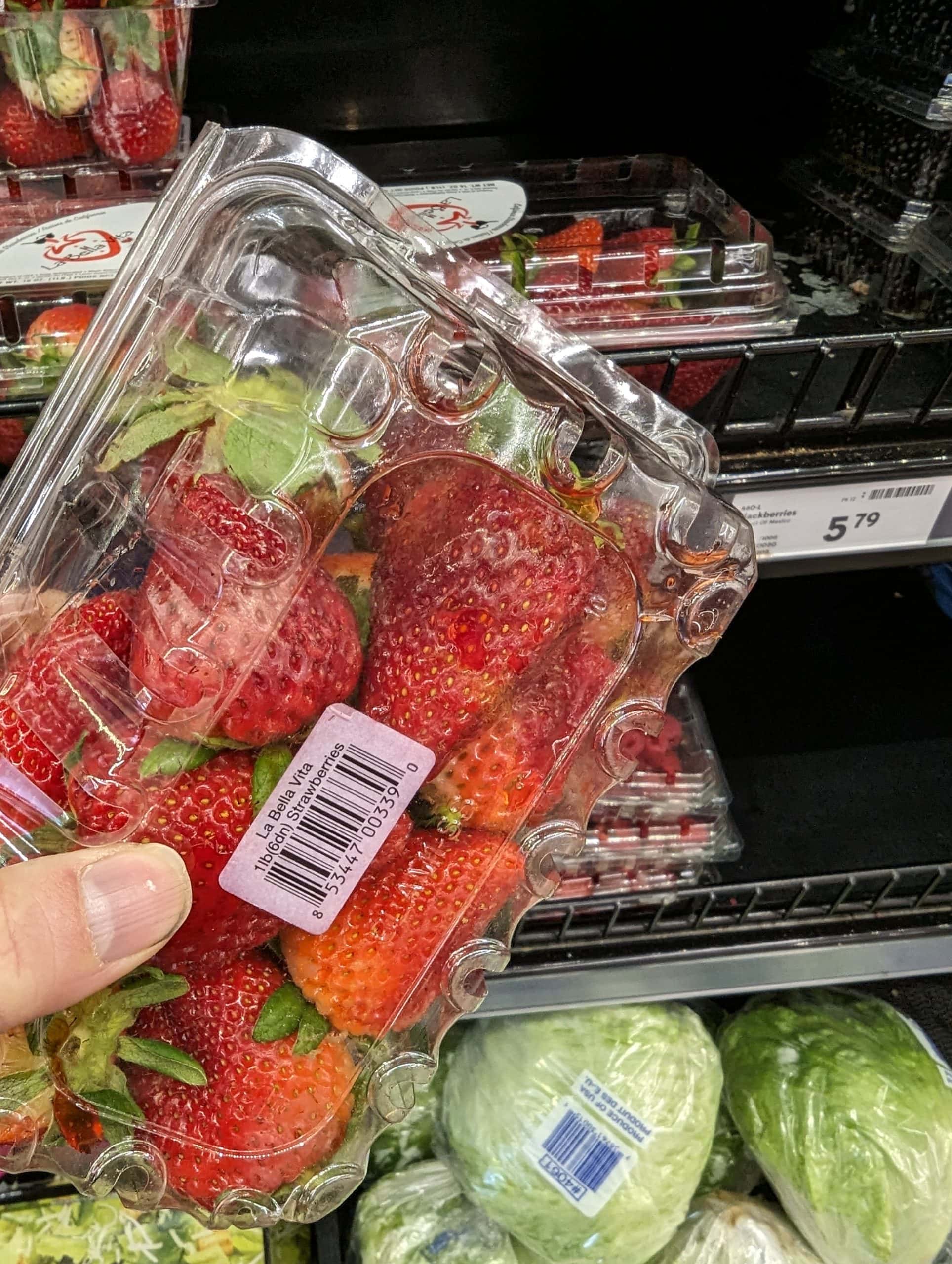
Moldy strawberries, wilted lettuce. A forlorn cauliflower pocked with brown. West Moberly First Nations Councillor Clarence Willson jokes that produce available in nearby stores is sometimes “compostable” before it hits the shelves.
That produce arrives by way of a very long supply chain, and their northeastern B.C. territory, a three-and-a-half hour drive northeast of Prince George, is often the end of the line. And thanks to the compounding effects of hydro dams, seismic lines for oil and gas, forestry and coal mines, traditional foods the nation has long harvested or hunted have grown increasingly scarce or unsafe to eat.
“We have to start looking at how we sustain ourselves,” Chief Roland Willson of West Moberly First Nations says. “Not just West Moberly, but the people in the northeast.”
“The idea of the greenhouse is, to me, where I think we have to go.”
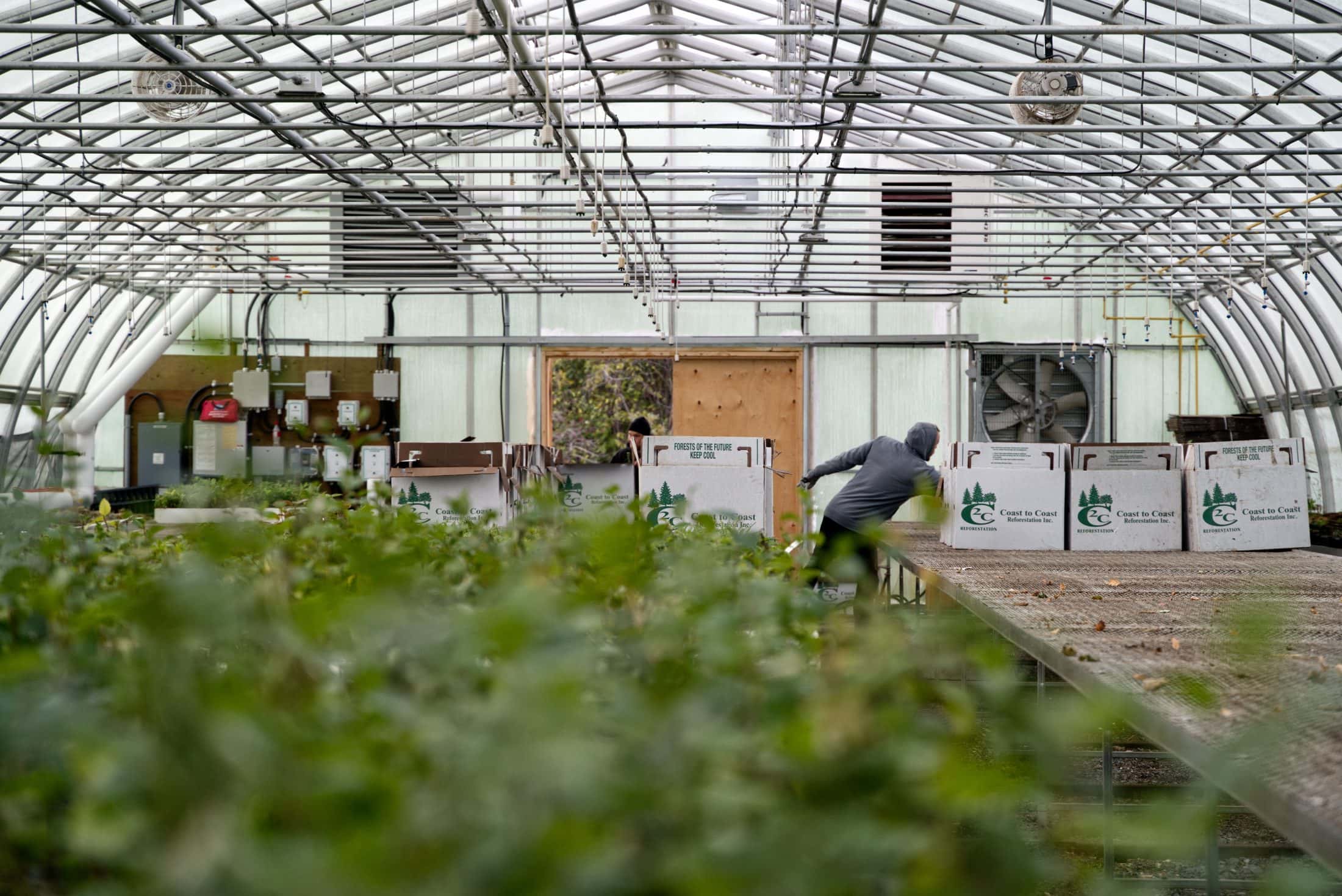
Growing fresh food year-round in greenhouses could improve food security in the community and across the region, but it would take a lot of energy, too. Fortunately, the First Nation has a serendipitous asset buried deep underground: scalding hot, salty water.
Thanks to B.C.’s lively tectonic faults, it has an abundance of this underground water, a key ingredient in what’s known as conventional geothermal energy. Hot water is pumped to the surface, using tools like turbines and heat exchangers to generate renewable electricity or direct heat. Elsewhere, companies are working to design so-called “unconventional” geothermal technologies to extract the earth’s heat from places without such reservoirs, but the drilling required makes it much more costly. B.C.’s geothermal opportunities, in other words, are a relatively low-hanging fruit — one that could literally yield fruit, and other fair-weather crops like tomatoes and peppers, even in winter’s subzero temperatures.
“British Columbia has a world-class geothermal resource,” says Emily Smejkal, a geologist and policy lead for the Cascade Institute’s geothermal energy office. “We’re just not using it.”
Geothermal energy supplies consistent power, making it similar to the hydro dams and natural gas B.C. currently relies on.
If the nation’s project succeeds, the West Moberly direct heat geothermal greenhouse project would be the first of its kind in Canada. Such innovation brings risks to its trailblazers, but Clarence, a longtime lead on the geothermal project, says the potential outcomes are worth it.
“When we learned about this geothermal availability, it fit right into our idea of food sovereignty,” he says.
“We want to be in control of our supply of food, knowing what goes into it and what’s good about it.”
Fragmented food systems have impacted food security, territory
Fresh food used to be abundant in West Moberly’s territory.
“If you needed meat, you’d go to the mountains and get yourself a caribou,” Roland says. Fish came easily, too: rivers were once plentiful enough that you could catch them by hand. The nation’s members travelled throughout their territory with the seasons, maintaining balance and keeping their impacts in check.

Over a century ago, Canada signed Treaty 8 which promised signatory First Nations would retain the right to hunt and fish as they always had.
But that’s not what happened.
To supercharge resource extraction in the north, former premier W.A.C. Bennett dammed the Peace River, bisecting the once-expansive migration of transient caribou that fortified the residential herds. “Caribou that roamed throughout the territory got fragmented down into these small, little pockets,” Roland says, “and then wolves came in.”
Wolves and other predators made use of roads — and seismic and power lines etched across the territory, offering them an easy-access escalator to the caribou’s mountain hideaways. As logging and mining further depleted caribou habitat, the herds plummeted. In 2014, the nation launched a breeding pen program with the Saulteau First Nations, and yet herds remain in critical condition.
Other foods suffered, too: moose and elk populations fell, thanks in part to habitat loss and to new hunting pressure in the caribou’s absence. Berries throughout the territory were sprayed with glyphosate, a chemical now deemed “probably carcinogenic” by the World Health Organization.
For decades, fish remained relatively plentiful — and critical to diminishing food security.
Every year in May, Clarence and his family would gather at a special spot along the Crooked River to fish for char, sometimes setting up barbecues to cook by the river as they worked. But worries began to surface, thanks in part to a sign in the Hudson’s Hope post office warning of elevated mercury levels in the Williston Reservoir. The nation knew that fish travelled through the reservoir, and initiated a study in 2015 to determine whether they were safe to eat.
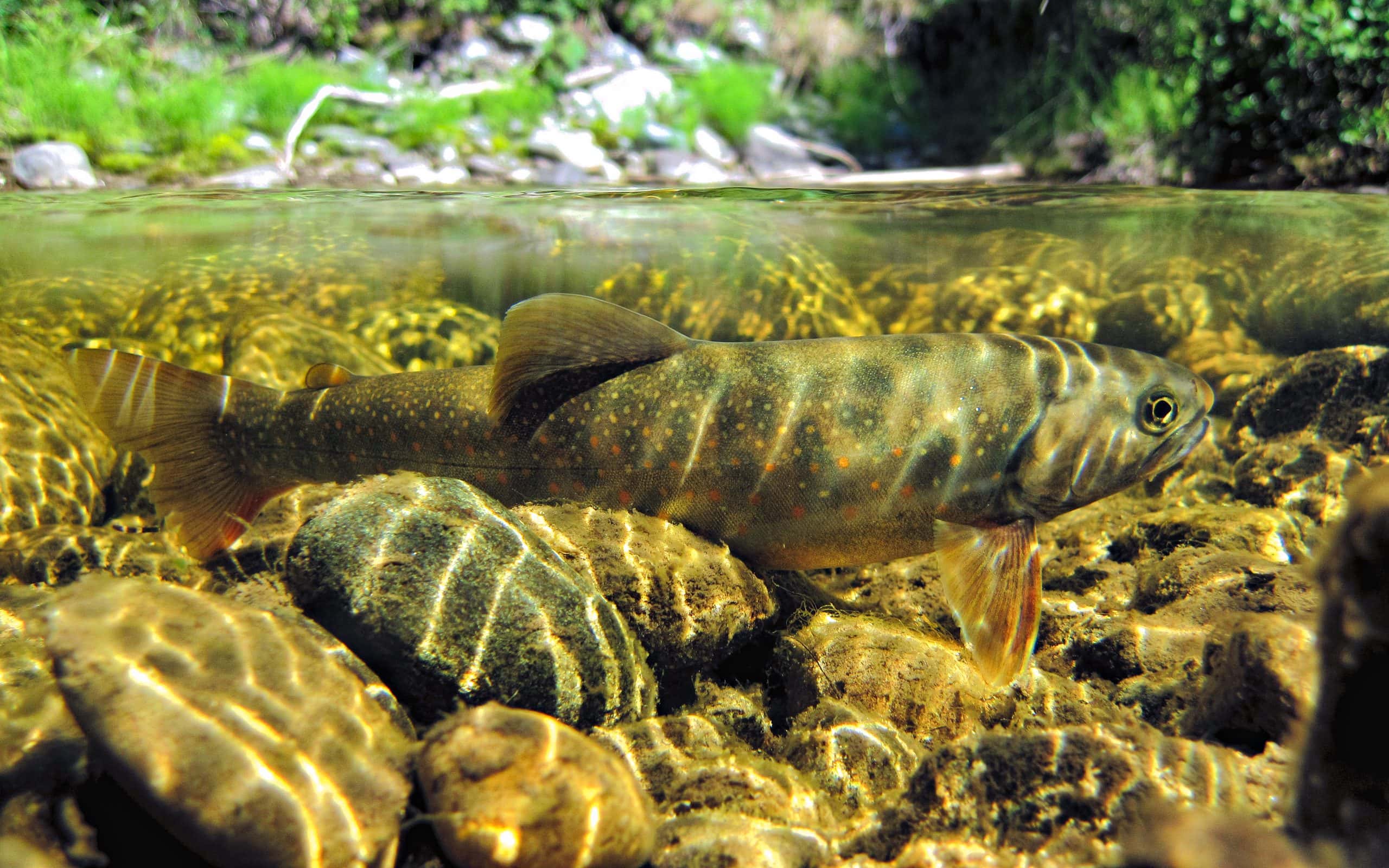
“I was in tears when we got the results back, because I knew my family had been eating those fish for years,” Clarence says.
Ninety-eight percent of the samples had mercury concentrations above B.C.’s health guidelines. Women of childbearing age could safely eat only a Hershey’s Kiss worth of fish every other day.
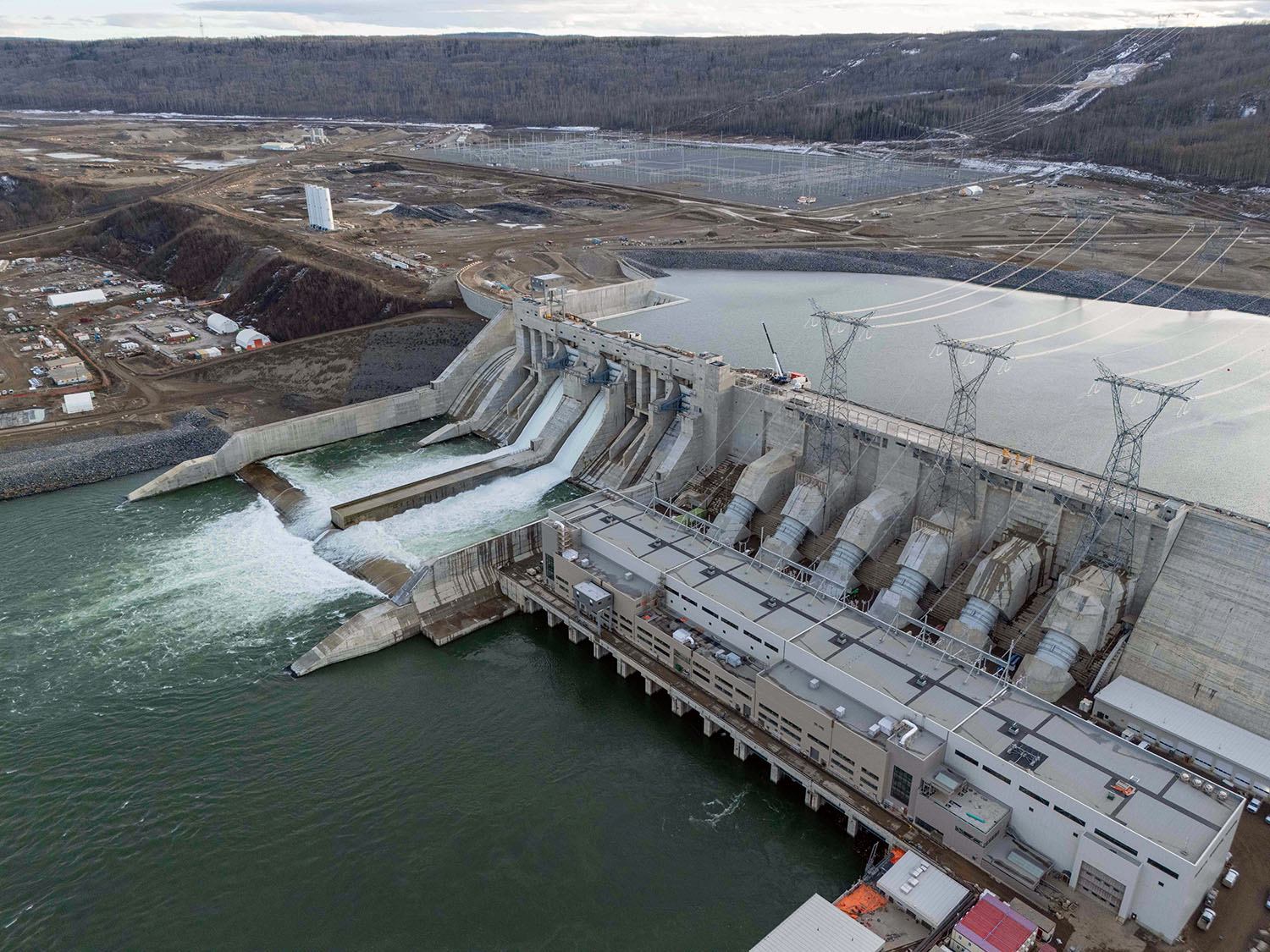
Before it was flooded, the community learned that BC Hydro’s new dam project, Site C, would bring mercury contamination closer to home. The reservoir is downstream of the Moberly River, which threads through the nation’s territory and flows into Moberly Lake directly facing their community. Just as the Crooked River carried the reservoir’s toxins upstream, the Moberly River is poised to do the same. “A lot of us eat fish directly out of the lake,” Clarence says.
“They went ahead with Site C with the full knowledge that it was going to do the same thing there.”
Clarence added that selenium pollution from nearby coal mines also impacts the region’s watersheds. “All the river networks in our region are affected by something,” he says.
With many traditional food sources depleted or contaminated, West Moberly has taken action over the years to regain access to fresh foods. The nation funded community members to build garden beds, but short growing seasons mean they offer limited respite to a year-round problem.
A greenhouse could bridge the seasons, but West Moberly First Nations has no natural gas service in its community. And according to Michael Keefer, president of the ecological restoration consultancy Keefer Ecological, the added costs of using electricity to power a greenhouse year-round would make the prospect a non-starter.
“It’s very energy-intensive to heat a greenhouse,” he says.
That is, unless the nation has another energy source to draw from.
Energy from an ancient sea-floor
Hundreds of millions of years ago, the earth’s supercontinent broke up along the border of northeastern B.C. and Alberta, turning it — and what would become West Moberly’s traditional territory — into a shallow tropical sea, populated by giant reptilefish.
Eventually, sediment and rock covered it over, leaving little holes underground where that sea-floor had been.
“If that buried sea-floor doesn’t hold air anymore, it holds salty water or oil or gas,” Smejkal says. Known as “brine,” that water is more plentiful than its fossil fuel cohabitants. “Oil and gas are hard to find,” Smejkal says. “Water is actually pretty easy.”
In addition to that ancient sea-floor, B.C.’s geothermal potential also abounds beneath the chains of volcanoes tracing its coast. There, hot water comes from rain that trickles underground through porous rocks, heated by the volcanoes’ pimple-like proximity to the earth’s molten core.
Some B.C. buildings use a geothermal-lite technique called “geoexchange” to supplement their energy needs by heating water in shallow underground pipes, but to date no projects have successfully tapped the potential of deep-buried water.
Glen Clark, chair of the BC Hydro board, told The Narwhal he thinks B.C.’s lacklustre geothermal industry is due in part to an abundance of cheap hydropower and gas. “You’ve got these inexpensive fuel sources that have impaired, in a way, the kind of experimentation you’d have if the price were higher,” he says. But Clark says geothermal is “a really, really important resource,” that could play a key role in B.C.’s energy system in the future.
Producing electricity from underground water is also finicky: it needs to be super hot, at around 120 C. But industrial sites like greenhouses can easily skip the electricity step, using geothermal heat directly in their operations, creating a less risky project. When West Moberly realized the heat in their geothermal resource was ideal for greenhouse conditions, it seemed like an obvious conclusion, Clarence says.
“That’s been a topic we’ve discussed for years.”
Next phase of geothermal project is risky, requires substantial new funding
If all goes as planned, West Moberly’s geothermal greenhouse will bring fresh produce and fish back to the territory.
Using a system known as aquaponics, the nation plans to raise fish in tanks and use their waste to fertilize vegetables in the greenhouse, cutting down on or eliminating the use of synthetic fertilizers.
“The waste from the fish is excellent fertilizer for the greenhouse products,” Clarence says. “They work together very well.”
So far, the nation plans to raise fish like tilapia alongside produce like tomatoes, strawberries, greens and peppers in a 40,000-square-foot greenhouse — enough to provide food for its members and surrounding communities. Keefer is working with the nation to develop a business plan, including reaching out to local grocery stores. He’s confident their products will be in high demand — as long as everything goes according to plan.
Even though the project is designed to produce a more forgiving form of direct heat, the enterprise still brings risk. “For our project, flow is our big worry,” Ben Lee says. He’s an operations engineer and heat transfer specialist with Calgary-based company Raven Thermal Services, which is helping to design the geothermal project with the nation. If the company doesn’t find enough water in the reservoir it targets, it won’t be able to bring enough heat to the surface, and may need to drill farther into the rock to access it, upping the project’s costs.
Lee says they chose to locate the project next to an abandoned oil and gas well near the community, which can serve as a pre-drilled test plot to assess subsurface conditions they might encounter. This is among the many conservative decisions made, Lee says, to reduce risks inherent in the project. “When you’re talking about a community-based project, risk management becomes absolutely critical.”
Having received early feasibility funding from federal and provincial governments, the project now requires substantial new funding to take on the next big step of drilling the hole to determine how much water is there.
In countries where geothermal energy has boomed, Smejkal says that risk-taking has often been a shared enterprise. For example, in what’s known as the “glass city” — the Westland region of the Netherlands — geothermal-powered greenhouses produce food for distribution across Europe. There, governments agreed to help compensate for the cost difference between geothermal power and natural gas, and offered an insurance program to reduce risks for geothermal projects. By removing the consumer carbon tax and failing to provide consistent support for geothermal energy, Smejkal worries Canada is heading in the opposite direction.
Clark sees a role for the utility to advance geothermal in the province and help to reduce risks for developers. But, he warns, it faces competing demands for funds and time, including major substation investments to replace aging infrastructure. He says he wasn’t aware of West Moberly’s geothermal greenhouse project, but added that the utility generally enters into equity agreements with First Nations to share ownership of the energy system, like transmission lines, “as opposed to more historic reparations.” He added that he didn’t know enough about the mercury issues related to Site C to comment on them.
Speaking to The Narwhal from his home alongside Moberly Lake, Clarence says those responsible for the community’s collapsing food system are indebted to help.
“Some of these people that are poisoning our food supply, they should help us with trying to have good food here,” he says.
Generating Futures is made possible with support from the Real Estate Foundation of BC. As per The Narwhal’s editorial independence policy, no foundation or outside organization has editorial input into our stories.
Updated on March 9, 2026, at 6:53 a.m. PT: This article was updated because a previous version incorrectly attributed a quotation to Roland Willson in a caption. The quotation has been deleted from the caption, but remains unchanged in the story’s main text, where it is correctly attributed to Clarence Willson.