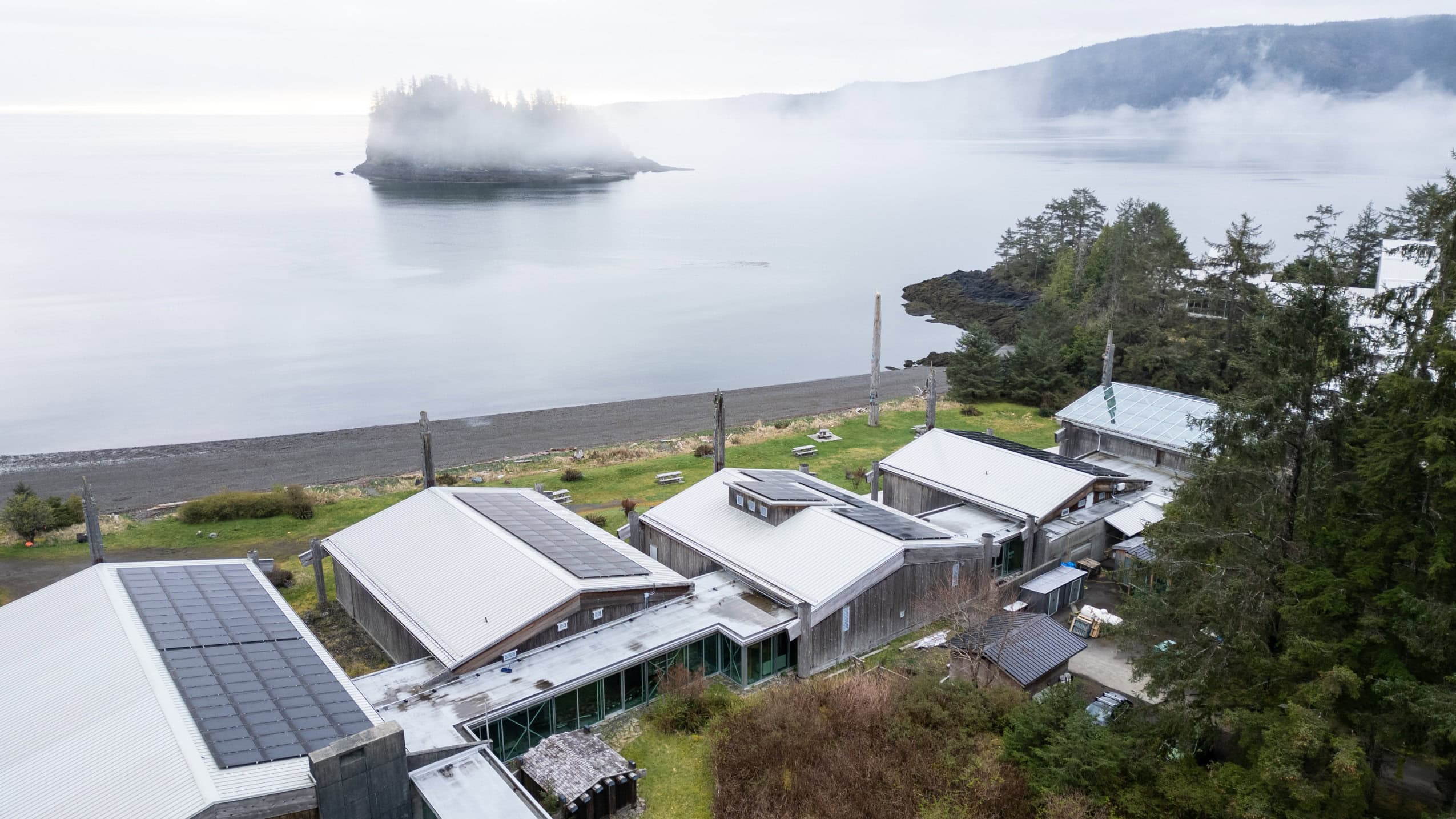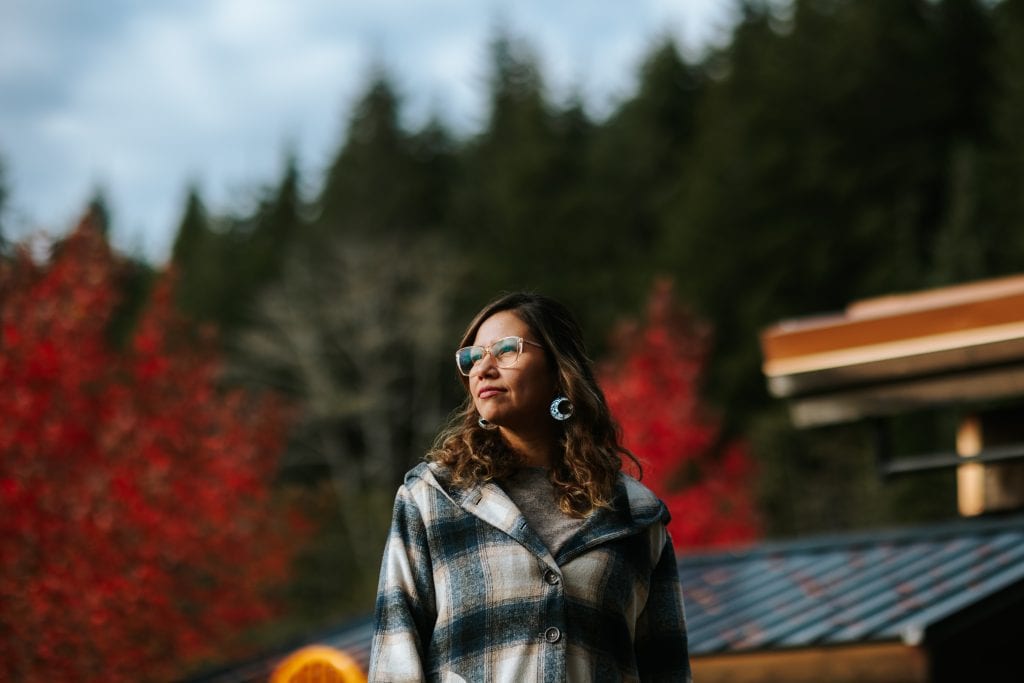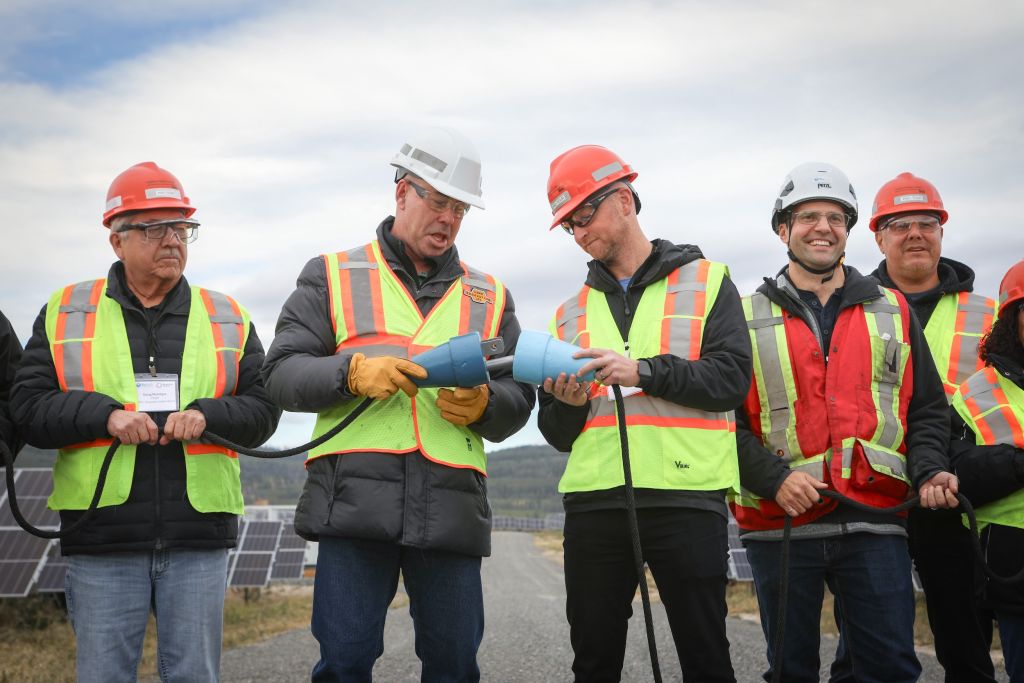

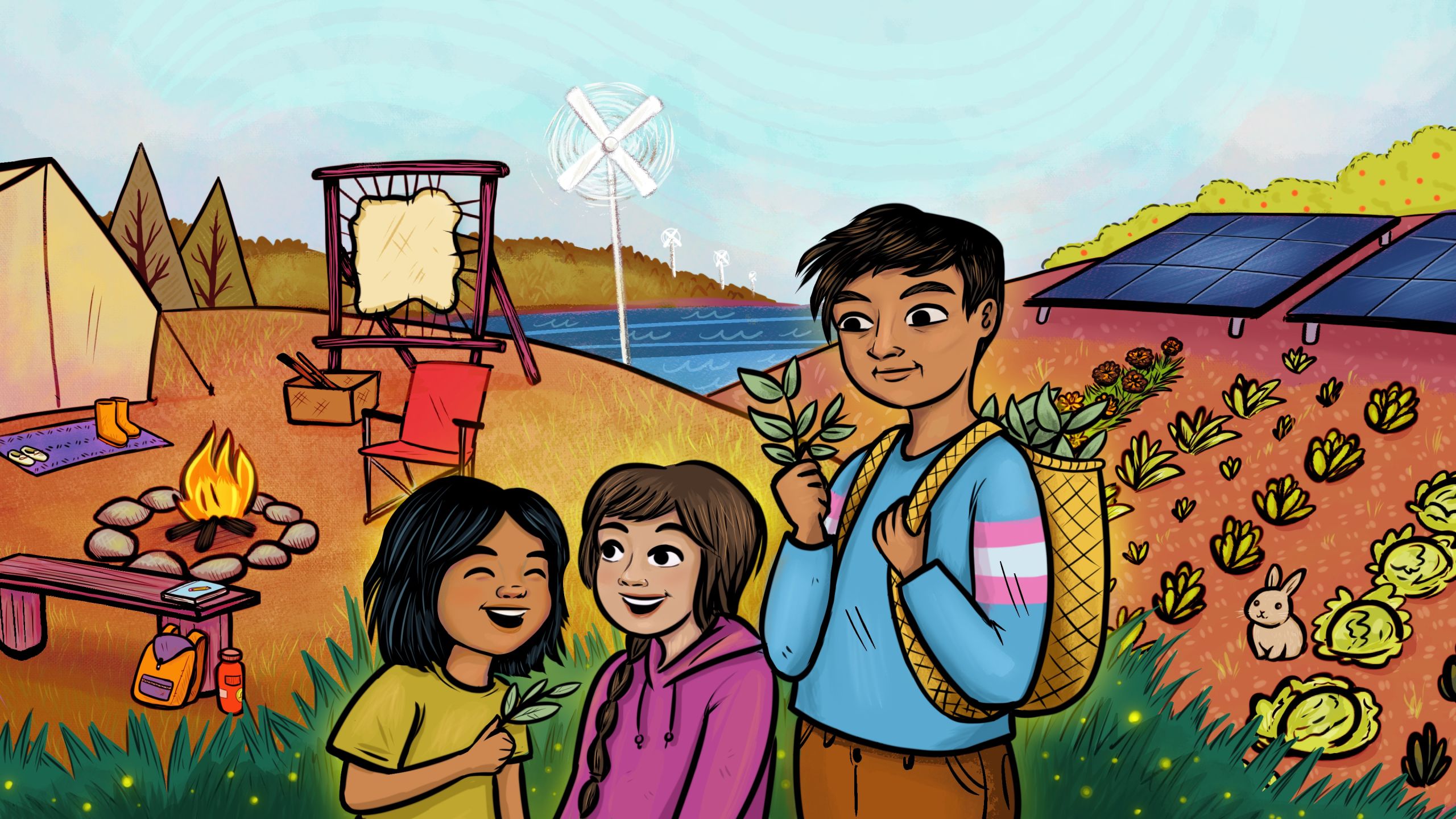
In B.C., dozens of First Nations communities are not connected to the provincial electricity grid, relying mainly on diesel generators for power. Others are reliant on the fossil fuel industry for both power and jobs, putting them in a precarious economic position amid a necessary energy transition. But a growing number of First Nations-led initiatives are responding to both increasing recognition of Indigenous Rights and sovereignty, and the urgency of developing sustainable power sources that balance community needs with environmental concerns. From hydrogen to solar, geothermal to wind, First Nations are leading the development and implementation of sovereign energy solutions and infrastructure for their communities.
This series explores the ways First Nations are harnessing alternative power sources through a place-based approach. How does the landscape offer opportunities or limitations for generating power? How do the traditional laws and protocols of the nation shape their approach? What are the long-term concerns and considerations of the nation, in the context of a changing climate? And what can other Indigenous and non-Indigenous communities learn from their journeys?

Generating Futures is made possible with support from the Real Estate Foundation of BC. As per The Narwhal’s editorial independence policy, no foundation or outside organization has editorial input into our stories.