

 6 min. read
This story is part of Generating Futures, a series from The Narwhal exploring clean energy sovereignty among B.C. First Nations.
Summary
- Directional gatherings hosted by Indigenous Clean Energy strengthen relationships for Indigenous energy leaders across Canada.
- Indigenous communities are central to Canada’s energy transition, and renewable projects on reserves and traditional territories quadrupled between 2009 and 2020.
- Five gatherings hosted across Canada brought approximately 200 people together in different regions.
We’re trying out staff-written summaries. Did you find this useful?
When most people think of an energy conference in Canada, they probably imagine people dressed in suits, seated in rows of chairs under fluorescent lighting, looking at a PowerPoint presentation.
Well, not this gathering.
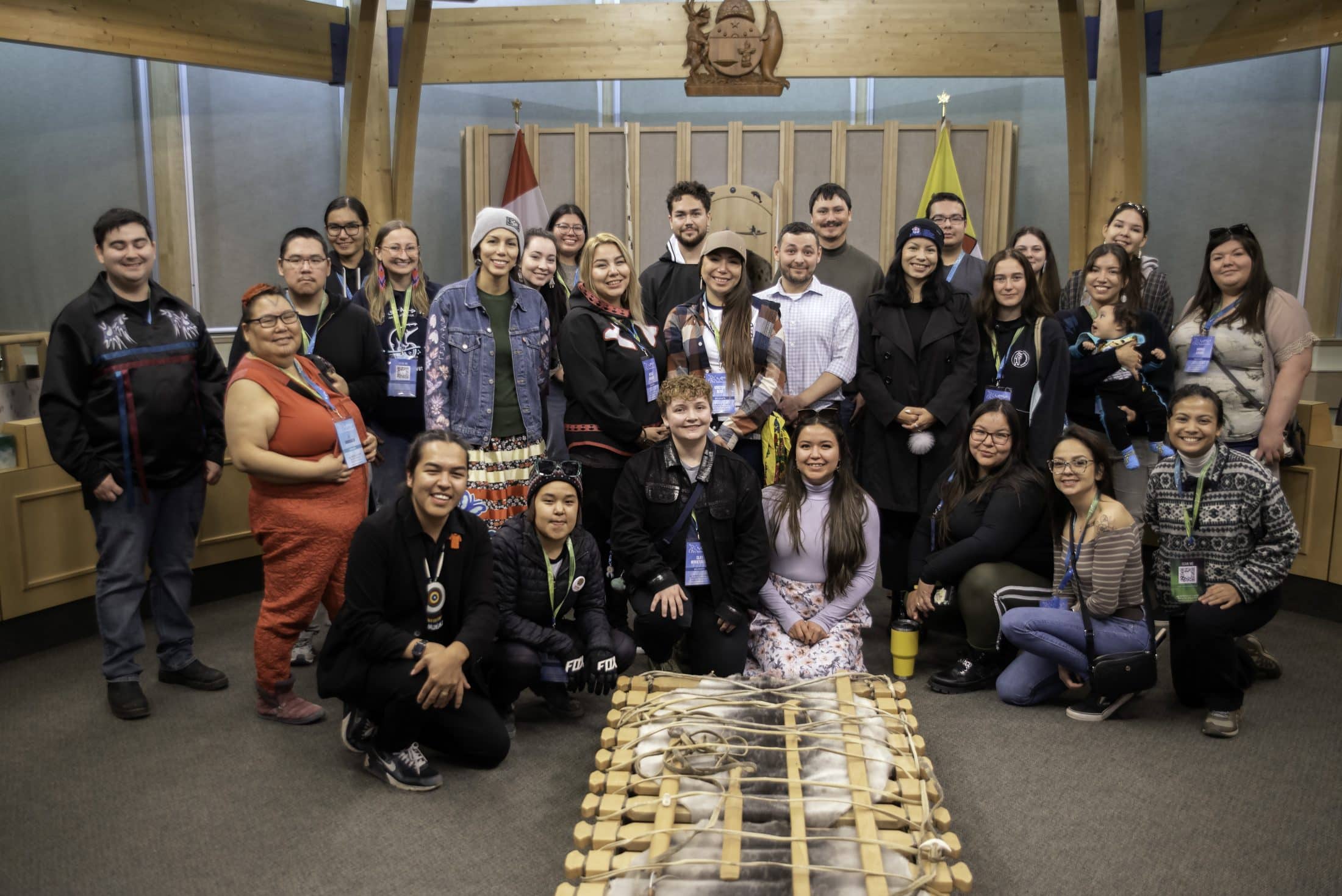
Indigenous Clean Energy’s directional gatherings are a special place in the energy industry. They prioritize wellness, time on the land with local Indigenous Elders and connecting with one another outside of panels or breakout sessions.
“For me it’s super important to make sure that we bring [wellness] forward, and make it normal for people when they are attending gatherings,” organizer Danika Crow told The Narwhal.
“With wellness you gotta make sure people are healthy, right? To focus on and build clean energy projects, [wellness] is one of our goals out of these gatherings,” she said.
Crow, who is from Big Grassy River First Nation in northwestern Ontario, is the wellness and gatherings manager for Indigenous Clean Energy, a non-profit organization that delivers capacity-building programs for Indigenous people and communities across Canada who are looking to develop energy projects.
“Past cohorts wanted more connection to the land, and more culture, so I think that’s what we brought them with the directional gatherings. Taking the whole day to … build connections with each other on the land, and to learn about the different territories we’re on and their culture,” Crow said.
Indigenous Clean Energy has hosted gatherings in five directions: Iqaluit, representing the north, Fredericton, representing the east, Manitoulin Island, Ont., representing the south, Nanaimo, B.C., representing the west, and Whitecap Dakota First Nation in Saskatchewan representing central Canada.
The gatherings reflect the growing visibility of Indigenous people in Canada’s energy transition. More than 90 per cent of privately owned clean energy projects in B.C., known as independent power producer projects, have Indigenous participation, either through full ownership, as equity partners or through royalty agreements.
And B.C. is not alone.
On its website, the federal government says “renewable energy projects on traditional Indigenous territory or reserve lands increased steadily since the 1970s, and more than quadrupled from 2009 to 2020.”
Indigenous values a core part of directional gatherings, programming
At the Nanaimo gathering in late February, the days began with a smudging ceremony, a common practice for First Nations people, where traditional medicines are burned to create smoke that cleanses the energy of anything it touches.
Crow says when Indigenous Clean Energy began looking for venues to host directional gatherings, it focused on Indigenous-owned spaces to ensure smudging could be part of programming, as many businesses do not permit smoke inside of their buildings.
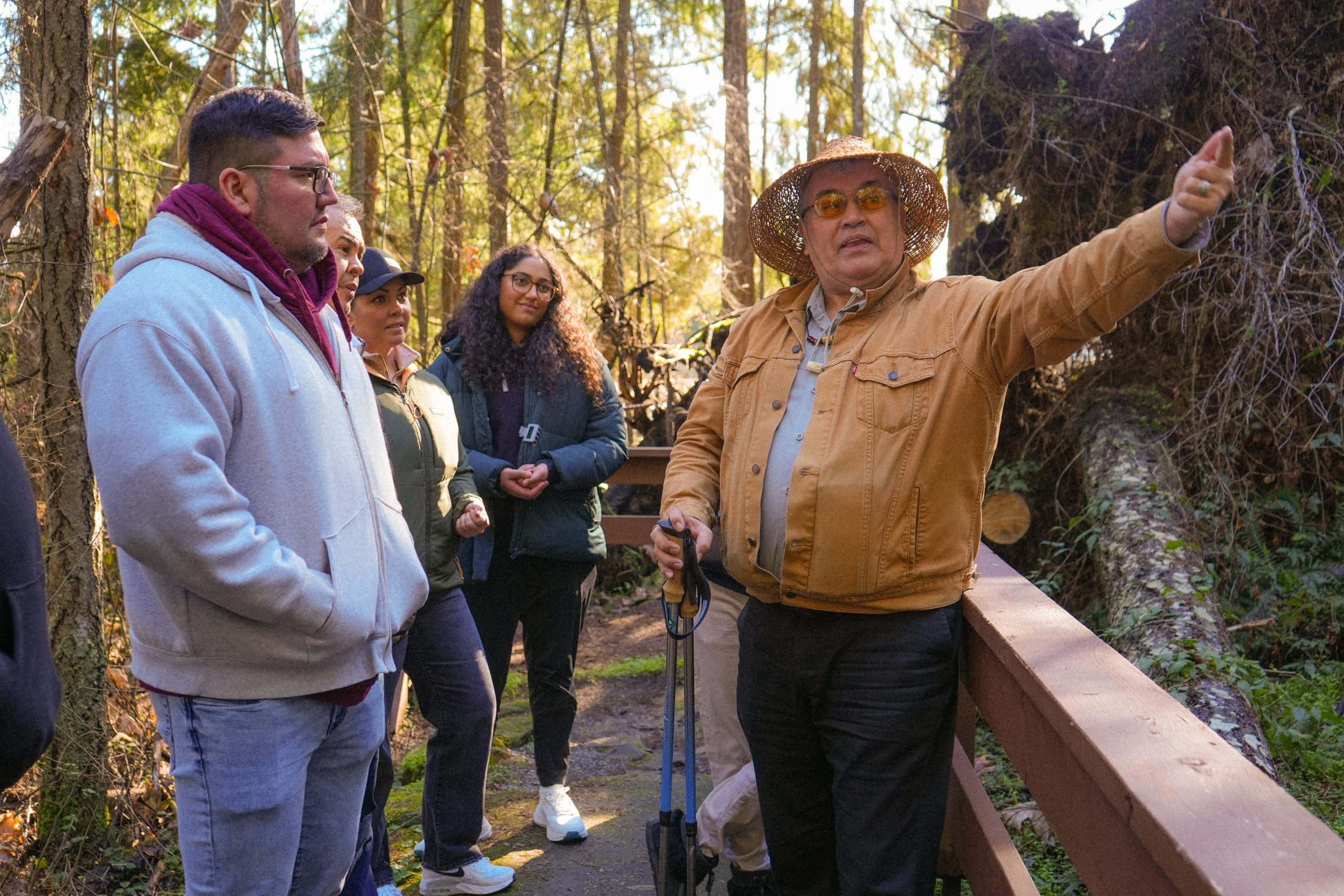
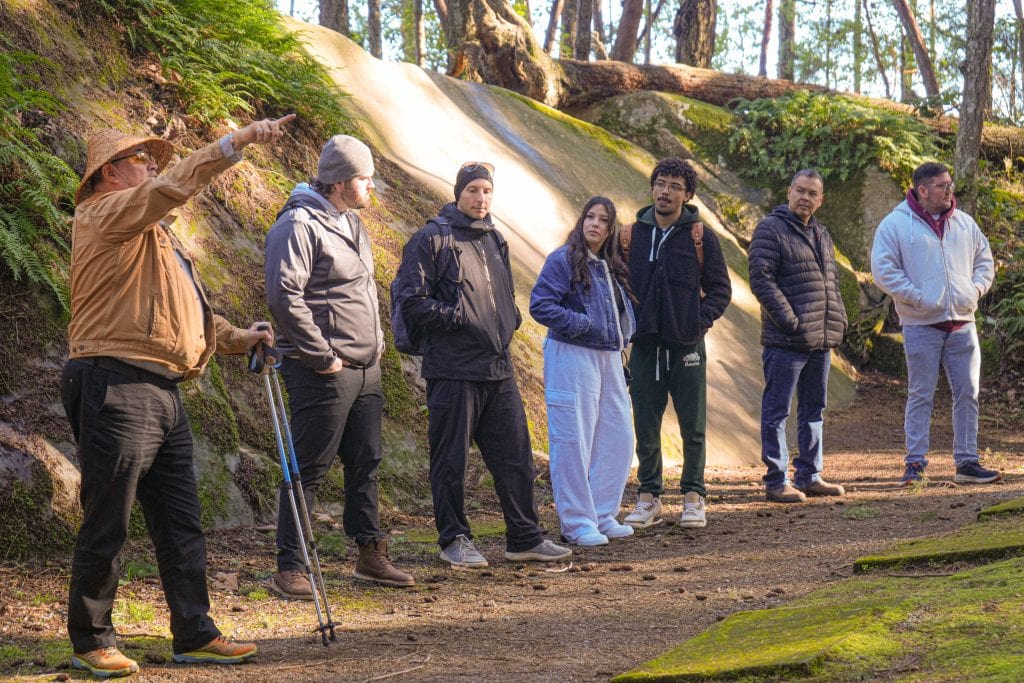
Another unique cultural consideration was spending the entire first day of the gathering on the land with local Elder Dave Bodaly.
Bodaly, a member of Snuneymuxw First Nation on Vancouver Island, took participants to old village sites while sharing teachings about the land, traditional medicines and local animals.
“For our participants from the West Coast, [we wanted to] remind them of all the tools they have in their own region,” Crow said, noting that spending time on the land and in community can offer something not found in books.
That sentiment holds true for Dakota Marsden, a participant at the Nanaimo directional gathering who has attended numerous Indigenous Clean Energy events in the past.
“I saw this program with Indigenous Clean Energy and I didn’t have any idea what to expect. It was called Generation Power. … I was part of the first cohort and started learning about what clean energy could be,” Marsden told The Narwhal. The Generation Power program employs Indigenous youth from across Canada in the energy sector, lasting from three to nine months, and paired with mentors in the field.
She says what keeps her coming back to these events are the networking opportunities and the heavy emphasis on mentorship. Marsden travels to gatherings with her son Hawk, who turns two years old this month.
“I find that Indigenous organizations are more open to little ones coming, right? I did start taking Hawk quite young into these spaces: he was two months old.”
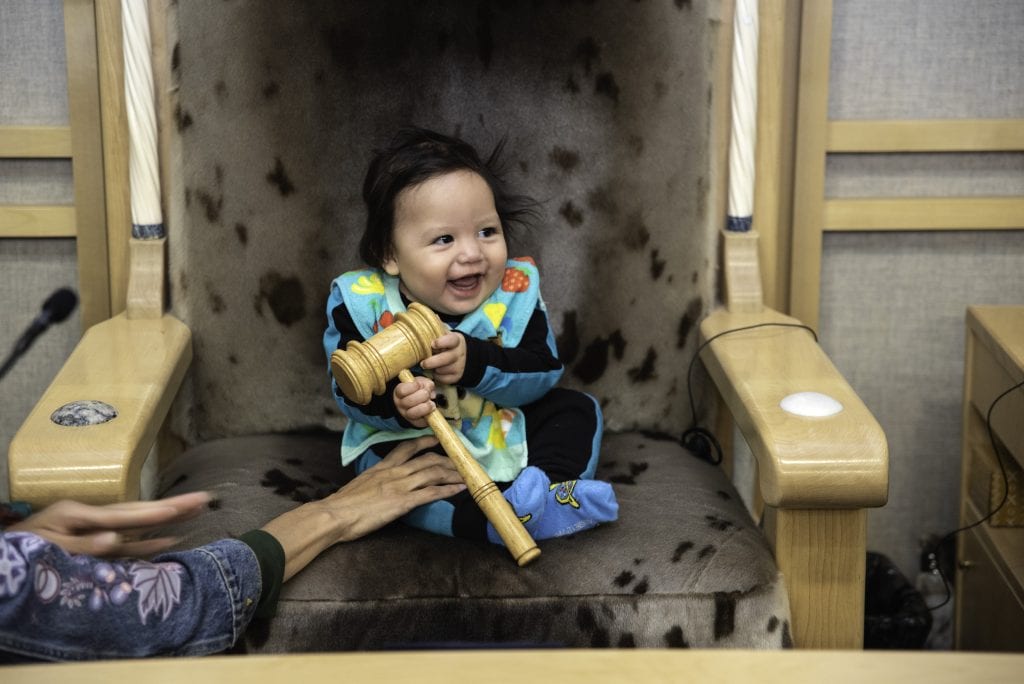
“In the beginning I didn’t see any other babies, it was just Hawk. … At this gathering I saw a lot more babies and children. It was very nice to see that they’re being included in these gatherings and capacity-building programs,” she said.
Participants find community at directional gatherings
Five years after the initial launch of the Generation Power program, Marsden still attends events all over the country with Indigenous Clean Energy, strengthening relationships and creating new ones. At the Nanaimo gathering, her only criticism was that she wanted more dedicated time to hear about everyone’s energy projects.
Marsden is employed as the lands manager in her nation, Pinaymootang First Nation in Manitoba, so she is used to energy projects coming across her desk.
So far, her nation has installed level three electric-vehicle chargers — the fastest available — and solar panels at the local conference centre. The nation has also submitted a proposal to Manitoba Hydro to answer a call for 600 megawatts of wind-generated power.
Marsden was initially not sure about clean energy, but the guidance and mentorship provided through Indigenous Clean Energy programming has been crucial in her journey.
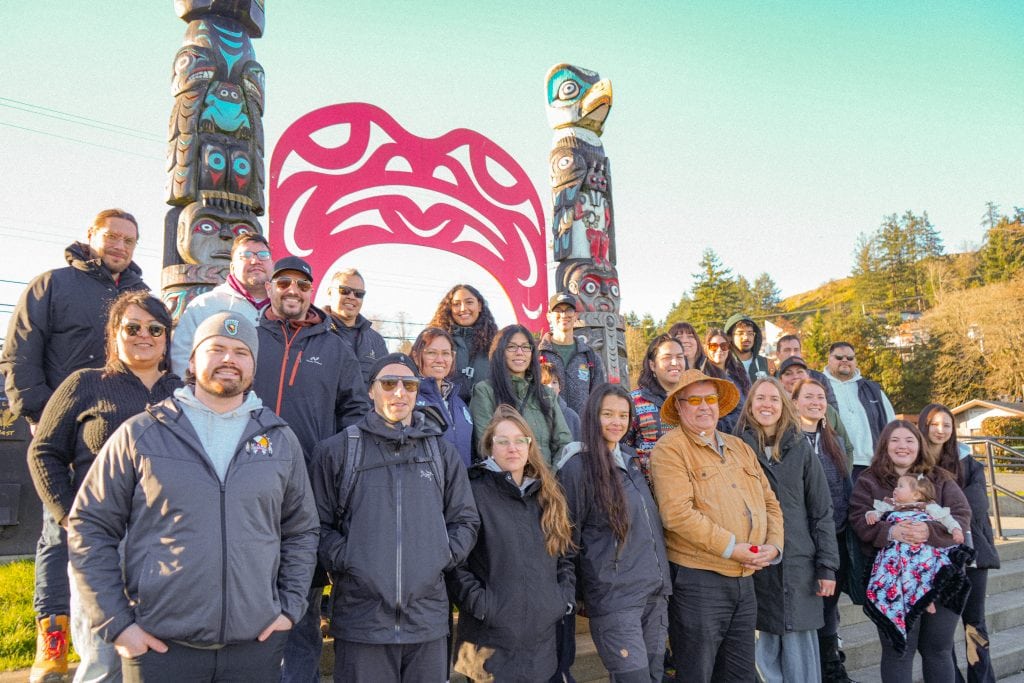
She is one example of many who return to and find community at these events, as confirmed by the organization’s director of energy and climate Freddie Campbell, who is Michif from Ktunaxa Kinbasket territory in B.C., with her Métis family name coming from Lac La Biche, Alta.
“We wanted to offer another opportunity to gather and really open that space for folks to have these conversations about what people are experiencing in their regions in terms of energy needs, gaps and future dreams,” Campbell told The Narwhal, emphasizing the importance of land-based programming.
“It can be easy to get caught up or distracted in the colonial system that we are existing in, so I think that taking that time on the land really allows us to get back to that space of connection, to come together and dream about systems that are our own,” she said.