



 7 min. read
B.C.’s minister of Water, Land and Resource Stewardship hopes to start working with the federal government toward a strategy to prevent train-wildlife collisions in the new year.
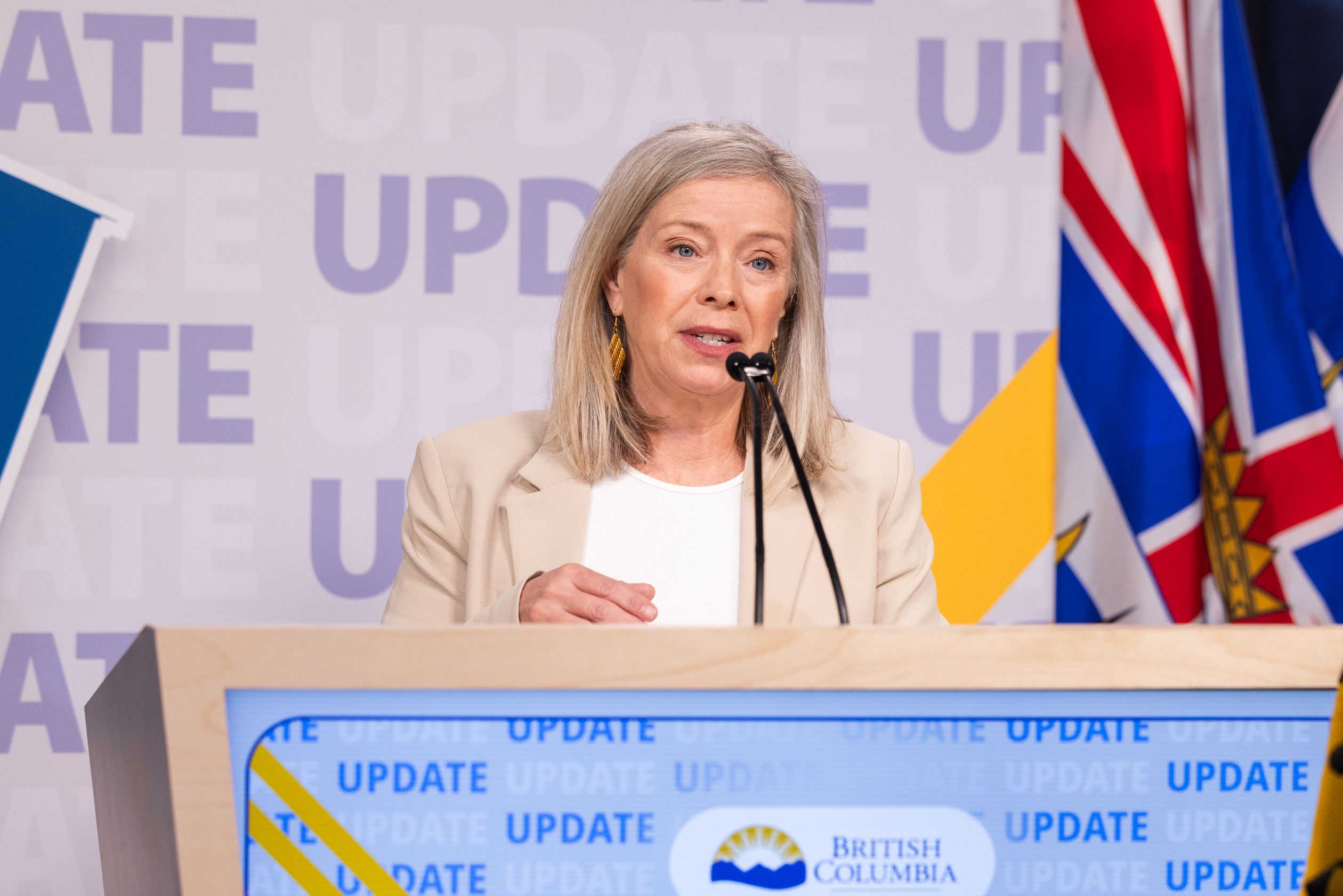
“It’s really concerning,” Randene Neill said in an interview with The Narwhal this week. “I wasn’t aware that the numbers are that high.”
Neill’s comments follow The Narwhal’s investigation into wildlife strikes in B.C., produced in partnership with CBC and the Global Reporting Centre. It showed hundreds of animals are killed on tracks owned and operated by Canada’s two major railway companies: Canadian National (CN) and Canadian Pacific Kansas City (CPKC).
The railways are required to report collisions to the B.C. government, but records obtained through freedom of information requests show reporting is both inconsistent and incomplete, obscuring the full scale of the problem.
“Now it’s definitely, definitely on our radar and we’re going to work to do what we can to work with the federal government and to reduce those types of collisions,” Neill said.
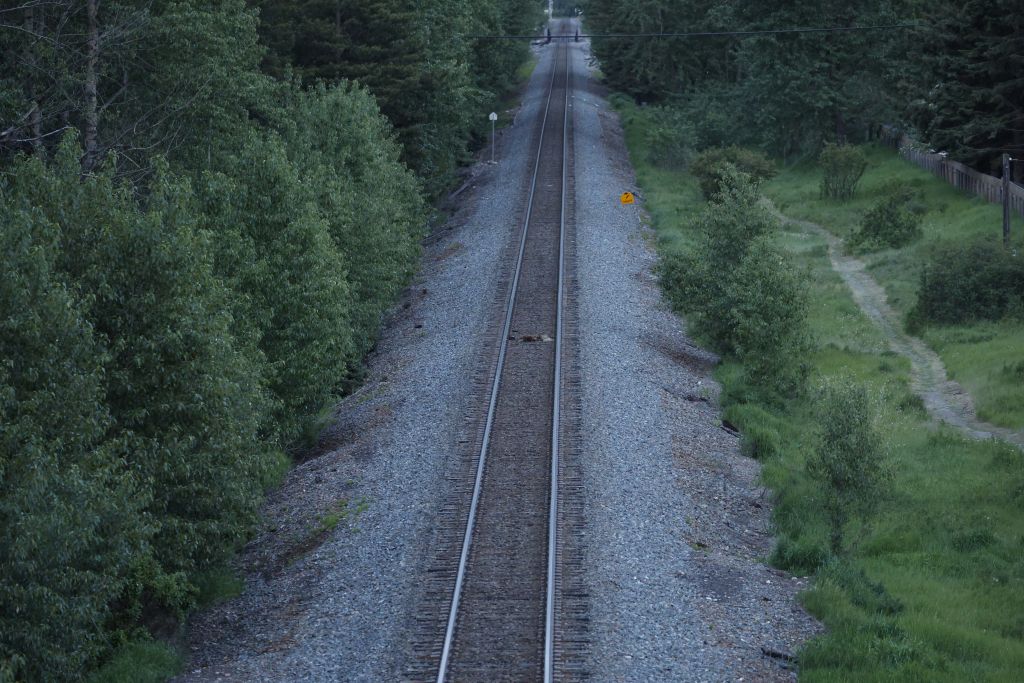
However, neither Ottawa nor B.C. seem willing to accept full accountability for the issue of train-wildlife collisions. Neill said the federal government has jurisdiction over transnational railways, suggesting any new regulations must ultimately come from Ottawa.
Meanwhile, a spokesperson for Transport Canada Minister Steven MacKinnon said the provincial government has authority over the issue.
“As wildlife-railway collisions fall under provincial jurisdiction, we look forward to working with the Government of British Columbia on how we can best assist in addressing this issue,” a statement from the federal minister’s office said.
In response, a spokesperson for the B.C. ministry said, “While the province compiles provincial data and is responsible for wildlife management in B.C., the onus is on the federally-managed railways to manage this issue — not on B.C.’s wildlife to stop getting hit.”
Train collisions with wildlife take a toll
The B.C. ministry is currently compiling data on wildlife collisions, which are reported to the province through various channels. “Getting those numbers and being able to really target those problem areas is important and probably a first step,” Neill said.
Asked whether she would commit to releasing the data, Neill said she would work to make it public, calling it “an important part of the process.”
For now, it remains unclear exactly how many animals are struck and killed by trains in B.C.
In the Elk Valley in the province’s southeast, collisions with trains and vehicles on Highway 3 are a leading cause of death for grizzly bears, according to wildlife scientist Clayton Lamb.
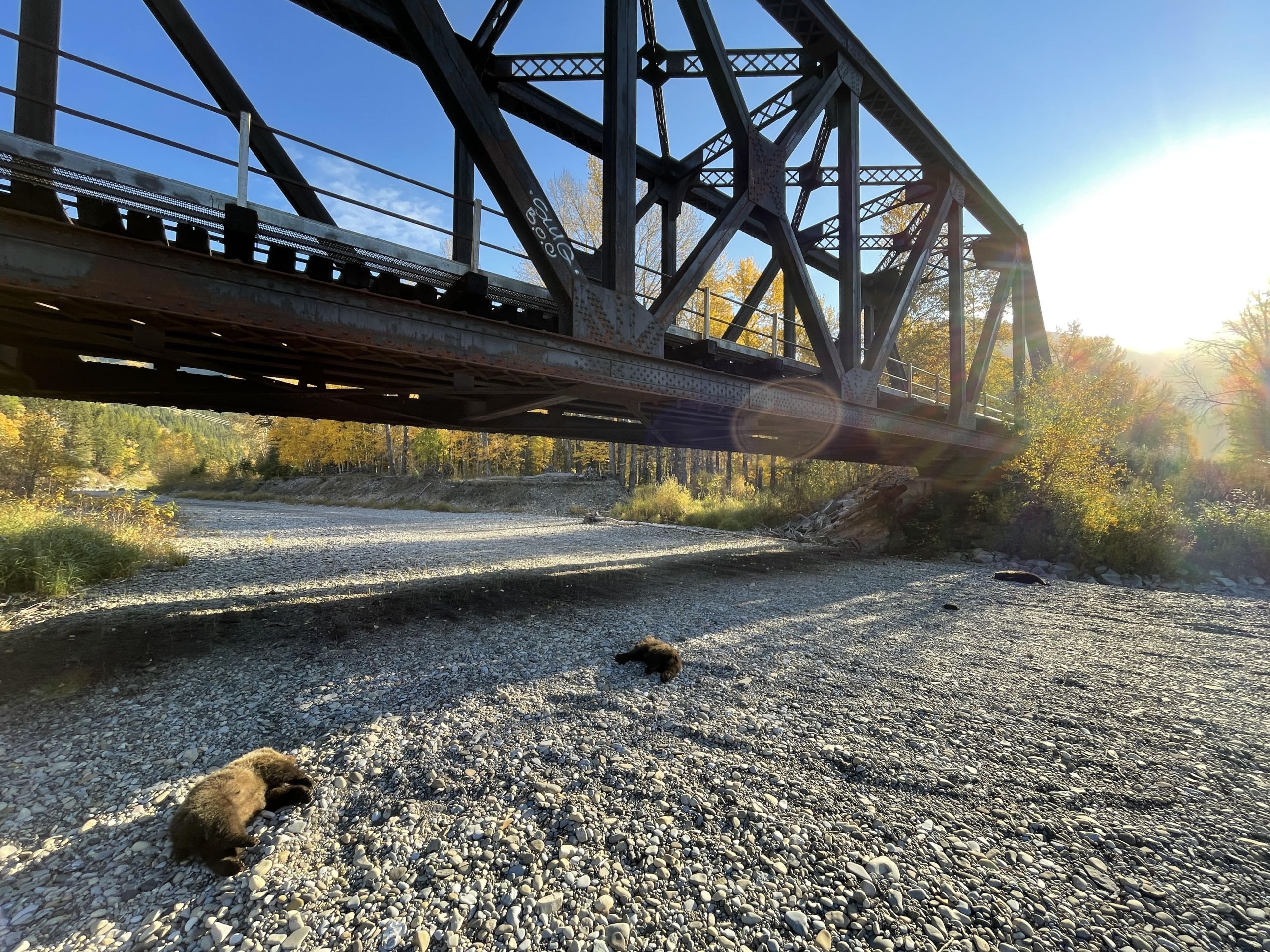
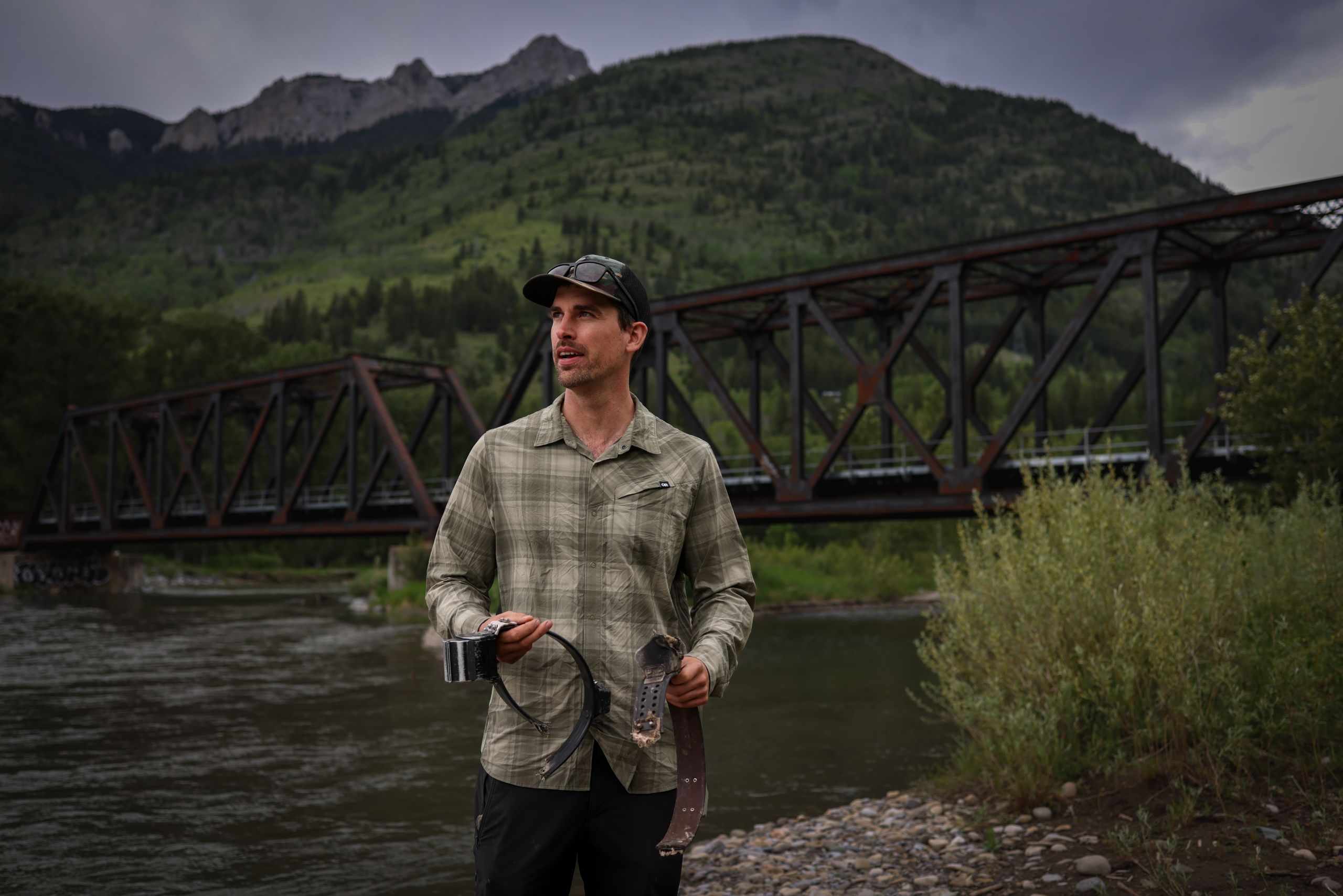
Lamb has been monitoring bears in the area for more than a decade. In a particularly jarring incident he followed a few years ago, a mother grizzly and her three cubs were killed in a single collision with a train along the Elk River near Elko, B.C.
When Lamb arrived at the scene, he found the cubs lying in a row on the dry riverbed just below the train bridge and the mother’s body farther down the tracks.
The grizzly population in the area is dense and fairly stable, but with a high mortality rate, it’s not self-sustaining, Lamb said. Instead, it’s propped up by bears moving in from other areas like the Bull River, Flathead Valley and Kananaskis. Lamb’s concern is the steady stream of bears could one day dry up as more habitat is lost to development. “We don’t know the tipping point at which that fairly complicated dynamic will stop working,” he said.
Trains regularly strike wildlife in other areas as well, according to locomotive engineer Jim Atkinson, who worked for CN for more than three decades before retiring in 2008. For years, he travelled the picturesque route between Jasper National Park in Alberta and Blue River, B.C.
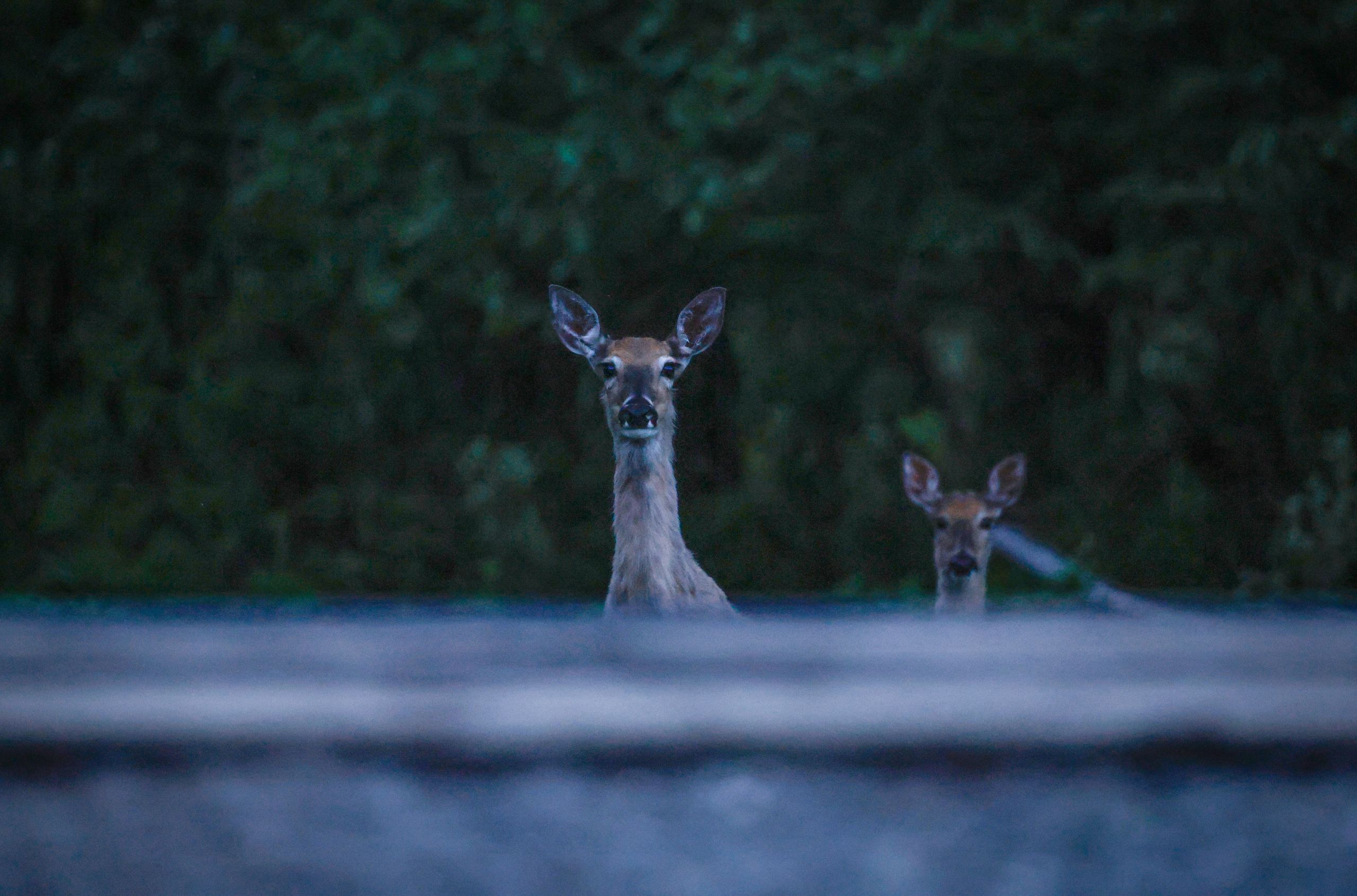
Wildlife collisions were “a huge issue,” he said. Whenever he saw an animal on the tracks, Atkinson would blow the whistle repeatedly, hoping to scare it out of harm’s way. At night, he’d also shut off the headlights, hoping to give it a better chance of escape by preserving its night vision. But it wasn’t always enough. Especially when winter snow was piled high on either side of the tracks, animals would too often choose the most obvious path and run straight down the tracks in a futile attempt at escape, he explained.

“You can’t see what’s going on because it’s dark and you’ve got the headlights off and you’re blowing the whistle and ringing the bell as hard as you can and then you hear them go underneath the engine,” he said. “It was difficult.”
But stopping wasn’t a feasible option — trains need up to two kilometres on average to slow to a stop.
Neill, a former journalist, said she’s observed the risks herself. She recalled seeing deer eating spilled grain along the railway tracks in the winter in Brandon, Man., where she began her journalism career. Now, she says she’s willing to work at reducing collisions not only in B.C. but across the country.
Companies ‘obscuring the facts to secure their bottom line’: BC Green Party leader
The Narwhal reached out to both the BC Conservatives and the BC Greens for comment on this story, but did not hear back from the Conservatives ahead of publication.
In an interview BC Green Party leader Emily Lowan called for an overhaul in the way the railways’ risks to wildlife are managed.
“It’s horrific,” she said. “And it’s the same story that we’ve seen across B.C. — massive corporations like CPKC and CN are obscuring the facts to secure their bottom line at the expense of our wildlife, our workers and our environment.”
“It seems like our government has completely abandoned its duty to hold these massive corporations accountable,” she said.
In response, Neill said transnational railways fall under federal jurisdiction.
While railways are required to report strikes under B.C.’s Wildlife Act, Transport Canada previously told The Narwhal there are no specific requirements under the federal Railway Safety Act focused solely on train-wildlife collisions.
“We definitely want them to improve what they can to reduce these collisions and we’re willing to absolutely work with them to do that,” Neill said.
Both CN and CPKC previously told The Narwhal they report wildlife strikes to the B.C. government and take steps to reduce collisions. CN noted it continues to make investments in technology and pointed to specific efforts in Jasper National Park and northern B.C. where the company has installed limited fencing to reduce wildlife strikes. CPKC, meanwhile, said it has replaced about 6,000 older grain cars and manages vegetation along the tracks to avoid attracting wildlife and to give animals a clear escape path.
In a follow-up statement Thursday, a CPKC spokesperson reiterated a previous comment noting the company views this as “a complex problem, with no simple solutions” and continues to work with federal and provincial governments to reduce collisions.
CN did not respond to The Narwhal’s request for comment ahead of publication.
Researchers say there are potential solutions companies could deploy more broadly. These include using an early warning system to alert wildlife to oncoming trains, installing targeted fencing in high-risk areas, reducing grain leaks and spills and removing carcasses to avoid attracting other animals to the tracks and enhancing wildlife trails to give animals better alternative travel routes.
Both Lowan and Neill noted collisions aren’t just an issue for wildlife populations, but also for the locomotive engineers, who must deal with the trauma of hitting animals on the tracks.
“It’s in everybody’s interest to be able to work together to reduce those collisions,” Neill said.