

 5 min. read
Seven years after a coalition of four northern Manitoba First Nations banded together to conserve the province’s last major undammed river, the Seal River Watershed is now “on the cusp” of permanent protection.
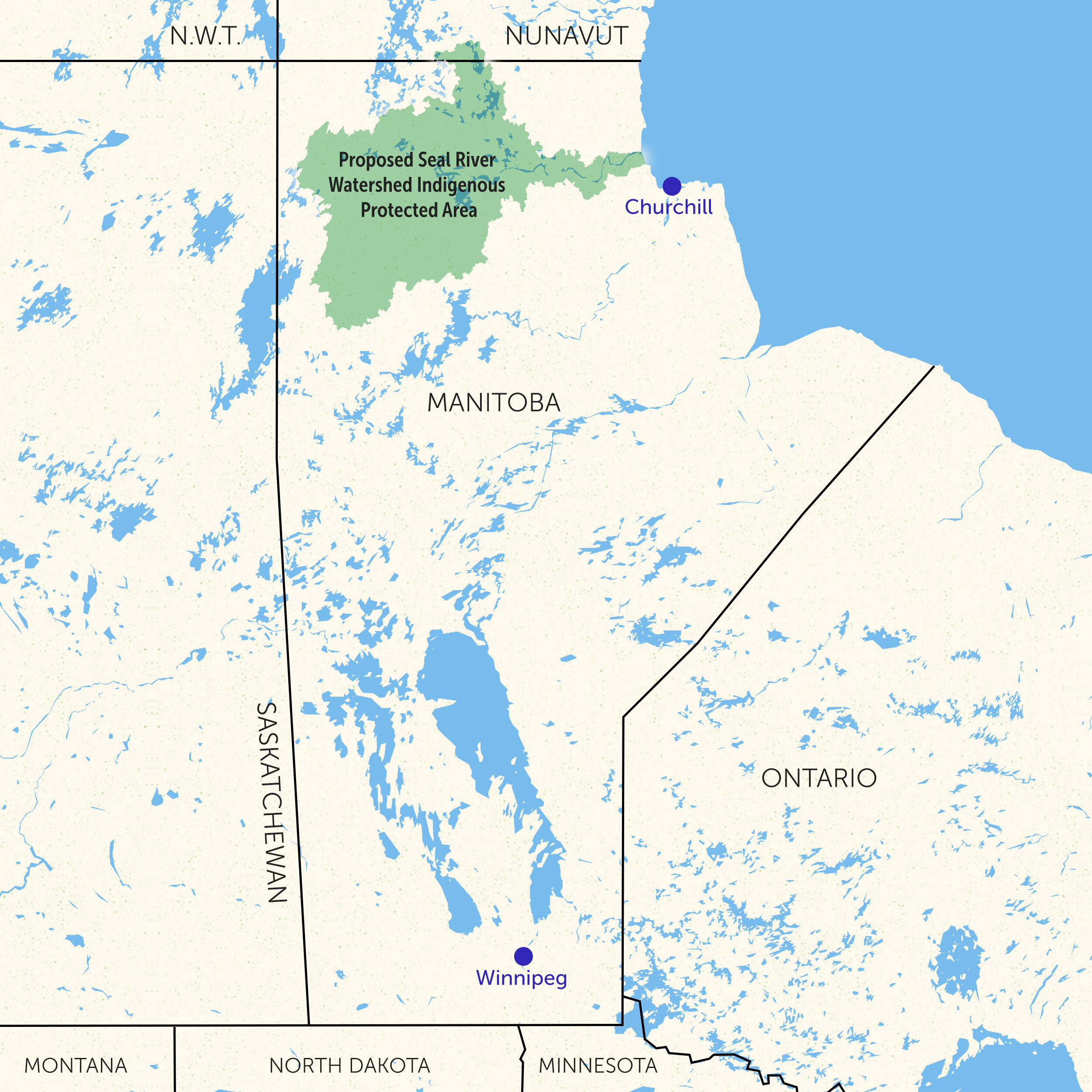
On Friday, the Seal River Watershed Alliance, the province and the federal government released a joint proposal to designate the 50,000-square-kilometre ecosystem — one of the world’s largest intact watersheds — as an Indigenous Protected and Conserved Area.
“This announcement is an absolutely historic moment in time where we have all different levels of government [and] … the nations coming together to preserve some of the most beautiful areas in the world,” Manitoba Environment Minister Mike Moyes said Friday.
“I am so proud to be part of a government that is moving forward on this historic agreement that is going to protect seven per cent of Manitoba.”
The proposal recommends creating a “mosaic” of national and provincial parks across the region, including a national park on the eastern third of the watershed and a new Indigenous traditional-use provincial park on the western two-thirds.
To accommodate a new national park, the proposal recommends adjusting the boundaries of the three existing wilderness parks, Nueltin Lake, Caribou River and Sand Lakes, and transferring about 18,500 square kilometres of predominantly Crown lands to the federal government.
The mosaic approach would allow for a variety of economic activities including tourism, recreation and traditional harvesting practices, the proposal says. A little under half of the national park would remain open for licensed hunting and outfitting for 10 years as a “transitional measure,” while hunting, outfitting “and the full range of outdoor activities that typically occur in Manitoba’s provincial parks would continue to be permitted in the new provincial park.”
Industrial activities like mining, hydroelectric developments and forestry would be barred throughout the protected region. Future land management decisions would be made by a joint management board elected by leadership from all parties, the proposal says.
Alongside the proposal — which is open for public comments through EngageMB — the province announced a $4-million endowment contribution to support long-term operational funding for the project.
“We are celebrating major new investments in the Seal River Watershed, we are sharing a proposal for protecting these lands and waters for all people, and we are breaking trail for what protected areas in the province can look like,” Stephanie Thorassie, executive director of the Seal River Watershed Alliance, said Friday.
“It’s inspiring to see you standing side by side and talking about our work together. You are showing the world what nation-to-nation-to-nation partnership looks like — not just in words, but in action.”
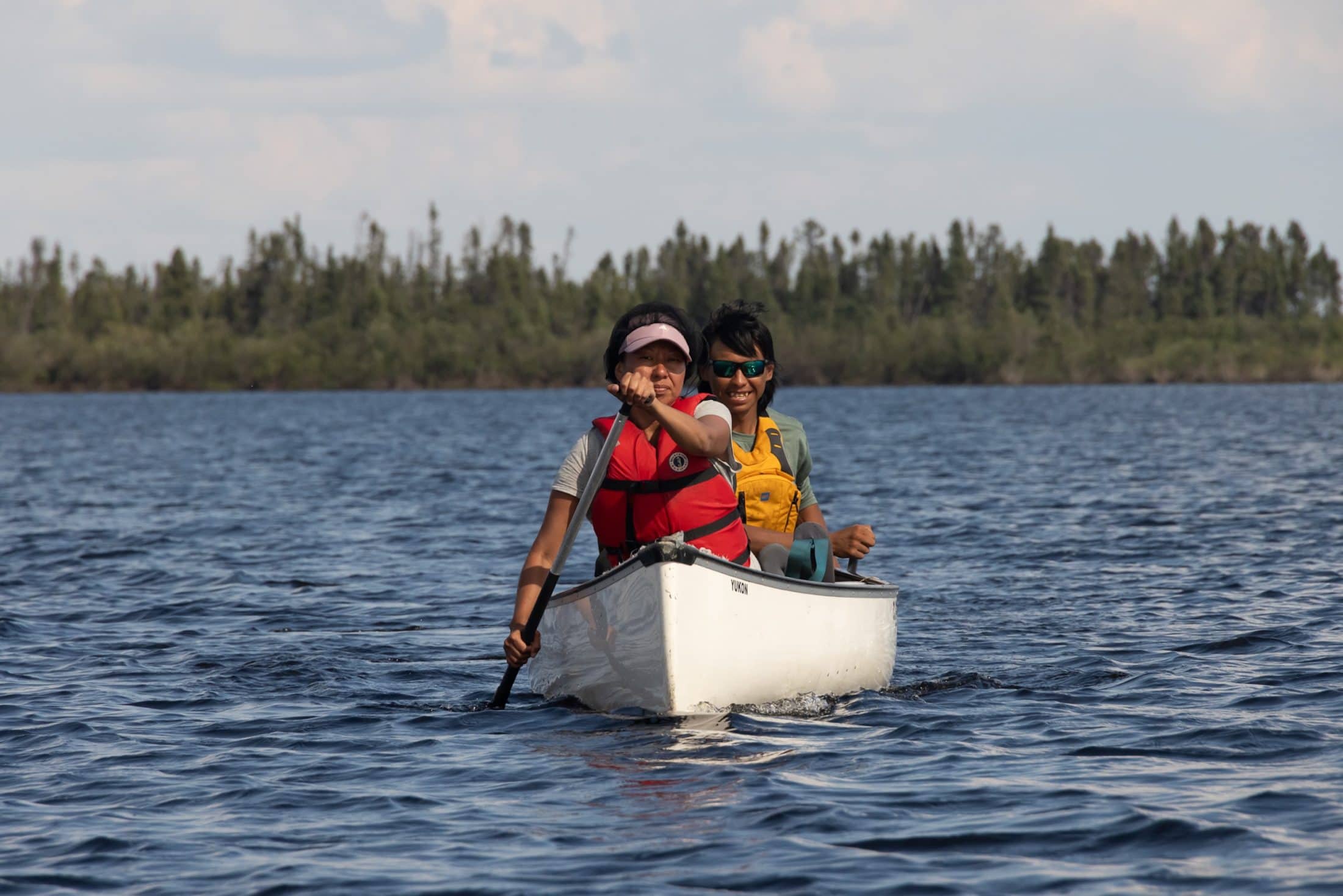
The Alliance, made up of members from the Sayisi Dene, Northlands Denesuline, Barren Lands and O-Pipon-Na-Piwin Cree Nations, formed in 2019. By 2022, it had secured a commitment from provincial and federal governments to explore a protected area in the region.
It took two years — and a change of government — for the parties to sign a memorandum of understanding agreeing to move forward with a feasibility study for the protected area, and to temporarily ban mining in the region. The study was completed in early 2025, concluding that an Indigenous-led protected area was feasible, and would come with ecological, cultural and economic benefits.
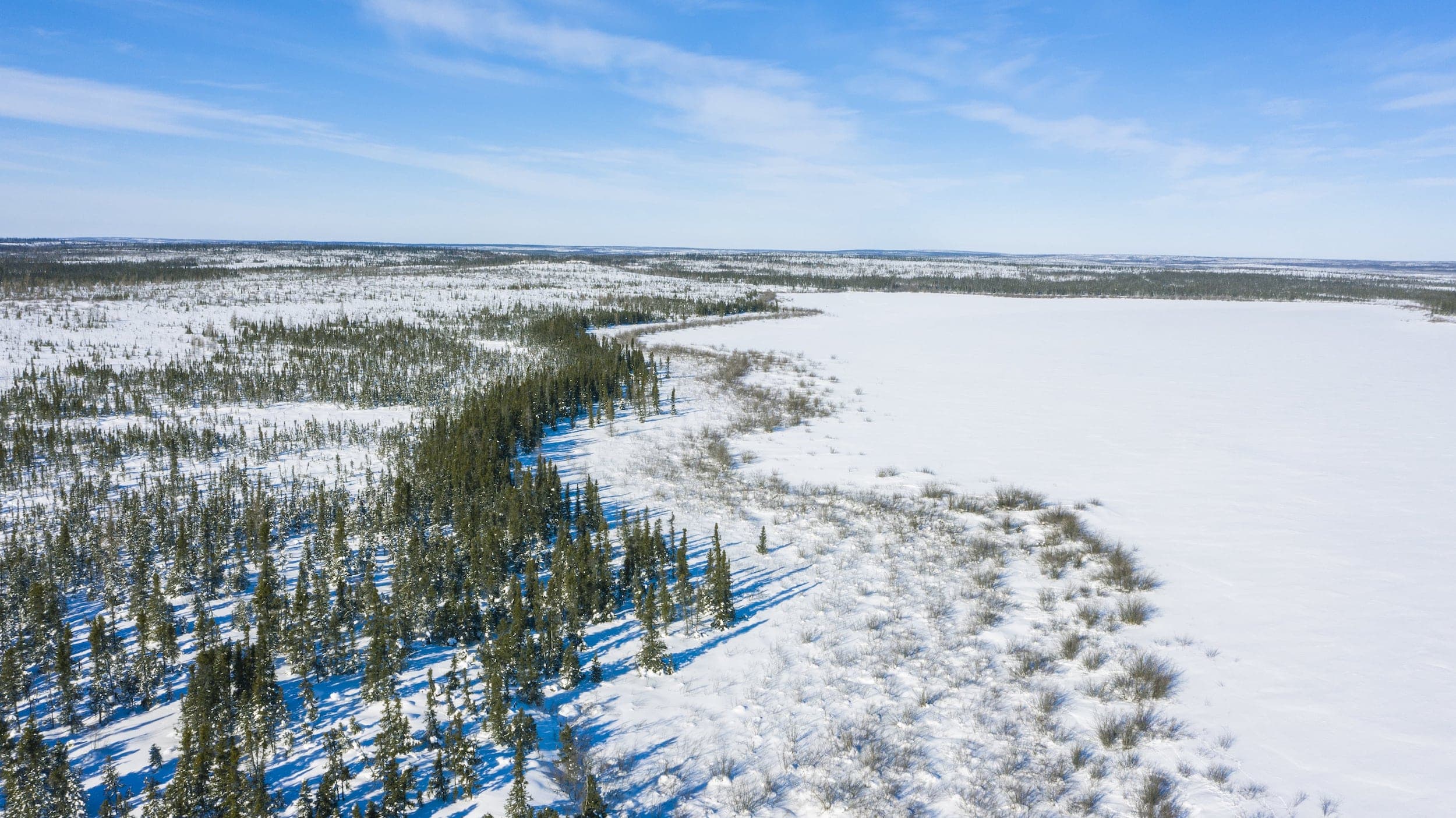
The watershed is wintering habitat for scores of caribou and home to more than 30 species at risk, including polar bears, wolverines, belugas and lake sturgeon. The landscape itself stores 1.7 billion tonnes of carbon, equivalent to about eight years’ worth of total greenhouse gas emissions in Canada.
Tourism in the region generates about $11 million in revenues per year, according to the feasibility study, and the Alliance has already created about two dozen jobs for community members and youth.
“This is a practical, community-driven approach. It protects the land and supports opportunities for the future, from land-based education and sustainable tourism, to jobs that keep people rooted in their home,” Rebecca Chartrand, Minister of Northern and Arctic Affairs and member of Parliament for Churchill—Keewatinook Aski, said Friday.
In late March, the federal government released its $3.8-billion nature protection strategy, which included a commitment of $74.7 million over 11 years and nearly $8 million in ongoing funding to support the Seal River protected area.
“The investments announced today will create more opportunities for these youth, opportunities to find jobs and stewardship and tourism, to gain knowledge and training and to feel pride in who they are and the work that they do,” Sayisi Dene Chief Kelly-Ann Thom-Duck said Friday.
The proposal is now open for public consultation. Manitobans have until June 2 to submit feedback on the plan through the province’s EngageMB portal, including the proposed boundary changes to existing provincial parks and the transfer of Crown land to the federal government for a new national park.
Public feedback will be shared with the Alliance and Parks Canada to help inform next steps.
“We think this is a very important way to have a safe, clean and healthy environment, to support Indigenous cultures and also to open up new tourist opportunities for Manitobans and Canadians,” Manitoba Premier Wab Kinew said Friday.
Julia-Simone Rutgers is a reporter covering environmental issues in Manitoba. Her position is part of a partnership between The Narwhal and the Winnipeg Free Press.