



 6 min. read
After years of punishing drought that shrunk their herds, Canadian cattle farmers finally saw them growing at the start of 2026. It was a modest 2.5 per cent increase in the number of cows and calves, but after eight years of contraction — which also meant increased beef prices at the till — those in the industry are taking it as a win.
Brenna Grant, executive director of CanFax, the research division of the Canadian Cattle Association, called this a “really modest” increase, urging patience for those hoping affordability will return soon.
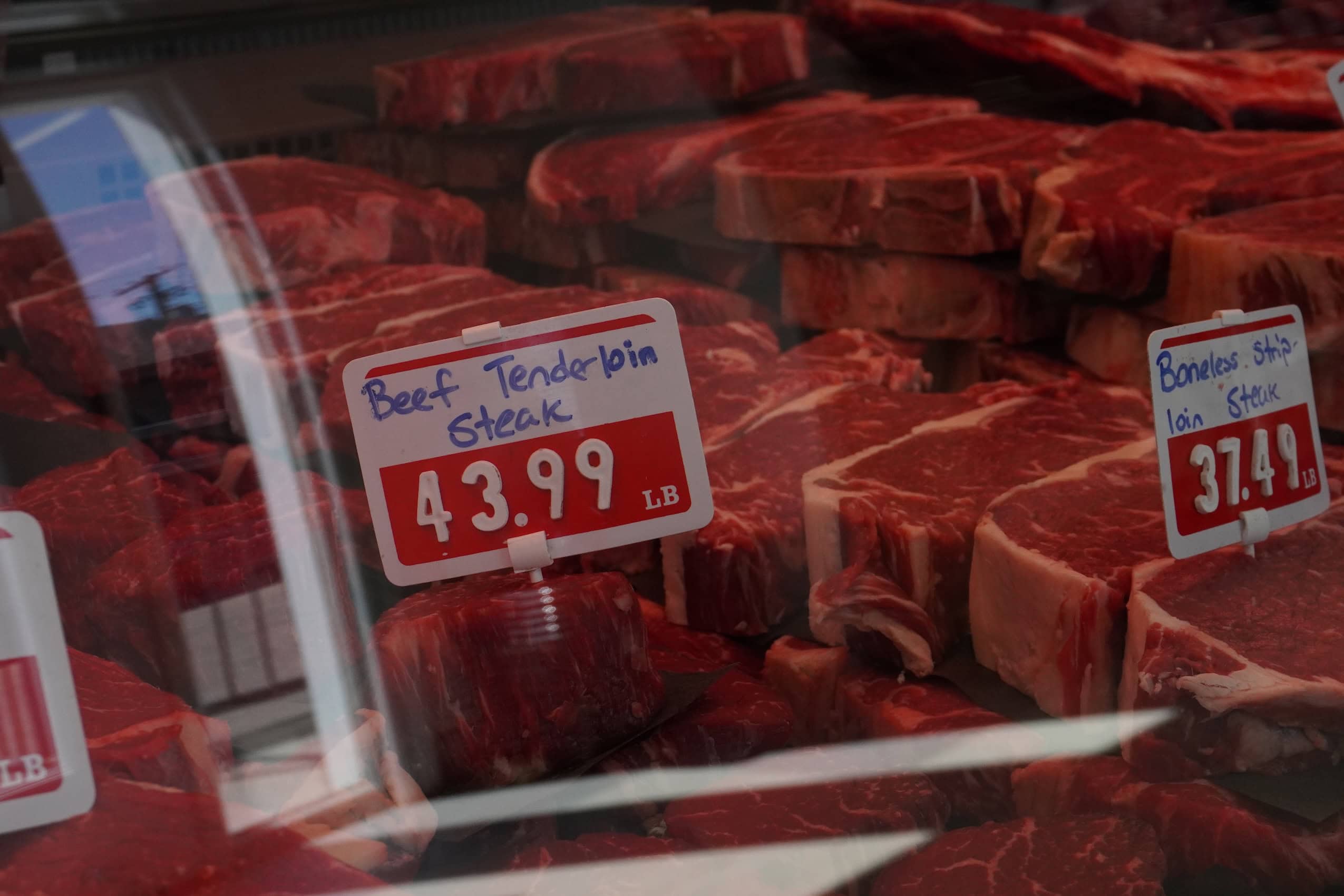
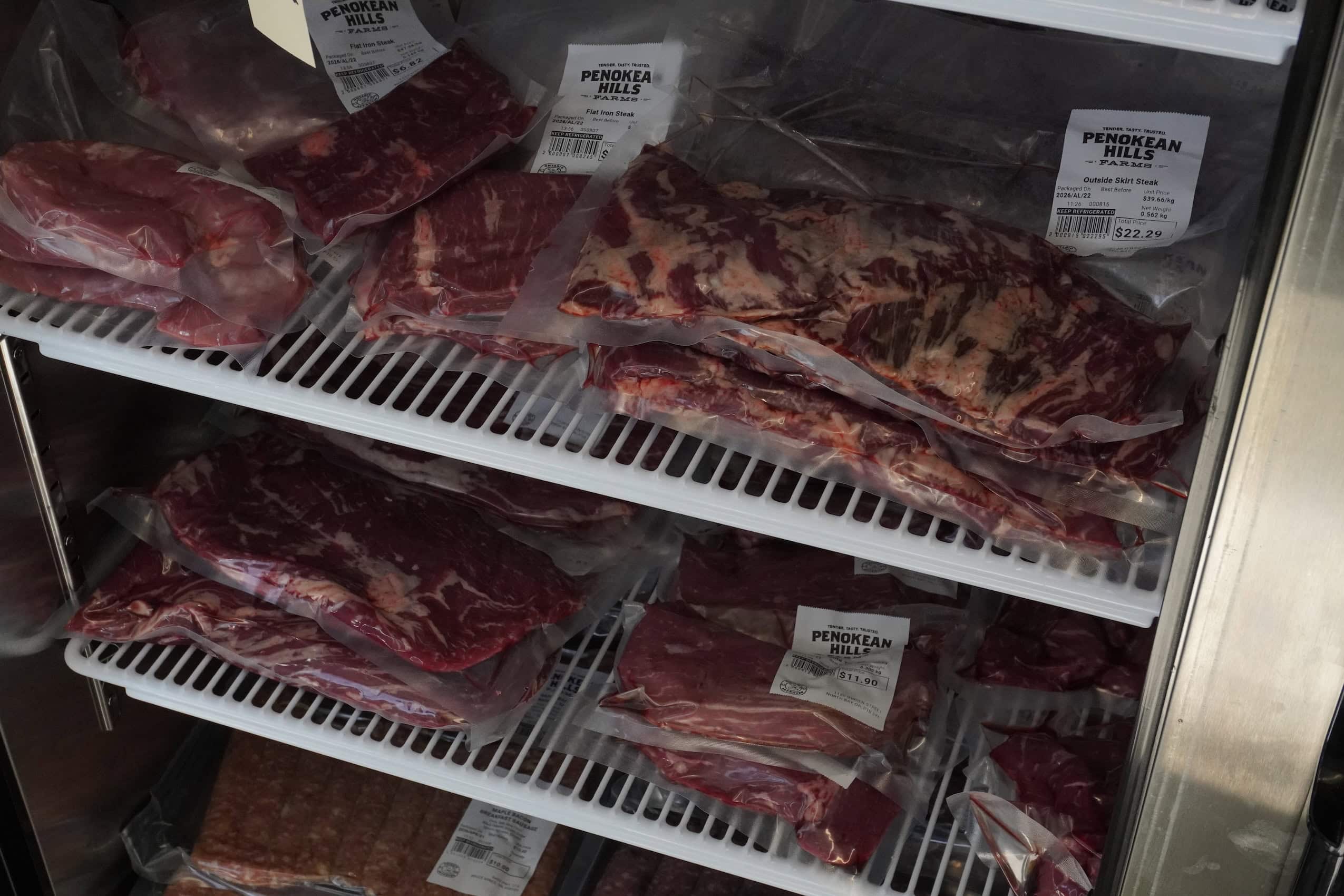
Canada’s beef prices are 23 per cent higher today than the national five-year average, and, in general, meat prices rose by the highest rate of any food category in 2025, according to research from Dalhousie University.
The biggest concern driving beef prices high is weather, Grant said. Climate pressures on pasture conditions means less hay to feed animals and, consequently, smaller herds.
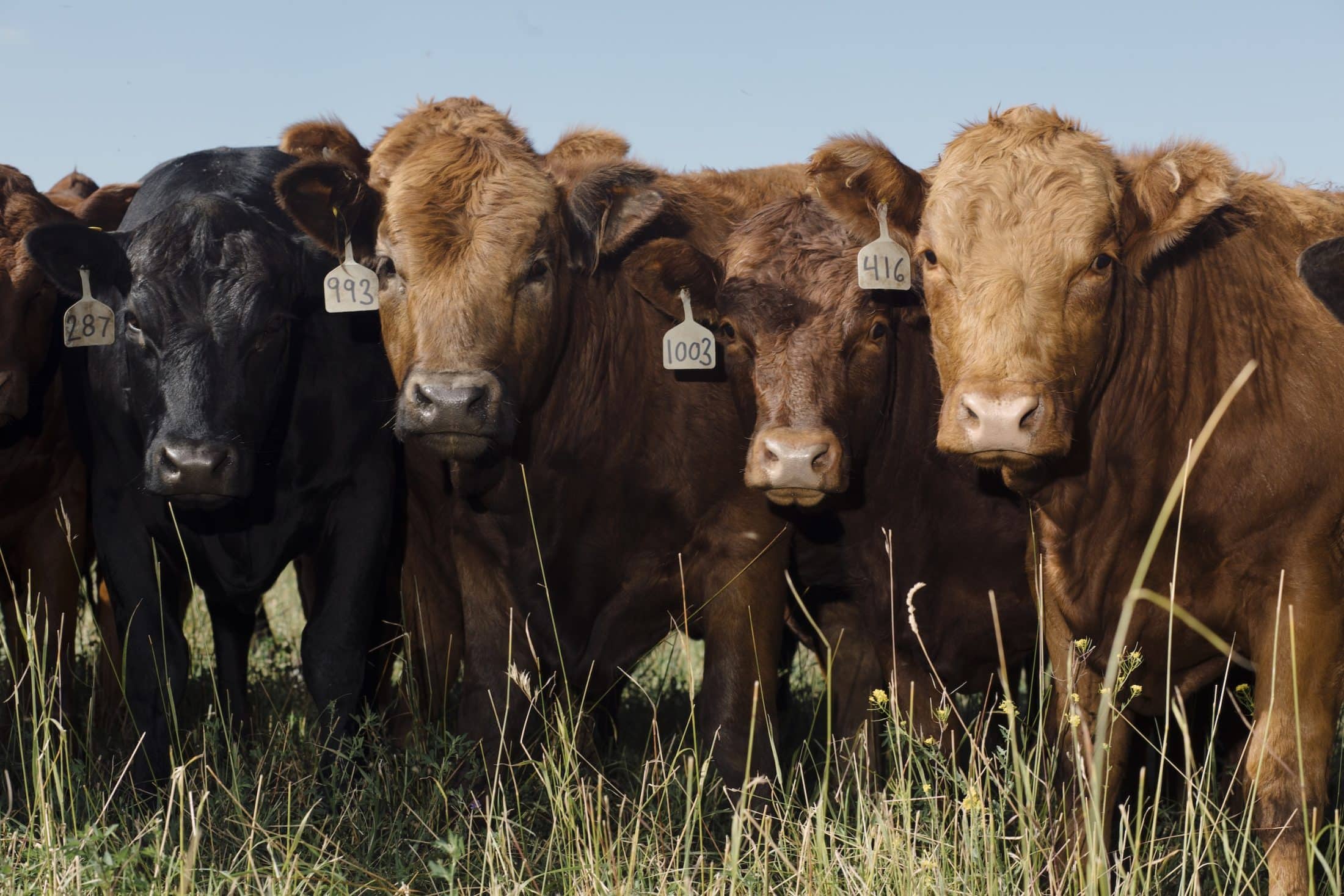
“All of the research would indicate that we are expected to see greater frequency and severity of extreme weather events, whether that be drought or flooding or even just greater volatility within the growing season,” Grant said.
Ranchers are heading into summer with mounting uncertainty, given spotty and unpredictable rain and snow patterns in recent years. “That just means that this rebuild, in terms of increasing supplies, is going to take longer.”
Droughts in Alberta, Saskatchewan and Manitoba, where the country’s cattle farming is concentrated, have become regular and severe. Drought insurance payouts to Alberta farmers reached a record $326.5 million in 2023, more than tripling the payouts from the 2021 drought.
This is part of Who Pays?, a series at The Narwhal looking at the intersection of the environment and the economy
Droughts also hit southern Ontario last summer, impacting Trenton, Belleville and Prince Edward Country farmers. Dry conditions present a host of challenges, from reducing the availability of local, affordable feed to farmers not having enough water available for their herds.
At the same time, more northern areas of Canada that haven’t historically been seen as cattle country are starting to grow their local bovine populations, as more moderate temperatures become a welcome refuge for farmers. Warmer weather has been a boon in typically colder zones, making it easier to grow feed crops instead of importing them.
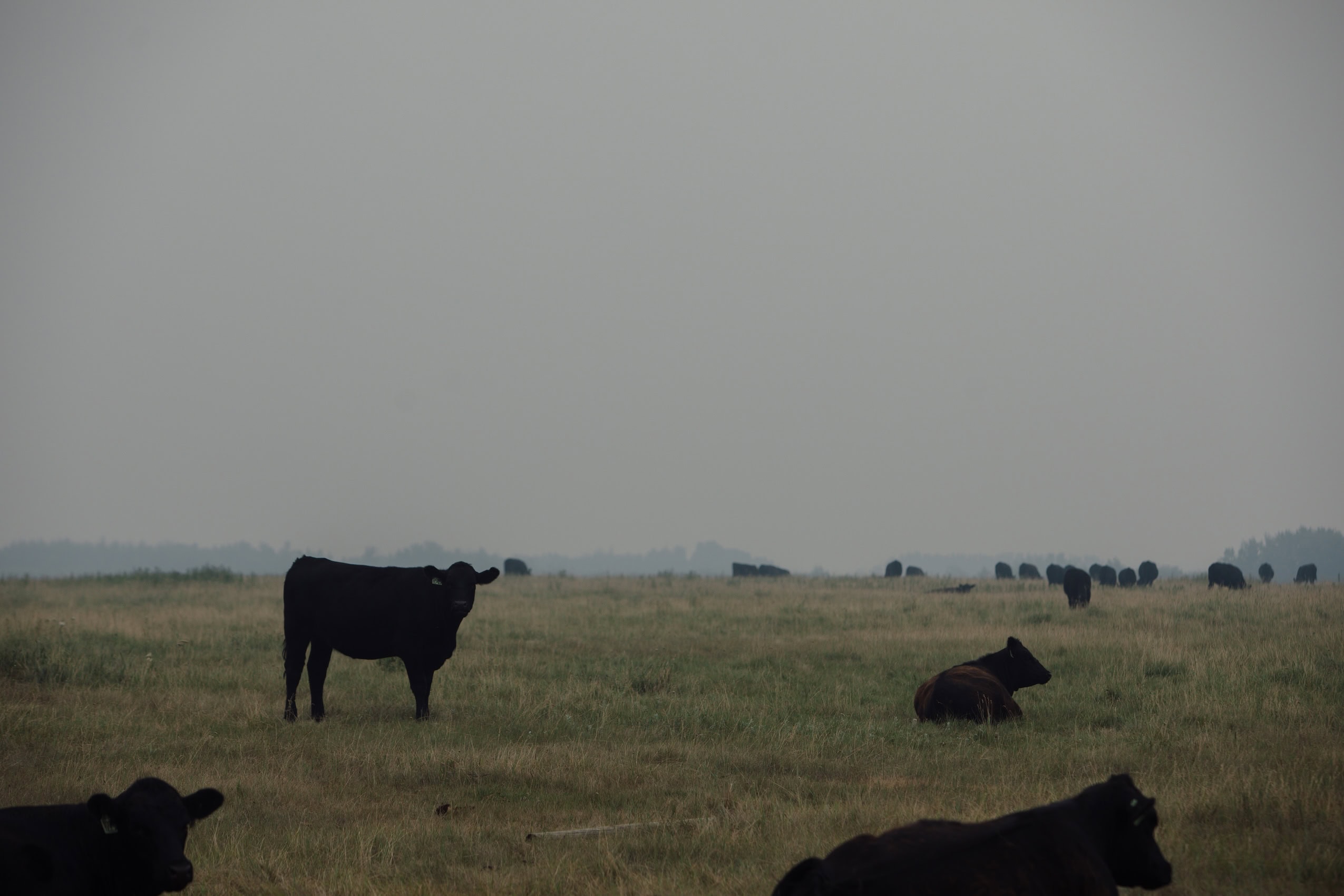
Northern Ontario is one of those areas, including Sudbury, Nipissing and Cochrane, which had built up a herd 100,000 strong as of 2018.
Grant said the Peace Region that straddles the Alberta-B.C. border is also seeing longer growing seasons, allowing for more crop varieties, including of animal feed. The same is true for northeast Saskatchewan, once considered too cold and wet, where warmer, drier conditions have improved growing.
“It’s the right use of that land for the right product,” said Jason Leblond, president of Beef Farmers of Ontario, and a cattle farmer himself in Chisholm, Ont. “Beef cattle do very well in the north.”
But, he says, while the shift may benefit local producers, it is unlikely to ease rising beef prices anytime soon.
“When we see the first signs of the herd rebuild, which is what we’re seeing currently, it normally takes two years for it to hit the store shelves — that price reduction,” Leblond said.
Building up northern herds, he said, is a big part of “how we can get the prices more in check.” He’s increasingly seeing farmers step up in these long-dormant farming regions.
Northern Ontario’s growing herd of cattle
In the early 2000s and 2010s, cattle farmer Mike Tulloch recalls driving roads in Algoma, Ont., and seeing derelict farms, growing back up to brush and weeds — signs of a dying industry. Tulloch grew up in the area with a lifelong ambition to take over his father’s farm and watched the landscape closely.
In the last decade, he’s seen a growing number of farmers revitalizing the area’s farms, many coming from southern Ontario or farther. His own land, he said, doubled in value since he bought it in 2018. Now, he owns a farm with about 1,300 head of cattle.
“The face of agriculture in Algoma and Manitoulin has changed dramatically,” Tulloch said. “It’s driven out of the relatively inexpensive value of the land and is being bought up hand over fist and turned back into productive farmland.”
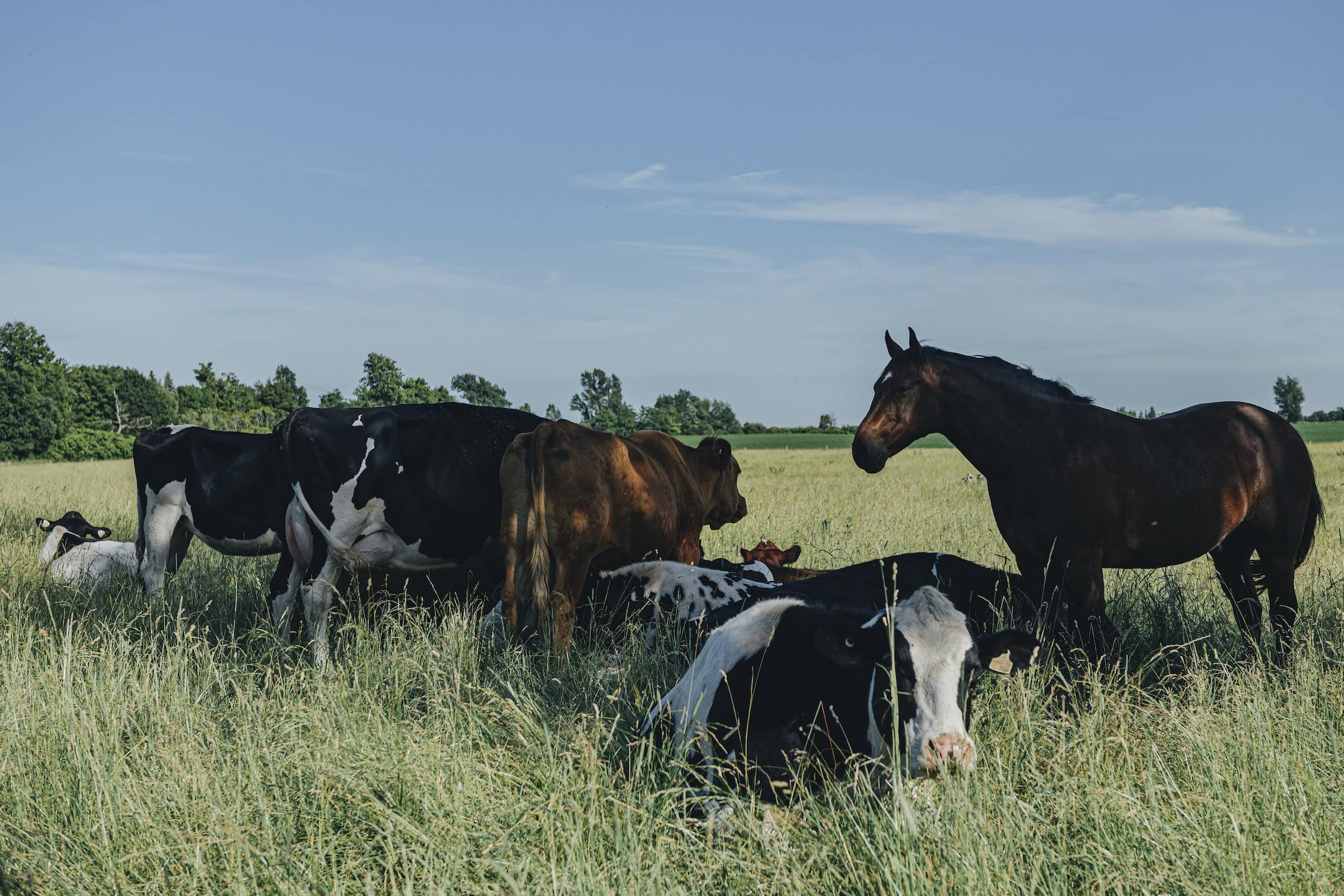
Tulloch has found himself in one of the most hospitable remaining areas for raising cows.
“No question that the climate change has been more conducive to farming in the near-north: Algoma, Manitou and Sudbury, Nipissing,” Tulloch said. “This is a case where climate change in our area has been good for the farmers.”
The Algoma area, at the cusp of lakes Huron and Superior, has the longest growing period across all of northern Ontario, from Nipissing up. By 2050, temperatures are predicted to increase between 1 C and 4 C, making that growing season even longer.
“We have warmer winters. We get on the land sooner, and the ground in the north here warms up sooner,” Tulloch said, compared to previous years. “For our cattle operations, we grow about 750 acres of corn. And, ten years ago, there wasn’t 750 acres of corn in the whole district.”
While many Canadian cattle farmers are battling extreme weather events like drought, floods and wildfires, northern Ontario is emerging as somewhat of a sanctuary.
Moving north won’t fix the challenges climate change presents farmers
Experts and polls have demonstrated the biggest challenge for cattle farming in Canada is the increased frequency of adverse weather events. While the northerly migration has eased the challenges for some cattle farmers, it’s not a silver bullet — and prices will continue to reflect that, especially as consumer demand for protein remains extremely high.
“In the last five years, we’ve actually seen beef demand jump twice, once in 2020 and we maintained those levels, and then again in 2025,” Grant said. “What that means is that consumers were willing to pay a higher price for the same amount of beef.”
The high demand and weather uncertainties are being experienced across the world, including in Canada and the U.S., leading to a global shortage of beef as production falls in traditional centres.
There are also no guarantees conditions will remain hospitable for cattle farming in northern climates.
“In some regions of the country, certainly, there will be some increased opportunity,” Kim Ominski, University of Manitoba research scientist, said. “But the challenge about these extreme weather events is it just introduces increased risk.”
Unpredictable growing conditions might bring a year where farmers are unable to source enough feed locally. Since feed is one of the largest costs of raising cattle, Ominski said, having to import it — especially if that requires swapping the usual meal with a more expensive crop — can really impact a farmer’s bottom line.
Across Canada, research links extreme climate-driven weather events to rising mental-health strain on farmers, causing guilt, hopelessness and panic. Many are leaving the industry.
Even Tulloch acknowledges the gamble.
“The weather is more erratic,” Tulloch said. “You see that when the storms come, there are heavier storms and you have more risk of flooding.”
“It’s a risky venture.”