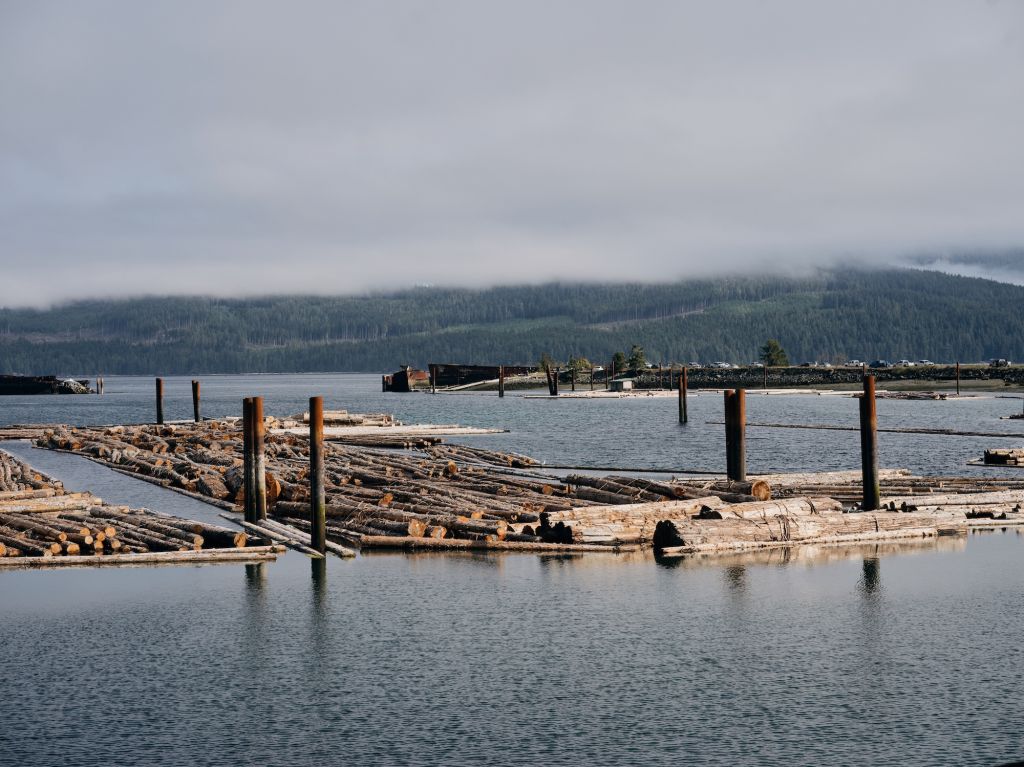
First Nations in British Columbia are buying into the forestry business in record numbers — but years of intense logging have left old-growth, and the industry, in rough shape.
Photo: Taylor Roades / The Narwhal
Canada’s vast forests are the envy of much of the world, but they’ve seen brighter days. Our changing climate has beckoned wilder wildfires, disease and drought. And after decades of cutting big and fast to maximize profits, the country’s logging industry is in freefall.
“Now we’re dealing with a lot of scrub in that corner that we didn’t get to before,” Garry Merkel, a professional forester and a member of the Tahltan Nation, told freelance journalist Zoë Yunker.
And yet, many First Nations are determined to do more than just squeeze whatever profits are left. “We’re seeing much higher standards of land care and a lot more focus on ecological health and the relationship to the land,” Merkel said.
The future of forestry in B.C. is hazy, but First Nations, long-excluded from the resources of their own territories, will have a seat at the table.
It may still be just a concept of a plan, but the Manitoba government has promised a fresh approach. Its latest climate action strategy includes a commitment to “co-develop a wildfire prevention and preparation approach that reflects Indigenous leadership, land-based knowledge and nature-based solutions.”
Despite the obstacles, these stories from B.C. and Manitoba highlight opportunities to do better — for forests and communities. In the face of all that’s coming, we simply don’t have a choice but to try.
We’re excited to open applications for a new one-year fellowship for an Indigenous journalist in B.C., in collaboration with the Indigenous Journalists Association and IndigiNews, and with support from the Sitka Foundation.
This fellowship will support an early- or mid-career journalist to carve out a sustainable pathway in the news industry, where Indigenous voices are too often underrepresented or pushed out. Applications are due Nov. 2. Please help spread the word!
— Michelle Cyca, bureau chief, conservation and fellowships
A nice sur-prize
A couple months ago, we invited readers of The Narwhal to help shape our future by filling out a survey. We were delighted to receive these selfies from Hugh (with Sam the dog), Michael and Larissa, who won special-edition Narwhal hats in the survey’s prize draw.
“Happy to wear it to show my support for independent media,” Larissa said.
A big thanks again to all who took the time to tell us a bit about how you engage with journalism about the natural world. Your input will help us reach more people through this work, and we’re deeply grateful!
This week in The Narwhal
Carney began his term listening to energy and mining lobbyists, not environmental groups By Xavi Richer Vis
New analysis of Prime Minister Mark Carney’s first 100 days show oil and gas, mining and other industrial groups made up about 60 per cent of lobbying records.
Ontario is subsidizing an energy project in Georgian Bay despite expert advice By Fatima Syed READ MORE
Basia Bulat sings the western chorus frog’s praises By Paloma Pacheco READ MORE
WATCH: Plovers love this Ontario beach. Is the feeling mutual? Produced by L. Manuel Baechlin
Piping plovers — tiny, lively and endangered birds — found a home on Wasaga Beach. But their legal protection could soon evaporate, as Ontario reporter Fatima Syed explains.
Trees are a natural resource of great importance — just ask your friendly neighbourhood dog. Remind their human to subscribe to The Narwhal’s newsletter for important updates on the state of Canada’s sticks!