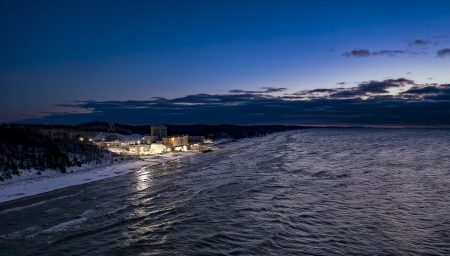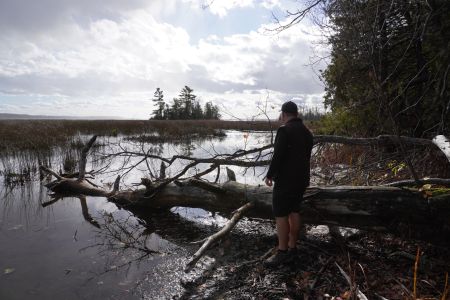





If you live in Ontario, you probably know about the Great Lakes. Maybe you’ve visited them, maybe you live near one. They’re important in the province, but also the region, the country and even the world.

What are the Great Lakes?

Collectively, lakes Huron, Ontario, Michigan, Erie and Superior, along with the St. Lawrence River, make up the world’s largest freshwater ecosystem, containing 21 per cent of all available surface freshwater on the planet. They also support the world’s third-largest regional economy.

With that comes a lot of challenges. Development is encroaching on the lakes, impacting both animals on land and in the water. Agricultural runoff and spills from nearby industrial sites are affecting the quality of the water. And more and more invasive species are finding their way into the Great Lakes. And, of course, climate change is affecting when and for how long the lakes freeze — Lake Superior more than anywhere else. But there’s good news too: these incredible resources continue to offer up an abundance of wildlife and opportunity for people at their shore.

Where can I learn more about the Great Lakes?

With so much to be written about these waters, The Narwhal’s Ontario bureau was thrilled to become the fifth member of the Great Lakes News Collaborative, a group of news outlets working together to enhance coverage of the Great Lakes basin. Funded by the Michigan-based Charles Stewart Mott Foundation, the collaborative was established in 2020 and collectively has already achieved a 47 per cent increase in the number of Great Lakes and water-related stories published by the outlets. 
There’s more to the story of Ontario’s environment. And we’re telling it
The Narwhal’s Ontario bureau brings you reporting you won’t find anywhere else. Sign up for a weekly dose of our independent journalism
There’s more to the story of Ontario’s environment. And we’re telling it
The Narwhal’s Ontario bureau brings you reporting you won’t find anywhere else. Sign up for a weekly dose of our independent journalism

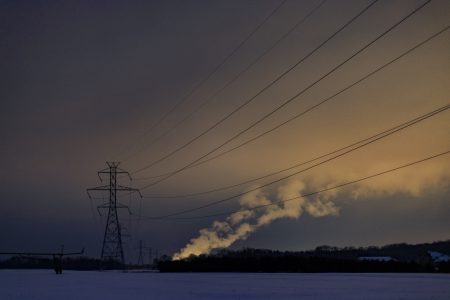
Every year, the group collaborates on one big project. In 2024 it was The Checkup: Water and Human Health in a Changing Climate, and in 2025 it was Cash Flows: Industry, Ecology and the Future of the Great Lakes Blue EconomyThis year, the collective is looking at the shifting energy landscape and its impacts on Great Lakes water with Shockwave: Rising energy demand and the future of the Great Lakes.

The first four members — Bridge Michigan, Michigan Public, Detroit Public Television’s Great Lakes Now program and Circle of Blue — are all based in the United States, though they all recognize environmental issues affect people and nature on both sides of the border. We’re proud to be the first Canadian members of the partnership.


How our journalism makes a difference
Here at The Narwhal, we do journalism differently. As an independent non-profit, we’re accountable to you, our readers — not advertisers or shareholders. So we measure our success based on real-world impact: evidence that our reporting influenced citizens to hold power to account and pushed policymakers to do better.

Our stories have been raised in legislatures across the country and cited by citizens in petitions and letters to politicians.

Take our reporting on Alberta’s decision to allow cougar hunting in parks, which was cited in an official ethics complaint against the parks minister. And, after we revealed an oil and gas giant was permitted to sidestep the rules for more than 4,300 pipelines, the BC Energy Regulator started posting the exemptions it grants publicly.

This kind of work takes time, money and a lot of grit. And we can’t do it without the support of thousands of readers just like you.

Will you help us dig deep by joining as a monthly or yearly member, for any donation amount you can afford?
How our journalism makes a difference
Here at The Narwhal, we do journalism differently. As an independent non-profit, we’re accountable to you, our readers — not advertisers or shareholders. So we measure our success based on real-world impact: evidence that our reporting influenced citizens to hold power to account and pushed policymakers to do better.

Our stories have been raised in legislatures across the country and cited by citizens in petitions and letters to politicians.

Take our reporting on Alberta’s decision to allow cougar hunting in parks, which was cited in an official ethics complaint against the parks minister. And, after we revealed an oil and gas giant was permitted to sidestep the rules for more than 4,300 pipelines, the BC Energy Regulator started posting the exemptions it grants publicly.

This kind of work takes time, money and a lot of grit. And we can’t do it without the support of thousands of readers just like you.

Will you help us dig deep by joining as a monthly or yearly member, for any donation amount you can afford?

We’re fighting for our right to report — and your right to know. Stay in the loop about our trial against the RCMP and get a weekly dose of The Narwhal’s independent journalism
Red text in bold, capital letters: JOIN OUR FIGHT FOR PRESS FREEDOM
We’re fighting for our right to report — and your right to know. Stay in the loop about our trial against the RCMP and get a weekly dose of The Narwhal’s independent journalism
Red text in bold, capital letters: JOIN OUR FIGHT FOR PRESS FREEDOM