


 5 min. read
One by one, snowmobiles pulling qamutiit — traditional wooden sleds — navigate their way through the snowy streets of Igloolik, Nvt.
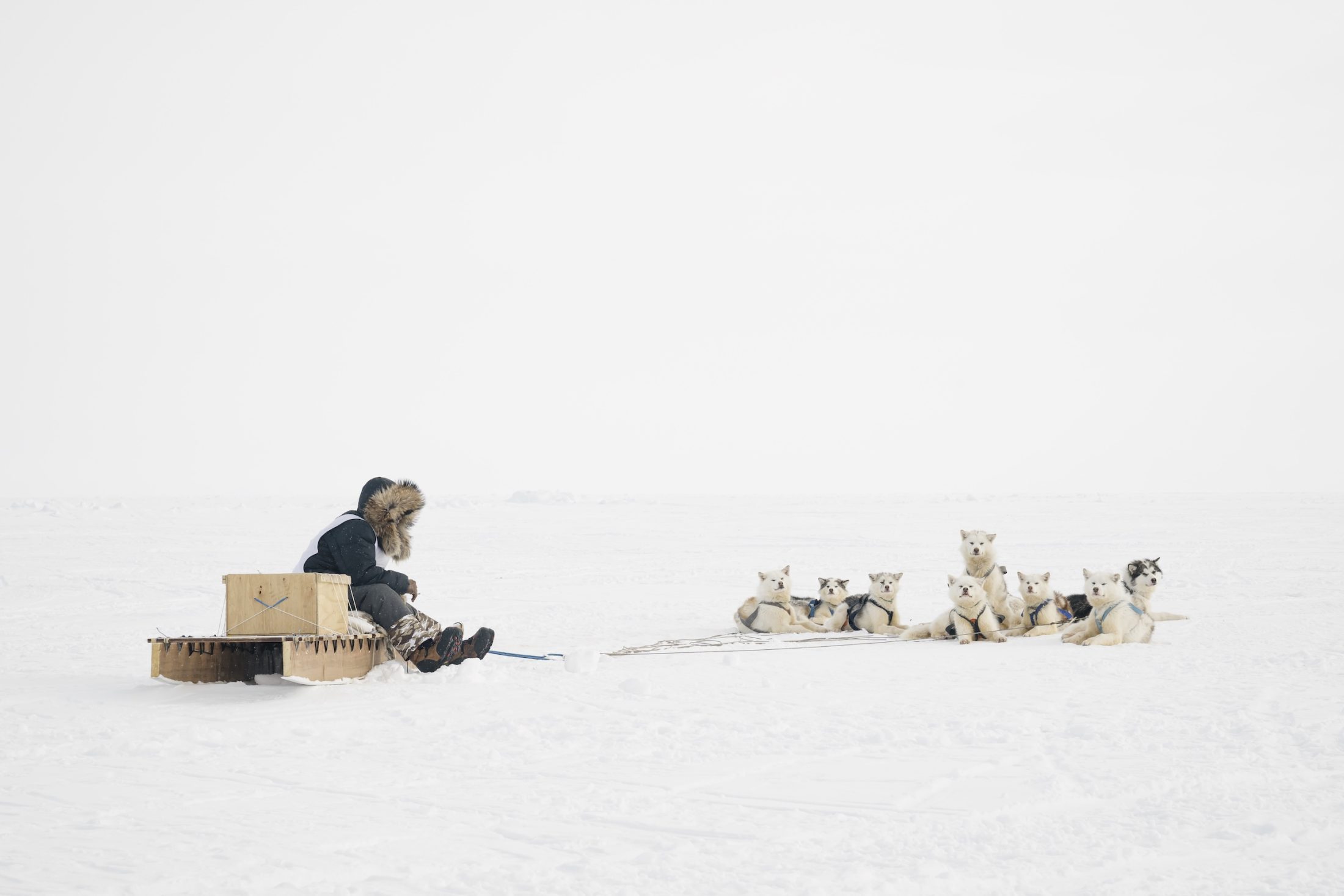
There, on the ice of the nearby bay, nine teams of qimmiit (Inuit sled dogs) sit waiting amid the blowing snow.
It’s April 9 as the teams assemble at the start line for this year’s Nunavut Quest, the territory’s only major dogsled race.
But this year, bad weather has forced them to delay the teams’ start by two days.
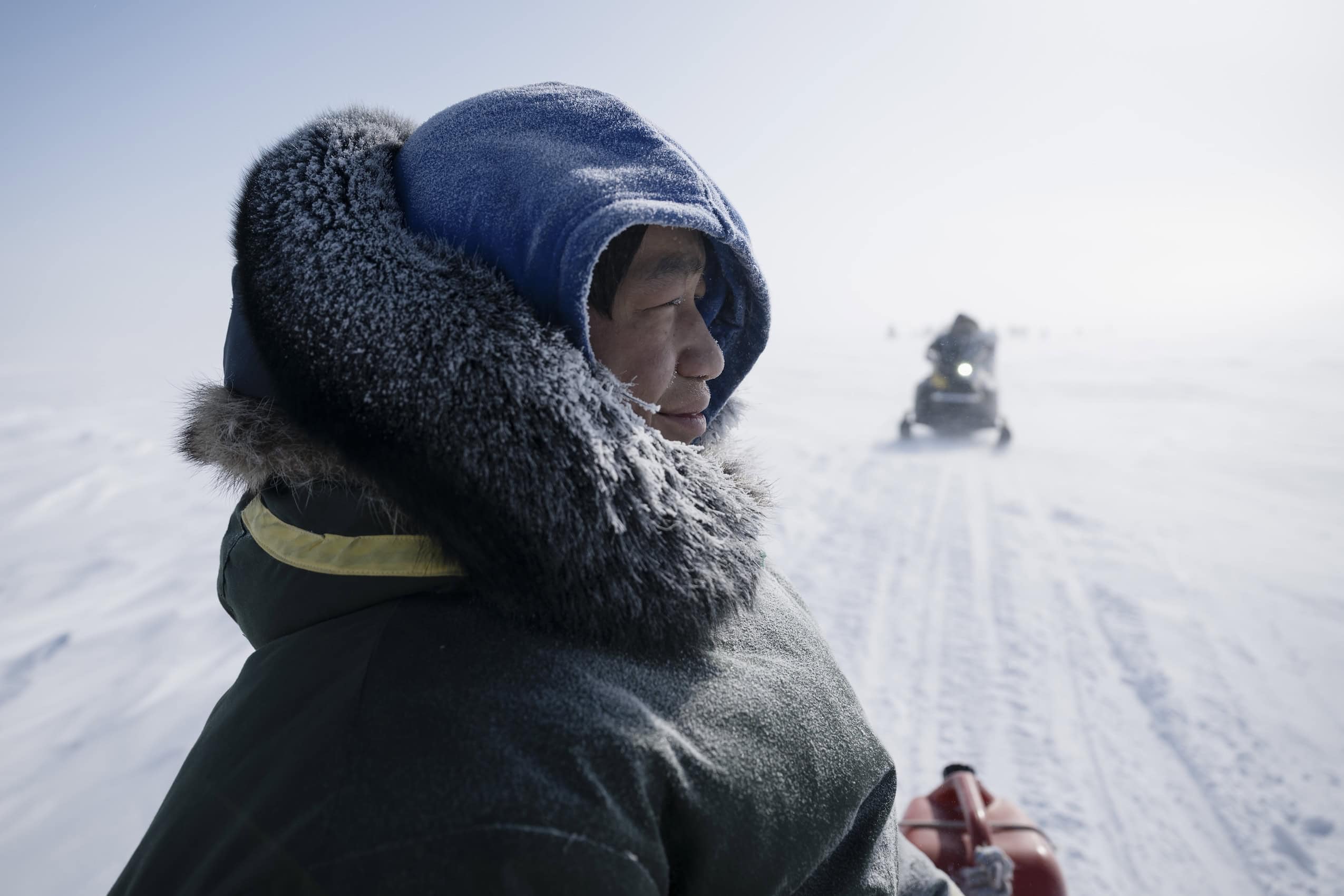
The route will take the dogs, mushers and their support teams roughly 580 kilometres north over the course of a week.
The arduous journey takes them north — winding across sea ice, frozen lakes and rivers, before eventually arriving in Mittimatalik (Pond Inlet) the next week.
Nunavut Quest’s original rules were simple: the qamutiit must be four metres long, give or take 30 centimetres, and teams must have between 10 and 12 dogs secured to the sled with a traditional fan hitch.
Its origins trace back to 1999 — the year Nunavut was declared the country’s newest territory.
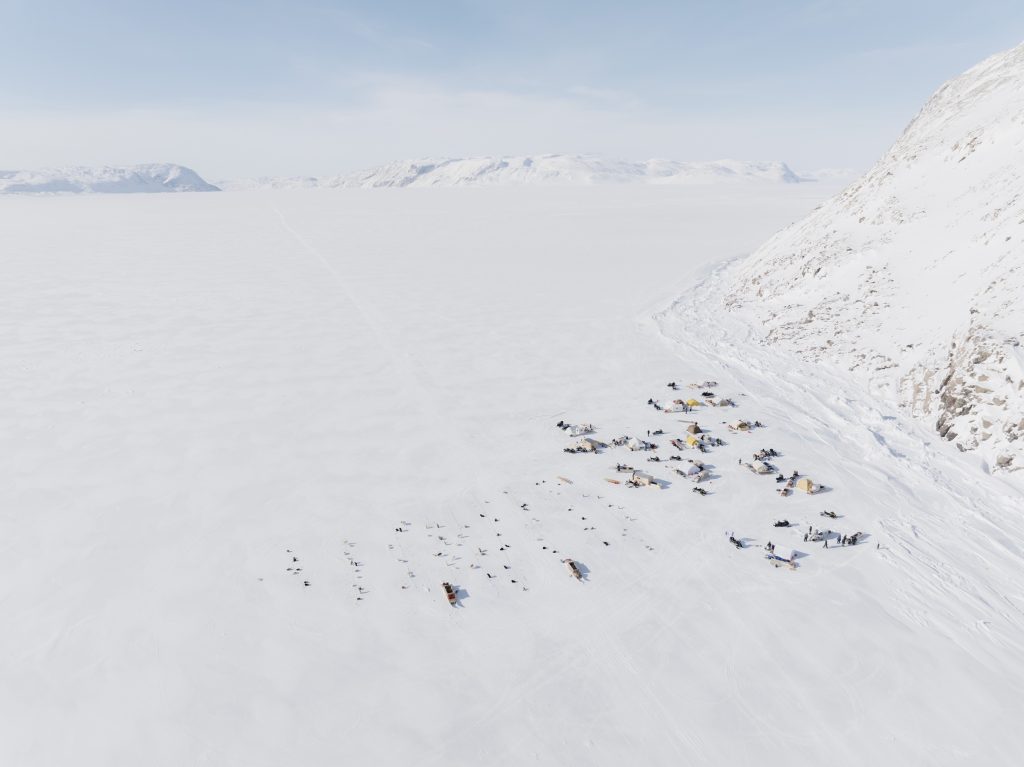
Home to just over 40,000 residents today, Nunavut spans roughly two million square kilometres — by far the largest of any province or territory, comprising a fifth of the entire country.
Just ahead of its founding, four residents of Ikpiarjuk (Arctic Bay) wanted to create a dogsled race as a one-off event to celebrate the historic event.
They initially called it the North Baffin Quest, a race open only to teams that used the official animal of the new territory: Inuit sled dogs.
The inaugural event was so successful that it was repeated the next year, but renamed Nunavut Quest.
An endangered tradition
The race has helped revitalize an endangered tradition.
In the 1950s and ’60s, the RCMP slaughtered more than 1,000 Inuit sled dogs across the North.
It was part of an onslaught of colonial acts Canada committed in the Arctic, including forced relocations and residential schools.
The RCMP claimed in 2006 that no coordinated dog slaughter ever even took place.
But the force later insisted it was actually done “for public health and safety reasons, in accordance with the law.”
But the 2007–2010 Inuit-led Qikiqtani Truth Commission “quickly and soundly rejected” the force’s assertions.
According to Inuit Tapiriit Kanatami, the national Inuit organization, the RCMP’s actual reason for the dog cull was “to terminate Inuit mobility.”
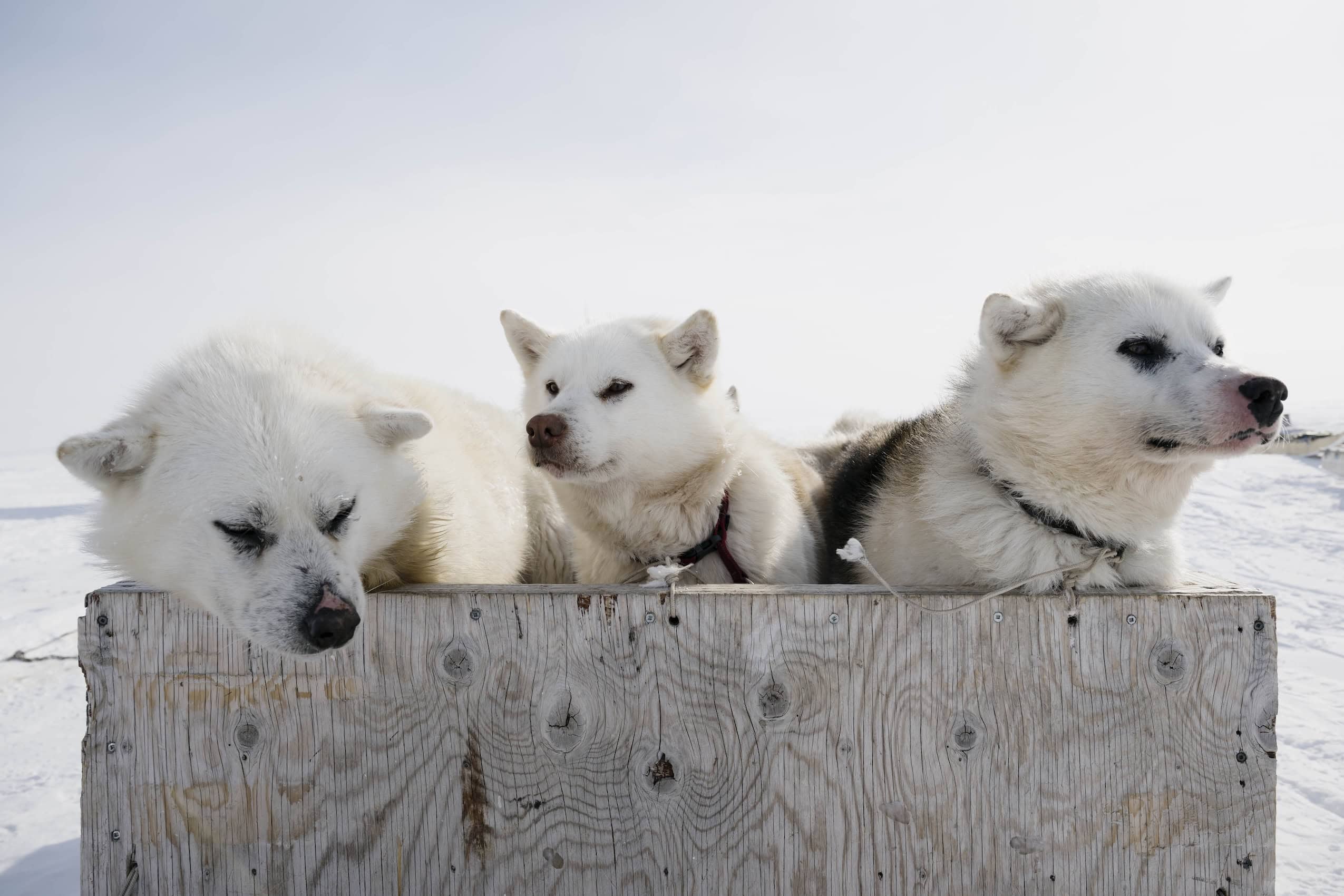
In 2019, Canada apologized to Inuit for what it admitted were “colonial,” “traumatic” and “harmful” abuses, including the mass killing of qimmiit.
The sled dog cull left families “haunted by painful stories of the loss of qimmiit … losing the ability to travel and hunt for food safely and effectively,” the federal government admitted, “becoming unable to feed your families.”
“The commission was mandated to look in particular at community relocations and the killing of qimmiit in the region,” the apology noted, but its mandate expanded to scrutinizing the overarching “massive and traumatic disruption” to Inuit life and culture.
Nunavut Quest’s funding is drawn from a qimmiit revitalization program set up after the commission to “connect Inuit to our traditional activities and culture.”
Sponsored by the Qikiqtani Inuit Association, Nunavut Quest now offers $100,000 in prizes.
Harnessing the power of dogs — and connectivity
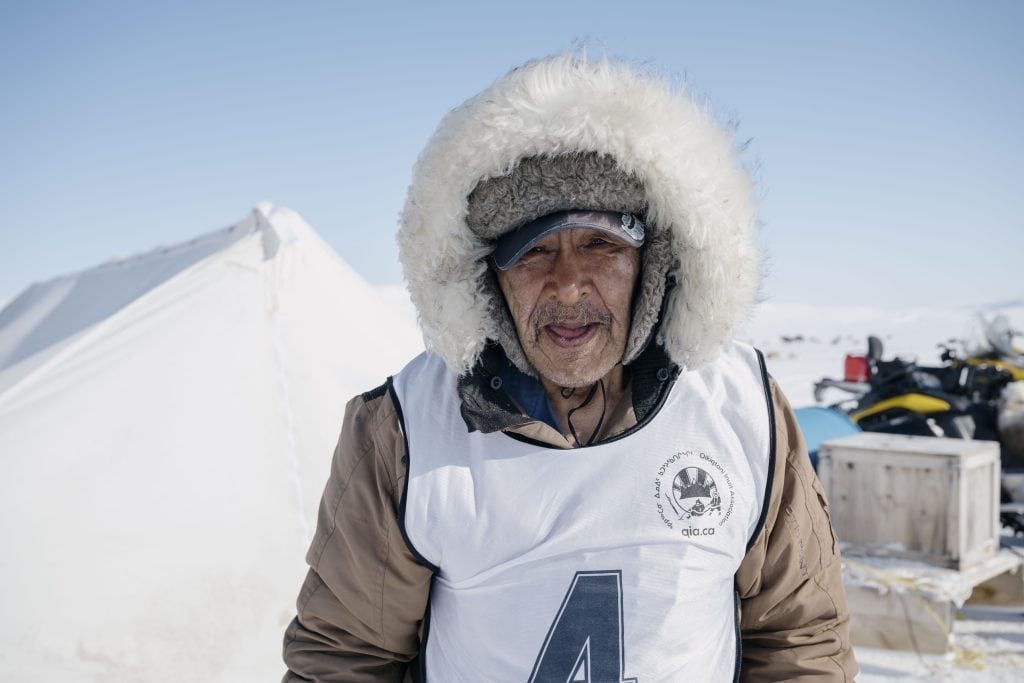
This year’s race saw its nine qimuksiqtiit (dog-sledders) span generations — from seasoned veterans like 77-year-old Natalino Piugattuq, to relative newcomers like Jinneal Nanuraq Uttak.
Uttak only joined the race three years ago, but stunned fans when he won first place in both of his first two years.
Although the stars of the race are the qimuksiqtiit and their teams of sled dogs, they can’t win on their own.
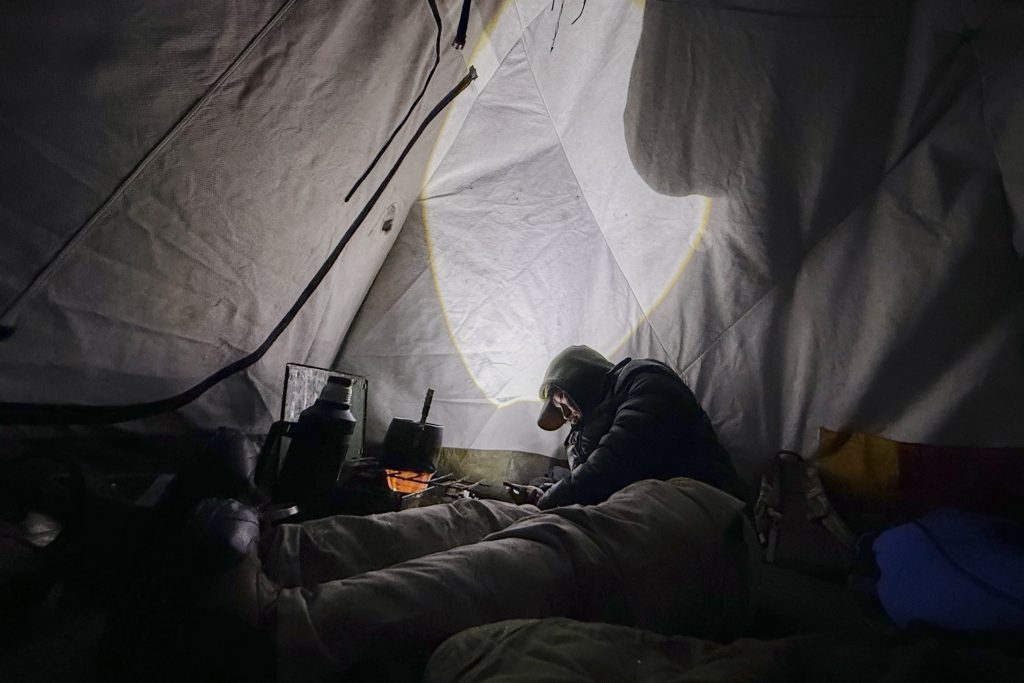
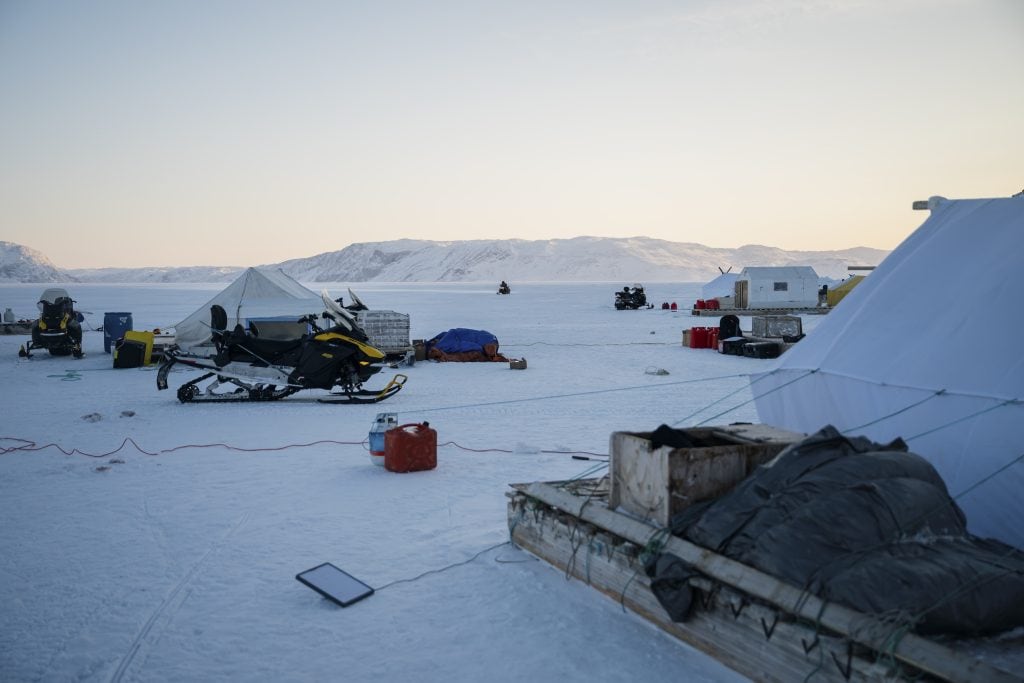
Each racer is supported by two others who travel by snowmobile, along with other support drivers. Those teams create the trail mushers will follow each day, ranging from 55 kilometres to nearly 100 kilometres.
These support drivers — often mushers’ friends or family members — not only transport supplies such as food for the dogs, tents and other gear, but they also assist with overnight camp life and caring for the animals.
The camps reflect contemporary northern life.
Today’s amenities include generators, tracking devices and satellite internet dishes — allowing friends and family to share the experience with loved ones back home.
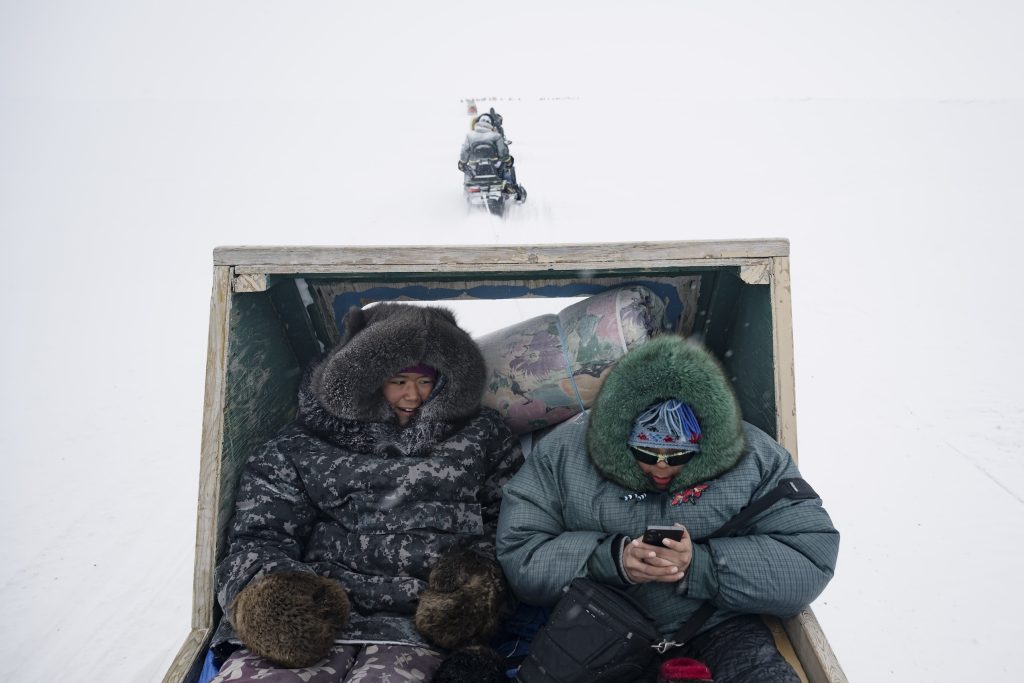
This year, like the last two years, a group of youth harnessed that technology to provide daily updates to local and national media outlets, sharing their experiences with classrooms across the country.
The youth also chronicled everything from encounters with caribou to whiteouts, a disorienting weather phenomenon where the horizon and landmarks disappear from sight.
The end of a journey
Eight days after leaving Igloolik, each of this year’s teams crosses the finish line in Mittimatalik, the first with just over 28 hours of race-time.
There, a large crowd greets each musher — hoisting them, qamutiik and all, off the ground in celebration.
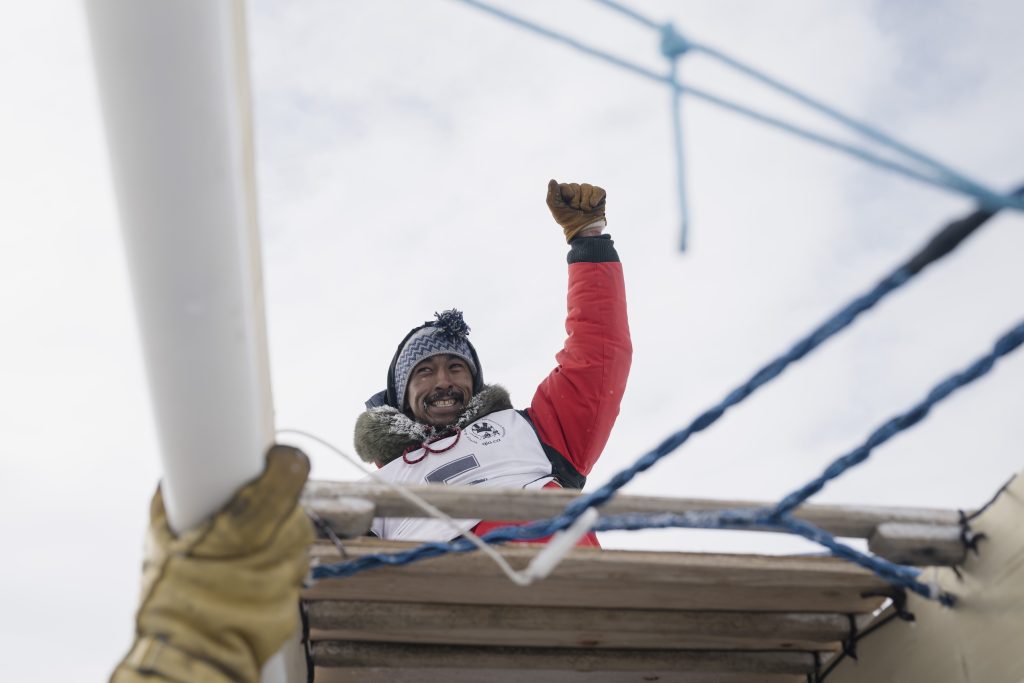
At a closing ceremony several days later, officials announce the results of their 27th annual event.
Winning with an 88-minute lead, the $20,000 first-place prize goes to Jinneal Nanuraq Uttak.
For the up-and-coming rookie, it’s his third Nunavut Quest victory in a row.