


Unless you resist the internet entirely, it’s hard to avoid artificial intelligence (AI) these days. Google offers unsolicited AI answers to search queries, AI-generated art work is flooding social media feeds and it’s getting harder and harder to discern if customer service agents you’re chatting with are real or robotic.
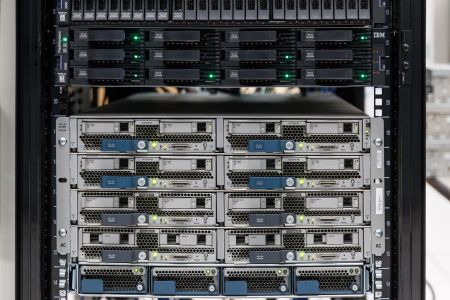
Behind all of this activity are AI data centres — huge facilities that house computer servers and other digital infrastructure. As the world’s major tech companies compete for AI dominance, they’re racing to build new data centres dedicated to training and running their AI models.
In Canada, several provinces, including Ontario, Alberta and New Brunswick, are welcoming that boom as an opportunity to grow the economy. The federal government is also enthusiastic: it put out a call for proposals in early 2026 looking for companies to build AI data centres.
But not everyone is on board with the data centre buildout. Studies and polls show the opposition to data centres is increasing across the country. Opponents say the facilities, which are often powered by on-site generators burning fossil fuels, are an unsightly waste of energy and water.
Data centres are becoming more powerful in Canada
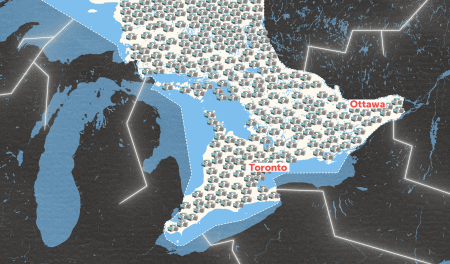
Data centres themselves aren’t new — the internet has long relied on a distributed network of servers to function. According to one study, there were 194 active data centres in Canada as of June 2026. Only a handful of those are purpose-built for AI.
What’s new right now is the incredible scale of the data centres needed to power the AI ambitions of the world’s tech giants. The data centres under development in Canada are about 10 times as powerful, on average, as the ones that are already operating, according to research from York University.
All that computing power requires a huge amount of electricity. Data centres also consume water to keep their infrastructure from overheating.
The York researchers counted 199 proposed data centres in Canada, with a total projected energy demand of 21.7 gigawatts, which is about what the entire province of Ontario consumes during high-demand periods. One data centre proposed in Olds, Alta., was expected to consume as much electricity as the entire city of Edmonton. (That proposal was denied by provincial regulators.)
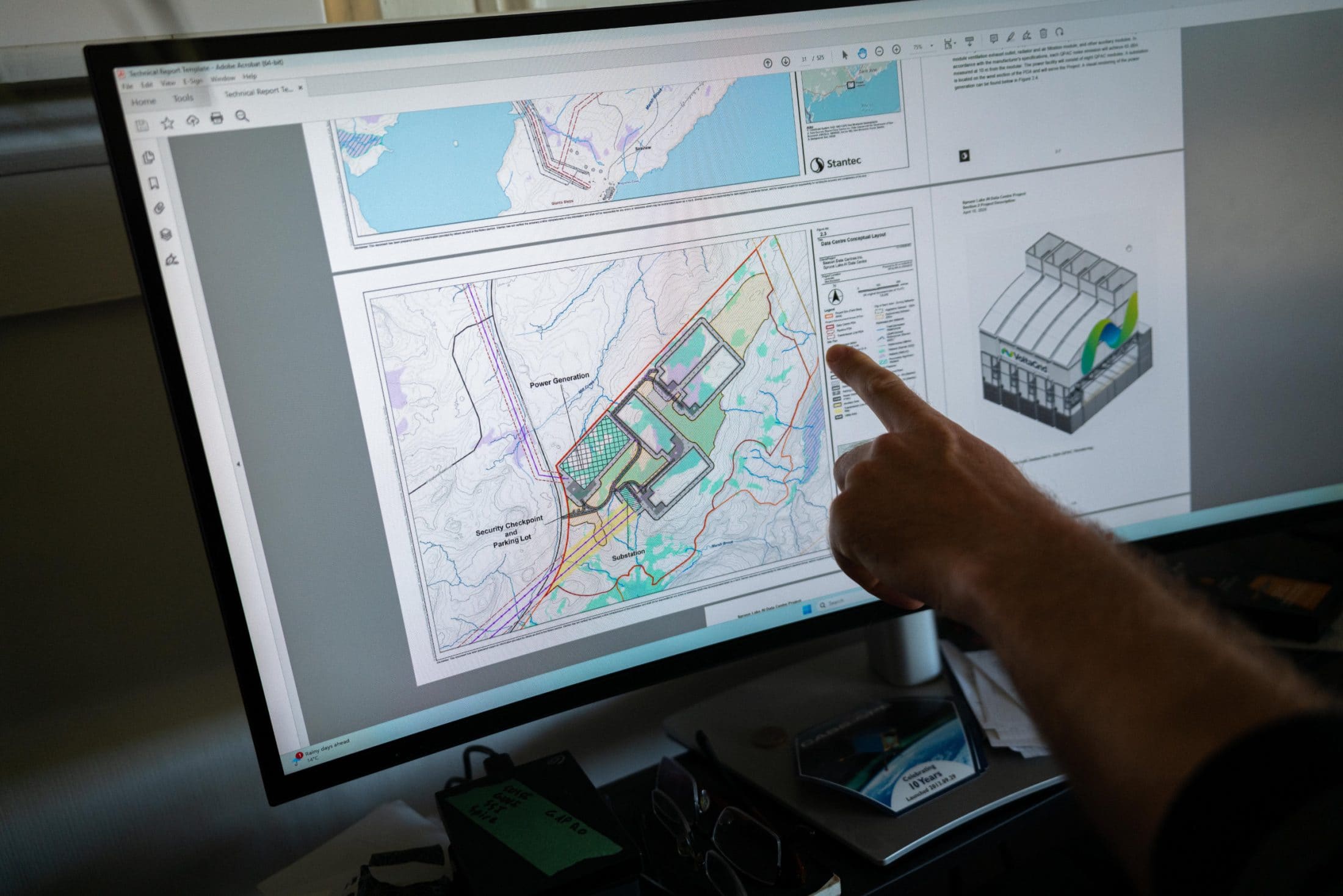
Not every jurisdiction has enough electrical capacity to meet the energy demands of AI data centres, and so some are requiring data centre developers to supply their own power. In these cases, on-site gas-powered generators are a common solution, which increases greenhouse gas emissions. When data centres are able to purchase power from local grids, their carbon footprint depends largely on whether that grid is powered by clean energy or fossil fuels.
The Narwhal is covering Canada’s data centre buildout, with a particular focus on its impacts on the country’s lands and waters. Browse our stories below, and don’t forget to subscribe to our email newsletter to stay up to date.

 8 min. read