





 9 min. read
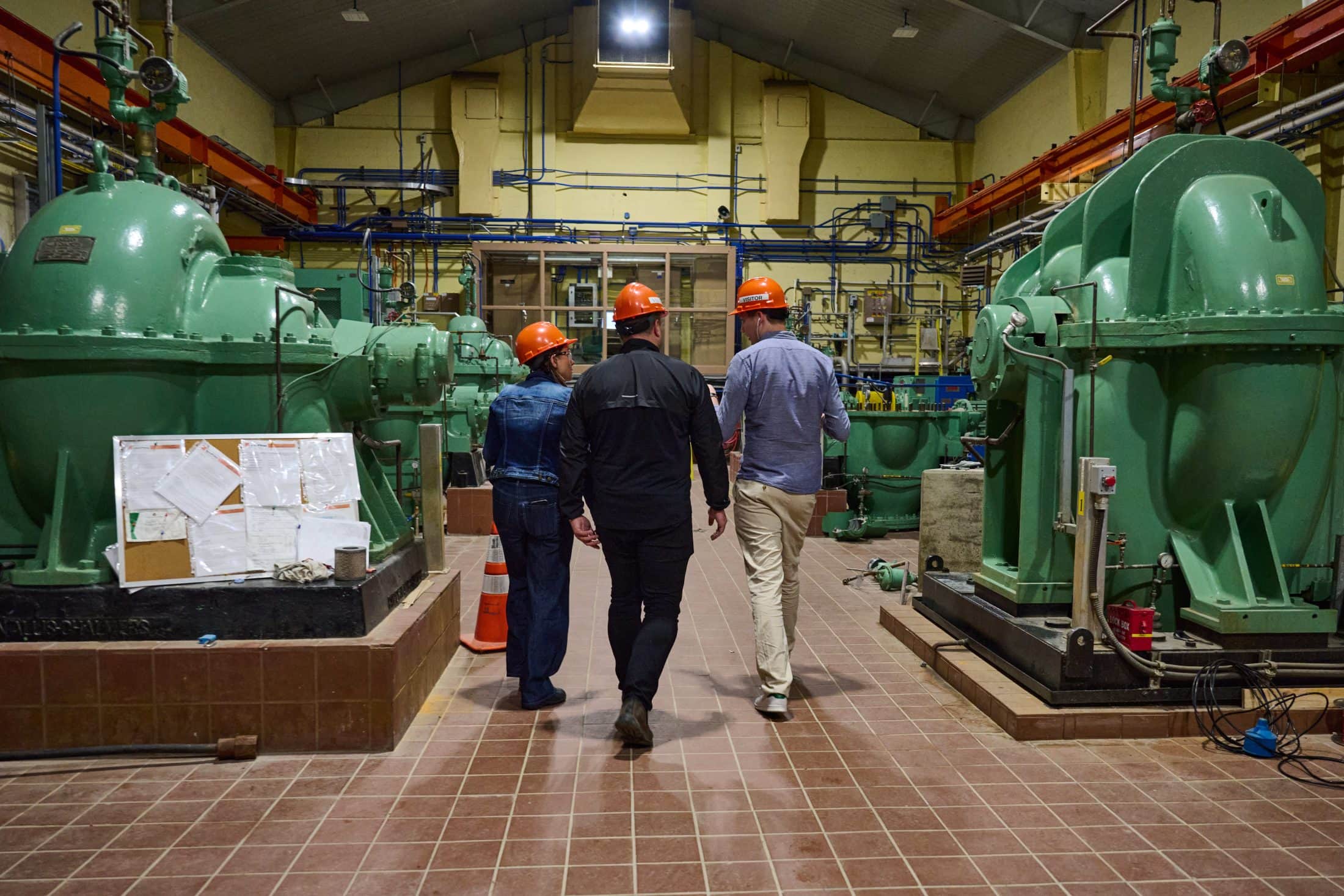
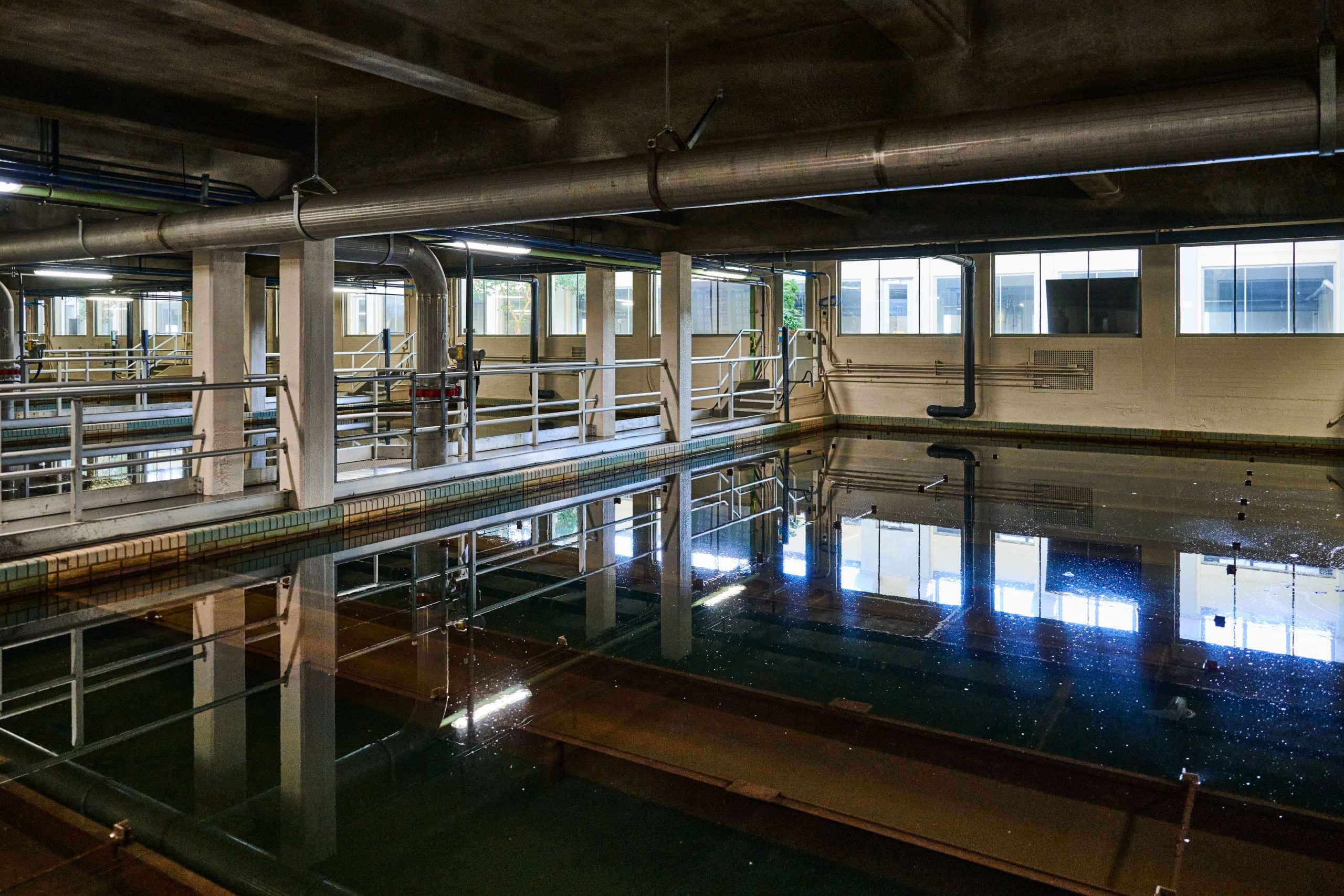
Yvonne Zawada leads us down a long hallway where pipes and electrical conduits snake their way along walls.
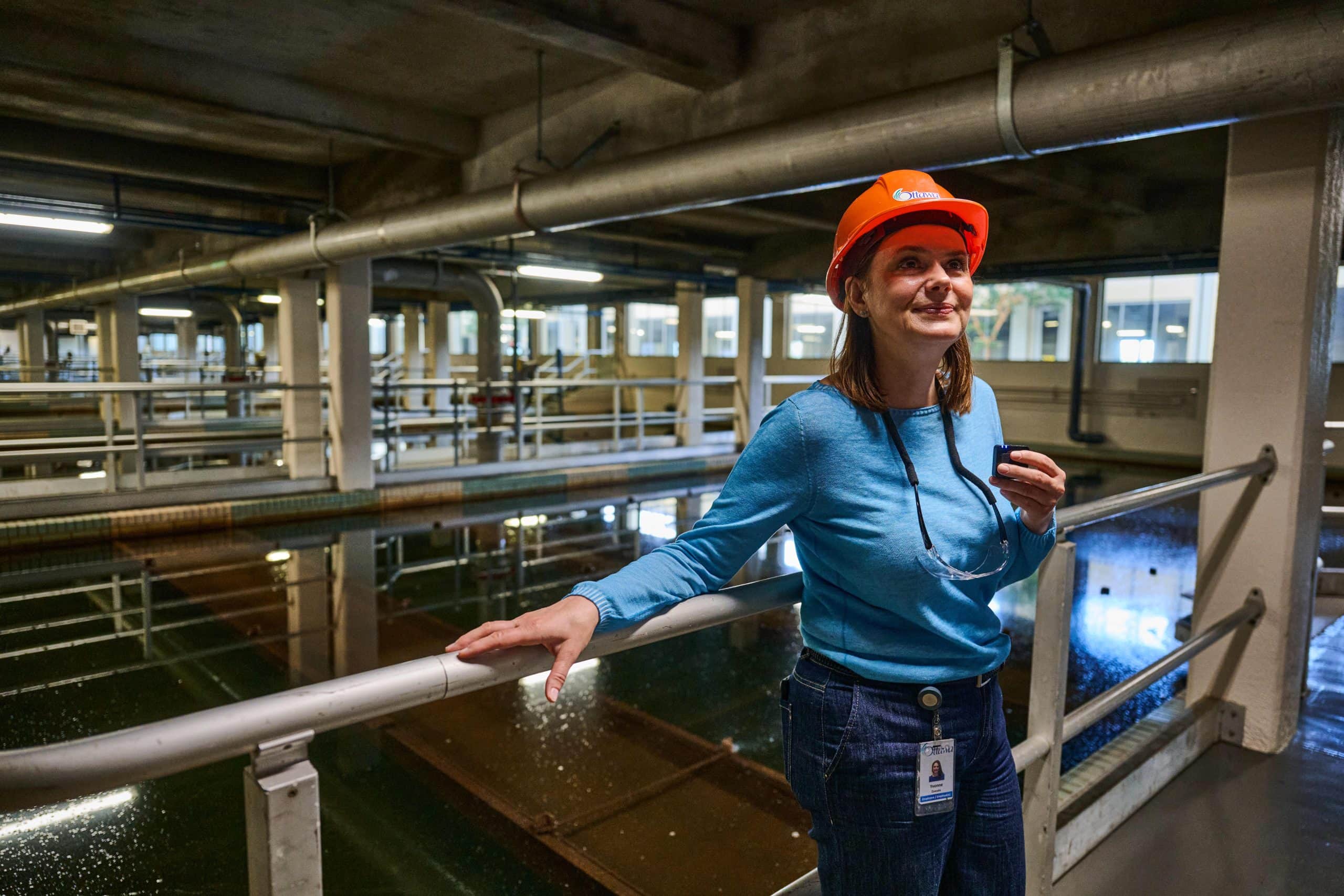
We’re deep in the guts of the Lemieux Island Water Purification Plant, on the eponymous island in the middle of the Ottawa River.
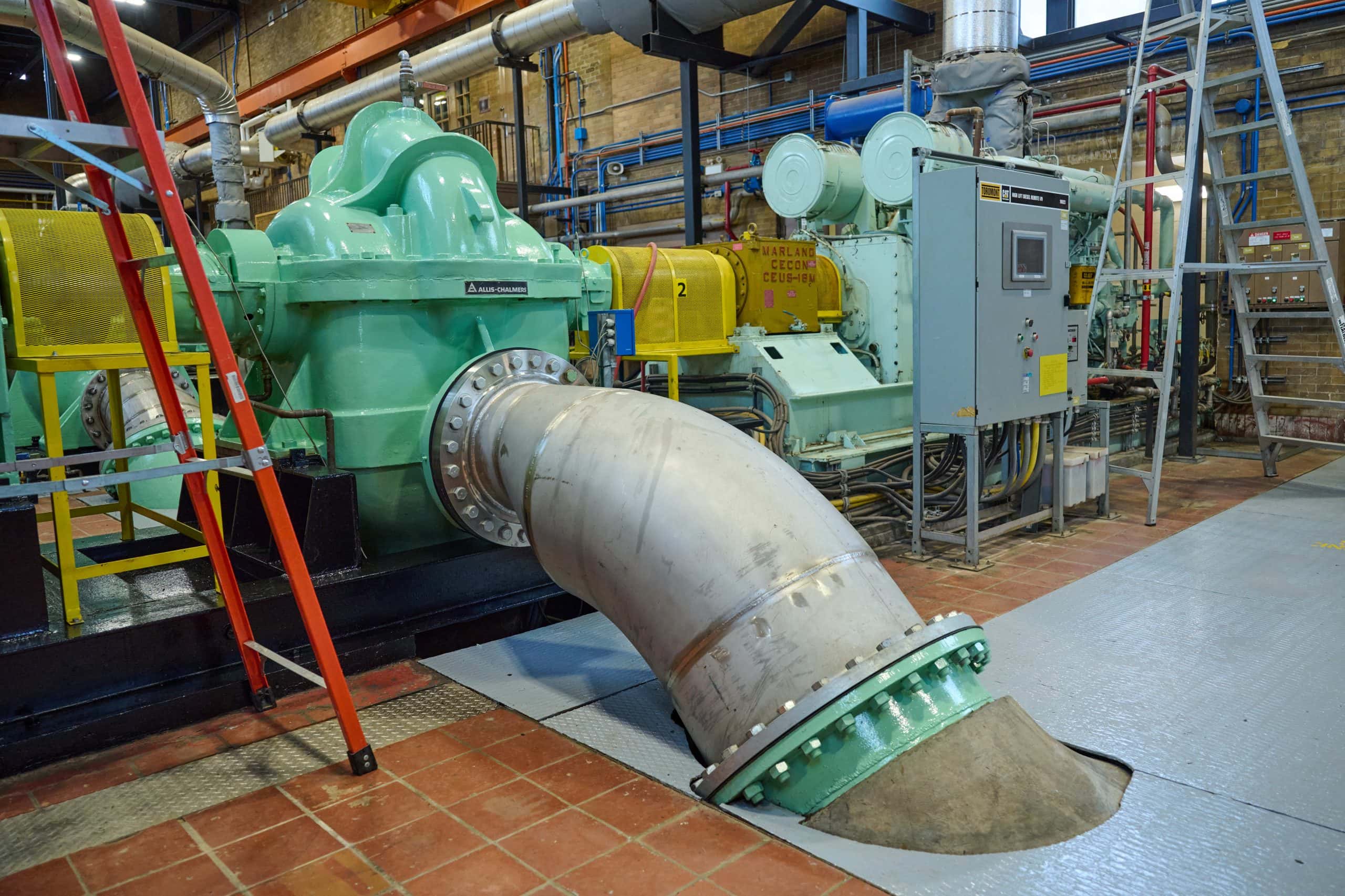
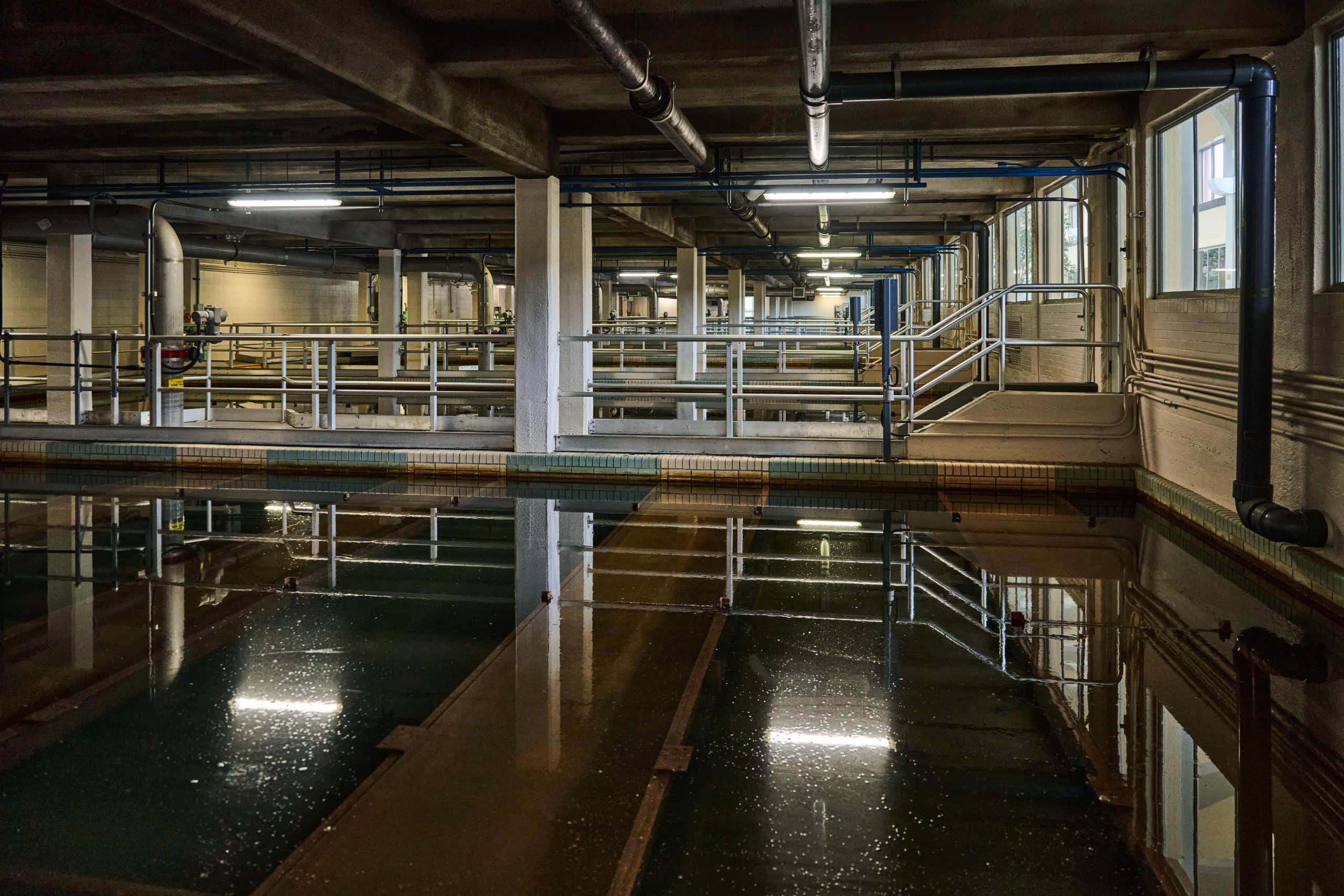
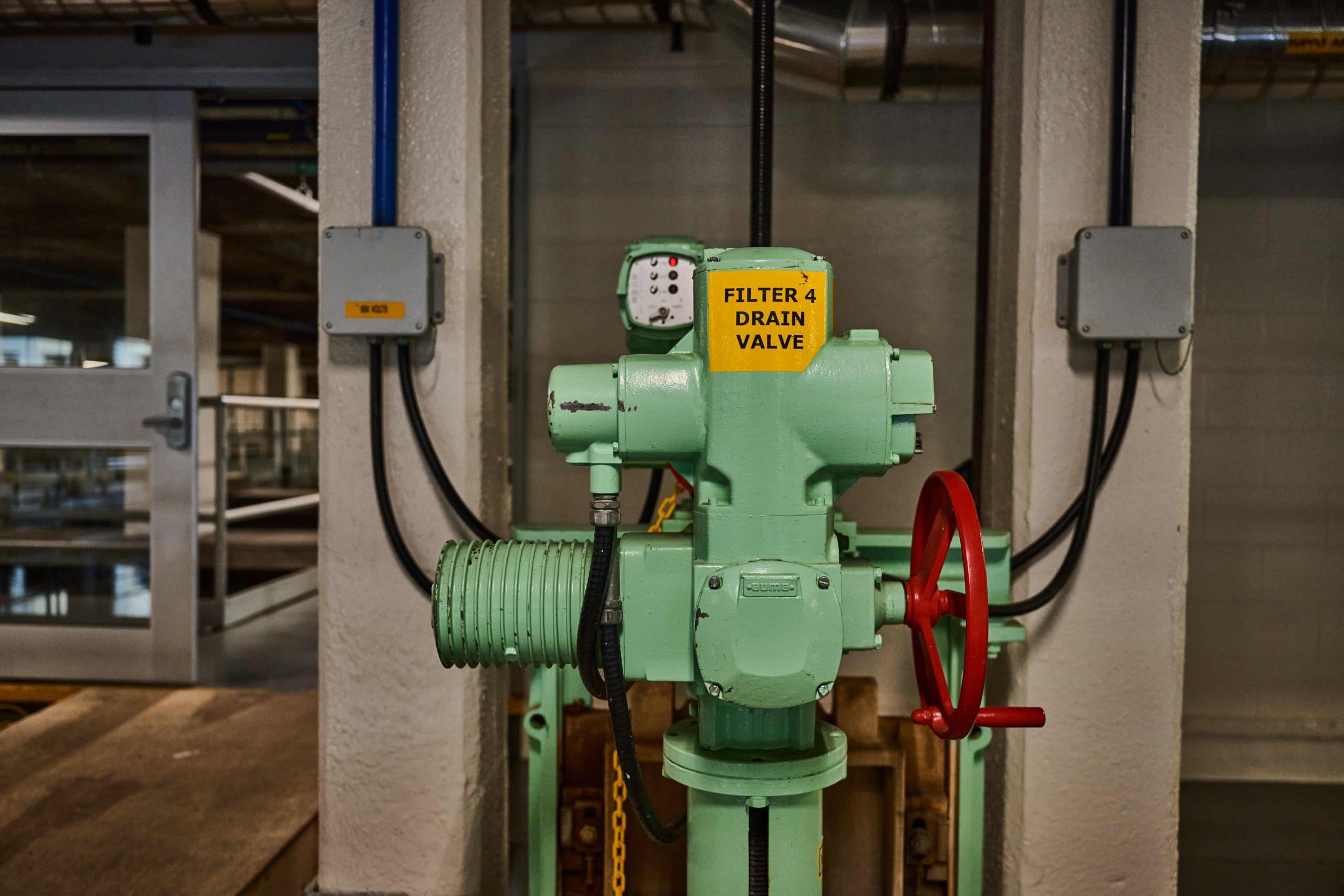
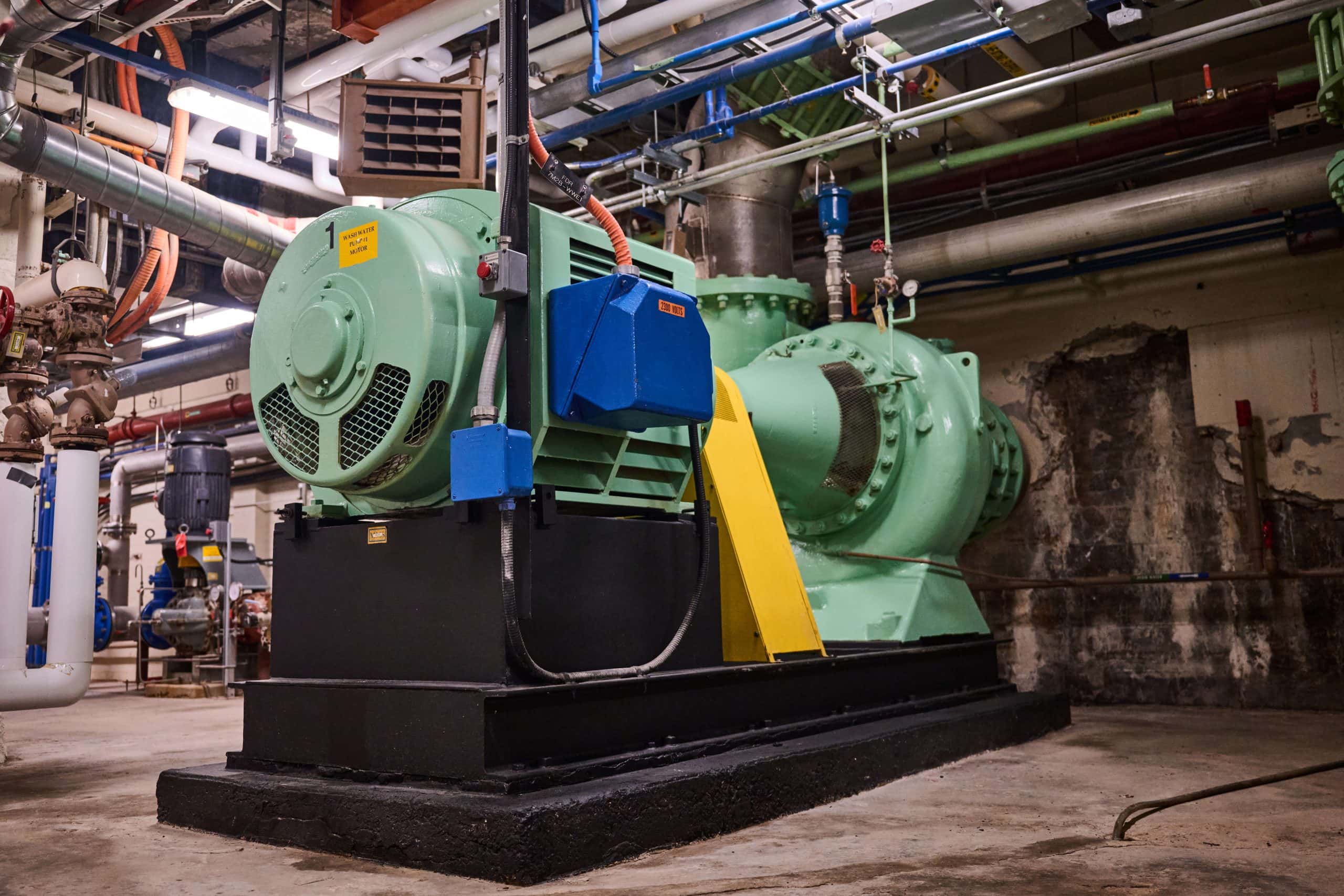
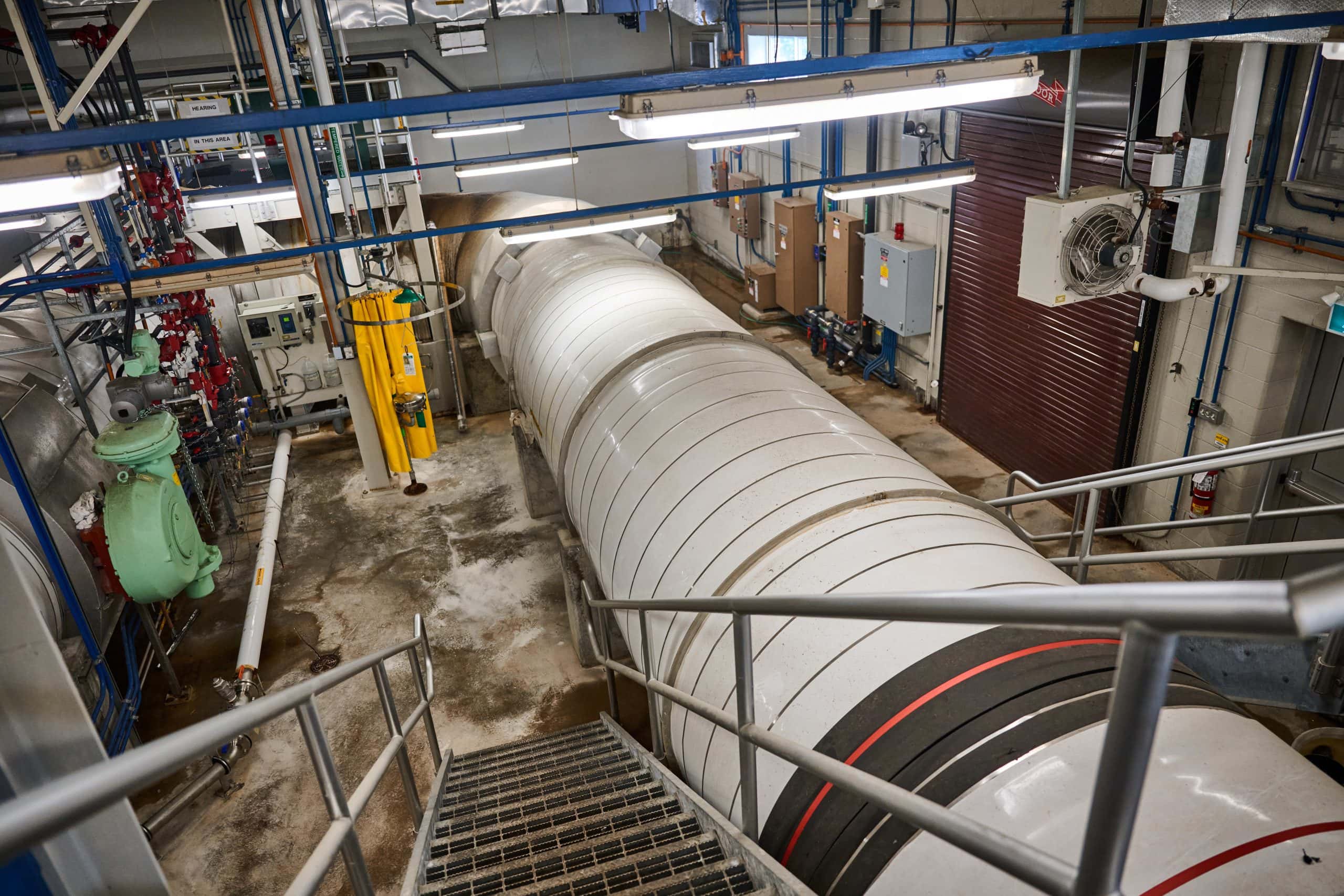
“It’s a little bit like a maze,” plant manager Zawada says as we emerge into a high-ceilinged room filled with industrial-sized pumps, generators and other equipment.

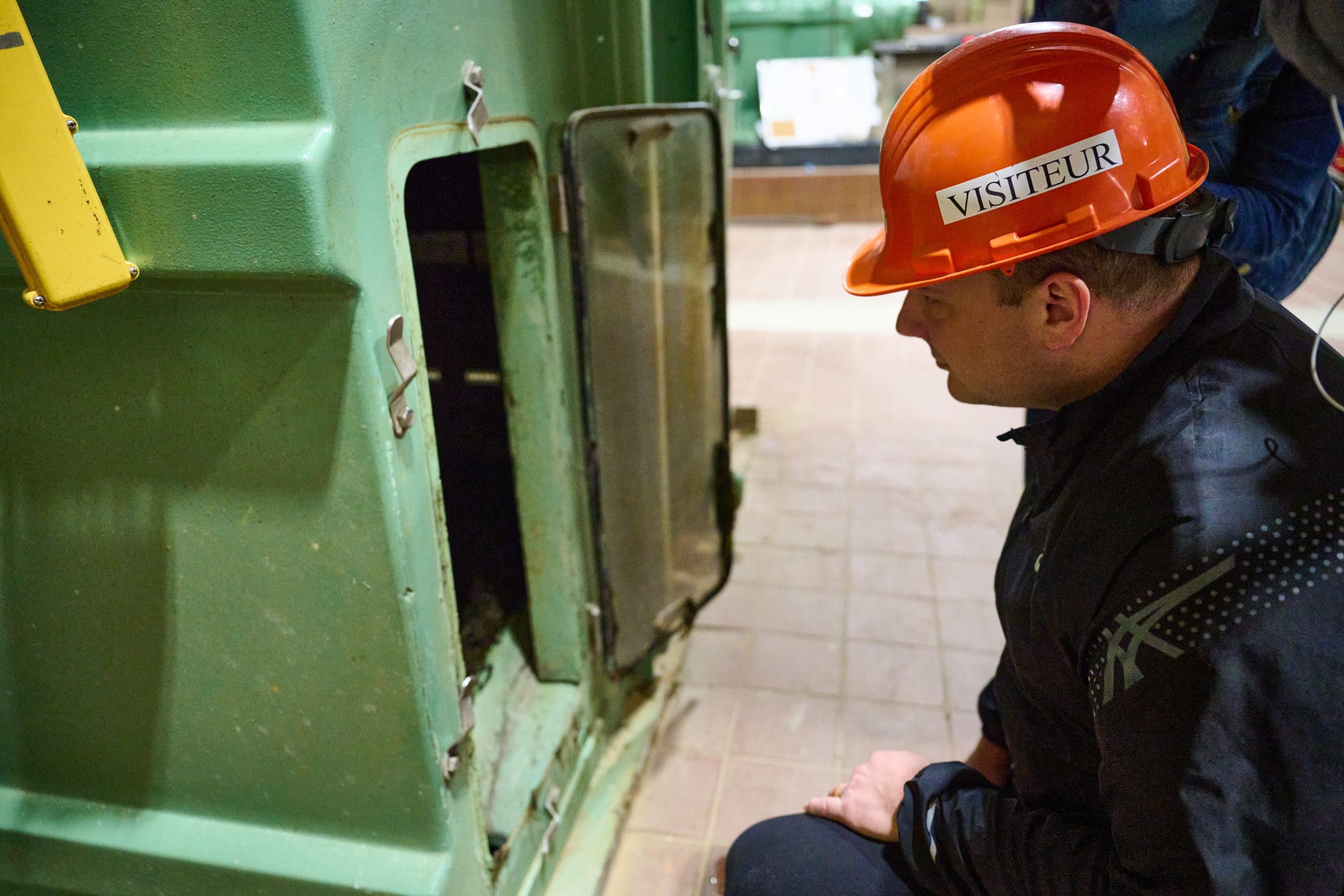
She crouches next to one of the screens used to remove debris like branches and leaves, and opens up a service panel. Inside, the raw river water smells musty.
“What we pull in is this tea-like coloured water,” she says. It’s an apt comparison: the colour comes from organic materials like decomposing plant matter, which release tannins into the water just like tea leaves.
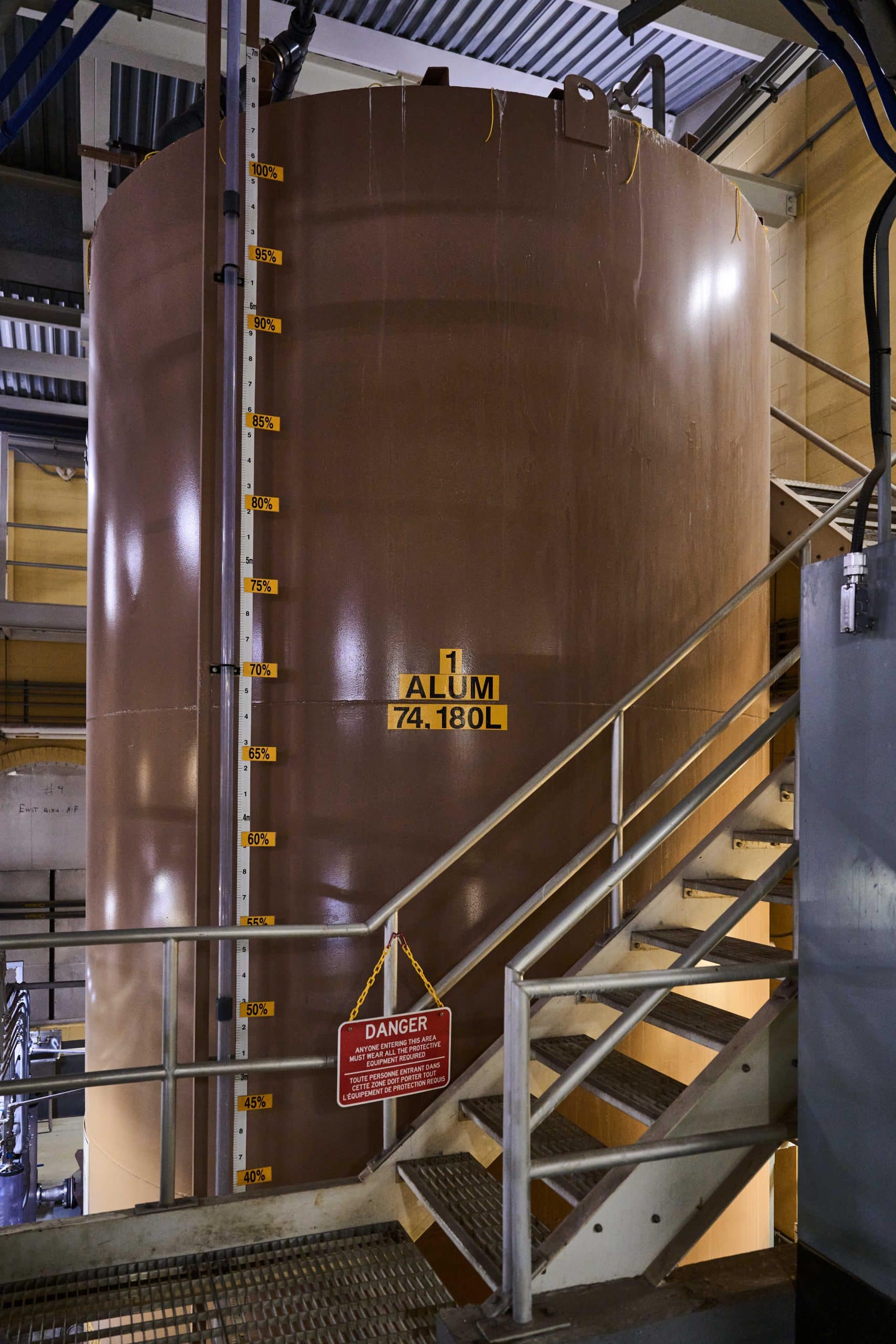
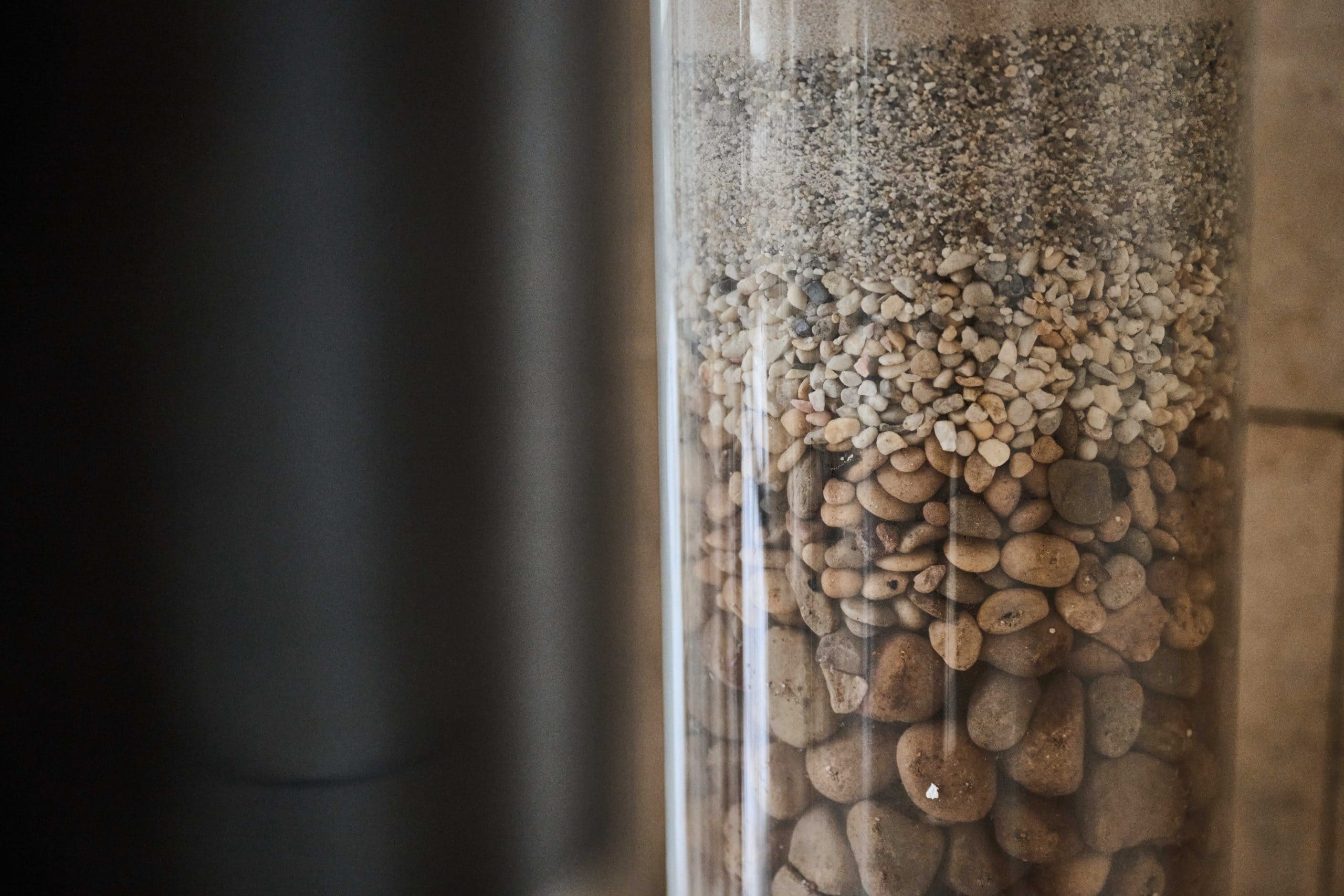
But in drinking water, it’s one of the many components that need to be screened out, filtered and disinfected before it can be sent through roughly 3,000 kilometres of distribution pipes.
Along with the Britannia plant in the west end of the city, Lemieux Island treats most of the 275 million litres of drinking water that close to a million Ottawans consume each day. (For residents in outlying communities, the city also has six groundwater well systems that are treated separately.)
What comes out of most Ottawans’ taps originates in the Ottawa River’s drainage basin, a huge, mostly forested landscape that stretches across 146,300 square kilometres of Quebec and Ontario. It covers roughly as much area as the Atlantic provinces of New Brunswick, Nova Scotia and Prince Edward Island.
The river draws on a dense network of tributaries and many wetlands that act as natural filters.
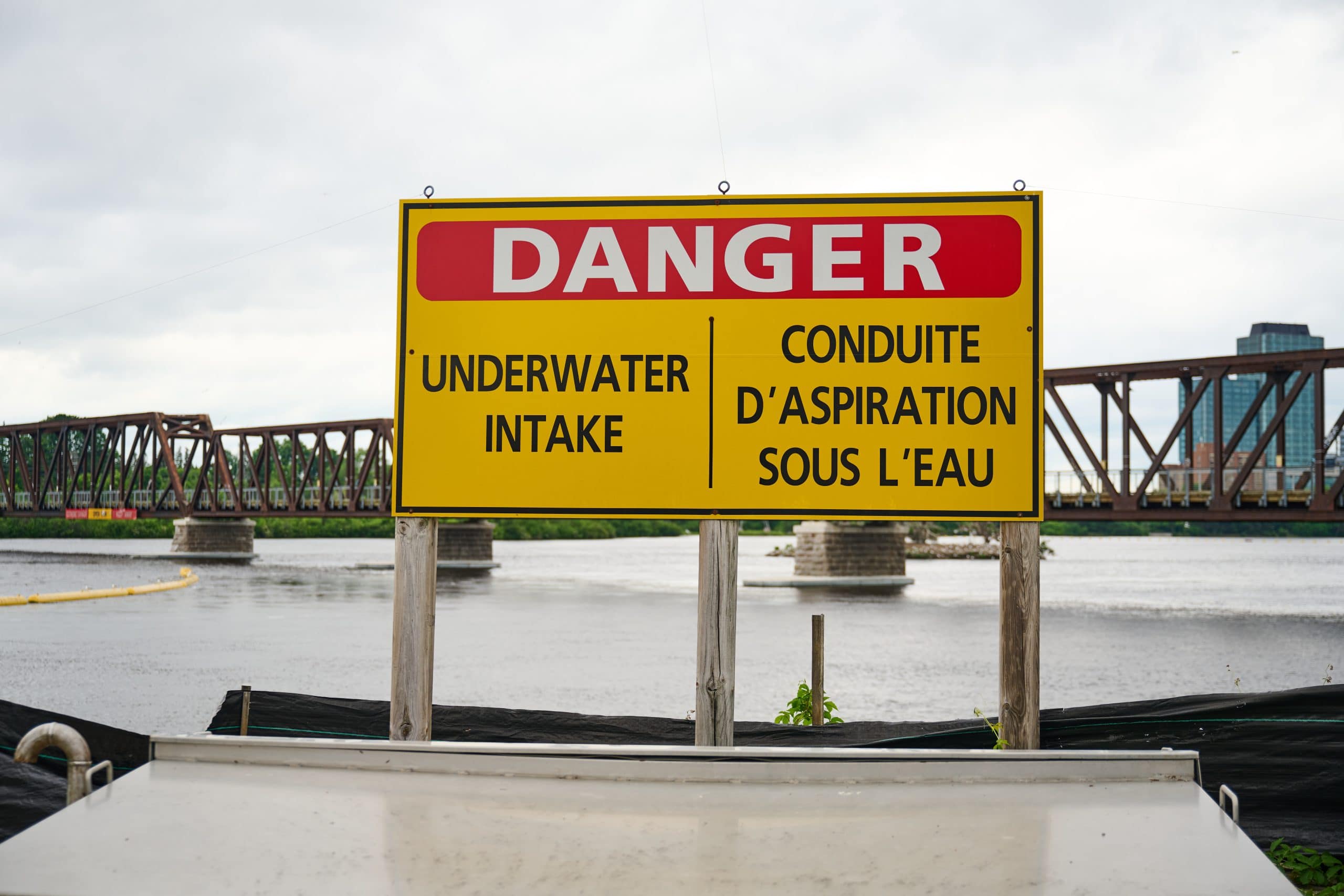
Because the Lemieux Island and Britannia plants draw directly from the Ottawa River, their operations rely on governments safeguarding that source water — not only by continuing to carry out rigorous treatment and testing, but also by protecting the watershed.
Those protections could be threatened, critics say, by recent federal legislation that would shift the way environmental projects are assessed, along with a provincial government push to speed up development by overhauling the system for managing watersheds.
Access to clean water is not equal across Canada
If you live in a big Canadian city, it’s easy to take the clean drinking water that flows from your taps for granted.
But as of Sept. 10, the federal government is still tracking 38 active long-term drinking water advisories on First Nations reserves across the provinces, except for in British Columbia where figures are tracked separately. As of Aug. 31, there were a total of 30 long-term drinking water advisories in effect across B.C.
In 2015, then-prime minister Justin Trudeau promised to end drinking water advisories on First Nations reserves within five years (although he was excluding B.C. First Nations when he made that promise.)
The Trudeau government admitted in 2020 that, although it had lifted close to 100 advisories by then, it would still miss its target.
Under Prime Minister Mark Carney, the government has refused to commit to a new deadline for ending drinking water advisories, although it says it is still working towards lifting them. In December 2025, the Federal Court found Canada has a certain duty to First Nations to take reasonable measures to provide them with safe drinking water, and in June, the government unveiled new legislation it said would help “unlock” funding for communities to tackle their drinking water issues properly.
That bill is currently sitting at the beginning of the process for getting legislation passed in Canada, so the government will have to move it forward before it can become law.
Straight to the source of Ottawa’s drinking water
Even where there is purportedly clean drinking water, crises do occur. In 2000, in the southern Ontario town of Walkerton, seven people died and roughly 2,300 people became sick after farm manure contaminated a well. The fallout from the crisis led to the creation of committees that oversee the sources of drinking water in Ontario, called source protection committees.
Ottawa has its own history of ignoring waterborne health threats, to tragic results, and it’s one of the reasons the Lemieux Island plant exists.
For much of its existence in the 19th and 20th centuries the national capital region, which includes Ottawa on the south side of the river and Gatineau on the north side in Quebec, has dealt with successive public health concerns over sanitation.
There was pollution from sawmills during the timber trade, and even raw sewage dumped into the river as the local population began to climb, leading to waves of typhoid fever in the early 20th century.
For years, the poorer districts of the town dealt with typhoid-related deaths that were effectively ignored, even though health officials would have known by then that chlorine could be used as a disinfectant, according to a column by James Powell, a director of the Historical Society of Ottawa.
A typhoid epidemic between 1911 and 1912 killed 185 people in Ottawa, with thousands of other cases reported, Powell wrote.

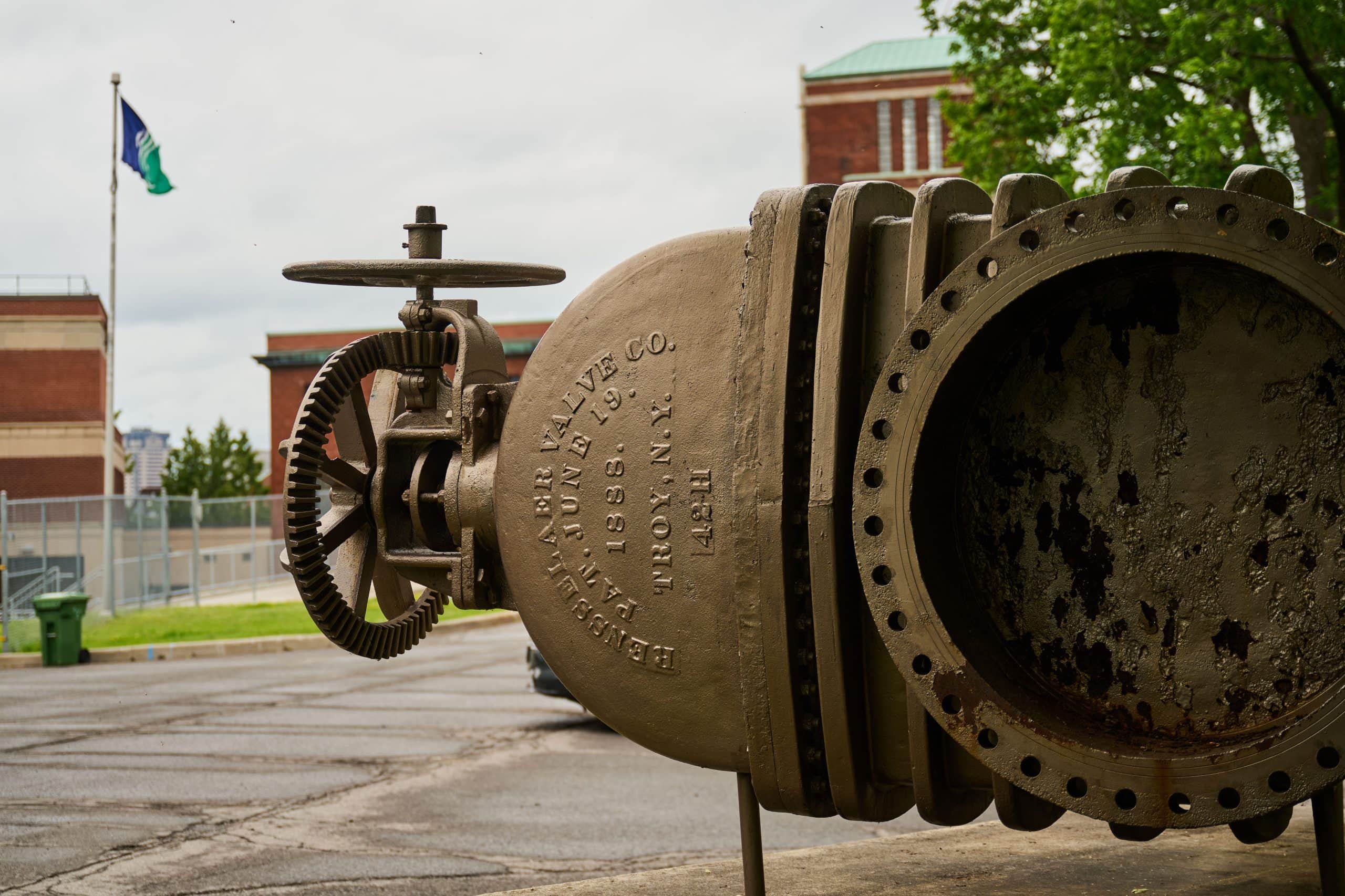
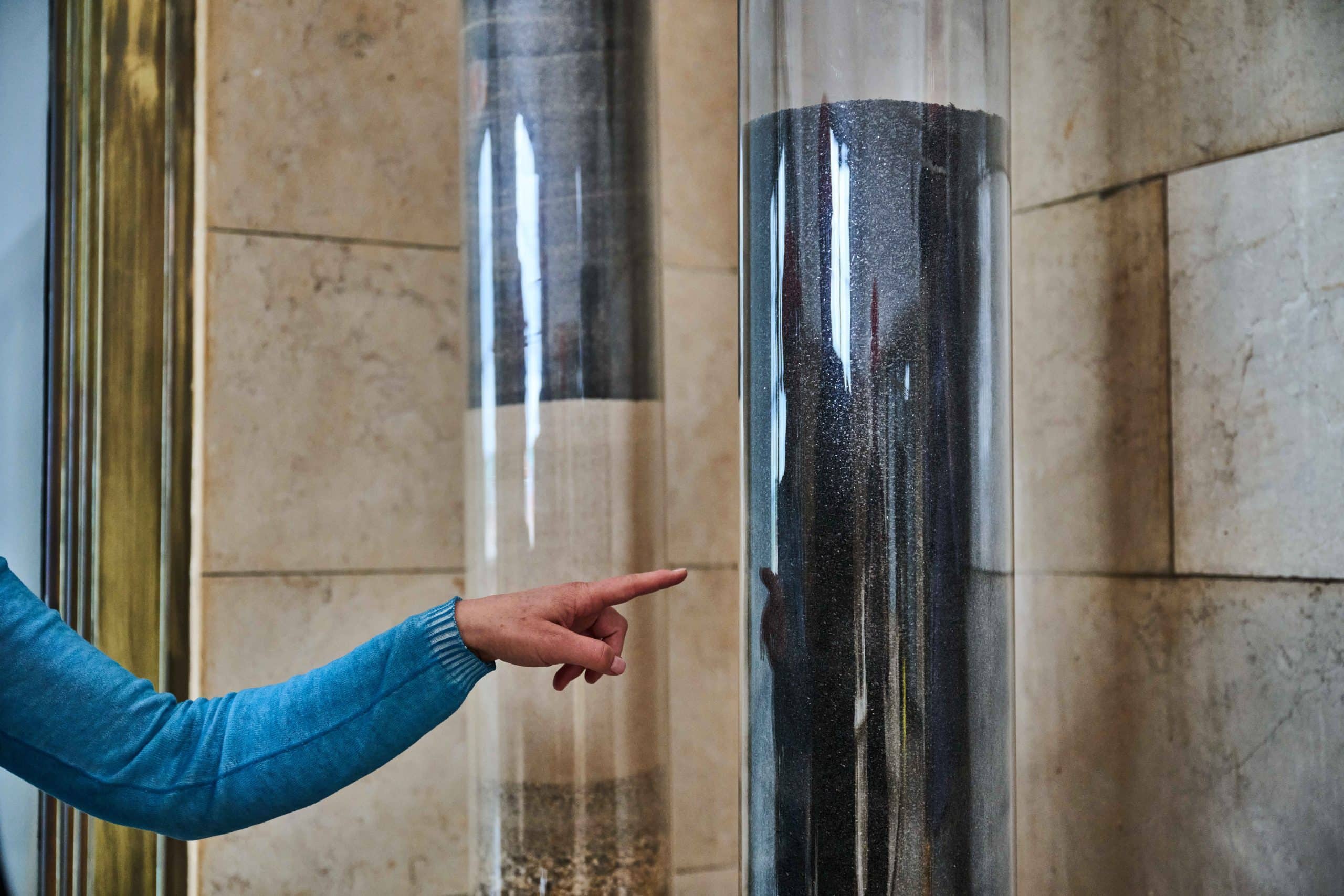
Construction on the Lemieux Island Water Purification Plant began in 1928 and the plant opened in 1932. Standing in the marble-clad main hallway, Zawada said the city “built this plant in response to public health concerns.” It received a heritage designation in 2024.
The capital region continued to deal with contamination, from industrial activity as well as sewage. Ottawa opened a wastewater treatment plant in 1962 that continues to operate today as well as a sewage overflow tunnel in 2020.
While the water quality is much better than it was in the decades past, there are still issues and threats to that source water.
For one, there are the more simple challenges, like those brought on by Ottawa’s infamous winters, when slush and tiny ice particles called frazil ice can build up on the metal surfaces of the intake at Lemieux Island, Zawada said.
“If you go to Dairy Queen and get a slushie, that’s kind of what it is,” she said. “We call them slush puppies, or slush pods, because they float on the water and they can plug up our screens.”
Then there are the more complicated threats. In early 2026, for example, the federal government fined a Quebec company $1.35 million under the Fisheries Act for discharging sodium chlorite, which is harmful to fish, from its chemical manufacturing plant into the Lièvre River, which drains into the Ottawa River.
Ottawa Riverkeeper, a charitable organization, says other threats, spanning from municipal and agricultural runoff to the destruction of wetlands, alterations to the river from its many dams and other human impacts like boating, are also applying pressure on the watershed.
Another issue is climate change: more than 6,000 people reported flooded basements after intense summer rainstorms in July and August overwhelmed drainage systems. July was the rainiest month in Ottawa’s history.
Federal climate scientists have concluded that heavy rains and flash floods will become more frequent and more severe in Canada due to climate change.
City officials say that, while the drainage systems “could not move water away quickly enough,” drinking water services themselves remained operational.
Providing clean drinking water also doesn’t end at the plant. A recent Canadian Environmental Law Association report found a few schools in Ottawa have high levels of lead in their drinking water.
No matter how pure the water is coming out of a treatment plant, it can still pick up contaminants, for example if it runs through pipes in older buildings that aren’t flushed properly or tested regularly.
Aside from being treated, how is water protected in Canada?
Health Canada sets out thresholds for concentrations of certain substances in water, like lead or mercury, drinking water is ultimately regulated by the provinces.
In Ontario, that’s seen its share of changes.
For one, the Ford government is moving ahead with amalgamating the conservation authorities tasked with protecting watersheds, from 36 organizations into nine regional authorities.
That shift, which becomes official in February 2027, has raised concerns among staff at authorities and the source protection committees that work closely with them. The province has said it’s not making any “fundamental” changes to source protection committees.

The federal government is also proposing changes to environmental oversight through new legislation, Bill C-39.
Among many changes, the bill proposes to force all projects subject to federal reviews to be approved or rejected within one year. That would mean all environmental and other analyses would be carried out over a matter of months.
Standing in front of a map of the watershed, Zawada argues there’s limited development that affects the water quality of the Ottawa River. “It has very little impact because of the region that it covers being forested,” she said.
The environmental advocacy group Centre québécois du droit de l’environnement has warned this timeline won’t work for large-scale projects that can often involve complex risks to watersheds, as well as to other factors like wildlife.
These risks can require long-term studies, and their complexity demands meaningful consultations with First Nations and significant public input, they said.
After the federal government proposed a series of similar changes for environmental assessments in a discussion paper back in May, Ottawa Riverkeeper said it could “significantly weaken environmental protections.”
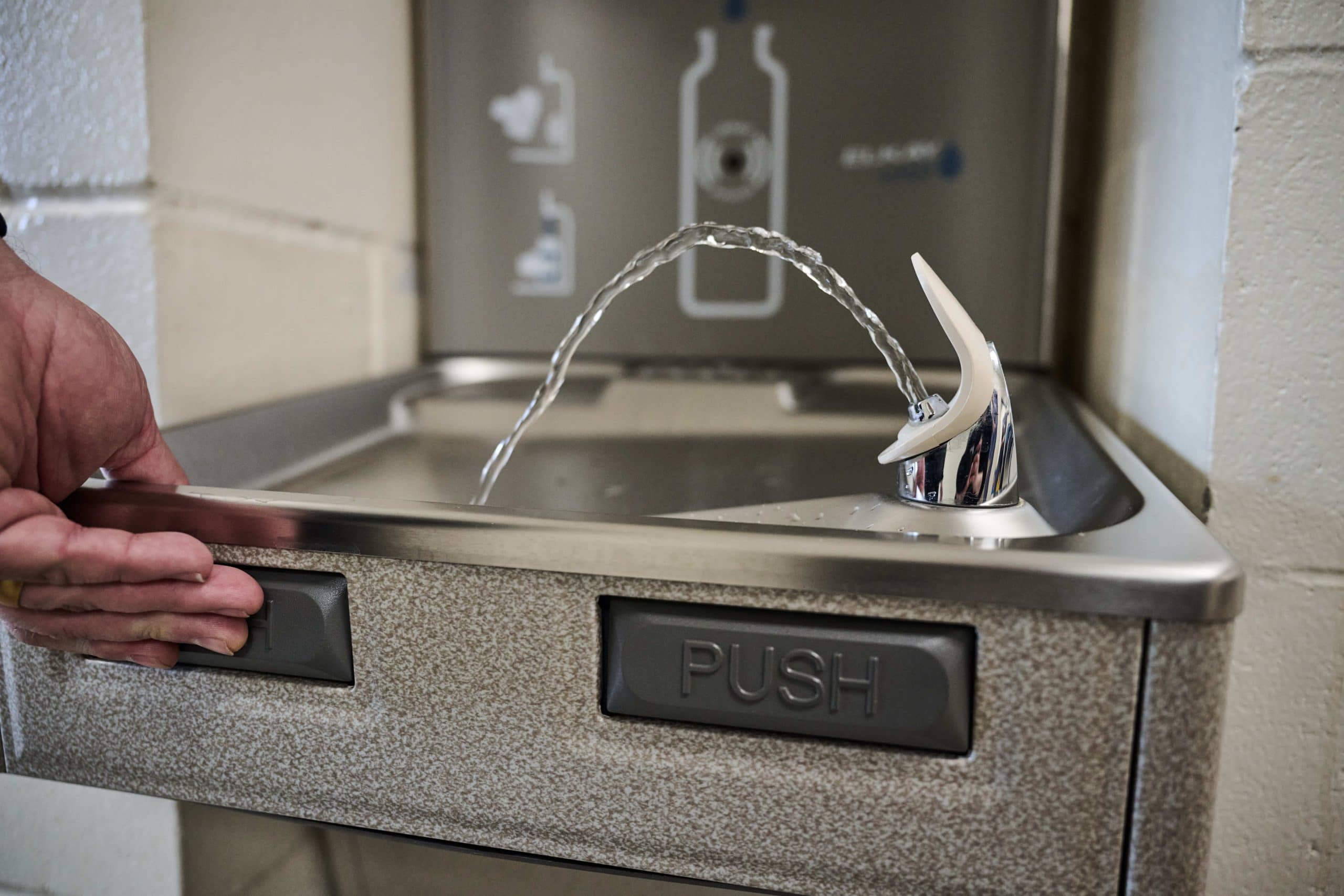
To keep drinking water safe, it takes environmental protections for watersheds, health and safety rules and diligent 24/7 testing and monitoring — like the more than 100,000 water quality tests each year done by the City of Ottawa.
“We have some of the best water around the globe, because of our source water and the process that we use,” Zawada says. “Our water is very safe.”