





 10 min. read
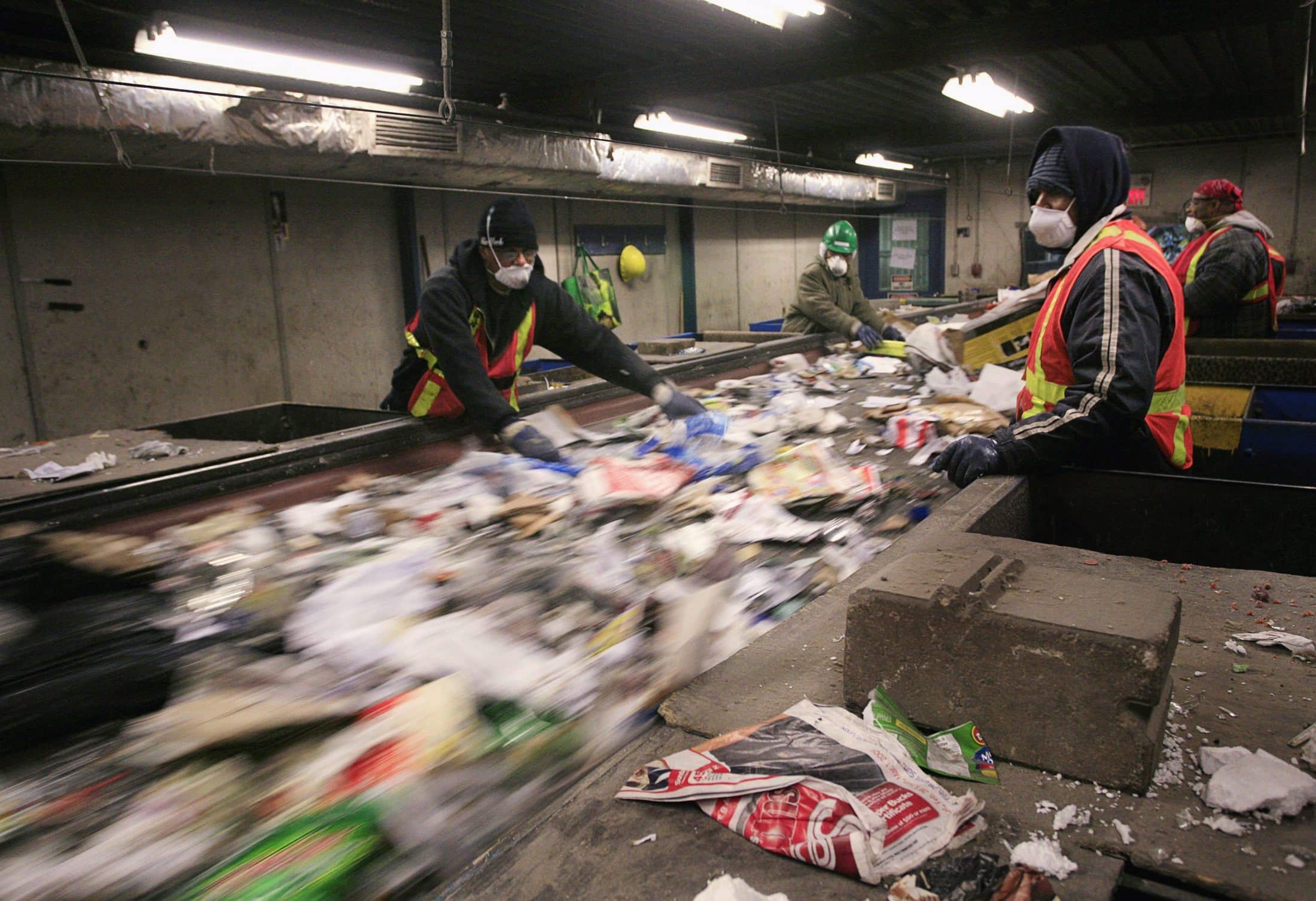
The Doug Ford government’s latest omnibus bill takes back a key power granted to municipalities to approve or block landfill projects in their communities and rewrites the rules for recycling.
The legislation, Bill 140, the Building Ontario Faster Act, was tabled on Oct. 27, less than a year after the province’s new Blue Box recycling program came into full force. The bill gives the province greater control over recycling costs and scales back recycling requirements for certain plastics, while opening the door to more garbage incineration projects.
Summary
The government said the move is needed to grow the province’s capacity to manage garbage in the face of dwindling landfill space and U.S. President Donald Trump’s decision in late October to impose a 50 per cent tariff on some Canadian waste crossing the border.
Ontario has relied on American landfills for decades. In 2024 alone, it shipped approximately 3.44 million tonnes of garbage south, accounting for 27 per cent of the province’s landfilled waste, according to industry group Waste to Resource Ontario.
Ontario’s Blue Box program grew out of a different garbage problem.
In the 1960s, soft drink companies increasingly replaced refillable glass bottles with disposable cans and other containers. They were cheaper and more convenient for manufacturers and consumers, but they also created more garbage.
In the 1980s, Ontario was already facing concerns about dwindling landfill space. The Blue Box emerged as a solution, allowing households to separate recyclable materials from garbage for collection.
By the early 1990s, Ontario had established waste reduction goals and regulations to encourage recycling. And those efforts initially made a difference: Ontario met its goal of diverting at least 25 per cent of waste from disposal by 1992.
But a decade later, the overall diversion rate, including waste from businesses and industries, had stalled at approximately 28 per cent.
As recycling expanded, so did its costs. In 2002, Ontario introduced a system that split recycling expenses between municipalities and packaging producers. Municipalities managed collection, while companies helped foot the bill. Over time, rising costs and disagreements over responsibility led the province to overhaul the system and eventually decided to hand producers full responsibility.
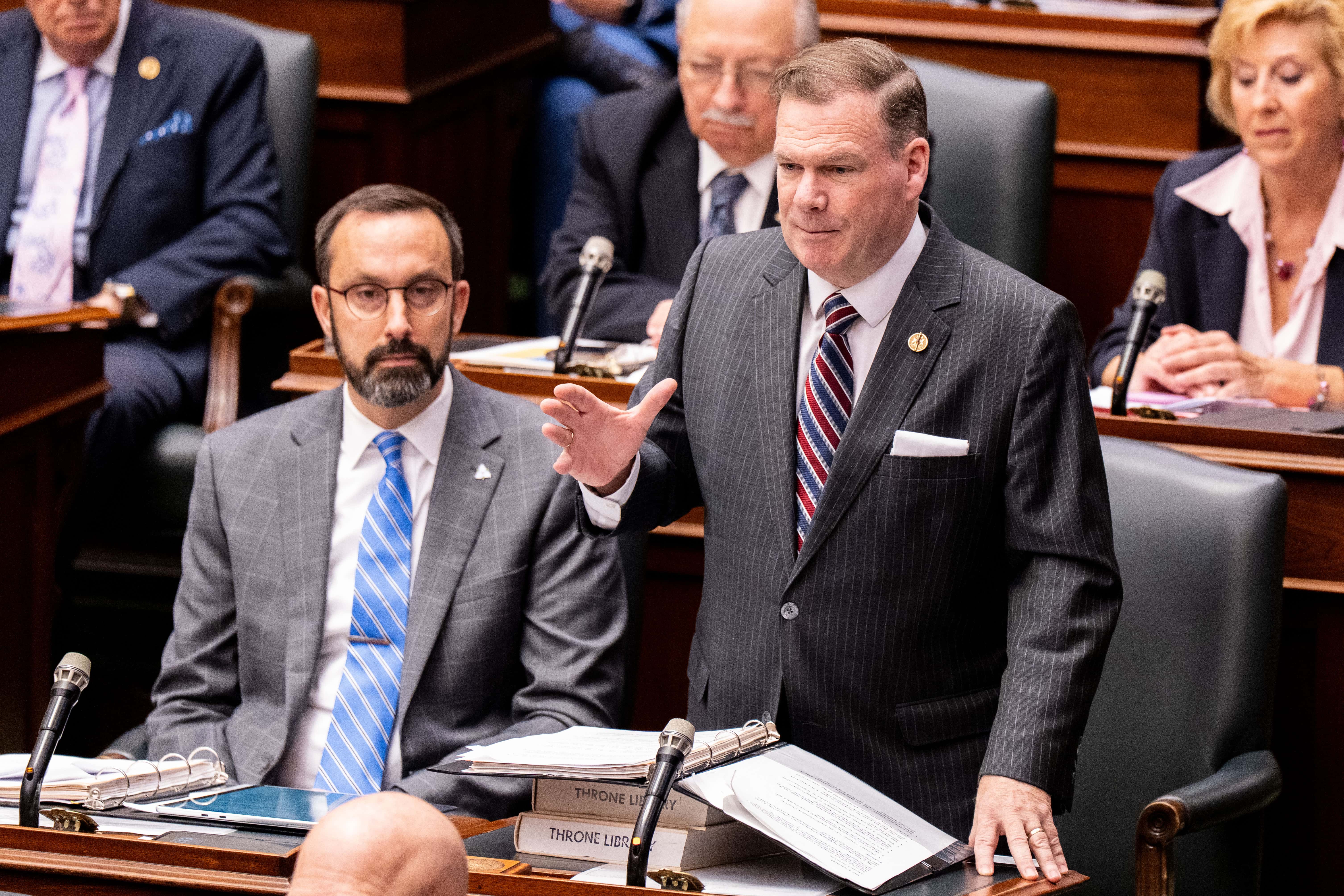
Ontario Minister of the Environment, Conservation and Parks Todd McCarthy said the province needs a made-in-Ontario solution. “We have to build our landfill capacity because we’re running out,” McCarthy told reporters at a press conference late last month.
But waste experts say the proposals raise a bigger question: after decades of encouraging Ontarians to recycle more, is the province backtracking on its targets and making it easier to send even more packaging into the trash instead?
What changed with Ontario’s Blue Box program?
In 2021, Ontario introduced a new framework for recycling programs called extended producer responsibility, which required companies producing packaging to fund and collect recycling, rather than municipalities and taxpayers sharing the bill.
The thinking was straightforward: if companies had to pay to collect and recycle their packaging, they would have a financial incentive to make it easier and cheaper to recycle in the first place.
The overhaul, which was rolled out in 2023, was also supposed to make recycling simpler for residents. Under the new program, the list of accepted materials became consistent across Ontario and expanded to include items such as coffee cups, black plastics, toothpaste tubes and certain laminated paper packaging.
The transition to full producer responsibility was completed on Jan. 1, 2026, with the not-for-profit Circular Materials overseeing much of the province’s Blue Box collection system. The organization was founded by some of those major packaging producers, like Loblaw, Pepsico and Proctor & Gamble.
Calvin Lakhan, co-creator of York University’s Waste Wiki project, said the province initially had ambitious plans to expand recycling to more places, like more commercial and multi-residential spaces, collect more materials and increase recycling targets. But the province narrowed the program’s planned scope and, in 2025, reduced or delayed several targets, including those for difficult-to-recycle flexible plastics, like chip bags and chocolate bar wrappers.
Lakhan said the biggest problem is that Ontario expanded what people could put in their recycling bins without having enough infrastructure to turn all those materials into new products. “Just because you can put something in the recycling bin doesn’t mean that it gets recycled,” he said.
Most Blue Box materials go through mechanical recycling, where they’re sorted, separated and processed before being sold to manufacturers that can use them to make something new. An aluminum can or plastic yogurt container, for example, can be processed and turned into new packaging. But a chip bag or plastic wrapper made of multiple layers of different materials is much harder and more expensive to recycle, and won’t necessarily be reused in the end.
And the costs of Ontario’s recycling program have grown significantly.
According to figures Lakhan provided, the residential Blue Box program cost approximately $90 million in 2002, when it was recycling about 55 per cent of all waste collected in the province. By 2024, annual costs had reached approximately $600 million, while the recycling rate remained around 55 per cent. Lakhan said much of the problem comes down to the changing types of packaging companies produce. Materials such as black plastics and multi-layered packing are difficult and expensive to recycle using existing infrastructure.
So why is Ontario still sending garbage to the United States?
For years, American landfills offered Ontario a relatively affordable place to send its garbage. But that arrangement has become increasingly unstable.
According to Waste to Resource Ontario, the province generated approximately 17 million tonnes of waste in 2024, with 12.75 million tonnes sent for disposal in landfills. About a quarter of that, 3.44 million tonnes, went to the United States, primarily Michigan, New York and Ohio.
And Ontario is rapidly running out of landfill space for the garbage that stays in the province. Waste to Resource Ontario reports that 57 per cent of the province’s remaining landfill capacity is concentrated in just seven sites. The organization projects Ontario’s existing landfill capacity could be exhausted by 2037 if exports to the United States continue, or by 2034 if the border closes to Ontario’s garbage.
Is burning garbage becoming Ontario’s new solution?
Ontario is increasingly looking at another option: turning garbage into electricity. It’s called waste-to-energy, in which facilities burn garbage at high temperatures and then use the heat to produce steam and generate electricity.
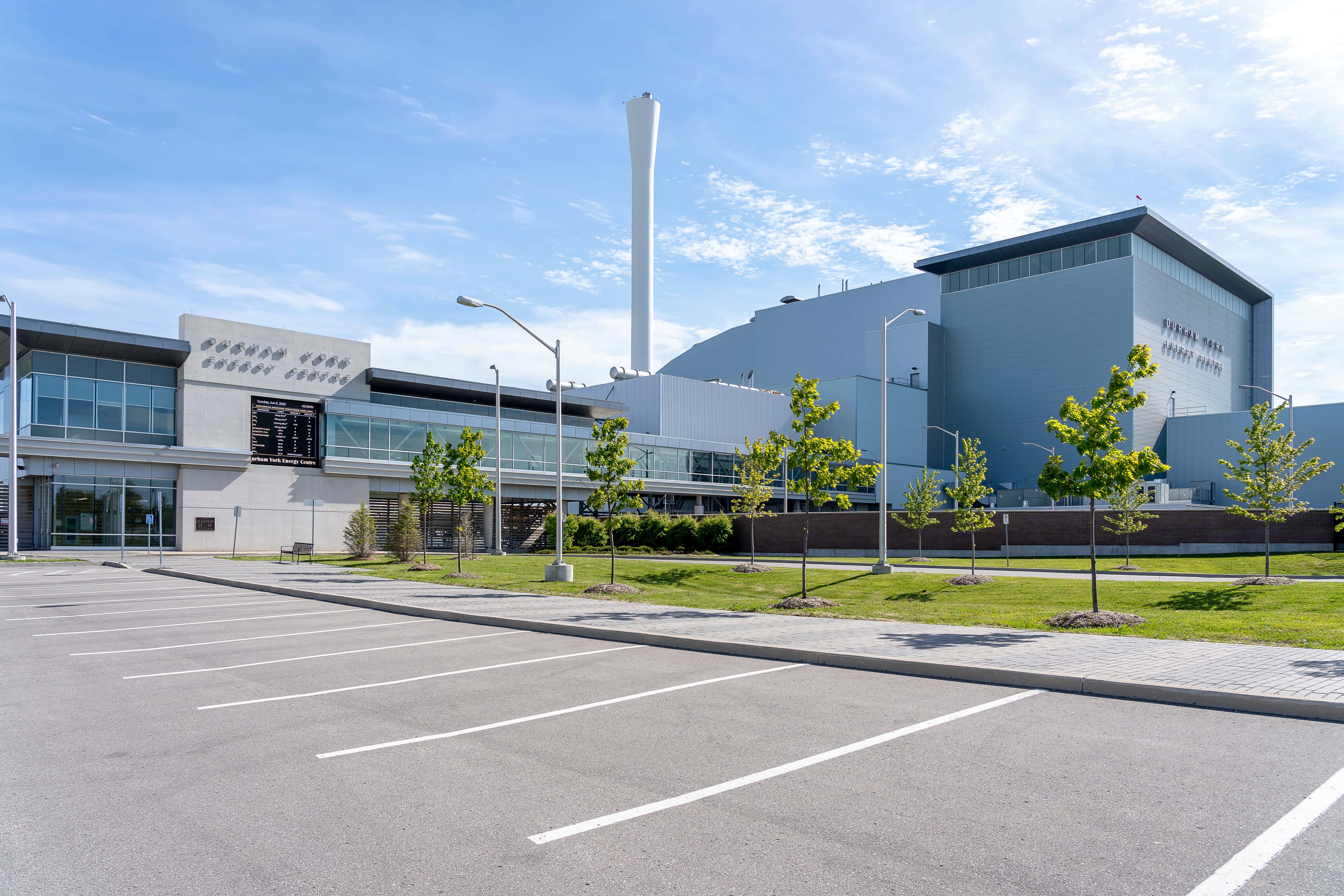
The process reduces the amount of garbage that needs to be buried, but it doesn’t eliminate the need for landfills. Burning waste produces ash and emissions, which still need to be safely managed and disposed of.
Ontario already has two major facilities using this technology: the Emerald Energy from Waste facility in Brampton and the Durham York Energy Centre in Courtice, east of Toronto. Last year, the province approved an environmental assessment screening report that cleared a path toward a major expansion of the Brampton facility. Emerald anticipates expansion work could begin in 2027, although the proposal has become a contentious environmental and public health issue locally due to benzo(a)pyrene emissions. The toxic chemical, which is produced through the incomplete combustion of organic materials, carries significant health risks and is estimated to be emitted at levels that exceed public health guidelines if the expansion goes ahead.
In June 2026, Ontario proposed changes that could make it easier to approve new incinerators by streamlining the environmental approval process for eligible facilities. The government said at the time this would encourage investment in waste-to-energy and help reduce pressure on landfills.
Lakhan said waste-to-energy facilities could help manage materials that conventional recycling struggles to process, particularly complex plastics and packaging such as chip bags, chocolate wrappers and other packaging made from several bonded materials. The concern, Lakhan said, is that if burning packaging becomes an easier option than recycling, companies may not use materials that can ultimately be reused.
What else would Bill 140 change?
The bill would also give the province greater control over how recycling costs are managed. Under Schedule 22, Ontario could regulate agreements between producer responsibility organizations, like Circular Materials, and the companies paying for recycling, including fees, contract terms and dispute resolution.
The bill would allow the government to require set rules for recycling contracts, including setting limits on the fees companies pay to have their packaging recycled. In a separate environmental registry notice, the province proposed requiring certain businesses, such as restaurants or shopping malls, to separate additional packaging material. The changes would also make recycling programs mandatory. The government said these measures would make recycling costs more transparent and predictable for the producers that pay for the system.
But Peter Hargreave, president of environmental consulting firm Policy Integrity Inc., said they depart from the original vision of producer responsibility, where the government established recycling targets and companies determined how best to meet them. Instead, he said, the province is increasingly focused on controlling costs rather than improving recycling results.
The government is reviewing whether flexible plastics should continue to be collected at the curb, be taken to recycling depots instead or be removed from the Blue Box program altogether. Other proposals could end mandatory collection of extra recyclables left beside bins when alternative collection options are available, change the rules for providing additional recycling bins and allow materials collected from small businesses and institutions to count toward producers’ recycling targets.
The province is taking feedback on these proposals until Nov. 26.
Circular Materials CEO Allen Langdon told The Narwhal in an emailed statement that he is concerned about changes to the recycling program being considered less than a year after it came into full force, and when higher fuel costs, tariffs and weaker markets for recycled materials have already put pressure on the system.
“Potentially removing materials and introducing changes now will be challenging as Ontario’s recycling system has been built based on the government’s original intent and regulatory requirements,” Langdon said.
Hargreave said the uncertainty could discourage investment. He pointed to new recycling facilities in Cambridge and Napanee, along with upgrades at other facilities, designed to process materials such as flexible plastics. If Ontario removes those materials from the program, he said, some of those investments could be left without their intended purpose.
The province also wants to delay its target for reducing certain food and organic waste from 2025 to 2028.
Can Ontario avoid its looming garbage crisis by focusing on businesses?
A 2021 auditor general’s report found that while Ontario households diverted about half their waste, the non-residential sector — stores, factories, schools and more — diverted just 15 per cent in 2018, the latest year for which comparable figures were available.
While household recycling rules have undergone major changes, requirements for businesses and institutions had not been substantially updated in more than 25 years, leaving out commonly used materials such as coffee cups, compostable packaging and many plastics.
In 2019, David Lindsay, a special adviser appointed to help guide the Blue Box transition, recommended establishing clear recycling targets for different materials, encouraging reusable packaging and expanding efforts to recover waste from businesses and institutions.
His report called for recycling targets that would increase over time, encouraging companies to find new ways to process difficult materials rather than abandoning them. It also emphasized that reducing waste should come before finding new ways to process it.
Hargreave echoed those suggestions.
“Until we start to take a more holistic approach at tackling some of those bigger issues around industrial, commercial, institutional materials, we’re really not moving the yardsticks,” he said.
—With files from Fatima Syed
Rajpreet Sahota is a community and policy reporting fellow. Her position is funded in part by the Canadian Race Relations Foundation. As per The Narwhal’s editorial independence policy, the foundation has no editorial input.