






 9 min. read
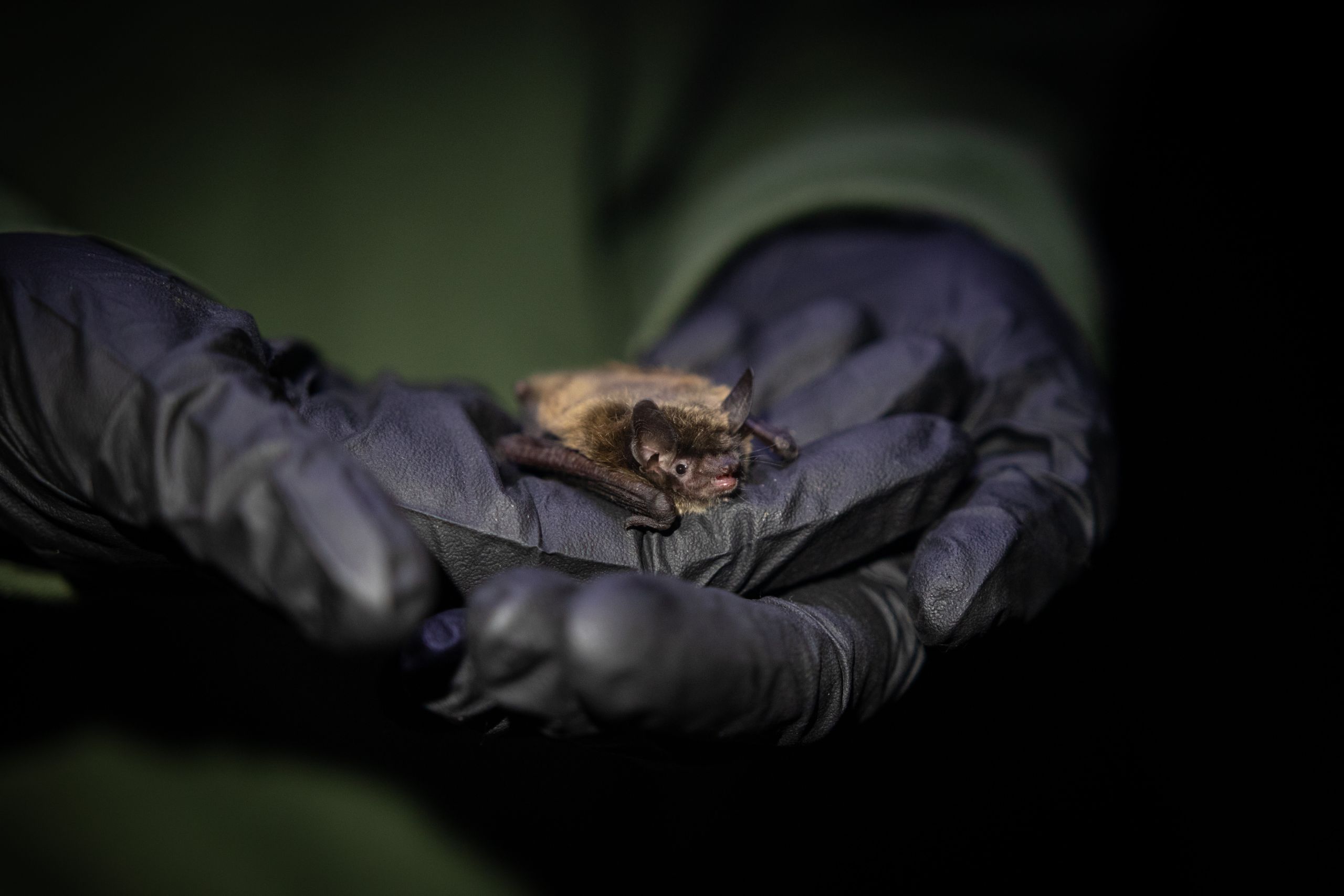
Five days before Ontario’s new, weaker species-at-risk law took effect in March, members of the Environment Ministry team tasked with enforcing it were thinking about bats. In particular, a delayed permit that was keeping a developer from clearing trees before at-risk bats returned to them for the season.
The permit had been delayed because staff were waiting to learn what the government’s new rules for endangered species protections were going to look like. By the time they did, officials feared it was too late.
“I know those bats are in those trees,” one government biologist said during a March 25 meeting of the species at risk branch. “I just know those bats won’t survive.”
“We’ve lost our impact on the process,” a senior official replied.
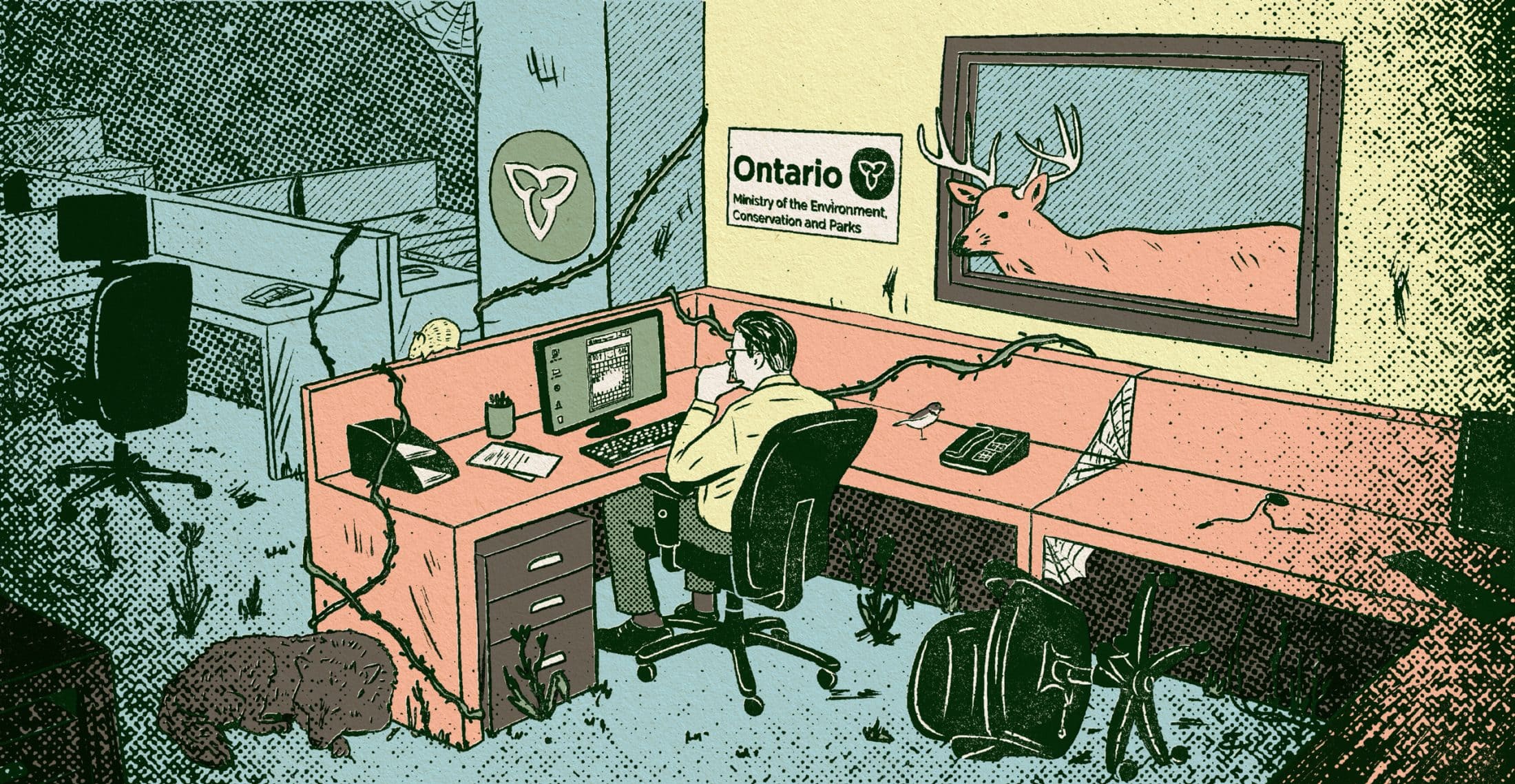
The meeting was one of the last chances for staff in Ontario’s Ministry of the Environment, Conservation and Parks, to express concerns about the Species Conservation Act, which replaced the province’s Endangered Species Act — once considered a gold standard for at-risk species laws.
Summary
The change, introduced under Bill 5 in June 2025, stripped provincial protection from several species and narrowed habitat protection for others — 106 species lost protections, a July 2026 report by Ontario Nature found. It also introduced a new model for environmental assessments that is “proponent-led,” leaving developers largely responsible for assessing their own environmental impact and cutting government biologists out of the process almost entirely.
A recording of the meeting, which involved about 25 staff members in the species at risk branch of the Ministry of Environment, was shared with The Narwhal by one participant and independently verified by two others. The Narwhal is not naming the officials who led the meeting or participated in it, to protect their privacy as public sector workers with limited authority.
At the meeting, staff voiced concerns about fielding calls from “angry clients” — developers who had spent weeks working through permits and mitigation measures, only to have that process nullified overnight, with no new guidelines in place. Senior officials leading the meeting told staff Environment Minister Todd McCarthy’s office had provided “questions and answers” they could use to address developers’ concerns.
“Our jobs were changing quickly from being biologists and scientific experts to being administrative staff,” one former staffer told The Narwhal, speaking under the condition of anonymity for fear of repercussions. “We were no longer allowed to give our recommendations.”
The Narwhal spoke with and verified five current or former ministry employees, who agreed to speak confidentially as they feared repercussions. Three spoke on background, while two agreed to be quoted without their names being used, as did one outside expert who has worked closely with government biologists on permit applications. The Narwhal also tracked staffing changes through LinkedIn and the government’s public directory, INFO-GO, as well as WayBack Machine, a digital archive that allowed us to access past versions of government websites.
This story uses information from sources The Narwhal has agreed not to name. The Narwhal only agrees to keep names confidential when we believe two things. First, that the person we’re speaking with is putting themselves at genuine risk, either personal or professional, by sharing this information with us. Second, that the information they’re sharing is in the public interest. Our decision to do so is never made lightly.
There are two types of unnamed sources. A confidential source is someone whose name we know, but aren’t sharing. We make multiple attempts to verify their identity and information with other sources. If we aren’t able to get a second source, we say so.
An anonymous source is someone whose name we don’t know. It is incredibly rare for The Narwhal to publish a story with a completely anonymous source. In these instances, we don’t publish until we have verified the information shared with us with at least one other source.
And again, these stories must be in the public interest.
As Canadian governments become increasingly secretive, the courage of whistleblowers is to be admired. We value them greatly. At the same time, our promise to readers is The Narwhal will always make sure the facts are airtight.
Have something to share? Send us a story tip.
Together, these sources reveal the new act has had a significant impact on the people tasked with protecting Ontario’s most vulnerable species — reducing them from experts to rubber stamps, if anything at all, for the industries they once held to account.
They also show that, more than a year after the Species Conservation Act was proposed, a wave of departures has hit the ministry’s species at risk branch, as biologists leave for the private sector or other government roles. The Narwhal counted more than a dozen people who have moved on since February 2025, though some may have retired or wrapped up short-term contracts. The Narwhal could not confirm the exact number of positions that have been vacated since the Species Conservation Act passed, but sources suggest it has been a notable amount, and that the loss of people and expertise is palpable within the ministry.
“There were lots of opportunities to improve the Endangered Species Act,” a former official said, “but this rollback is way too far, and it just diminishes protection that is promised to Ontarians.”
Sources say the policy changes and departures weakened the scientific expertise Ontario’s Ministry of Environment once valued, reducing the ministry’s ability to protect the environment in an evidence-backed way.
“Yes, it hurts the species,” the first former ministry staffer said. “But it hurt all of us too.”
“We were essentially silenced,” they said. “And it’s not fair.”
The Narwhal sent an extensive list of questions to Environment Minister McCarthy’s office, the ministry’s communications department and the species at risk branch, which redirected our questions to the communications department. None responded by publication time.
‘Our jobs stopped feeling meaningful’: government biologists were kept out of the creation of the Species Conservation Act
Under the previous Endangered Species Act, ministry experts helped project proponents, such as developers, homeowners and industry, figure out a plan to avoid impacts to at-risk species and their habitat. If harm couldn’t be avoided, biologists and ministry staff helped to minimize that impact or offset it — for example, by requiring proponents to establish new habitat elsewhere. This process required a lot of government review and back and forth.
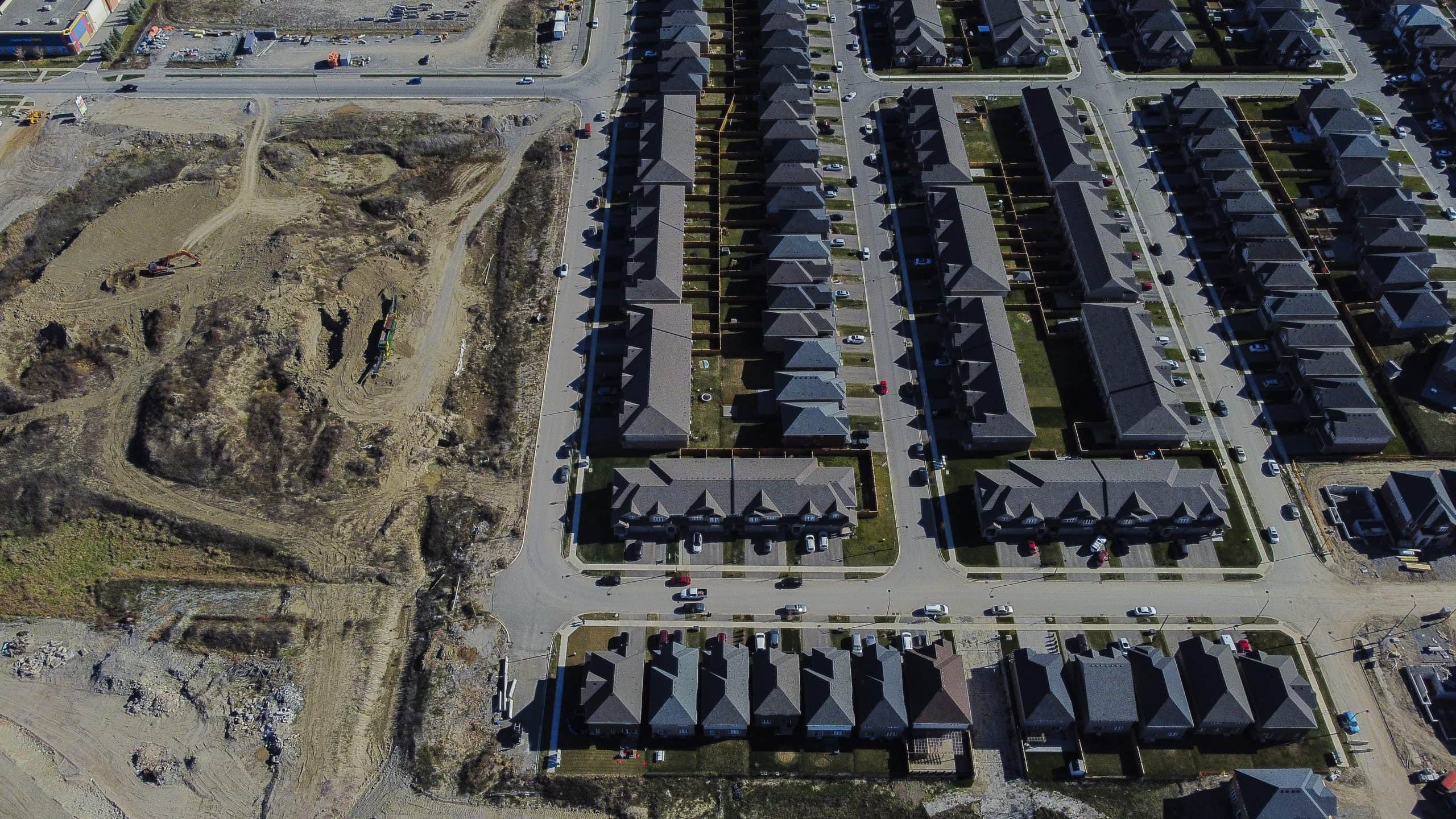
The Species Conservation Act changed all of this. The new act only asks the proponent to submit a conservation plan that “should” include how it will minimize or offset harm to at-risk species. That plan is to be written by an expert — hired by the proponent, and very loosely defined — but the regulations don’t specify what exactly it needs to include. Once submitted, these plans are automatically accepted and greenlit.
In the recording of the meeting before the act was finalized, staff are told clearly that they “can’t review” proponent-led plans. They can’t ask questions or ask for more information.
“Once they’re in the system, we don’t check them unless there’s a complaint,” the former official told The Narwhal in an interview. “We had to accept what clients were proposing.”
Former and current ministry officials told The Narwhal they were shut out of the process to create the Species Conservation Act. They say it was announced in a hybrid meeting, with staff both in the ministry’s various offices and online. “It was so quiet,” a second former official said. “Morale dropped right away.”
According to the ministry sources, all of the new regulations were decided in the environment minister’s office with a few senior officials. Three people told The Narwhal that staff were not given a timeline for when the new act would come into force, what to tell proponents or how to update online guidelines.
One internal communication, reviewed by The Narwhal, outlines how branch staff were not shown the final draft regulations before they were finalized. When staff tried to push back and make recommendations, they were told “there’s no appetite for that,” the first source said.
“It was a very heavy-hearted time,” the second former official said. “On one hand, there could have been so many improvements but, as we learned in hindsight, there were very few ways to do any good.”
“Our jobs stopped feeling meaningful.”
Laura Bowman, an environmental and Indigenous Rights lawyer with Macpherson Law, told The Narwhal that, for ministry experts, “there’s nothing to be done under an automatic registration scheme.”
“Once the proponent has filed the paperwork, however flawed, the registration is approved,” Bowman said. “I can definitely understand why people with deep technical expertise would want to use it somewhere else.”
“If technical staff are leaving the ministry, that’s extremely concerning,” Bowman said. “What you’re left with is a hollow shell when that happens.”
With “nobody watching,” she said, the quality of the work being done to protect and mitigate harm to at-risk species is likely to decline.
‘They didn’t want to do anything wrong’: project proponents valued ministry expertise
As questions started trickling in about how to get a permit under the new law, ministry sources who spoke to The Narwhal said they were given language to copy and paste.
“A lot of the language was very ambiguous, non-committal and unhelpful to our clients,” the first official said. “To be fair, clients wanted our recommendations. They didn’t want to do anything wrong and many were frustrated that we couldn’t tell them anything.”
The Narwhal spoke with one biologist who has long worked with private industry to make sure projects are compliant with species at risk law, creating plans for species management and harm mitigation. She also raised concerns about the lack of input from ministry staff. “I’ve had no correspondence with [the ministry] on any of my files,” she said about the months since the new act passed. “I’m just kind of doing it on my own now, and hoping that I’m doing it right.”
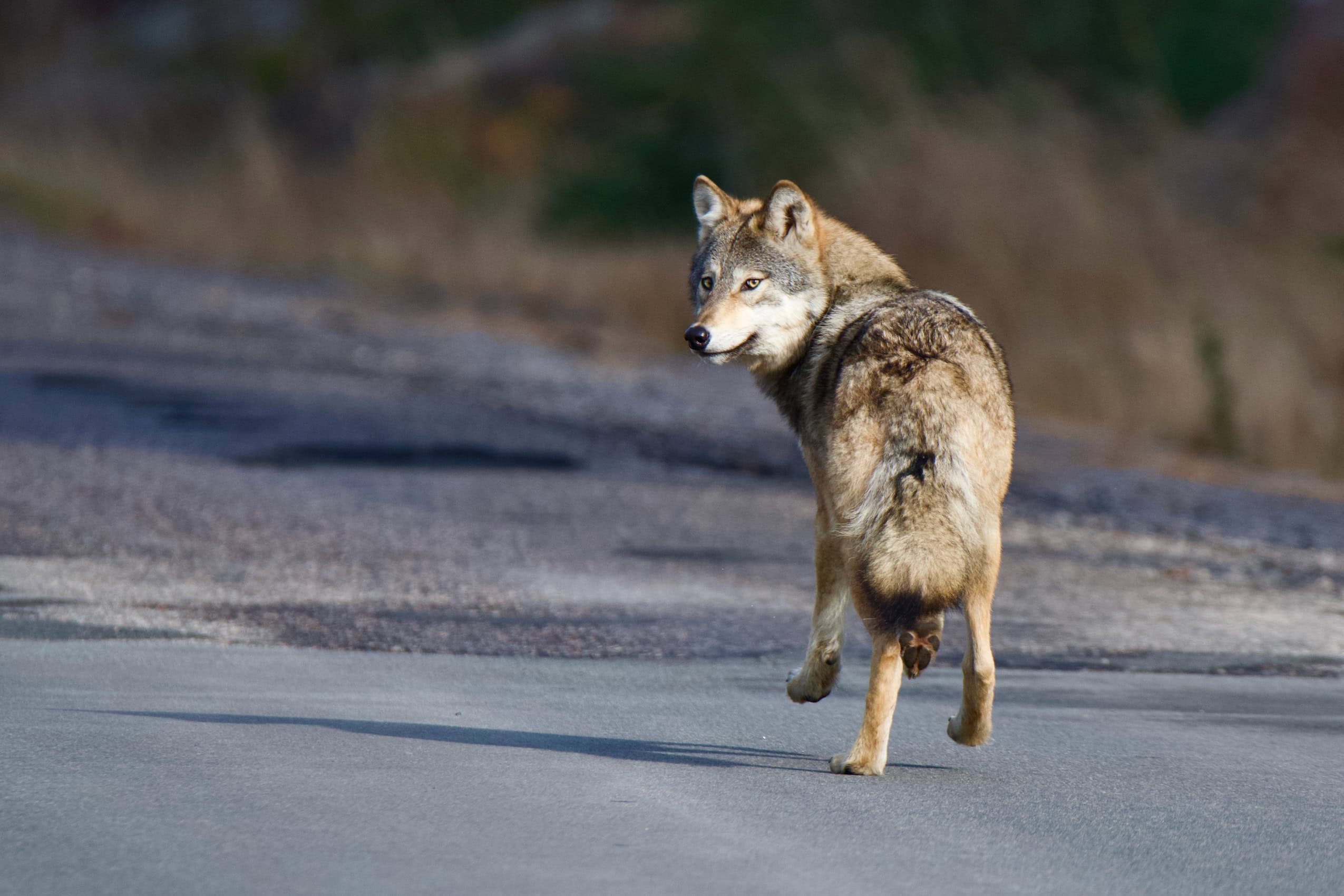
She said when replies do come, they are weeks later and often “stock text” that does not answer site-specific, nuanced questions.
As the ministry continues to shed technical expertise, there appear to be fewer people left to answer those questions — if they were even allowed.
“I think that staff are very bound in what they can and cannot share,” the source told The Narwhal.
And, given the lack of feedback from the ministry and guardrails of enforcement, she said some of her own clients have been increasingly aggressive about removing species at risk protections.
“We always will have clients that want to push that envelope as far as they can, and we used to have [the Ministry of Environment] come in and say, ‘Nope, this is the way it’s got to be,’ and then that was the end of the story.”
“But now that that doesn’t happen, we get a lot more pushback. Like, ‘What is stopping us from doing it this way?’ ”
This source expressed concern that the current lack of oversight creates an incentive to do the bare minimum to remain competitive.
The effects of these changes will reverberate for generations, former government staffers told The Narwhal.
“Across the government around the environment, the first approach is to avoid harm, and then mitigate and find ways to work around. The very last resort is to fix harms,” the second former official said. “Now, due diligence has changed. They’re going to have a lot of long-term consequences to deal with.”
One of those will be the loss of decades of expertise. “You will just not have the quality of staff you need at the ministry to deliver oversight and protection,” the first official said. “The sense we get is they don’t want us anyways.”