




 4 min. read
In the 1960s, David Crawford was boating in his backyard on Nipigon Bay when he thought he spotted raw sewage floating in the once-pristine waters of Lake Superior. Years later, he realized the “turds,” as Crawford describes them, were craft paper deposits from the nearby pulp mill in Red Rock, Ont. The mill was also known to billow a harmful smoke into the air and release a hot, foamy plume of effluent into the lake. If the noxious smell wasn’t enough, log drives filled the bay with floating timber and bark, meaning Crawford didn’t often tempt the tumultuous waters of Nipigon Bay.

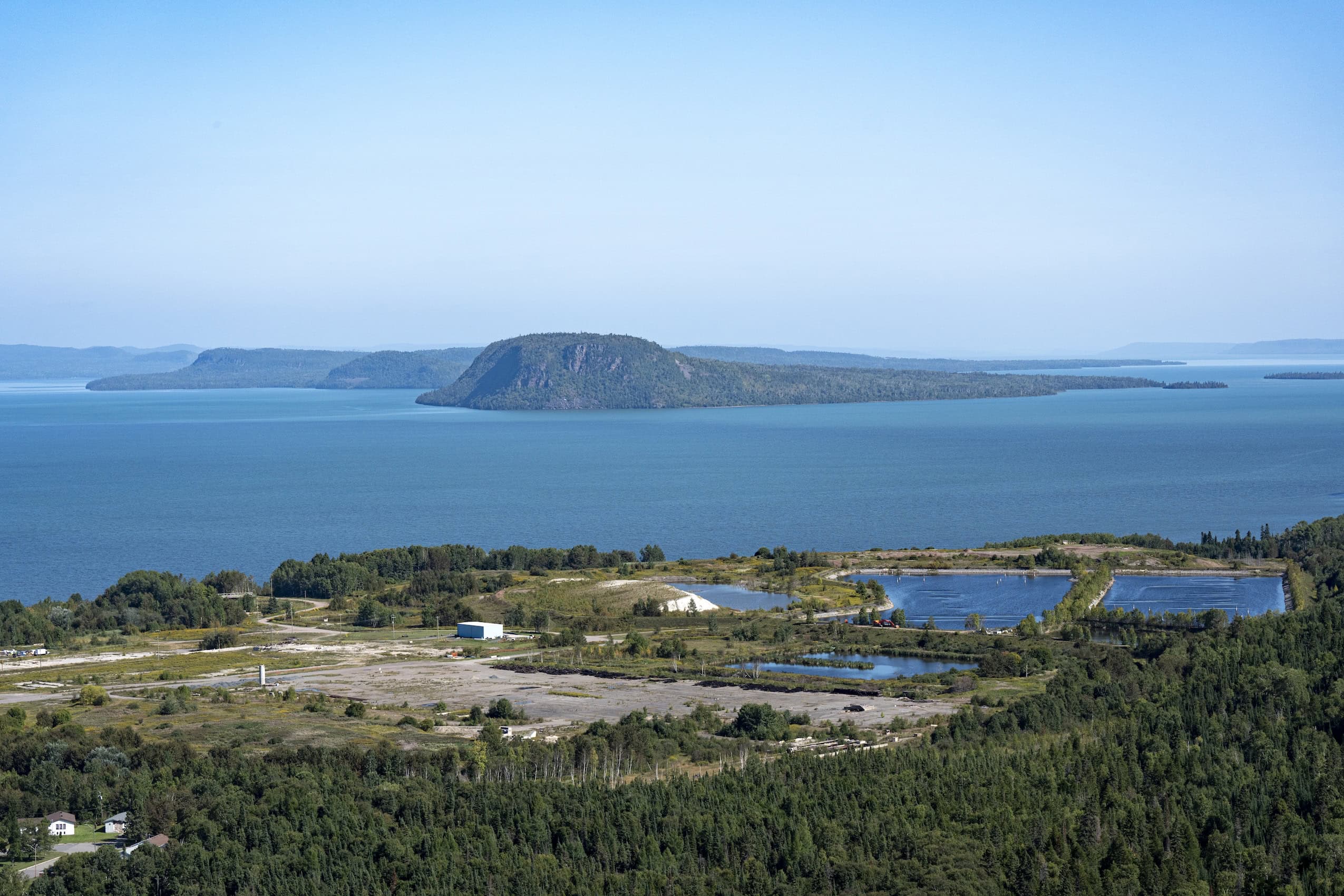
Along with the pulp mill, raw sewage actually was poisoning the clear bay, coming from two inadequate municipal wastewater treatment plants, but trouble didn’t stop there. The unnatural rise and fall of the water level, due to four hydroelectric dams upstream on the Nipigon River, were causing riverbanks to erode, adding silt to the water, while simultaneously washing out fish spawning habitat.
The reality, Crawford said, was haunting: Nipigon Bay was on the verge of dying.
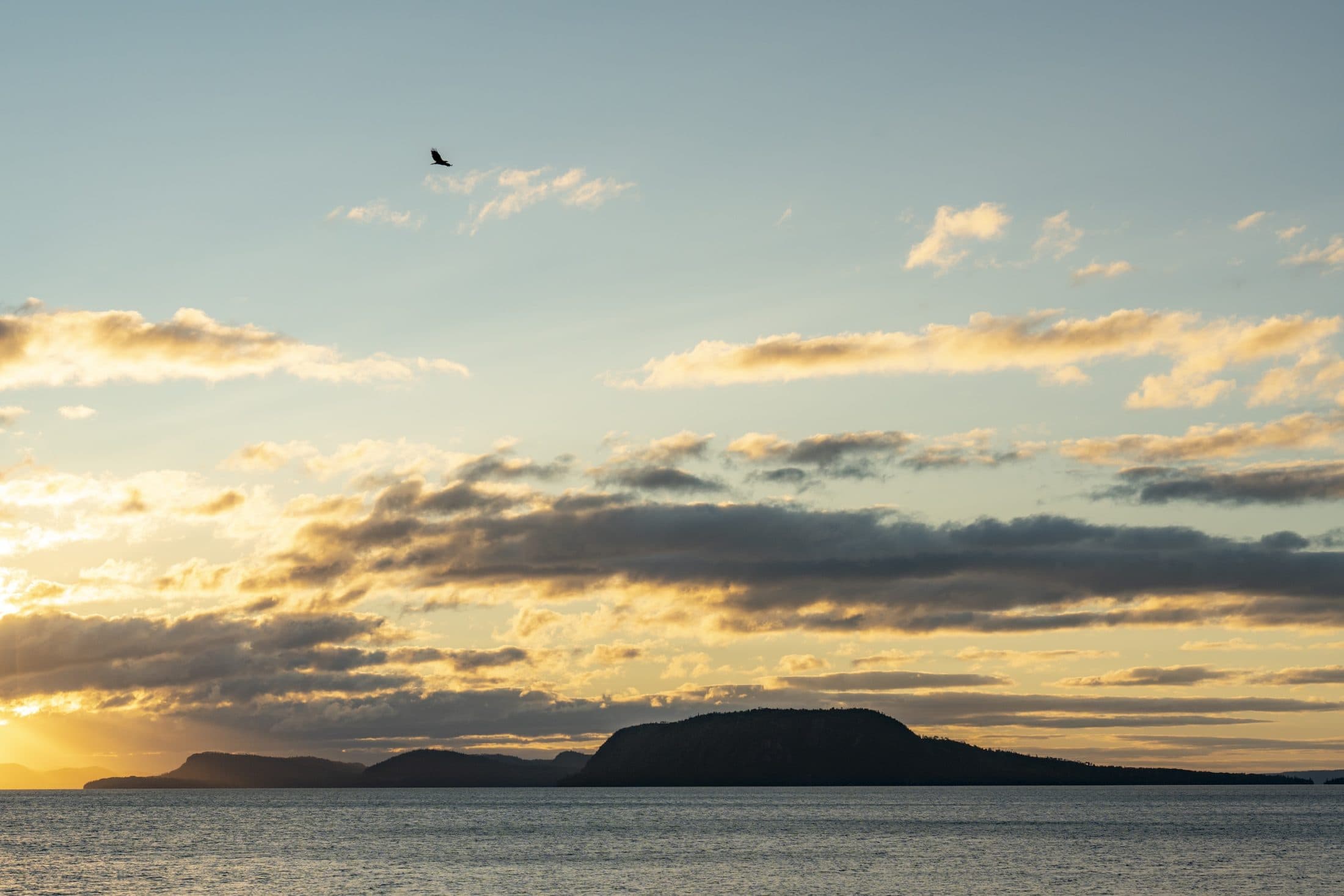
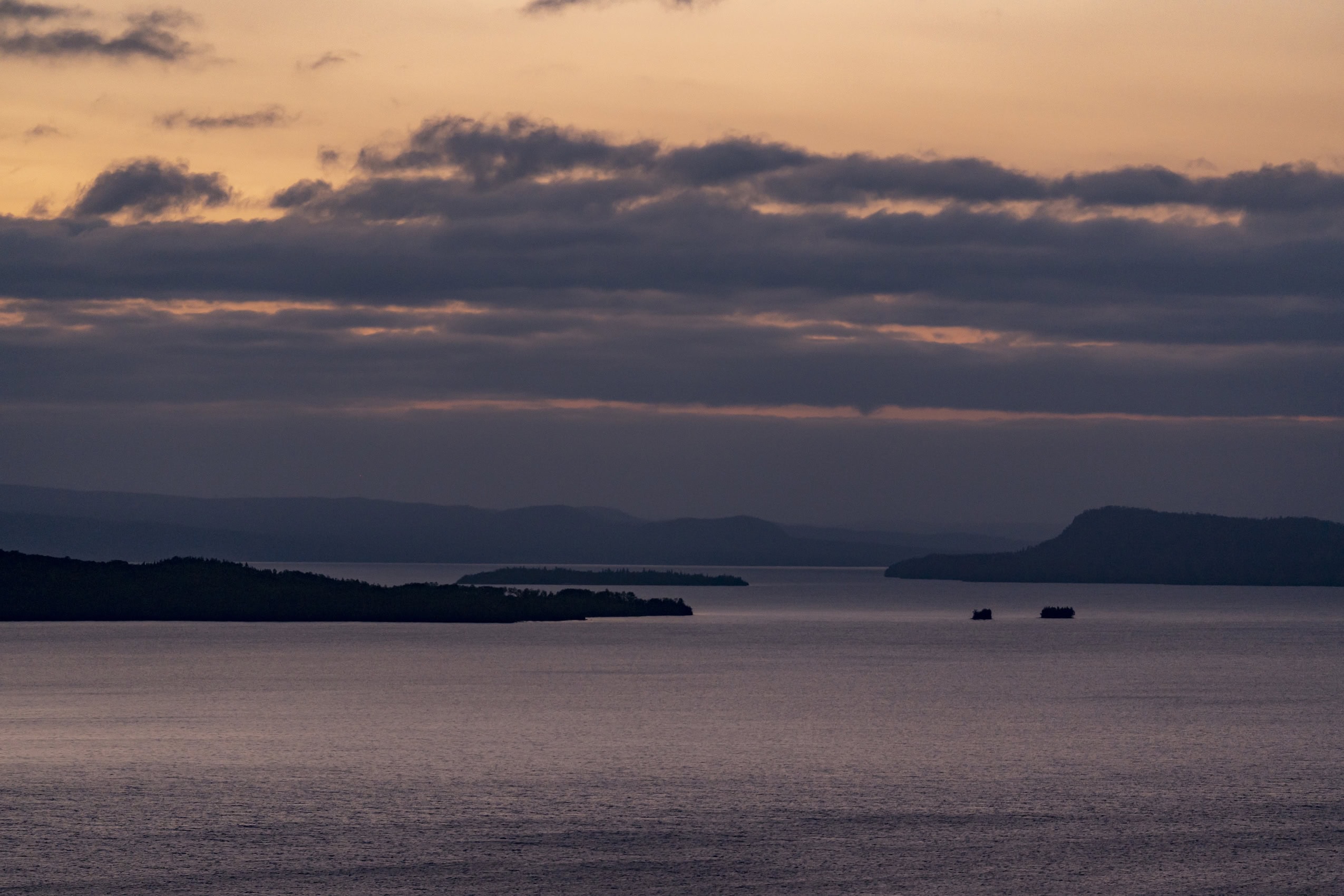
But in late August, as fishing boats glided across calm, turquoise water behind a podium set up at the Red Rock marina, it was easy to forget about the bay’s past.
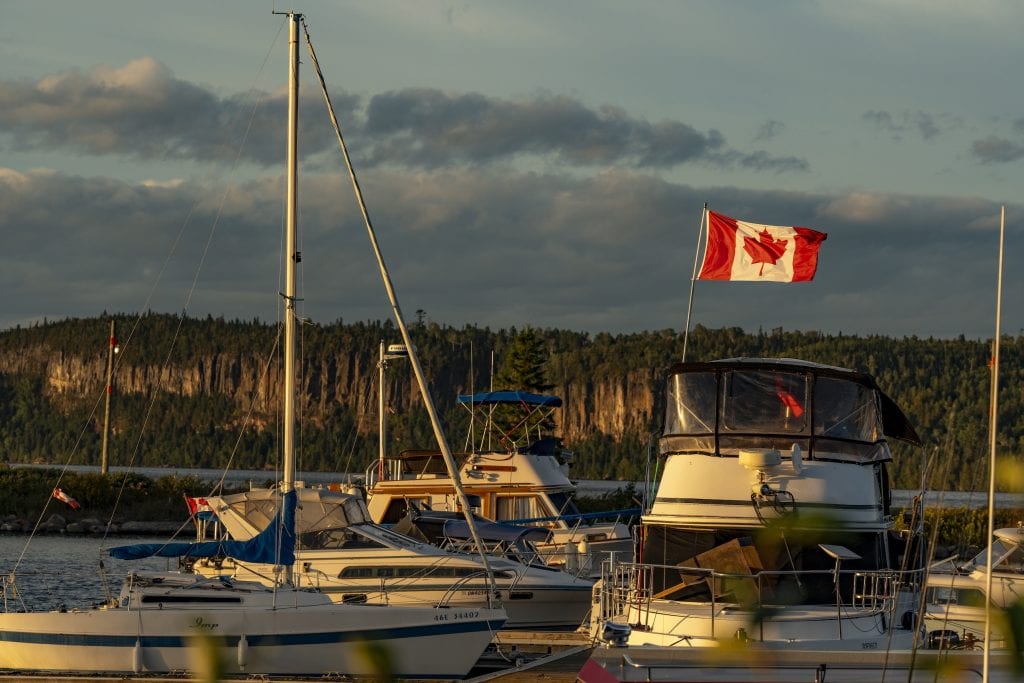
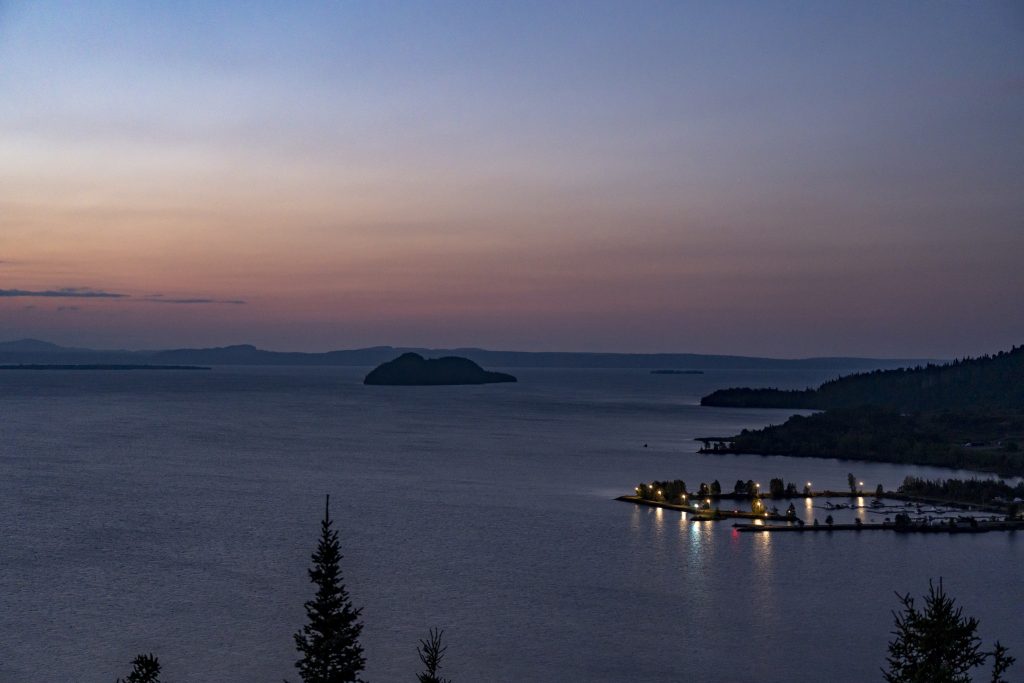
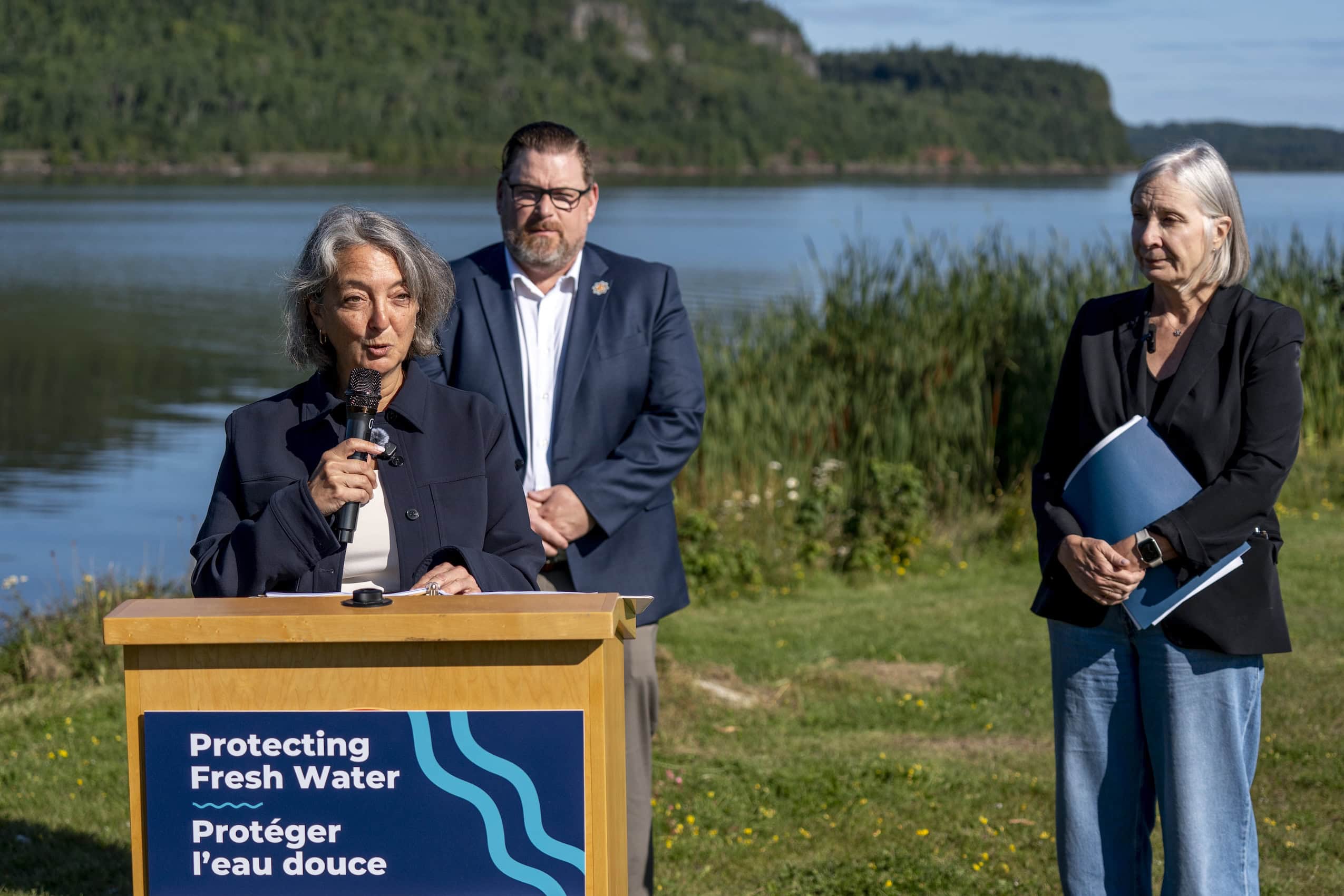
A small crowd was gathered as federal Environment Minister Julie Dabrusin visited Red Rock, a town of fewer than 1,000 people, to celebrate those very waters. The air was fresh with the smell of wild mint and Canada geese migrating in undulating waves, stopping to feast in and by the water, honking their approval. Dabrusin spoke into the quiet space left by the calm waters, about “a bay that was heavily polluted and is healthy again. The fish came back, the habitat was rebuilt, and water that people once could not trust, they can trust again.”
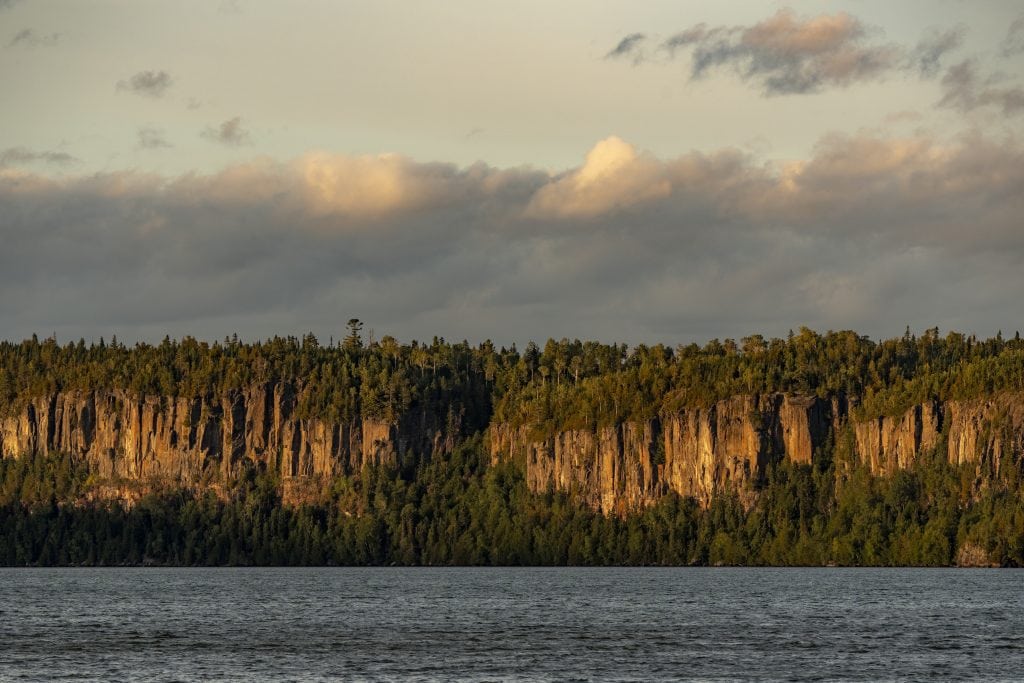
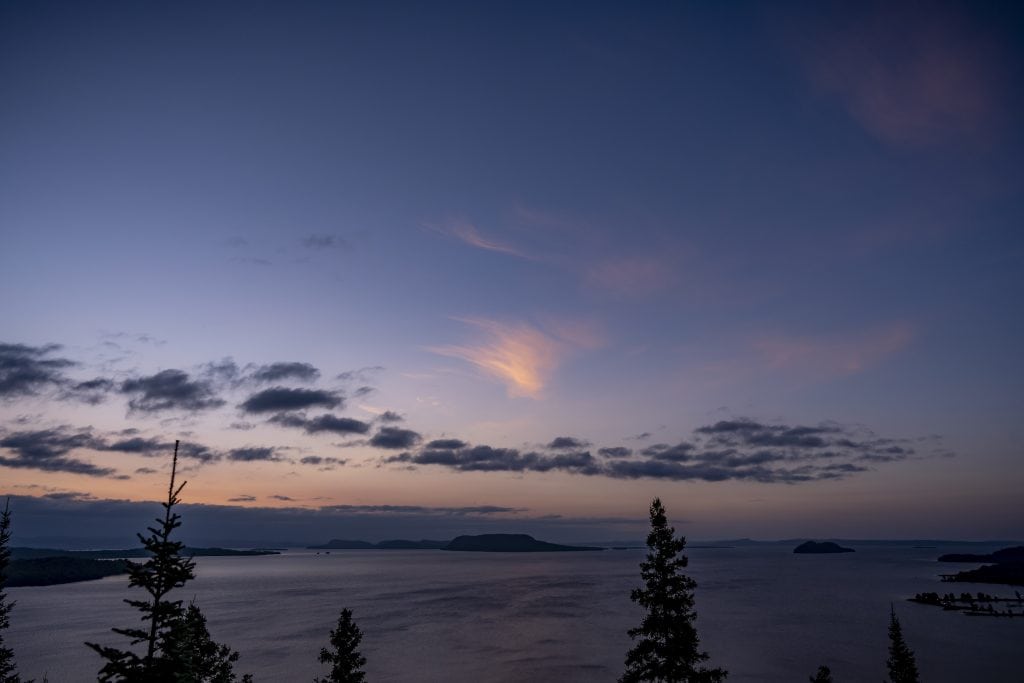
Gone are fish with tumours, unnaturally fluctuating water levels, noxious odours, effluent foam barriers, mill plumes and drifting timber. Nipigon Bay is a success story that stretches beyond the Canadian border. It’s one worth noting at a time when the relationship between Canada and the U.S. is strained by President Donald Trump’s trade war and moves to rename another Great Lake — Lake Ontario — to Lake America.
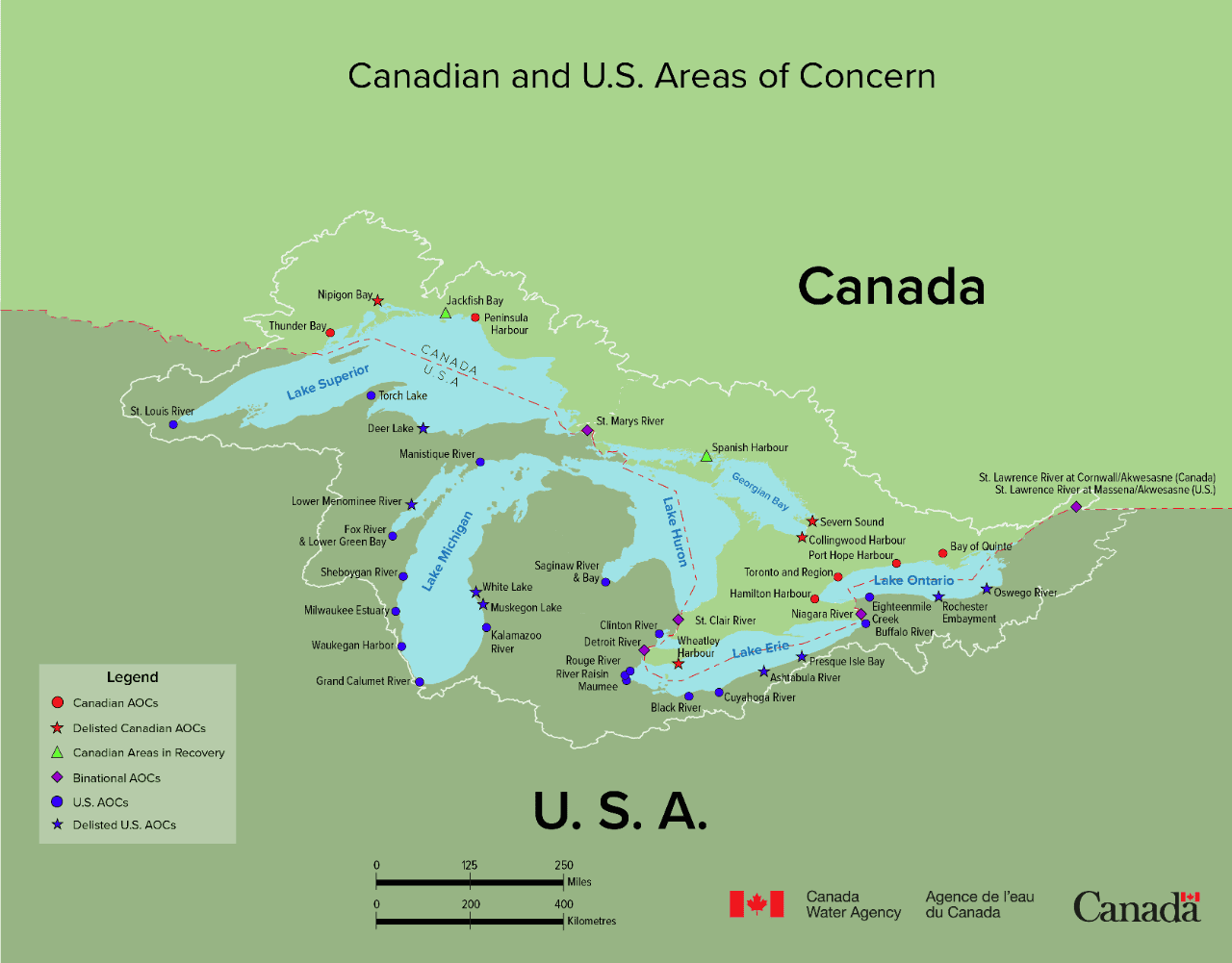
In 1972, Canada and the United States agreed upon their mutual role in polluting a portion of the Great Lakes, which contain 20 per cent of the world’s fresh water. The two countries joined forces to create the Great Lakes Water Quality Agreement. In 1987, the agreement listed 43 official areas of concern where this industrial pollution was the most deleterious. Twelve of those were in Canada, including Nipigon Bay.
It was a time when the countries were friendly neighbours, the type that could agree to clean up their backyards and prioritize clean drinking water for millions of people. Remedial action plans were created for the affected areas to create a pathway for healthy environments to thrive.
Which brings us to Nipigon Bay, on Aug. 28, 2026. Four decades after being identified as an area of concern, the federal government announced it was officially delisted at the small celebration beside the still waters of Lake Superior. It was attended by ministers, government officials, local First Nations and Crawford, who chairs a public advisory committee made up of local residents who help to monitor the remediation work.
For Crawford, witnessing the bay heal over his lifetime is a cup of water he’s happy to enjoy. He still worries about the pressures of a rapidly changing world. Currently, there’s a proposal to build a lithium processing plant on the shores of Nipigon Bay in Red Rock, talk of further dams being built upstream on Lake Nipigon and geopolitical tensions straining longstanding bilateral agreements. All the while, climate change has created greater pressure on fresh water and how humans interact with it, from floods to drought and invasive species.
But for now, Nipigon Bay is one of four areas of concern in Canada that have been delisted. To Crawford, that’s worth celebrating.