



 8 min. read
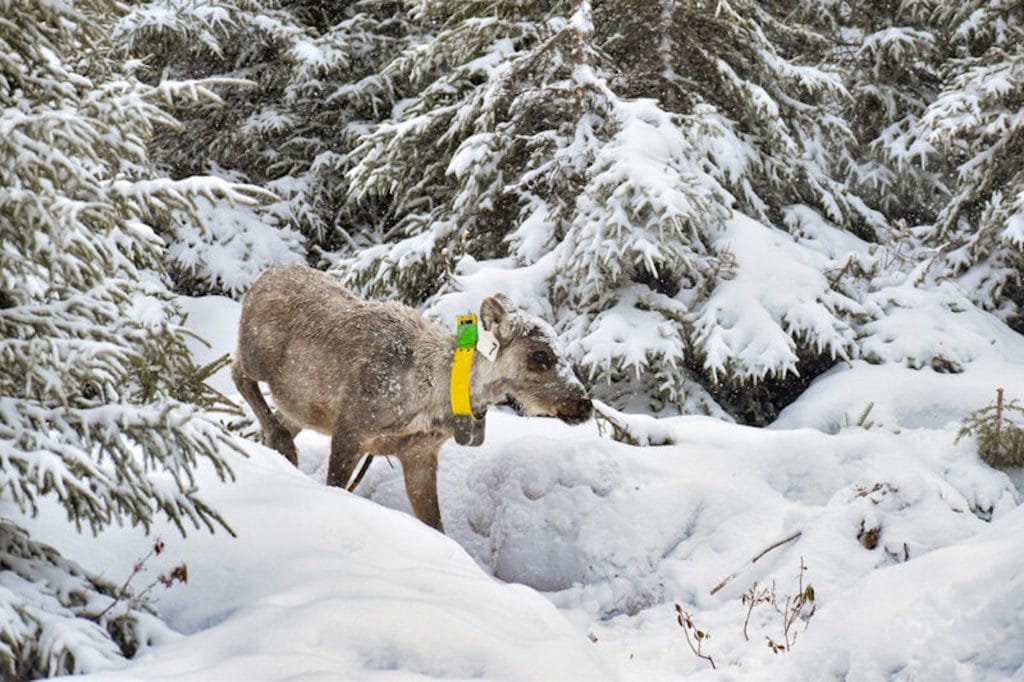
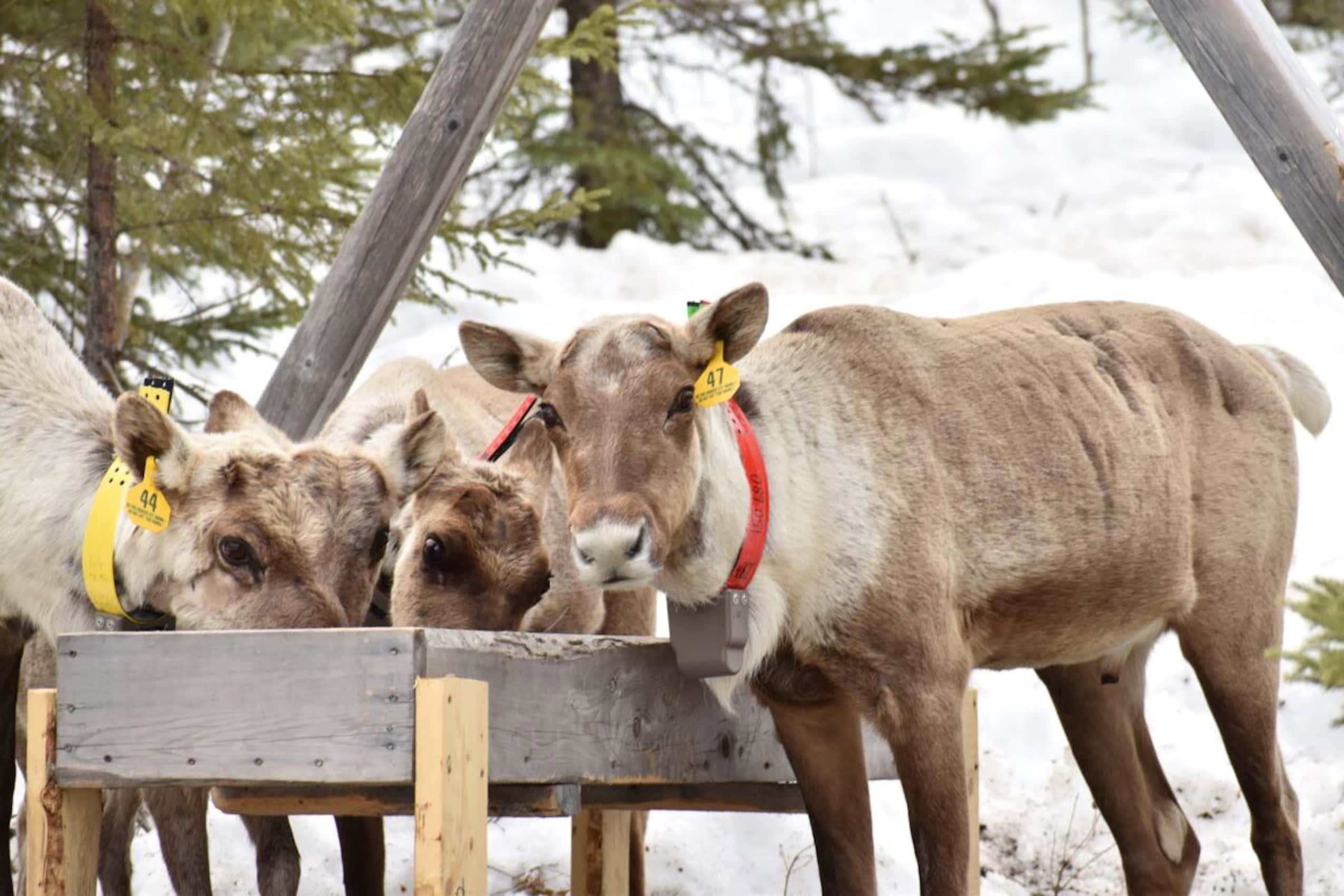
Since 2020, the last seven caribou of the Val-d’Or herd have lived in a 14-hectare forested enclosure, just south of the town of Abitibi-Témiscamingue in northwest Quebec. There were nine individuals alive when they were first captured six years ago — down from about 40 in the 1990s — but two have died since then, and the herd saw no new births this year.
“It’s like a zoo, they are in a cage at this time. … A caribou is always on the move. If they’re not moving, there’s something wrong,” Lucien Wabanonik, Chief of the Lac Simon Anishnabe Nation, says of the famously roaming ungulates who need undisturbed old-growth forests to elude predators.
Summary
In July, Lac Simon filed a lawsuit against the federal government, arguing that it has failed to protect the caribou, and in doing so failed to protect its constitutional right to hunt. In the 1980s, while Wabanonik was returning home from Montreal, a herd of 20 or so caribou crossed the road in front of him. Back then, he didn’t realize how quickly the population was declining, as forestry and mining projects — the foundation of the region’s economy for the last century — transformed the landscape. “There’s nothing much left in our area of Abitibi-Témiscamingue in terms of mature areas where forest is untouched,” the chief says of his region, home to the province’s third largest forestry sector.
In 2003, the boreal caribou were listed as threatened under the federal Species At Risk Act. In 2024, then-Minister of Environment and Climate Change, Steven Guilbeault, recommended cabinet make an emergency order to save the boreal caribou in Quebec from imminent threat of extinction. Since then, according to the nation’s legal filings, the federal government has conducted multiple rounds of consultation with Lac Simon, but despite the urgency of the situation, nothing has changed for the caribou and the herd continues to dwindle.
Amir Attaran, lawyer for the Algonquin Anishinabeg Nation Tribal Council, believes the consultations were a stalling tactic. “Anyone who works in Aboriginal law will have the experience of, when government wants to get something done, they don’t consult, or they consult within a month. When government wants to delay, they’ll consult for years.”
In an email, Environment and Climate Change Canada told The Narwhal it cannot comment on a matter that is before the courts. It added, “As stated in the Agreement for the Recovery and Protection of Caribou in Quebec, the Government of Canada reaffirms its commitment to working with and consulting Indigenous organizations and peoples in Quebec.”
First Nation objects to funding agreement with province, calls for moratorium on logging permits
Instead of developing an emergency order to protect the caribou’s natural habitat in Val d’Or and two other regions in Quebec, as per Guilbeault’s recommendation, or meeting with Lac Simon exclusively about the issue, on June 29, 2026, the federal government met with the entire Assembly of First Nations Quebec-Labrador. Former environment minister Pascale Déry’s presence at a federal meeting was a first hint that something unusual was afoot.
At the meeting, federal Minister of Environment and Climate Change Julie Dabrusin announced, without prior consultation with the First Nations, that they were moving forward with a funding agreement with Quebec to help protect the caribou. Canada is set to pay up to $25 million over five years to the provincial government, in an agreement that does not mention limits on forestry projects or construction of service roads. In 2016, the Quebec government committed to creating a plan for protecting the Val d’Or caribou, which was to be presented to Lac Simon within five years — another promise that never materialized.
When The Narwhal asked the provincial government to comment on this funding agreement, it responded, “The financial agreement with the federal government will support the implementation of additional measures to conserve and restore the caribou’s habitat. The Quebec environment ministry is currently assessing potential measures, and these could include measures devoted to the Val-d’Or woodland caribou population.” The conditional “could” in its response echoes another of Attaran’s points: that the funding agreement with the federal government doesn’t specify that the money must be used for the caribou, but rather that it may be used for the species. “There’s no assurance of it doing anything here,” he says.
The Quebec environment ministry responded to The Narwhal’s request for comment about this commitment, writing in French, “The proposed plan for the Val d’Or woodland caribou population was not submitted in accordance with the original schedule. Knowledge about the state of the population has since evolved, and the government is continuing its work to establish measures adapted to this particular situation. The Ministry recognizes the Lac Simon Anishnabe Nation’s preoccupations regarding this delay.”
The ministry also outlines that it has instated a moratorium on logging in the habitat, has completed some restoration of the habitat and keeps the caribou in captivity as a precaution. It also highlights that the agreement with the federal government doesn’t replace the work done with the Val d’Or population or collaboration with the area’s Indigenous communities. In 2018, the Quebec government instituted a temporary moratorium on logging in some sections of the caribou habitat, covering 2,160 square kilometres. However, the habitat has received no official protection, and Lac Simon has called for an immediate moratorium on the issuing of logging permits over a 5,000 square-kilometre area, which hasn’t happened.
The Lac Simon maintains that the funding to be allocated to Quebec doesn’t promote the conservation of the caribou and is no substitute for an emergency order. And though the federal government has also committed $15 million for First Nations-led caribou conservation in Quebec, Wabanonik said they’re not interested in that money. “If we do take those monies, it means accepting their ways of doing things. … And we don’t accept that,” he says.
Constitutional right to hunt relies on continuation of culturally significant caribou, lawyer argues
The nation’s case also leans heavily on wording within the Species At Risk Act. “What we’re arguing is the act may be written as ‘cabinet may,’ but in reality it’s ‘must.’ And the reason it’s ‘must’ is very simple: you have here an Aboriginal right to hunt, constitutionally protected under Section 35,” Attaran explains.
Allowing such a culturally significant species to disappear is no different than extinguishing the right itself. Without the emergency order, the caribou is at a very high risk of extinction, which would violate the First Nation’s constitutional right to hunt it. According to Attaran, this argument has never been tried in a Canadian court, and he is confident the nation will receive a declaration stating that the constitutional right has been violated.
Failure to protect the herd also infringes on the Species At Risk Act, which makes the protection of their habitat partially the responsibility of the federal government. The caribou, along with other endangered species like British Columbia’s southern resident killer whales and the northern spotted owl, continue to face dire threats to their habitats.
If Lac Simon wins, the case could set a precedent in a crucial time. Since being elected prime minister in 2025, Mark Carney has pressed ahead with extraction and development projects, providing his government with tools to side-step environmental assessments and protections via Bill C-5 and the creation of the Major Projects Office. Then, in September, Carney introduced Bill C-39, which, among other blows to the environment, aims to make Bill C-5’s sweeping powers permanent.
As it stands, it may be too late for the Val d’Or herd. There are no plans to rewild them and, as Attaran points out, there would be no point in doing so since they would be released into a degraded landscape. For these animals to be able to survive in the wild, a recovery strategy from Environment and Climate Change Canada determined the Val d’Or population would need at least 65 per cent of their habitat to be undisturbed. However, only 33 per cent of their habitat remained intact as of 2024. And with no limitations on forestry activities in the new caribou conservation funding agreement with Quebec, their habitat will likely continue to degrade.
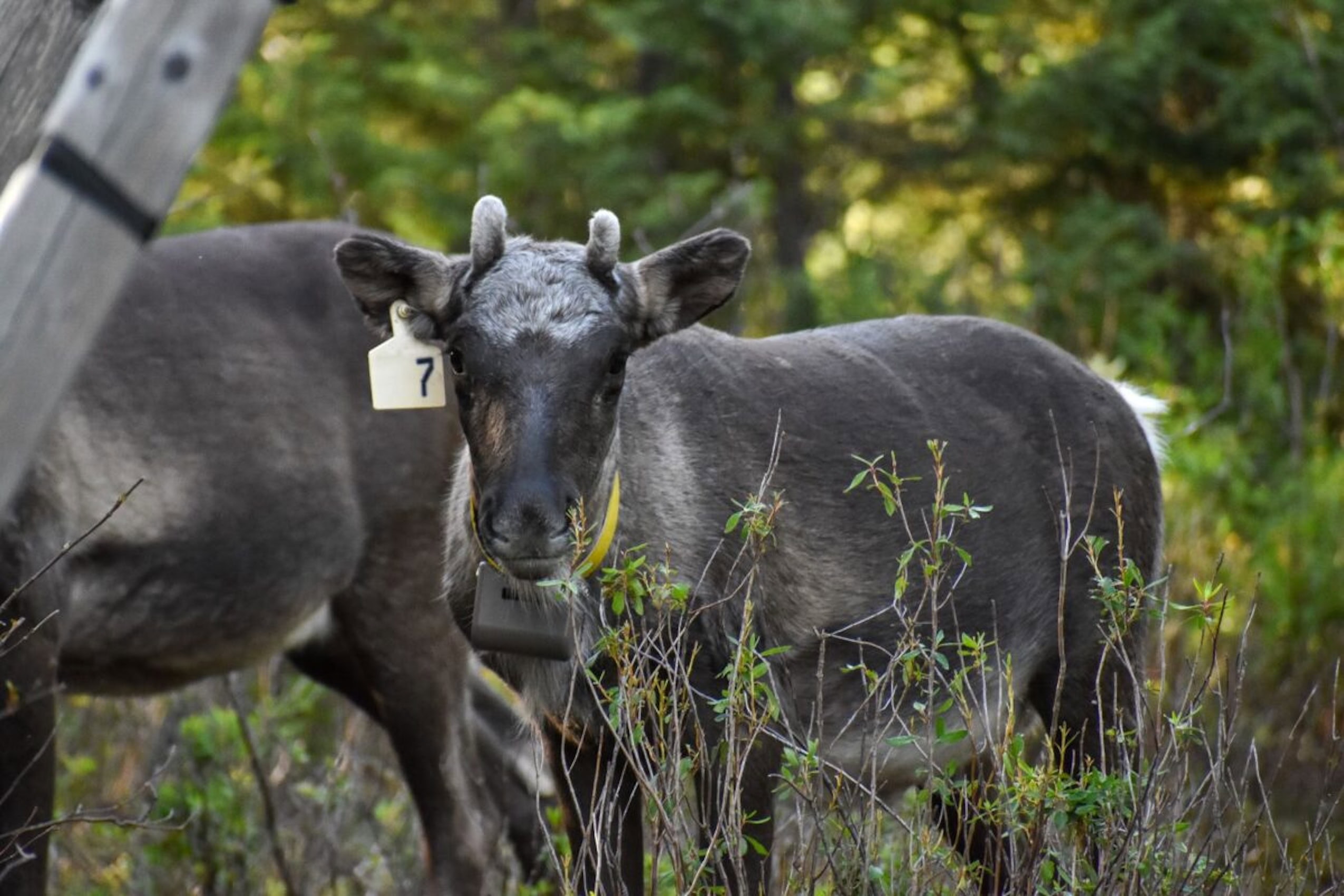
Though the Val d’Or herd faces imminent extinction, the federal government has not responded swiftly to the lawsuit, waiting over two months to file its evidence. But Attaran is steadfast about what he believes must come next to give the caribou a shot at survival. “I want to try the case, I want to get to court fast. The government was trying to squeeze us and draw us into that fight, and we’re not taking the bait.”
As for Lac Simon, they’re ready to face the federal government head-on, as the extinction of the caribou would mean the extinguishment of its members’ rights. “We’re going to have a battle, that’s for sure, I can guarantee that,” Wabanonik says. But he believes that the majority of people will share his nation’s belief that the survival of the caribou is worth fighting for. “I think there are more First Nations, there are more good citizens out there, Canadians who understand the long-term vision.”