



 14 min. read
With the provincial election just days away, promises from B.C.’s main political parties are piling up. Voters have been offered tax breaks, tax increases, price caps and new health-care resources. But none of the main parties vying for votes has had much to say about the environment or climate change. It took more than two weeks for the BC NDP and BC Greens to release their climate platforms. The BC Conservative Party put out its full platform — with the party’s first explicit mentions of climate change — on Oct. 18, two days after advance voting began and just six days before the final vote.
After nearly a decade in government, the BC NDP isn’t offering much in the way of new climate-focused policies in this election. The party’s climate platform, released on Oct. 10, includes a pledge to cap the amount of power available for AI and data centres, a policy already enacted into law last year. If re-elected, Leader David Eby is promising to hold data centres in B.C. to high standards for water efficiency and require them to report their water use publicly.
The BC Conservative platform mentions climate just once, stating “climate decisions” should be based on three principles: protecting people from extreme weather, reducing emissions in B.C. and beyond and delivering measurable results. “The need to develop our natural resources must always be weighed against the need to conserve our bounty through responsible resource management,” the platform states.
Unsurprisingly, the BC Green campaign platform promises to put climate policy at the centre of the provincial agenda by making climate targets central to “major policies, infrastructure investments and industrial decisions.” In addition to a dedicated climate platform, many of the party’s campaign promises include climate-conscious components. The Greens’ economic platform focuses on ways to build “a prosperous, resilient, low-carbon economy” and the party’s housing platform includes a commitment to reduce emissions related to buildings by focusing on lower-carbon designs and materials, as well as conserving existing housing stock.
With all three party platforms published, The Narwhal dug in to see where the parties stand on key issues — and what they’re promising to get rid of.
table of contents
What B.C. election platforms say about LNG, fracking and fossil fuels
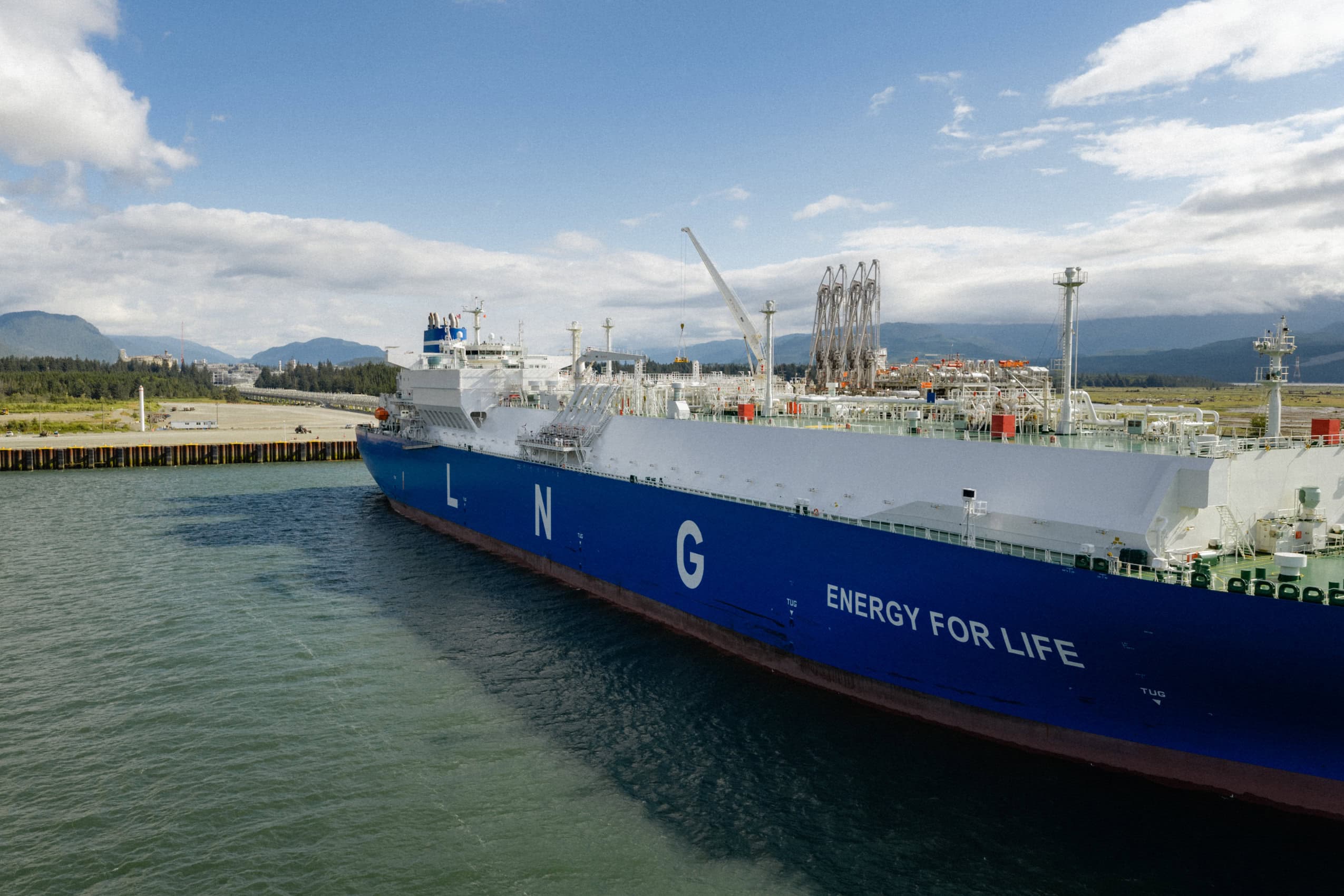
Both the NDP and the Conservatives are committing to expanding the liquefied natural gas (LNG) industry in B.C. Producing natural gas usually involves hydraulic fracturing, or fracking, a process that shoots high-pressure water mixed with chemicals underground to fracture the rocks and release the gas. Making LNG requires running massive compressors 24-7 to cool gas into a liquid. It’s an energy-intensive process that — so far in B.C. — is largely powered by burning natural gas.
The Conservatives have promised to make B.C. an “energy superpower” by doubling LNG production by 2032 and tripling it by 2035. When that policy dropped, the NDP was quick to point out the five LNG projects in development are already on track to more than triple the province’s LNG production by 2035.
The Conservative energy platform also pledges to get rid of B.C.’s industrial carbon tax and replace it with new rules that it says would ensure B.C.’s gas exports are competitive with the United States and Qatar.
A BC Conservative government would take a new approach to tallying B.C.’s greenhouse gas emissions, one that runs counter to the 2016 Paris Agreement. The Conservative platform proposes taking credit for “emissions avoided through cleaner B.C. exports,” using the example of exported gas replacing coal.
If his party forms government, Leader Lorne Doerkson has also promised to use deregulation as a tool to spur economic development, partly by bringing back a ministry dedicated to getting rid of rules, processes and laws it deems burdensome or unnecessary. For every new regulation a Conservative government makes, it would axe two existing regulations, according to Doerkson.
The NDP is promising to use some oil and gas royalty revenue — $50 million to start — to promote climate action and create jobs. The “Clean Futures Fund,” as the NDP platform dubs this promise, might sound familiar, possibly because some of the revenue raised by B.C.’s consumer carbon tax was once dedicated to similar spending priorities.
Speaking of oil and gas revenues, Eby refused to confirm whether his government is still committed to its original plan to collect 50 per cent of profits reaped by gas companies in B.C. The new gas royalty system is scheduled to take effect in 2027.
“We’re going to hold on to high royalty rates,” Eby said in response to a question from The Narwhal about whether he remains committed to the 50 per cent target announced by the B.C. government in 2022.
“We’re going to demand as much as possible and we’re also going to build the economy.”
The BC Greens’ platform promises a 50-50 profit split under the new gas royalty framework. The Green climate platform notes B.C. is expecting to collect about $1.1 billion in gas royalties in the 2027-28 fiscal year. Bumping the province’s share of that royalty revenue up to 50 per cent would yield over $4 billion, according to the Greens.
The Greens have also pledged to end further fossil fuel development in B.C., banning new fracking operations, LNG facilities or expansions and pipelines, and axing provincial subsidies, favourable tax policies and public financing for fossil fuel production.
Leader Emily Lowan was the only provincial party leader to criticize LNG Canada’s decision to proceed with Phase 2 of its Kitimat LNG facility. The final investment decision to proceed with the expansion — which has been fully permitted since 2018 — was announced on Sept. 28 and celebrated by both Eby and Doerkson.
Neither party leader mentioned the integrity issue with the existing LNG Canada facility’s flare stack which resulted in Kitimat community members being subjected to excessive noise, black smoke, a towering flame — at times reaching the height of New York’s Statue of Liberty or London’s Big Ben — for months.
The consortium of companies behind LNG Canada wants the facility’s permit changed to accommodate higher emissions levels to account for its need to keep the flare burning 24-7 until the stack can be redesigned in 2028.
B.C. election platforms on Indigenous Rights and DRIPA
One of Doerkson’s first public statements after becoming interim leader of the BC Conservatives was to declare his desire to repeal B.C.’s Declaration on the Rights of Indigenous Peoples Act, or DRIPA.
The pledge, which is a top priority for the Conservatives, appears in the party’s platform under a section titled “protect private property rights” — despite the fact that DRIPA doesn’t deal with private property.
A Conservative government would pass a law requiring information about Aboriginal Title claims and ongoing negotiations to be made public. The proposed law would also publicize information about legal actions and agreements related to First Nations Rights and Title.
The party’s platform also promises to “restore equal access to Crown land and provincial parks,” a pledge that appears to target annual temporary closures of Pipi7íyekw/Joffre Lakes Park that restrict visits to members of Líl̓wat and N’Quatqua First Nations, whose unceded territories encompass the park. These reconnection periods have been taking place since 2023 and are intended to allow the Nations to conduct traditional harvesting, as well as ceremonial and cultural practices.
Under a BC Conservative government, reconciliation with First Nations would focus on “practical cooperation, clear and fair treaty agreements and economic opportunities,” per the platform. It emphasizes opportunities for First Nations to benefit from projects via revenue sharing and ownership opportunities.
The BC NDP platform doesn’t mention DRIPA but Eby confirmed near the beginning of the election campaign that he would stick to his plan to amend the law to block further court challenges.
“We do have to respond to that court decision, it’s not up for debate,” he said on Sept. 25. “We’ve been working with First Nations over the summer to see if we can find a path forward that we all agree on.”
The Greens are promising to leave DRIPA as is and to work with First Nations to develop a process aimed at resolving disputes proactively as a way to avoid court cases — something some NDP MLAs have often stated the law was intended to do.
The Greens are the only party with a dedicated Indigenous Rights section in their platform.
Protecting lands and waters in B.C.
An NDP government would stick with its commitment to protect 30 per cent of B.C.’s lands by 2030, a promise the party has been working on since 2022.
In the party’s 2026 campaign platform, the 30-by-30 goal is linked to the Northwest Critical Conservation Corridor, a federal initiative announced by Prime Minister Mark Carney in November 2025 and referred to the Major Projects Office as a potential national interest project. According to the NDP, the corridor will “add protections to an area equivalent to 12,000 Stanley Parks, while enabling responsible natural resource development.”
The NDP is also promising to continue funding the Watershed Security Fund at $30 million per year. The fund was created in 2023 with a $100-million commitment from the province making this another stay-the-course pledge from the party.
The BC Conservative platform claims conservation is a conservative value but doesn’t offer many specific conservation-focused commitments. The party pledges to increase enforcement in parks and wilderness areas with more conservation officers in the field, and to establish sustainable fish and wildlife population objectives.
The platform promises a science-based approach to wildlife management with input from hunters, anglers and First Nations. It also repeats a 2024 campaign commitment to develop a made-in-B.C. species-at-risk law. The Conservative platform doesn’t mention B.C.’s existing 30-by-30 commitment. In May 2024, former BC Conservative leader John Rustad told The Narwhal he would abandon the goal.
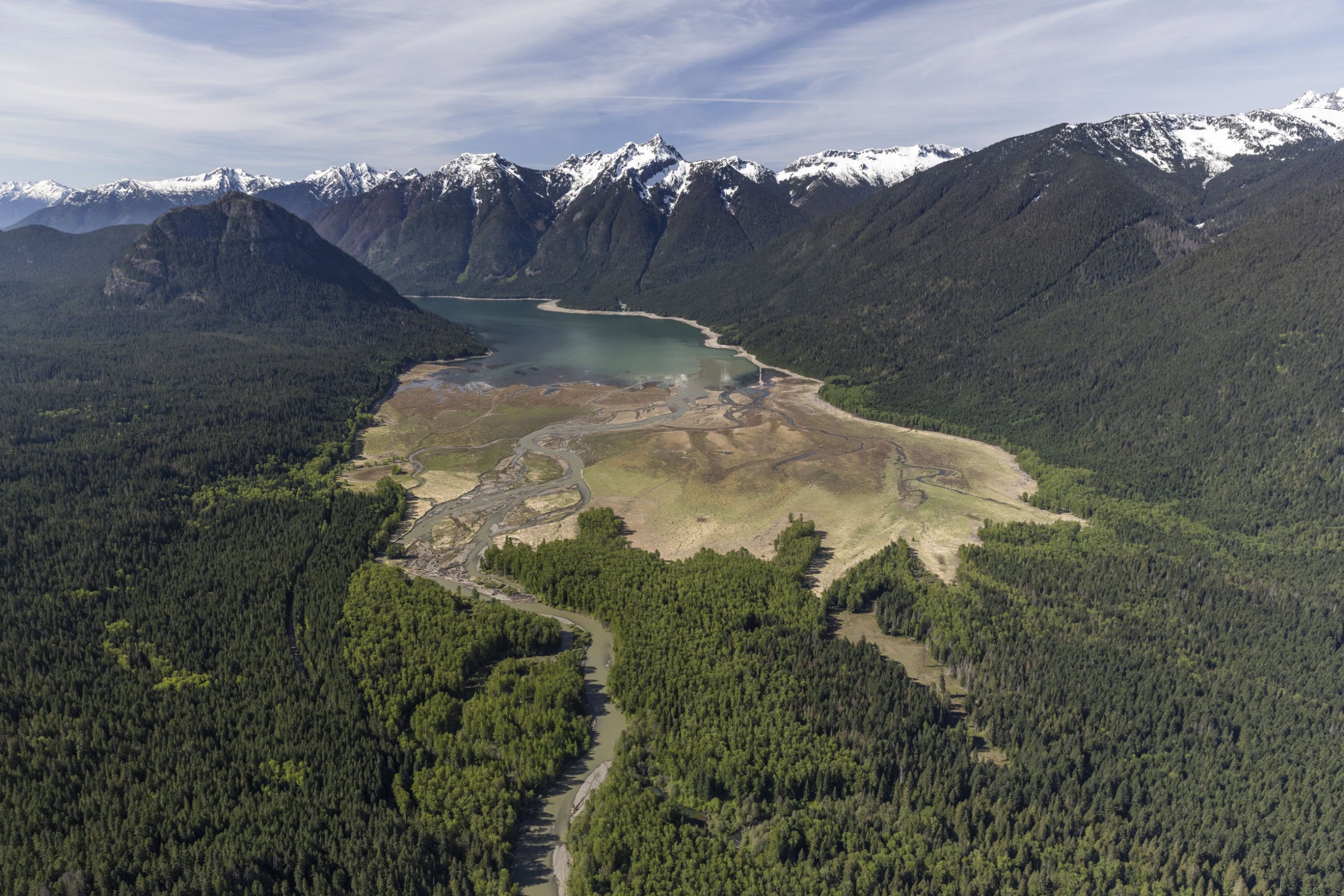
The Greens would make 30-by-30 a minimum goal. The party also promises to boost funding by BC Parks and recreation sites across B.C. to $114 million, a 50 per cent increase.
In its tourism strategy, the Green Party platform promises to put environmental impacts front and centre when considering development opportunities for new and existing tourism destinations.
The platform has a section dedicated to water management and protection, including a commitment to implement a proactive, long-term approach to protecting water security and ensuring industrial users pay a fair share for the water they use.
None of the party platforms mention the future of Indigenous Protected and Conserved Areas (IPCAs), which have been a key tool for advancing conservation efforts in B.C. and Canada. In northern B.C., members of the Kaska Nation say the snap election has slowed efforts to finalize protection of Dene Kʼéh Kusān, a proposed Indigenous-protected area that would cover one of the province’s largest intact wilderness areas.
B.C. election platforms on logging, old-growth forest protections
B.C.’s forestry industry has struggled for years with multiple mill closures and hundreds of jobs lost since the 2024 election. At the same time, the province’s forests have been impacted by wildfires and drought.
On the campaign trail, Eby pointed to the support his government secured from Ottawa to offset the impact of U.S. tariffs on softwood lumber and efforts to get more woodfibre to mills. The NDP platform promises to continue to support the forest industry by providing more cash for mills to upgrade their operations, spending $120 million to protect jobs at mills that are at risk of closing and focus on making sure mills get the fibre needed to keep operating.
The party’s promises to protect B.C.’s forests are less robust.
A re-elected NDP government would dedicate $50 million to permanently protect some of B.C.’s “most irreplaceable and rarest” old-growth forests. The party’s platform makes no mention of the 2020 old-growth strategic review, despite a 2024 campaign commitment to fulfill all of its recommendations.
The BC Conservatives are promising to do many of the same things the NDP has done but better, bigger and faster. The party’s forestry platform promises to make more trees available for harvest — but does not address how the party would ensure companies actually harvest the maximum amount allowed, something that has not happened in years due to largely to the dwindling availability of economically viable trees to log. The Conservatives are also promising to focus on streamlining permitting, reduce costs for forestry companies and support value-added manufacturing.
The platform projects Conservative forestry policies would double government revenue from stumpage fees by 2028-29. The 2026 provincial budget did not include a specific revenue estimate for stumpage but estimated total forestry-related revenues will increase 3.3 per cent per year through 2029.
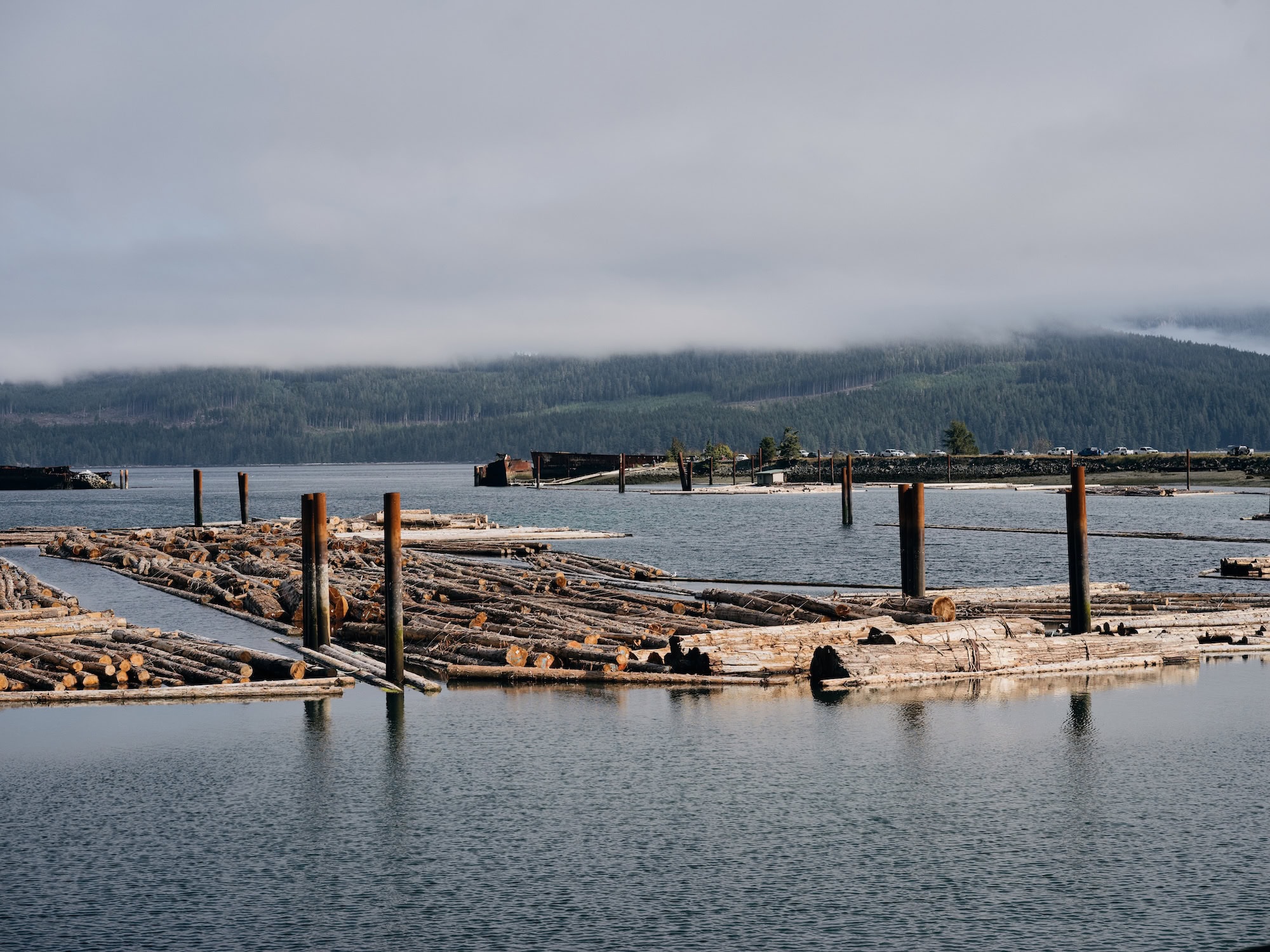
A Conservative government would “encourage Indigenous participation in the forestry industry by investing in skills training” and dedicate a portion of federal funding for targeting the forest industry to First Nations.
The party is also promising to “resolve” the issue of old-growth deferrals by “protecting original old growth” and making the rest eligible for logging. The platform does not define original old growth but does say that B.C.’s “most endangered and rarest ecosystems” would also be protected.
The Green platform proposes shifting B.C. forestry from a fibre-supply model to one that prioritizes ecosystem health, wildfire resilience, cultural values and healthy communities. A Green government would permanently protect old-growth forests and large second-growth forests from logging, fully implement the old growth review’s recommendations and provide conservation financing to help First Nations replace forestry revenues in favour of protecting forests.
The Greens are also promising to ban the use of glyphosate and other chemical herbicides as part of forest management practices — a pledge the NDP and Conservatives both made in 2024.
Energy, electrification and renewables
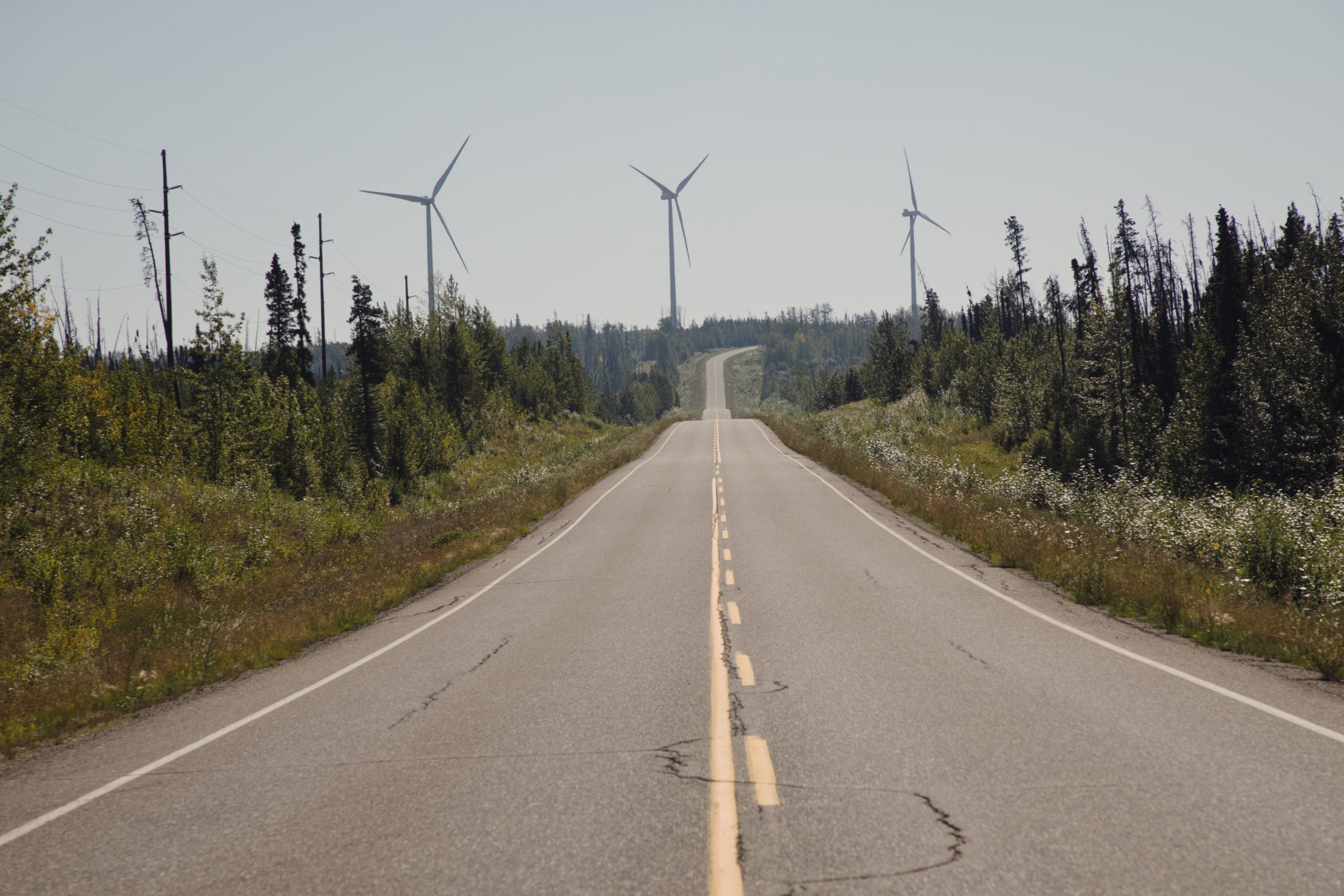
Beyond boosting natural gas and LNG production, the BC Conservatives are promising to boost B.C.’s energy self-sufficiency, a commitment that would mean building a considerable amount of additional energy generation capacity. The province currently balances its energy needs through a mix of energy imported from other jurisdictions (mostly Alberta and western U.S. states) and locally generated power.
The strategy, basically, is to use local sources when they are cheap and convenient and buy imported power — such as solar-generated power from California — when it is plentiful and cheap. To date, the strategy has worked out well, though recent drought conditions have put a squeeze on those margins.
The Conservatives are committed to boosting B.C.’s energy production “from every available source,” according to its platform.
Boosting biomass production is a key part of the Conservatives’ energy pitch. The party is proposing to increase the use of logging and mill waste to make renewable fuels. On renewables, the Conservatives support wind, solar and small-scale hydro power “where economics and reliability make sense,” as well as geothermal projects where a business case can be made — i.e. with little investment from the provincial government.
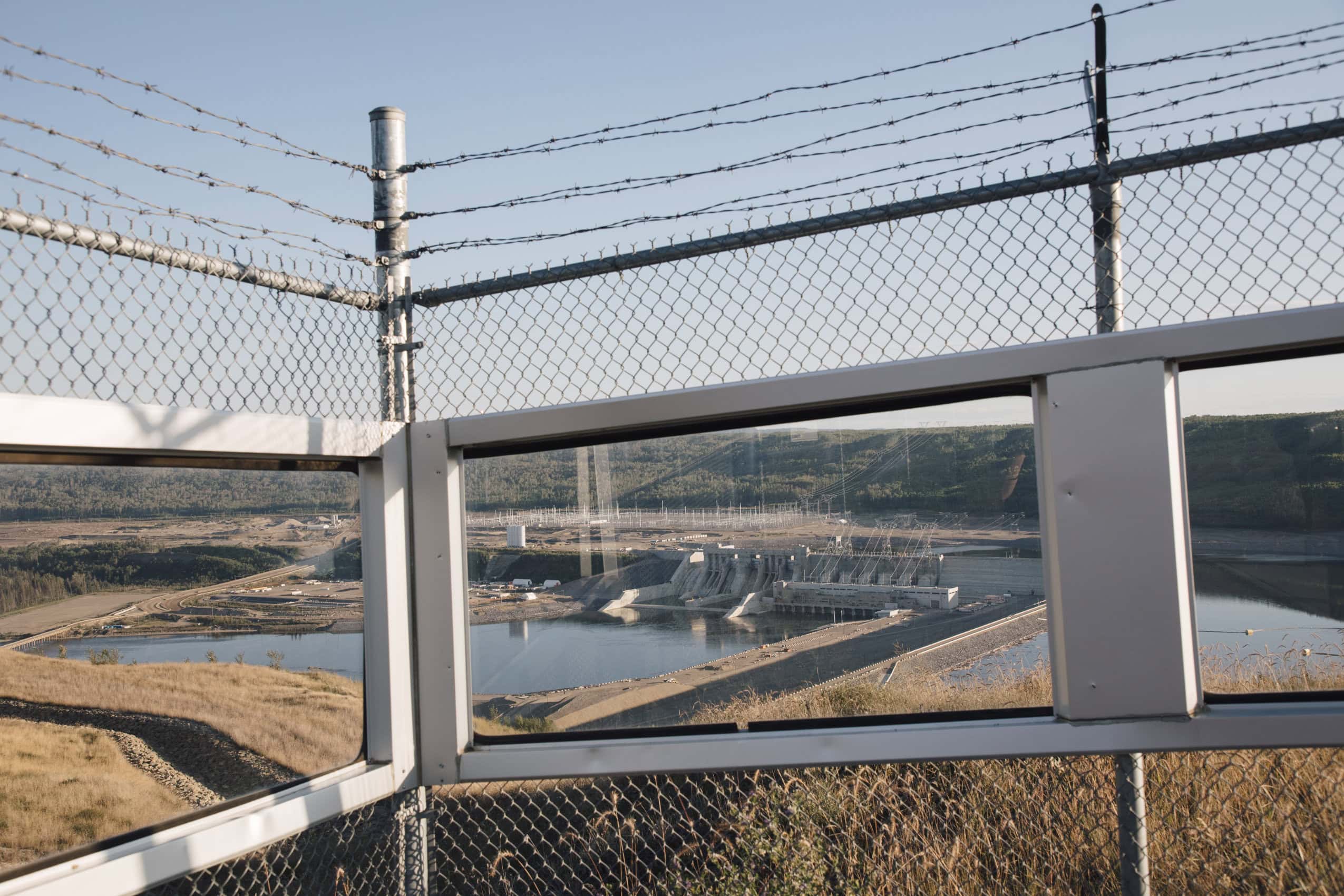
Notably, the 2026 B.C. Conservative platform doesn’t mention nuclear power, a source the party touted as part of the solution to B.C.’s energy crunch during the 2024 election.
Beyond increasing exports, a Conservative government would also consider opening the door to more natural gas power production in B.C. by making them eligible for BC Hydro’s call for energy project proposals.
The Conservatives are also promising to “restore choice in energy for home heating and cooking” — a commitment to attacking restrictions and bans on natural gas use implemented by local governments — and overhaul B.C.’s Energy Step Code, which sets energy efficiency standards for new buildings.
While the NDP government hasn’t exactly shied away from natural gas as a power source, the party’s platform touts efforts to ensure nearly all of B.C.’s electricity is generated from renewable and low-emission sources.
An NDP government would continue funding for heat pump rebates to the tune of $50 million per year and dedicate $16 million to building out the province’s electric vehicle charging network.
The Green platform promises to one-up the NDP on most of its existing energy promises. This includes heat pumps, insulation and energy-efficiency upgrades, restoring BC Hydro’s abandoned net-metering system for residential solar power and allowing plug-in balcony solar in B.C.
The Green energy platform also emphasizes community-owned energy projects, an area where B.C. currently lags behind several provinces.
A Green government would ban oil and gas hookups for new homes and residential buildings and set a goal of using electricity to supply at least 35 per cent of B.C.’s total energy needs by 2035. Currently, about 20 per cent of all the power used in B.C. comes from electricity, according to the Canada Energy Regulator, while 34 per cent comes from petroleum products and 31 per cent is natural gas.
The final voting day in the B.C. election is Oct. 24.