


 12 min. read
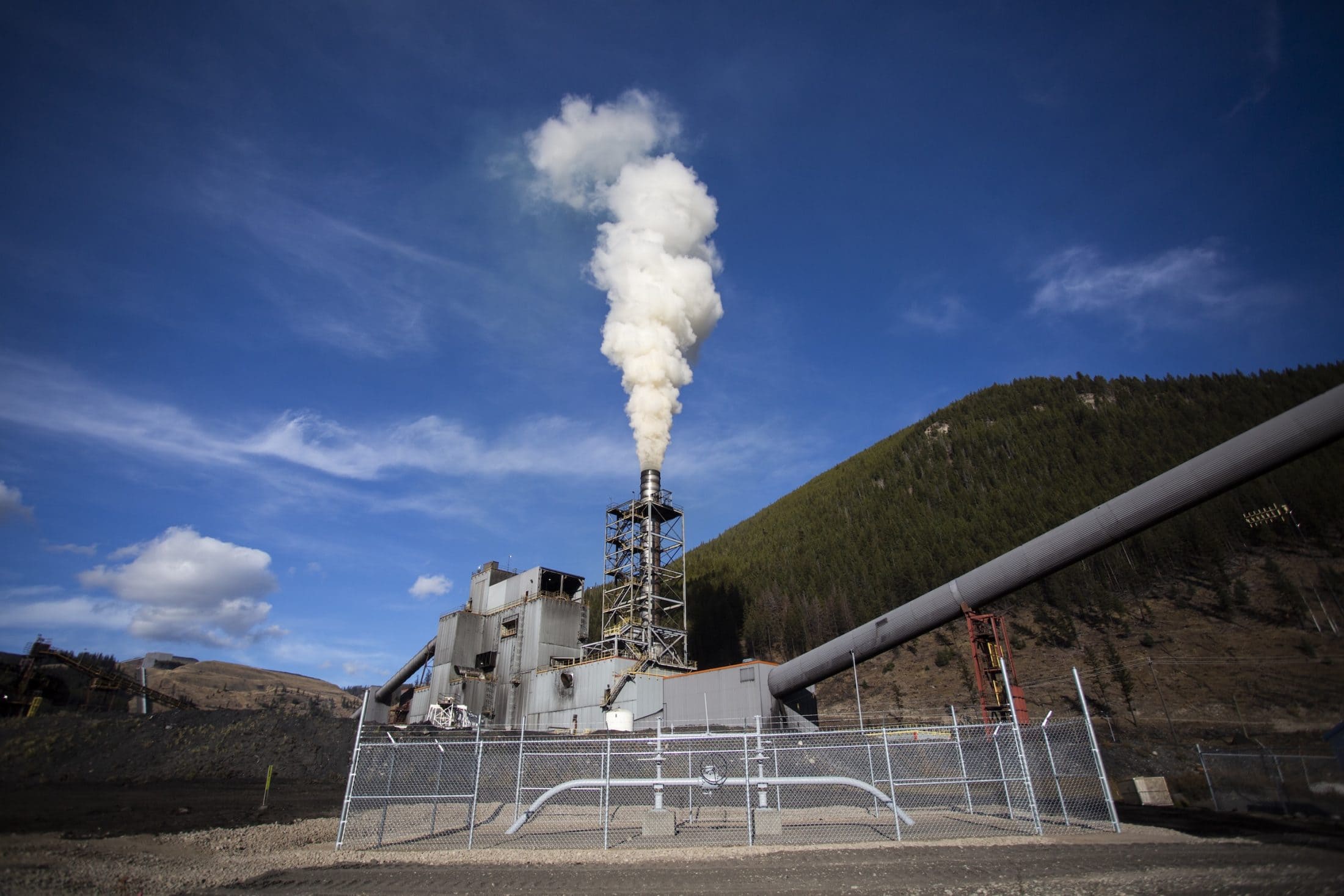
British Columbia’s largest coal miner is seeking to scale back its plan to build new water treatment facilities in a watershed that has faced some of the highest levels of selenium pollution in the world.
The changes — quietly disclosed by Elk Valley Resources in an adjusted water treatment plan — appear to completely eliminate three planned water treatment facilities and six phased expansions of existing treatment plants in the coal-rich Elk Valley.
The water treatment facilities were originally designed to capture naturally occurring elements like selenium, a mineral that in high doses is toxic to aquatic life. Mining coal through blasting or digging leaves vast piles of waste rock. When rain and snow-melt wash through those piles, they dissolve selenium and carry it downhill as runoff into nearby waterways.
Summary
Critics on both sides of the Canada-U.S. border say the move amounts to walking away from clean-up commitments just as the company pushes to expand its mining footprint — and before an international watchdog finishes investigating downstream contamination.
Elk Valley Resources spokesperson Chris Stannell did not confirm or deny the number of water treatment plants it seeks to eliminate, nor whether plans to expand existing plants will be reduced. The changes to the treatment plan “do not directly equate to less treated water,” he said.
“Selenium concentrations downstream of [Elk Valley Resources’] operations have declined to levels last observed approximately a decade ago, and that trend is expected to continue,” Stannell wrote in an email.
Glencore, which has a majority stake in Elk Valley Resources, is basically “declaring victory” on its water pollution problem, Derf Johnson, the deputy director of the Montana Environmental Information Center, tells The Narwhal.
“I think that they’ve realized the easiest, cheapest path forward at this point, and they’re not going to spend another dime trying to deal with the issue,” he adds.
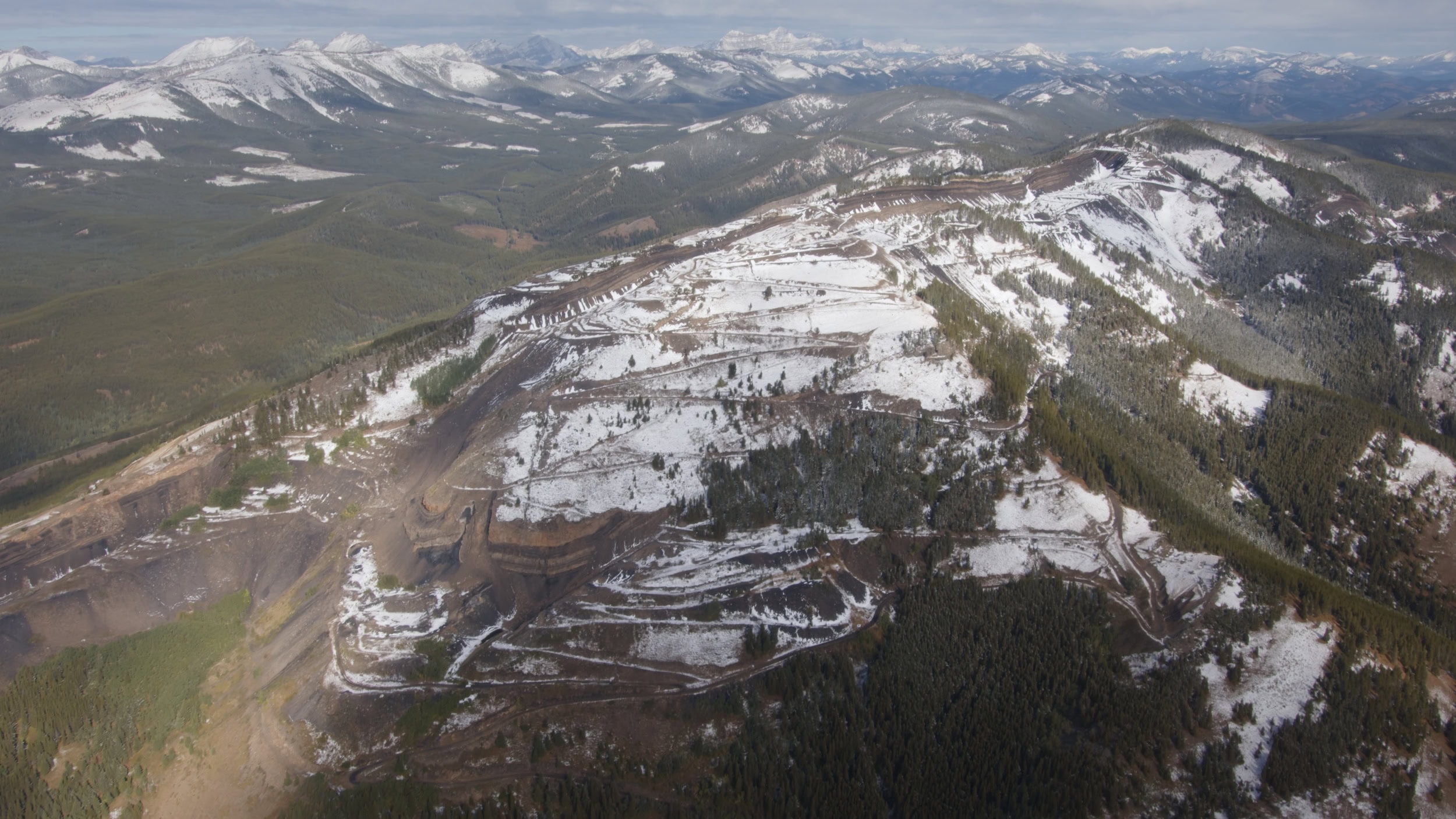
Elk Valley Resources operates four steel-making coal mines — Fording River, Greenhills, Line Creek and Elkview — in the southeast corner of B.C., roughly 60 kilometres from the Alberta and Montana borders. A fifth mine, Coal Mountain, is currently in care and maintenance, meaning it’s not operating. Together, the active mines directly support about 5,500 jobs and contribute $4.6 billion to B.C.’s gross domestic product, according to the province.
In 2024, Teck Resources divested itself from its coal division in a deal that transferred control over the Elk Valley mines to Glencore and its wholly owned Canadian subsidiary, Elk Valley Resources.
Since then, Elk Valley Resources says it has significantly reduced pollution in rivers downstream of its mines. In its latest request to the B.C. government, the company claims its models have shown its existing water treatment infrastructure can be used more efficiently, and changes to its permitted mine plans have reduced the need for more water pollution treatment plants.
Dated June 18, 2026, and published to a government website at the end of September, it’s not clear when the province is set to make a decision on the proposal. Stannell said the company received a letter from the B.C. government in July 2026 confirming it had completed a comprehensive review of the plan.
A spokesperson for the B.C. Ministry of Environment and Parks declined to comment, citing the current interregnum period — the time between the latest provincial election and the swearing-in of the new Conservative Cabinet.
A history of selenium pollution in the Elk Valley
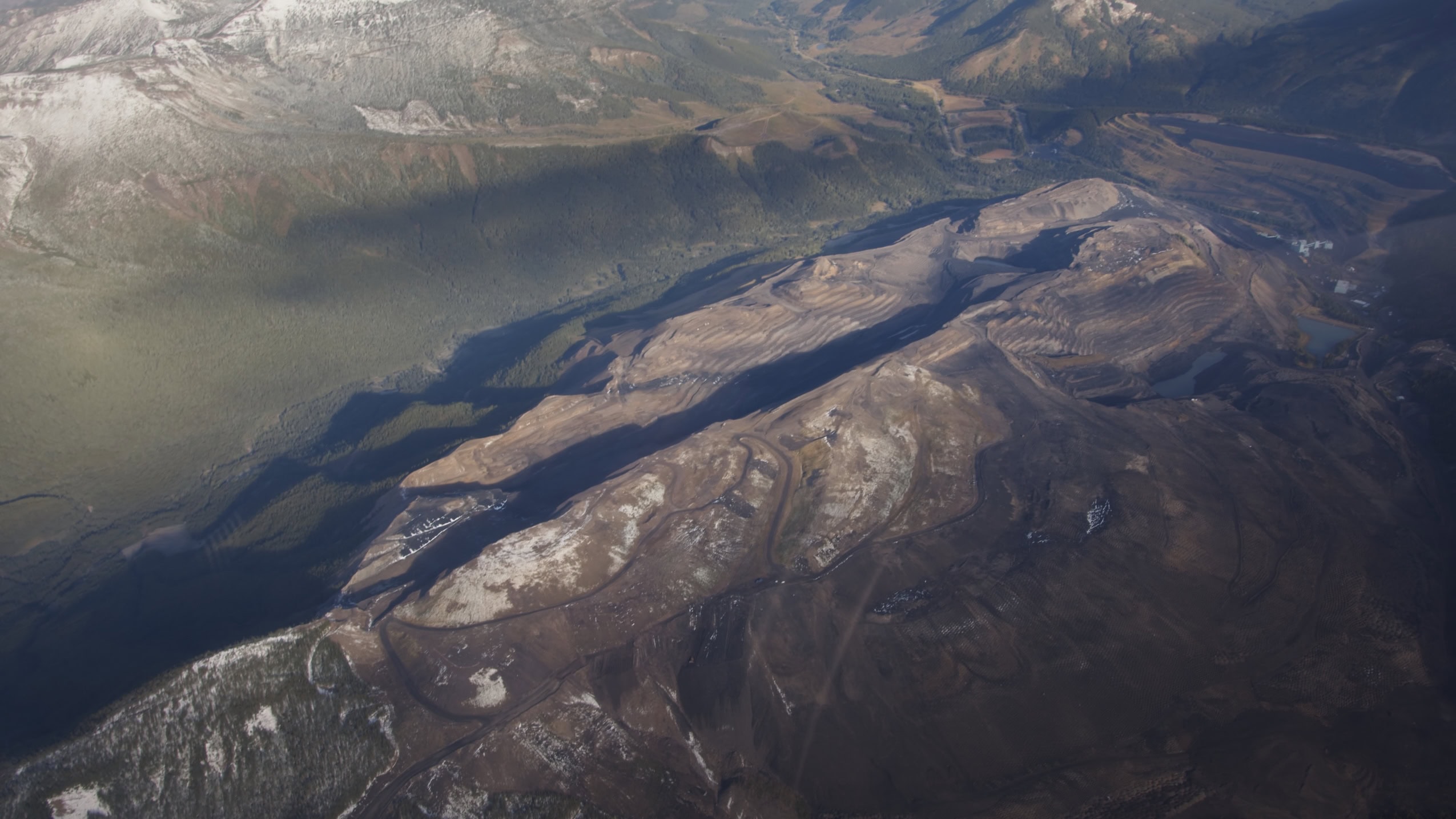
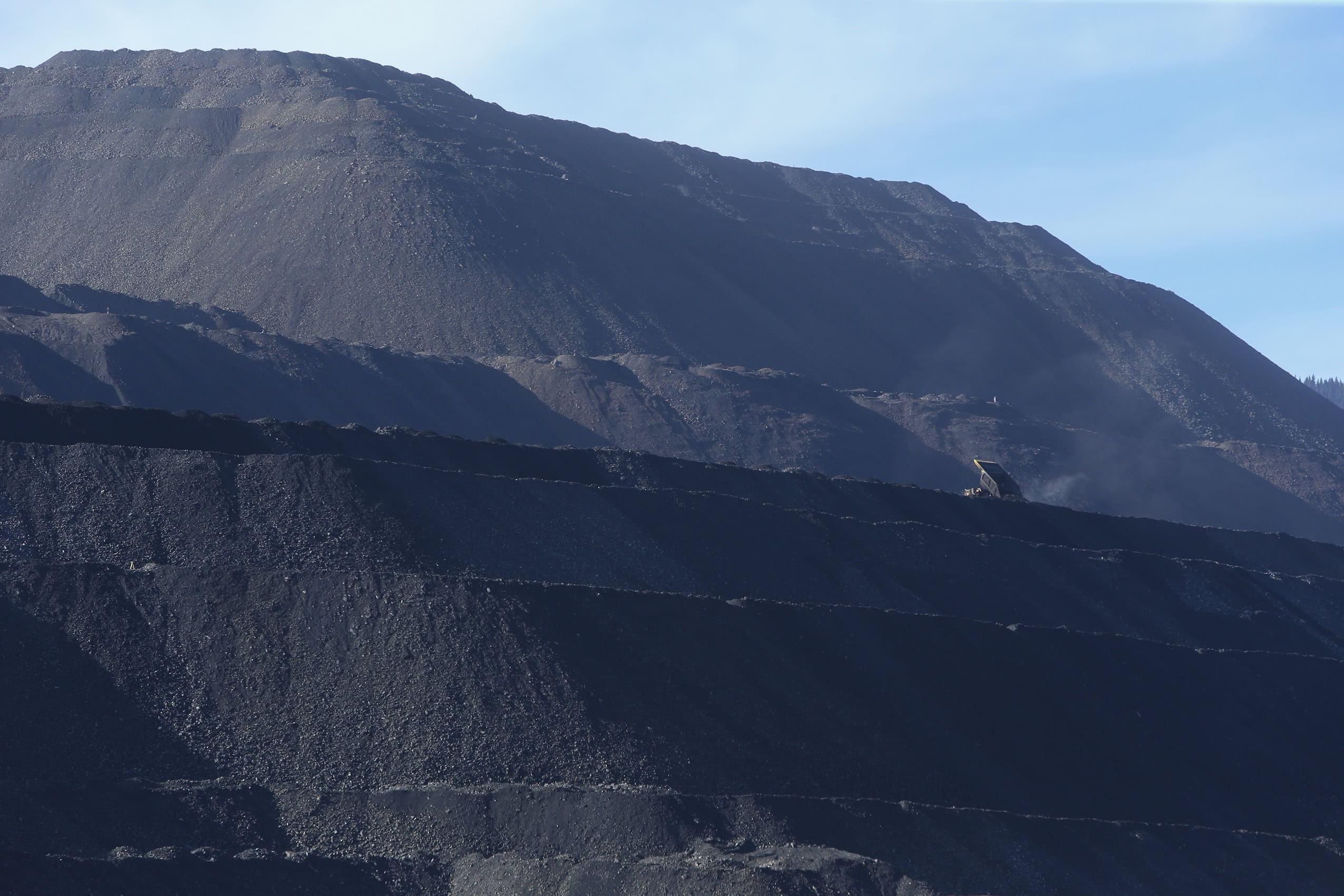
Flanking North America’s continental divide, the Elk Valley has been the epicentre of B.C.’s coal mining industry for more than 120 years. In the 1970s, the nature and scale of coal mining shifted, with mostly underground operations giving way to large open-pit mines. By 2024, coal mining had left about 20 billion tonnes of waste rock piled along the valley floor, according to the province.
High levels of selenium, nitrate and sulphate were first detected in the Elk River in the 1990s. Scientists soon realized waste rock from coal mining contains a number of substances dangerous to life. Too much selenium is toxic and can be especially damaging for egg-laying creatures, such as fish and birds. By filling the role of sulphur in proteins, selenium has been found to trigger spinal deformities and missing gill plates, though biologists say there could be many other effects.
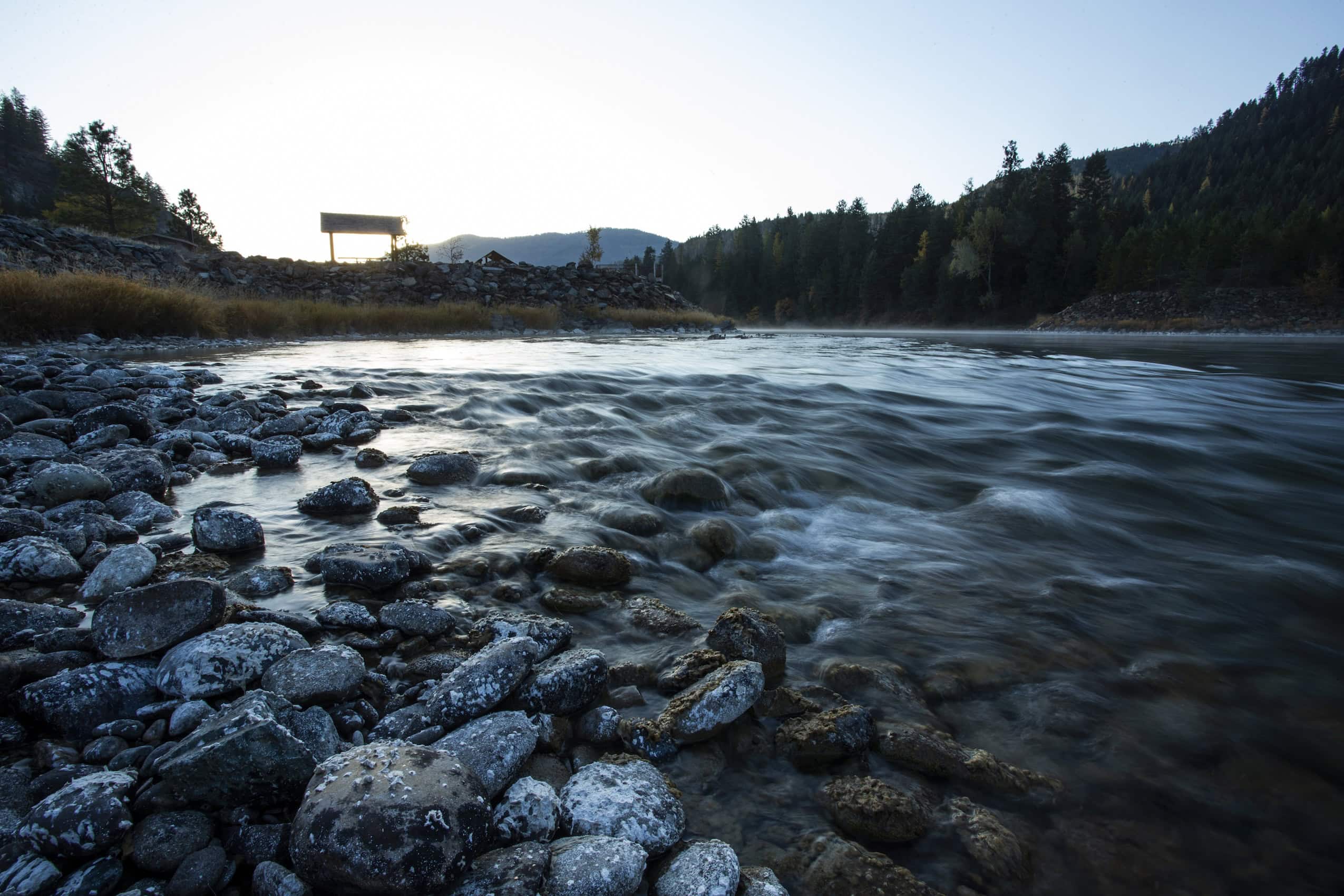
Elk Valley Resources says it has spent $2 billion to commission four water treatment facilities — at Line Creek, Elkview and two at its Fording River operations. Together, the company claims it now removes 95 to 99 per cent of selenium from water it treats. That water is then released into a river system, which eventually flows south into the U.S.
Instead of treating mining pollutants like selenium, nitrate, sulphate and cadmium separately, Elk Valley Resources is now seeking to combine some treatment technologies, according to its amended plan. It’s also looking to store contaminated water in mine pits so the infrastructure it has built can keep up during periods of higher flow, like heavy rain or snow-melt.
Under its 2022 water treatment plan, the company forecasted it would be able to treat 142 million litres of contaminated mine water per day by 2027. The latest amendment drops that to 135 million litres per day, though Stannell said by email the company’s existing four water treatment facilities currently treat 97.5 million litres per day. That’s 31 per cent below the 2022 target, according to The Narwhal’s calculation.
Simon Wiebe, a mining policy expert with the conservation group Wildsight, said the proposed cancellations of water treatment facilities at Fording River represent the “most egregious” changes to the permit. Not only is Fording River the most contaminated river in the watershed, it is also where Elk Valley Resources is simultaneously seeking to extend and expand mining operations into the 2060s, he said.
“If they were to get the Fording River expansion project [approved], the water from that waste rock is going right into the Fording River as well,” Wiebe said.
To maintain a supply of coal, the company has applied to dig into nearby Castle Mountain, a 2,000-hectare swathe of traditional Ktunaxa territory where rare high-elevation grasslands support a number of species, including bighorned sheep.
Stannell said the amended plan does not account for the company’s planned mine expansions and any associated consequences to water quality. That, he said, would be “fulsomely considered in the environmental assessment process.”
A spokesperson for the Ktunaxa Nation Council did not respond to The Narwhal’s questions by publication time.
Long history of pollution triggers record fines
In 2013, pollution levels from the Elk Valley’s operational mines reached a regulatory tipping point, prompting the B.C. government to issue a ministerial order requiring the mine operator — then Teck Resources — to follow an area-based strategy to stabilize and reverse decades of contamination.
Among its goals, the plan aimed to align with the Ktunaxa’s vision to make water safe for ʔa·kxam ̓ is q ̓ api qapsin, or “all living things.”
But in the years that followed, a series of delays and missed clean-up targets triggered record penalties from multiple levels of government.
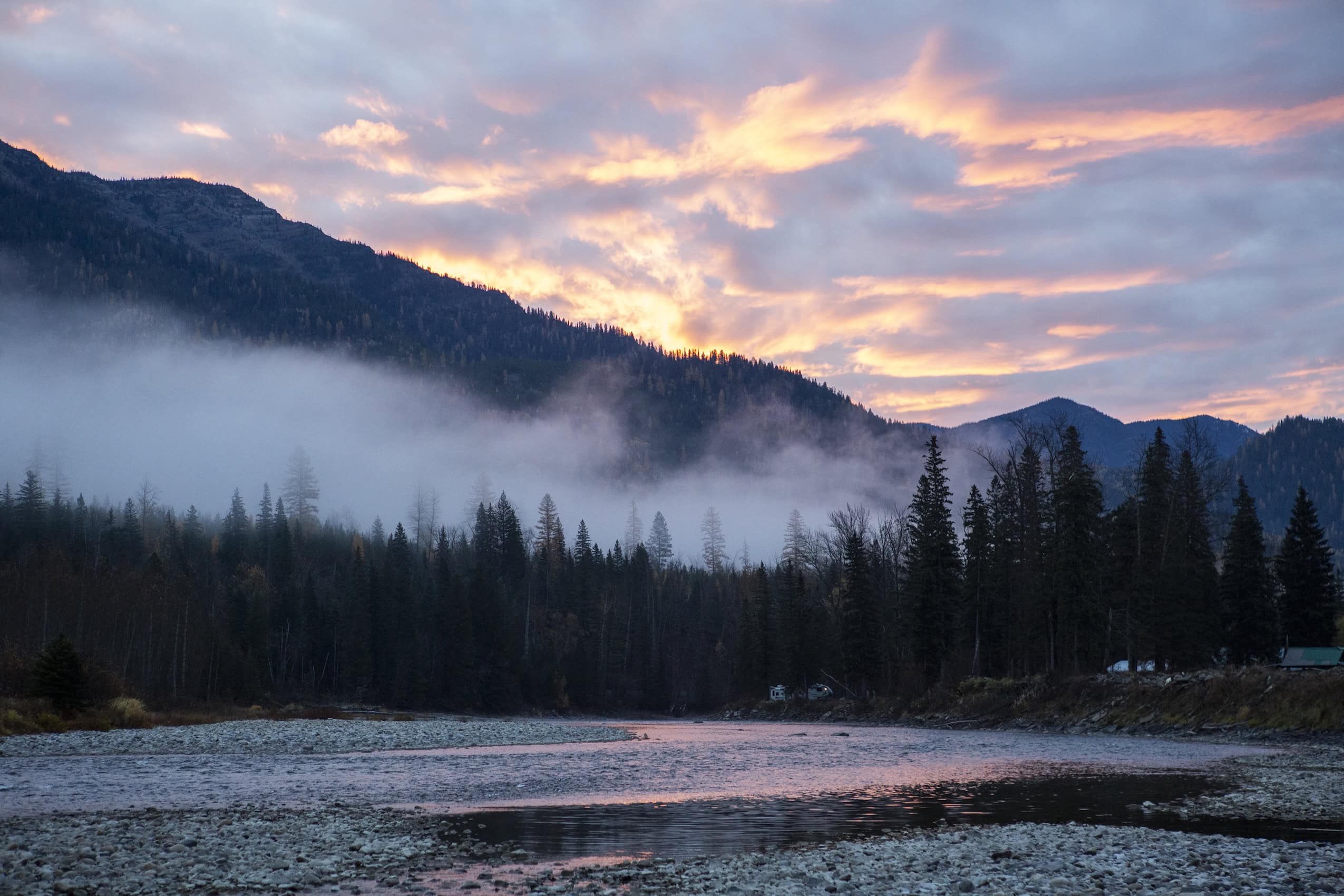
In 2021, Teck’s coal division was ordered to pay a combined $60 million in fines and monetary court orders for breaching federal fisheries laws after depositing dissolved waste rock containing selenium and calcite into the Fording River. B.C.’s Environment Ministry penalized the company more than $16 million on a single day in 2023 for polluting the Fording River with nitrate and selenium.
An October 2025 decision from B.C.’s Environment Ministry slapped the company with more than $3.6 million in penalties for delaying construction of three water treatment facilities and breaching water quality limits 171 times. The latest round of environmental sanctions — a continuation of the 2025 decision — came this past summer, when the company was penalized a total of more than $271,000.
Unverified claims and deformed fish
Scientists and Indigenous leaders on both sides of the border say Elk Valley Resources’ claims of 95 to 99 per cent selenium removal are based on proprietary data and the company has not fully disclosed the raw data behind its models and monthly averages.
“If you’re treating the water and you say you’re treating the water at a certain rate, well, then share the data, the raw data that people can see,” Rich Janssen Jr., head of the natural resources department for the Confederated Salish and Kootenai Tribes, told The Narwhal.
“It has not undergone an independent review. It is not validated, and the limits in the Elk Valley are way above what is considered protective to aquatic life.”
Asked whether the company will release its raw water quality data, Stannell said the B.C. government oversees its monitoring programs. He pointed to an online portal where the company publishes its average monthly pollution figures.

Another concern raised by scientists is the level of selenium allowed under Elk Valley Resources’ site performance objectives. In the Fording River, the province currently allows the company to release water containing up to 58 parts per million of dissolved selenium.
That is more than 72 times the U.S. Environmental Protection Agency’s legal limit of 0.8 parts per million of dissolved selenium — the threshold scientists have determined causes reproductive toxicity in fish.
About 80 kilometres downstream of the mines, the U.S. Geological Survey operates water gauges at the Koocanusa Reservoir, a lake that spans the B.C.-Montana border. Between 2020 and 2026, those gauges regularly recorded selenium concentrations beyond the legal toxic limit.
A 2023 study from the U.S. Geological Survey found multi-decade per cent changes of selenium in the Elk River were among the largest ever recorded in a peer-reviewed study anywhere in the world.
Once in the reservoir, scientists have found the slow-moving water allows selenium to sink through the water column and accumulate in lake sediments, where it’s picked up by algae. From there, the aquatic plant life is consumed by a food chain of ever-larger insects, birds and fish, researchers have found.
The effect — known as bioaccumulation — has been documented in fish reproductive organs even further downstream.
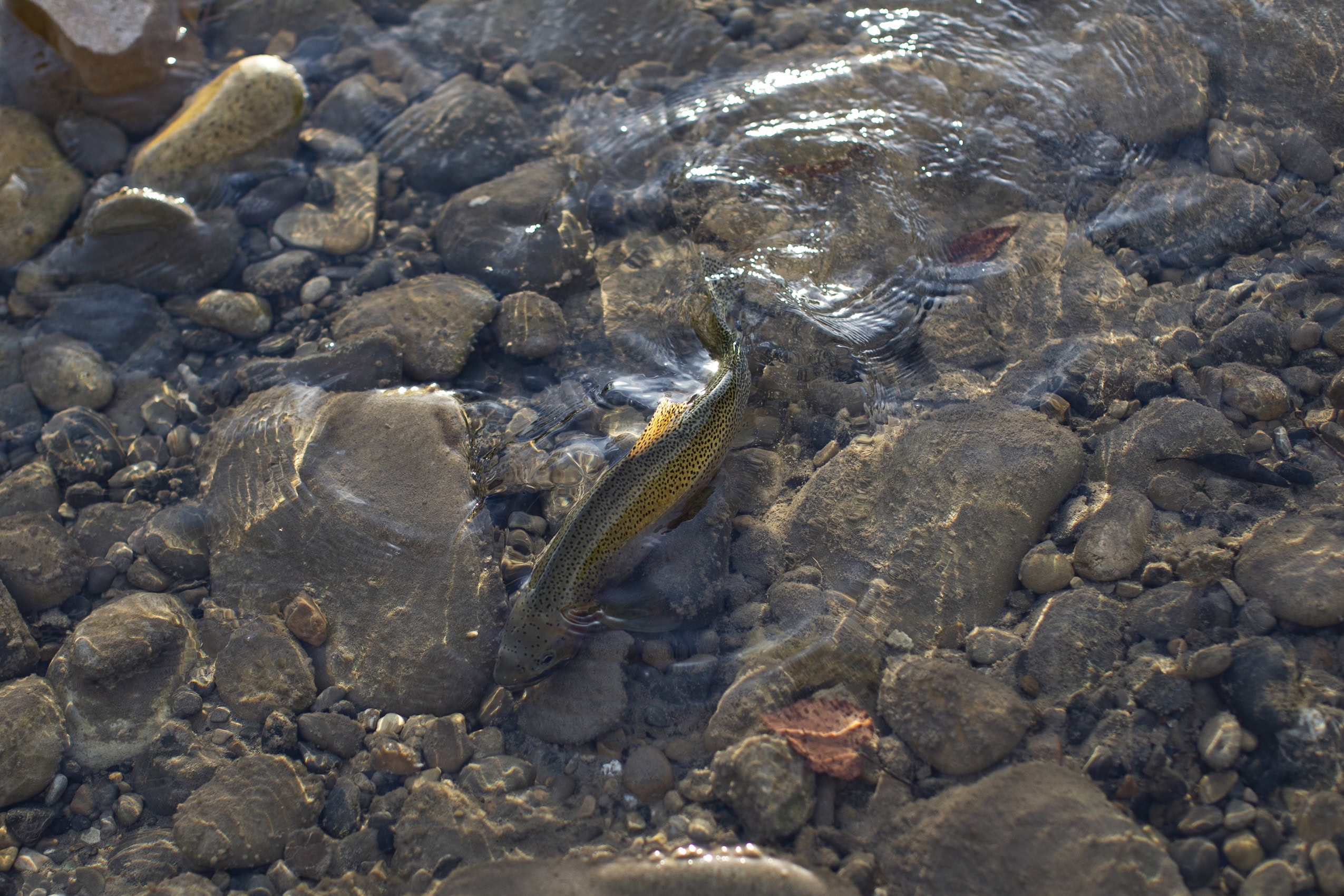
Beyond the Koocanusa Reservoir, the U.S. Geological Survey and Kootenai Tribe of Idaho have found selenium levels in fish at more than double the toxic limit. The research has led the state of Idaho to list two sections of the Kootenai River as impaired.
For years, the Kootenai Tribe of Idaho has found rising selenium concentrations in the eggs of endangered white sturgeon, according to Genny Hoyle, the tribe’s environmental director.
“We’re seeing selenium in concentrations we should not be seeing in these fish tissues,” Hoyle said.
Recent research has found selenium from the valley’s mines has flowed in a giant 575-kilometre loop through watersheds in Montana and Idaho, before emptying back into B.C.
Given what’s known about downstream mine pollution, Hoyle, who is also a biologist, said it is “extremely concerning” the company would eliminate its planned wastewater treatment facilities, especially at a time when it claims its clean-up efforts have been working.
“Why would you take that away? Why would you remove that requirement?” Hoyle said.
For some Indigenous communities downstream of the mines, the contamination has severed a vital food source and cultural connection.
“We tell our tribal members not to eat the fish up there,” Janssen said. “These fish aren’t able to reproduce, and it’s going to impact that segment of the resource for generations today and into the future if something isn’t done.”
Transboundary tensions ahead of international report
The dispute comes at a sensitive diplomatic moment. In the decade leading up to 2022, the Ktunaxa Nation Council, Confederated Salish and Kootenai Tribes and the Kootenai Tribe of Idaho — all part of the transboundary Ktunaxa Nation — repeatedly called on the Canadian and U.S. governments to refer pollution from the Elk Valley mines to the International Joint Commission, a transboundary body tasked with resolving disputes over shared waters.
At the time, records obtained by The Narwhal found the B.C. government and Teck, which then owned the mines, lobbied against the proposal.
But by 2024, mounting alarm over pollution levels led Canada and the United States to finally request the joint commission’s intervention.
The international body is currently conducting a reference study to recommend solutions for mining pollution in the Elk and Kootenay watershed. Its final draft report is due at the end of the month. While the International Joint Commission’s recommendations are not binding (they form the start of a long political process), critics claim approving cuts to water treatment before the study is even released undermines the process.
“What is needed now is a moratorium on mines and mitigation decisions until the [International Joint Commission] study is concluded,” Janssen said.
Elk Valley Resources spokesperson Stannell said the company’s move to eliminate planned water treatment plants follows the Elk Valley Water Quality Plan’s scheduled permit requirements and is not related to the International Joint Commission process.
But for Johnson, the Montana environmental advocate, the company’s proposal ignores the basic geography of the watershed, where the Elk River feeds rivers and lakes in the U.S. before looping back into B.C.
“That, to me, is a pretty flagrant snub of a downstream neighbour,” he said. “We need to deal with this because pollution knows no boundaries, and water flows downhill.”