
 6 min. read
I reach out to ‘Cúagilákv Jess Housty around the time of the Haíɫzaqv new year, when the wán̓ái (herring) return and harvesting season begins again after the long, dark winter.
We first connected six years ago, when Xenaksiala Elder Wa’xaid Cecil Paul left this world for the next and I was tasked with writing a tribute to his life and legacy. I called ‘Cúagilákv and they told me stories about their interactions with him. Our paths have intersected a few times since — and before, unknowingly, in the neighbourhood I grew up in where they also spent time during their youth. ‘Cúagilákv’s poems are part of my love story, too, a thread of words and wild mint, mail and ferries.
This time, I’ve reached out because I’m thinking about a tugboat called the Nathan E. Stewart, which ran aground near the village of Q’vúqvai in Gale Passage 10 years ago. Eight hours after it hit the rocks, it sank, spilling more than 100,000 litres of diesel and other pollutants. Grief and anger and trauma remain.
Much has been done since to protect Haíɫzaqv lands and waters from another tragedy. ‘Cúagilákv tells me how many others, including their brother, Dúqva̓ísḷa William Housty, are working on the technical and policy side of marine protections and stewardship. But ’Cúagilákv is following a different path to care for Haíɫzaqv territory.
“I’m going to deepen my commitment to land-based youth programming so every kid in the community loves the territory and wants to protect it — and eventually they’ll be the system,” they explain.
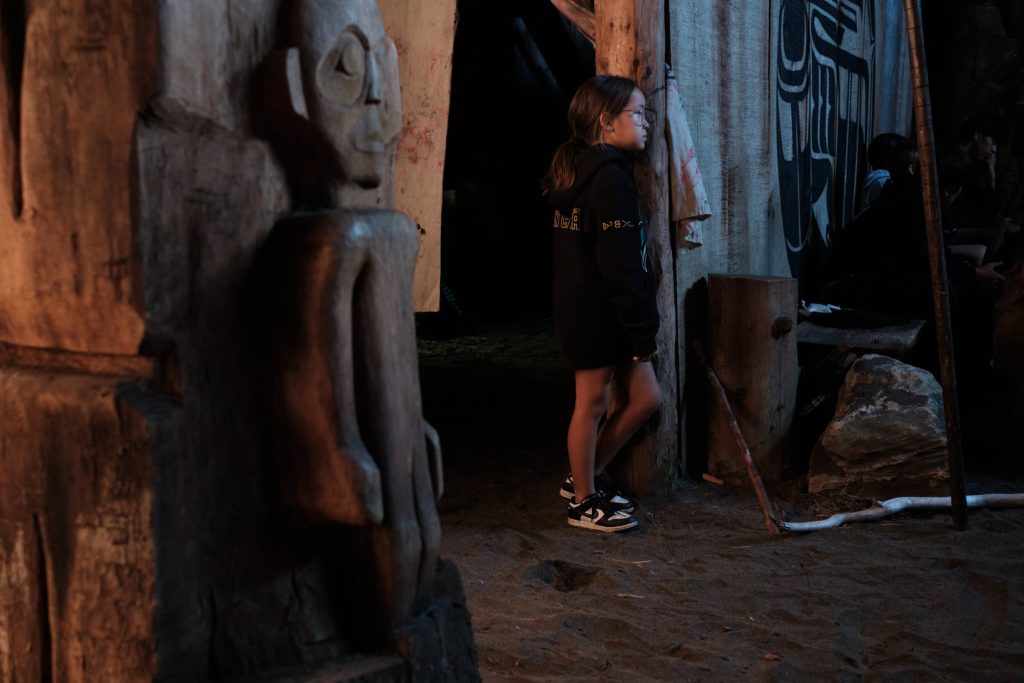
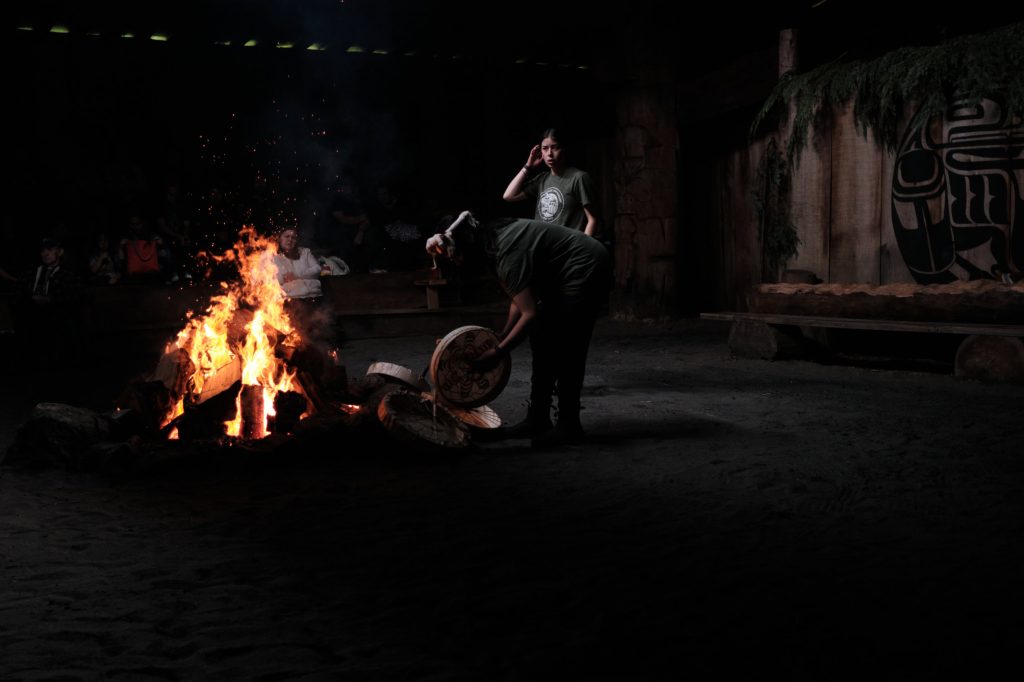
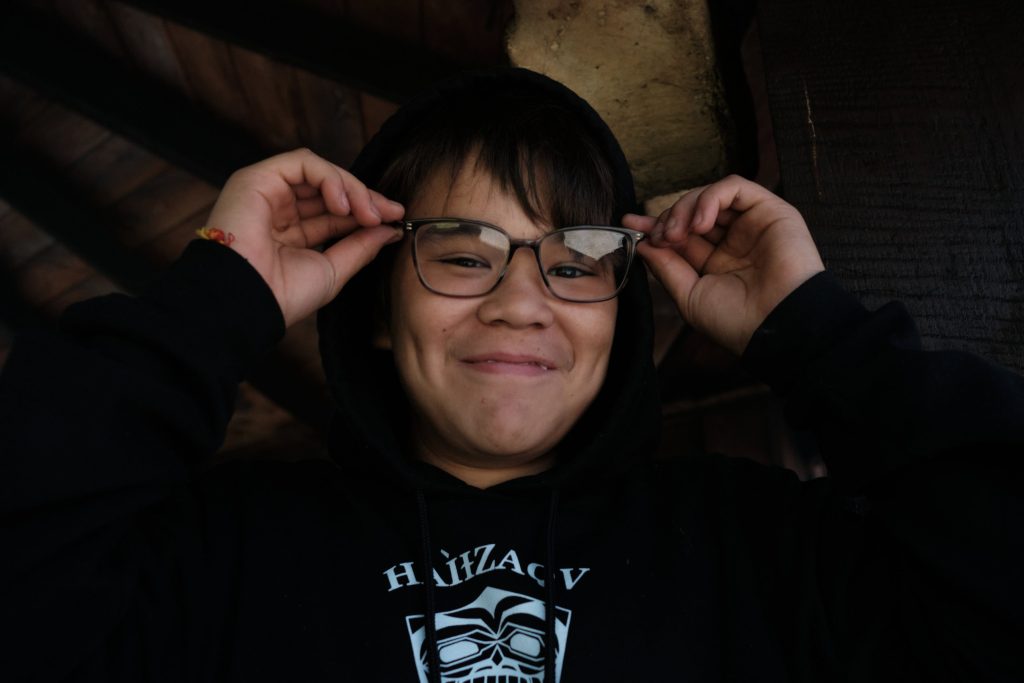
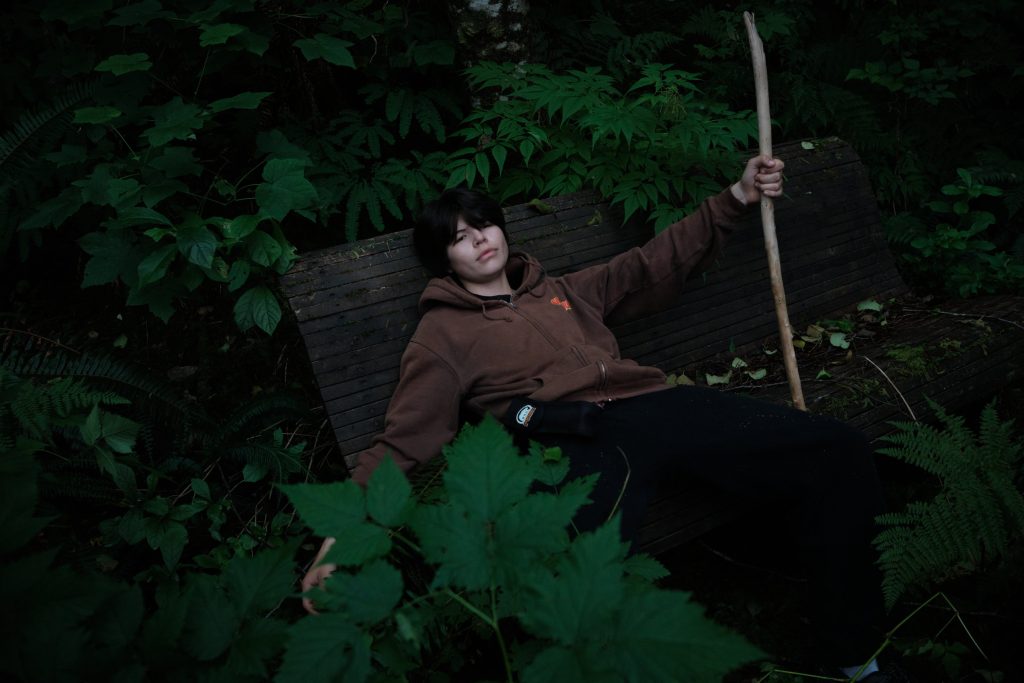
And they invite me and my daughter to attend the anniversary of the opening of λáλix̌sístala, a Haíɫzaqv Big House which was raised two decades ago on a beach in the Kvai watershed, around two hours by boat from the Haíɫzaqv capital of Wágḷísḷa (Bella Bella, B.C.) . I accept with gratitude, and following the words of Wa’xaid, I listen. I follow the Wedzin Kwa to where it meets K’sien, and from there follow the river to the ocean.
In his house overlooking the bay at Wágḷísḷa, Ian Reid, a Haíɫzaqv artist and carver, tells me old stories of the animals and people, and some new ones too. We’re sitting together in his living room while our daughters play in the kitchen. Veda, my kiddo, and Hazel, theirs, met at Kvai and became fast friends. Eli, Hazel’s big brother, is in and out of the house, trying out some newfound freedom on his bike. Ian’s partner, Cayce, offers me a coffee. Cayce and I grew up a few blocks from each other and spent a year at the same elementary school — but we’re only meeting now. Ian’s brother, Garney, is outside the house fixing a water line in the street. I sat with Garney and his wife on the boat down to Kvai. We talked about movies.
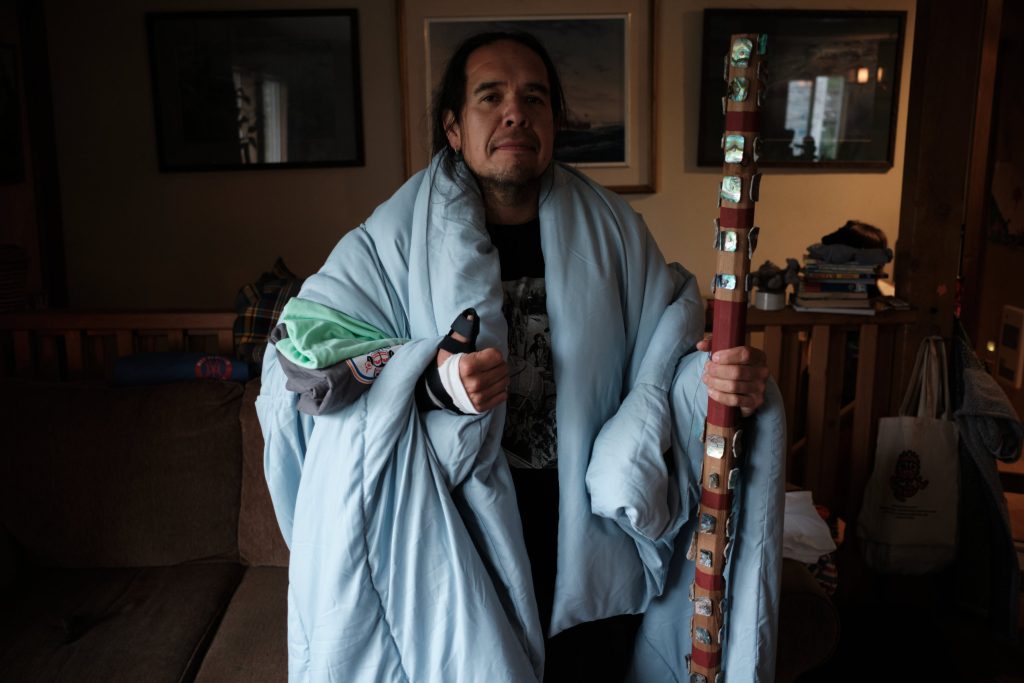
I brought a blanket for Ian from the Unist’ot’en feast hall, delivering it for a friend. Ian, whose Haíɫzaqv name is ‘Nusi, meaning “Full Moon,” made a frog crest that was used by Dinï ze (Hereditary Chief) Nedïbïs of the C’ihlts’ehkhyu (Big Frog) Clan of the Wet’suwet’en Nation. Ian puts the blanket on “the way they would put it on me in the feast hall” and poses for a photo.
Why am I telling you all this?
Because, as Opaskwayak Cree scholar Shawn Wilson says in Research is Ceremony, “… it is important for storytellers to impart their own life and experience into the telling. When listeners know where the storyteller is coming from and how the story fits into the storyteller’s life, it makes the absorption of the knowledge that much easier.”
In a word: trust.
I’ve been leaning into participatory journalism as a means of getting closer to stories that centre and prioritize the Indigenous communities where I’ve been welcomed and trusted, letting respect and reciprocity be my guides. In this practice, I’m not only finding deeper truths and more connection — I’m discovering richer, more nuanced stories.
Kim TallBear, in Standing With and Speaking as Faith, wrote: “Inquiring not at a distance, but based on the lives and knowledge priorities of subjects — helps open up one’s mind to working in non-standard ways. It may take you to new and surprising places.”
Or, as Anishinaabe journalist and professor Duncan McCue put it in Decolonizing Journalism: “if our goal is to seek truth, how would it change our journalistic process to centre the needs and priorities of the Indigenous people we report on? … This dovetails with Indigenous understandings of reciprocity.”
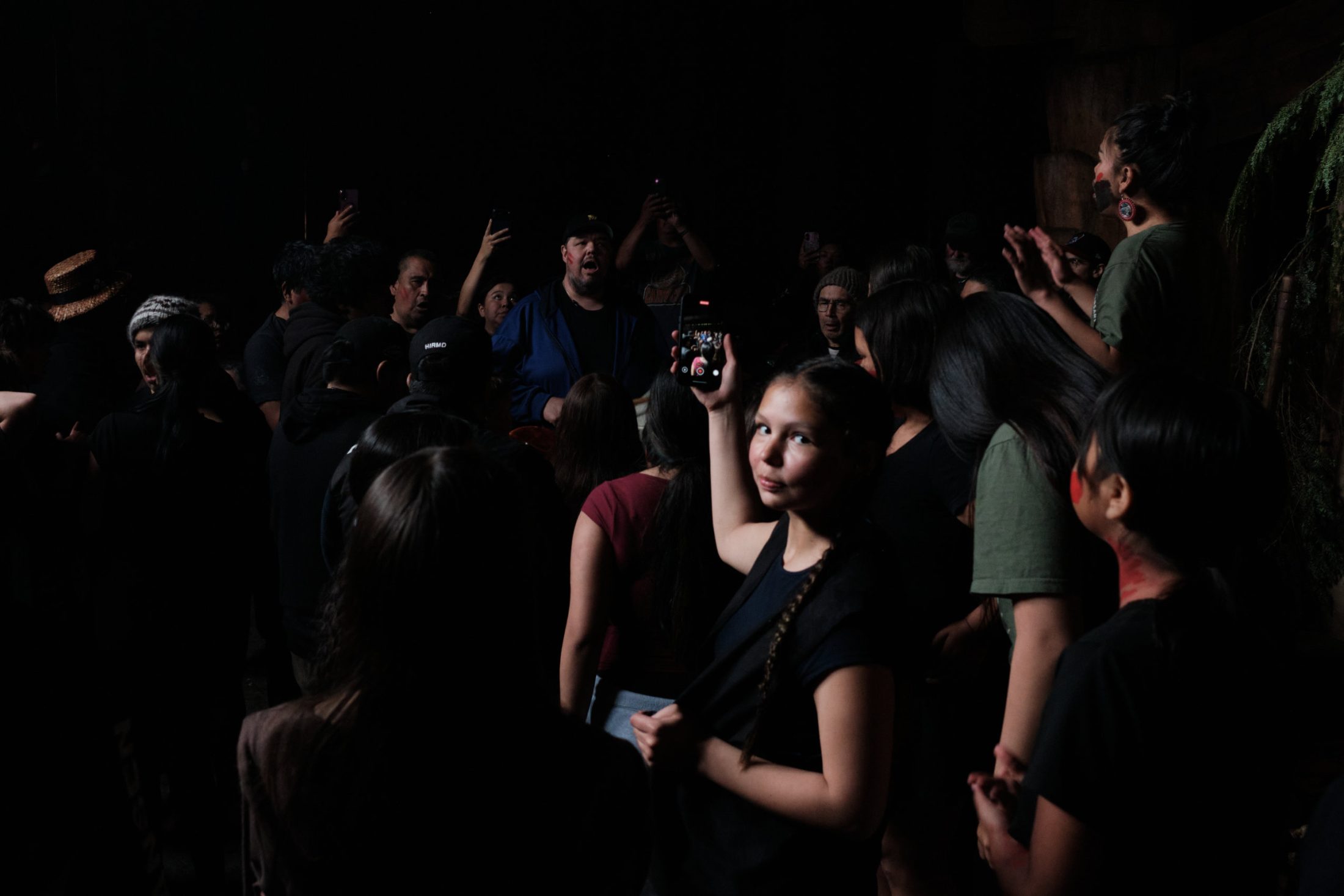
This summer, I trusted in the process, and my daughter and I joined around 300 community members and guests at λáλix̌sístala. I had no plans for what the story might be. Instead, I asked: what story is needed? When I returned home, my heart was full but my pages were empty. I listened to my tapes over and over, especially one eight-minute recording of ravens, the waves on the beach, an eagle. I walked down to the river by my house and sat on its banks, reading and writing short sections of prose in my notebook:
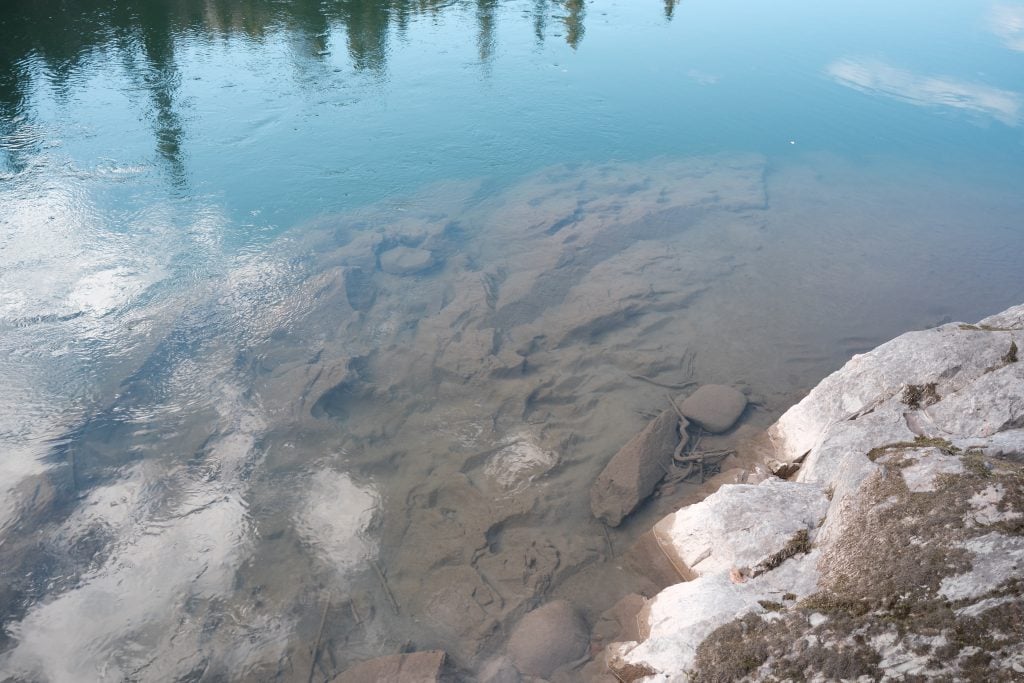
The river feels eternal and the sand I sit on is renewed time and time and time again, sediment carried each year from deep within the glacier-scoured mountains. Last summer, the kids dug its banks out and we wondered if it would reclaim its shape. It did.
Wa’xaid said to wash our eyes in the river, and our ears. I think maybe he also meant our hearts. He was talking about the Kitlope, his homelands, but I do it here, now, in Wedzin Kwa, while I’m remembering. It feels right and I listen to the river and watch the birds dance across the sky.
A question keeps floating up: Sas húmíɫṇƛa? Are you listening? And then the story tells itself.
At Kvai, Veda and Hazel shaped the clay and mud with flower petals and cedar branches, little gifts left lovingly in the absence of human voices and the return of the bears. We took a canoe up the river and laughed when the clouds followed and watered us, helping us to see and hear. The tide came up into the forest and I waded through the brackish water up to my waist, walking the trail with bare feet as sheets of rain washed the grizzly tracks from the dirt.
Heeding Wilson’s words, I write myself into the story, showing the reader who I am and why I was there. Because I was there — and I felt the presence of the songs and dances that aren’t mine to share, and I opened myself to the stories they contain. I am changed by them.
Súq̓vsnúgva. I am grateful. W̓álas ǧiáxsix̌a. Thank you.