





 12 min. read
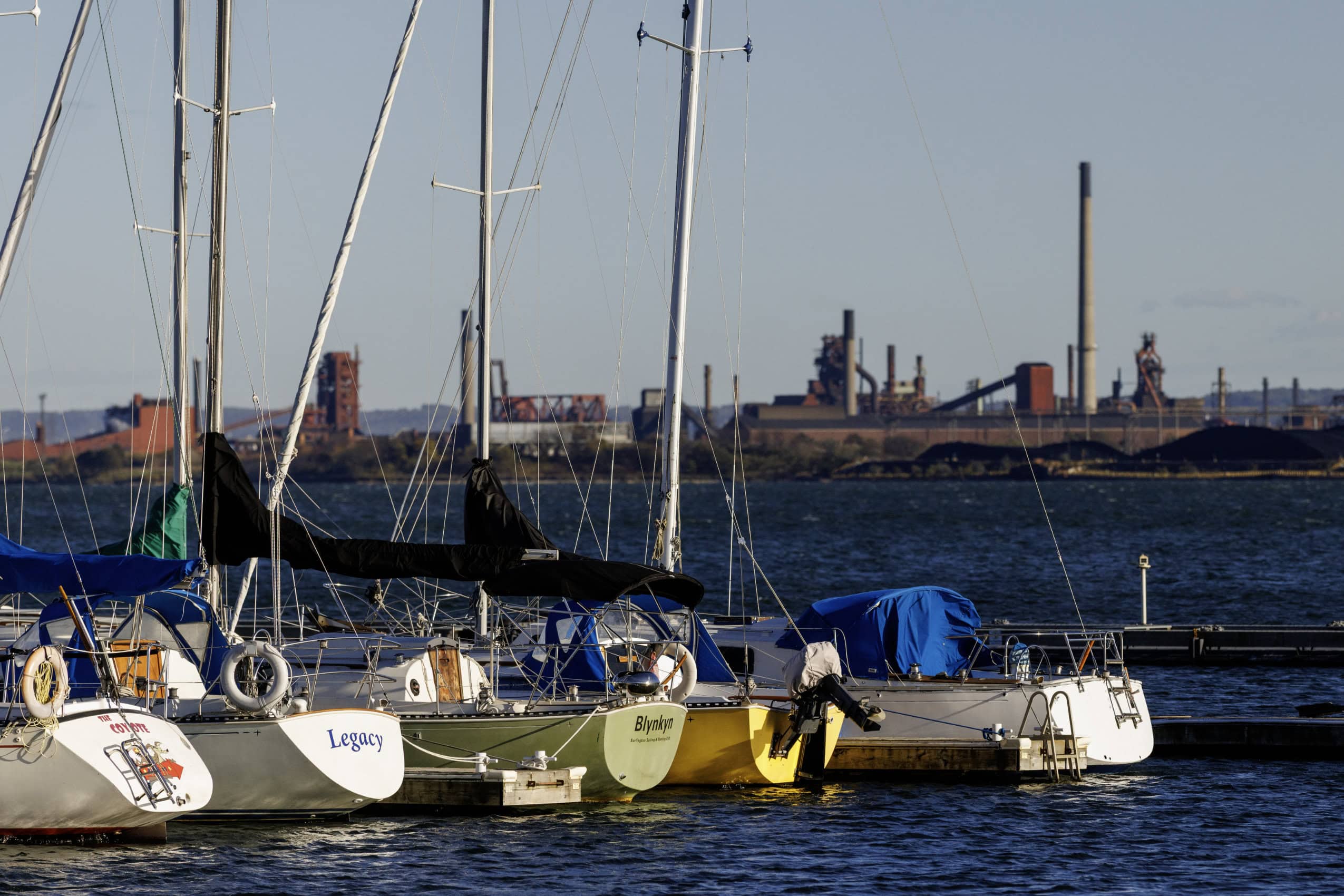
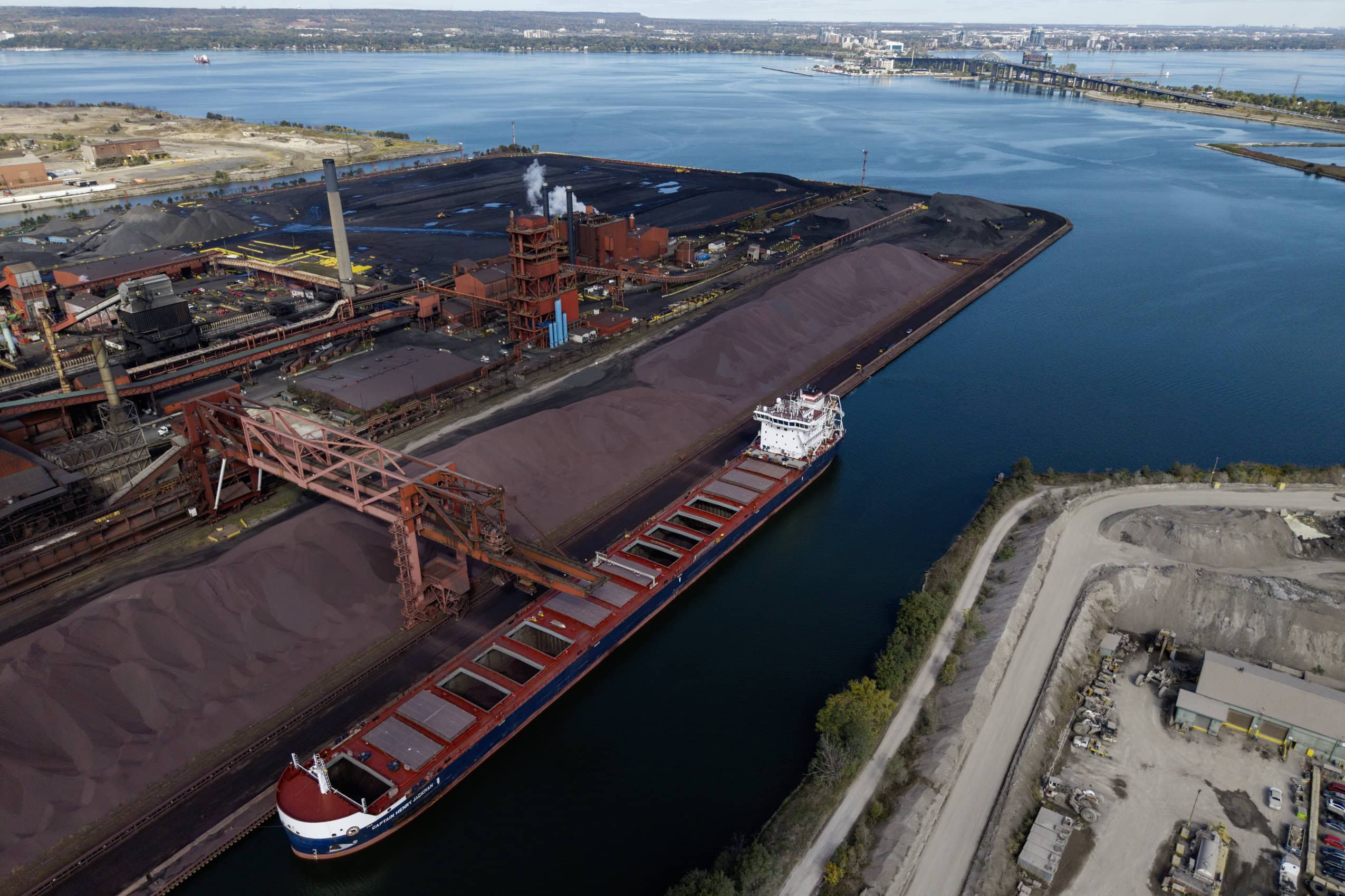
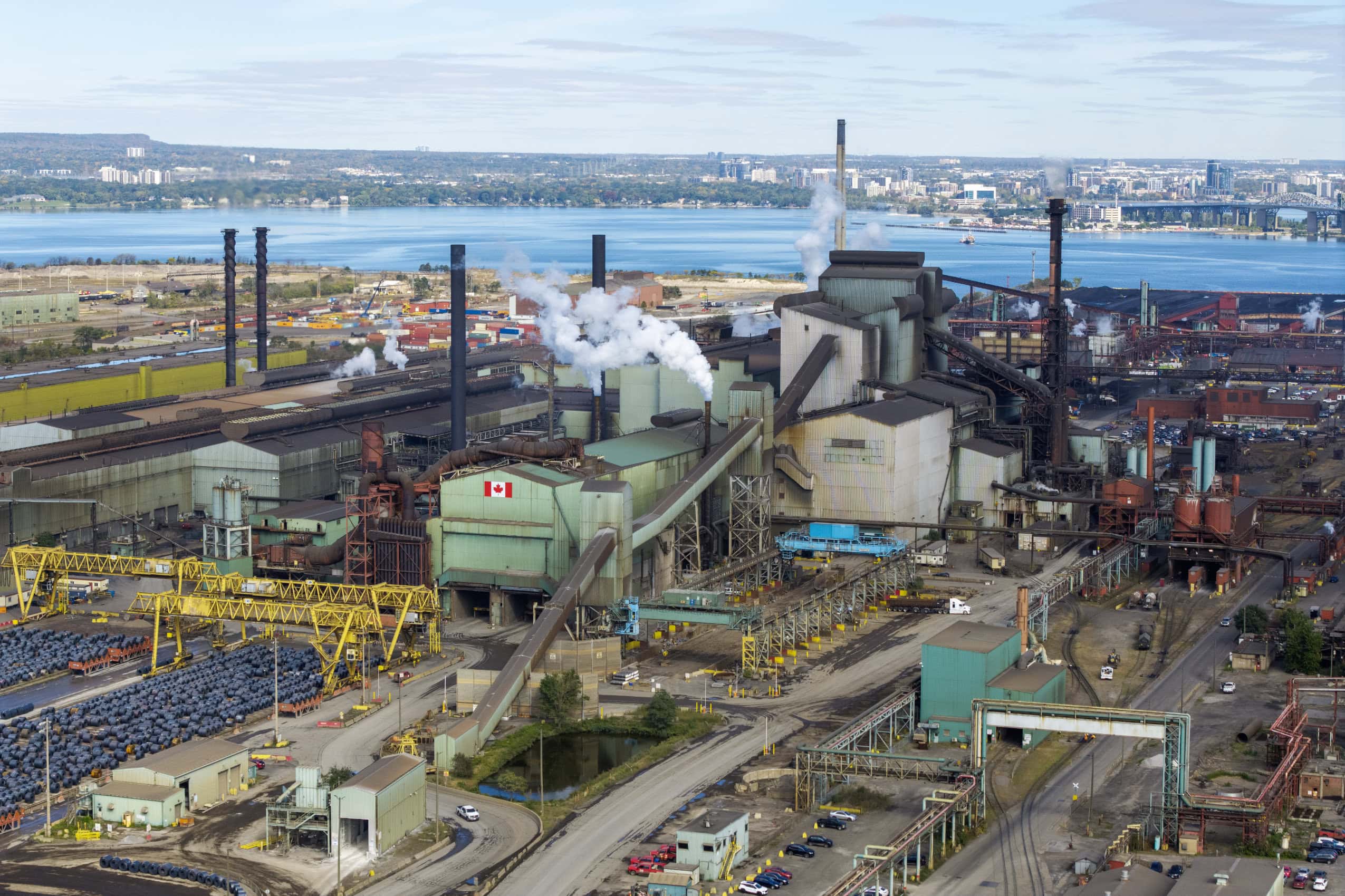
From the surface, a strip of water contained by docks at the southeastern edge of the Hamilton Harbour appears much like any other in the industrial centre, once known as “Steeltown.” Cargo ships bound for the Great Lakes and St. Lawrence Seaway line the boat slip’s western edge. On the eastern side are piles of black slag — the hard, clumpy by-product of steel processing.
But beneath the water lies a legacy of pollution, one which The Narwhal has learned is a decade behind in being cleaned up, in part due to the economic fallout of U.S. tariffs on the steel industry.
summary
The sediment in the Kenilworth Avenue boat slip is contaminated with chemicals, including polychlorinated biphenyls, or PCBs, and heavy metals that are toxic to fish and other aquatic organisms; exposure can cause reproductive problems, reduced growth and developmental effects.
The steel-maker Dofasco, which has operated on the shore since 1912 and was purchased by Luxembourg-based ArcelorMittal in 2006, owns the boat slip and has publicly pledged to contain the contaminated sediment. Decades of industrial activity contributed to the contamination: a 1999 scientific report published by Environment Canada’s Water Science and Technology Directorate identified runoff from the steel-maker’s coal piles as one source of metals and other toxins entering the water, along with industrial cooling water, stormwater and sewer overflows from various sources.
According to a 2015 project description the company submitted to the federal environmental assessment office, some concentrations of chemicals found in the area were high enough to be considered hazardous waste under federal criteria. That means the waste would have to be transferred off-site to a landfill or contained within an engineered cap.
ArcelorMittal Dofasco proposed covering one contaminated area with such a cap. A separate containment structure along the eastern edge of the boat slip would lock in additional contamination, including some dredged up and pumped in from other areas.
Work was scheduled to begin in August 2016 and, aside from long-term monitoring, finish by June 2017. But more than nine years after that deadline, the cleanup remains unfinished, with no containment structures in place. According to company records reviewed by The Narwhal, as of 2025 the anticipated cleanup cost was US$28 million. By May 2026, a company statement given to a group coordinating efforts to restore Hamilton Harbour, and shared with The Narwhal, showed progress had stalled due to the economic pressure U.S. tariffs have put on Canada’s steel industry.
ArcelorMittal Dofasco did not respond to detailed questions or multiple requests for comment by publication time.
The Narwhal reviewed annual reports, meeting notes and project updates going back to 1999. The documents lay out early efforts — and then years of delays — in removing the contaminated sediment and working toward the broader project of cleaning up Hamilton Harbour.
A former senior executive at the steel-maker, who requested their identity be kept confidential for fear of retribution, said the remediation was taken seriously while they worked there, before retiring in the past decade. “We had hired people to do the engineering work. We had put money aside in a special account, so everything was being set up,” they told The Narwhal, adding approximately $5 million had been allocated for the project at the time. (The company’s 2018 financial report notes it expected to spend US$5 million on the cleanup the following year.)
This story uses information from sources The Narwhal has agreed not to name. The Narwhal only agrees to keep names confidential when we believe two things. First, that the person we’re speaking with is putting themselves at genuine risk, either personal or professional, by sharing this information with us. Second, that the information they’re sharing is in the public interest. Our decision to do so is never made lightly.
There are two types of unnamed sources. A confidential source is someone whose name we know, but aren’t sharing. We make multiple attempts to verify their identity and information with other sources. If we aren’t able to get a second source, we say so.
An anonymous source is someone whose name we don’t know. It is incredibly rare for The Narwhal to publish a story with a completely anonymous source. In these instances, we don’t publish until we have verified the information shared with us with at least one other source.
And again, these stories must be in the public interest.
As Canadian governments become increasingly secretive, the courage of whistleblowers is to be admired. We value them greatly. At the same time, our promise to readers is The Narwhal will always make sure the facts are airtight.
Have something to share? Send us a story tip.
Although the original 2017 deadline passed, the former executive said the project continued advancing internally. Upon retirement, they believed it was close to moving into construction.
“It was just a matter of hiring a general contractor to do the work.”
But records show that work is far from done.
A history of contamination and efforts to clean up Hamilton Harbour
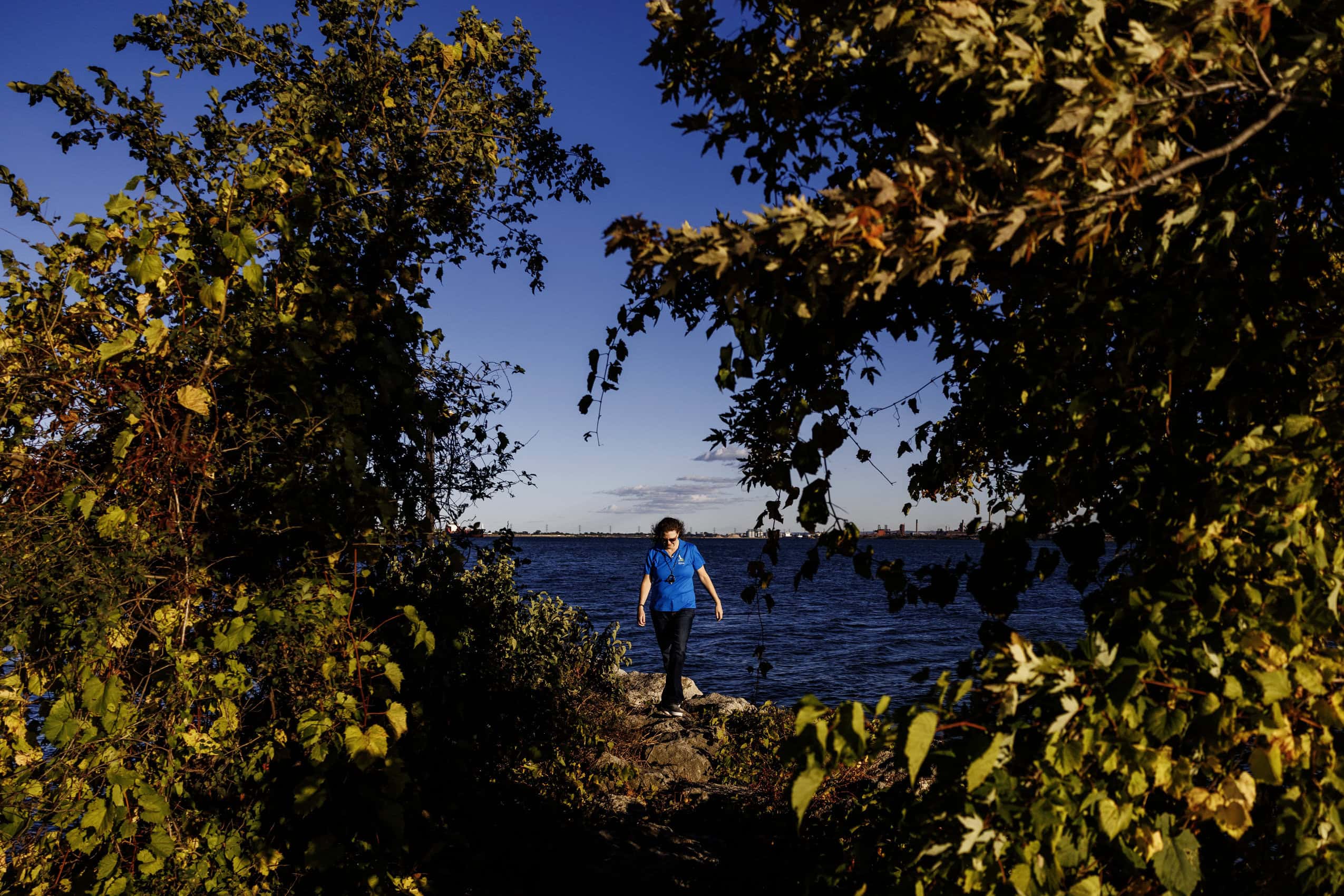
Kristin O’Connor, who coordinates efforts to remediate Hamilton Harbour at Conservation Halton, says the waterway’s transformation began as Hamilton expanded during the 1800s and 1900s.
“It was consciously decided that the Hamilton Harbour would be the dumping ground for industry and for sewage,” O’Connor said of her belief about how the contamination problem began across the harbour.
Over time, natural shorelines were filled in, wetlands disappeared and large sections of the waterfront were converted into industrial lands. The result was decades of deteriorating water quality, algae blooms, contaminated sediment and damage to fish and wildlife habitat. O’Connor points out a visiting urban planner described the harbour as the world’s largest and most beautiful septic tank in 1958.
In 1972, seeing a number of similarly degraded shorelines around the Great Lakes, Canada and the United States agreed to work together to clean up some of the most deeply polluted sites. The two countries signed the Great Lakes Water Quality Agreement in 1987, which listed 43 official areas of concern, where industrial pollution was the most deleterious. Hamilton Harbour was one of them.
The harbour ultimately had 11 of 14 possible categories of environmental impairment identified through the Great Lakes restoration framework. Among them were restrictions on eating fish and the degradation of benthos — small organisms that live in or on sediment at the bottom of waterways. Those two concerns are particularly relevant to the Kenilworth boat slip.
How did ArcelorMittal Dofasco’s boat slip become contaminated?
The contamination in the Kenilworth Avenue boat slip didn’t come from a single incident. For generations, Hamilton Harbour, extending off of Lake Ontario, was shaped by steel-making, shipping, urban development and the discharge of industrial waste and sewage.
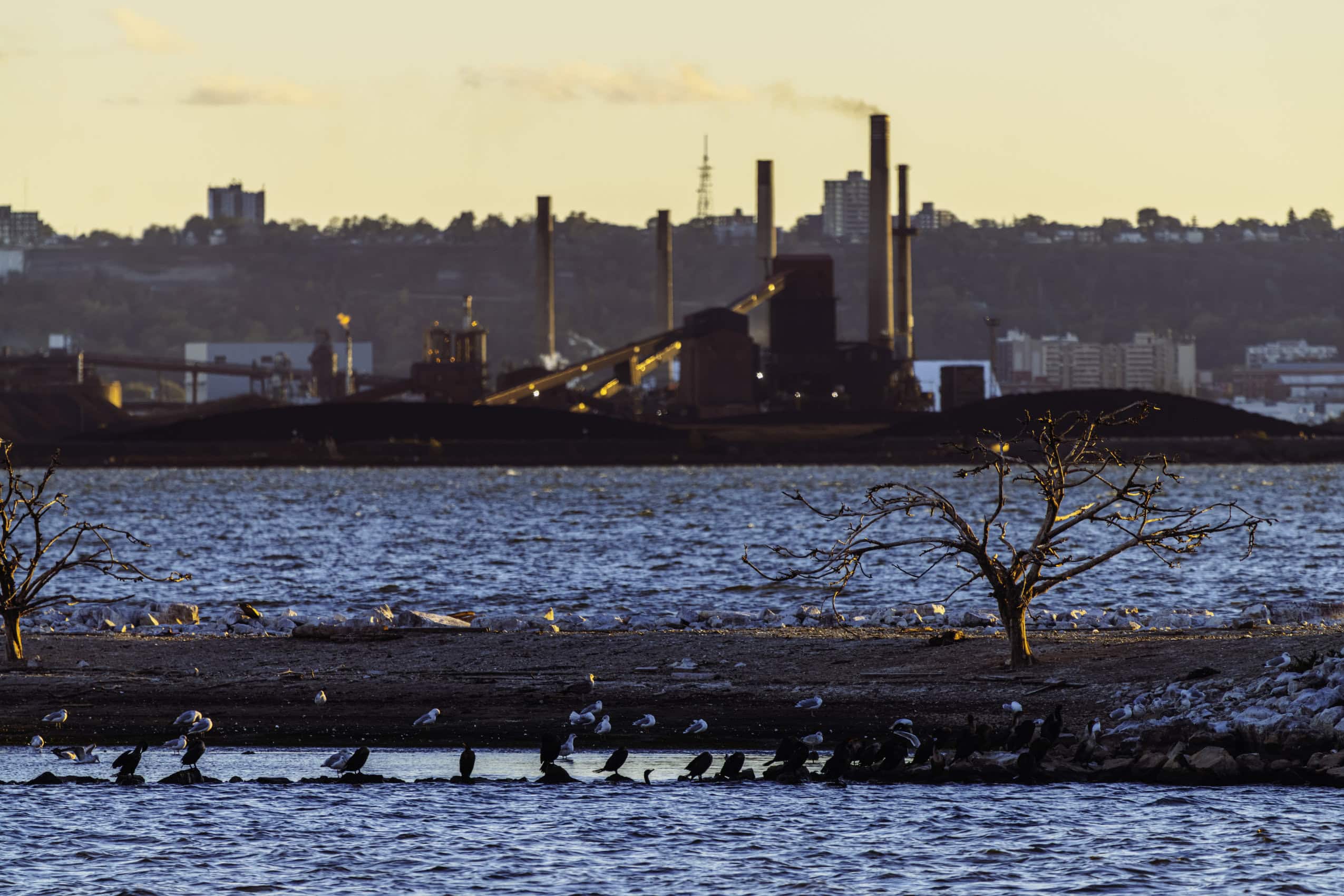
The 1999 scientific report examined contaminant levels in 1996 and found run-off from Dofasco’s coal piles was heavily contaminated with metals and polycyclic aromatic hydrocarbons, or PAHs. The group of chemicals is associated with sources including petroleum products, steel-making and coking operations — the process of heating coal at high temperatures to produce fuel for steel-making. Some are considered to be cancer-causing and toxic for aquatic life. After the study came out, Dofasco contracted work to capture and treat run-off from its coal piles.
Also found within the sediment, PCBs, once widely used in industrial equipment, can remain in the environment for long periods and accumulate in animal tissue. Environment and Climate Change Canada identifies the human-made chemicals as potential human carcinogens that are toxic to fish at low levels. The United Nations Environment Programme has reported they accumulate in the tissues of plants and animals, becoming more concentrated and harmful as they move up the food chain.
Dofasco acknowledged the sediment problem in its 2002 annual report, saying, “The company’s boat slip contains contaminated sediment from a time that pre-dates environmental awareness and control technologies.”
At the time, the company said it was working with the federal and provincial environment departments and other stakeholders to examine options for addressing the contamination. Neither Environment and Climate Change Canada nor Ontario’s Ministry of the Environment, Conservation and Parks responded to requests for comment by publication time.
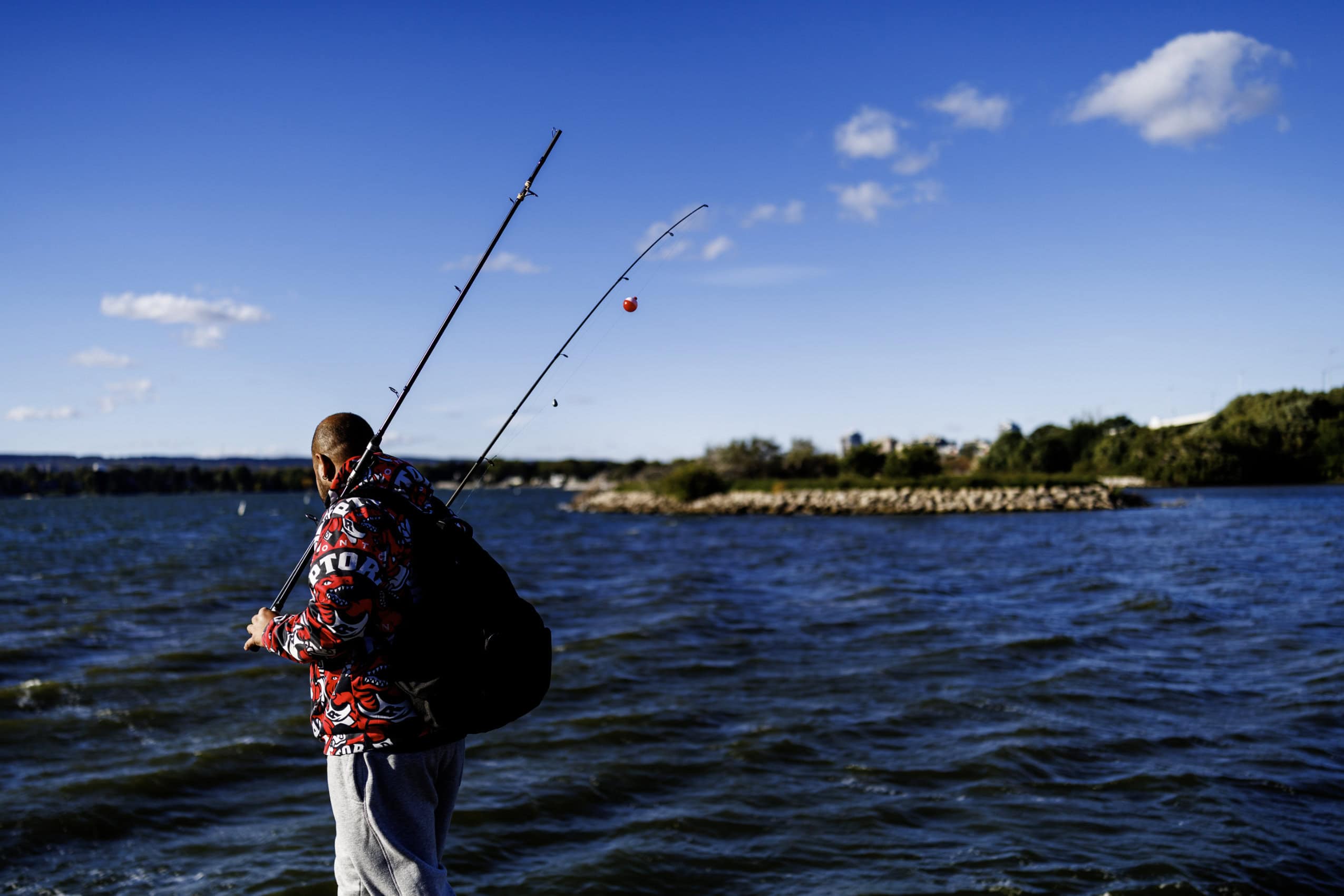
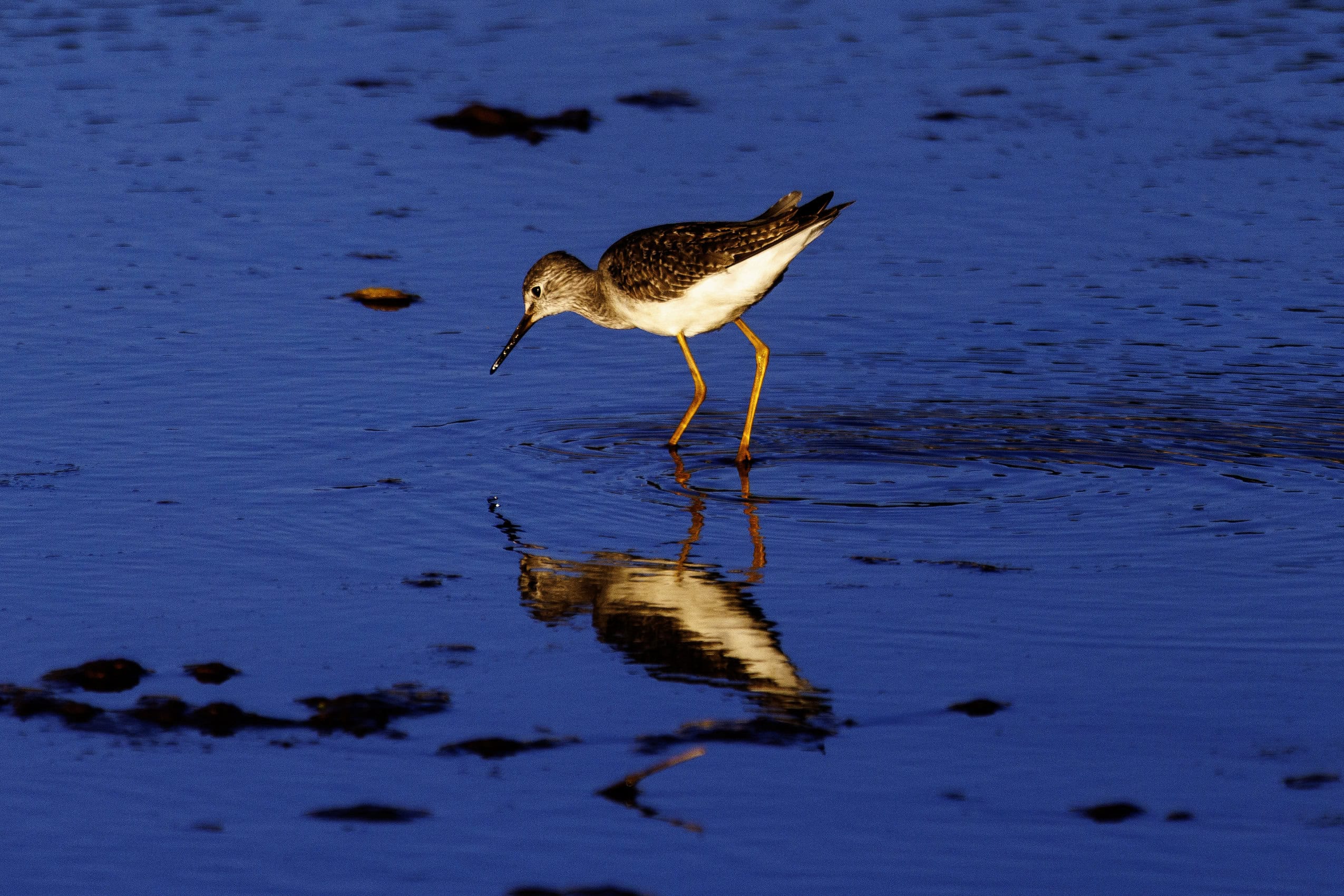
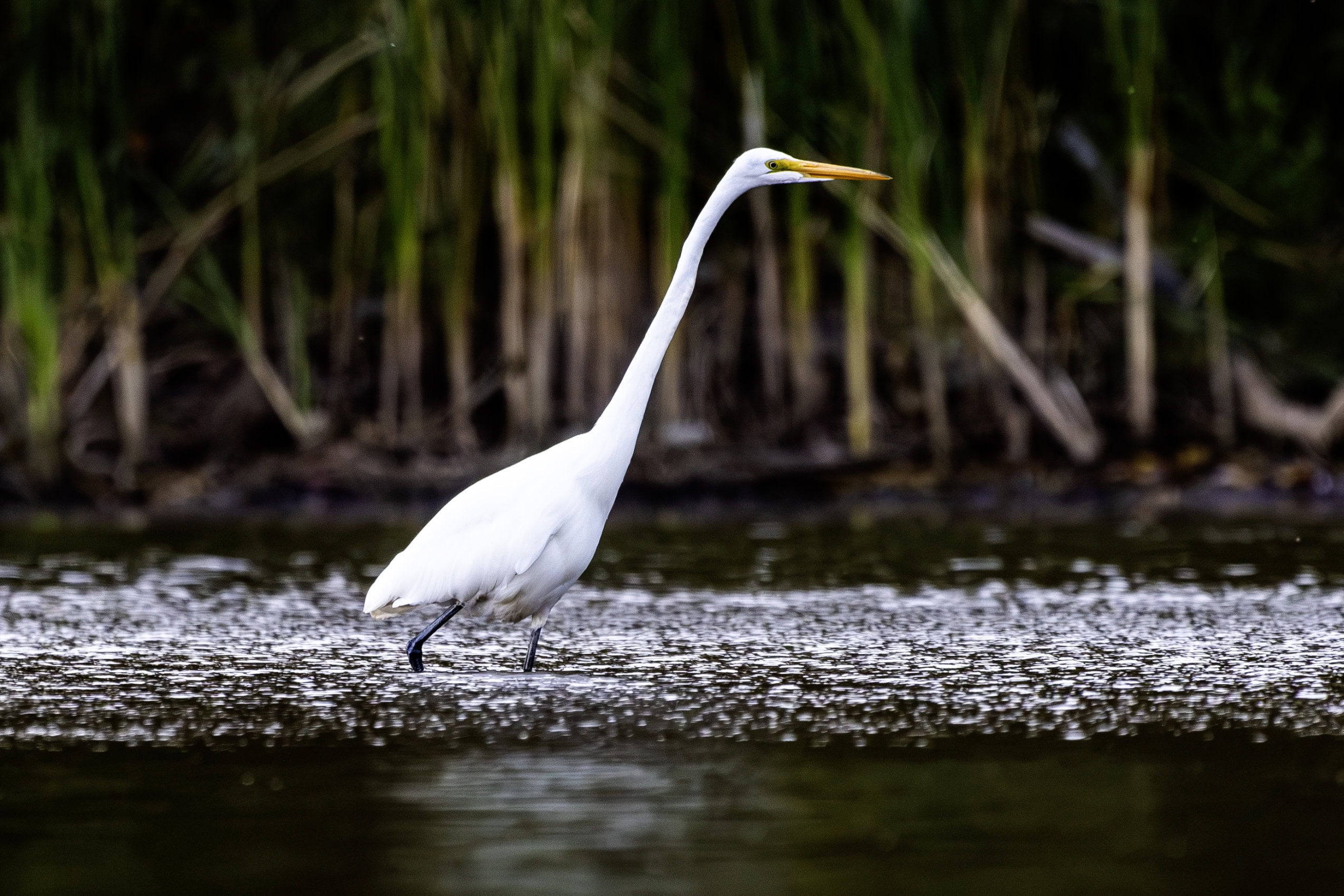
ArcelorMittal Dofasco’s 2015 project description acknowledged the pollution could negatively affect local aquatic organisms and noted the cleanup was intended to prevent them and other wildlife from coming into contact with the most heavily contaminated material.
The Canada Water Agency, the federal agency responsible for freshwater governance, said in a statement to The Narwhal that cleaning up the Kenilworth boat slip, along with a nearby contaminated site known as the Strathearne boat slip, remains necessary to reduce contamination from PCBs, PAHs and metals.
Enter the Hamilton Harbour Remedial Action Plan
After Hamilton Harbour was designated an area of concern, restoration efforts kicked off, starting with the development of a remedial action plan to address decades of environmental damage.
The Hamilton Harbour remedial action plan brings together governments, industry, conservation authorities, researchers and community organizations to restore the harbour. Dofasco and Stelco, Hamilton’s two major steel producers, have been involved in the process since its early years. O’Connor, the remedial action plan coordinator with Halton Conservation, says the Kenilworth boat slip was one of many environmental problems contributing to the harbour’s designation as an area of concern.
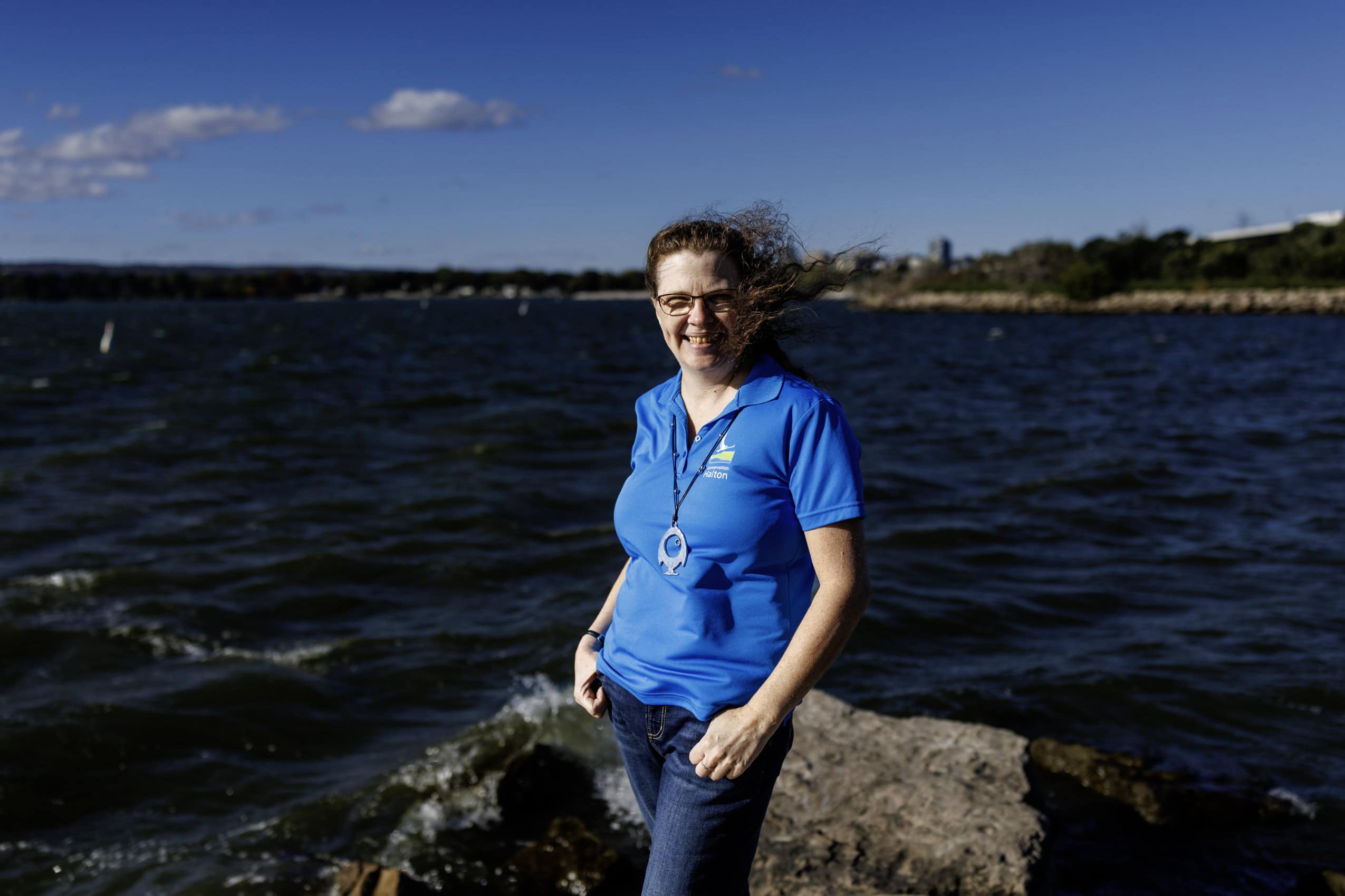
Over the decades, the partnership has worked on projects ranging from wastewater treatment improvements to shoreline restoration and fish habitat rehabilitation. One of its largest undertakings — and one that looks to be a model for success — is the cleanup of Randle Reef.
Located near the property of Stelco, Randle Reef was the largest contaminated sediment site on the Canadian side of the Great Lakes. A $138.9-million cleanup began in 2015, funded by the federal and provincial governments, municipalities, the port authority and industry. While Stelco was not deemed solely responsible for the pollution at Randle Reef, it supplied $14 million in steel to build a box to contain it. The sediment there was contaminated with the same toxins found at Kenilworth, and had to be dredged and moved into the steel container. The final phase, which involves installing a cap over the box, is scheduled for completion in 2027.
Kenilworth, however, has followed a different path.
ArcelorMittal Dofasco’s 2015 remediation plan outlines how it would contain the most contaminated sediment in the two proposed structures: one approximately 66 metres wide and 120 metres long and the other roughly 264 metres long and 44 metres wide. Less than 40,000 cubic metres of contaminated sediment was expected to be dredged from other areas of the boat slip and relocated into the containment structures.
Sediment containing naphthalene — the most volatile member of the PAH family — would be tested and, where required, transported to a licensed landfill for hazardous waste disposal. Other areas would be covered with sand to isolate contamination remaining after dredging. A temporary water treatment system would manage wastewater generated during the work, while long-term monitoring would assess the integrity of the containment structures. The approach was designed to minimize disruption to shipping operations while reducing exposure to contaminated sediment.
Unlike the multi-partner Randle Reef project, ArcelorMittal Dofasco was identified as the “sole proponent” for its boat slip remediation. O’Connor says the remedial action plan identifies the environmental work that needs to be completed, but individual partners are responsible for carrying out their own projects. “We don’t fund it. We don’t monitor it,” she said.
In its 2023 annual report, ArcelorMittal Dofasco listed a US$31-million environmental provision for the expected cost of remediating toxic sediment at the Kenilworth boat slip. The company’s 2025 annual report included a US$28-million provision for the project. These provisions are accounting estimates of expected environmental costs, not proof that money has been spent on remediation or that those amounts are held in a dedicated account.
The remediation timeline starts slipping
In 2020, the International Joint Commission, a Canada-U.S. organization that investigates and mediates transboundary issues involving fresh water, reported that ArcelorMittal Dofasco was expected to clean up contaminated sediment near the Kenilworth boat slip over two years beginning in 2021.
A Hamilton Harbour remedial action plan fact sheet originally published in 2018 and updated in 2023 continued to describe ArcelorMittal Dofasco as obtaining provincial approval to manage PCB, PAH and metal-contaminated sediment in the boat slip. Meanwhile, meeting records from the Bay Area Implementation Team, the group of partners responsible for implementing the remedial action plan, show the project remained under development.
At a June 13, 2023, meeting, ArcelorMittal Dofasco reported conducting additional sediment sampling and working with an engineering consultant to review the results. The company was preparing an updated environmental summary report as part of the permitting process and reviewing the engineering design.
A year later, the project still had not moved into construction. Meeting notes from June 20, 2024, state a tender was being prepared for proponents to bid on the remediation work. The notes state that technical options and logistics were being reviewed as well as further consultations with the Indigenous community.
By November 2025, the project timeline was still being reviewed, according to notes, but ArcelorMittal Dofasco remained committed to the cleanup.
The most recent update provided to the Bay Area Implementation Team came from ArcelorMittal Dofasco on May 29, 2026: “The current market context and threat to the Canadian steel industry as a result of the U.S. tariffs creates a very difficult environment for the company and the industry. So much so that every investment must be carefully reviewed and managed in order to continue to be a sustainable business. Given this, there is no further update or progress since the last meeting.”
The statement comes amid substantial uncertainty facing Canadian steel producers.
U.S. President Donald Trump imposed 25 per cent tariffs on Canadian steel and aluminum in March 2025, before doubling them to 50 per cent that June and escalating further with additional trade pressures through 2026. In steel-making communities, including Hamilton, workers have faced job losses as a result. That includes at Stelco, which has laid off hundreds of workers in the past weeks.
But that doesn’t account for the past decade of delays on remediating the Kenilworth boat slip.
Chris McLaughlin, executive director of the Bay Area Restoration Council, said the precise circumstances behind the years of delays remain unclear. He called for greater leadership from the federal and provincial government in addressing the project’s technical and economic obstacles, and said the public deserves clearer commitments and timelines from the company for completing the work.
“There is a moral imperative to reconcile with our destructive industrial past,” he said. “Effective cleanups and restorative actions with public engagement and community connections create meaningful improvements and sustain hope.”
Rajpreet Sahota is a community and policy reporting fellow. Her position is funded in part by the Canadian Race Relations Foundation. As per The Narwhal’s editorial independence policy, the foundation has no editorial input.