



 9 min. read
The winding drive northward from Vancouver along the Sea to Sky Highway is a series of postcard moments — lush coastal rainforest, glimmering ocean and approaching mountain ranges. It’s easy to miss the closed Britannia mine nestled into the jagged northwest slopes.
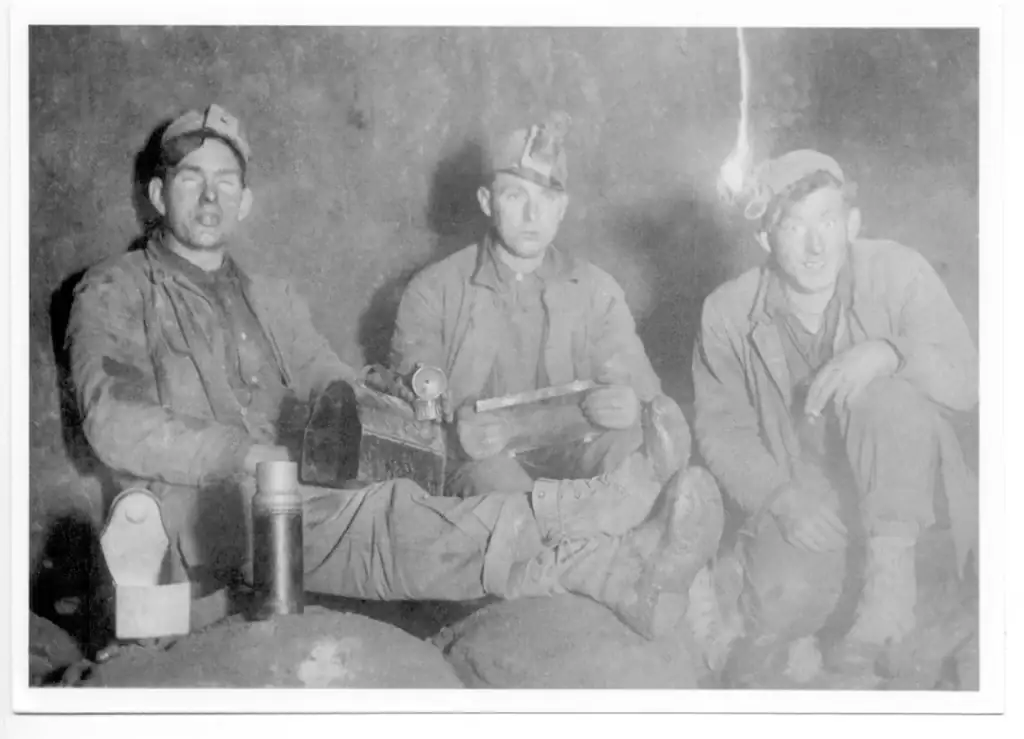
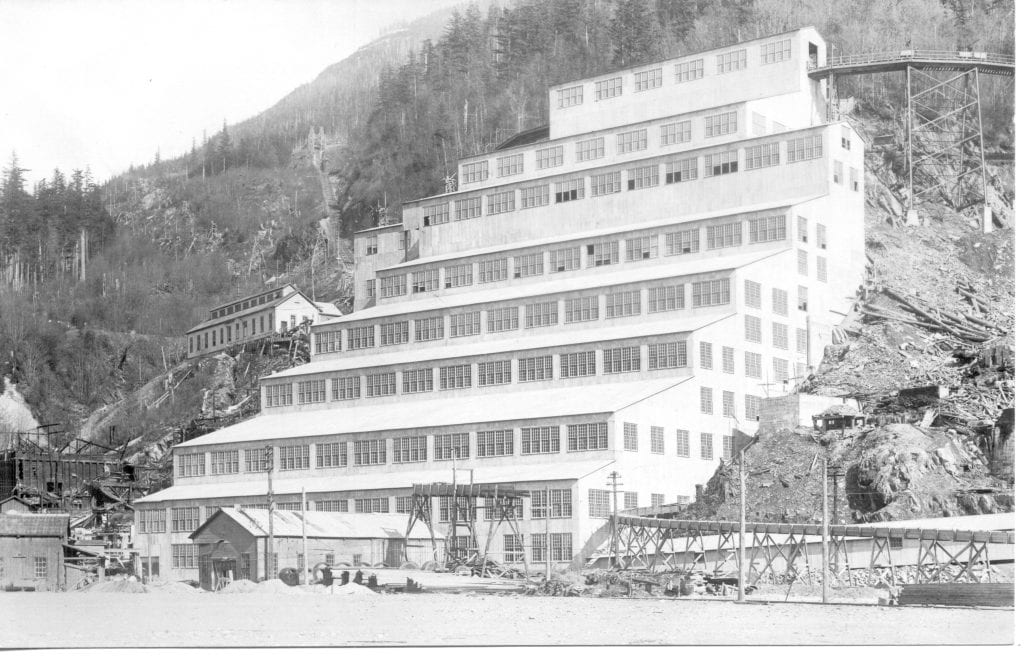
The site, in Squamish Nation territory, was once a steep rockface sloping into the Pacific Ocean. In 1904, the Britannia mine opened and would grow to be one of the largest copper mines in the British Empire by the 1920s and ’30s. Little attention was paid to the environmental impacts of mining at the time. By the late ’90s, it became one of the most contaminated industrial sites in North America.
The mine shut down in 1974 and by 1975, the local historical society opened what’s now known as the Britannia Mine Museum.
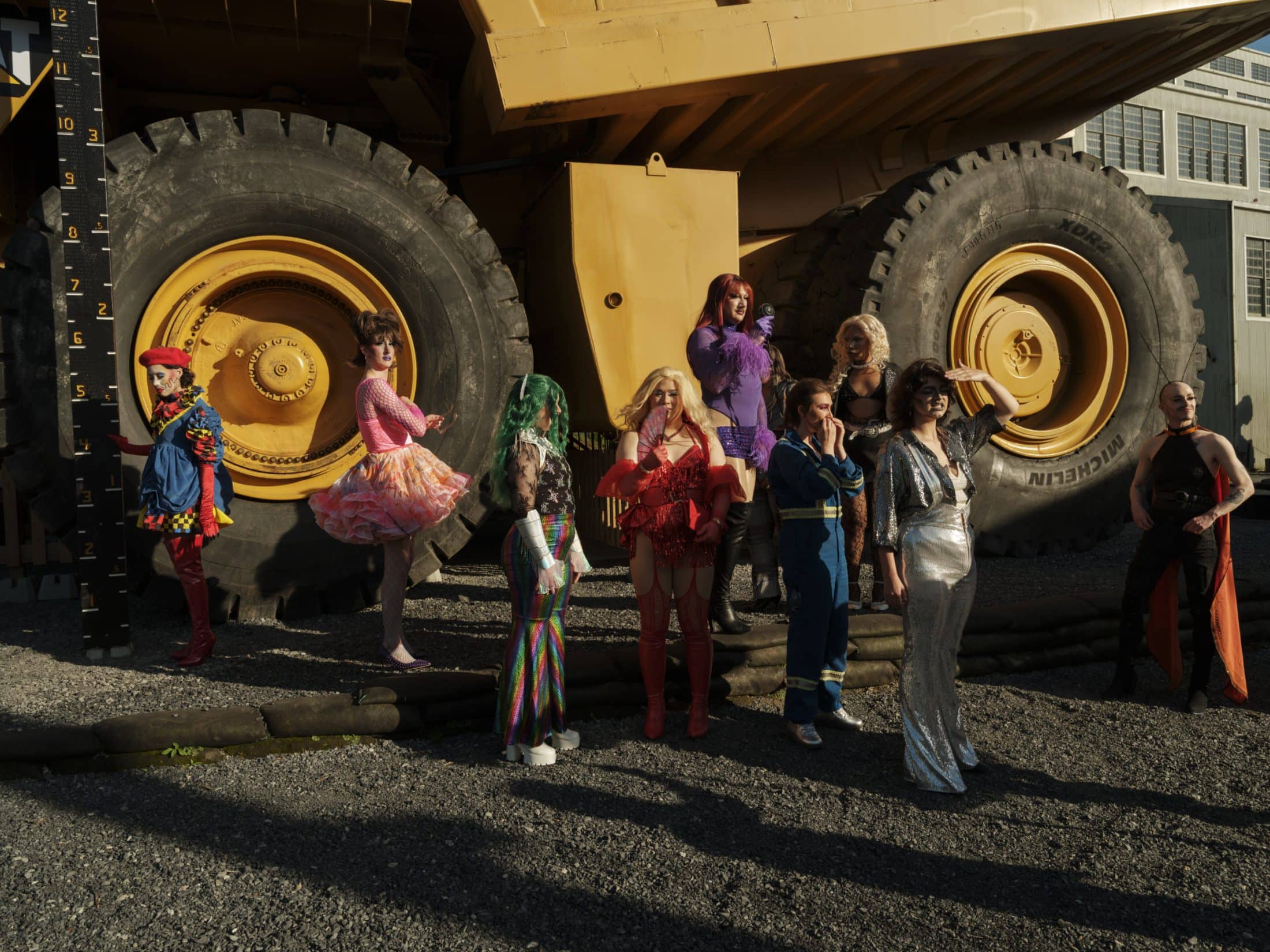
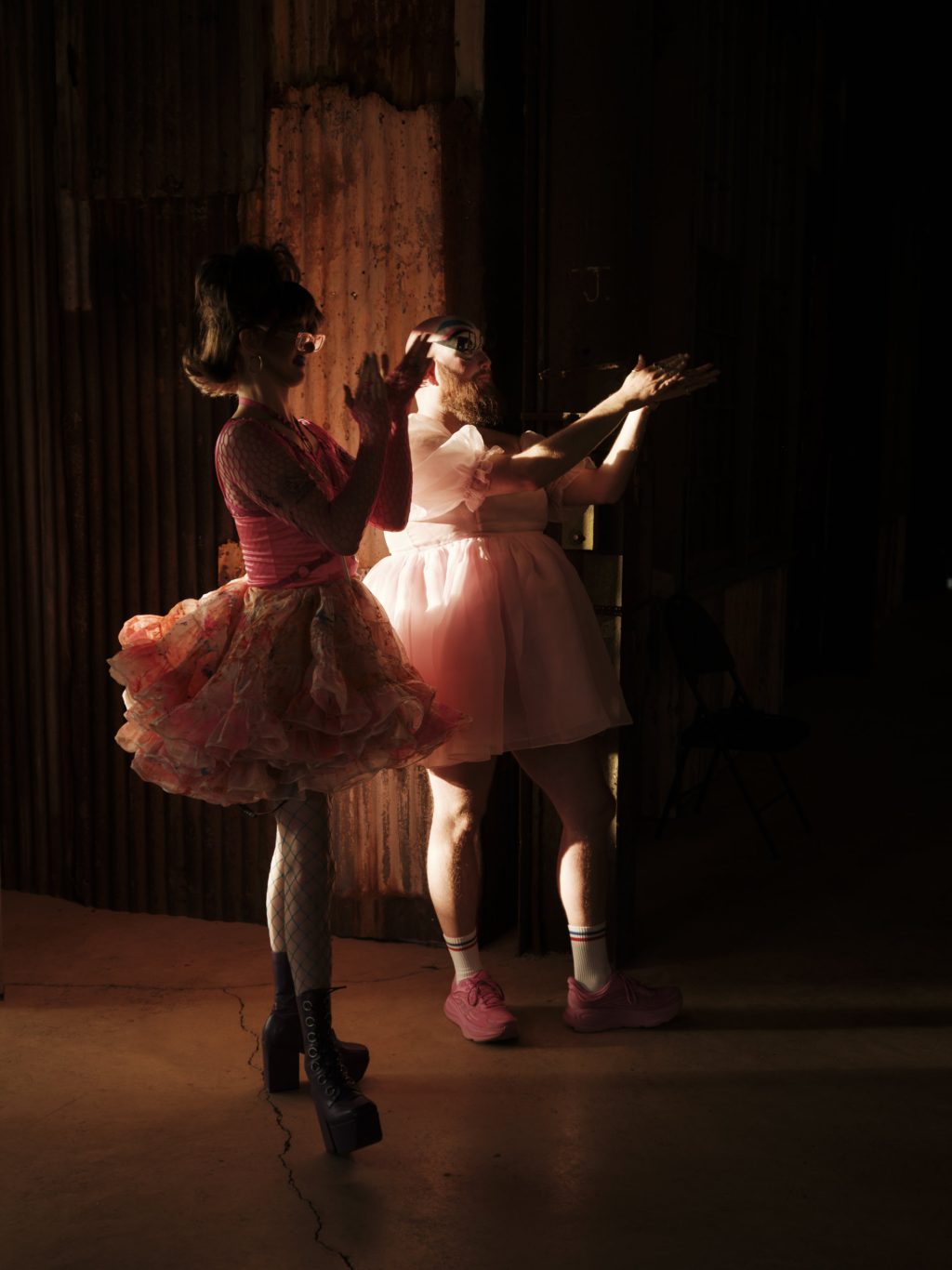
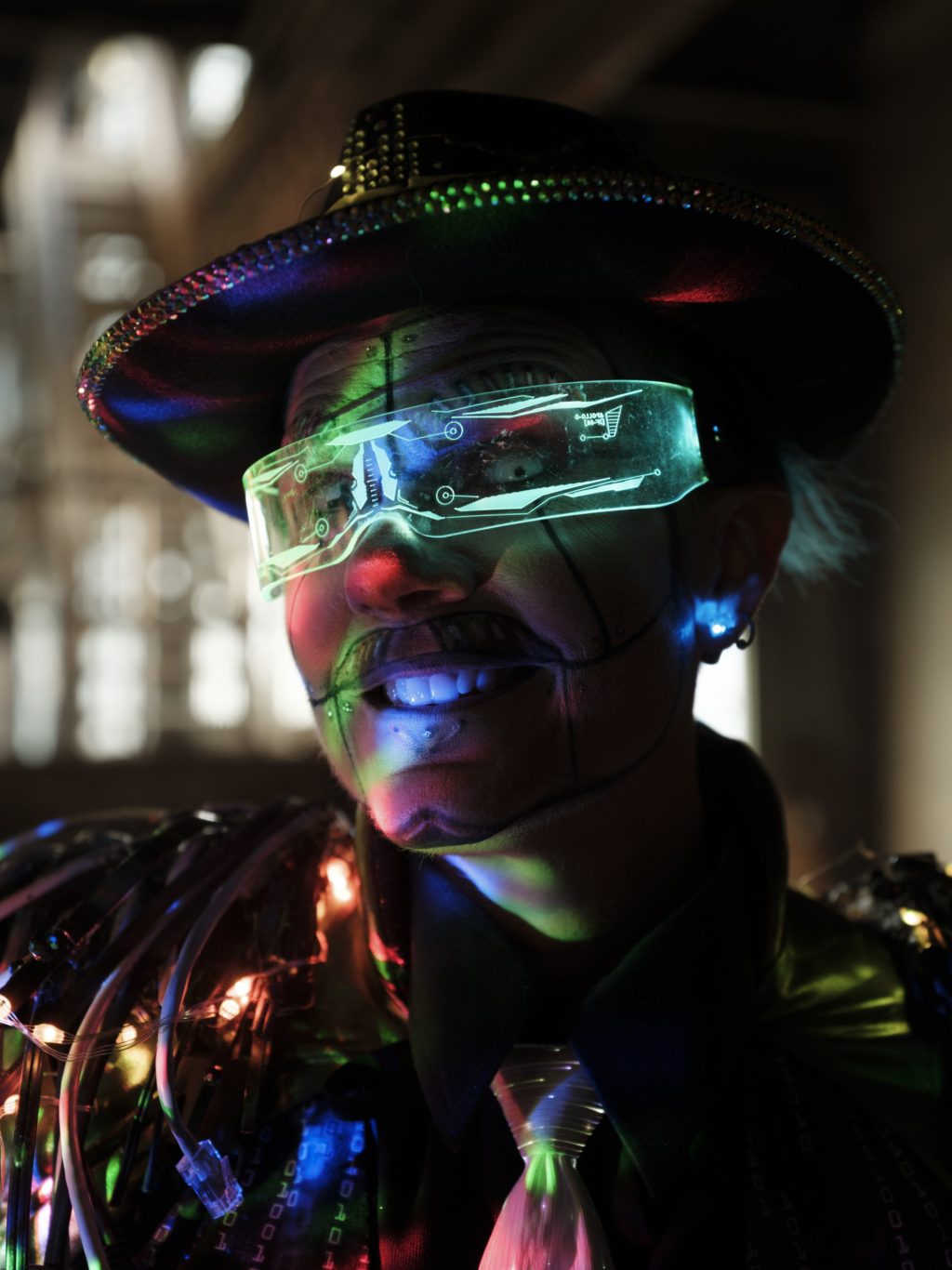
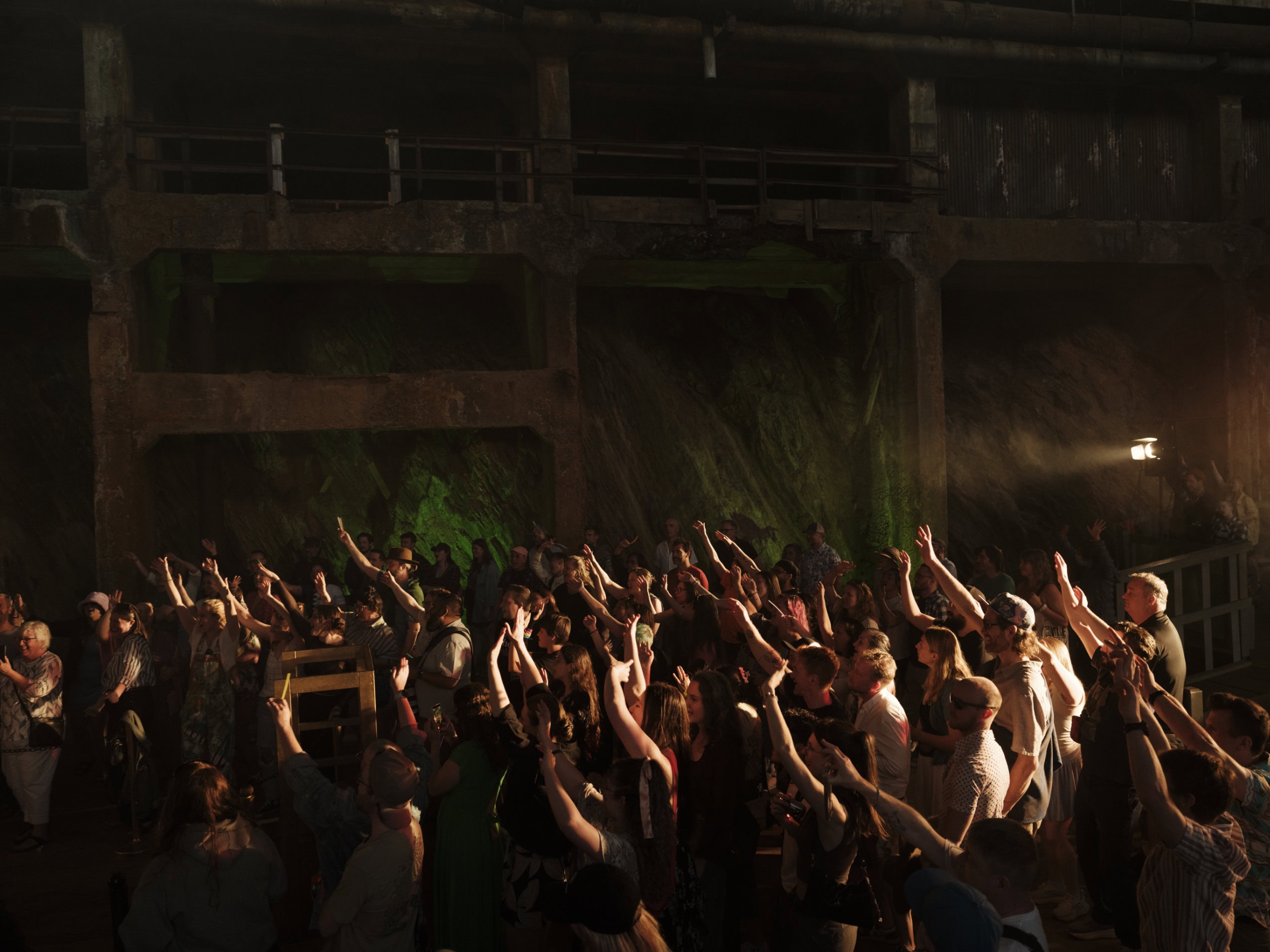
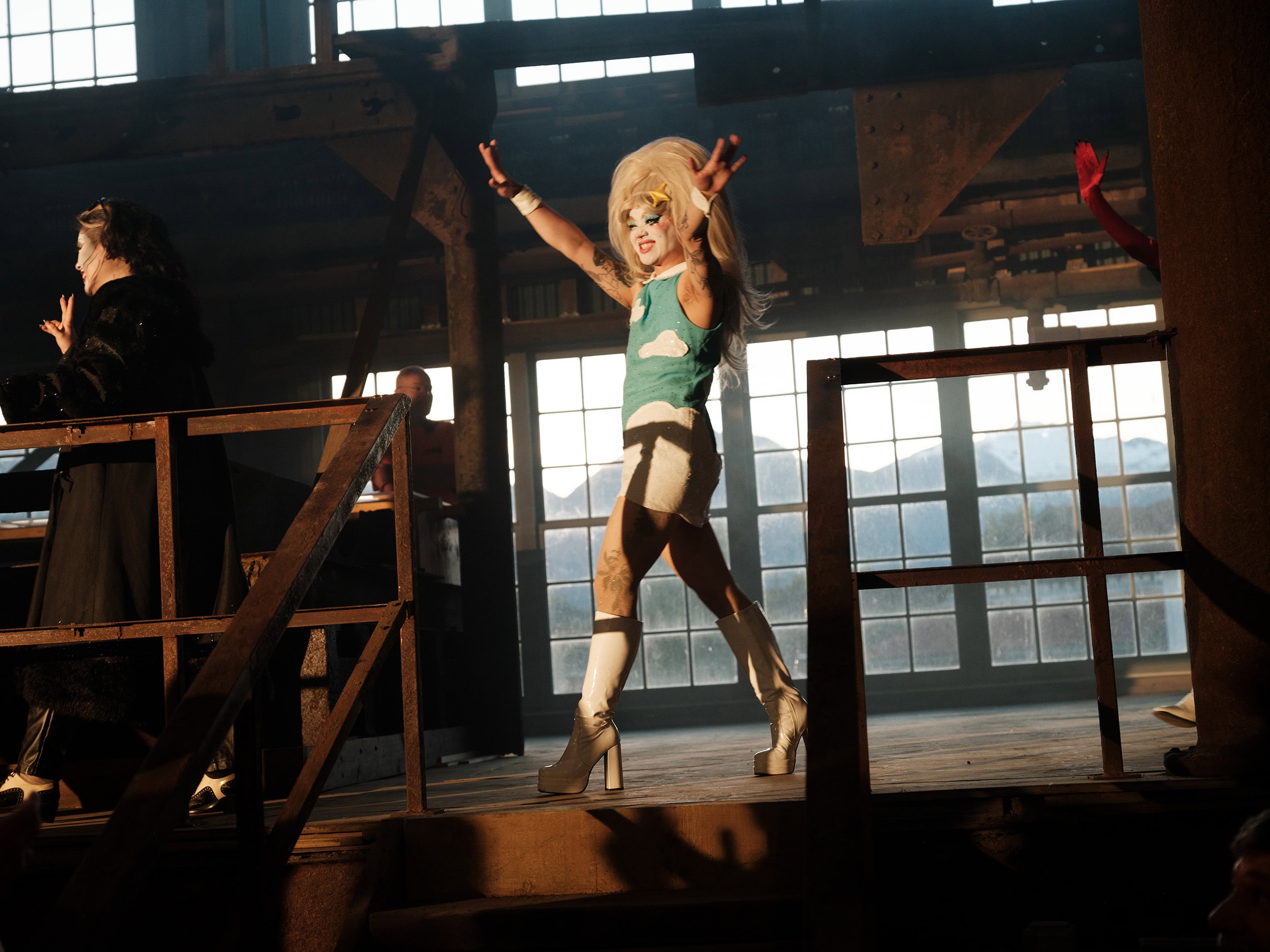
On a recent Saturday night this Pride Month, another evolution was underway, with 14 drag kings, queens and things strutting, lip-syncing and sashaying through the century-old Mill No. 3.
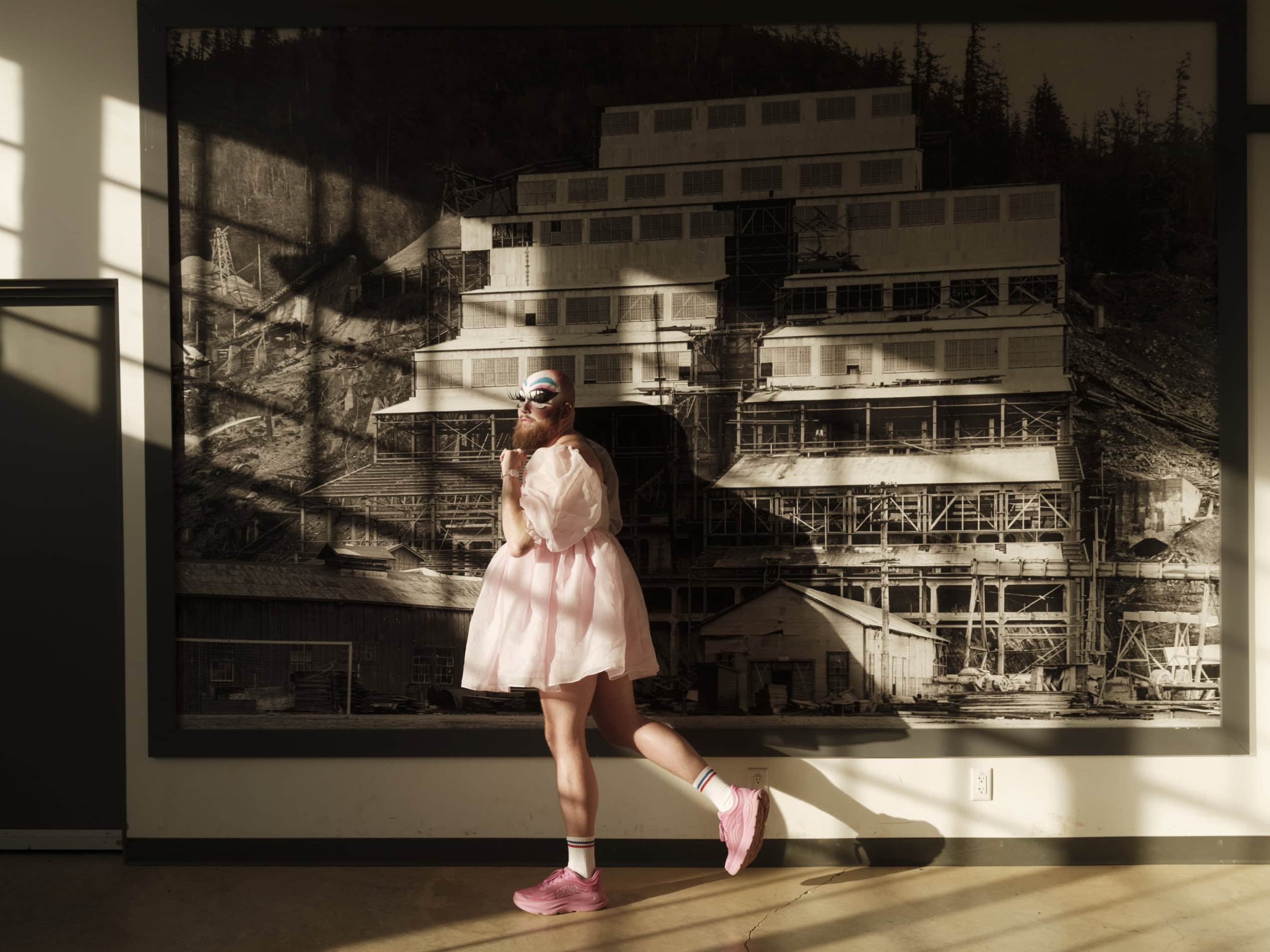
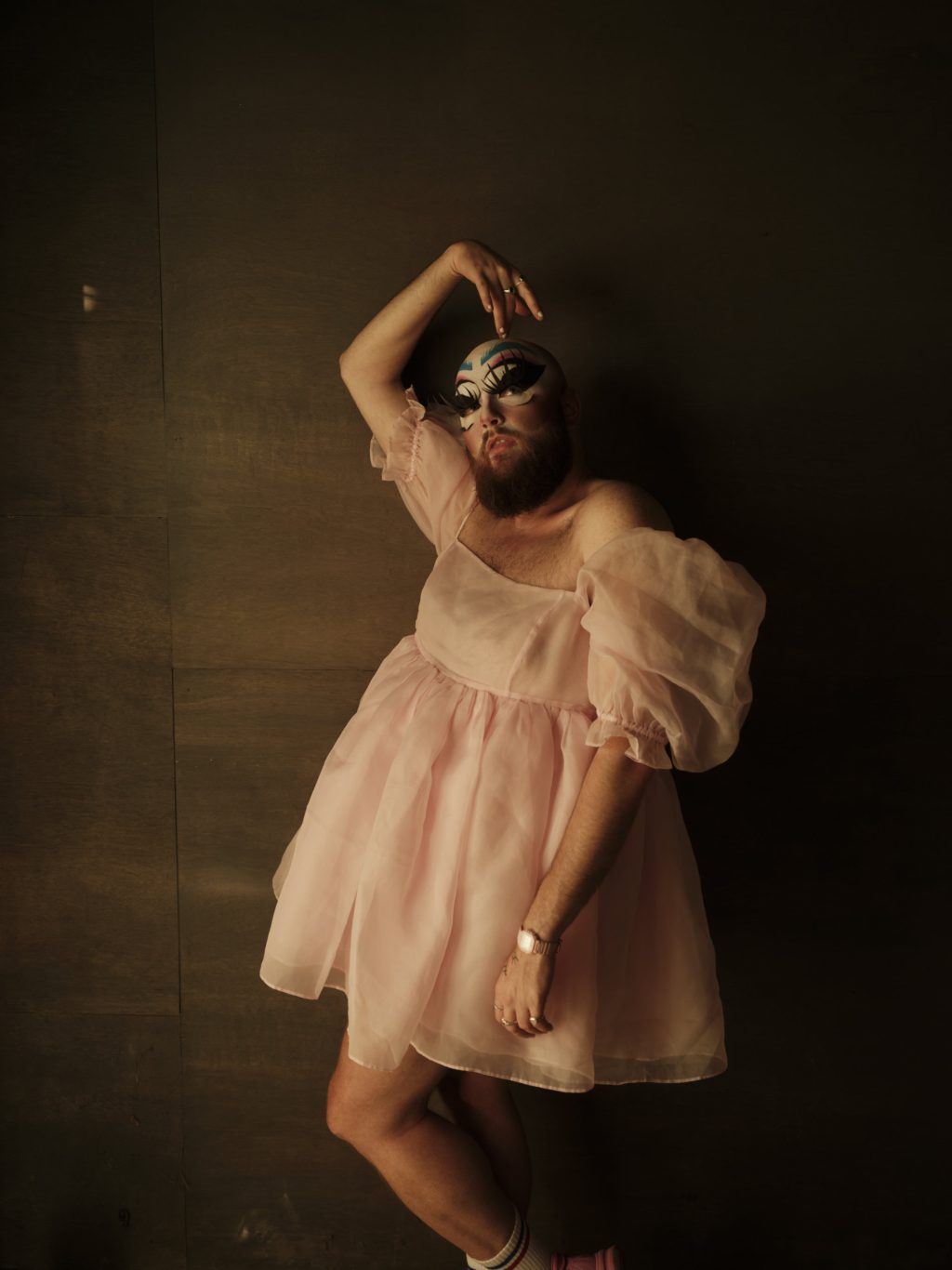
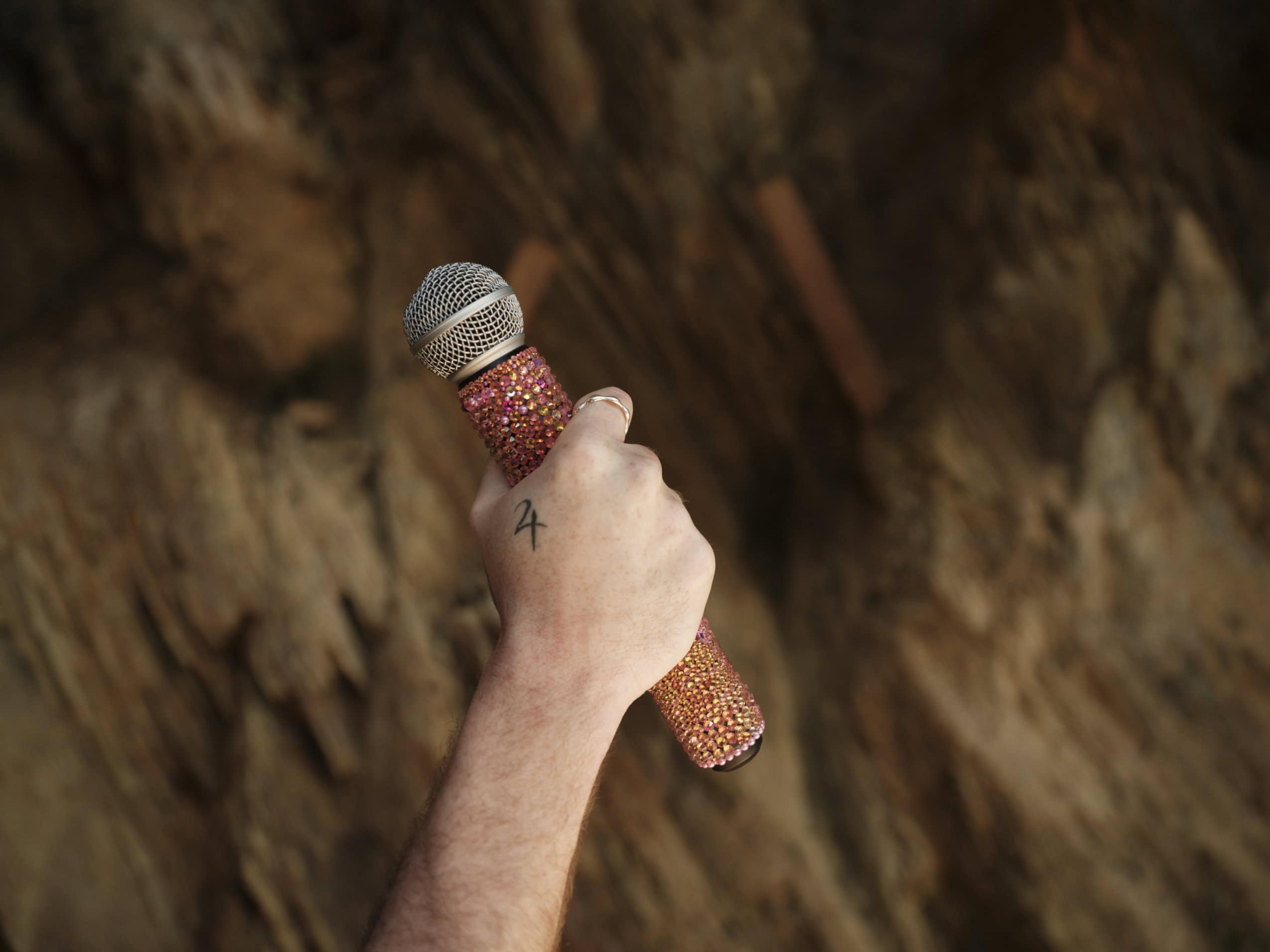
The Britannia mine had to transform to continue to exist, drag queen Dust Cwaine says, sitting on a giant tire and staring out at a rusty piece of discarded mining equipment. “When we look around, all you see is history.”
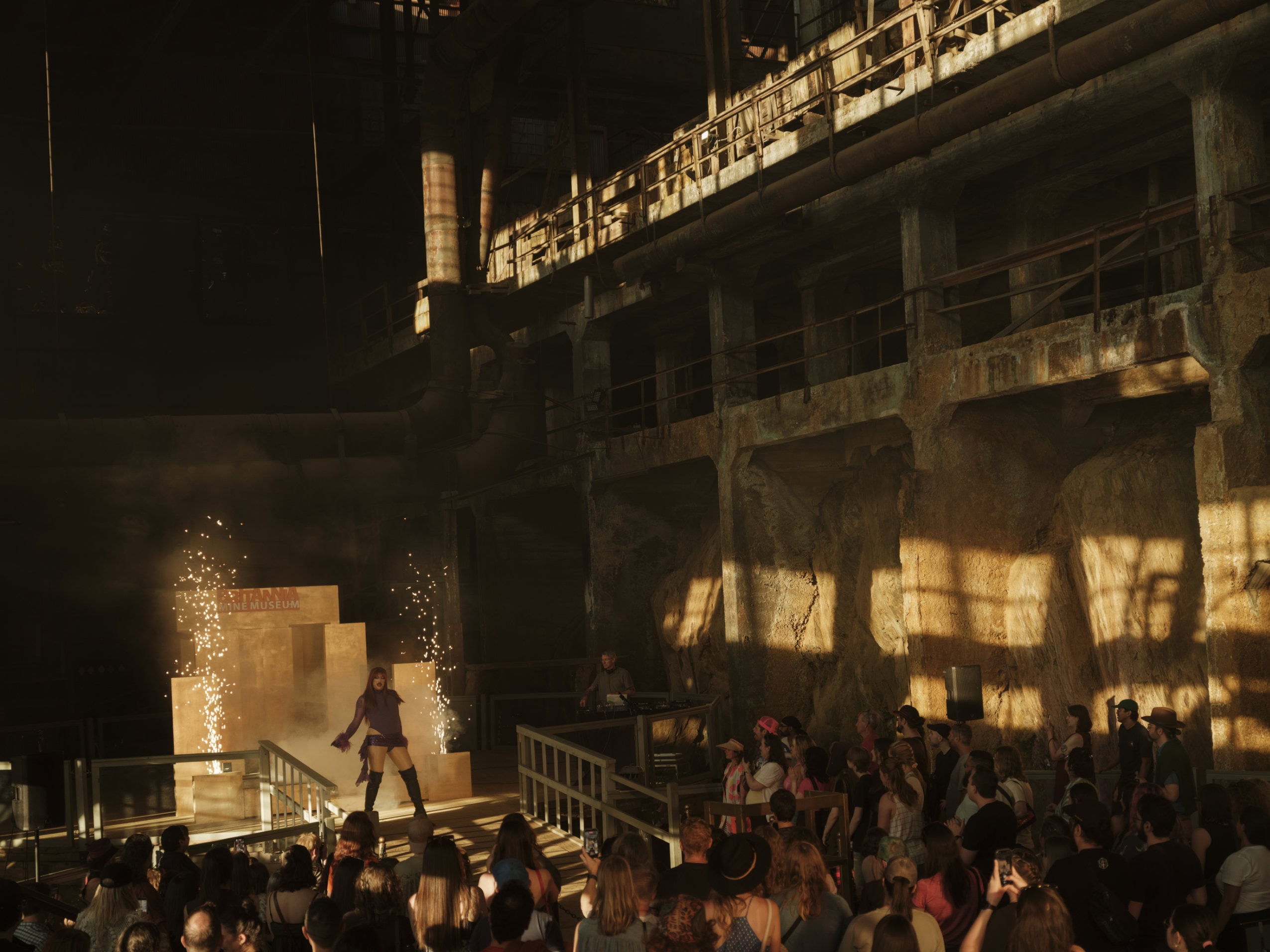
The venue for tonight’s drag show, “Old Town, New Queens,” is the historic 20-storey mill, which once used gravity to help process ore, rock that contains minerals, dug up from the over 200 kilometres of tunnels inside the mountain. Large pieces would tumble down from the top of the mill, to be crushed, grinded and processed into the consistency of sand. A mixture of that powdered ore, water, aromatic oils and bubbles became a cakey copper concentrate, to later be sent out and processed with high heat and purified into copper.
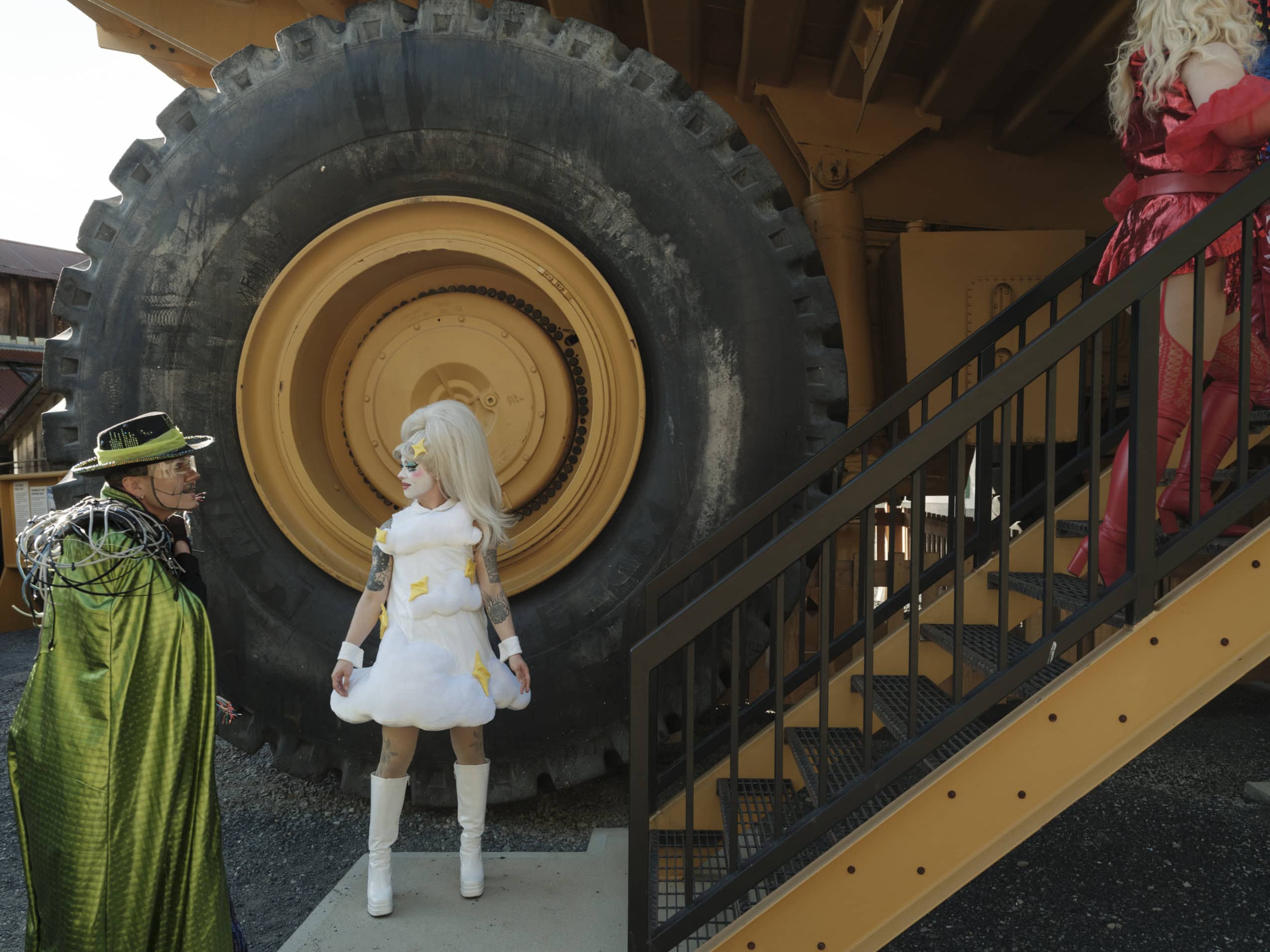
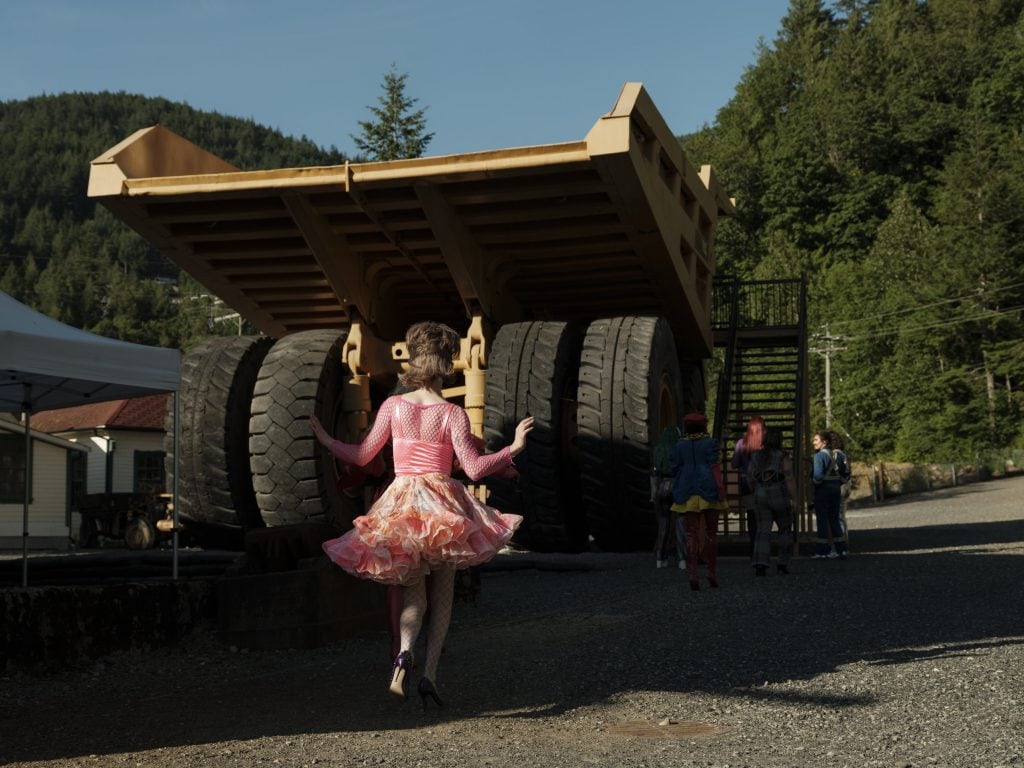
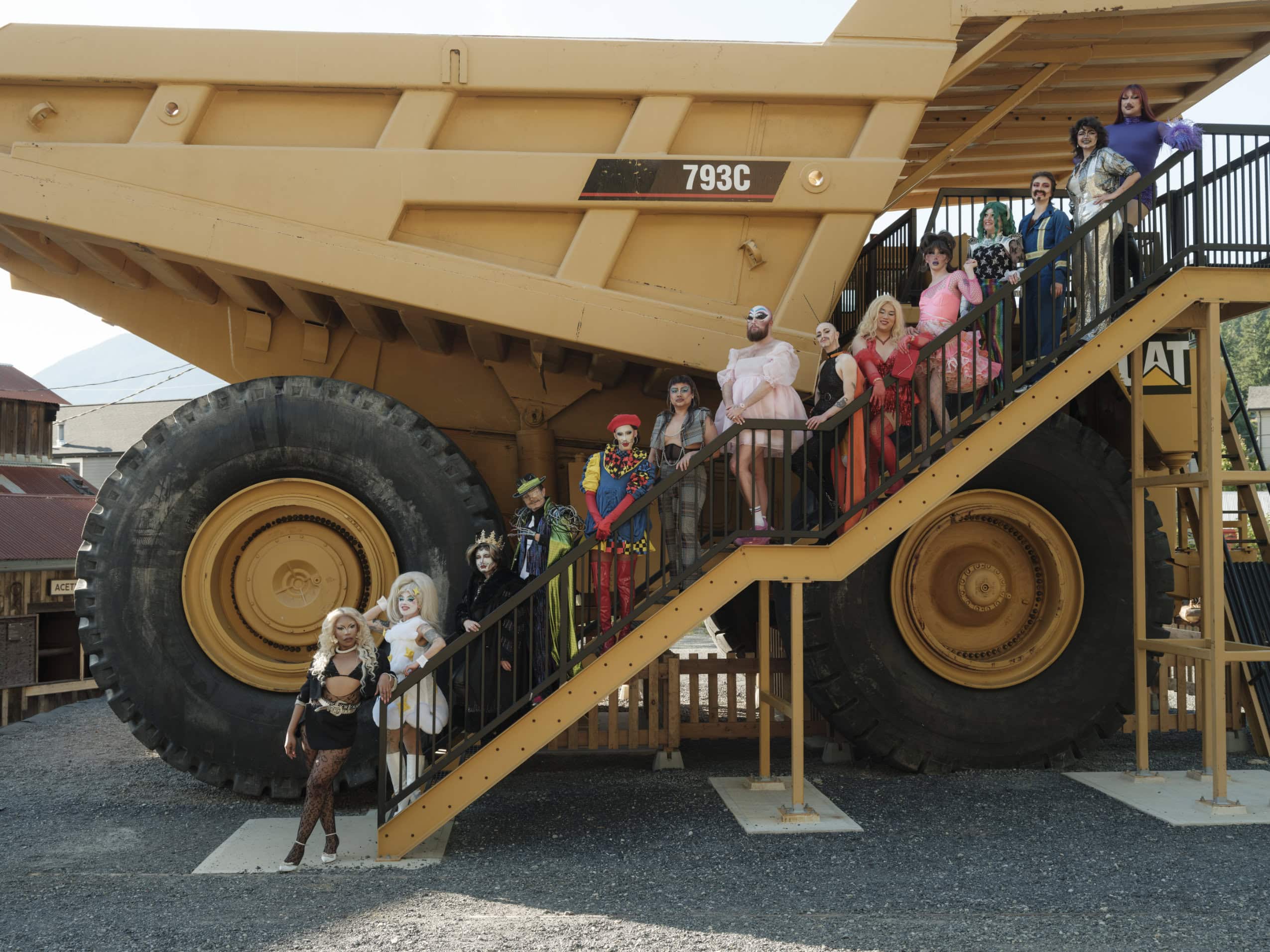
From 1904 to 1974, the Britannia mine produced more than 45 million tonnes of ore. Tonight, the booming sounds of rock being crushed and grinded are far in the past, replaced by drag king Kyle Wiley turning it out to AC/DC’s You Shook Me All Night Long.
Britannia’s copper mill could have been left to “rust and rot” like others across the country, Derek A. Jang, the museum’s director of programs and guest experience, says before the show. His radio beeps and crackles as staff prepare for the evening and try to grab his attention.
Typically, when a mine in B.C. is closed or decommissioned, plans focus on returning the area back to what it was. The local community doesn’t always get a say.
Some closed mines have been remodelled in unique ways. The Sunken Garden in Victoria’s famous Butchart Gardens was once a limestone quarry. There’s an old silver mine in northern Ontario that has lived many lives including a bookstore, flower shop, grocery store and now a tea room. In Pennsylvania, an abandoned limestone mine has become a resort where visitors can ride all-terrain and other recreational vehicles through the darkness of underground tunnels.
The community of Britannia Beach shared its vision to turn the mine into a museum years before the last shift whistle blew on November 1, 1974, Jang says. The opening of the museum the next year was thanks to intentional efforts by a number of groups, including the Britannia Beach Historical Society.
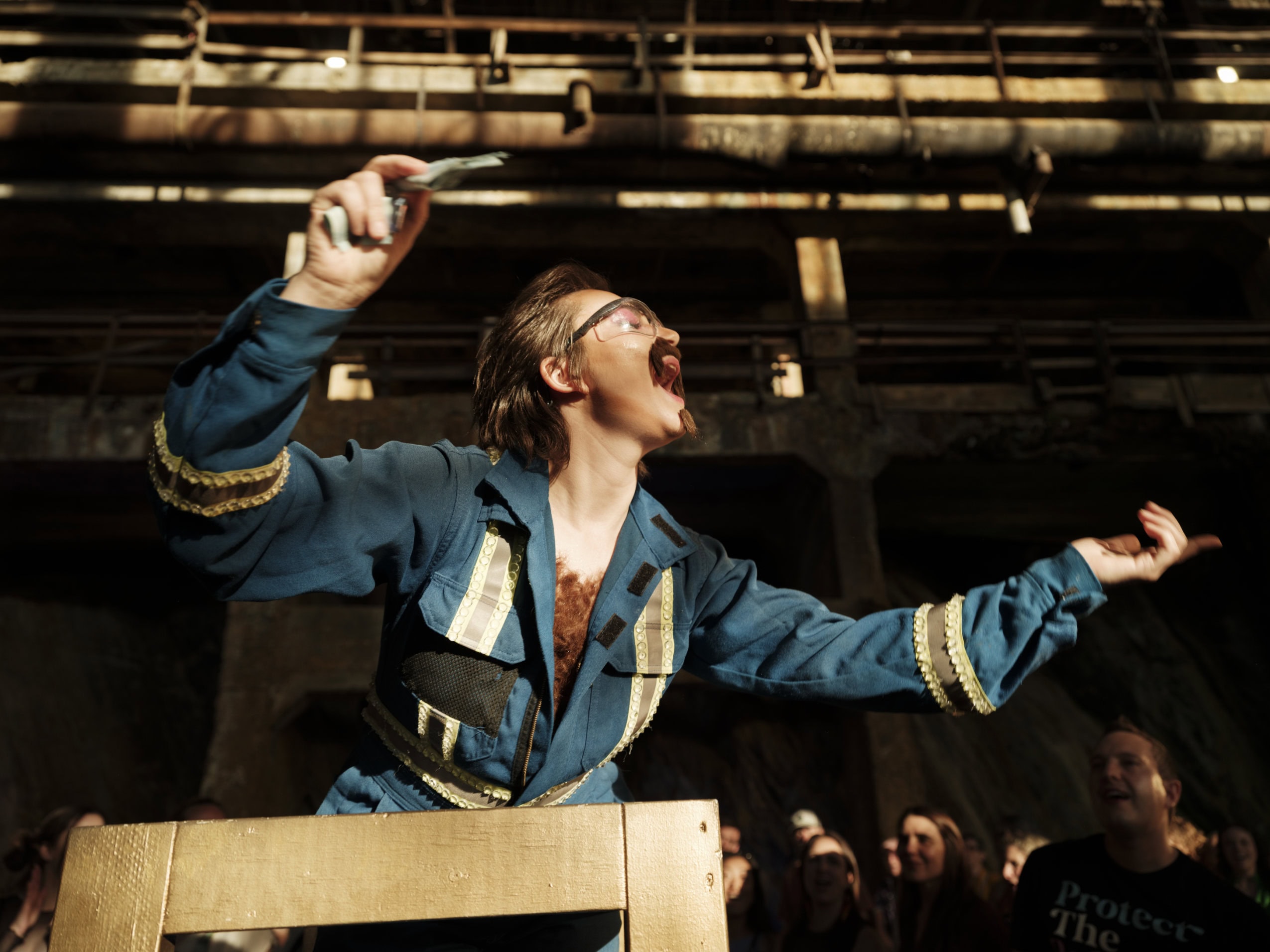
Tonight, the old mine likely looks very different from what the founders ever imagined.
Community groups like Queer People in Mining, Sea 2 Sky Allies and Pride Squamish have booths set up in the gravel courtyard outside the mill. Rainbow hearts and balloons direct the crowd. Inside, there’s an archway — much like the one Madonna danced through in her iconic video Express Yourself — next to a sound system, smoke machine and stage lights.
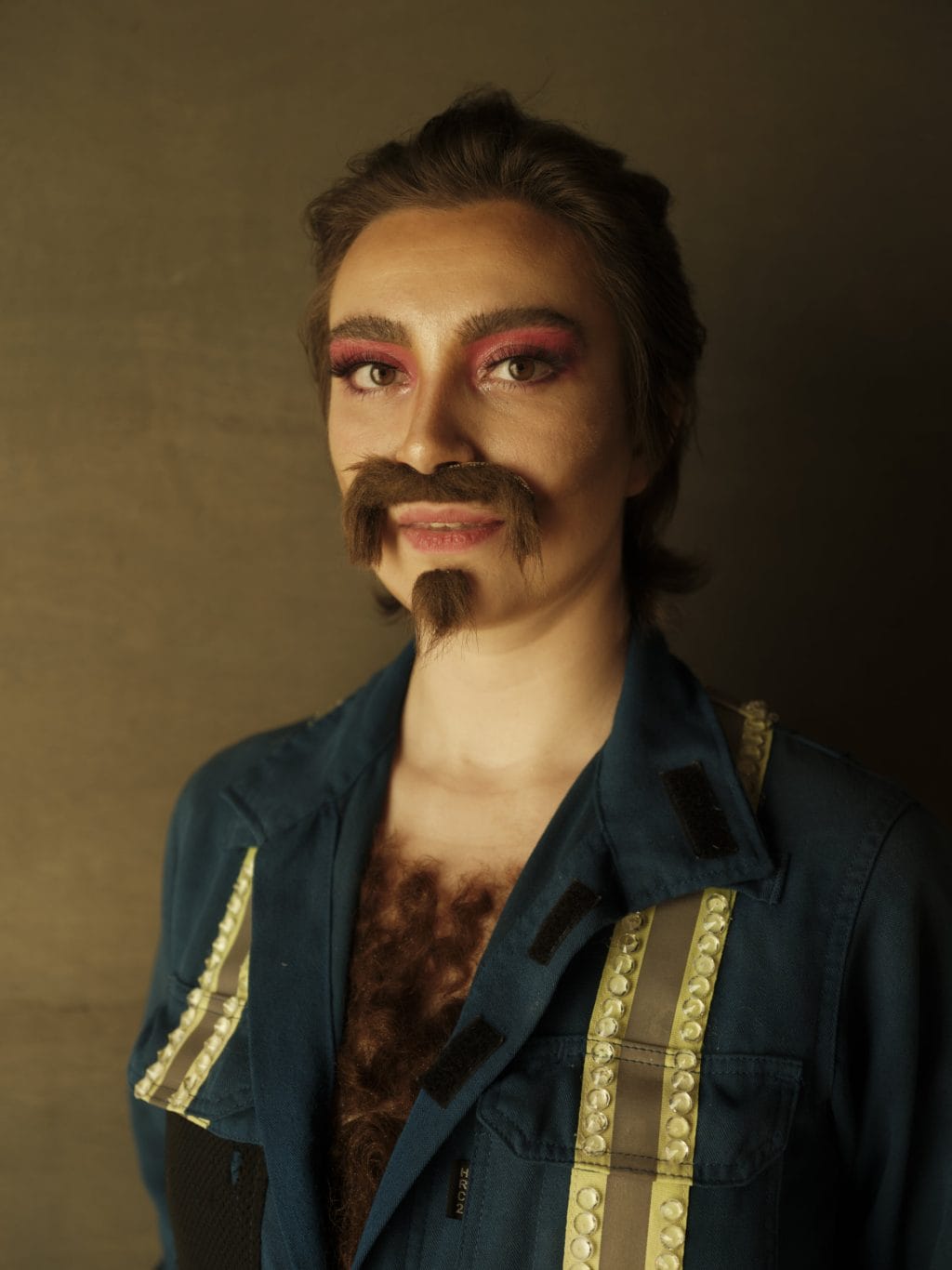
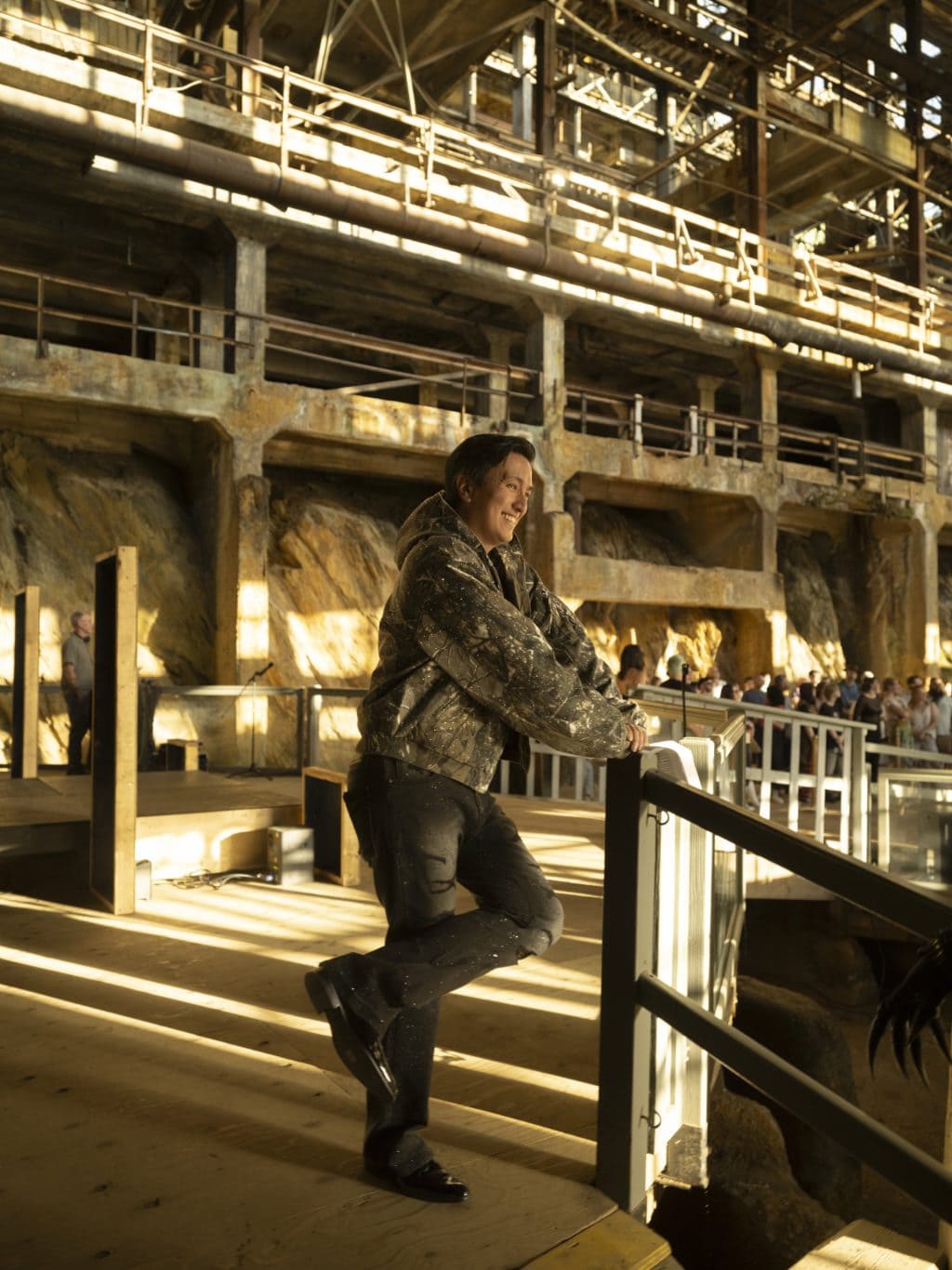
“As a member of the 2SLGBTQ+ community myself, I don’t always feel seen when I go to different museum attractions,” Jang says, adding that Britannia exhibits have been dominated by images and stories of working white men. “This event, in some ways, is a bold way of saying ‘Let’s change that.’ ”
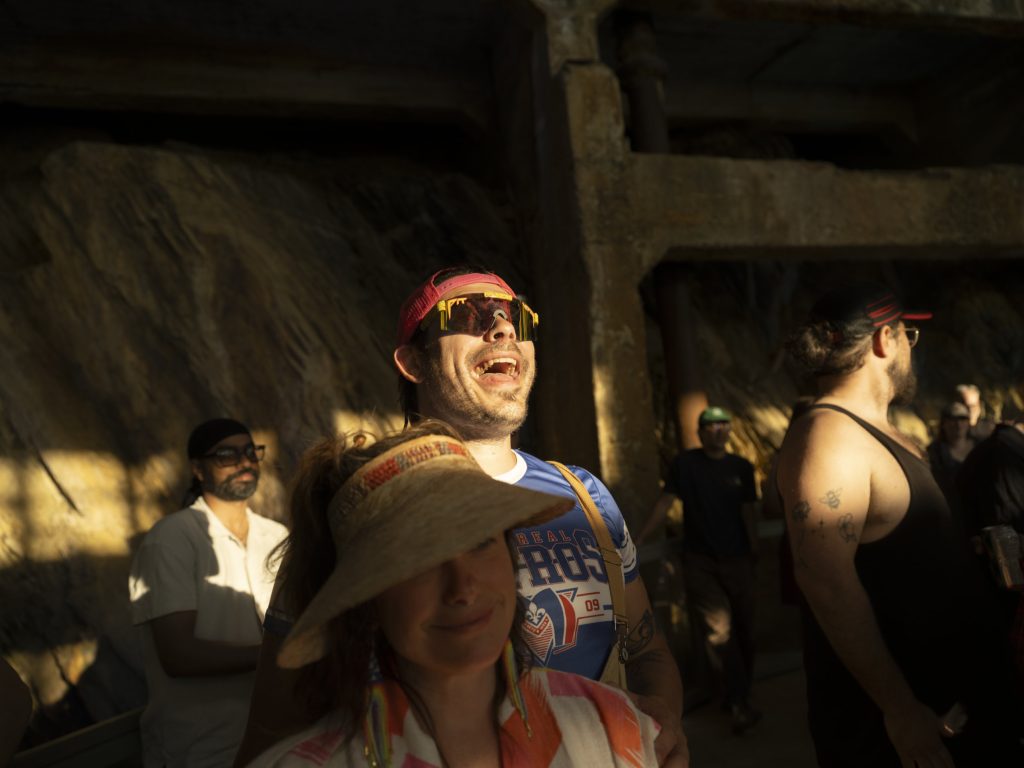
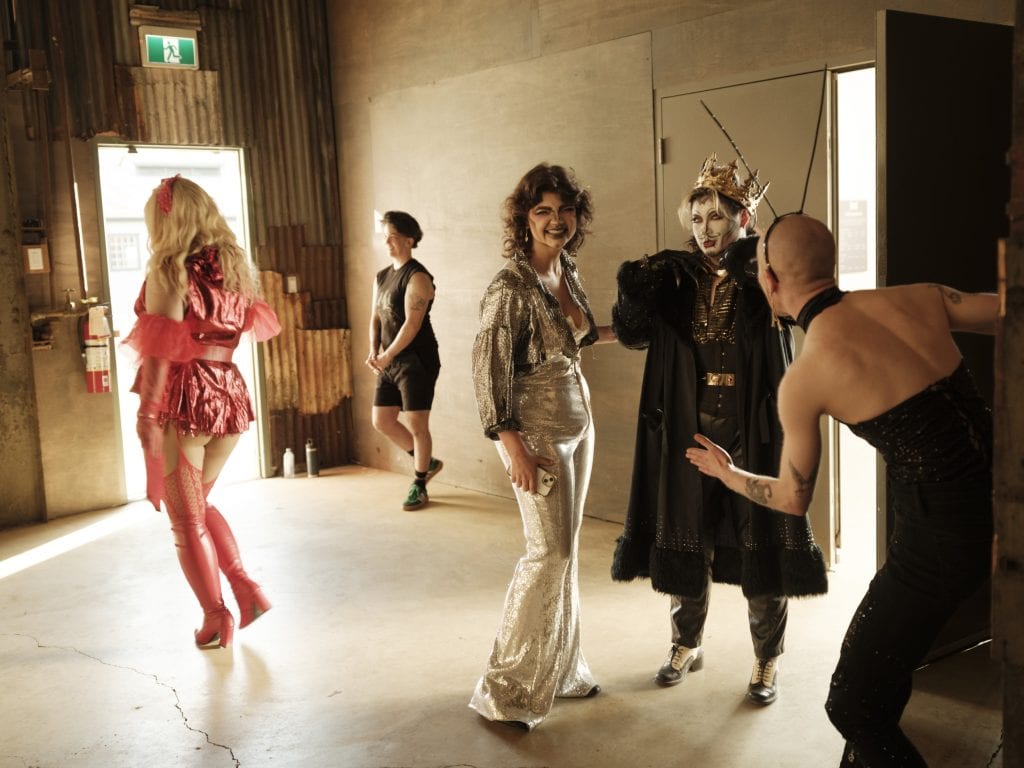
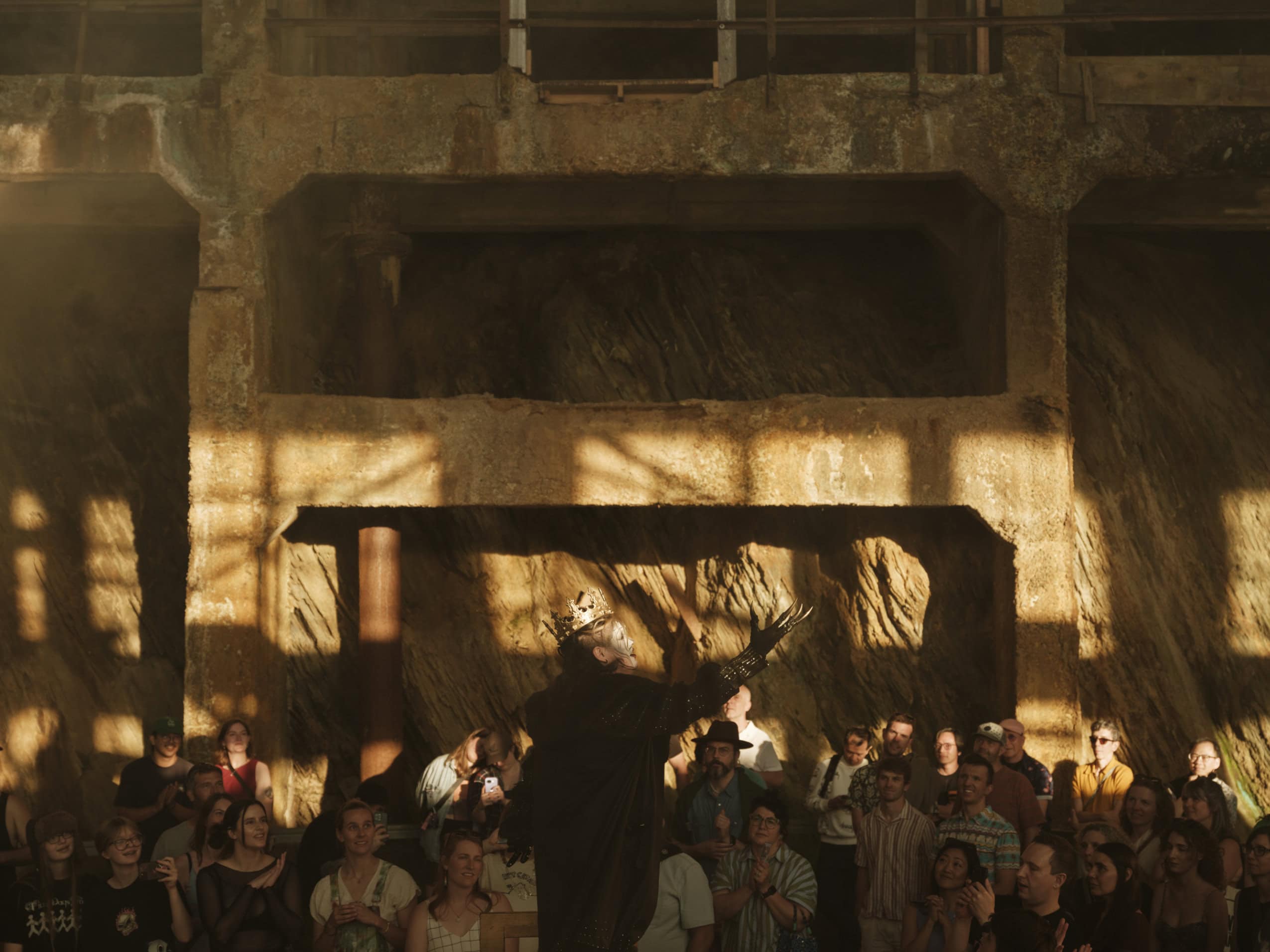
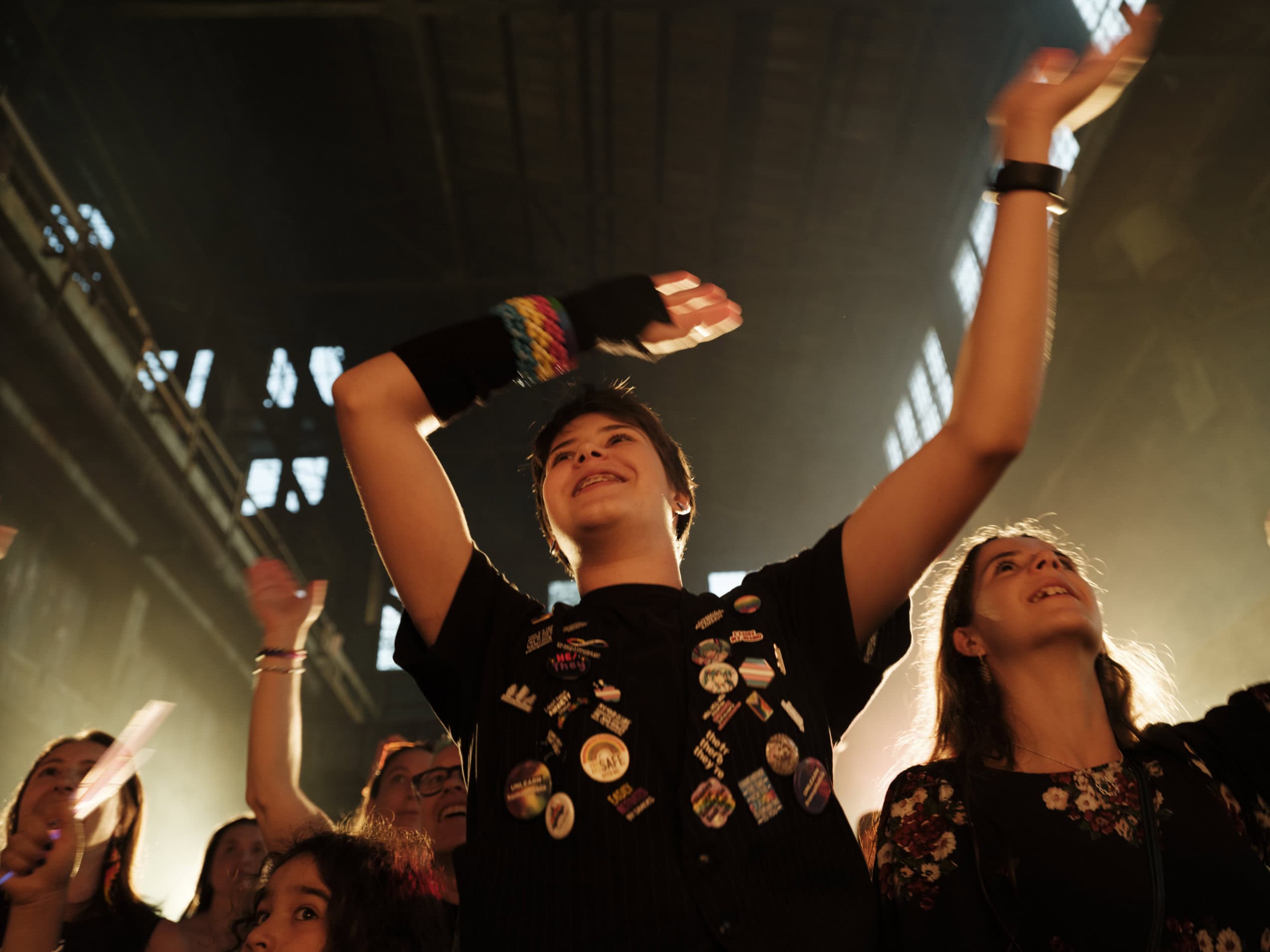
It took years of relationship building with the local 2SLGBTQ+ community for the museum to see the mine go from tunnels to tutus. Trevor Wulff, president of Pride Squamish, says the nearby town he grew up in wasn’t always a welcoming place. “It’s really amazing because it’s all about community … everyone deserves a sense of belonging,” Wulff says, looking around as a crowd of many ages and genders slowly grows.
It was important to think about how to make the event welcoming for young people, Jang says. He heard from community groups that youth “have very few opportunities to see queerness in action.”
Drag artists played with themes of tech advancements, “Giants at Werk,” a nod to Britannia Museum’s summer exhibit on big machinery and the mine’s legacy of pollution.
“We’re adding to a new history while honouring and respecting the past,” Dust Cwaine says in an interview during intermission, as performers Homo Hardware and Peter Packer prepare for their acts.
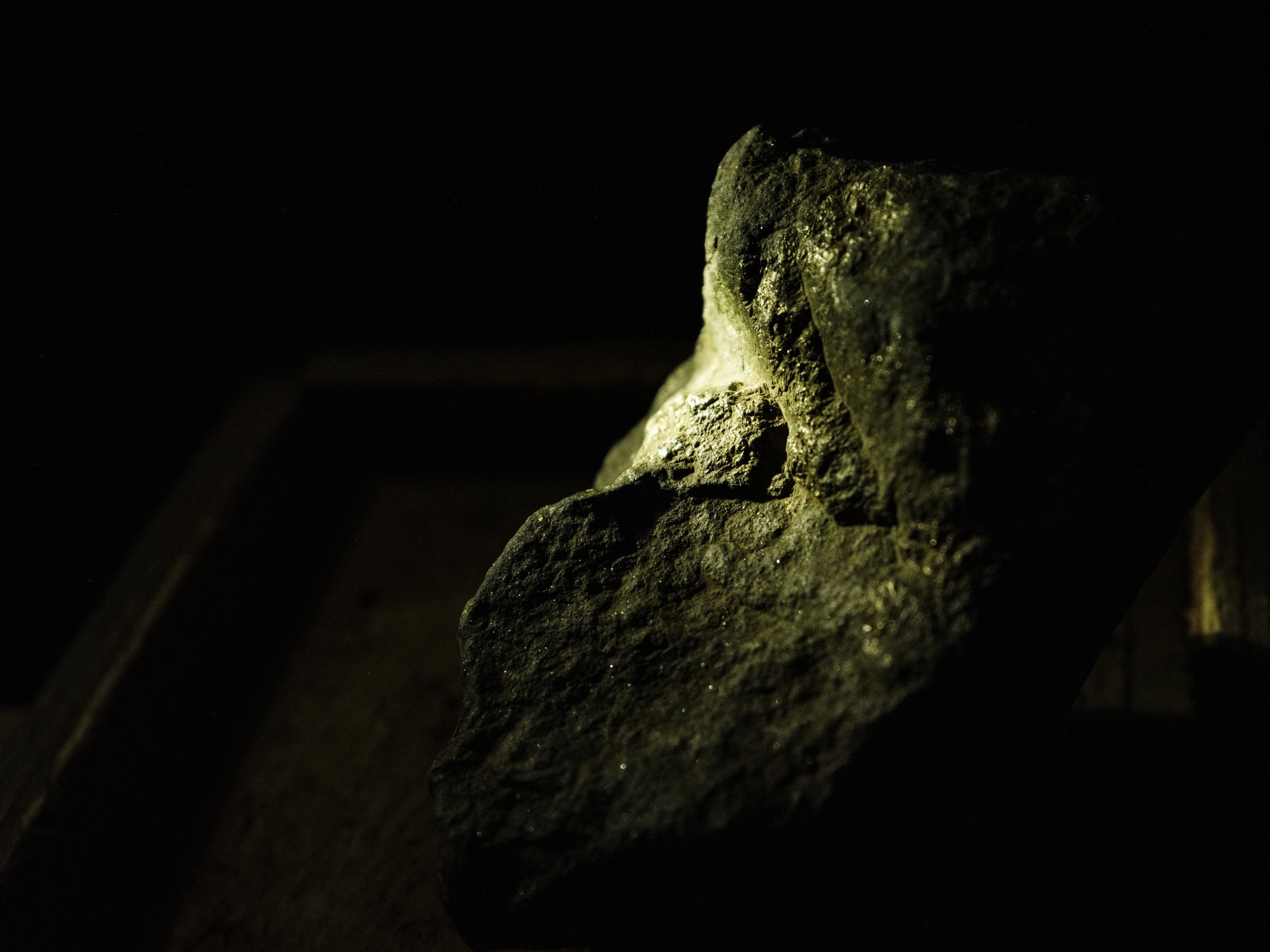
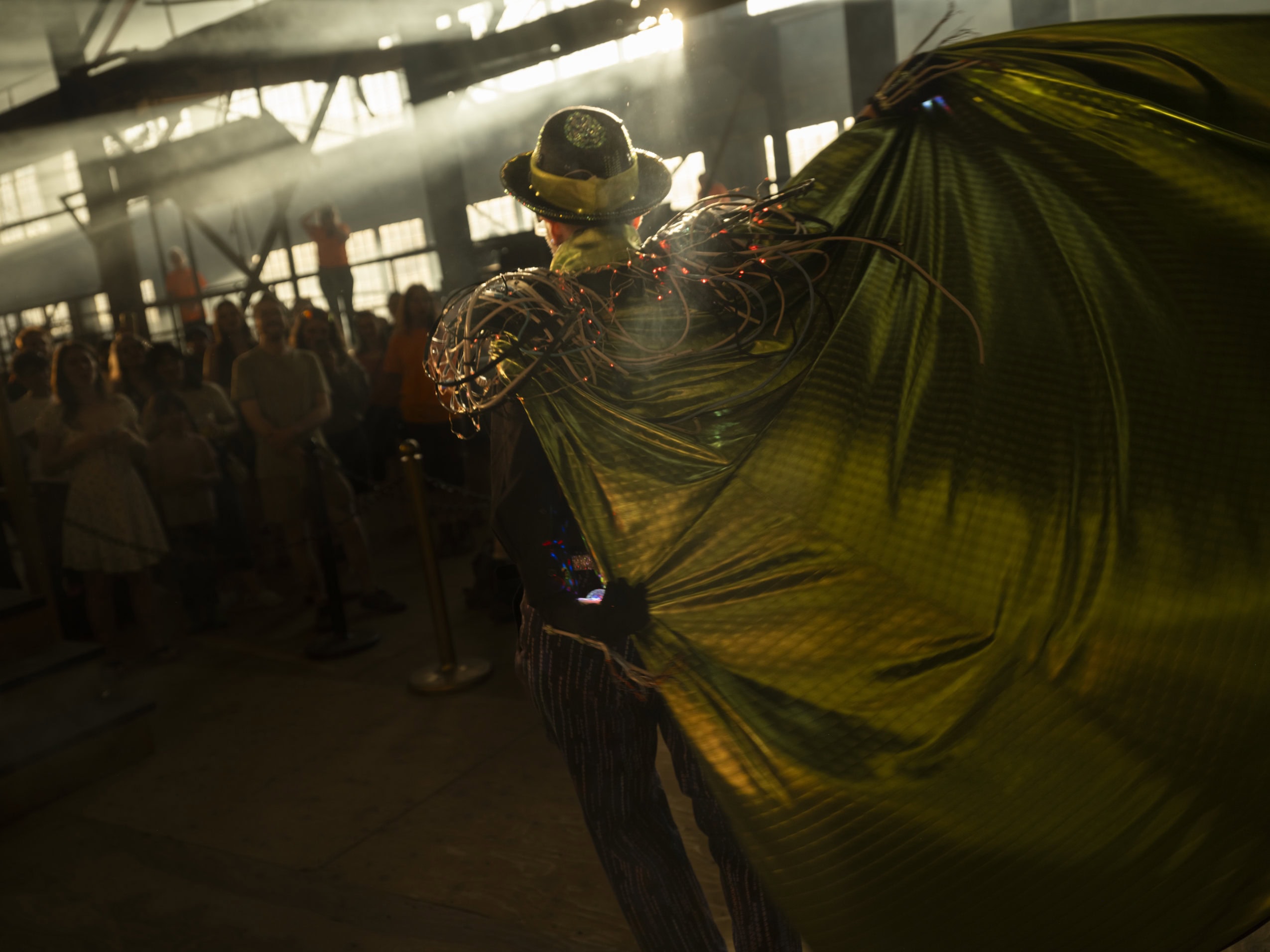
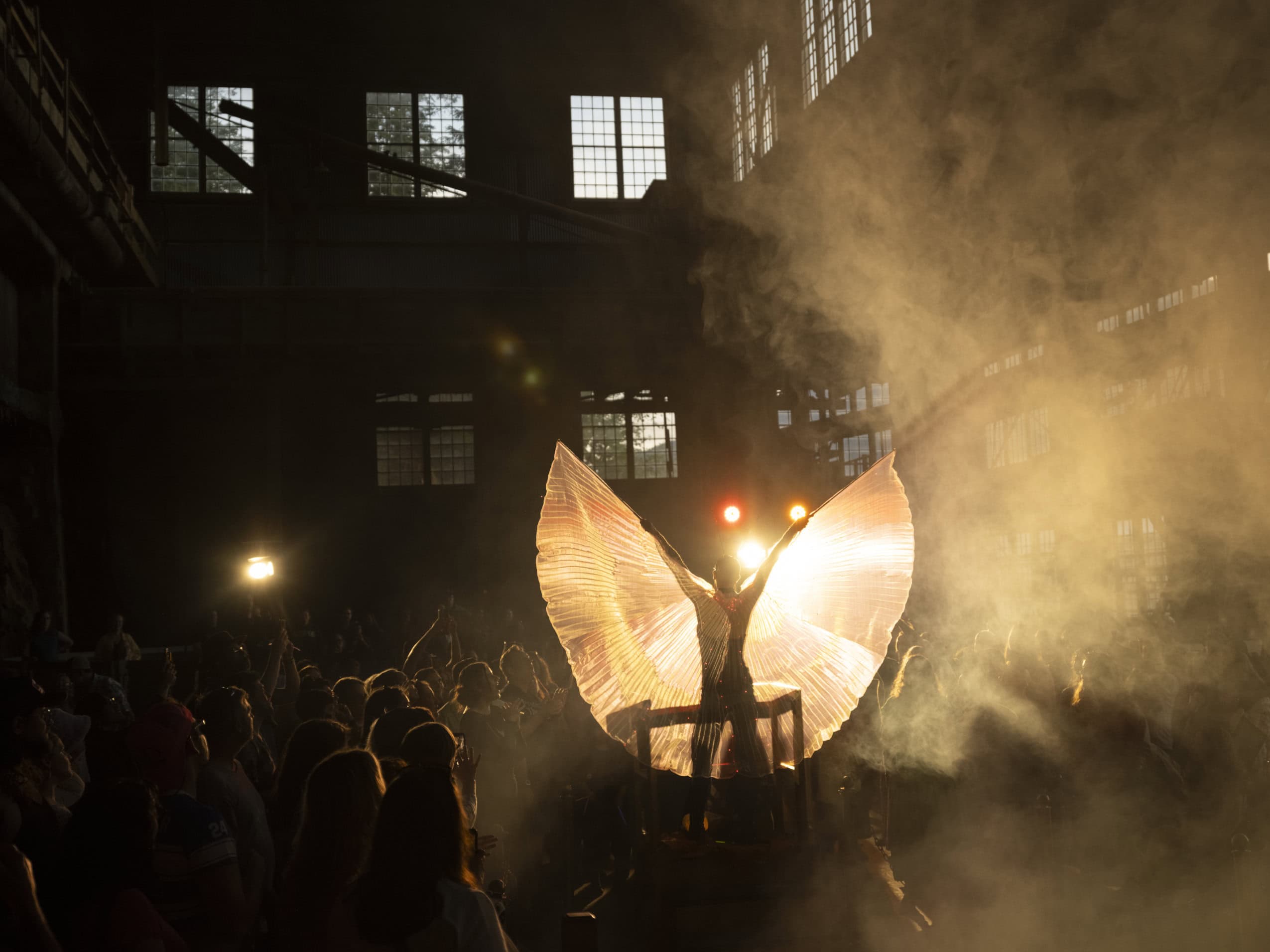
Decades ago, when the Britannia mine was operational, its lights illuminated the nights of Howe Sound. The night of the drag show, sunset slowly seeped in through the mill’s 14,416 panes of glass adding to the dramatic glow of Homo Hardware’s iridescent, shimmering wings.
Drag is “a vehicle for self expression,” Homo Hardware explained on a phone call before the show. “There are so many different ways that people can use that, whether that’s a more direct, literal message about a cause, or something a bit more abstract.” What makes drag so effective, they said, is the energy and connection that comes from being in a live performance space.
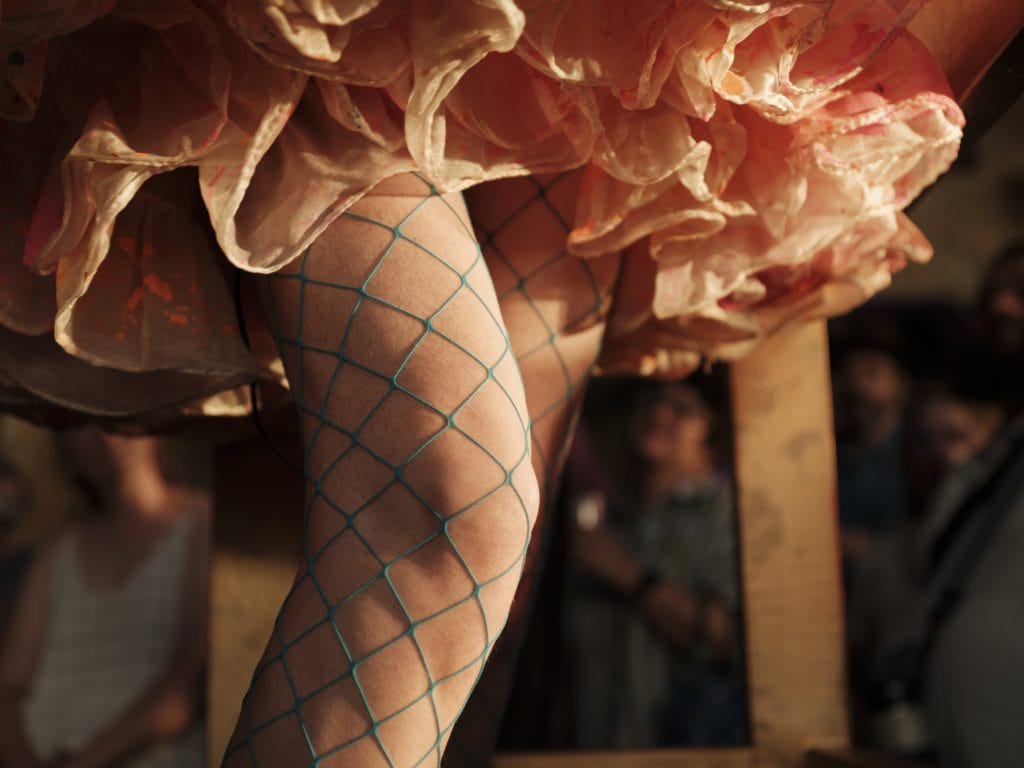
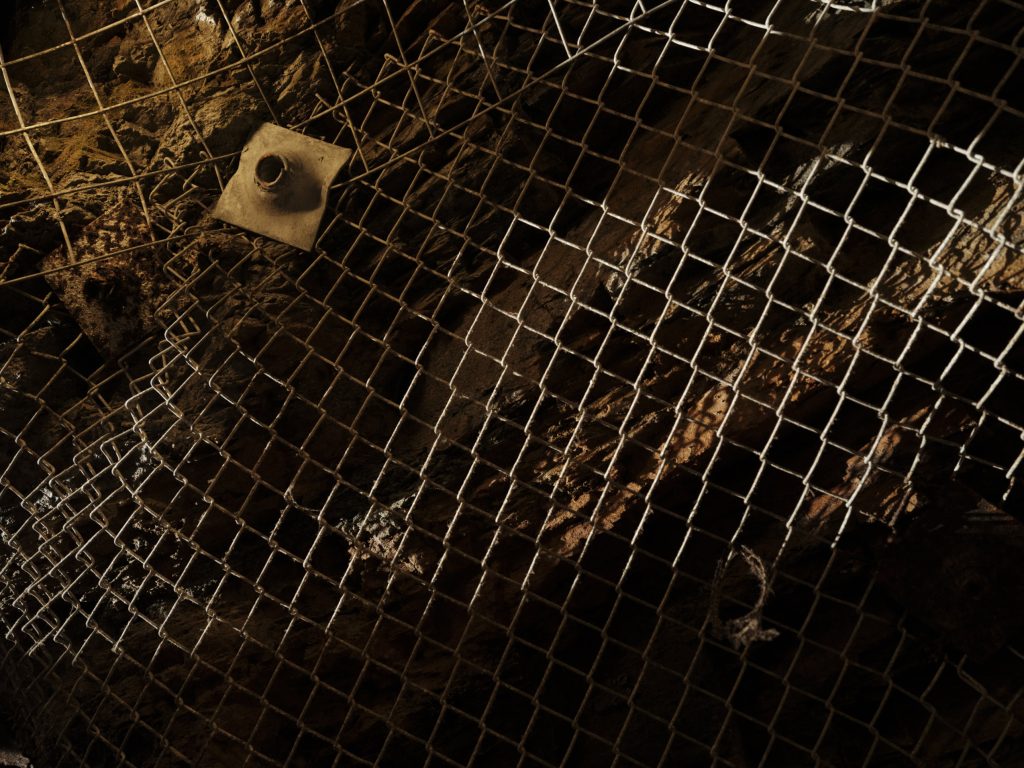
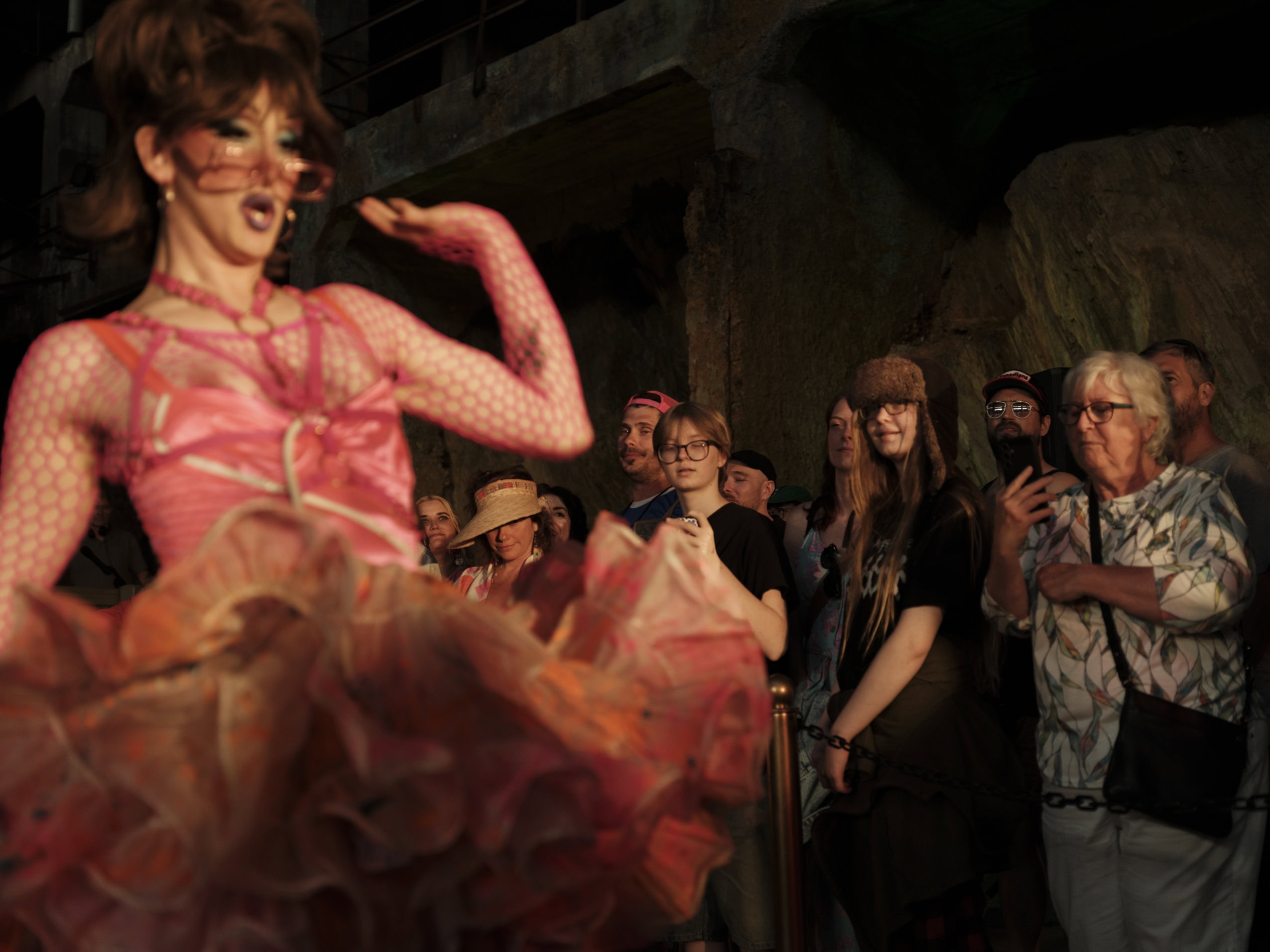
In the second act, drag thing Rose Butch lip synced to Hillary Duff’s Come Clean. The lyrics hit a bit differently than usual, invoking the environmental impacts of mining. Duff’s voice reverberates through the rafters — “I’m shedding, shedding every color / Tryna find a pigment of truth beneath my skin” — as Rose Butch parts through bubbles floating across the stage.
In one far corner of the mill, bright blue streaks of copper reacting with water shine bright. Rose Butch moves up and down hidden in a star-speckled cloud, holding an umbrella dripping with tinsel until their big reveal: the clouds part into a dress draping them in sequined bright blue skies.
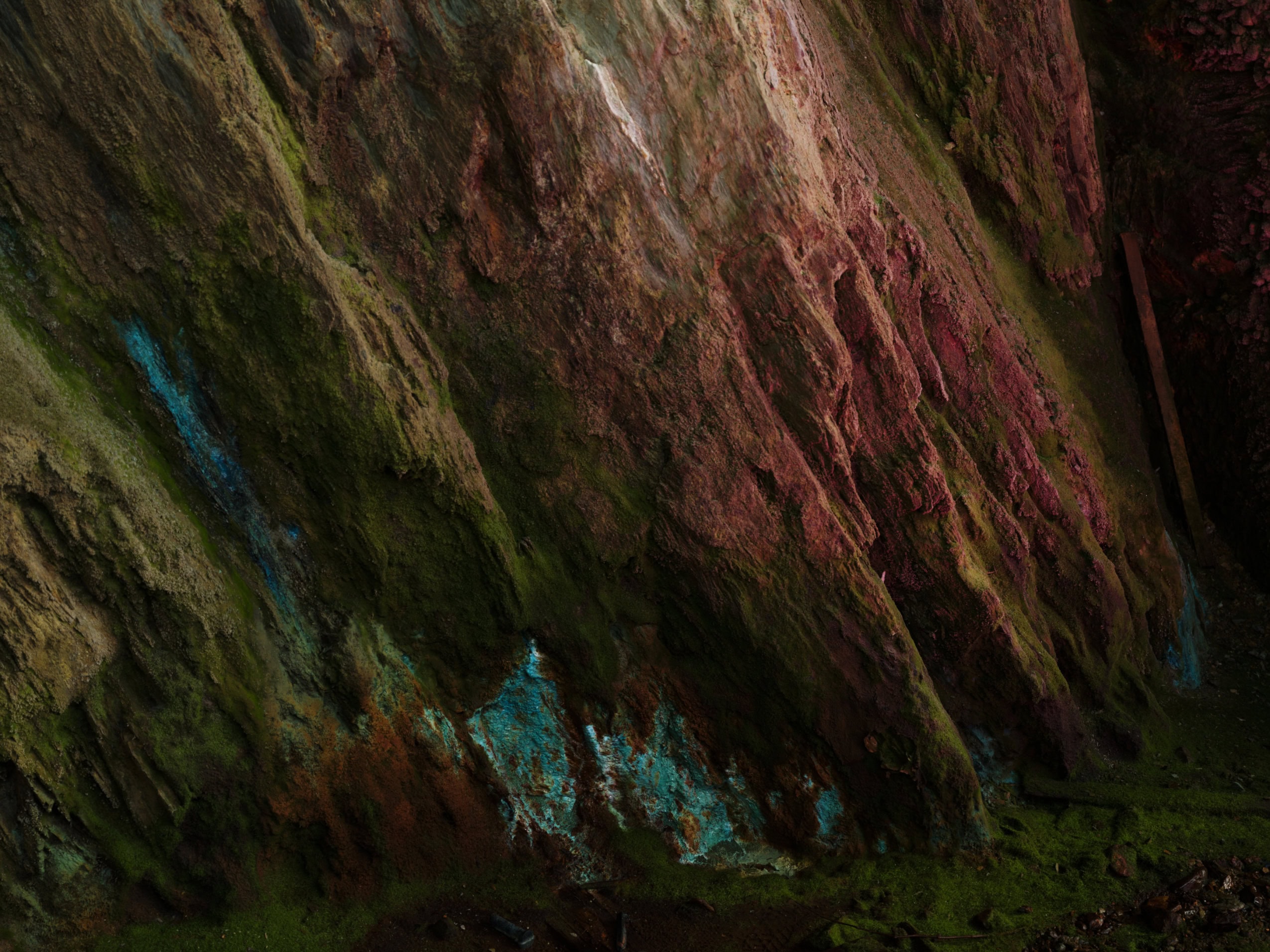
The mine was once called “the single worst point source of metal pollution on the North American continent,” causing devastating effects to marine life in Howe Sound. Acidic water containing heavy metals leaked into nearby waterways for decades. Water leaving the site has to be treated at an estimated cost of $3.7 million per year, according to an email from the Ministry of Water, Land and Resource Stewardship. That treatment process has to happen in perpetuity — meaning the public will foot that bill for the foreseeable future.
That history isn’t lost on the organizers of the event. We’re all here because of the continuous efforts to keep the land clean, Dust Cwaine says. Work continues today to ensure “this place doesn’t poison our waters and poison our nature … It has this complicated existence … I think putting drag in it is this incredible juxtaposition.”
Just a few hours ago, Jang was wearing a plain black Britannia Mine Museum polo shirt, as he prepared for the show. Now, he’s on stage with a flashy new look, sharing another evolution of the mine — and a hope for more to come. The waters surrounding the mine site were once severely damaged, he tells the crowd, but there’s been incredible work done to bring back aquatic life and restore the ecosystem.
“In the 2010s spawning salmon returned to Britannia Creek, for the first time, in what we suspect to be over 100 years,” he says to an eruption of cheers, through which Jang continues.
“I worry [young people] think they’re inheriting a broken world that is beyond help … I hope that in some way Britannia Mine Museum can play a role in inspiring the next generation of great thinkers to remember that work is going to be hard, but solutions can be in reach.”