



 13 min. read
Summary
- Nunavut hunters and trappers are concerned about a proposal to expand the Mary River mine on Baffin Island.
- Hunter and trapper organizations in three Inuit communities have raised concerns about detrimental effects to the environment, as well as a lack of consultation.
- The proposed expansion by Baffinland Iron Mines Corp. comes amid a financial crisis for the company, which owes $2.6 billion to creditors and recently received a $660-million loan from the federal government to provide it with “breathing room.”
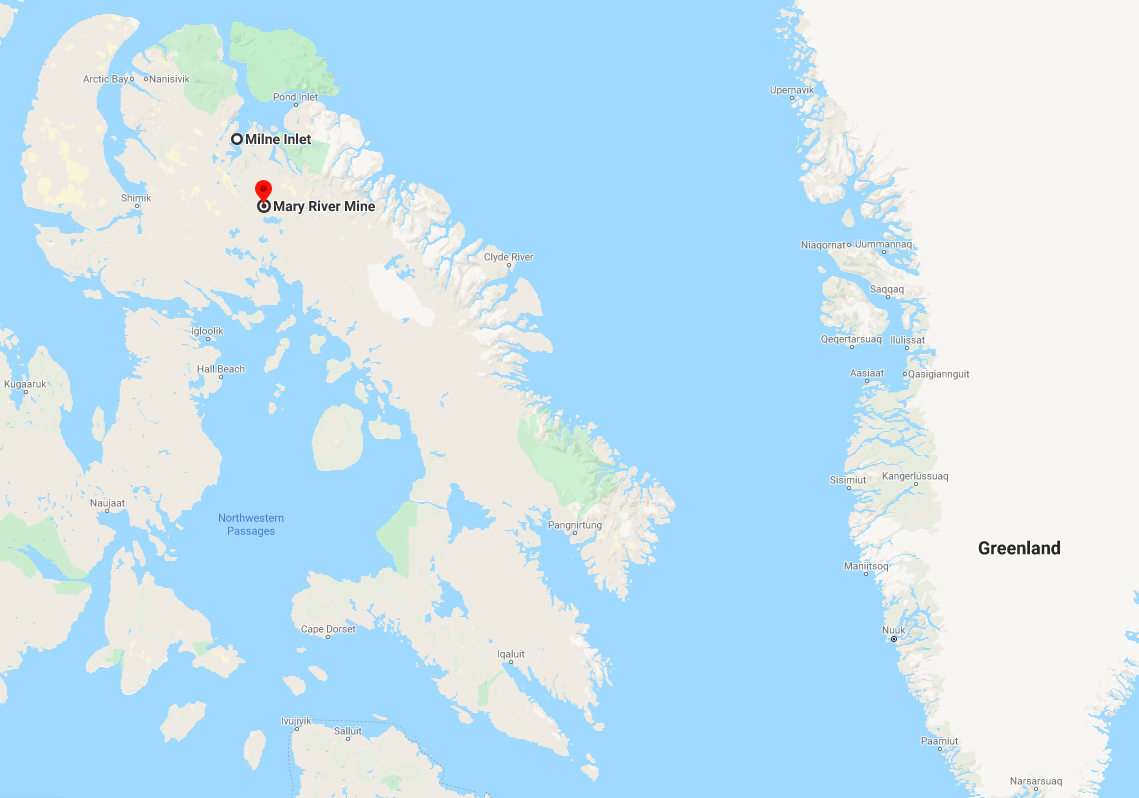
Hunters and trappers organizations in three Nunavut communities are raising concerns Baffinland Iron Mines Corporation’s proposal to expand its Mary River mine, including the construction of a 149-kilometre rail line, will be detrimental to wildlife in Foxe Basin.
The organizations from Naujaat in the Kivalliq region, and Igloolik and Sanirajak in the Qikiqtaaluk region, are seeking consultation and a full review of the expansion plan, arguing it will impact their right to harvest.
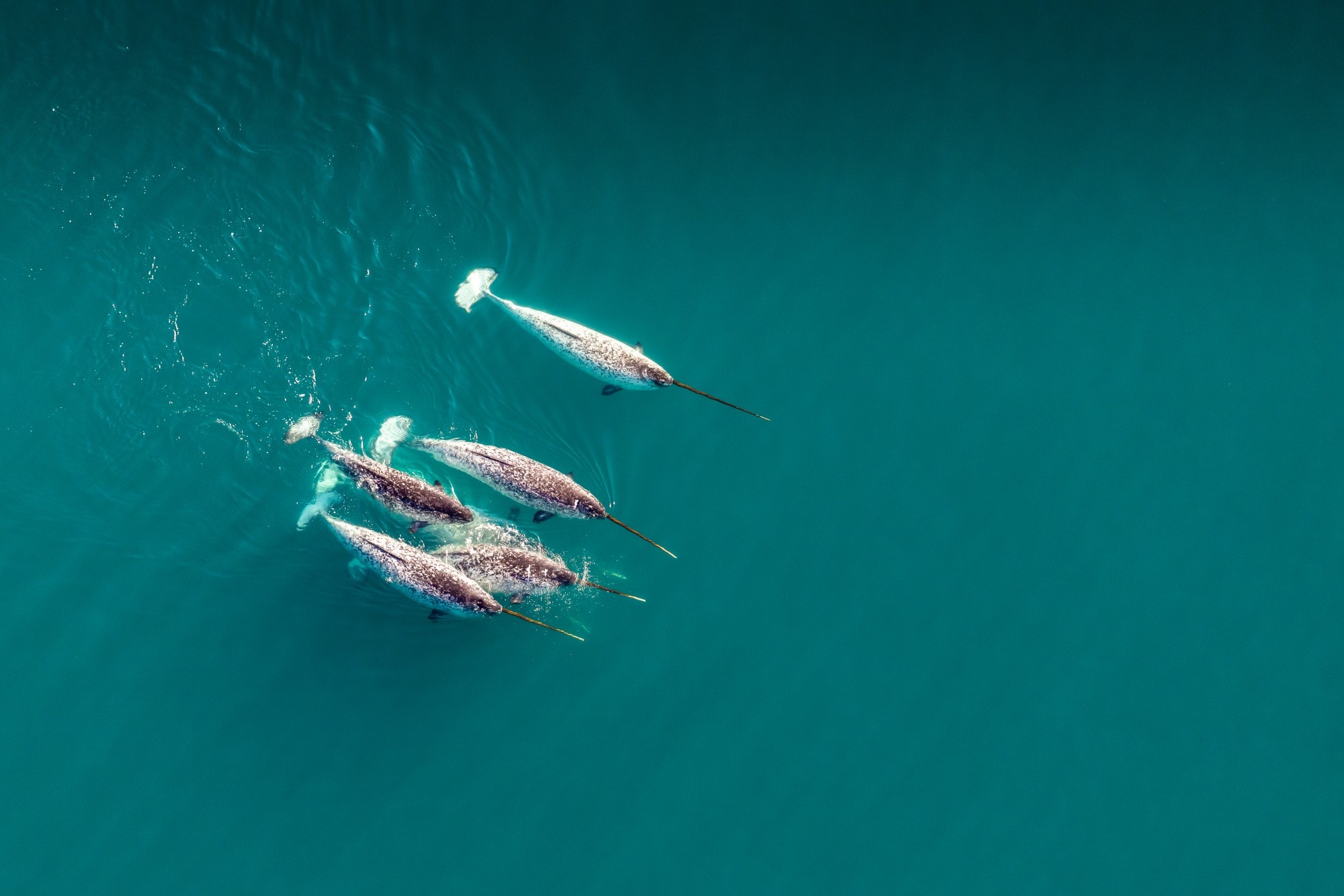
Made up of the shallow waters off the west coast of Baffin Island, Foxe Basin is an important environment for marine species including narwhals, walruses and bowhead whales.
Inuit in all three communities rely on the area to harvest these animals for food and as a way of life. But the expansion is likely to change that, according to John Ell-Tinashlu, chair of the Arviq Hunters and Trappers Organization in Naujaat.
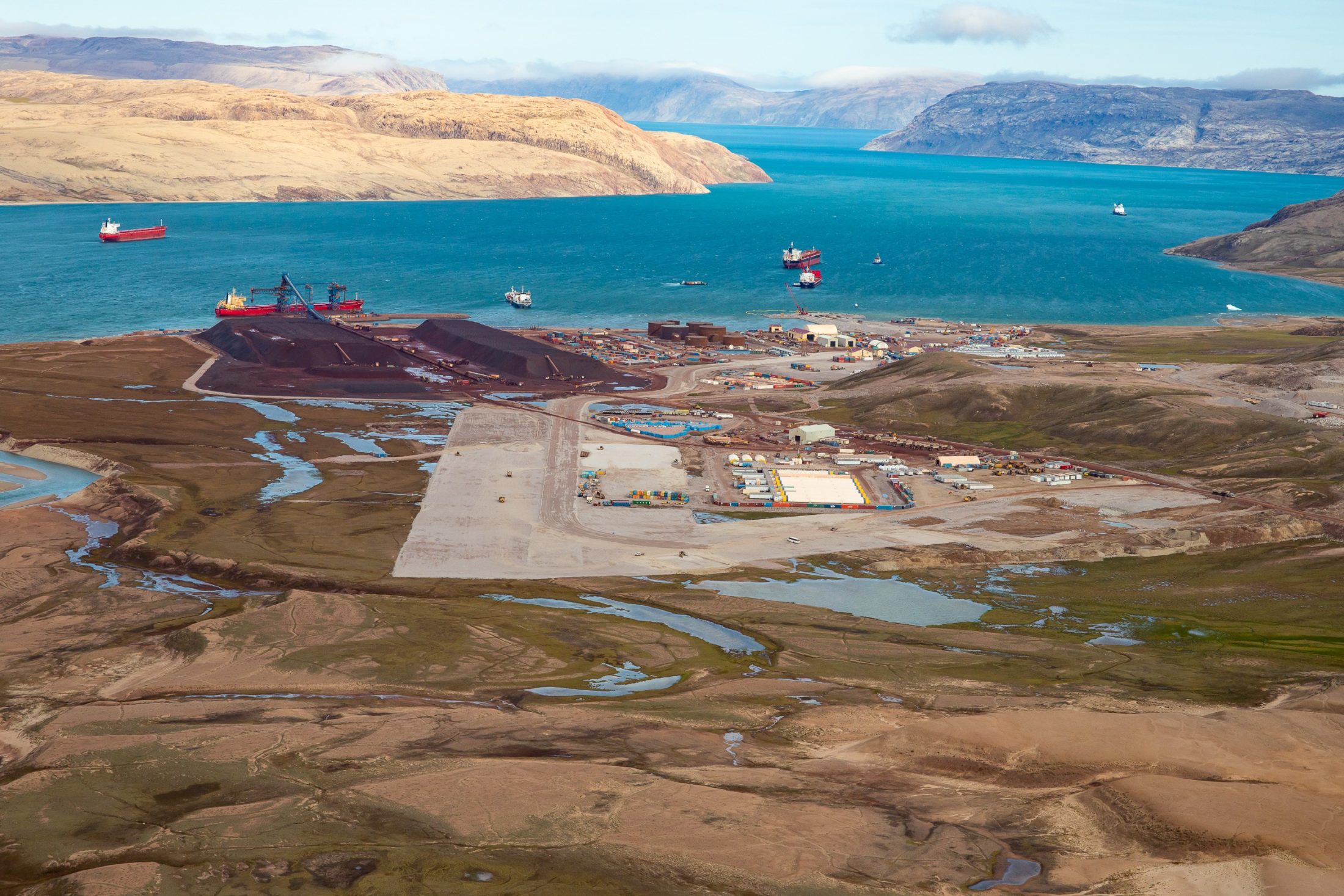
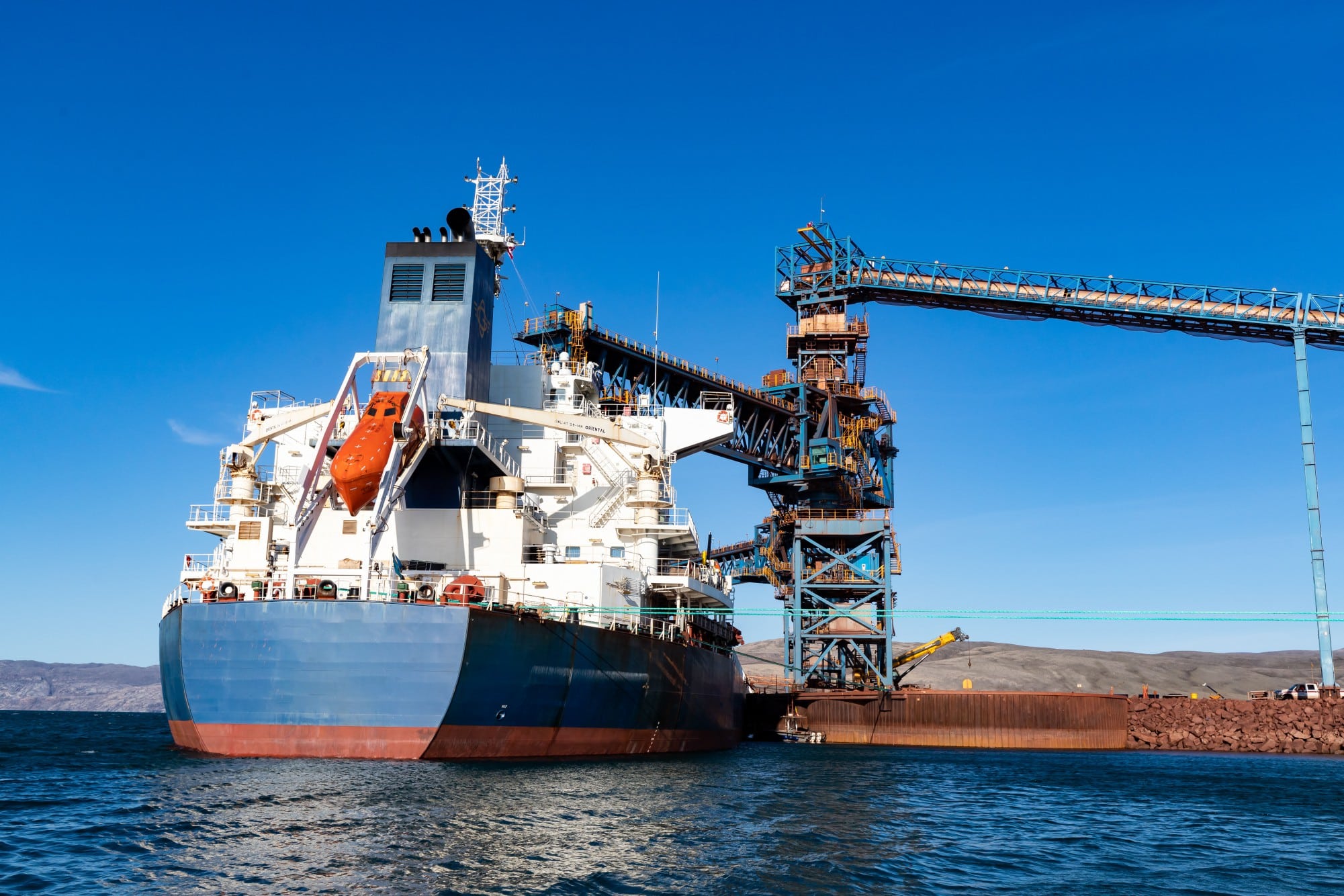
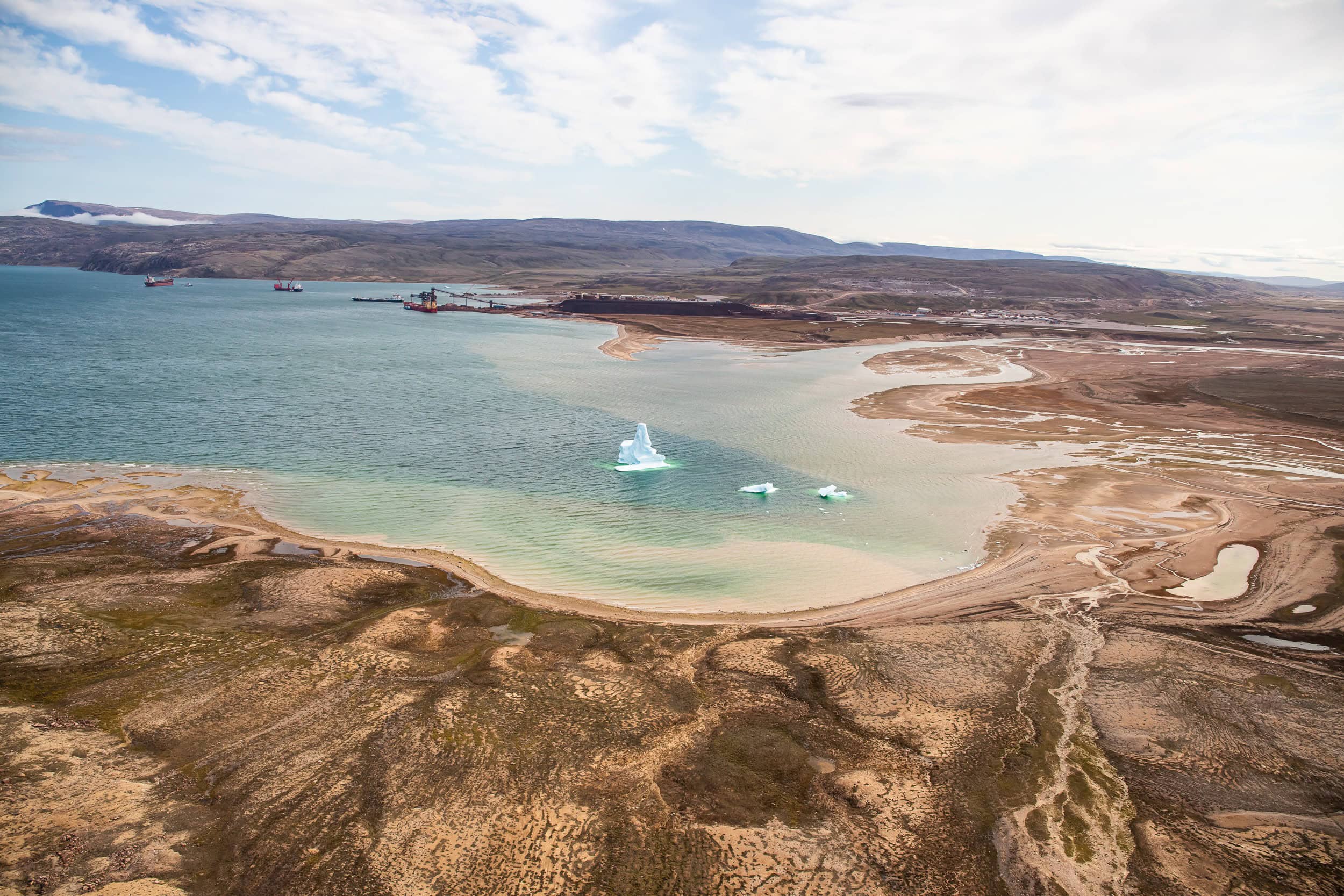
Baffinland’s proposed Steensby expansion, which received environmental assessment approval in 2012, is aimed at increasing iron ore production at the mine from 4.2 million tonnes per year to 22 million tonnes. Transportation for the iron ore would take place via the rail line from the mine, south to a proposed port on Steensby Inlet, as well as a sea route through Foxe Basin.
“The big difference will be the numbers of ships going in and out [of Foxe],” Ell-Tinashlu says, adding the size of the ships transiting in the area to transport the iron ore each year — as well as their presence year-round — will affect the entire food chain.
“With narwhals, when they hear the lightest noise, they quit making sounds until the [shipping noise] gets farther,” he says. “And it’s not just narwhals — bowhead whales, walruses, harp seals, ringed seals, shrimp, cod.” The increased shipping, he says, will have impacts on marine life at every link of the food chain, “from a small predator to a big predator.”
Mirroring concerns from Mittimatalikmiut
A spokesperson for Baffinland said the company has been approved for 242 transits through the Foxe Basin waterway each year, transporting iron ore as part of the expansion. James Gunvaldsen Klaassen, a lawyer with Ecojustice, says this will deeply affect the local narwhal population, in particular, as the ore carriers will follow the same path as the local narwhal population’s migration route — from summer in Repulse Bay, where Naujaat is located, to Foxe Basin and Hudson Strait in the fall — causing serious impacts to the marine mammals.
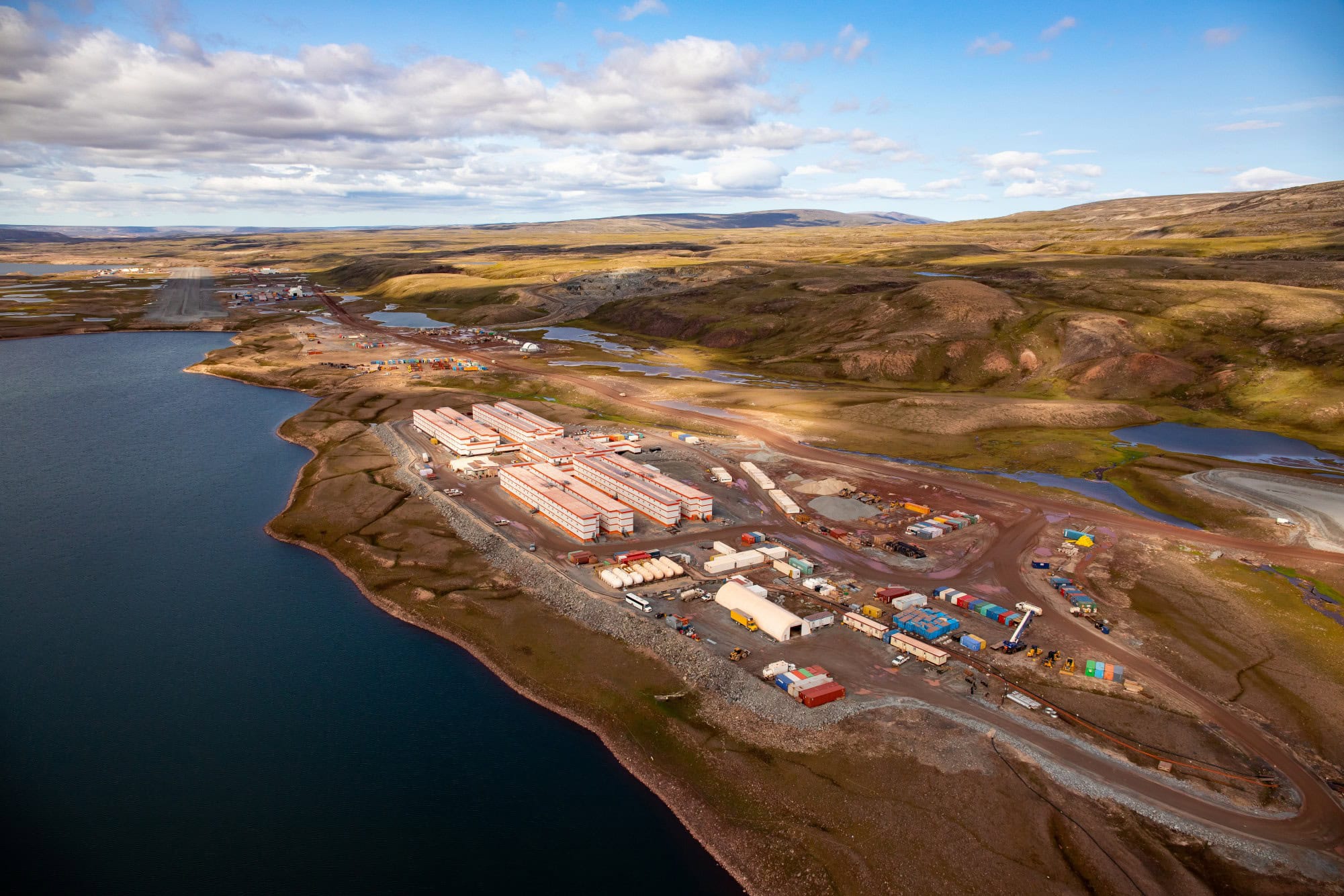
The impacts of such activity are already known in communities such as Mittimatalik, or Pond Inlet, which is located on Eclipse Sound just east of Baffinland’s current port on Milne Inlet. In 2018, Baffinland began seeking approval to increase production to six million tonnes per year, with a proposed second phase that would involve increasing production to 12 million tonnes per year.
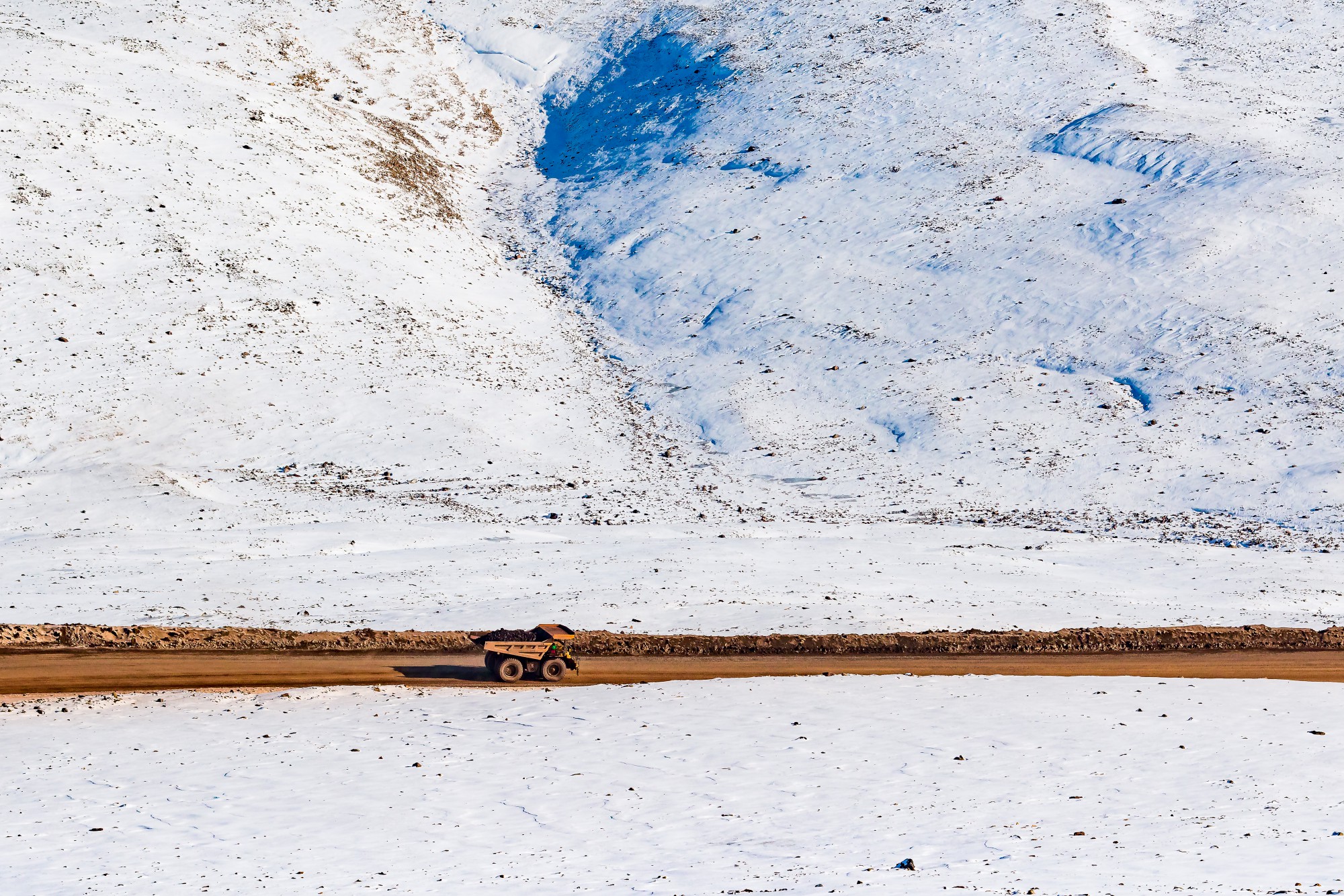
The Nunavut Impact Review Board recommended against the increase to 12 million tonnes and former federal minister of northern affairs Dan Vandal rejected the proposal in 2022. Under its current operating licence, Baffinland is allowed to mine up to 4.2 million tonnes of ore from Mary River annually, and since 2018, has been granted temporary permission to mine up to six million tonnes per year.
“The Arviq [Hunters and Trappers Organization] has heard from other Inuit who live in Pond Inlet and are dependent on the narwhal in Eclipse Sound that when the ore carriers travelled there the narwhal were very sensitive to noise and it disrupted migration patterns,” Klaassen says.
“At that point, the narwhal started to go to other places and disappear from the locations they’re normally found in. Some still return, but there’s a big difference in how many come back year over year.”
Inuit in Mittimatalik have found the health of narwhals to have been impacted by the stresses associated with ships as well, Klaassen added.
“The Arviq [Hunters and Trappers Organization] has seen this happen in the north side of Baffin and they’re extremely concerned it’s going to happen in their area as well when the shipping starts, so this is a big concern.”
By email, Baffinland’s spokesperson Peter Akman said Baffinland is taking concerns raised by the Arviq Hunters and Trappers Organization seriously, and has invested significantly in underwater acoustic monitoring, through which it has found “while noise from project vessels is detectable in the underwater soundscape, vessel noise exposure is temporary in nature and below sound levels that could cause acoustic injury.”
“We’ve implemented measures to reduce vessel noise and mitigate potential impacts on these sensitive species,” Akman said. “Our approach includes reducing vessel speeds to minimize noise and disturbance, implementing a designated marine shipping lane, avoiding ecologically sensitive areas and scheduling vessel transits to avoid breaking ice at the beginning of the shipping season.”
Akman added Baffinland also requires vessels to maintain minimum distances from marine mammals and to follow strict protocols including observing a speed no faster than nine knots, maintaining fixed routes and avoiding ecologically sensitive areas.
“Hudson Strait connects Foxe Basin to the Labrador Sea, forming a marine ‘superhighway’ for narwhal, bowhead and beluga whales. Foxe Basin also supports the largest walrus population in Canada,” Sam Davin, lead specialist for conservation and shipping at World Wildlife Fund Canada, says. “More ships will mean more pollution, noise, black carbon and a greater risk of ship strikes.”
In the case of narwhals, Davin said the marine mammals are among the most sensitive to underwater noise and are “more stressed than ever as industrial activity and shipping in their habitat intensifies.”
“A Fisheries and Oceans Canada study, supported by WWF-Canada’s Arctic Species Conservation Fund, found that cortisol levels of narwhal in Eclipse Sound, near Pond Inlet, increased by 200 per cent from 2013 to 2019,” he said. “Already under intense pressure from rapid climate change, these species will be placed under even greater stress if proposals to dramatically increase shipping and related infrastructure in the Canadian Arctic proceed.”
Davin added, “There is no scenario in which a project of this scale does not have a significant impact on marine mammals and other species in the region.”
Former Nunavut premier opposes expansion, cites lack of consultation
Paul Okalik, former premier of Nunavut and lead Arctic specialist with World Wildlife Fund Canada, said he understands Arviq Hunters and Trappers Organization’s concerns about the Steensby expansion as he got involved in advocacy against the Mary River Milne port expansion in 2018.
As well as proposing to increase production to 12 million tonnes per year under its phase two expansion, Baffinland wanted to build another railway to move all of that ore to the Milne port, rather than by road.
“I had grown up 800 kilometres south of the current project, and we had only been exposed to narwhal in early spring, before ice breakup,” he recalls. After the mine received approval to increase annual production to 6 million tonnes, he says, “we were starting to see narwhals in the summer months — in August — because they were being displaced and dispersed.”
“Since [Baffinland was] not approved for expansion on the eastern front through Milne port, they now have started to focus their attention on trying to ship ore through Steensby, and that’s going to be brutal for Naujaat, in particular, where they depend on narwhal in the summer months.”
According to Okalik, a key difference between the Milne port expansion and the one proposed at Steensby is that Inuit from Mittimatalik were consulted about the former, while Inuit in Naujaat were left out of the 2012 approval of shipping through Foxe Basin.
“Fortunately for Mittimatalik and the surrounding communities, they were able to take part in the hearings and have an influence on the decision of the proposed phase two [expansion at Milne port] and they were able to push back and say, ‘This is not acceptable to us,’ ” Okalik says.
“For the Steensby port and railroad project, there has never been any hearing. There has never been any input from Naujaat to influence that decision that took place in 2012 because they were never approached, they were never able to take part in any hearing. That’s a really flawed decision in my opinion, because any community that’s going to be impacted deserves to have a say and influence on the impending project.”
The lack of consultation with Inuit in Naujaat in 2012 — and in the 14 years since — is why Ell-Tinashlu said the Arviq Hunters and Trappers Organization is working with Ecojustice to call on the Nunavut Impact Review Board and Inuit associations for a complete review.
They have seen some response since organizing a news conference for this call with the Igloolik and Sanirajak hunters and trappers associations in Iqaluit on May 15. Klaassen confirmed the Arviq Hunters and Trappers Organization participated in Nunavut Impact Review Board meetings in Iqaluit as part of their assessment of the cumulative effects of the Mary River project in early June. On June 29, the review board announced a final virtual information session on July 14, acknowledging some in-person sessions in May had been impacted by weather and travel issues.
However, Klaassen emphasized the organization continues to “have some concerns about its scope and whether it will lead to any meaningful changes in relation to the project’s impacts on their livelihood and harvesting rights under the Nunavut Land Claims Agreement.”
According to Akman, consultation on Steensby “has been extensive” and the Nunavut Impact Review Board’s original scoping of potentially affected communities was public and included the community of Coral Harbour, which is also in the Kivalliq and close to the proposed shipping lane.
Akman said Naujaat did not elect to participate in the public review at the time and as a result was not integrated into Baffinland’s community and stakeholder engagement plans for this expansion. He also said the Arviq Hunters and Trappers Organization has never reached out to Baffinland for a meeting but the corporation is working to address concerns raised by hunters who are part of it.
Akman added that Baffinland itself led direct engagement efforts in all Qikiqtani communities affected by the mine between 2023 and 2024 to develop the necessary applications following the environment assessment authorizations.
“Following the submission of our applications, the federal government commenced an extensive engagement process with the same affected communities, completing several rounds of written and in-person exchanges between March 2025 and January 2026.”
In the case of Igloolik and Sanirajak, Akman said Baffinland has organized in-person consultations to discuss environmental monitoring and mitigation measures for the expansion 48 times since 2023. The engagement has involved discussions about “community access to vessel routing information, marine mammal and caribou protection measures, incorporation of Inuit knowledge and the inclusion of approximately nine proposed snowmobile and ATV crossings along the railway at locations identified through consultation with Inuit to support safe travel and land use.”
In a May 2025 response to the Canadian Transportation Agency’s consultations on the Steensby expansion, the Igloolik Hunters and Trappers Association said consultations have been piecemeal and the association has “serious unresolved concerns,” which is why it believes permits for the expansion should not be issued at this time.
The Igloolik Hunters and Trappers Association also said the original review and assessment of the expansion is over a decade old, and therefore outdated. It called for new assessments instead, arguing that under federal legislation, a mining company has five years to begin operations. After that, a re-consideration of the terms and conditions is required.
“These ‘sunset clauses’ exist because environmental conditions and knowledge change over time, sometimes necessitating reassessment,” the association said in its response.
“This same logic should be applied to Baffinland’s plans to build a port and railway to Steensby Inlet.”
For both Klaassen and Ell-Tinashlu, consultations remain but a first step in the process — what they would like to see is concerns about the expansion addressed and alternatives found for the impact the Steensby expansion will have on the way of life for Inuit in Naujaat, Igloolik and Sanirajak.
“We’re in a tough situation and we need Canada, our government, to step up,” Ell-Tinashlu says.
“This shipping route will run for 40 to 45 years if they go ahead and our Foxe Basin animals will be absolutely gone.”
Baffinland debts put future of mine, expansion into question
Baffinland’s current financial crisis has also put the future of its proposed expansion into question. As the biggest industrial development project and largest private-sector employer in Nunavut, the Mary River mine contributes nearly a quarter of the territory’s GDP.
The Milne phase two expansion, had it been approved, would have generated $2.4 billion for Inuit organizations including Nunavut Tunngavik Inc. and the Qikiqtani Inuit Association over 17 years of operations, according to Baffinland.
In addition, the corporation had said it expected $680 million in revenues generated for the Government of Nunavut annually as well as a total of $1.7 billion in revenues for the Government of Canada over the life of the mine.
Baffinland anticipated the total gross domestic product generated in the Canadian economy over the Milne project’s life span to be over $30 billion.
However, as recently reported by the CBC, as of May 14 the corporation currently owes a total of $2.6 billion to creditors.
On June 30, Baffinland received a $660 million loan from Export Development Canada to provide the company with “breathing room,” according to a news release, and continue operations at the Mary River mine site. The company remains under creditor protection, according to a news release, which could lead to “recapitalization or potential sale of the company.”
“Ultimately, what the Arviq [Hunters and Trappers Organization] would like to see is a different route for this railway and port,” Klaassen says.
“Arviq [Hunters and Trappers Organization] is not opposed to the operations at Mary River. It must be done responsibly and carefully. … The big concern is not to shut down that operation, but to make the route much better and more carefully arranged so that the rights of Inuit are protected and the environment is protected.”
Klaassen also says as an organization made up of Inuit from Naujaat, Arviq has constitutional rights based on the Nunavut Land Claims Agreement and the ability to assert those rights in court if necessary. While no legal actions have been filed so far, he says they continue to be “a distinct possibility.”
“We’re talking about a way of life and food security for the Inuit living [in Naujaat],” Klaassen says. “Those must be protected, otherwise it’s going to be a disaster.”