



 11 min. read
Every time workers dig into the ground in Attawapiskat First Nation, Chief Sylvia Koostachin-Metatawabin says there is a chance they will uncover a problem the community has lived with for decades.
During repairs near her home, she said a worker stopped to tell her what he had found beneath the surface, close to a water line.
“Hey, chief, I saw the fuel on your property. A pool of fuel,” she recalled him saying.
But there was no equipment to clean it up, she said, so the excavation was covered again.
For community leaders, these discoveries are reminders of what they describe as a decades-long problem of diesel contamination beneath Attawapiskat, a Cree community in Ontario’s Far North on the western side of James Bay. It’s an issue both the federal and Ontario governments have known about for years but have failed to fully address.
Federal records show the issue was brought to the attention of Minister of Indigenous Services Mandy Gull-Masty last year, in a briefing note received on July 2, 2025.
A copy obtained through an informal access-to-information request revealed almost none of its contents. Most of the material was redacted under provisions of the Access to Information Act protecting personal information, government advice and recommendations and information subject to legal privilege.
A copy of the heavily redacted briefing note received by Minister of Indigenous Services Mandy Gull-Masty last July, regarding the contamination of the core of Attawapiskat.
These heavy redactions make it impossible to determine what officials advised the minister or what action, if any, was recommended.
But, a recent lawsuit filed by the First Nation claims that, a week after the briefing note was received, Canada refused to contribute to the costs of a remediation plan.
After years of negotiations and this alleged recent, unsuccessful, attempt to secure funding for a comprehensive clean-up, the First Nation is asking the courts to intervene.
Attawapiskat is seeking $200 million in compensation, including aggravated and punitive damages, from Canada and Ontario over diesel contamination in an area known as the Core of Community, provincial land that sits in the middle of Attawapiskat but is not legally part of the reserve.
“[The core] is not fenced off. It’s not separated physically from the community,” Chris Evans, a lawyer with Woodward & Co. Lawyers LLP, which represents Attawapiskat, told The Narwhal.
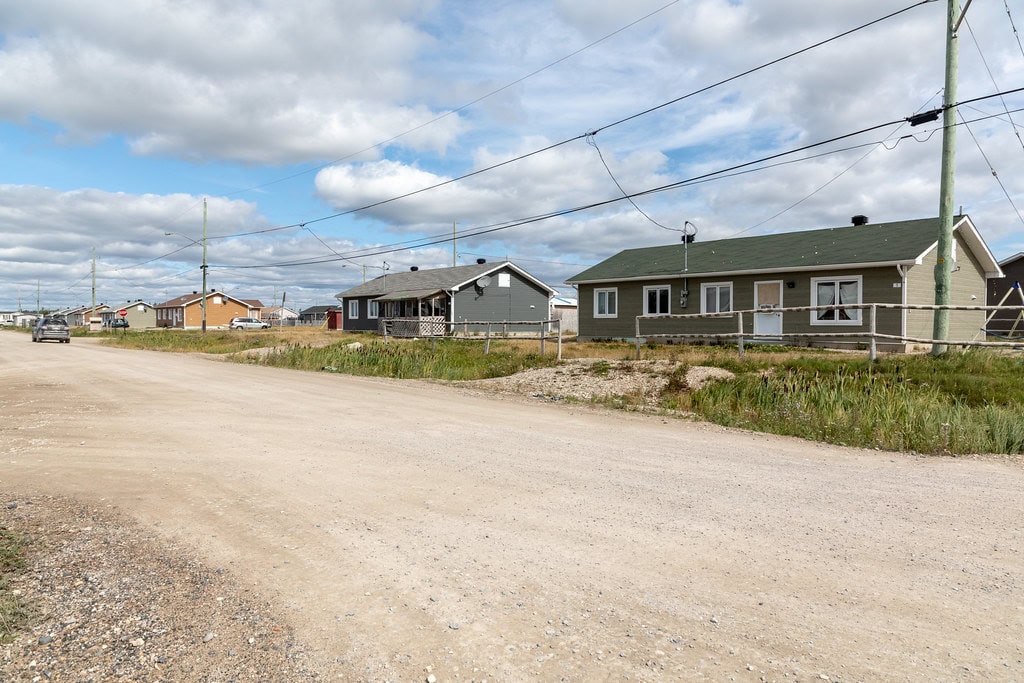
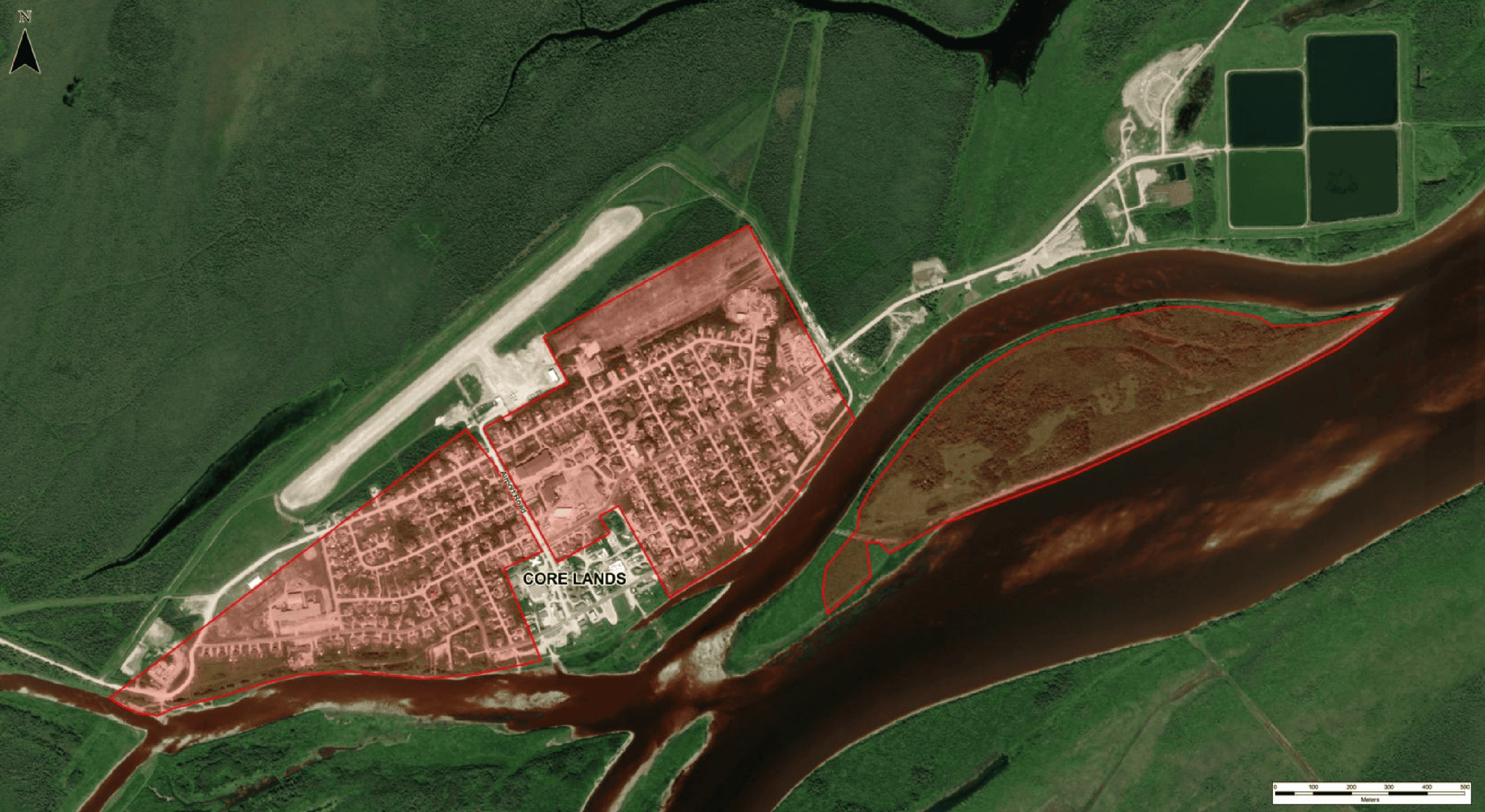
The land isn’t empty. It is where children go to daycare and patients seek medical care. It contains a grocery store, a gas station, a place to access mental health and wellness services and the diesel generating station that provides backup electricity during outages.
“Many members of the community are unaware that it’s not part of the reserve because it’s fully integrated into it,” he said.
The lawsuit alleges Ontario has also failed to commit to funding, for the portion associated with the provincially-funded Weeneebayko Area Health Authority which owns facilities in the core.
The First Nation also says the contamination is preventing the core from being added to its reserve, wasting land it urgently needs for housing.
“There comes a time when we just say, enough is enough,” Koostachin-Metatawabin said.
Attawapiskat is also asking the court to declare that Canada and Ontario failed in their legal and moral responsibilities by breaching their fiduciary duties, the honour of the Crown and their duties of care.
None of the allegations have been proven in court.
In a written statement, Indigenous Services Canada told The Narwhal it is reviewing the claim, adding, “As this matter is currently before the court, we cannot comment further at this time.”
The Ontario premier’s office, Ministry of the Attorney General and Ministry of Indigenous Affairs and First Nations Economic Reconciliation did not respond to requests for comment.
A problem generations have lived with
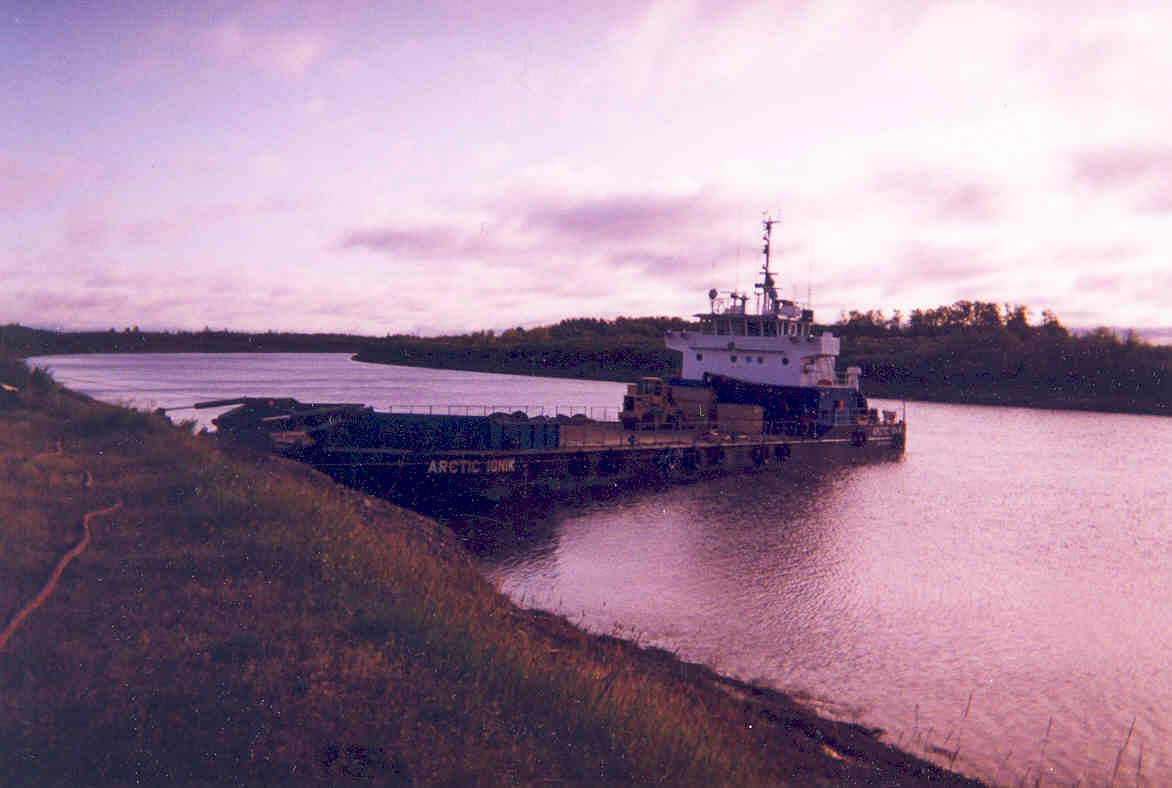
Attawapiskat relied primarily on diesel-generated electricity for generations, from the 1960s until it was connected to Ontario’s power grid in 2003. Diesel continues to be used for backup power.
The nation alleges the pollution resulted from spills and leaks from the diesel infrastructure, including pipelines, trucks, storage tanks and the generating station.
“There have been many diesel spills,” Evans said. “They’ve happened for various reasons. Most likely, it’s because this system was not installed properly and maintained properly over the years.”
According to the statement of claim, there was no room for the generating system on the reserve. The federal government measures the reserve to be about 15 square kilometres, an area 1.5 times the size of Toronto’s High Park for a population of 2,000 people. The infrastructure was instead built on neighbouring provincial land. In 1973, after some reserve land was surrendered to build an airport north of the community and an equivalent area was added to the west, the core became the centre of Attawapiskat.
The lawsuit says the diesel infrastructure was owned or operated at different times by organizations including the local Roman Catholic mission, Ontario Hydro and its successors. Ownership of some infrastructure has since been transferred to Attawapiskat in connection with the community’s move to grid electricity, and is now used as a backup power system.
According to the claim, some individual spills have been partly cleaned up over the years, but the contamination across the core has never been fully remediated.
“There have been piecemeal efforts made at various times to identify and clean up the contamination,” Evans said. “But generally, it hasn’t been done.”
For many residents, the contamination of the core is part of an endless cycle.
J.R. Nakogee school closed in 2000 because of diesel contamination beneath the building and school grounds. Students spent more than a decade attending classes in portables before Kattawapiskak Elementary School opened in 2014.
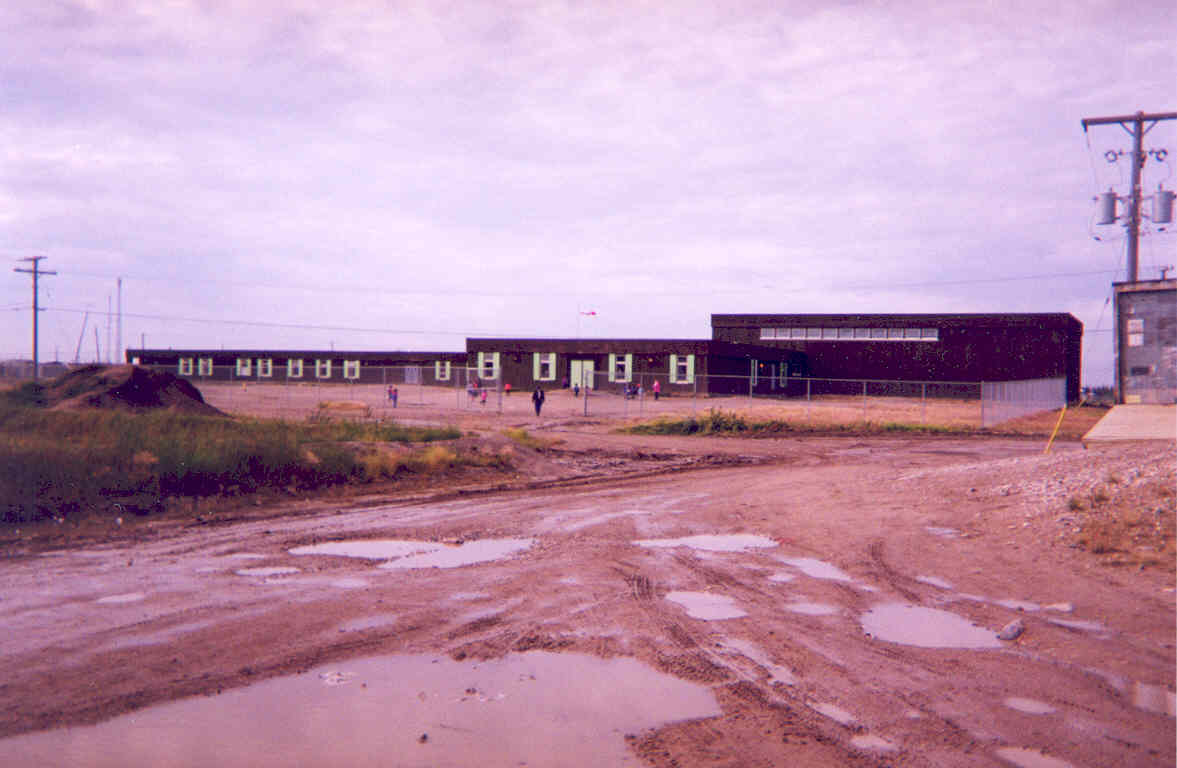
The former school site is separate from the land involved in the current lawsuit. But Koostachin-Metatawabin said the earlier contamination continues to shape how residents understand the potential risks.
She said some former employees and families believe the contamination has caused them to become ill.
“They attribute their health, their families’ health that pass on or are sick to being constantly exposed to fuel contamination,” she said.
Reminders of the contamination return whenever ground is disturbed, Koostachin-Metatawabin said.
“When you start excavating, you get the smell of diesel. It’s persistent,” she said.
The statement of claim alleges diesel has migrated from the core onto reserve land in several places. It also alleges the contamination could eventually reach Attawapiskat’s drinking water supply and the Attawapiskat River if it is not remediated.
“The diesel moves and migrates over time and the longer it stays in the soil the more likely it is to get into our water supply — and that would be catastrophic,” Deputy Chief Kara Fireman said in a press release about the court case. “It could even force us to entirely relocate.”
Diesel and fuel oils are complex mixtures that can contain substances such as benzene, toluene, ethylbenzene and xylenes. Benzene has been considered toxic by Health Canada since 1993, and labelled it a “known human carcinogen” as recently as 2024. The health implications of a specific contaminated site depend on factors including which chemicals are present, their concentrations and whether people are being exposed through soil, water, air or direct contact.
The site-specific assessment prepared for the remediation project, which analyzes the concentration of chemicals in the core, has not been released publicly.
A clean-up plan was ready. Then it stopped
In 2023, Attawapiskat approached organizations with legal interests in the diesel infrastructure to develop a comprehensive remediation plan.
Attawapiskat, Hydro One Remote Communities Inc., the Weeneebayko Area Health Authority and the local electric transmission company hired Stantec Consulting Inc. to investigate the contamination and prepare a remediation action plan and budget.
According to the statement of claim, Stantec completed a draft plan in January 2025. The participating organizations agreed to a preferred option involving off-site disposal and bioremediation and agreed on how the costs would be apportioned among them.
The environmental report and total projected cost have not been released publicly.
“The parties agreed on an option and an apportionment of costs for implementing those options,” Evans said.
According to the lawsuit, the plan stalled at a meeting on June 9, 2025.
Canada advised the parties it would not contribute to the cost of implementing the remediation plan, the claim alleges. Attawapiskat had expected Canada to cover the share associated with assets assigned to the community, but the federal government advised the parties it would not contribute to the cost of implementing the remediation plan, the claim alleges.
“Attawapiskat doesn’t have the means to pay the apportionment that was assigned to it, and relied on Canada to cover that cost, and Canada refused,” Evans said.
Similarly, the claim says the Weeneebayko Area Health Authority expected Ontario to fund its portion, but the provincial government didn’t commit.
The claim says Hydro One Remote Communities Inc. and the local electric transmission company remain supportive of the remediation effort and willing to cooperate, and that work could have begun in August 2025 and been completed within two years if funding had been secured. Instead, no comprehensive remediation has started.
Attawapiskat says housing crisis another reason diesel contamination must be cleaned up
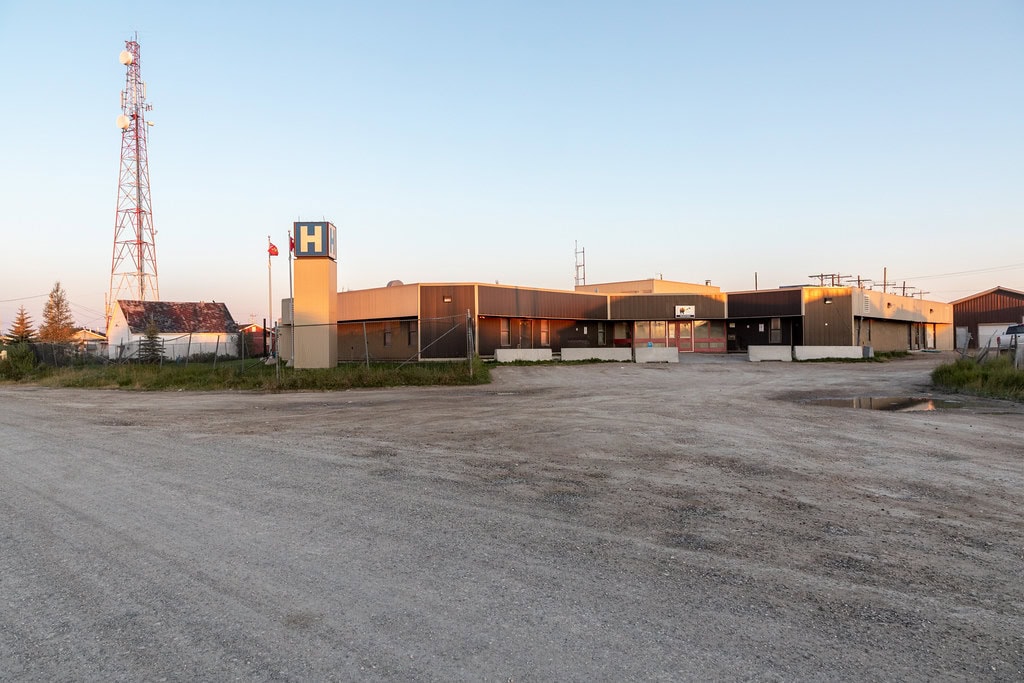
Evans said testing has found considerable contamination beneath the daycare and health facility. Those findings are described in general terms in the statement of claim, but the underlying environmental report is confidential.
“Knowing that there is a toxic pollutant sitting there in the ground in the centre of your community, and that it’s been sitting there for decades in a place where people go and where little kids go to the daycare, where sick people go to the health facility, it’s extremely concerning to them,” Evans said.
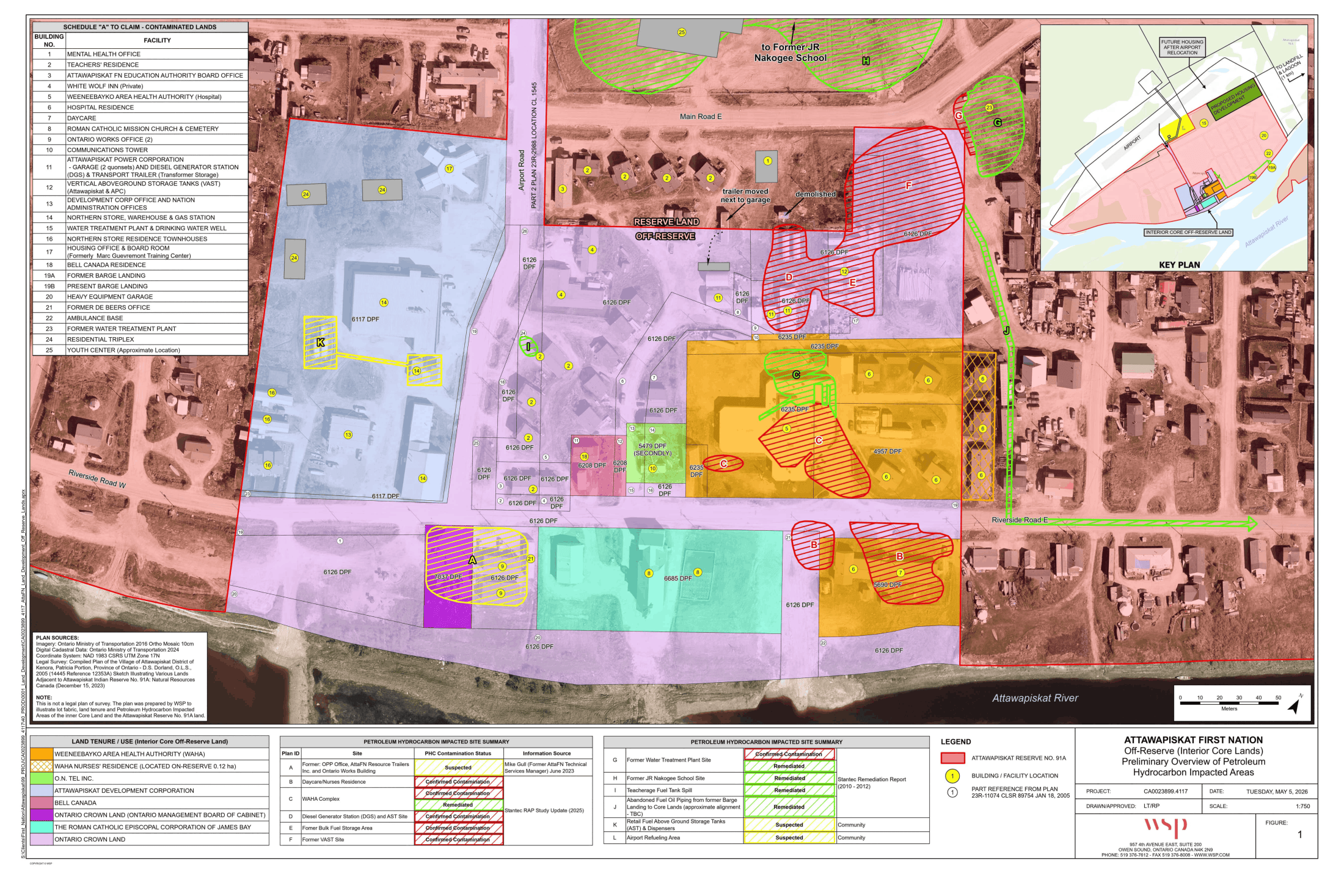
Koostachin-Metatawabin said concerns also surfaced during construction of a youth centre, when workers discovered what she described as pooled fuel during excavation.
The discovery required remediation and delayed construction, she said. Further disruptions during the COVID-19 pandemic left parts of the building exposed, contributing to mold and additional repair work.
“It’s been on the ground for a long time,” she said. “We know it’s there.”
The contamination is also an obstacle to one of the community’s most pressing priorities: finding more room for housing.
The statement of claim alleges the community received far less reserve land than it was promised under Treaty 9, which provided for 2.5 square kilometres for every five members. At the time of signing, the community had a population of about 550 people, equivalent to an area of about 300 square kilometres — 20 times larger than its current reserve.
Attawapiskat filed a separate specific claim with Canada in 2023 regarding its Treaty 9 reserve-land entitlement.
The current lawsuit states some members live in overcrowded, dilapidated or condemned homes, while others lack housing altogether.
The community has sought for years to have the core added to the reserve. But, according to the statement of claim, Canada’s rules about adding land to reserves require contaminated land to be environmentally assessed and, where necessary, remediated before it can be added to a reserve.
Because of the contamination, Evans said, “They can’t use [that land] to do things like add housing to remedy what is a just shocking humanitarian crisis that we’re seeing in the community, resulting from a lack of housing and overcrowding.”
Attawapiskat also provides services in the core, including water, garbage collection and snow removal, even though the land is not part of the reserve and the community says it does not receive federal funding to provide those services.
“I just want them to clean that site to turn it into reserve status,” Koostachin-Metatawabin said. “Because we need and can build some things there.”
The case may take years. The contamination remains
For Evans, the lack of a comprehensive clean-up raises questions about environmental injustice for Indigenous people.
“It’s hard to imagine there being a similar level of complacency toward the contamination here compared with other communities,” he said. “It’s been allowed to sit there for decades.”
He said the implications could extend beyond Attawapiskat.
“Attawapiskat is not alone in having these kinds of contamination problems in its community,” he said. “There are many communities in Ontario and Canada, especially remote communities, that are powered by diesel.”
The lawsuit is in its early stages.
Canada and Ontario had not filed statements of defence at the time of publication. Evans said the governments would ordinarily be required to respond within 30 days, although he expects they will seek more time because of the case’s complexity.
“It will be a few years at a minimum before we get a decision from the court,” he said.
For Koostachin-Metatawabin, the court case is one part of a much longer effort to make the community safe and create room for it to grow.
She said pursuing litigation was never her preferred option.
“I personally don’t like going through the legal court system. I don’t really want to do it,” she said. “But what other means do we have when we’re trying to get them to do the right thing?”
Rajpreet Sahota is a community and policy reporting fellow. Her position is generously funded by the Canadian Race Relations Foundation. As per The Narwhal’s editorial independence policy, the foundation has no editorial input.