




 8 min. read
Summary
- With demand for electricity rising fast, BC Hydro says it needs natural gas power plants to keep operating to ensure the province has enough power.
- Island Generation, a natural gas plant in Campbell River, B.C., was supposed to be decommissioned but BC Hydro is now seeking to renew its contract as the province needs the power.
- Energy Minister Adrian Dix said Island Generation is facing supply issues due to the Squamish-based Woodfibre LNG project. As the project is not yet operational, Dix’s comments have confused and surprised some politicians and experts.
When a heat wave hits Vancouver Island, residents turn up their air conditioning, flick on fans or adjust their heat pumps. Demand for electricity spikes. That’s also true during cold snaps and long, dark winter nights when more electricity is needed to keep homes lit and warm.
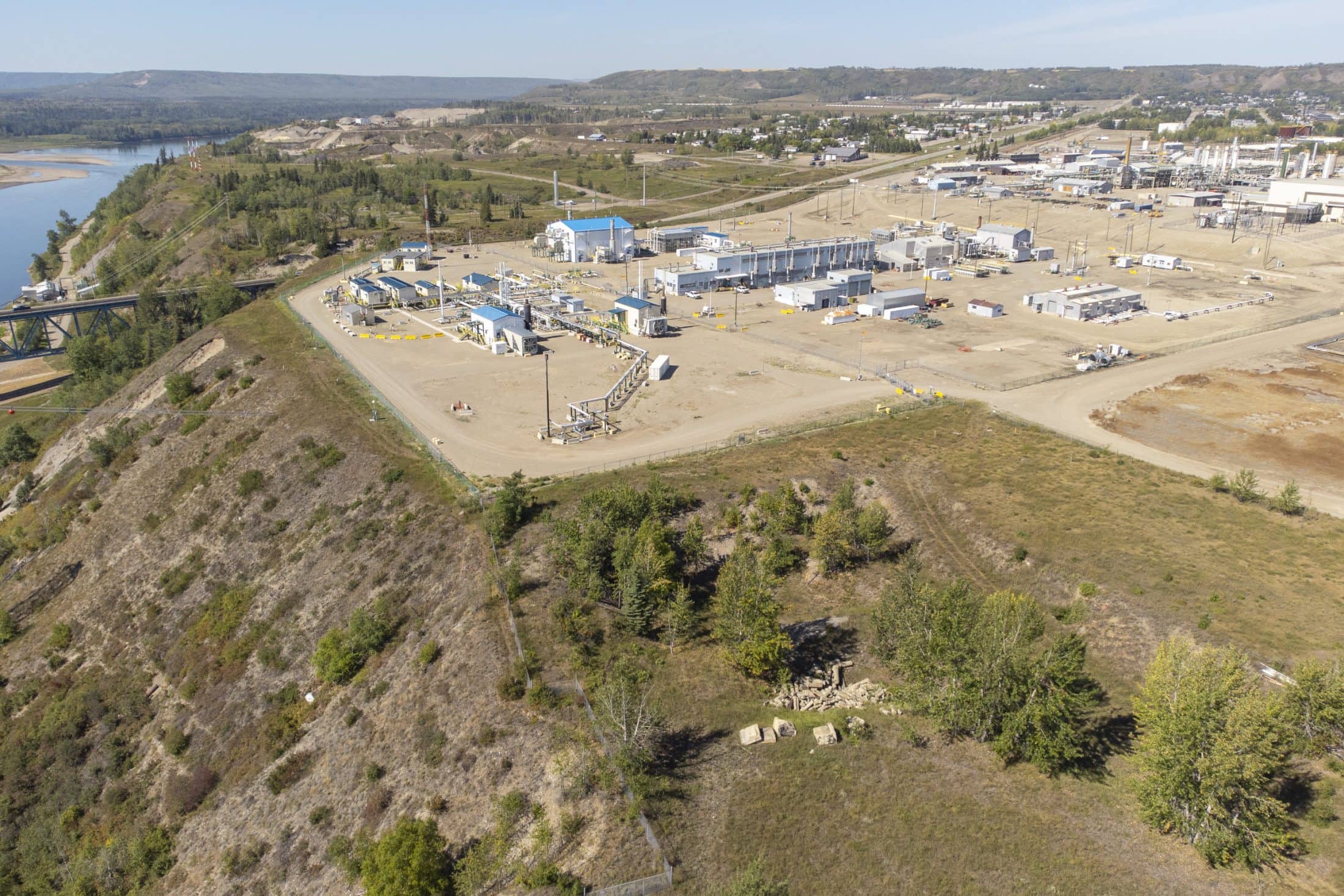
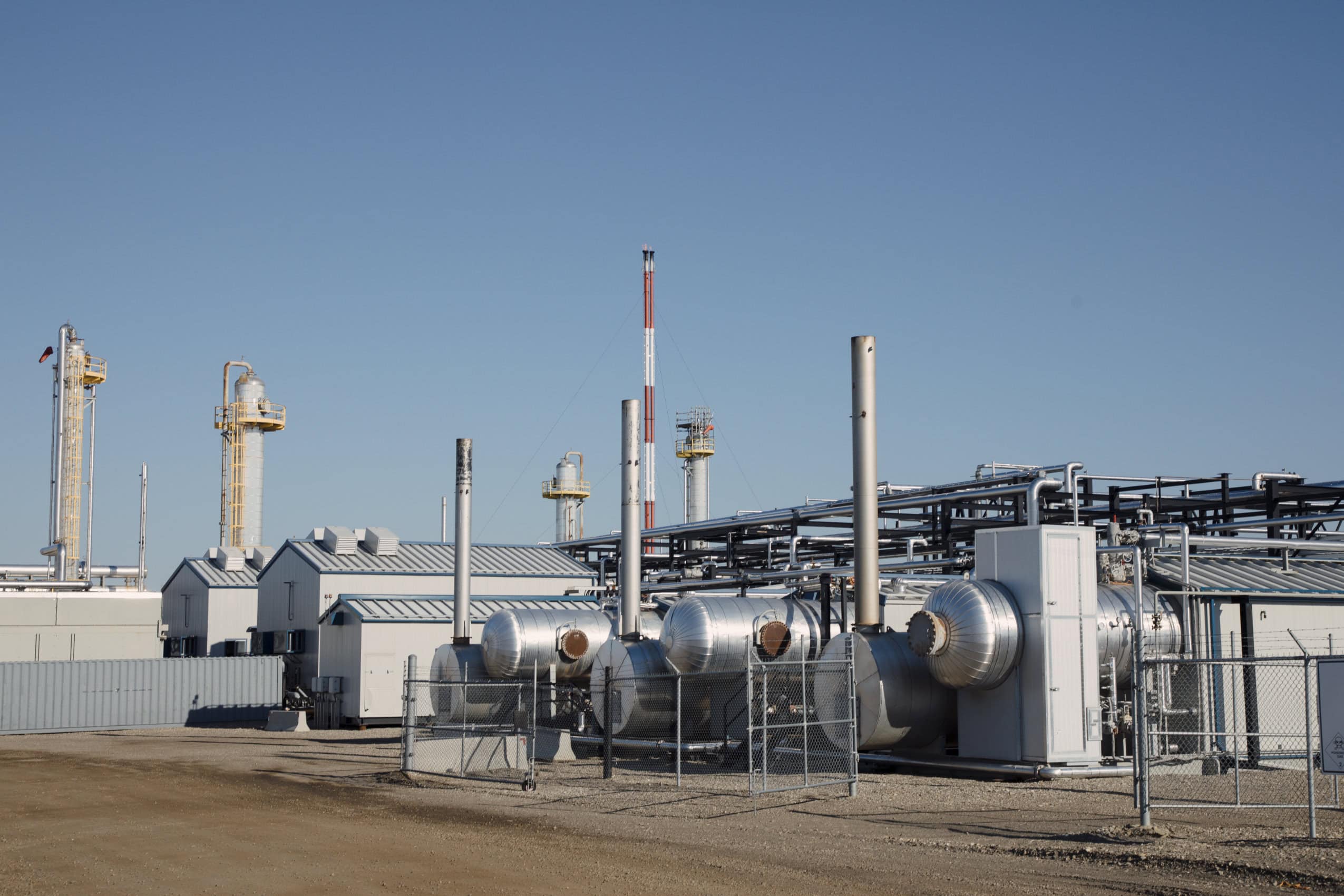
It’s on those days of extreme electricity demand that a Campbell River power plant fuelled by natural gas is most likely to fire up. Island Generation, owned by Capital Power, is one of a handful of facilities in B.C. that use natural gas to produce electricity. It’s what is known as a peaker plant, mostly called on to generate power at times of peak demand.
With a capacity of 275 megawatts, Island Generation can create enough electricity to power about 125,000 homes. It accounts for about one-quarter of all the electricity that can be produced on Vancouver Island. Only about 40 per cent of the electricity used on the island is generated locally. The rest comes from the mainland, transmitted via cables laid across the bed of the Salish Sea.
Over the past five years, Island Generation has operated an average of 15 days per year, according to Adrian Dix, B.C.’s minister of energy and climate solutions.
But, the facility has been having trouble getting the gas it needs to generate electricity at critical times, Dix told members of the B.C. Conservative caucus on April 23. He said the supposed natural gas supply issue is connected to liquefied natural gas (LNG) production.
“The reason why the supply of gas is affected is that gas is going to a project called Woodfibre LNG in Squamish. That has been the issue between ourselves and Capital Power,” he said.

Dix’s statement surprised and puzzled the politicians and experts The Narwhal spoke to. Woodfibre LNG is still under construction until at least next year. Until then, there’s no obvious reason the Squamish facility would be using gas that would otherwise go to Island Generation.
But questions to the Energy Ministry, Island Generation and Woodfibre LNG mostly went unanswered. None provided information needed to clarify the situation with Island Generation’s gas supply.
“Woodfibre LNG will be purchasing gas in the future once the facility is operational,” a spokesperson for the facility said in response to multiple emails and questions, an answer that does not directly address whether the facility is currently buying natural gas, as the minister implied.
The Energy Ministry did not respond to The Narwhal’s request for an interview with Dix or to specific questions about the ministry’s knowledge about Island Generation’s gas supply or its efforts to ensure the facility will be able to get the gas it needs to operate.

Green Party MLA Jeremy Valeriote, who represents the Vancouver-Sea to Sky riding where Woodfibre LNG is located, told The Narwhal he has not been able to clarify Dix’s comments.
“I’m just flagging for the public that it’s been hard for either of us to get any public information on this,” Valeriote said.
‘Where would that extra energy come from?’
BC Hydro’s contract with Capital Power was set to end in October 2026, but it recently applied to the BC Utilities Commission for a new agreement. The application mentions both Island Generation and the McMahon Cogeneration facility in Taylor, B.C., near the heart of the province’s oil and gas industry. The two gas-fired plants could help BC Hydro meet about 80 per cent of a 500-megawatt electricity shortfall it forecasts will materialize by 2030.
Demand for electricity has been rising rapidly in B.C., driven partly by large industrial customers such as LNG terminals and mining operations. BC Hydro has been under pressure to find efficiencies in its system and bring on new generating capacity with an emphasis on renewable sources such as wind and solar.
Meanwhile, the provincial government has been working to usher in an LNG boom, which could put pressure on the electrical grid and increase competition for natural gas.
Valeriote noted BC Hydro is supposed to be phasing out fossil fuel electricity generation, not seeking new contracts with gas-fired plants.
“It’s pretty concerning when we talk about firing up what should have been a decommissioned gas plant on the island that may not even have gas … in those critical, peak times,” he said.
BC Hydro’s submission to the utilities commission argues the Clean Energy Act, which requires it to generate and purchase enough energy to meet demand, trumps the regulations regarding phasing out fossil fuels.
B.C. Conservative MLA Larry Neufeld wants to know what would happen if Island Generation were unable to operate during a demand peak.
“Where would that extra energy come from?” Neufeld, who serves as his party’s critic for oil, gas and LNG, said.
“Would that be siphoned off of the Lower Mainland? Would it be imported? Those are excellent questions that the minister would be responsible to answer.”
B.C.’s LNG push and electricity demand
By 2030, there could be three LNG facilities operating in B.C. and a huge increase in demand for natural gas. In May, the Canadian government celebrated an agreement that could see one of them, Ksi Lisims LNG, sell one million tonnes of liquefied natural gas (LNG) per year to Germany, starting sometime in the 2030s.
Another is LNG Canada, located on B.C.’s coast, the first large-scale LNG export facility in the country.
It is already using up a huge amount of gas to operate: last year, LNG Canada received more than 3.6 billion cubic metres of natural gas. Nearly 10 per cent of what it burned off was because of an issue with one of the flare stacks, as The Narwhal previously reported.
And, it might eventually use much more. Earlier this month, B.C. Premier David Eby, federal Natural Resources Minister Tim Hodgson and LNG Canada CEO Chris Cooper held a press conference about a potential second phase of the project.
The newsiness of this announcement — trumpeting another small step toward a final commitment to proceed — was so thin one reporter asked why a press conference had been called at all. But Phase 2 could make a big difference to the province’s energy supply, as LNG Canada’s demand for natural gas could double as its production capacity rises to 28 million tonnes of LNG per year.
Woodfibre LNG will have a much smaller production capacity. It is expected to produce 2.1 million tonnes of LNG per year and will need about 7.7 million cubic metres of natural gas to do so. That gas will be supplied via a new pipeline branch off the Eagle Mountain pipeline, which currently supplies Vancouver Island, including the Island Generation station.

FortisBC is in the process of building that new section of Eagle Mountain as well as upgrading the section of the pipeline that leads into Squamish. A spokesperson for the company said in a statement that Fortis “regularly assesses system capacity and plans for growth and changing regional needs.”
“FortisBC can meet the needs of existing customers on Vancouver Island and we are continuing to deliver natural gas service in line with our contractual agreements,” the spokesperson said.
The Narwhal also asked Capital Power for an interview to discuss the minister’s comments. In response, a company spokesperson sent a two-sentence statement.
“Capital Power and BC Hydro are engaged in discussions around the future of the Island Generation facility in Campbell River,” the statement said. “Our focus is always to ensure we support the reliable, safe delivery of the power needs of British Columbians.”
A follow-up email with the same questions The Narwhal sent to the Energy Ministry went unanswered.
Conservative MLA Neufeld said British Columbians should not have to worry about a shortage of natural gas, even with a large increase in demand.
“Having spent over 30 years in the industry in northeast British Columbia, I will state that it is my opinion that that is a non-issue,” Neufeld told The Narwhal.
“There is far more than enough natural gas in the ground … we don’t have to be concerned about a supply crunch. Whether that is taken advantage of properly by government and by regulation is another question for the minister.”
But as British Columbians brace for a summer of heat waves and rising electricity demands, the province’s ability to keep power flowing becomes an increasingly important question.