






Kootenay-River-Teck-Elk-Valley-mines-selenium-33-scaled (1)

Water pollution flows across borders, 100% tariff-free

From coal mining runoff in British Columbia to bacterial blooms in the Great Lakes, there are things that just won’t be contained by lines drawn on maps

Share

Water pollution: 100% tariff-free
The Narwhal's masthead logo
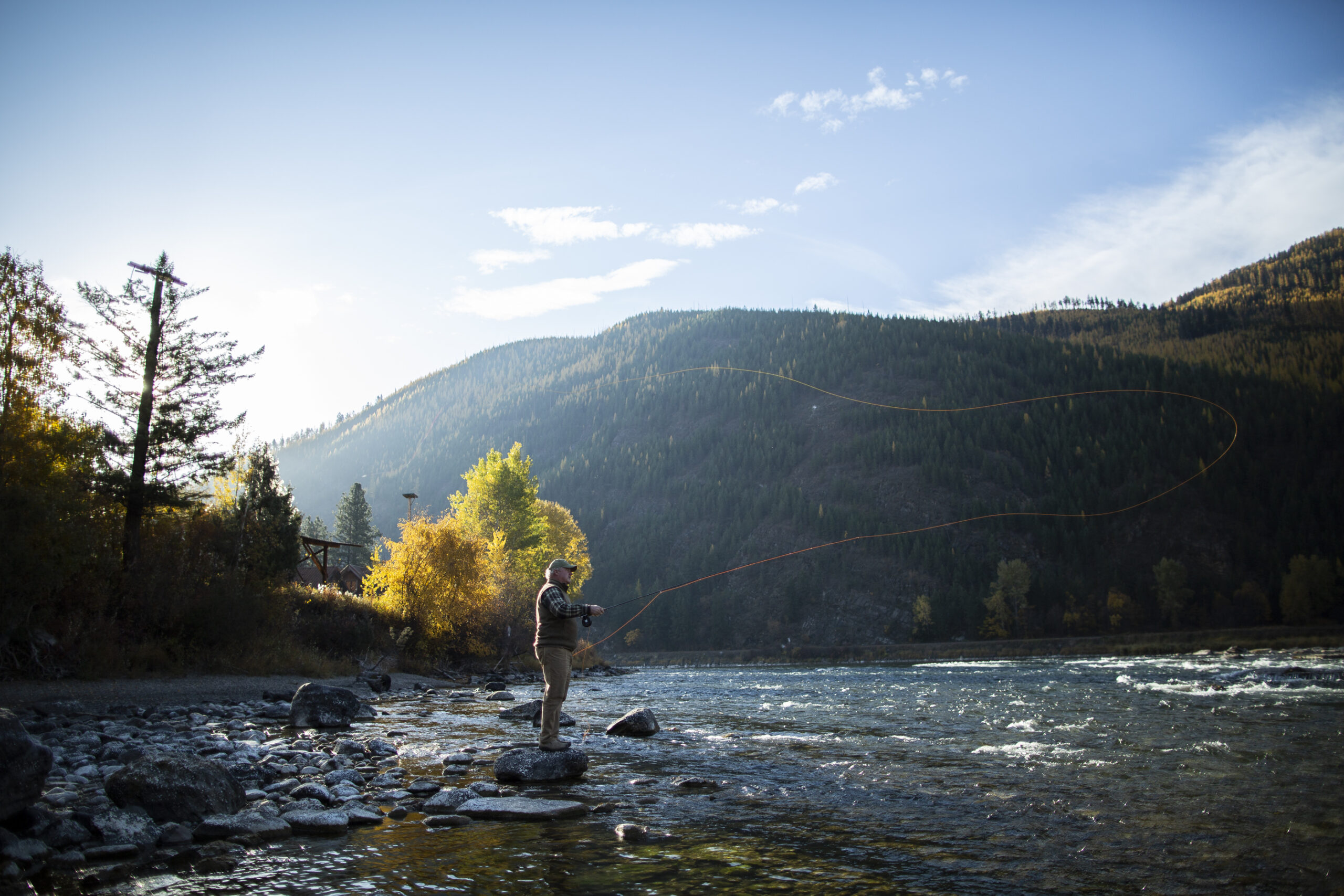
A fly fisherman casts a line on a picturesque riverbend with shallow rapids

Headlines about the ongoing trade war between Canada and the U.S. continue to provide fodder for the daily news machine. Here’s the thing, though: as new reporting from The Narwhal makes clear, there are other types of cross-border flows that won’t be restrained, even by executive orders from the president of the United States. 

Take the summer wildfire smoke that’s drifted up from Washington or down from the Prairies — or the toxins in our lakes and rivers. We share water and air and whatever pollutants they may carry, which means we still need to collaborate to solve thorny environmental problems.

In British Columbia, regulators are weighing a revised proposal for a mine expansion in the southern Rockies, which would involve removing the top of a mountain to unearth coal for steel-making overseas. 

But across the border in Montana and Idaho, there are yet-unresolved tensions over water contamination, imported into the U.S. as a result of a century of coal mining in the mountains of B.C.’s Elk Valley. It took more than a decade of pressure from the transboundary Ktunaxa Nation before Canada and the U.S. agreed in 2024 to launch an international inquiry into cross-border pollution from the mines — an investigation that’s ongoing. 

Considering new mining at this point is “just throwing gasoline on the fire,” Derf Johnson, who works for a Montana environmental group, told biodiversity reporter Ainslie Cruickshank. “It’s tough to say this right now because of the current state of political affairs in the United States, but it’s about being a good neighbour in terms of making sure that our water quality is protected.”
 
Scars from industrial mining in a river valley between snow-capped mountains
🔗 ‘Still knocking down an entire mountain’: new Elk Valley coal mine plan faces pushback
Over in the Great Lakes, governments on both sides of the border are collaborating to monitor toxic bacteria, known as blue-green algae, in Lake Superior and the surrounding watershed. Photojournalist Chris McEvoy followed Nathan Wilson, a doctoral candidate at Lakehead University, as he took samples from a lake near Thunder Bay, Ont., to study the bacteria and better understand its impacts.

The blooms have emerged because of warming water, due to climate change. But temperature isn’t the only factor — leaky septic systems, land development, forestry and agricultural runoff all help supply the nutrients the bacteria need to thrive. 
 
A man throws a fine, sleeve-shaped net on a line off a dock on a tree-lined lakeshore
🔗 Blue-green algae is making a home in the warming waters of Lake Superior’s watershed

Here, as in B.C., the consequences of human activities on land and water fail to respect the arbitrary lines we like to draw across maps. We’d do well to keep that in mind, even as relationships sour on many fronts with our closest neighbours. 

Take care and keep your side of the street clean,

Jacqueline Ronson
Assistant editor
Jacqueline Ronson headshot

🤍 Become a member

a red bar

This week in The Narwhal

Abstract illustration of a shadowy figure in purple on a background of splattered orange, yellow and red
As temperatures spike, so do reports of domestic violence in Canada
By Rebecca Gao
Excessive heat stresses both the body and mind. That leads to a rise in aggression — which harms women, girls and vulnerable communities the most.

READ MORE
A short gif cycles between an older man talking, an aerial view over a small, snow-covered town, and a group of people drilling through ice
VIDEO: On the frontlines of an effort to save Arctic ice
By L. Manuel Baechlin
WATCH HERE
Bill Redelmeier's name, overlaid over a photo of him inspecting a grape plant in a vineyard
Niagara Falls is still awesome, Southbrook winery’s founder says
By Denise Balkissoon
READ MORE
A husky puppy splashes two front paws in a water bowl

Stay cool, stay hydrated — and remind your friends to subscribe to The Narwhal’s newsletter for in-depth reporting on cross-border environmental issues they won’t find anywhere else.
View this e-mail in your browser

Sign up for this newsletter

Read about all the ways you can give to The Narwhal.

You are on this list because you signed up to receive The Narwhal’s newsletter. Unsubscribe from this list.

Update your email address

The Narwhal
Suite 634
185 - 911 Yates St.
Victoria, BC V8V 4Y9
Canada

Add us to your address book

Copyright © 2025 The Narwhal News Society, all rights reserved.
 

Enbridge Gas asks Ontario energy regulator to affirm its free access to public land in Waterloo Region

Enbridge Gas will face Waterloo Region in a hearing before the Ontario Energy Board to renew an agreement that would allow the company to continue...

Continue reading

Recent Posts

Your access to our journalism is free — always. Sign up for our weekly newsletter for investigative reporting on the natural world in Canada you won’t find anywhere else.
'This is not a paywall' text illustration, in the black-and-white style of an album warning label
Your access to our journalism is free — always. Sign up for our weekly newsletter for investigative reporting on the natural world in Canada you won’t find anywhere else.
'This is not a paywall' text illustration, in the black-and-white style of an album warning label