




 4 min. read
Despite pushback from First Nations and environmental advocates, the Ford government is moving ahead with the first segment of a road network to Ontario’s mineral-rich Ring of Fire.
The $61.8-million upgrade to Geraldton’s Main Street project will connect Highway 11 to Highway 584 in Greenstone and is billed as the “gateway” to the Ring of Fire, about 500 kilometres north of Thunder Bay.
The road is the first Ring of Fire project to be approved under Premier Doug Ford’s controversial Bill 5, which aims to fast-track projects by creating “special economic zones” exempt from environmental rules and planning laws. The province says it is a critical step toward unlocking the region’s nickel, copper, platinum and chromite deposits, boosting local economies, supporting First Nations, creating jobs and building a secure supply chain for Ontario manufacturing.
The Geraldton upgrade would eventually link to three other proposed all-season roads to the Ring of Fire, which have been undergoing environmental assessments for several years.
Critics of the highway project say the government is ignoring the risks of moving ahead before completing those assessments and First Nations consultations and warn fast-tracking could actually delay the development it aims to speed up.
“The Ford government is attempting to bulldoze the rights of small remote First Nations with major infrastructure deficits in order to make way for foreign corporations to extract nickel,” said Dayna Nadine Scott, professor and York University research chair in environmental law and green economy justice. “They are risking confrontation on the land.”
Early this year, nine First Nations launched a constitutional challenge against Ontario’s Bill 5 and the federal government’s companion Bill C-5 aimed at speeding up developments deemed essential by both levels of government. The nations allege both bills violate Treaty Rights and the United Nations Declaration on the Rights of Indigenous Peoples by bypassing environmental assessments and permitting.
Kate Kempton, the lawyer leading the lawsuit, said approving a project meant to facilitate “heavy development” in the James Bay Lowlands — where the Ring of Fire is located — without knowing the ecological consequences is “not only reckless, it is dangerous.”
“It might be very little heavy development that tips the peatlands into collapse. Ford is playing with First Nations’ futures and all our lives,” she said.
The road will cross the Attawapiskat River and surrounding peatlands, which remain an unfragmented carbon sink and wildlife habitat, Scott said.
According to Kempton, the area’s role as a carbon sink means the stakes extend far beyond northern Ontario. “If they get destroyed, our fight against climate change is lost and this would be a major extinction event,” she said.
Ford wants Ring of Fire deemed a ‘nation-building project’
Ford has put the Ring of Fire on his list of “nation-building projects” sent to Prime Minister Mark Carney for prioritization.
Carney announced his first five “major projects” on Sept. 11, and the Ring of Fire didn’t make the list. However, Ford later told reporters the mining development will be included in the “next tranche” of projects.
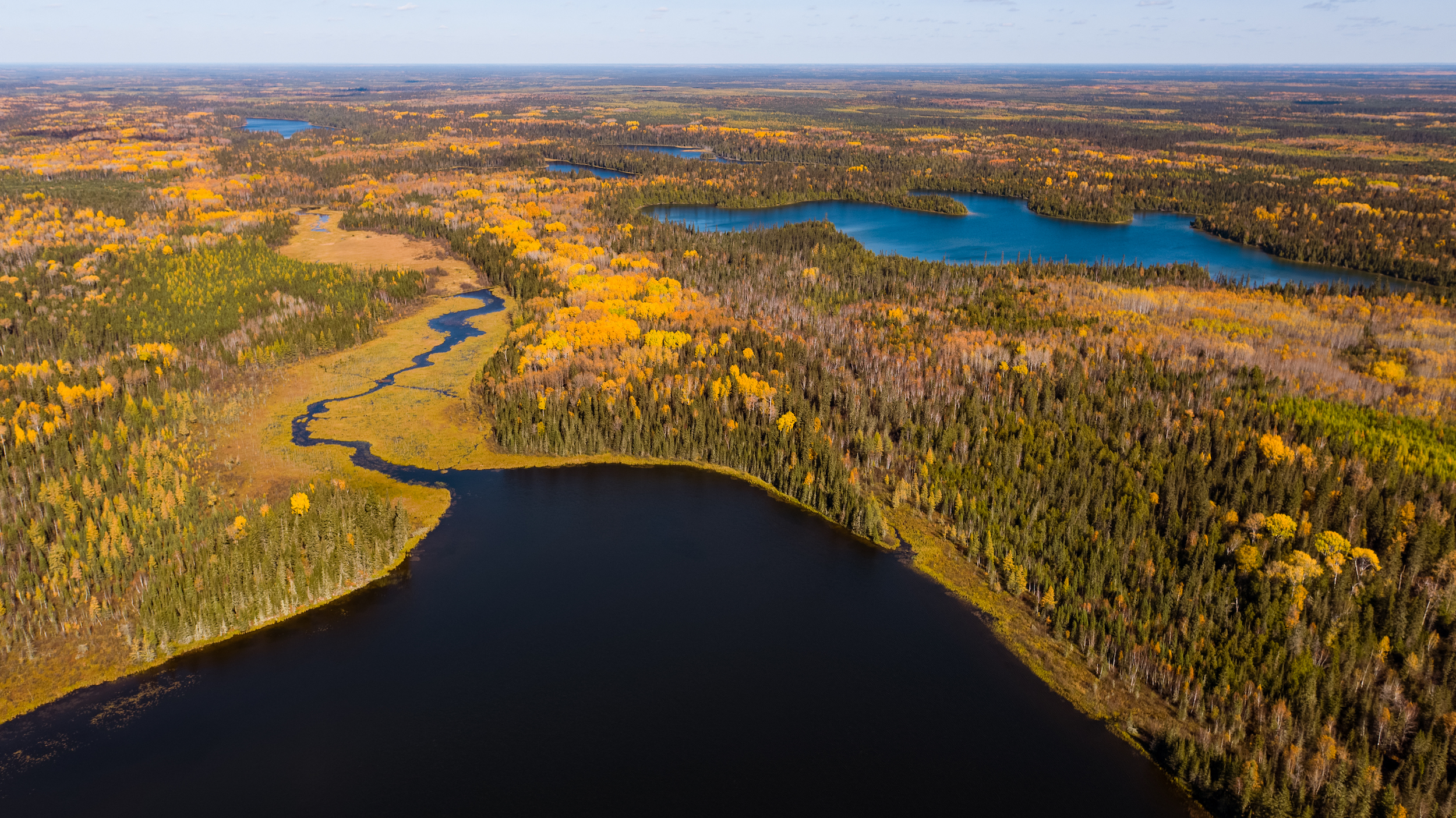
The Ring of Fire, located in the James Bay Lowlands, holds a 5,000-square-kilometre deposit of key minerals needed for electric vehicles and renewable energy technologies.
It also contains one of the world’s largest peatlands, which store an estimated 35 billion tonnes of carbon.
Ford and Carney have pitched the development as a strategic counter to U.S. trade threats, arguing it will create jobs and strengthen economic sovereignty.
Many First Nations say no development in the James Bay Lowlands should proceed until the regional assessment, co-led by Canada and several First Nations, is complete and all impacts are understood, Kempton said.
However, the project does have some First Nations support. Webequie First Nation Chief Cornelius Wabasse welcomes the project, which he says will present his community with future opportunities and, over time, benefit its prosperity.
“It’s something to look forward to that’ll bring opportunities for our community as well, not right away, but it will be something we can tap into as development progresses in the north and northwest of Ontario.”
Green Party of Ontario Leader Mike Schreiner said moving forward without free, prior and informed consent from all impacted First Nations violates treaty obligations and undermines the principles of the United Nations Declaration on the Rights of Indigenous Peoples.
“Expanding infrastructure through this landscape without rigorous, independent environmental assessment risks permanent ecological damage, contributes to the climate crisis and threatens the way of life for many Indigenous Peoples.”
Schreiner said Greens are not opposed to development in the region but insist it must be done in partnership with Indigenous communities and with strong environmental protections. “Anything less is not nation-building.”