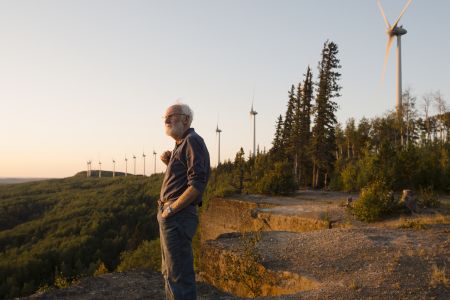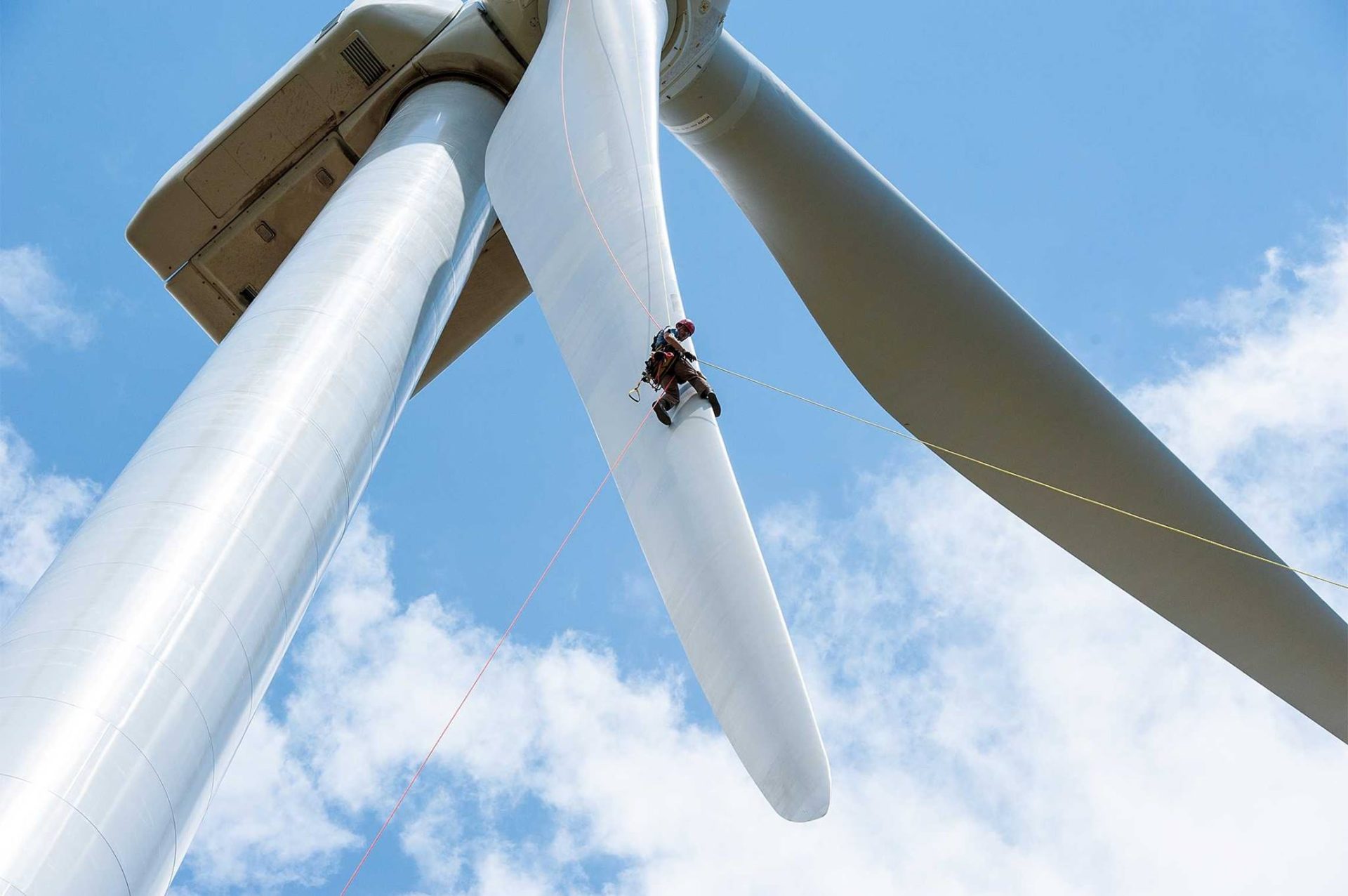





Because of its large oil, gas and coal resources, Canada has been slow to transition to renewable energy compared to some other developed nations.

Canada has a significant amount of hydropower, a renewable source of energy that is controversial due to its significant environmental and social impacts. Because of Canada’s easily available hydro and hydrocarbon resources, many provinces and territories have lagged in the development of other renewable energy sources with lighter footprints, such as solar, run-of-river hydroelectric, tidal, wind and geothermal.

However, in recent years there have been some significant changes, mostly notably in East and Atlantic Canada. Electricity from wind power varies widely across the country. For example Nova Scotia gets approximately 14 per cent of its electricity from wind power, Ontario 6 per cent and British Columbia 2 per cent.

Canada has committed to achieving 90 per cent of its electricity from zero-emission sources by 2030, so electricity from these sources is expected to grow in coming years.

We track Canada’s renewable energy revolution.

For weekly updates on our reporting, sign up for The Narwhal’s newsletter.
How our journalism makes a difference
Here at The Narwhal, we do journalism differently. As an independent non-profit, we’re accountable to you, our readers — not advertisers or shareholders. So we measure our success based on real-world impact: evidence that our reporting influenced citizens to hold power to account and pushed policymakers to do better.

Our stories have been raised in legislatures across the country and cited by citizens in petitions and letters to politicians.

Take our reporting on Alberta’s decision to allow cougar hunting in parks, which was cited in an official ethics complaint against the parks minister. And, after we revealed an oil and gas giant was permitted to sidestep the rules for more than 4,300 pipelines, the BC Energy Regulator started posting the exemptions it grants publicly.

This kind of work takes time, money and a lot of grit. And we can’t do it without the support of thousands of readers just like you.

Will you help us dig deep by joining as a monthly or yearly member, for any donation amount you can afford?
How our journalism makes a difference
Here at The Narwhal, we do journalism differently. As an independent non-profit, we’re accountable to you, our readers — not advertisers or shareholders. So we measure our success based on real-world impact: evidence that our reporting influenced citizens to hold power to account and pushed policymakers to do better.

Our stories have been raised in legislatures across the country and cited by citizens in petitions and letters to politicians.

Take our reporting on Alberta’s decision to allow cougar hunting in parks, which was cited in an official ethics complaint against the parks minister. And, after we revealed an oil and gas giant was permitted to sidestep the rules for more than 4,300 pipelines, the BC Energy Regulator started posting the exemptions it grants publicly.

This kind of work takes time, money and a lot of grit. And we can’t do it without the support of thousands of readers just like you.

Will you help us dig deep by joining as a monthly or yearly member, for any donation amount you can afford?

We’re fighting for our right to report — and your right to know. Stay in the loop about our trial against the RCMP and get a weekly dose of The Narwhal’s independent journalism
Red text in bold, capital letters: JOIN OUR FIGHT FOR PRESS FREEDOM
We’re fighting for our right to report — and your right to know. Stay in the loop about our trial against the RCMP and get a weekly dose of The Narwhal’s independent journalism
Red text in bold, capital letters: JOIN OUR FIGHT FOR PRESS FREEDOM