




 5 min. read
Few of us will admit to loving coyotes. The distaste for this exclusively North American canid runs deep: in a 1985 Yale University study respondents ranked them beneath skunks, rattlesnakes and vultures in terms of popularity. But are they simply misunderstood?
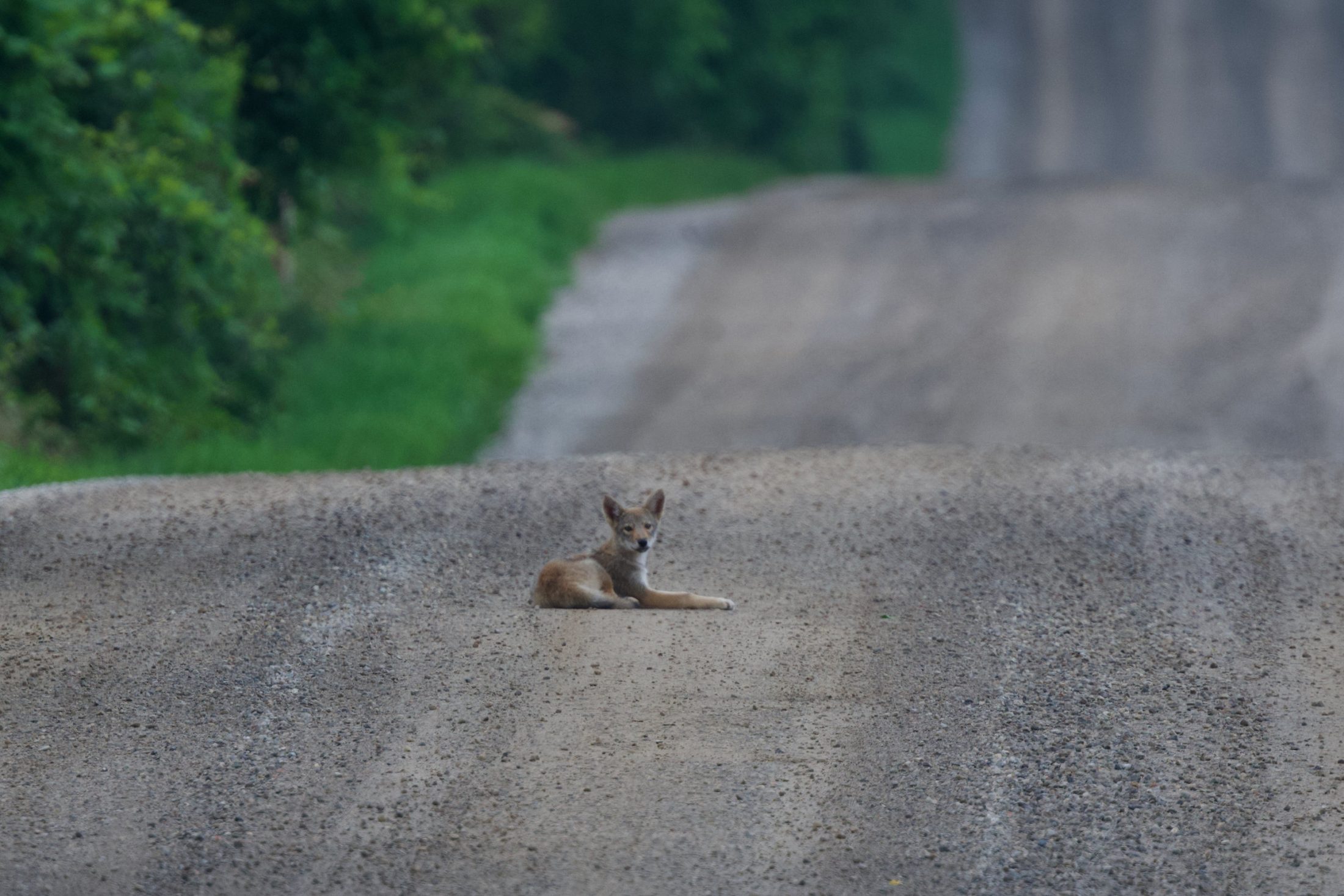
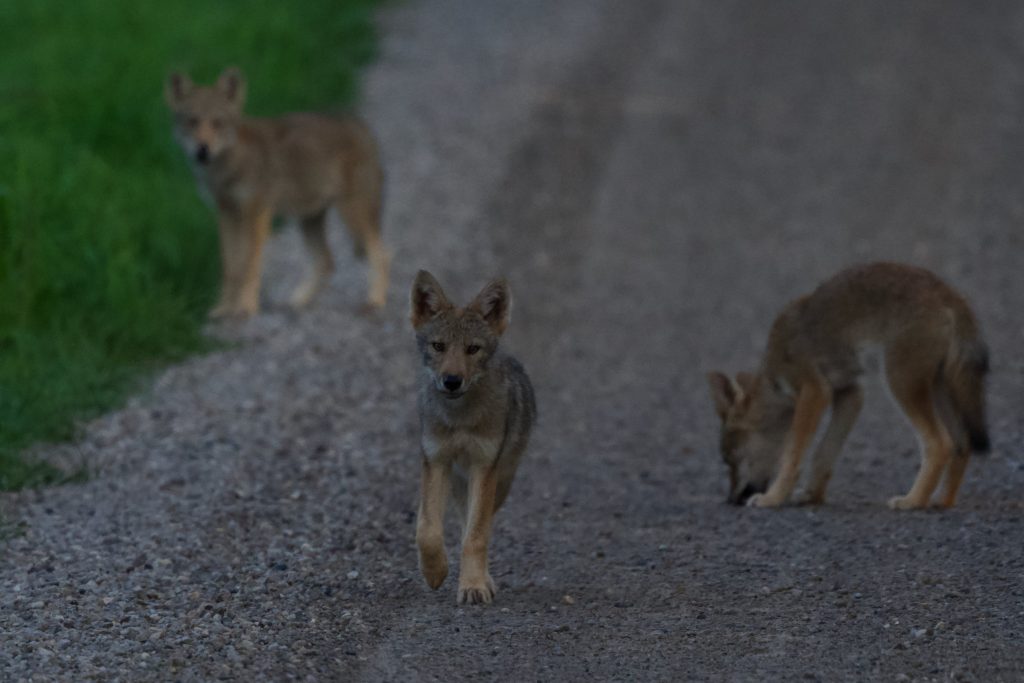
I have been fortunate to photograph many coyotes over the years, including three adorable pups in rural southern Ontario. I have learned much of the negativity directed at them comes from fear.
Urban coyotes have followed humans to dense population centres where rodents are in abundant supply, providing an ample food source. Despite talk of modern “coywolves,” these are the same eastern canids previous generations knew, whose crossbreeding with wolves happened over a century ago.
Naturally, there are occasional encounters with citizens — and their pets — which become news. If a coyote acts aggressively and bites someone it is widely reported, usually without important context.
A study from 2011 found, on average, three people are bitten by coyotes annually in Canada, compared with 300,000 dog bites. When coyotes do attack, it’s often after humans have fed them, either intentionally or inadvertently. Sadly, the common response to a coyote attack is for the animal to be culled.
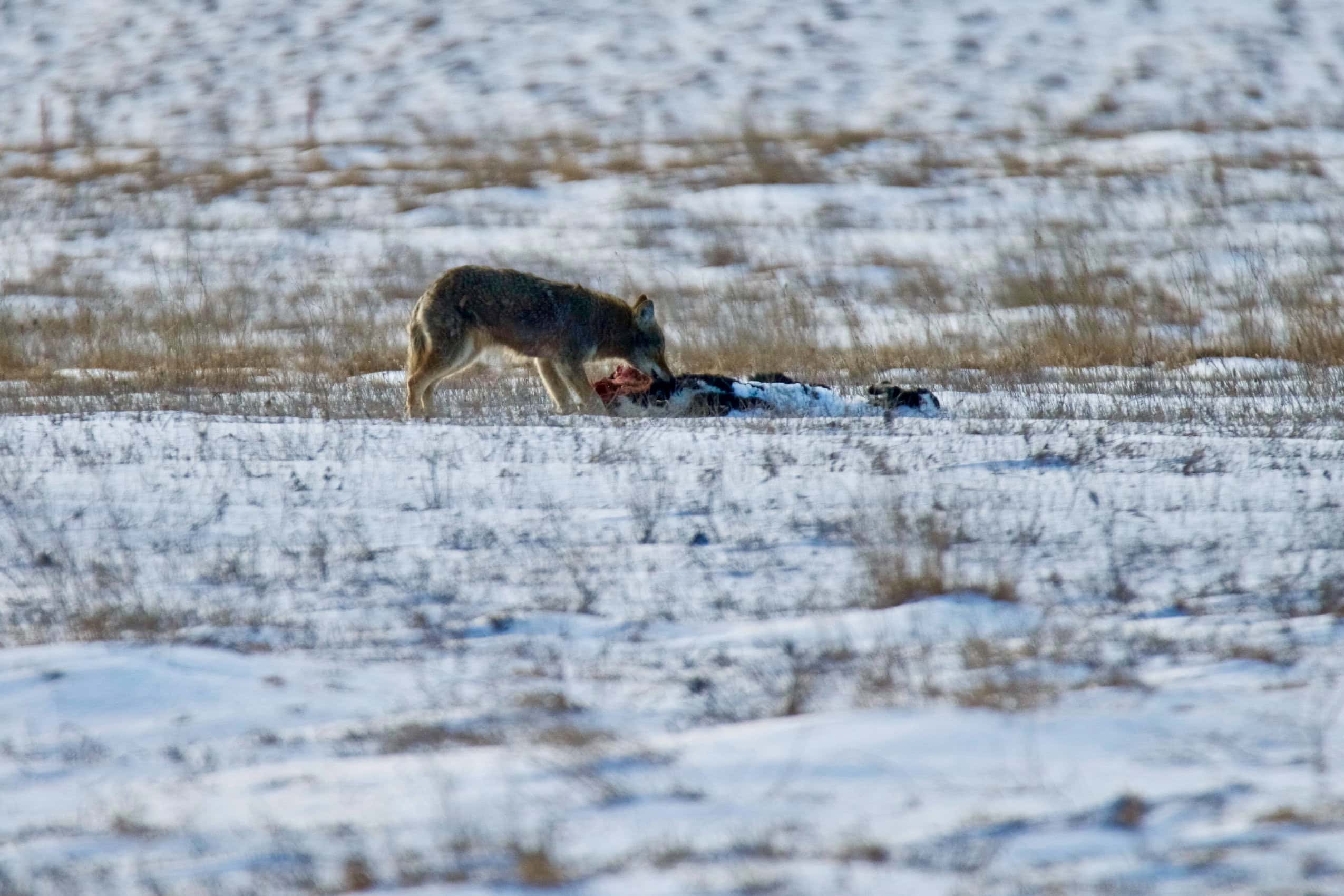
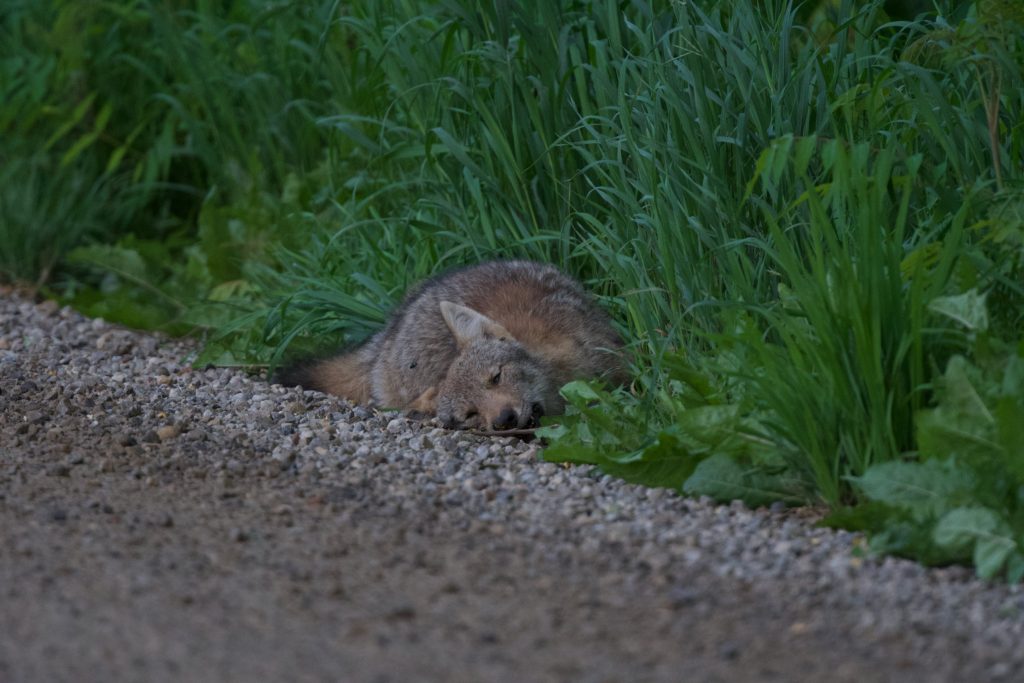
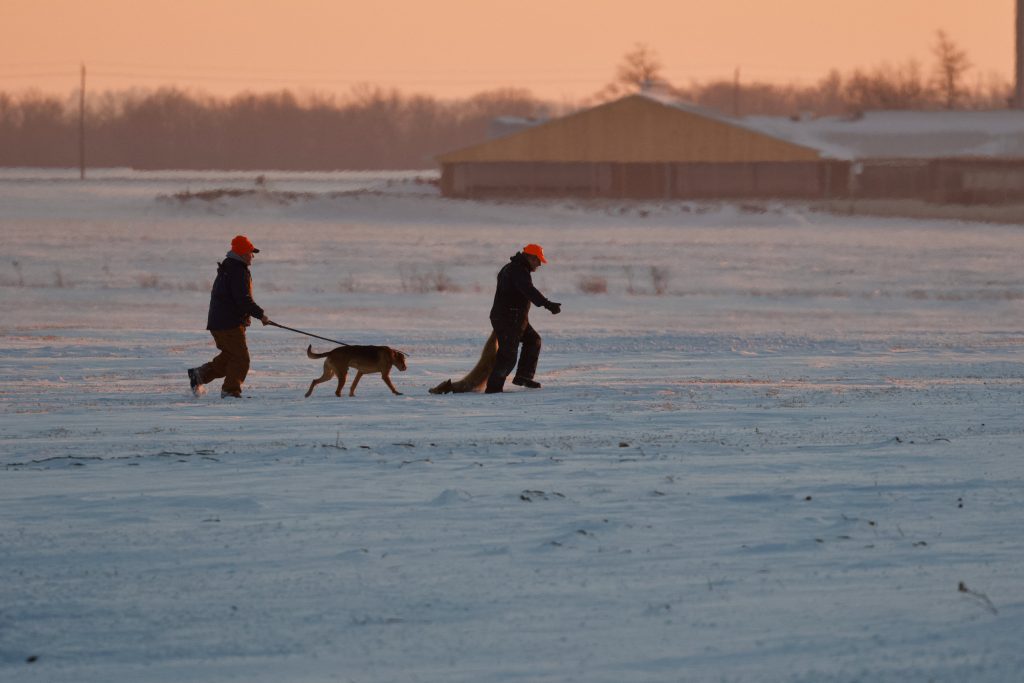
Rural coyotes face a different problem. Having become the top predator in regions where traditional apex predators have been extirpated, coyotes sometimes target lambs and calves — if they can get inside their pens. But again, coyotes get blamed even when other species — such as dogs — might be responsible. The provincial government compensates farmers for livestock lost to predators. But coyote casualties and death by dog are treated much differently.
Losses due to coyotes are covered under the Ontario Wildlife Damage Compensation Program. Of the approximately $1.5 million paid out to farmers in 2024-2025, more than $1.2 million was for alleged coyote predation.
Domestic dogs aren’t covered by that program at all. Those losses fall under Ontario’s Protection of Livestock and Poultry from Dogs Act, which offers generally lower compensation than the wildlife damage program.
All over the world farmers complain of livestock loss due to dogs, so it’s curious why it is not widely acknowledged here. It’s a reason conservationists have suggested coyotes might be taking some of the blame for dogs.
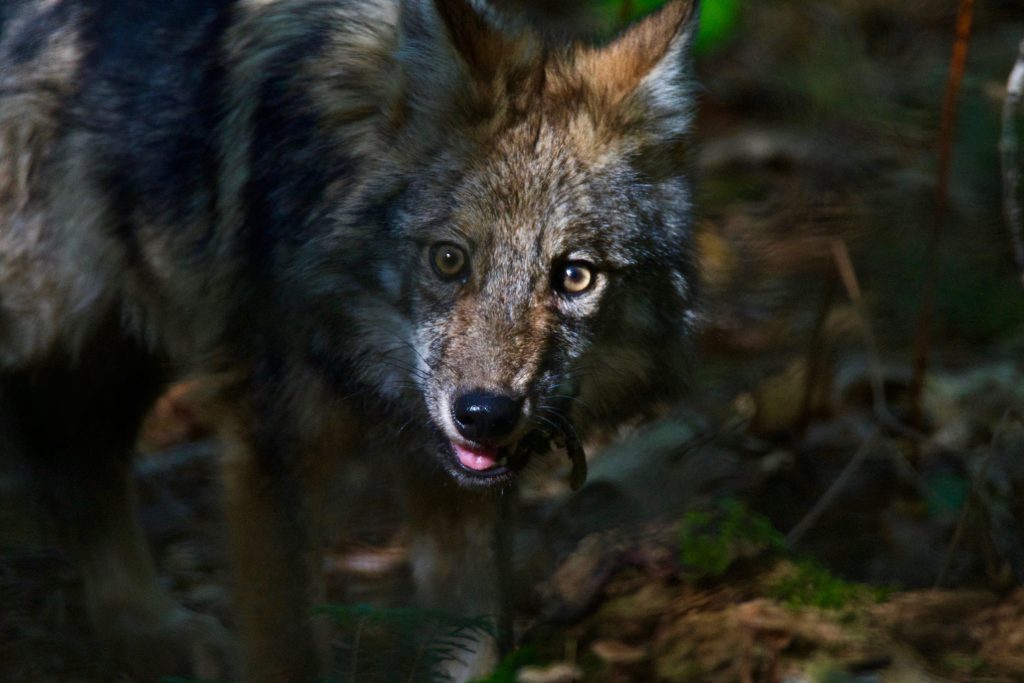
No doubt coyotes are more than a nuisance to some farmers. If a coyote, particularly one with mange, hangs around their house they will shoot them.
But many I speak with say coyotes around fields are mostly left alone, because they control populations of rats, mice and even groundhogs — a significant role. Coyotes are amazingly resilient, and their populations quickly rebound after attempts to cull them. They’ve migrated to every U.S. state (barring Hawaii) and every Canadian province and territory.
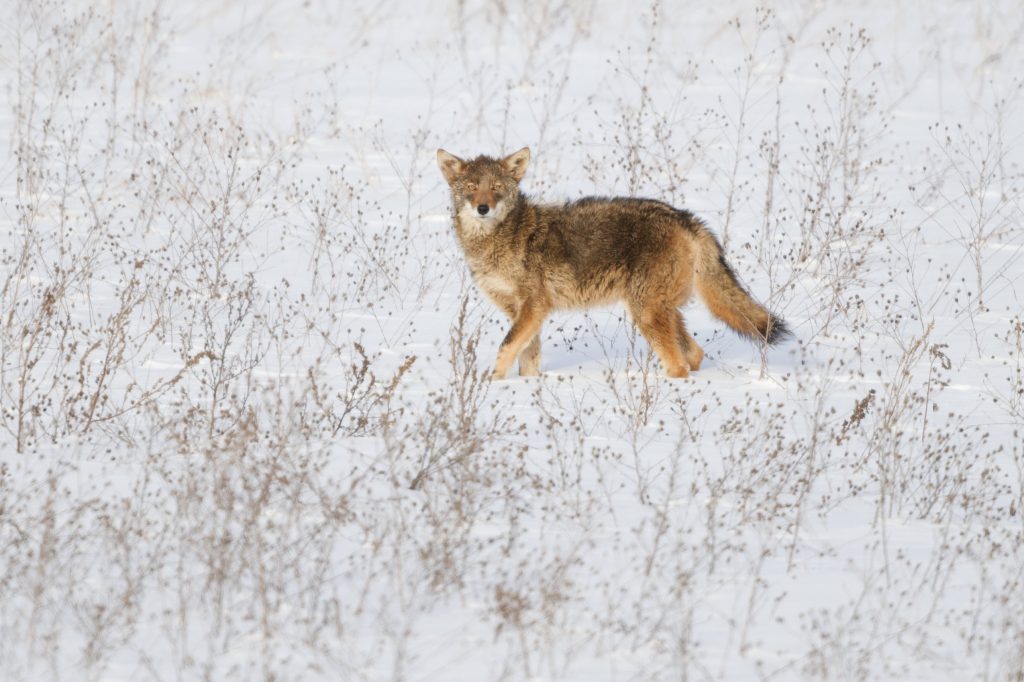
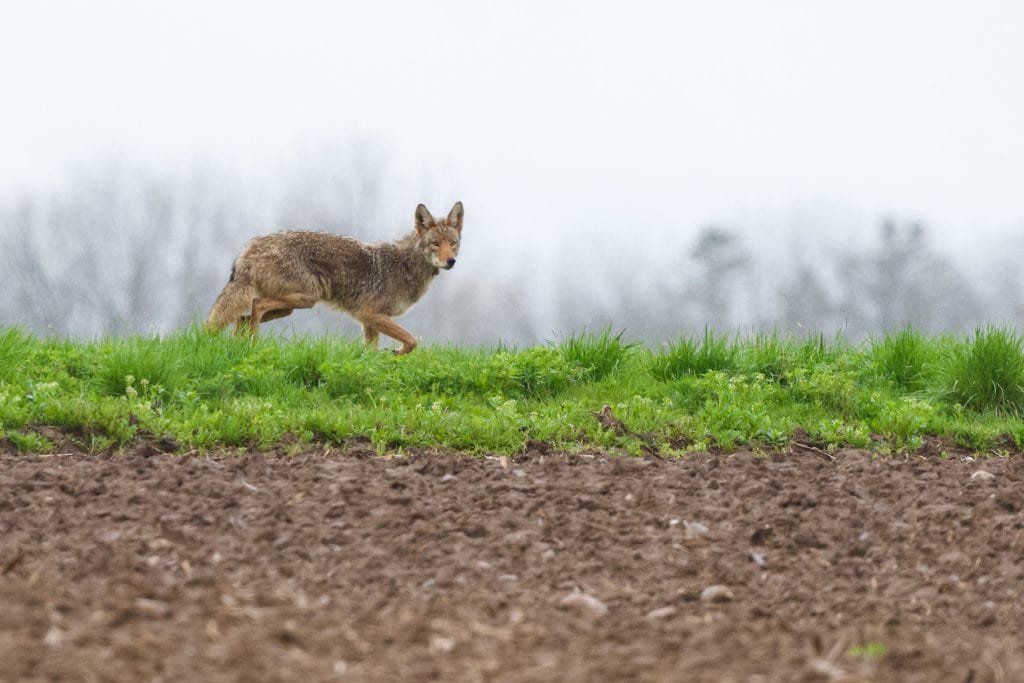
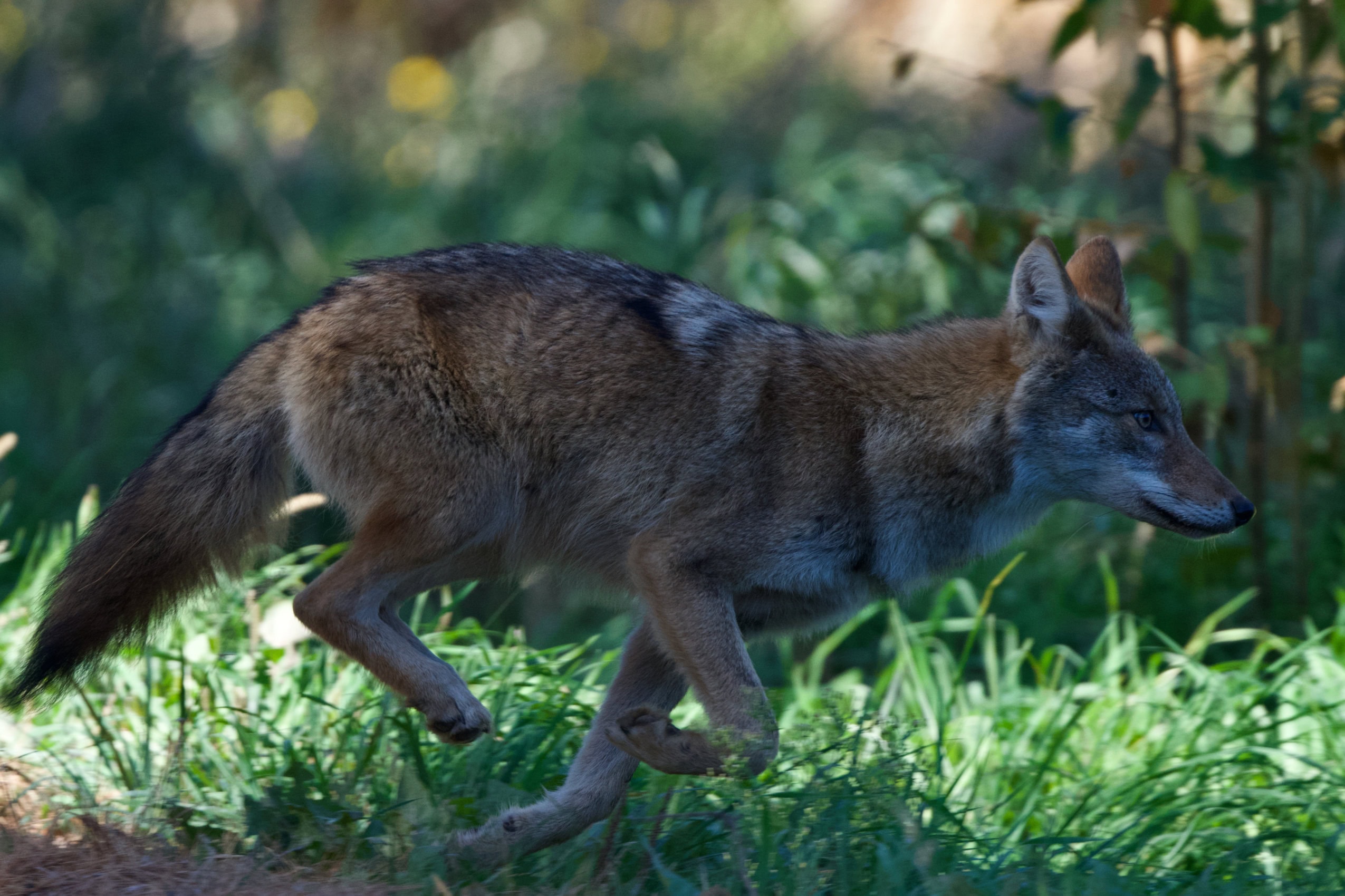
In a typical coyote family only the parents will mate, but if one or both parents are killed any females will come into estrus earlier or disperse to find mates and start a family. And they will have larger litters if the food supply is abundant.
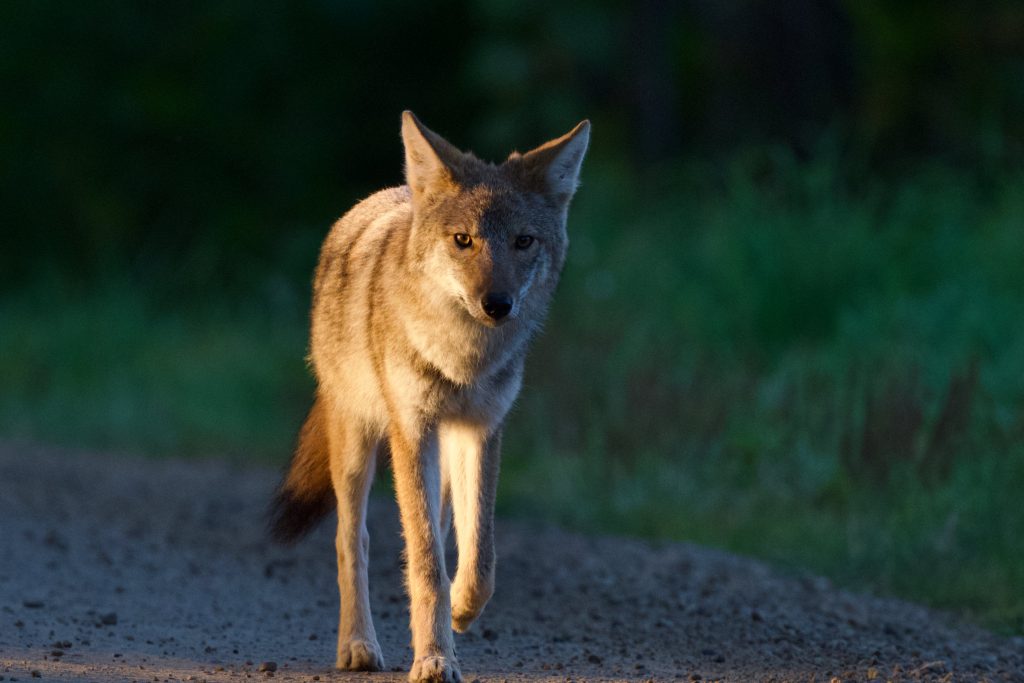
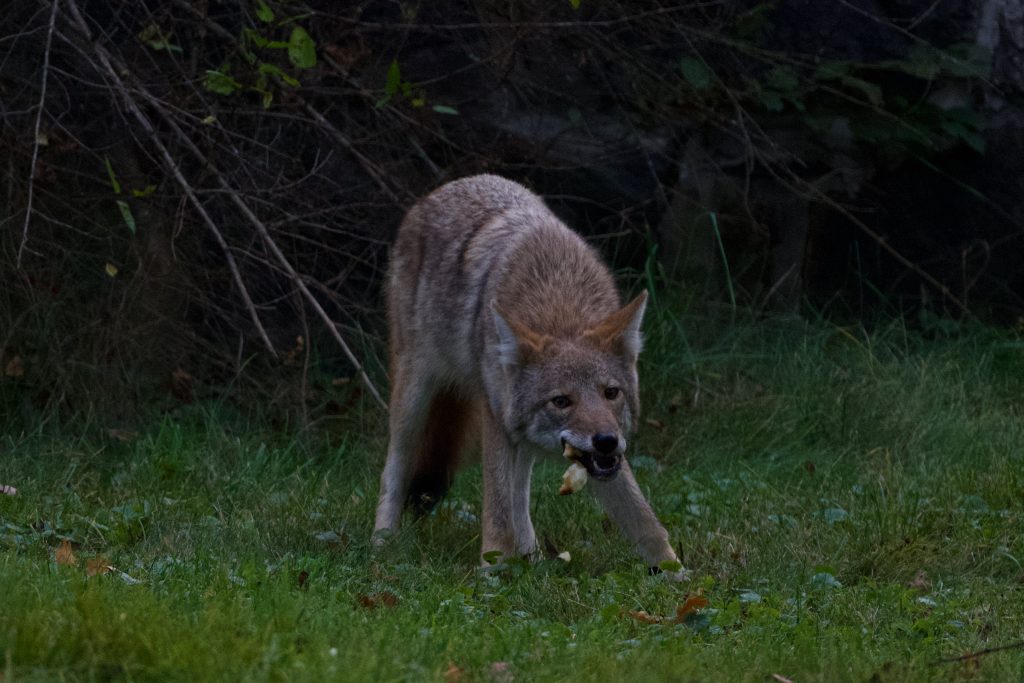
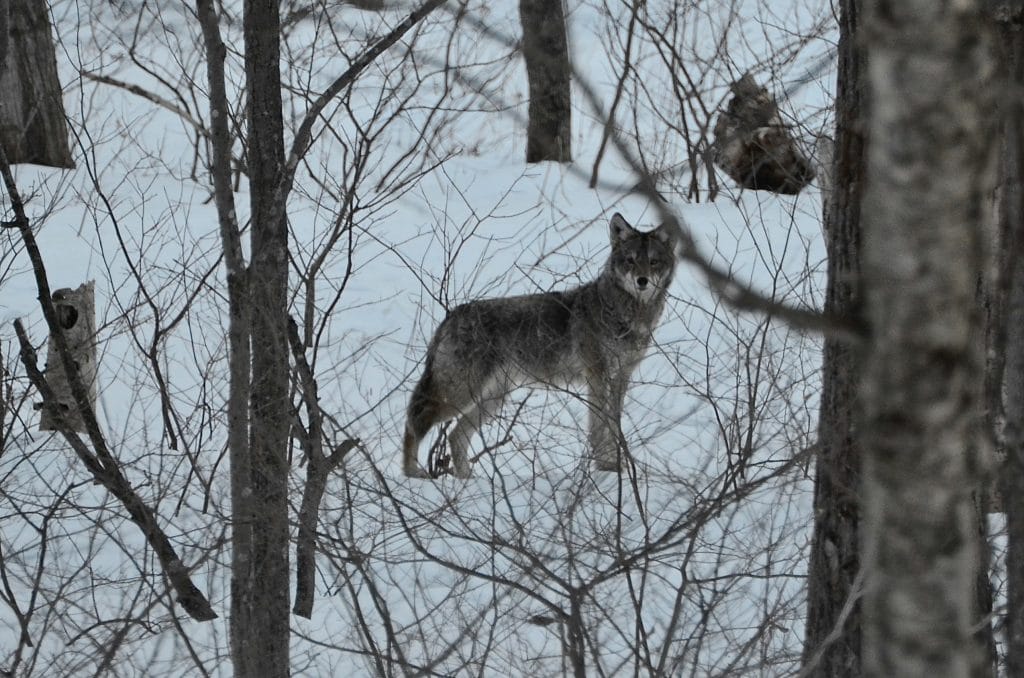
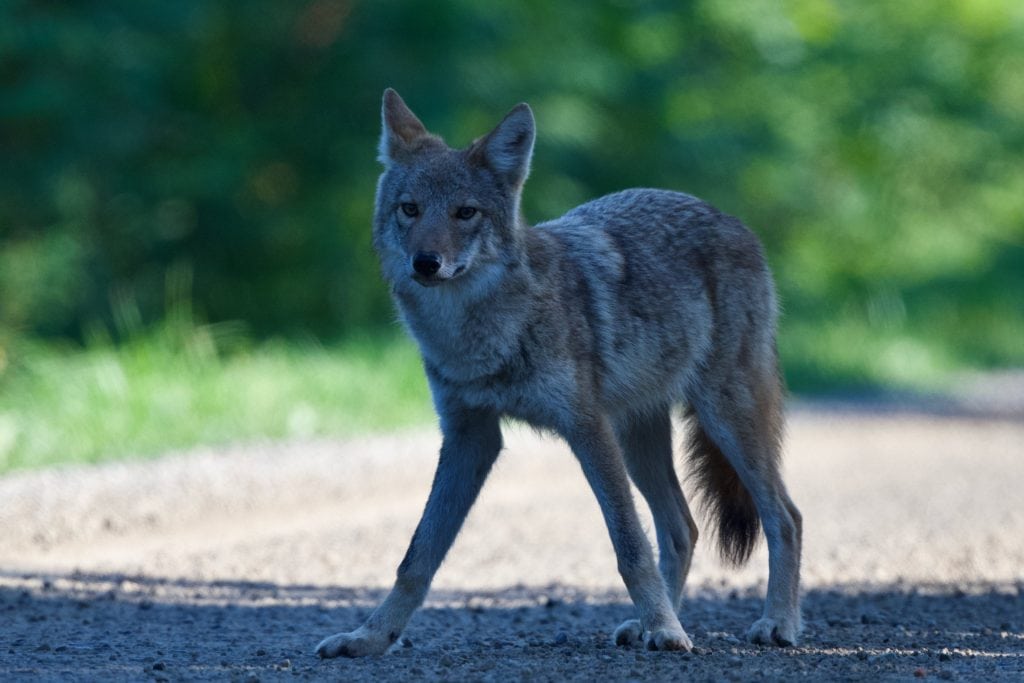
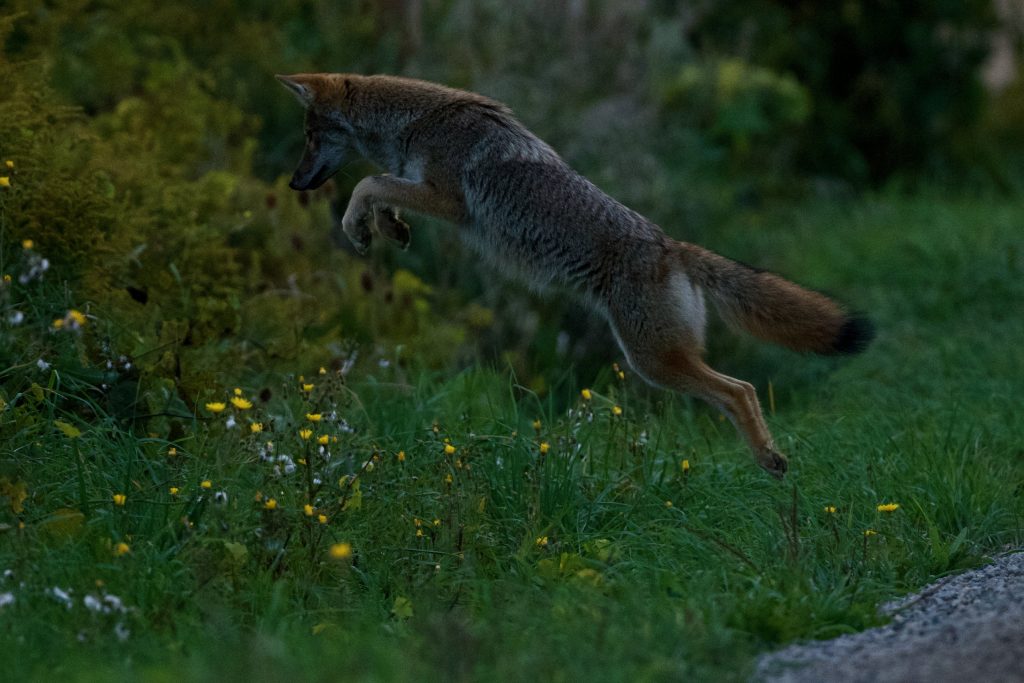
But their bad reputation remains. In Ontario, hunting and trapping of coyotes is allowed all year, everywhere except in and around some provincial parks — a restriction put in place not for the coyotes’ sake, but to protect the endangered eastern wolf, which can look similar. In much of southern Ontario there is no limit to the number of coyotes that can be hunted.
In Ontario, provincial law empowers municipalities to kill coyotes that pose a threat. Until recently, one outdoor store in Belleville, Ont., held an annual coyote killing contest. Animal conservationist groups took the Ontario Ministry of Natural Resources and Forestry to court in 2022 arguing they were not complying with the law preventing bounty hunting. Although they lost the case, the contest does not appear to have been held since.
But those of us who appreciate the animal for its resiliency, its devotion to family and its adaptability, know getting rid of them is nearly impossible. It is estimated the coyote species can withstand a kill rate of 70 per cent of their population, year after year.
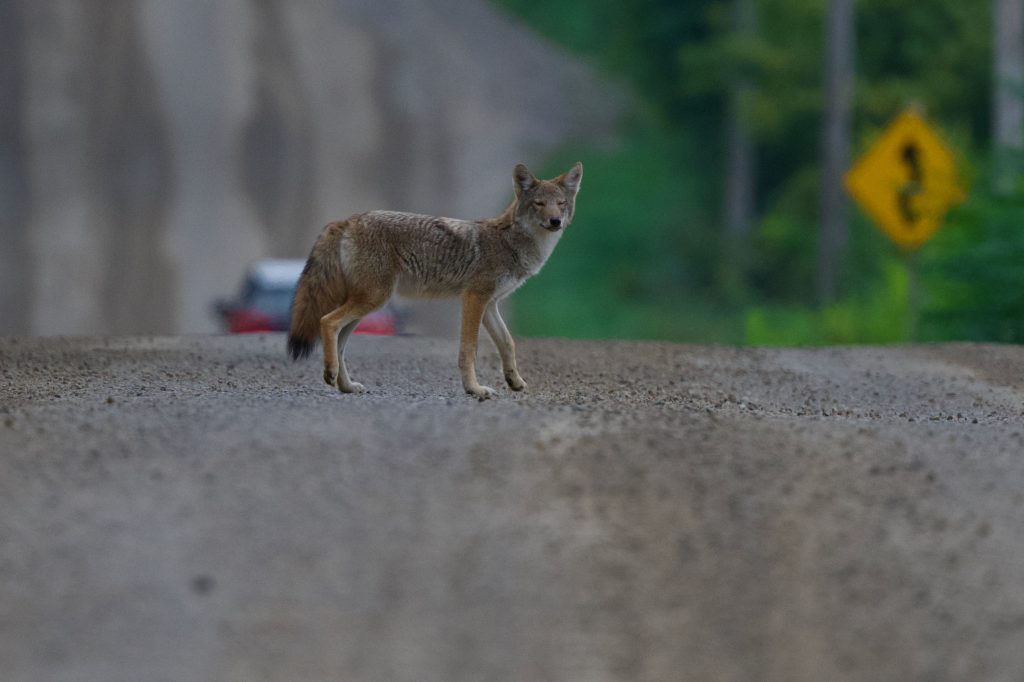
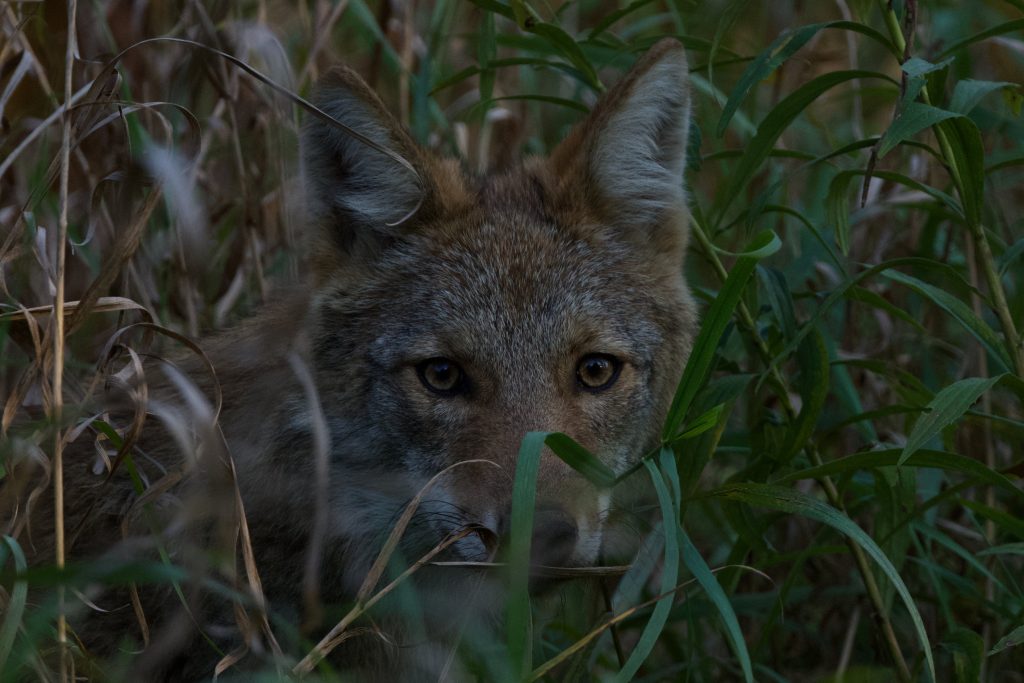
It’s denning season now across Ontario and in the coming months coyote pups will appear. I, for one, hope people can accept them as a valuable species, playing a vital part in our ecology.