




 6 min. read
It is easy to get lost in the numbers when talking about fracking in Alberta: to be temporarily dazzled by the growth of production, the insatiable thirst for water and the profits that follow.
The practice has seen a dramatic increase over the past 13 years, with production rising sevenfold between 2013 and 2024 to the equivalent of more than 640 million barrels of oil per year. Water consumption also soared 335 per cent, from 6.5 billion litres to almost 30 billion litres of freshwater per year.
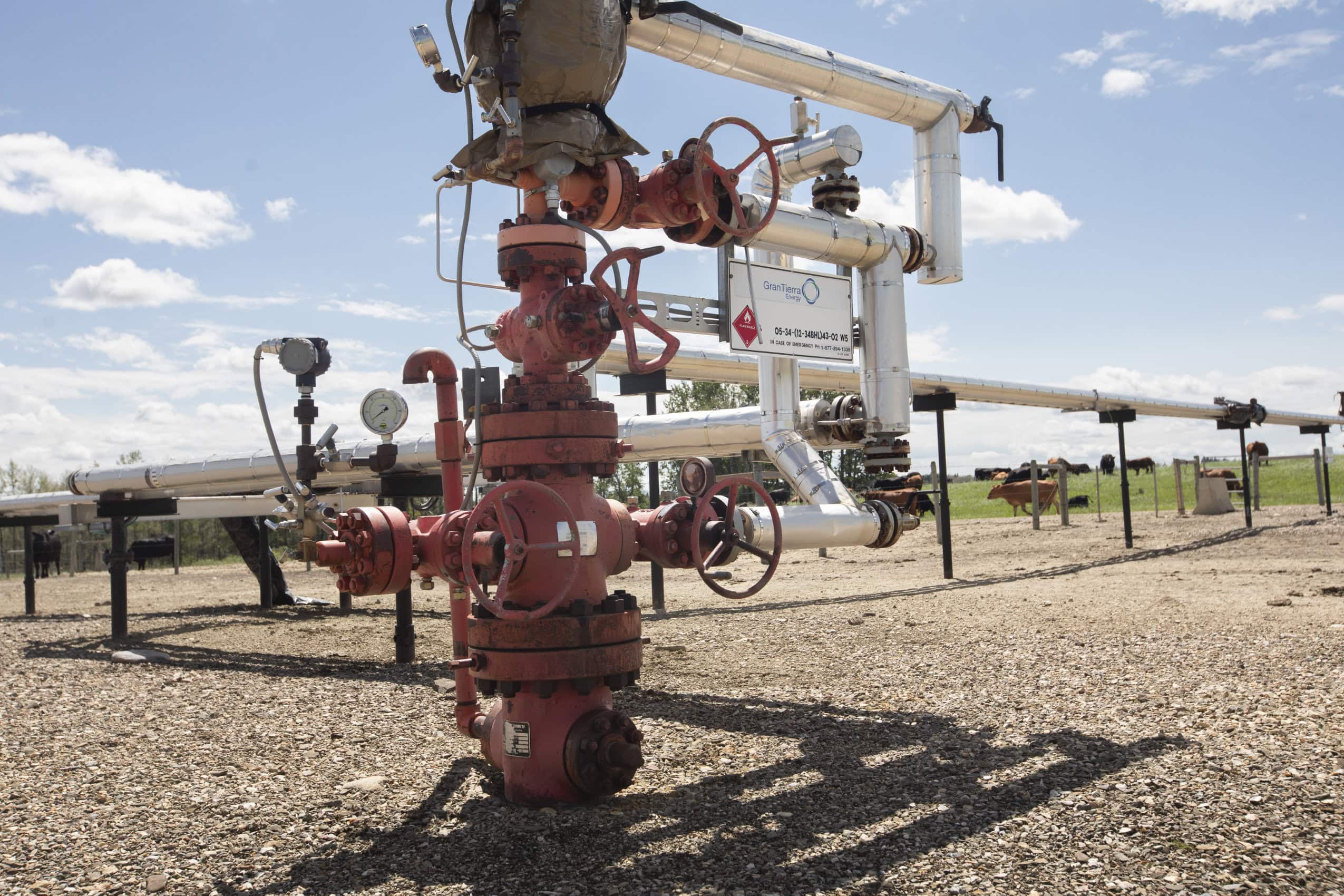
Those sorts of figures are almost impossible to comprehend. You could count how many swimming pools that water might fill (164 million), or try to imagine a stack of barrels teetering high into the atmosphere, but what does that really mean?
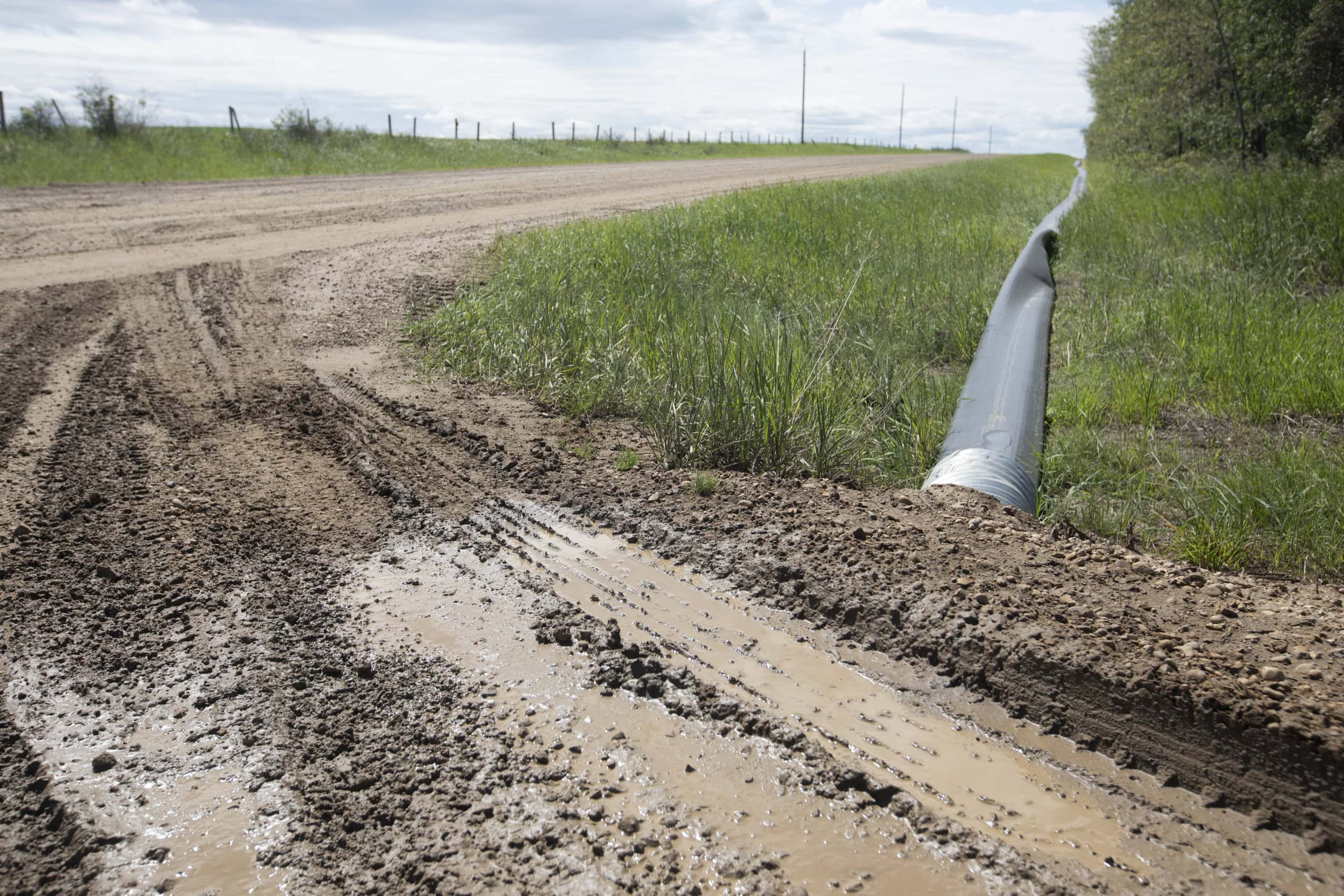
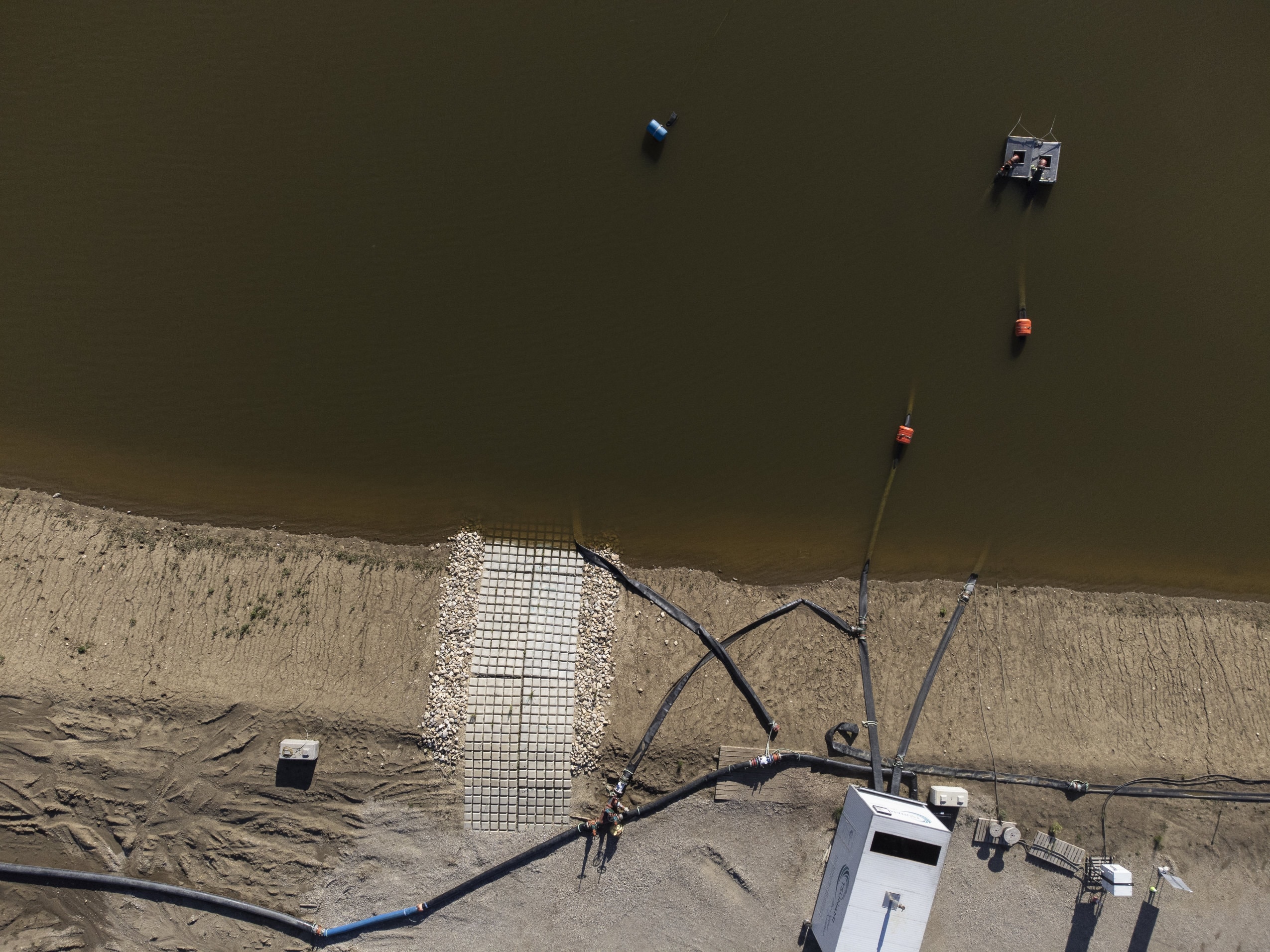
In parts of rural Alberta, you don’t need those kinds of mental gymnastics to understand the scale of the industry and its impact. The evidence is all around you. Creeks run dry. Hoses and pumps seem to line every ditch. Then there are the trucks and drilling and noise.
This is particularly true in the rural areas of west-central Alberta, a long stretch of the province sandwiched between the foothills to the west and the frenetic Calgary-Edmonton corridor to the east.
It’s here where ranches, farms and communities sit side by side with a fracking boom that is outcompeting the locals for water.
What we saw this summer
Looking back on the past ten years, the summer of 2026 was an anomaly for the area of Alberta an hour drive southwest of Edmonton. Parched fields were inundated with rain early in the season, and rivers and creeks flowed with renewed vigour. Some areas received more rainfall than ever before.
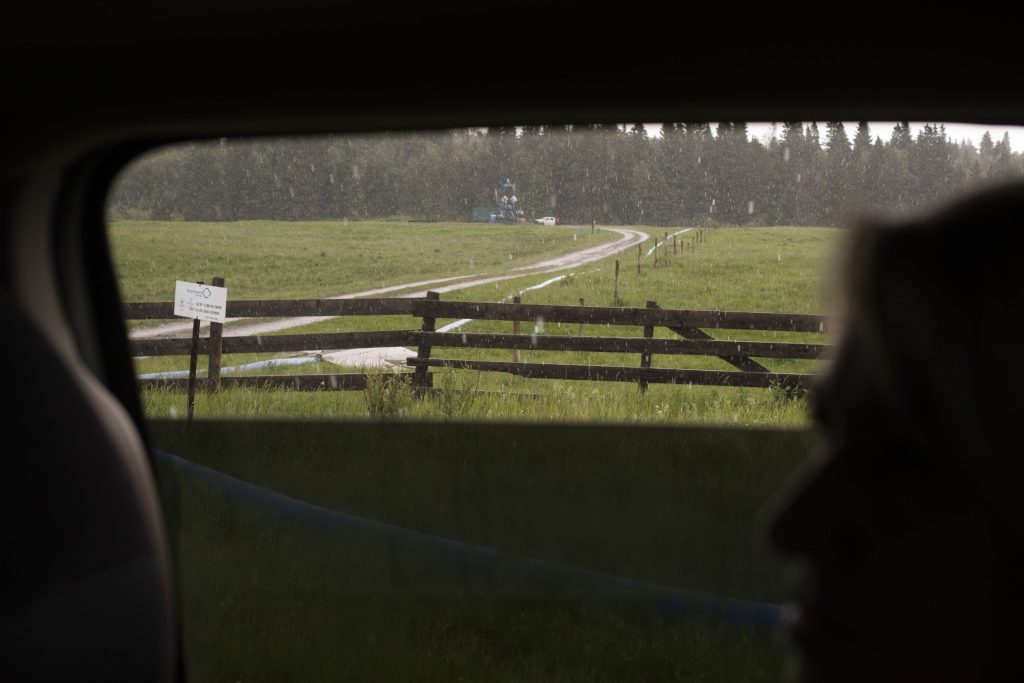
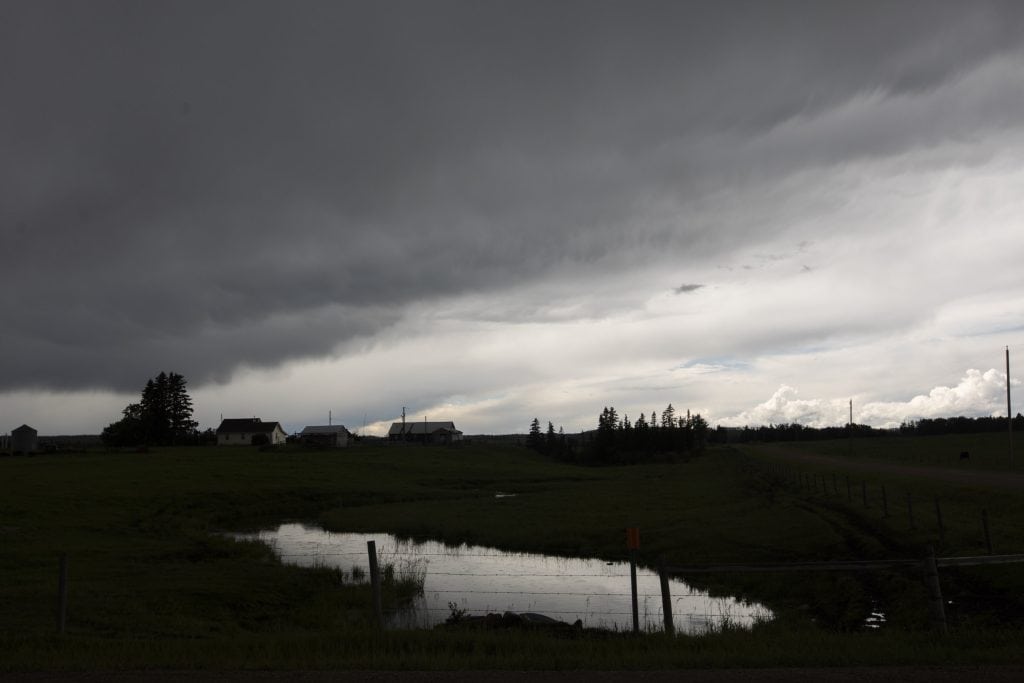
But that moisture wasn’t enough to quell concerns from some residents in the Blindman and Medicine River watersheds, where fracking activity has been increasing — and water concerns are front and centre.
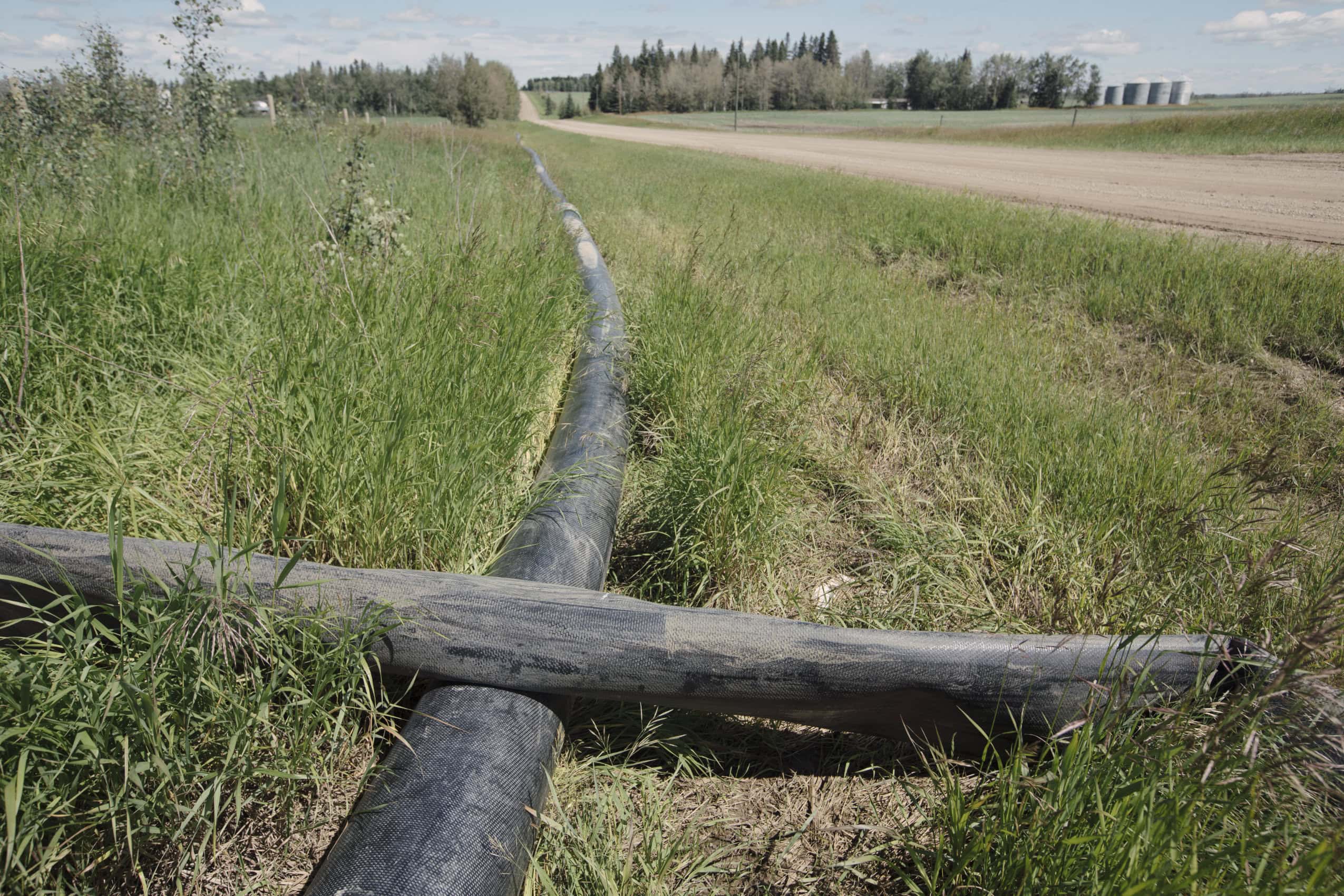
Fracking involves injecting water deep into the ground to break up rock where gas is trapped in tight crevasses, often thousands of metres under the surface. That water, vast quantities of it, is almost entirely lost to the water cycle as it remains trapped in the reservoirs that previously held gas. The water that does come to the surface is contaminated.
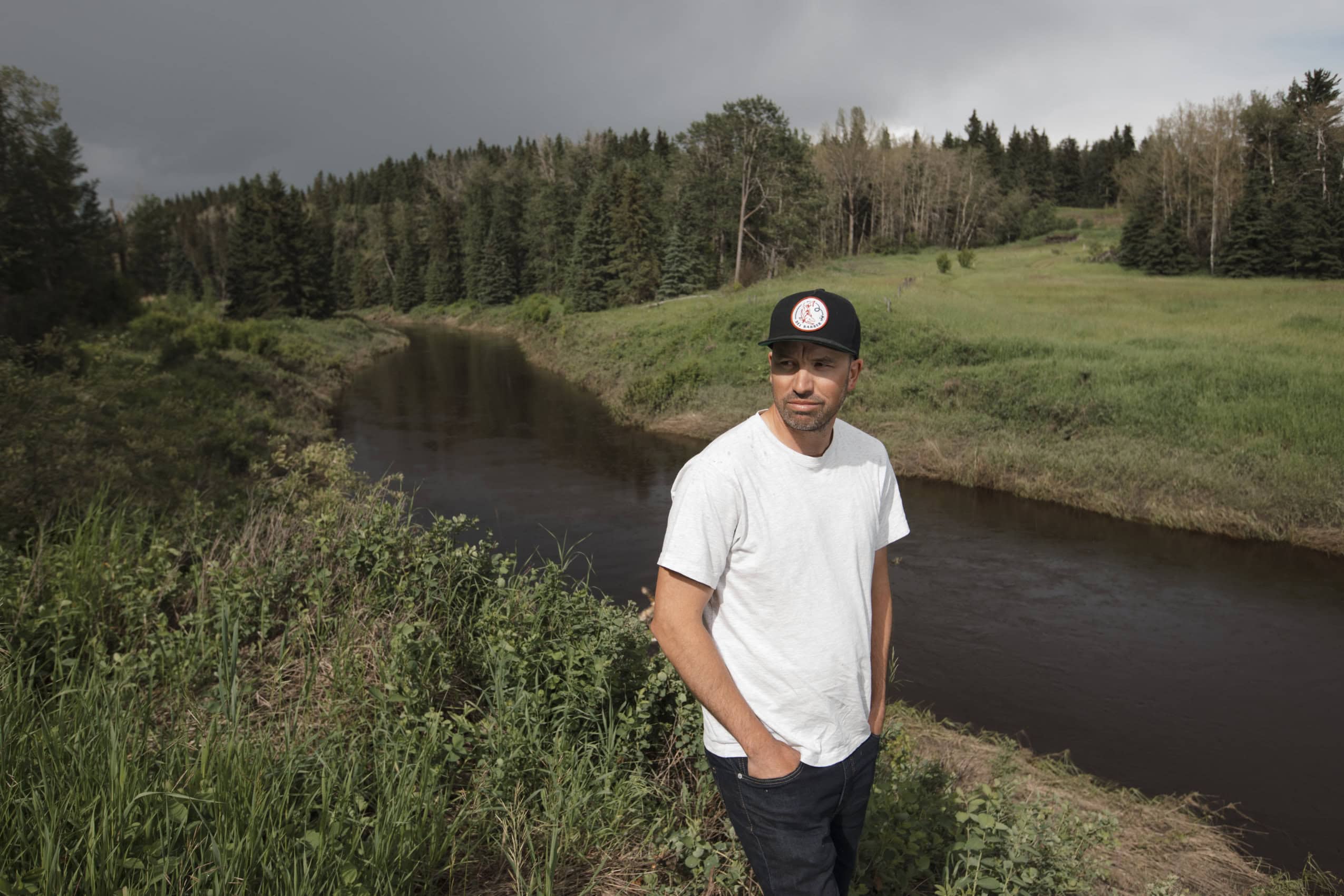
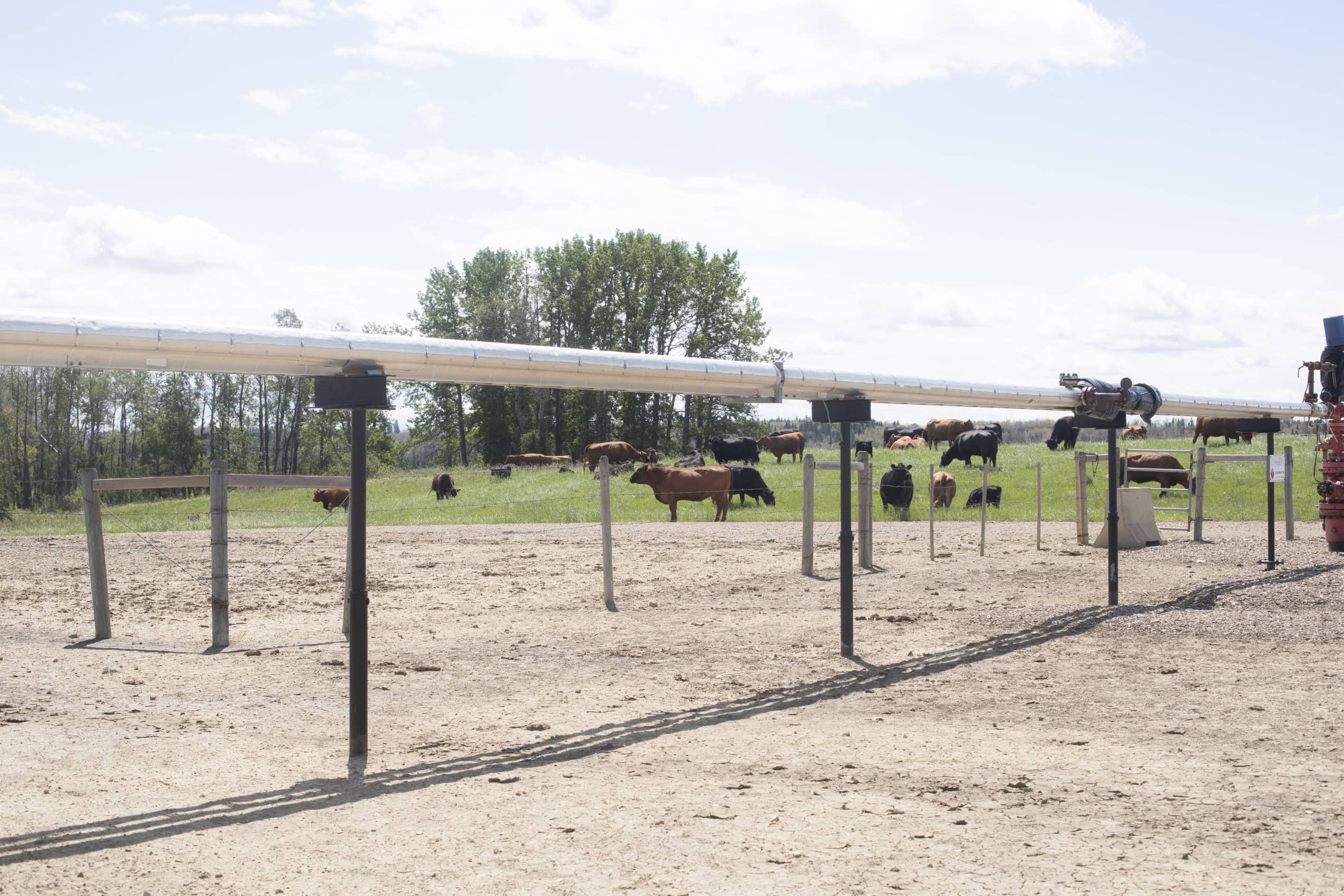
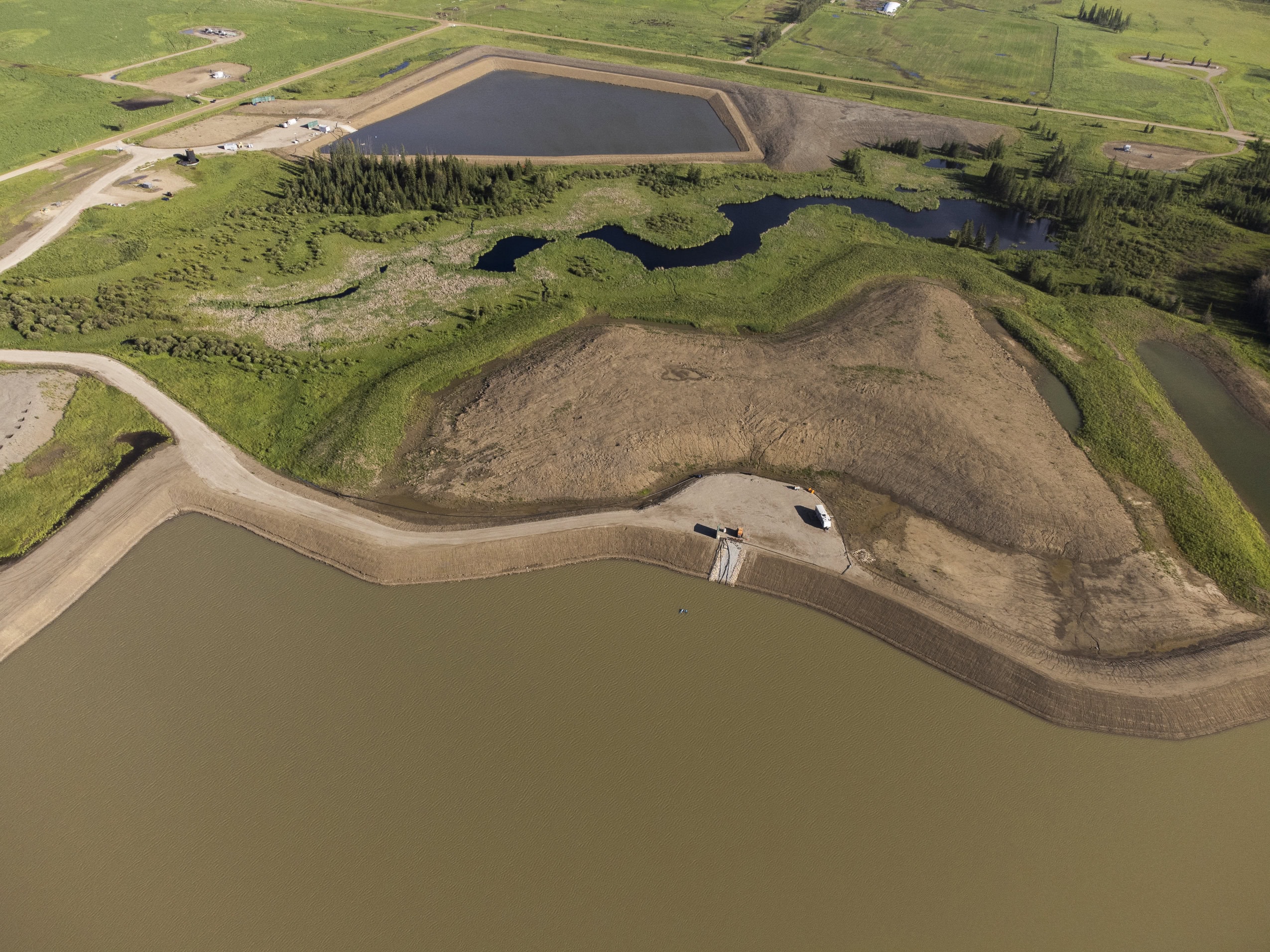
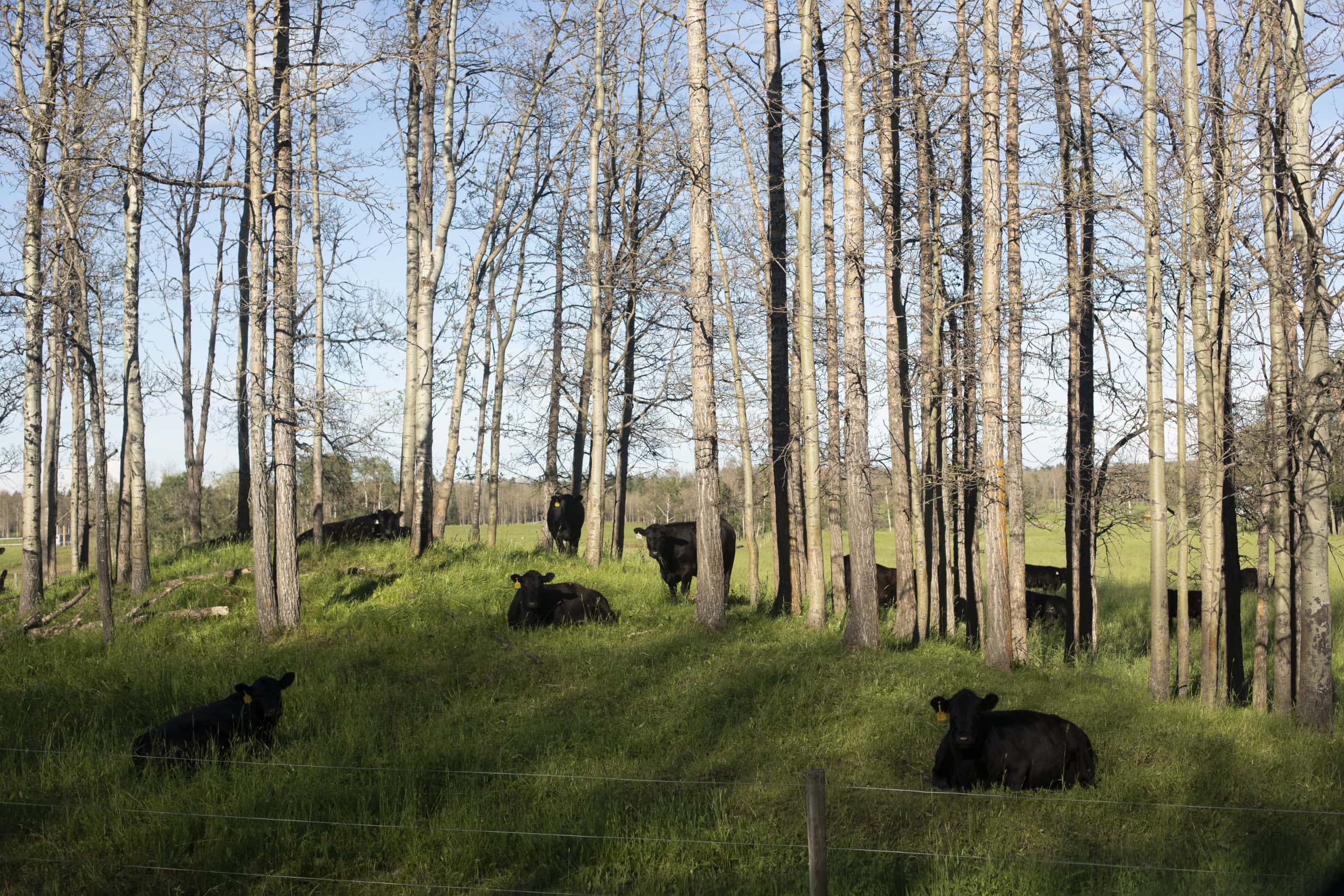
The Narwhal spent a day travelling through the Rimbey, Alta., area with Daniel Iseli-Otto and Assar Grinde, two members of the Blindman River Watershed Society, in July this year, visiting impacted landowners, following pumping hoses to enormous reservoirs and stopping for a photoshoot among Grinde’s cattle.
There’s an image in many a head of what kind of people raise concerns over oil and gas. Former Alberta Premier Jason Kenney often dismissed those with environmental concerns as “foreign-funded radicals,” but those stereotypes don’t hold.
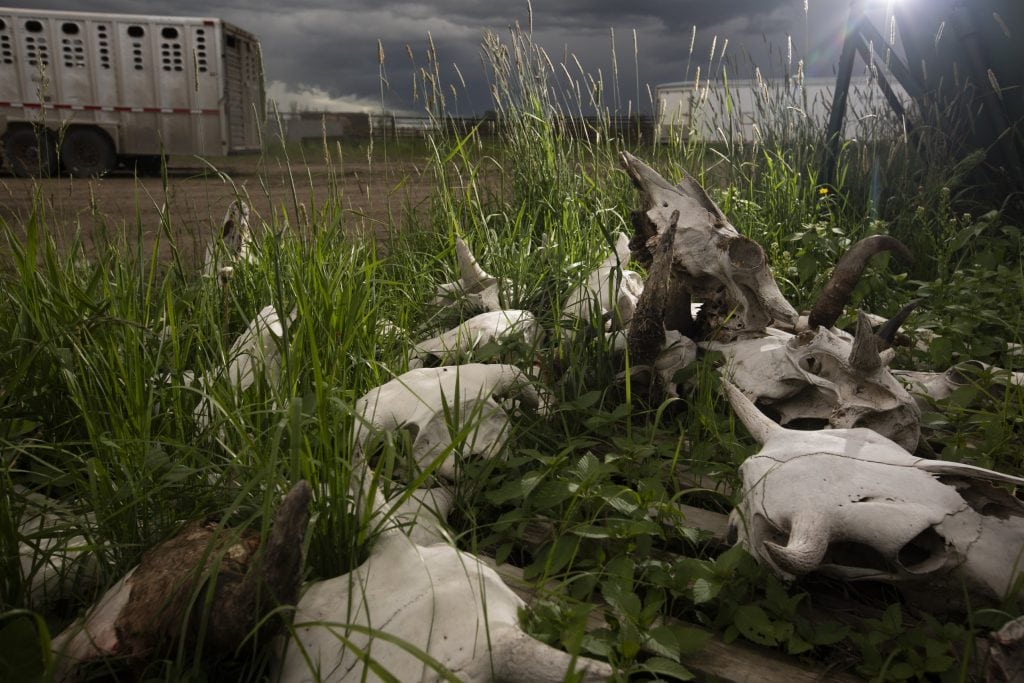
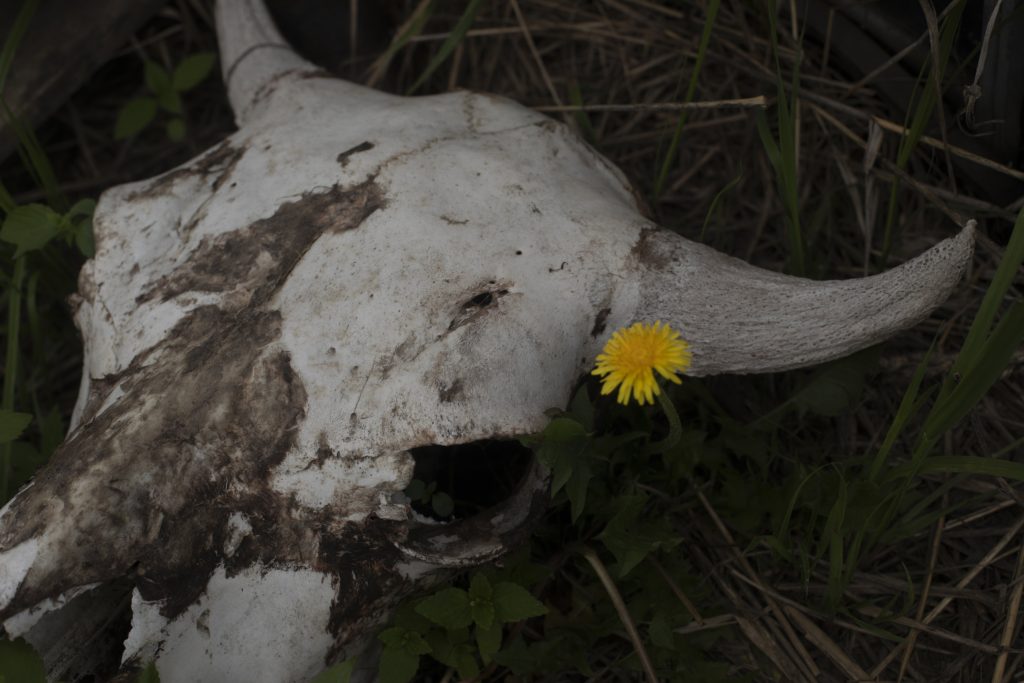
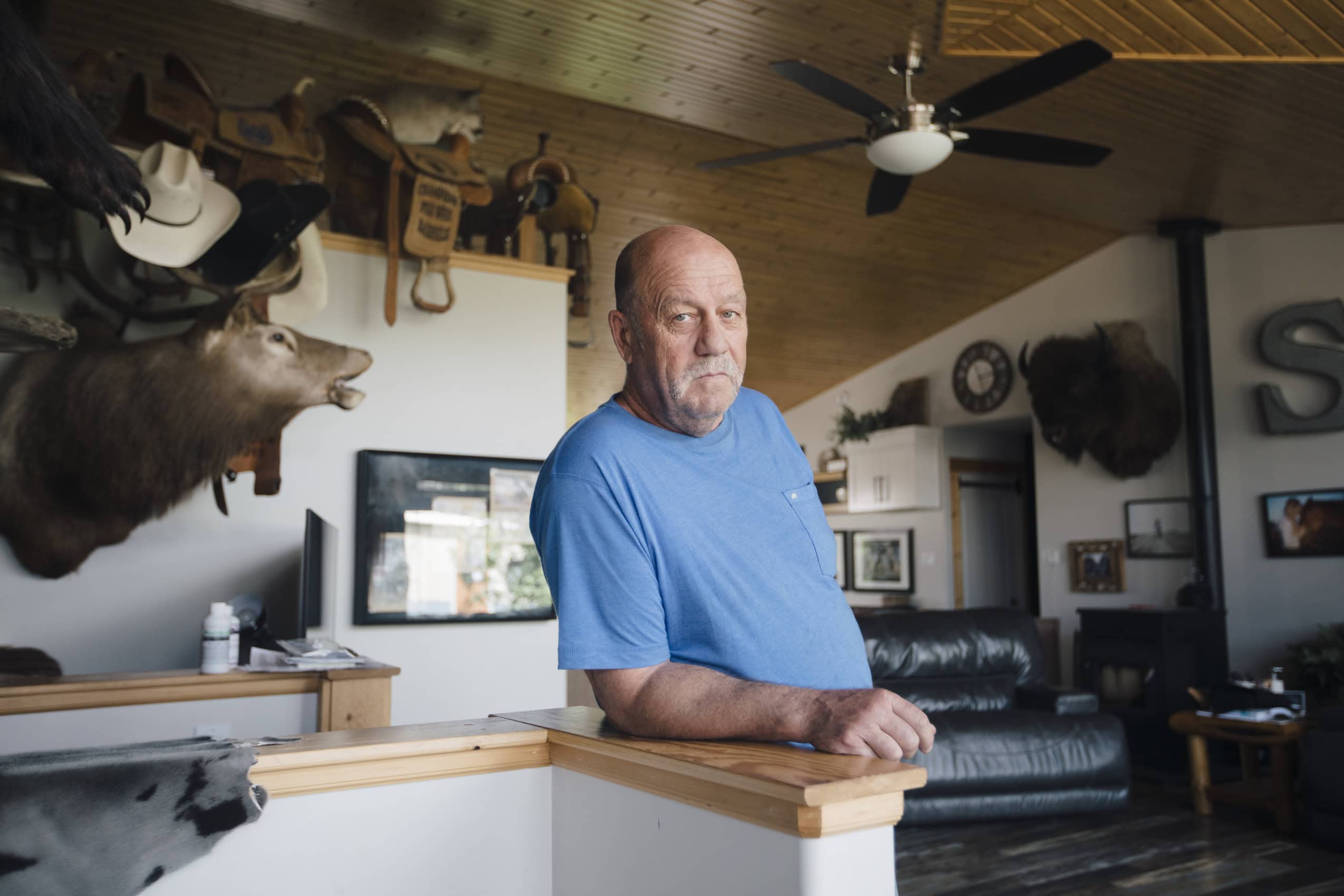
Butch and Nicole Smith, who live in the area, blame the construction of a massive reservoir across from their isolated property for the decline of their bison herd. They’re moving.
Grinde, whose family has owned its ranch for generations, talks about watching the creek on that land dry up and how the oil and gas companies were still pumping water for fracking while he was left with mud.
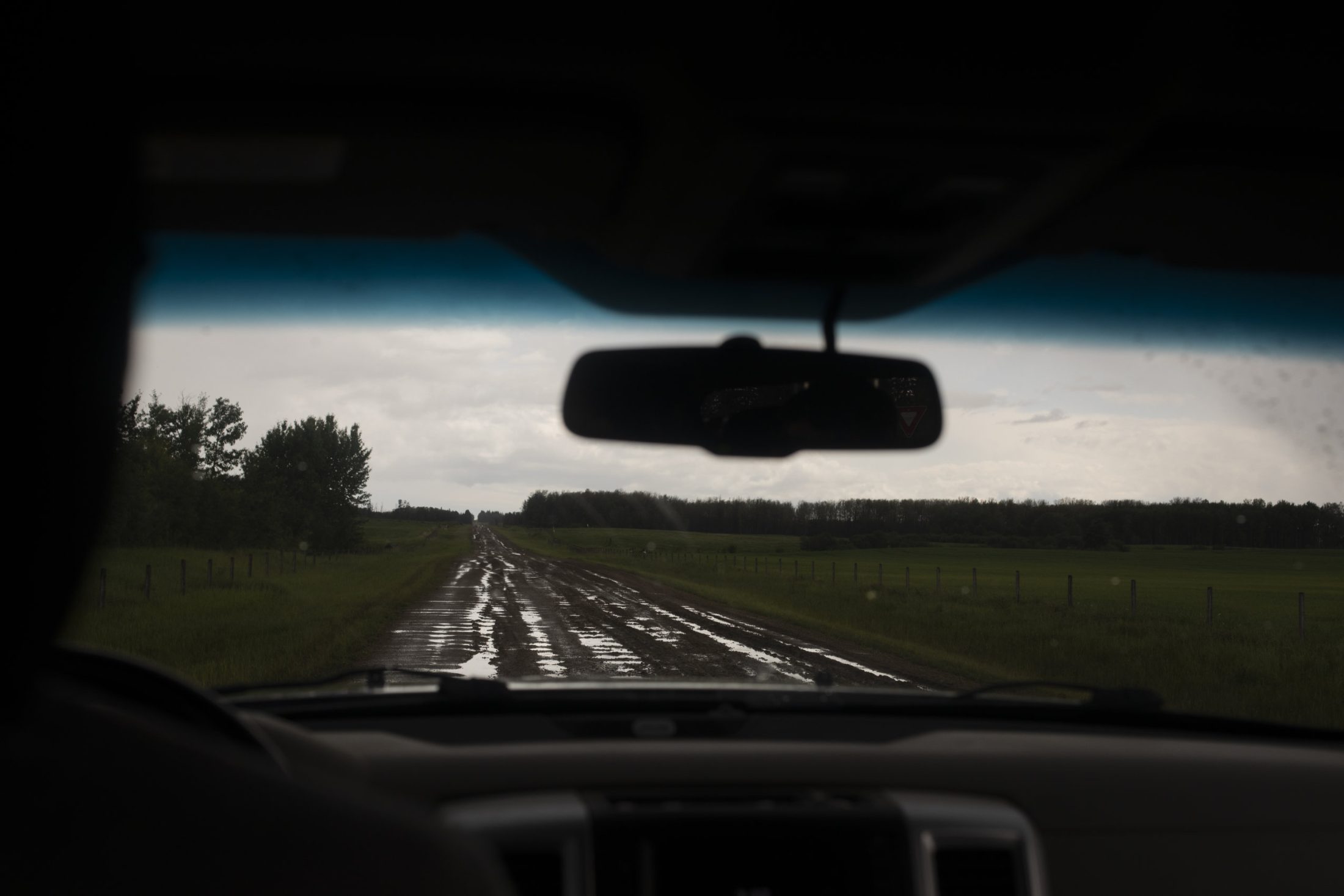
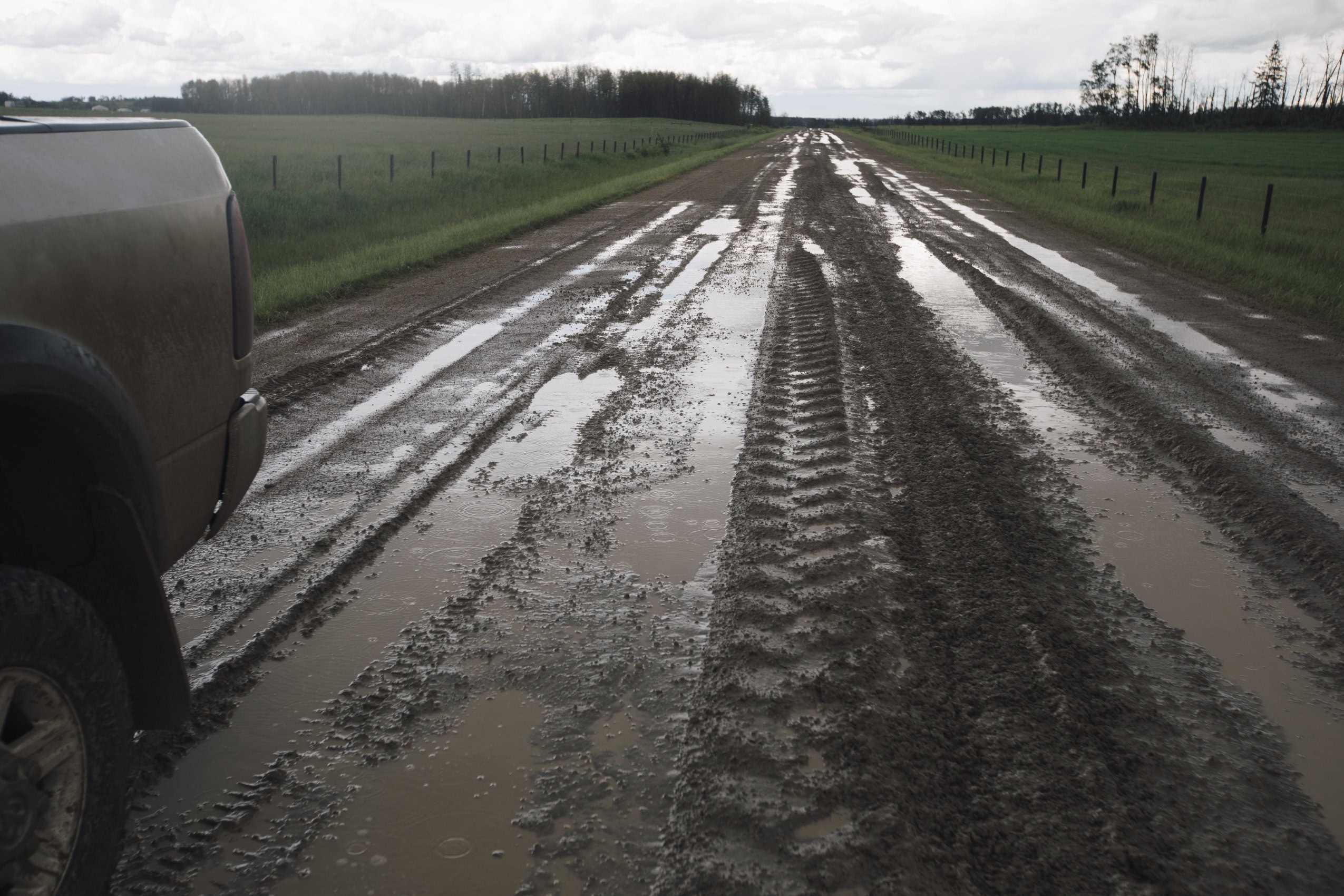
Iseli-Otto curses as we turn onto another gravel road, heavily pitted from the trucks moving back and forth from a fracking reservoir site. “This is industrial pulverization of county roads,” he says, as he slows down in his Ram 3500 pickup truck.
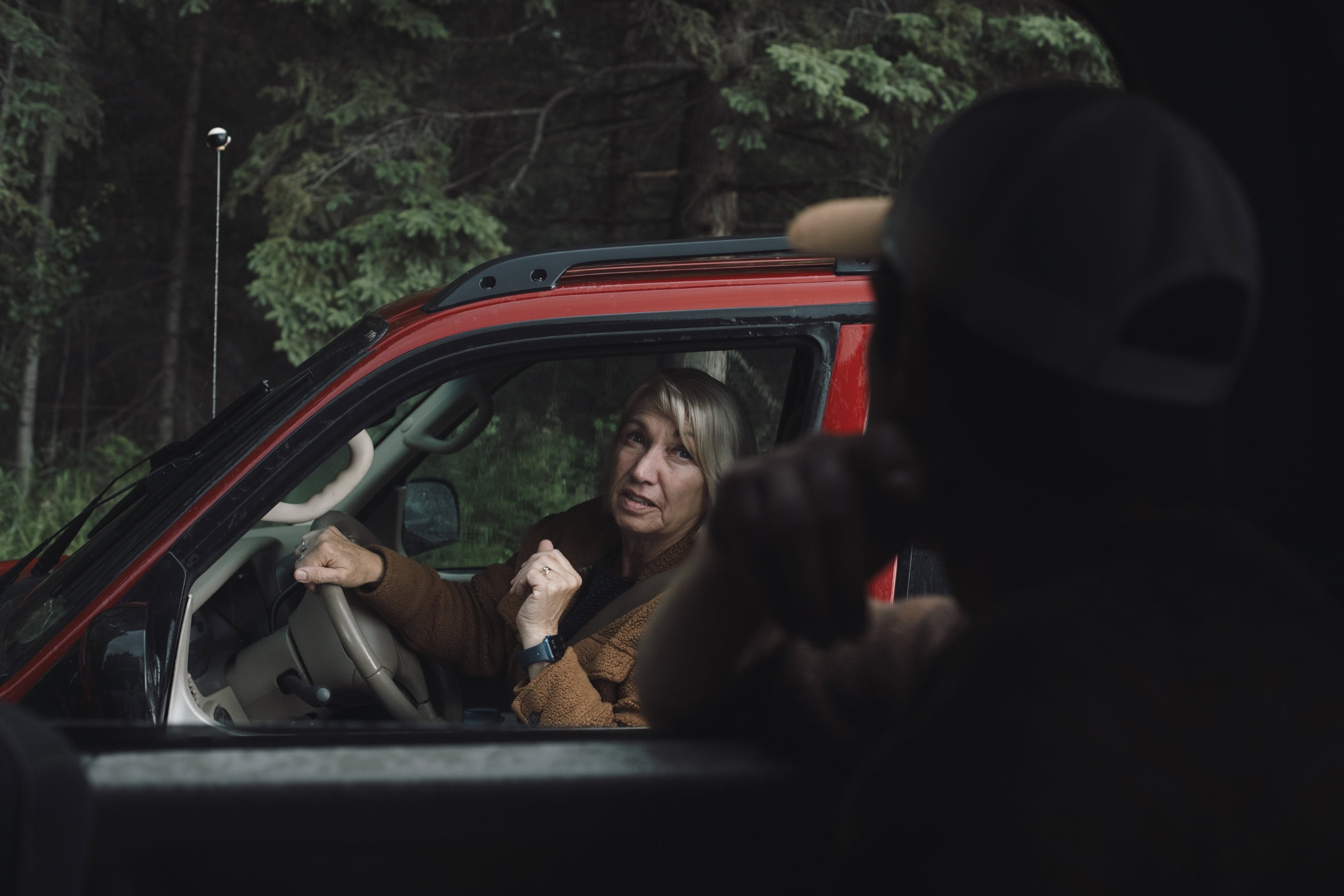
Dana Kreil, the chair of the nearby Medicine River Watershed Society, and a councillor for Lacombe County, jumped in Iseli-Otto’s truck in the afternoon. She says the road in front of her home was “trashed” by one company active in the area.
“I want them to get a bill,” she says.
Not just fracking, not just the Blindman
Travelling through rural Alberta, it feels like the frustrations that come alongside the pay cheques and the royalties of the broader oil and gas industry are increasing in step with a years-long trend of companies failing to pay their share — whether they frack wells or not.
Even with record profits, investments and jobs don’t stack up the way they used to. Too often, oil and gas companies fail to pay their bills, and that has consequences. Unpaid municipal taxes hurt local governments — and eat into budgets for things like road maintenance — and unpaid leases force landowners to seek government compensation on behalf of delinquent companies. At the same time, there are more and more orphan and inactive wells.
All of those local impacts intertwine with the changing climate and the associated droughts, fires and floods.
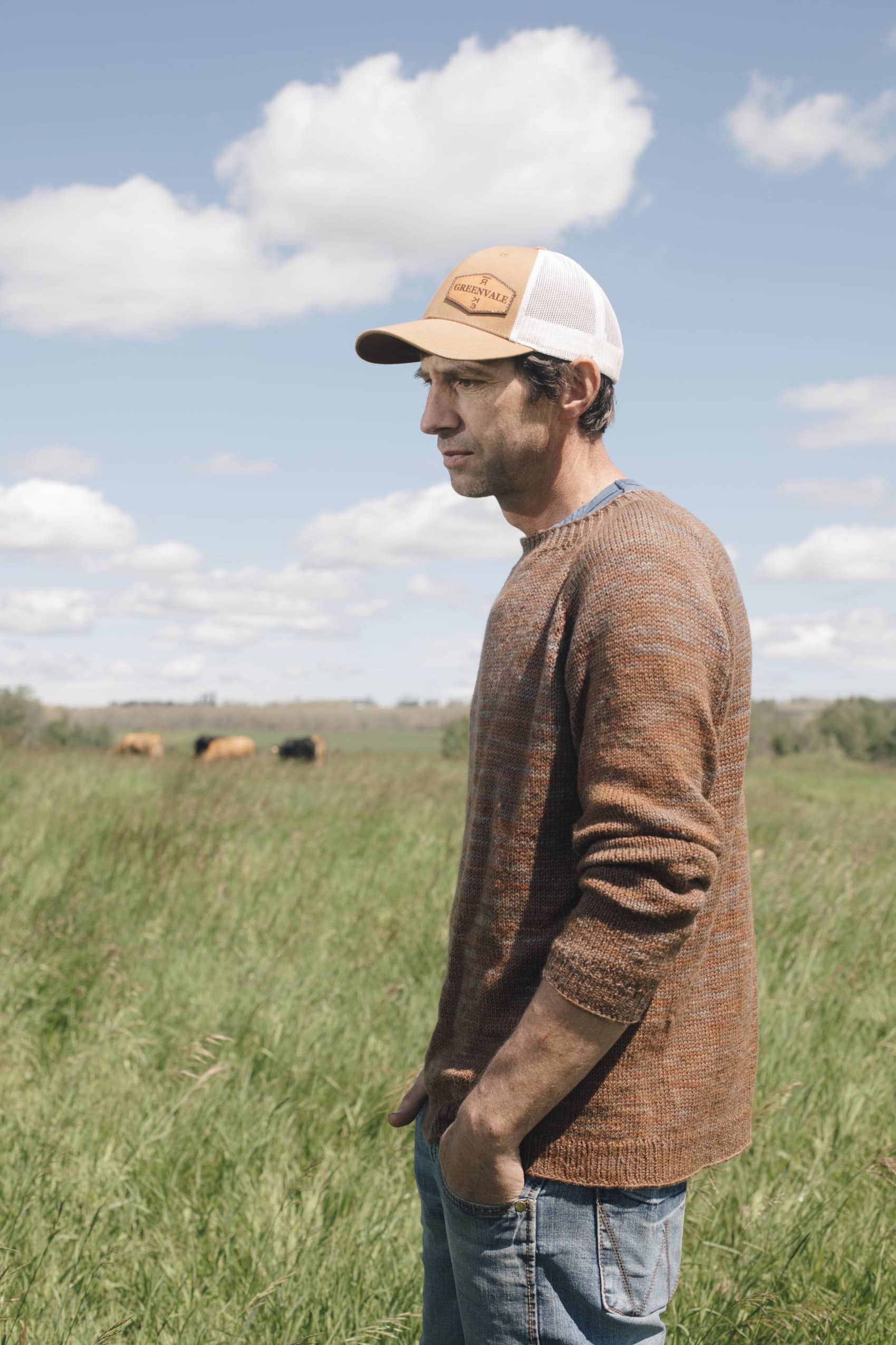
Grinde says no one really thinks of the water the companies pull from the rivers and underground aquifers until there’s not enough to go around, and then it becomes a priority. And although the summer of 2026 was altogether too wet for many farmers, the drought years are predicted to return as part of a longer-term pattern of increased volatility.
The cause of those swings in climate are once again related to big numbers that are hard to grasp.
$168 billion in revenue. $22 billion in royalties the government relies on. 310 billion litres of water consumed by Alberta’s oil and gas industry. Then there’s the five billion tonnes from global oil and gas production, seven billion tonnes from transportation and the unfathomable heating of oceans.
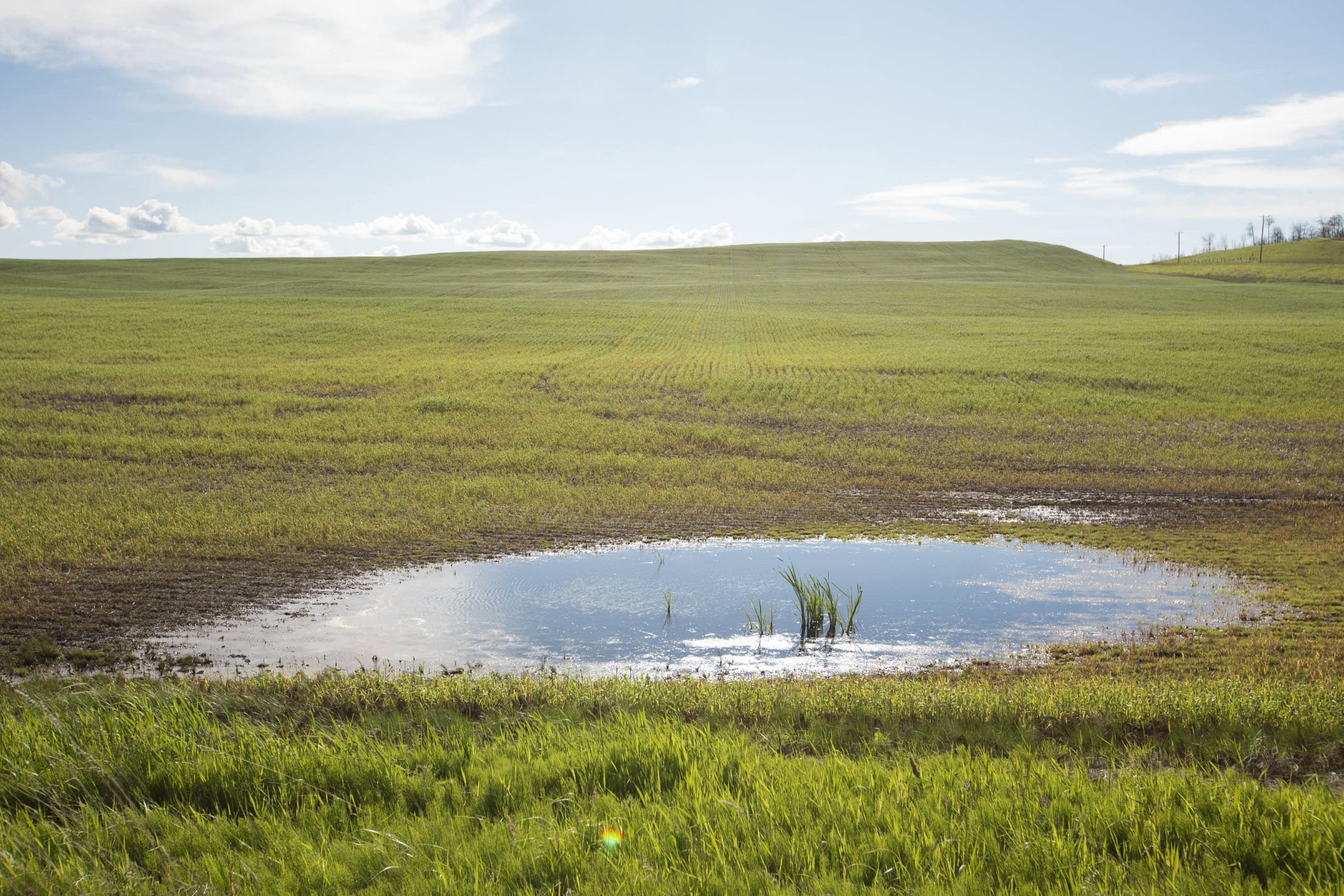
The big picture is abstract; hard to fathom. But here at Blindman Creek, the impacts are tangible.
“It’s really obvious that it’s an issue, but it’s really hard to make it concrete for people,” Iseli-Otto says. “This is an issue for people in Calgary, this is an issue for people in Edmonton, but they don’t know. The amount of water that’s getting sucked out is mind blowing.”