




 7 min. read
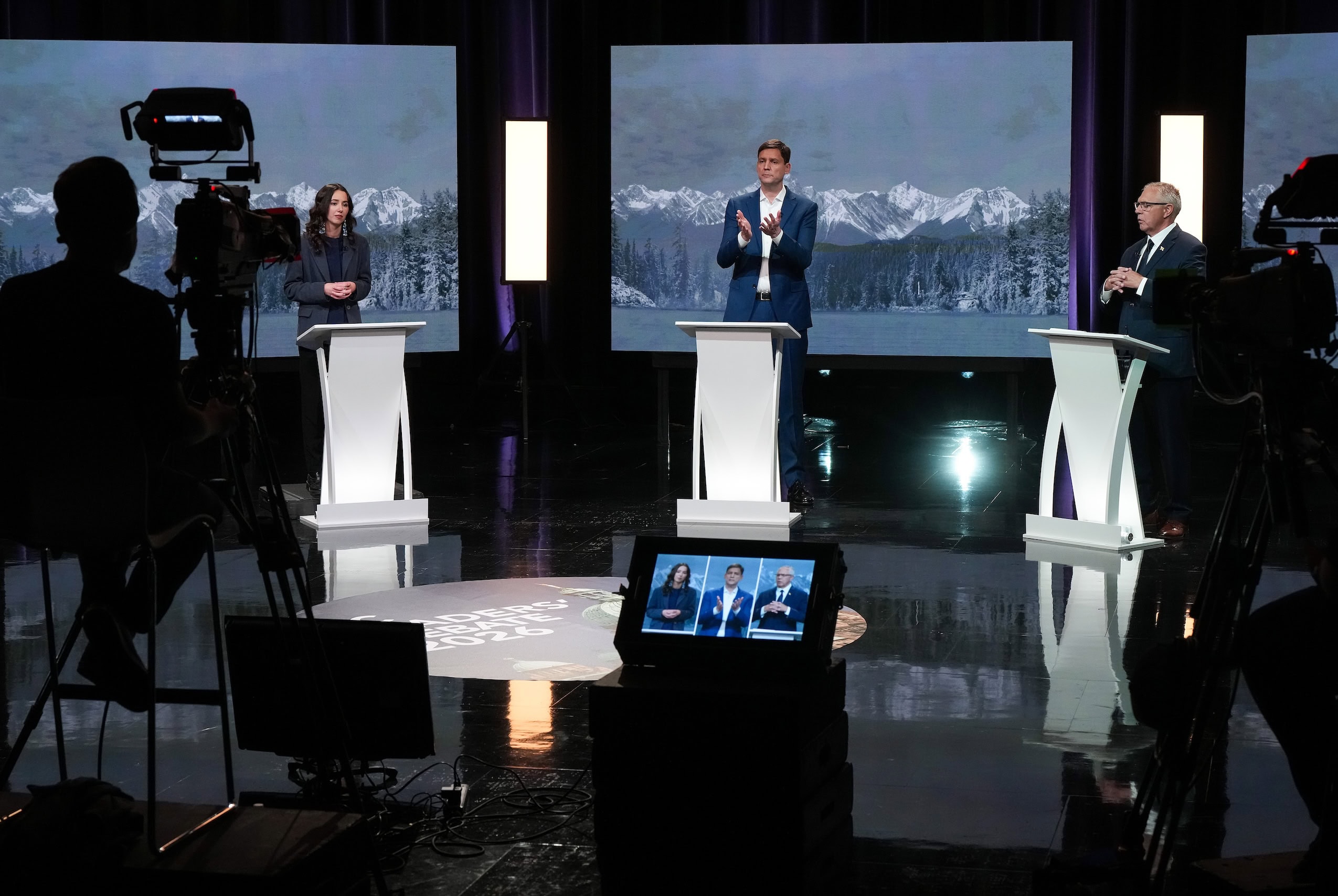
The leaders of B.C.’s three main political parties spent nearly two hours on Oct. 14 vying to be the province’s next premier. BC NDP Leader David Eby, Conservative Leader Lorne Doerkson and Green Leader Emily Lowan faced more than a dozen questions each from moderator Shachi Kurl during the only debate of the election campaign.
Not one of those questions focused on environmental issues or climate change. Nor did any of the leaders question each other about their proposed environmental policies during the open debate portions of the broadcast.
In fact, the only leader to mention the climate crisis was Lowan as she introduced herself to the audience. “I am the only leader on this stage that feels the decisions being made in the legislature, especially as it relates to the cost of living crisis and the climate crisis,” Lowan said, claiming she is the only one of the three party leaders who “has worked a minimum-wage job in the past decade.”
Summary
The lack of discussion about climate issues in the debate marked a continuation of an election campaign that has been focused on affordability issues. The NDP is promising to hike taxes on top income earners, cap prices on groceries and gas and freeze car insurance rates for three years.
The BC Conservatives are promising to cut income taxes for everyone, slash regulations in a bid to spur economic development and boost funding for police.
Both parties are promising billions in spending on health care and infrastructure without a lot of detail on where that money will come from. The province currently faces a deficit of nearly $14 billion.
Meanwhile, the BC Green Party’s 2026 campaign is also focusing heavily on kitchen-table issues. Lowan has proposed a wealth tax the party estimates would bring in billions of dollars that could be used to improve housing affordability and health care access.
The top concerns for voters are either cost of living and affordability or jobs and the economy, with health care and housing typically rounding out the top three. Fourteen per cent of respondents to a recent Angus Reid poll put environment and climate change as their most important issue when considering who to vote for in this election. Just three per cent of respondents told pollster Research Co. the environment is the most important issue facing British Columbia today.
Compare that to October 2019, when Angus Reid found climate change was the top issue among Canadian voters.
What politicians are saying — or not saying — is likely tied to what voters have been telling pollsters lately.
Eby announced his party’s climate commitments over the Thanksgiving weekend, 19 days into the campaign. Most of them are already government policy or continuations of the NDP’s previous commitments, including protecting 30 per cent of the province’s land base by 2030. The Green Party put out its climate platform on Oct. 10, which includes a promise to halt new fossil fuel projects and end “subsidies, tax preferences and public financing that encourage the expansion of fossil-fuel production.”
The BC Conservatives have yet to mention climate policy during the campaign, except to state “unrealistic climate objectives” have stymied B.C.’s ability to launch a liquefied natural gas (LNG) industry.
So why aren’t climate issues as prominent as they once were for many voters?
Voting in a polycrisis
Voter priorities have shifted even from this summer, as wildfires cast a pall of smoke across much of B.C. and climate change was front of mind for a substantial portion of B.C. voters. In July, Angus Reid found 25 per cent of B.C. respondents listed climate change as their top concern, putting the issue in third place behind cost of living and health care.
And there are plenty of issues for British Columbians to fret over these days, Jamie Lawson, an associate professor of political science at the University of Victoria told The Narwhal. Many voters are experiencing what academics call a polycrisis. That’s when multiple crises are happening at the same time, Lawson added, citing the examples of democratic decline, climate change, a cost of living crunch and the threat of artificial intelligence eating into employment opportunities.
“The thing about a polycrisis is that it implies that pressing problems go well beyond your top three,” he said.
“I think at the moment, a lot of people who do indeed care about the climate are faced with making choices. … They may be no less concerned about climate, but we might be in a case of trying to save the furniture.”
Economic anxieties tend to crowd out worries about climate change, according to Kathryn Harrison, a political science professor at the University of British Columbia who studies climate and energy policy. That’s partly because issues like the cost of groceries and gas are immediate and personal, while the impacts of climate change can seem less personally affecting.
“People know how much they’re paying for eggs, but nobody knows if their house is going to be the one that will burn down,” Harrison said. “There’s this uncertainty about who will bear those risks.”
Meanwhile, some politicians have leaned into the idea that addressing one crisis at a time is the best approach, Iglika Ivanova, senior economist and co-executive director at BC Policy Solutions, said.
“People are worried about their jobs and about prices, so we need to deal with these immediate concerns,” Ivanova said of the way top politicians have been framing the current moment. “Once we sort that out, only then can we look at climate change.”
The political tendency to focus on the short term is short-sighted, she argued.
“It almost seems like they’re looking for an economic initiative that would generate money as soon as possible, rather than taking a longer-term view on what kind of an economy are we building?”
Lawson sees the federal government’s push to fast-track major projects across the country looming large over the B.C. election.
“I think the way the NDP and the Conservatives [in B.C.] have really pressed for this accelerated extraction reflects the way in which the Liberal Party federally has gone flat out for maximizing and diversifying that kind of extractivist economy,” he said.
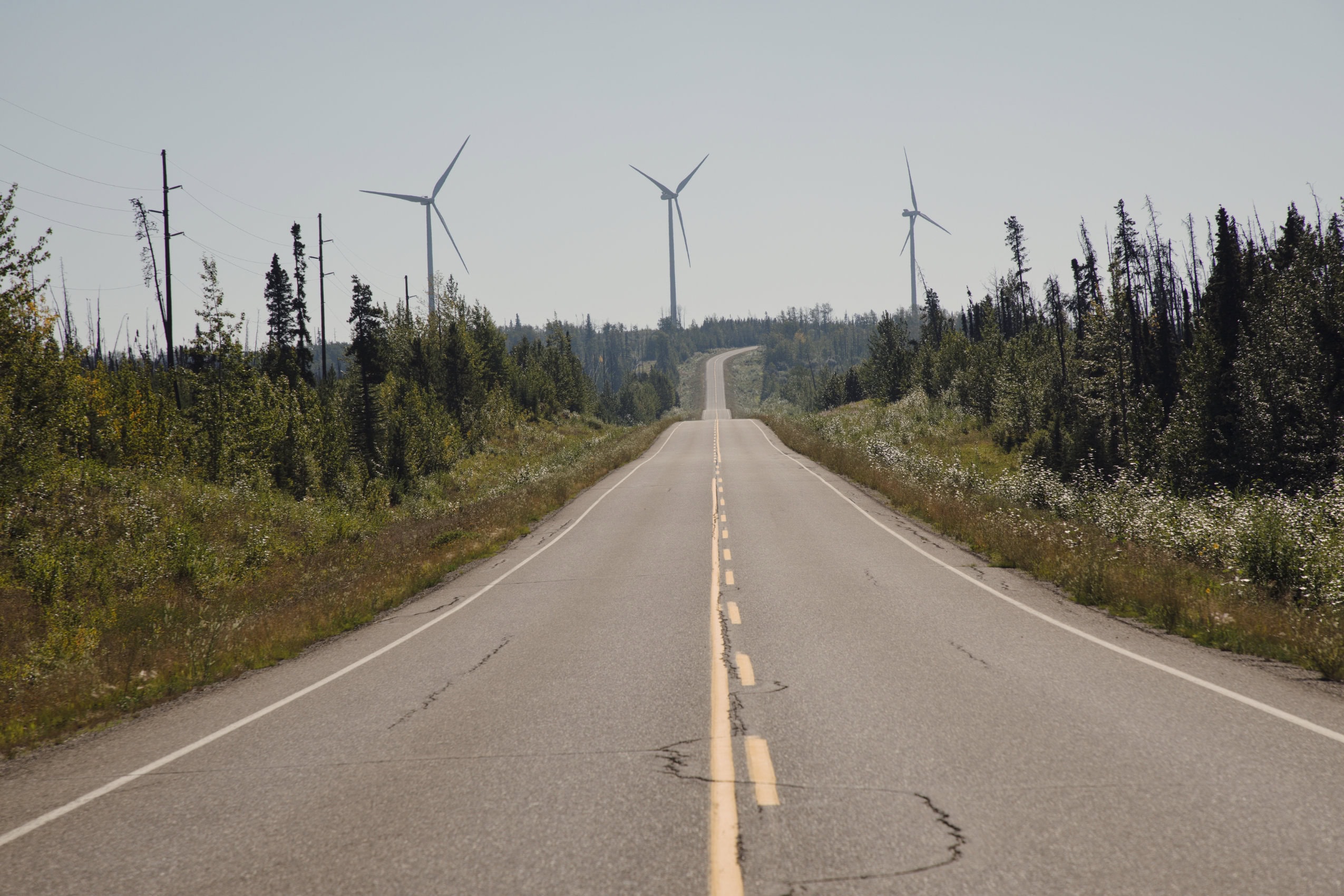
The NDP, for instance, has pledged to double B.C.’s critical mineral exports, while the Conservatives are promising broad deregulation to make it faster and easier to build projects like LNG facilities.
‘It’s so short-sighted,’ economist says of cutting climate policies out of B.C. election campaign
While the Conservatives might not want to talk about climate policy, Harrison thinks the NDP stands to benefit when voters are thinking about climate issues.
“Historically, climate and environment have been an issue that the NDP has had an advantage over the Conservatives on,” she said. “I think it’s reasonable for climate-concerned voters to say, ‘Tell us what you’re going to do on this issue that we care a lot about and that reflects a crisis that is only getting worse.’ ”
On the other hand, after years of not living up to some of its promises — climate-focused and otherwise — the NDP may have trouble convincing some voters the party will do as it promised if it forms government again. During the 2024 election campaign, the NDP promised to bring in a cap on oil and gas emissions, finish implementing recommendations from the 2020 old-growth forest strategic review and deliver a $1,000 grocery rebate — none of which happened in the past two years.
“Will some of the most climate-concerned voters vote again for the NDP because they fear that the Conservatives will be worse?” Harrison wondered. “Will they vote Green or will they stay home?”
Plenty of British Columbians may be fed up with the NDP but Lawson noted the Conservatives have gone through a lot of upheaval in the past couple of years, including the recent resignation of former leader Kerry-Lynne Findlay just 113 days after taking the reins of the party and only two days before Eby made the snap election call.
He also cautioned governments do not always do what they said they would while on the campaign trail.
“The B.C. party system is in flux and we’ve never, in recent years, had platforms that gave reliable insight into what governments do afterwards.”
Regardless of who forms B.C.’s next government, climate and environment should be central to its policies, Ivanova argued.
“Climate change is impacting us already and it will only impact us more,” she said. “It has immediate costs today and then there’s also health issues around wildfire smoke and all sorts of things that I think we ignore at our peril.”