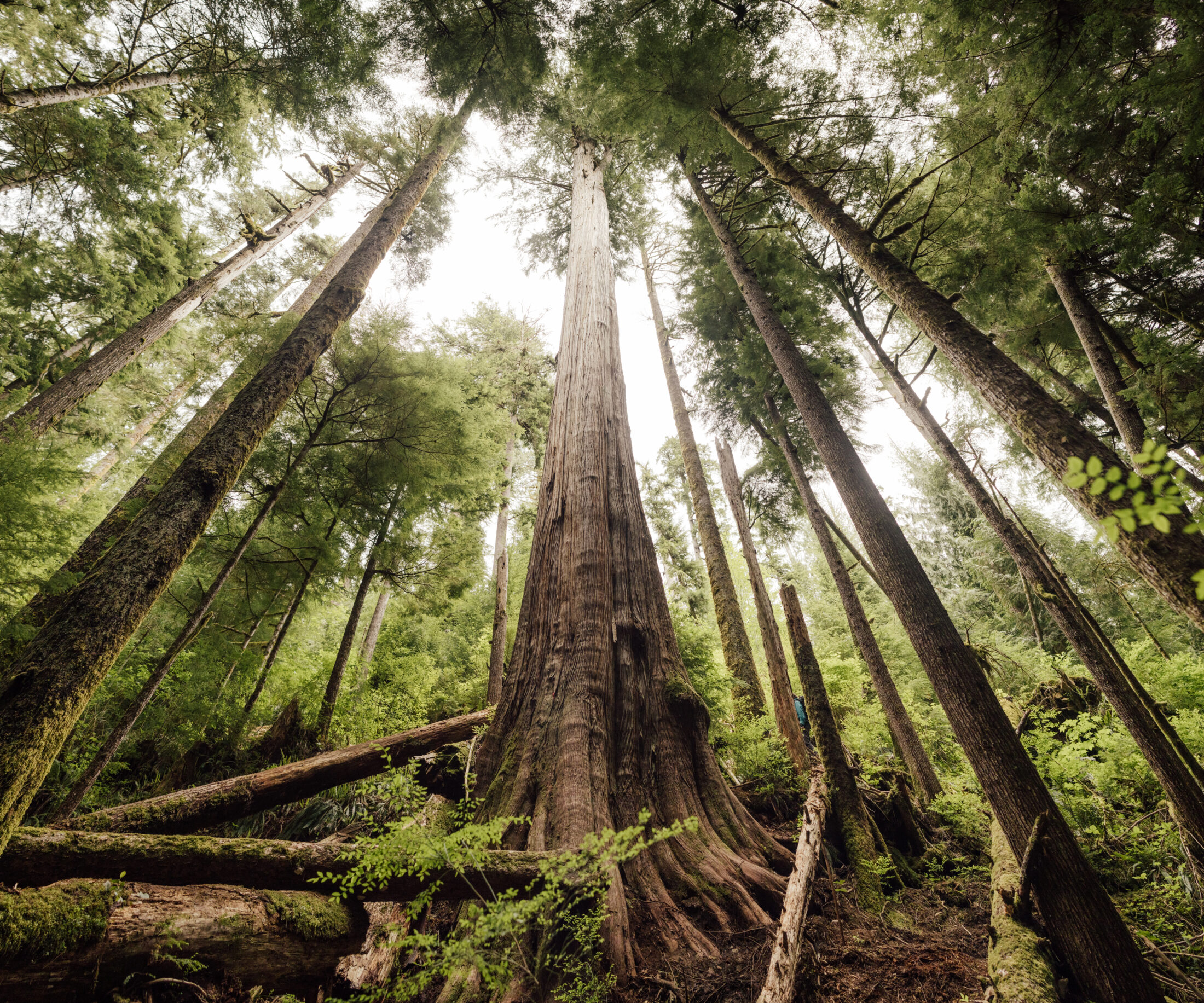
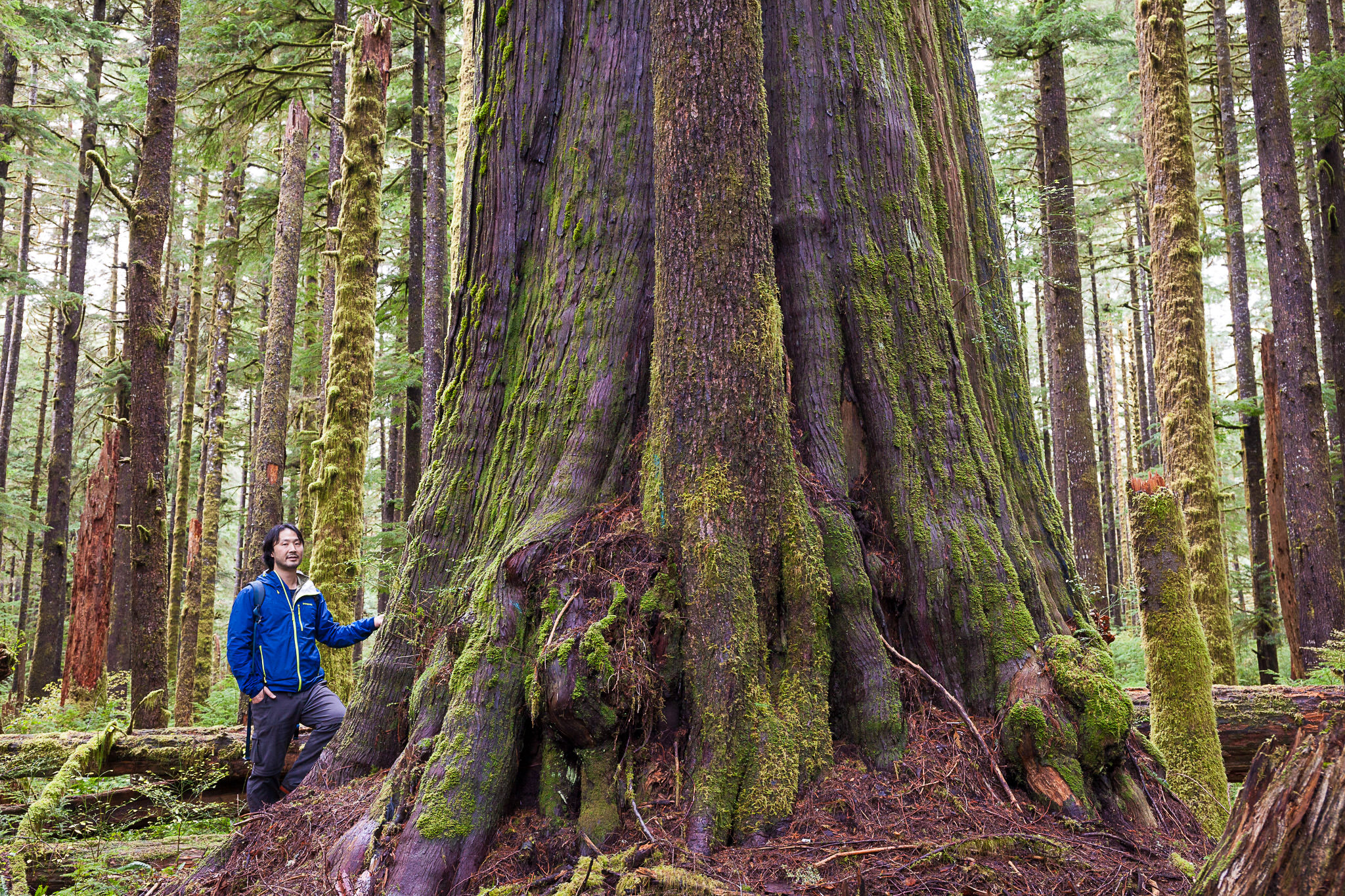
Few living things inspire as much awe as a towering tree that is centuries old and so thick it would take 10 people with outstretched arms to encircle its trunk. Walking through a forest of arboreal giants is a powerful reminder that humans are small, short-lived creatures in the grand scheme of things.
Ancient trees are still found in several provinces — including Ontario, Quebec and Nova Scotia — but the largest remaining tracts of old-growth forest in Canada are in British Columbia.
Many people feel a deep connection to these grand old trees. But big trees are also big business. Almost as soon as the province was established, B.C. started managing old-growth forests for timber-values and not for other values that include carbon storage, clean water and biodiversity.
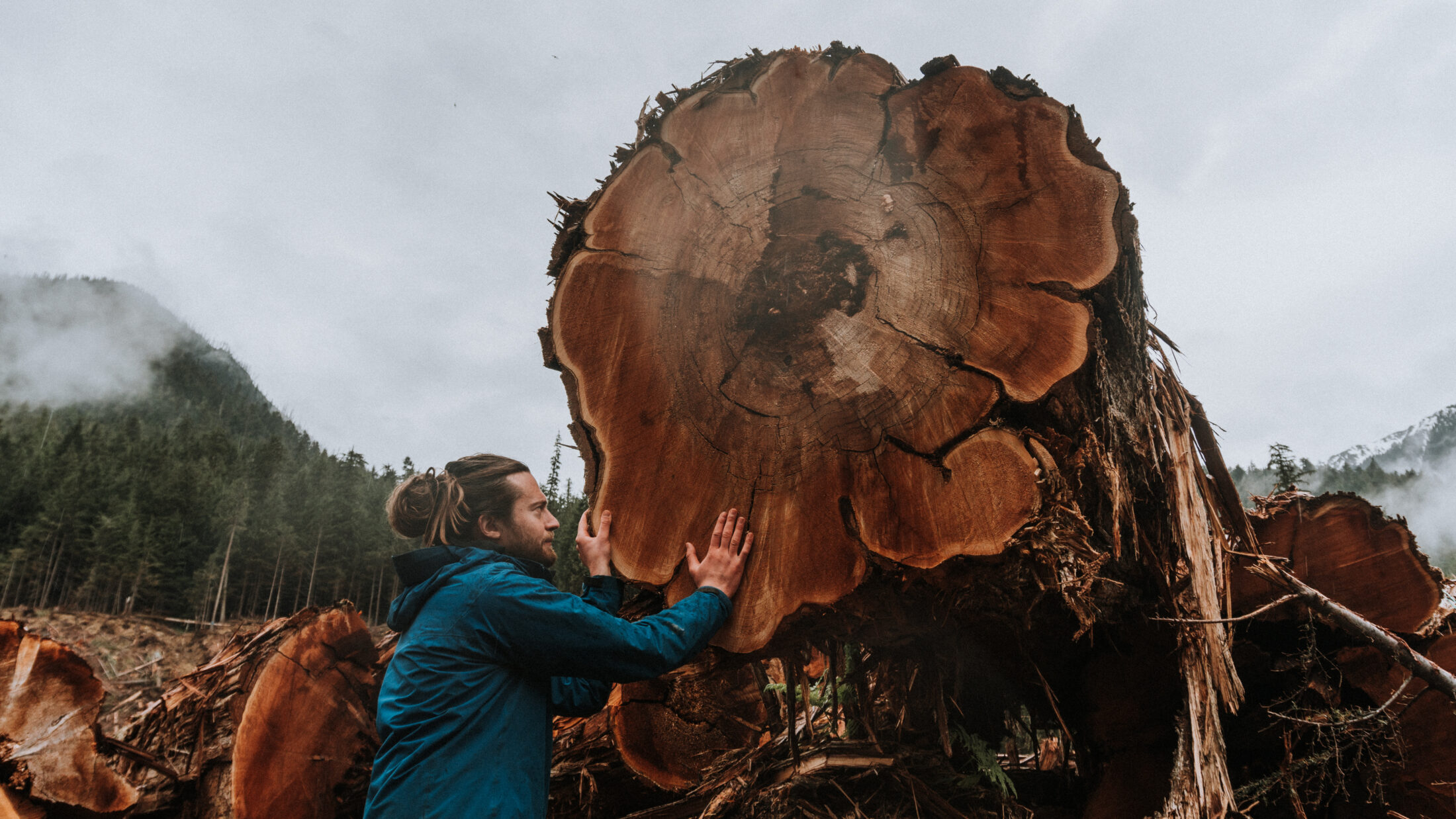
Tension between those who want to log commercially valuable old-growth forests and those who want to preserve them have simmered for decades, occasionally erupting into mass civil disobedience like the war of the woods in Clayoquot Sound and the Fairy Creek blockades on south Vancouver Island. Many of the remaining old-growth forests in B.C. continue to be logged — even though the provincial government promised to protect them.
Read on to learn more about old-growth forests and check out our latest coverage on them. Sign up for our free, weekly newsletter to catch up on all things environment and climate change in Canada.
What is old growth and how much of it is left in B.C.?
Forests on the B.C. coast and in the inland temperate rainforest with trees at least 250 years old are considered old growth. Other interior forests with trees at least 140 years old also meet the definition.
B.C. once boasted 25 million hectares of old forest. By 2021, only an estimated 11.1 million hectares of old-growth forest remained, according to the province.
Ecologists disagree with the government’s figures, saying less than three per cent of high-productivity old-growth forests — forests with the biggest trees and the richest biodiversity — are still standing. They found only 35,000 hectares of forest remain in B.C. with trees that are expected to grow over 25-metres tall in 50 years.
Why are old-growth forests important?
In July 2019, the province appointed professional foresters Garry Merkel and Al Gorley to gather input and hear perspectives on managing the province’s old-growth forests “for ecological, economic and cultural values.”
In their old-growth strategic review, Merkel and Gorley found B.C.’s old-growth forests “are globally unique, rare and contain species as yet undiscovered,” saying “many of these ecosystems and old forests are simply non-renewable within any reasonable time frame.” The foresters explained how forests anchor ecosystems, laying the foundation for diverse species of animals, plants and fungi to grow and flourish. Species that depend on old-growth forests include the endangered spotted owl, the threatened marbled murrelet seabird and endangered deep-snow caribou.
Old-growth forests and the ecosystems they support also hold significant importance for First Nations, providing access to traditional food sources and supporting spiritual and cultural practices.
Despite being called a renewable resource, it takes 500 to 750 years for an ancient coastal forest to grow back — assuming the right climatic conditions — following logging.
What steps has the B.C. government taken to protect old-growth forests?
Merkel and Gorley’s report, A New Future for Old Forests, called for a “paradigm shift” in how B.C. manages old-growth forests. Among other conclusions, the report said B.C. needs to abandon the misconception old-growth forests are a renewable resource. Old-growth forests should be viewed as ecosystems rather than just a source of timber, according to the report, which called for an immediate deferral of logging in old-growth forests in B.C. at the highest risk of irreversible biodiversity loss.
Merkel and Gorley also said the province needed to engage “the full involvement” of Indigenous leaders and organizations to develop an old-growth strategy, including proposals to defer logging of old forests on First Nations territory.
During the 2020 election campaign, the BC NDP promised to protect “more of B.C.’s old-growth forests” by implementing all 14 recommendations in Merkel and Gorley’s report. The government subsequently “temporarily deferred from development” more than 2.4 million hectares of old-growth forest, following consultation with First Nations and industry.
But logging of old-growth forests has continued, including in areas home to endangered caribou and spotted owls. In November 2023, the environmental group Stand.earth estimated at least 31,800 hectares of forest recommended for deferral in 2021 had been destroyed.
A May 2024 update from the Ministry of Forests said the province has made “significant progress” on implementing the 14 recommendations in the old-growth forests review but cautions it “will take years to achieve the full intent of some of the recommendations.”

 12 min. read