





 8 min. read
Summary
- Ranchers in some parts of Alberta can earn six figures from oil and gas sites on public land they lease from the government for below-market value — and when companies don’t pay, taxpayers foot the bill.
- The system is legal, but has been criticized by the auditor general, who called on the province in 2015 to stop allowing “personal financial benefit” from leasing public land.
- An investigation by The Narwhal reveals that one of those ranchers is Alberta Finance Minister Nate Horner, whose family has a long history in politics — and in lobbying against reforms to the grazing lease system.
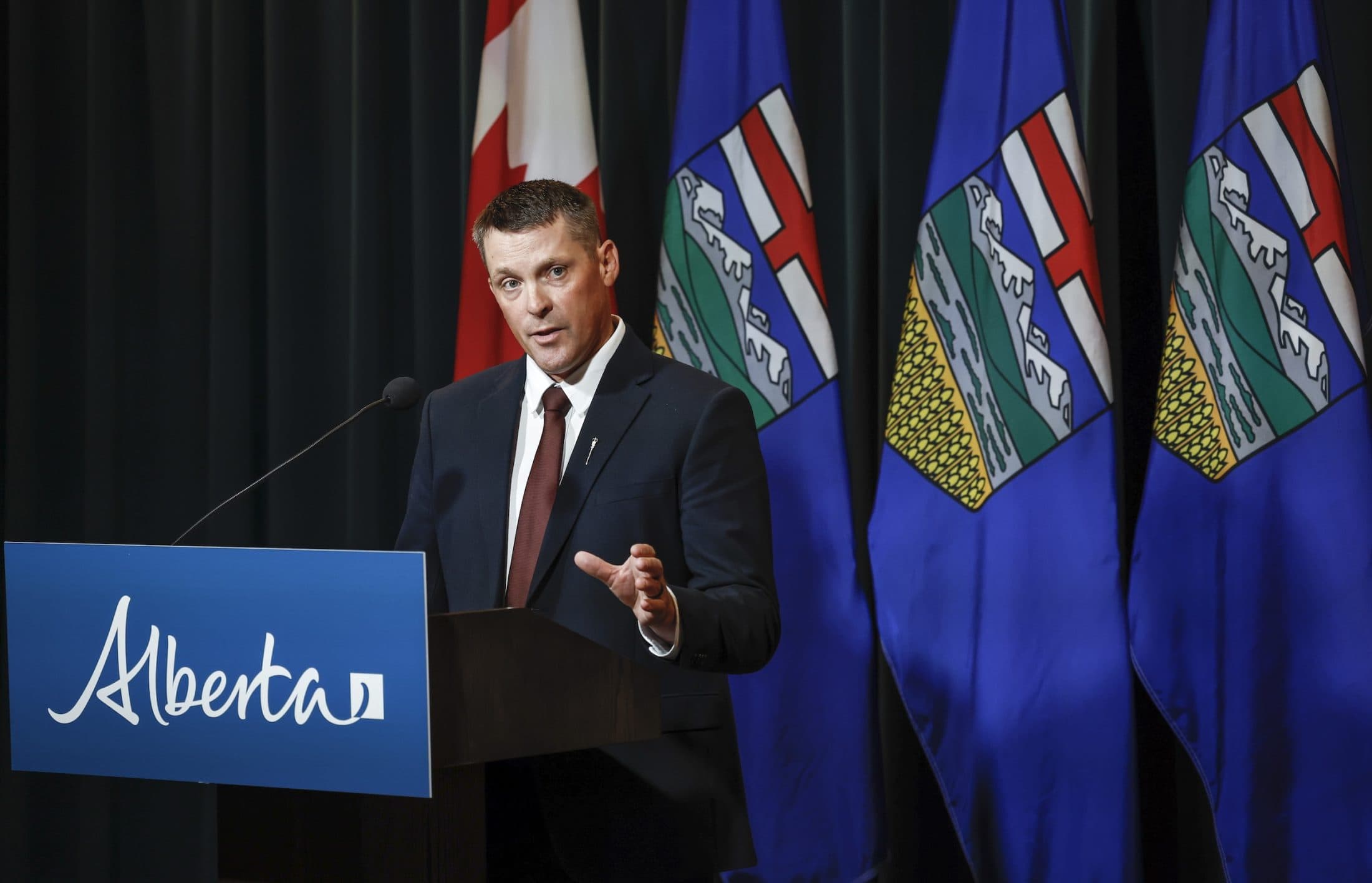
Alberta Finance Minister Nate Horner’s ranching business likely receives between $100,000 to $124,000 per year through contracts with oil and gas companies that operate on public land which he leases to graze his cattle, according to estimates compiled by The Narwhal.
And when those oil and gas companies fail to pay their bills, taxpayers have been paying the finance minister on the delinquent companies’ behalf, The Narwhal has learned.
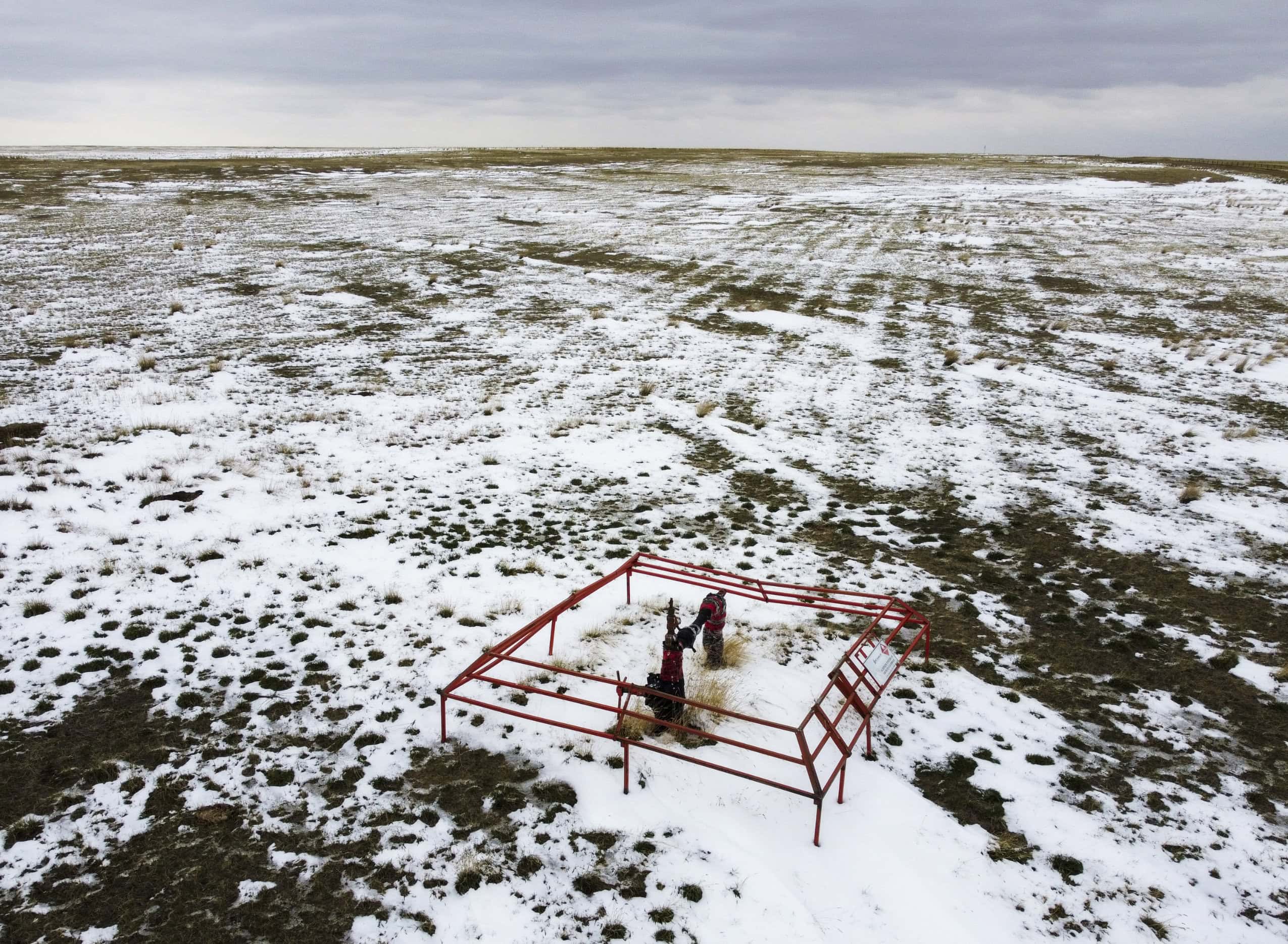
Data from the Land and Property Rights Tribunal, which pays landowners — and ranchers who lease government land — when companies fail to do so, shows Horner’s ranching business has received $87,246 in compensation from the province since 2021 for wells on his private property and on grazing leases, according to The Narwhal’s analysis. Of that, $47,200 was paid for oil and gas sites on his grazing leases — in other words, he’s receiving public money for oil and gas wells on public land.
The payments to Horner’s ranching business are all legal under current Alberta legislation, but the ability of ranchers leasing land from the government to collect all of the oil and gas compensation was criticized by the auditor general in 2015.
Nate Horner Ranches Ltd., located east of Calgary, holds vast stretches of grazing leases — public land that is rented to ranchers for what critics say are bargain prices. Horner’s family has operated in the area, and leased land from the province, for generations.
The family is also a political dynasty, counting MPs and MLAs — including both provincial and federal cabinet ministers — in its tree. His cousin, Doug Horner, is a former provincial finance minister.

This is part of Who Pays?, a series at The Narwhal looking at the intersection of the environment and the economy
In Alberta, oil and gas companies must compensate landowners for the adverse impacts of their activity. The province’s current rules also allow leaseholders to retain all such money companies pay to operate on those publicly owned grazing leases.
It’s a controversial framework that, in 2015, the auditor general said was allowing some ranchers to derive undue “personal financial benefit” off public land.
The Narwhal set out to understand the scope of the problem, focusing on three regions east of Calgary with many ranchers grazing their cattle on public land. The Narwhal’s analysis found taxpayers have footed the bill for millions of dollars in payments on behalf of oil and gas companies to ranchers leasing public land at below-market rates.
And one of the recipients of those payments is the finance minister’s ranching business.
His press secretary, Marisa Warner, said Horner’s compensation is above board.
“All of Minister Horner’s agricultural business holdings have been put in a blind trust since entering cabinet,” she said by email, adding the “minister’s assets, property and business holdings have all been properly disclosed, and placed in a management arrangement, approved by the ethics commissioner.”
Each oil and gas well brings in an estimated $1,856. Horner’s business has 67
The Narwhal estimated how much Minister Horner’s ranching business receives from oil and gas companies by looking at property maps that list both grazing leaseholders and oil and gas sites and counting the number of oil and gas sites on leases he holds. Nate Horner Ranches Ltd. had 67 sites.
That number was multiplied by $1,500, a per site figure cited by the auditor general in 2015 as an average compensation amount. By this calculation, Nate Horner Ranches Ltd. could receive an estimated $100,500 per year.
Figures from Land and Property Rights compensation decisions, however, show that Horner’s ranching business might receive a higher price. Based on the 21 claims he has filed since 2021 for unpaid compensation, the average cost per site is $1,856, meaning he could be earning as much as $124,386.
It’s unclear if Horner has any other stakes in operations owned by family members near his own holdings. The minister’s office did not respond to specific questions sent by The Narwhal.
Warner directed questions about the government’s position on the current system to the Ministry of Environment and Protected Areas, which oversees grazing leases.
The minister of environment and protected areas office did not respond to a list of emailed questions.
The finance minister’s grandfather was among the loud advocates against reforming the system that benefits ranchers
The issue of oil and gas compensation for grazing leaseholders has been controversial for decades, and includes a failed attempt by the Ralph Klein government to cap payments.
That legislation was passed quickly in 1999, but was never proclaimed into law after intense backlash from ranchers and advocacy organizations. Among them was the Alberta Grazing Leaseholders Association, which was led by Horner’s grandfather, Jack Horner, at the time.
The association formed to push back against the Klein government “directly attacking property rights of leaseholders.”
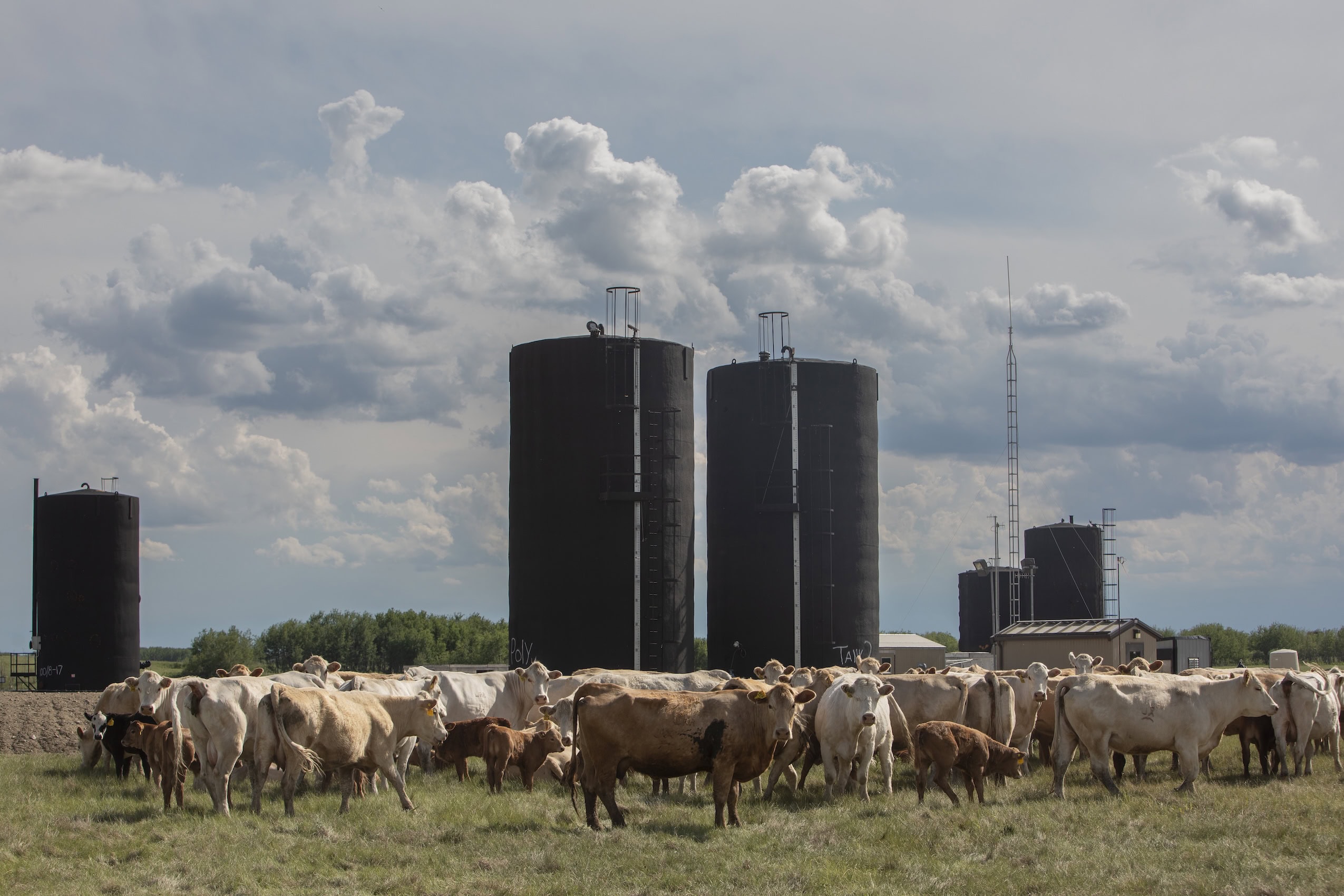
Those opposed to changing the system point out that while grazing leaseholders pay less than market price to use public land, the lease comes with responsibilities and costs. Ranchers using public land pay for all improvements and maintenance of the land, as well as paying property taxes.
“The leaseholder has purchased the right from the province to be the occupant of that land,” Lindsye Murfin, the manager for the Alberta Grazing Leaseholders Association and the general manager of the Western Stock Grower’s Assocation, said in an interview. “And with those rights come a lot of responsibilities.”
Her organizations argue against a cap on the amount of money a leaseholder can earn from oil and gas sites on their leases. As Murfin points out, the more wells there are in a grazing area, the more problems a rancher has to manage.
The Land and Property Rights Tribunal payments are part of a grand bargain with Albertans. No one is allowed to deny access to an oil and gas company that wants to drill, and in exchange the government will cover compensation if a delinquent company stops paying.
Those payments have exploded in recent years, as more and more companies walk away from their financial obligations — even as some continue to operate.
The total in 2024 was $30 million, which represents a 4,500 per cent increase in the amount of money the government is paying for these missed payments since 2010. The government says it works to recoup those costs from companies, but previous reporting from The Narwhal shows only a small fraction of tribunal payments, less than one per cent, is ever recovered.
Horner’s experience is a striking example of the impact of regulatory failure in the province.
Almost all of the tribunal payments to Nate Horner Ranches Ltd. cover unpaid leases by AlphaBow Energy, a company that was allowed to snap up thousands of wells it did not have the resources to manage or clean up.
Five years after the company was created through a complex series of transactions, the Alberta Energy Regulator suspended its licences. The regulator transferred supervision of the sites to the Orphan Well Association — a largely industry-funded organization that cleans up sites without a solvent owner.
This left thousands of wells without a viable owner. It also meant millions of taxpayer dollars were directed to landowners and leaseholders to cover unpaid compensation — Horner among them.
That’s just one example. The orphan well inventory increased more than 29 per cent in 2025, but the levy imposed on companies to cover those costs only increased by seven per cent this year.
In the past month, the orphan inventory nearly doubled with the transfer of wells from another troubled company, Long Run Exploration. Those wells are estimated to have added another $476 million in liabilities to the association’s expenses.
Methodology
The Narwhal’s Prairies reporter Drew Anderson and web developer Andrew Munroe created estimates for this story from data gathered from a public government database of decisions regarding compensation oil and gas companies are supposed to pay to landowners when they put infrastructure on their land. The database is called the Land and Property Rights Tribunal database and contains tens of thousands of records of rulings. Each ruling contains information on the oil and gas company that failed to pay its bill, the land or leaseholder to whom the debt was owed, the amount owed and more. It is an extensive database, with each individual ruling page containing data on company names and grazing leaseholders or landowners, the amount paid and whether or not the site is located on a grazing lease.
Information regarding well sites located on grazing leases was obtained by purchasing municipal land maps on an app named iHunter, which provides the names of grazing leaseholders, contact information and outlines oil and gas sites on those lands.
To estimate the average compensation for a site on Finance Minister Nate Horner’s land, each tribunal decision was cross-referenced with the number of years for which compensation was owed, and the number of sites tied to each claim. The number of sites was retrieved from albertawellfinder.com and based on the licence number attached to the tribunal decision.
Updated on Apr. 30, 2026, at 10:33 a.m. MT: This story has been updated to reflect that Lindsye Murfin is both the general manager of the Western Stock Growers’ Association as well as the manager of the Alberta Grazing Leaseholders Association.