In June 2021, as B.C.’s heat dome approached, he insisted we needed an air conditioner to keep our Vancouver apartment cool. Our daughter was just three months old. I was convinced we’d be fine.
He was right. The heat was everywhere and stayed put for eight days — significantly worse for many, who didn’t have indoor cooling or a safe place to sleep — and claimed 619 lives in the province. Later that year, the scientific director of environmental health services at the BC Centre for Disease Control called it “the most deadly weather event in Canadian history.”
Five years on, with the hottest summer on record projected globally, freelance reporter Cameron Fenton wanted to know if we’re any more prepared for extreme heat. Cameron, a trained paramedic, was especially interested in B.C.’s ambulance service.
“In my time working as a paramedic, one thing I noticed was that every single person I met who worked through the heat dome had a story,” Cameron told me. “I wanted to explore what happened on those days and the transformation it sparked, especially with forecasts for this summer projecting hot, dry weather in B.C.”
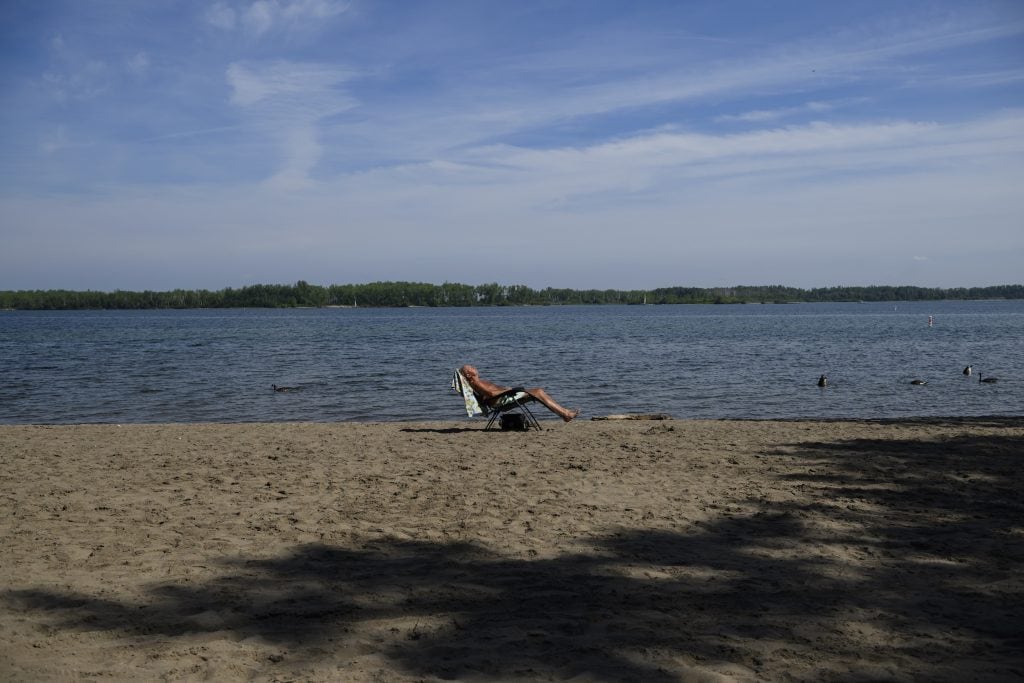
B.C. isn’t the only part of Canada bracing for extreme weather — in Ontario, where many cities are sweltering under heat waves, and the Northwest Territories, where wildfires have forced evacuations, it’s already arrived. As Cameron writes, “it’s a question of when, not if, we’ll experience another heat event.”
For paramedics, the exhaustion of climate change coupled with the urgency of their work — under the same heat everybody sweat through — compounded into a new level of stress. “Seeing these [natural disaster] events and not seeing the link to climate change being made was infuriating,” one source told Cameron.
Cameron’s understanding of that reality allowed him to connect with people on the front lines who don’t often speak with the media. His story also looks ahead, exploring how the ambulance service has changed in the past five years to better prepare for the next climate emergency.
“I think the biggest thing I want people to take away is a reminder that when we talk about climate change and sacrifice, we’re not actually talking about driving a little less, but about people,” Cameron said. He hopes readers take away an understanding that the cost of responding to climate impacts, and being prepared for them, is rising — maybe faster than we expect.
Working on this story, I was transported back to my small apartment in Vancouver, where we tacked blankets on the window, had the privilege of turning on our brand-new air conditioner, slept in our underwear and hoped for the best. As we face another predictably hot summer, I hope we’re more prepared.
Take care and stay cool,
Lindsay Sample,
B.C. bureau chief
P.S. Our June 4 newsletter stated that the Oil Sands Alliance had pitched to capture 68 megatonnes of carbon annually from Alberta’s oilsands. In fact, the group originally pitched to reduce carbon emissions by 68 megatonnes (reduced now to 16, as Drew Anderson reported) — with the carbon capture project central to that plan. We regret the error, and thank Narwhal readers who pointed it out! 🫶
It’s not easy being green
Over in Ontario, we’ve published the first story from our newest reporting fellow, Rajpreet Sahota. Her focus is the ways policy affects people in diverse communities across the province, and her first piece is a perfect example.
Two students in Constance Lake First Nation wanted to start a recycling program at their school, but they quickly learned it would be a complicated endeavour — the recycling they collected had nowhere to go. I won’t give too much away; you can read the story over here.
You’ll be hearing a lot more from Rajpreet, who will be with us for the next year, with her role generously supported by the Canadian Race Relations Foundation.
A(nother) feather in our cap
Last week, the Solutions Journalism Network announced The Narwhal as the third-place winner in the multimedia category in its annual awards! The prize honours reporting by Fatima Syed about lessons from Ontario’s transition away from coal power, 10 years later.
“For years, person after person in Ontario’s energy industry constantly reminded me of this incredible past,” Fatima said. “As we stare down an uncertain future, looking to lessons from history isn’t just good journalism, it’s a dare to readers to also see opportunity, and even hope.”
The immersive feature was brought to life with illustrations by Kevin Ilango, creative direction by Shawn Parkinson and editing by Elaine Anselmi. Check it out here.
Including this most recent accolade, The Narwhal’s deep reporting on the natural world in Canada has won eight awards at national and international programs this year.
Secwe̓pemc women are revitalizing hide tanning in B.C. By Santana Dreaver
Tanning deer hide is a lengthy process, from hunting to completion. Women from Simpcw First Nation are ensuring this tradition continues by hosting community workshops.
What’s better than a cool dip on a hot day? Knowing you’re supporting independent journalism about how we can better adapt to a warmer planet. Become a member today to get your paws on a cool pair of Narwhal socks — only 68 pairs left!